The Big Mistake Many Michigan Homeowners Make When Overwintering Their Plants
As winter creeps in, many Michigan homeowners rush to save their beloved plants—but that urgency can backfire fast.
One small, well-intentioned mistake often turns healthy greenery into drooping, withering leaves by midwinter.
From garages that get too cold to overwatering plants that should be resting, overwintering isn’t as simple as bringing pots inside.
Before frost hits and panic sets in, here’s what most people get wrong—and how to keep your plants alive, healthy, and ready for spring.
Why Bringing Plants Inside Too Early Backfires

Many gardeners panic when the first cool night arrives and rush to bring every potted plant indoors before temperatures actually threaten them.
Plants need time to adjust naturally to seasonal changes, and moving them too soon disrupts their preparation for dormancy and rest.
Michigan often experiences warm spells in early fall, and indoor heating during these periods stresses plants that still expect outdoor conditions.
Early moves also bring outdoor pests inside your home, where they multiply quickly in the warm, protected environment without natural predators around.
Tropical plants can handle temperatures down to fifty degrees, so waiting until consistent cold arrives protects them better than premature action does.
Patience rewards you with healthier plants that transition smoothly rather than suffering shock from sudden environmental changes that confuse their biology.
Timing matters more than most people realize, and understanding your specific plants helps you make smarter decisions about when relocation truly becomes necessary.
The Temperature Mistake That Confuses Dormant Plants
Keeping plants in rooms that stay too warm all winter prevents them from entering their natural dormancy period, which most species need desperately.
Plants evolved to rest during cold months, conserving energy and slowing growth until spring signals return with longer days and warmer temperatures.
Placing them near furnace vents or in heated living spaces tricks their internal clocks, causing weak, leggy growth that drains resources unnecessarily.
This forced growth weakens plants significantly because they lack sufficient light and energy to support healthy development during short winter days ahead.
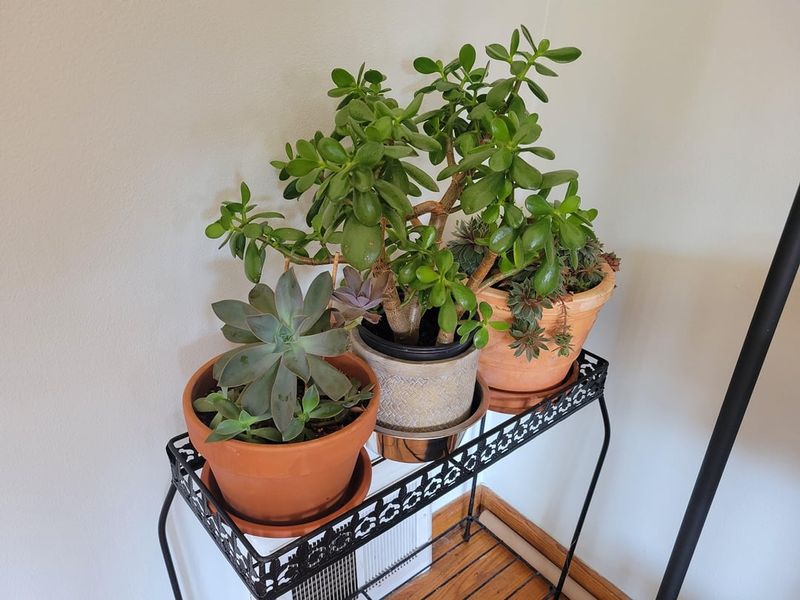
Cool basements or unheated sunrooms work much better, providing temperatures between forty and fifty-five degrees that encourage proper rest without freezing damage.
Michigan homeowners often overlook this need, assuming warmth equals safety, but moderate coolness actually protects plants far better than excessive heat does.
Respecting natural cycles helps your plants conserve strength and emerge vigorous when spring finally arrives with conditions suitable for active growth again.
How Low Indoor Light Weakens Plants All Winter
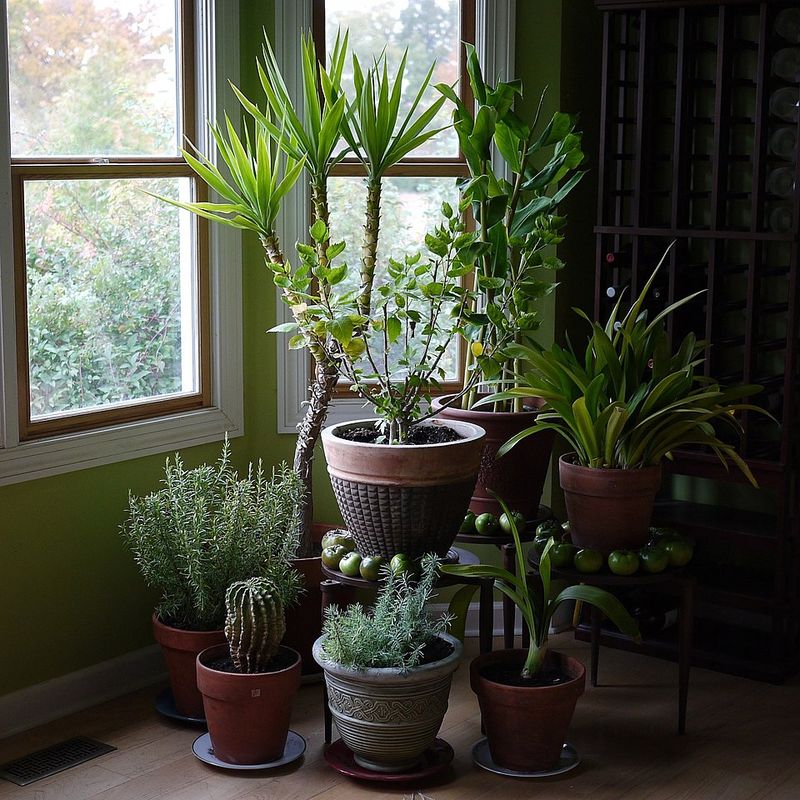
Michigan winters bring short days and cloudy skies, reducing natural light to levels far below what most plants need for survival indoors.
Even bright windows provide only a fraction of outdoor light intensity, and plants placed far from windows receive almost no usable energy.
Without adequate light, plants cannot photosynthesize properly, leading to yellowing leaves, stretched stems, and overall decline that frustrates dedicated gardeners everywhere.
South-facing windows offer the best natural light, but supplemental grow lights become essential for maintaining healthy plants throughout the darkest months.
Your Michigan Garden Changes Every Week. Your Plan Should Too.
Gardening in Michigan changes quickly throughout the season. Every Friday you’ll receive a simple weekly plan showing exactly what to plant, prune, fertilize, harvest, and protect so you never miss the right timing.
Simple LED grow lights positioned six to twelve inches above foliage provide the spectrum and intensity plants crave during their indoor stay.
Ignoring light requirements represents one of the biggest mistakes homeowners make, assuming that simply being indoors protects plants from all harm.
Investing in proper lighting transforms your overwintering success, keeping foliage green and plants vigorous rather than watching them slowly decline from starvation.
Bright conditions matter just as much as temperature control when creating an environment where plants can thrive rather than merely survive winter.
Why Warm Rooms Invite Pests And Disease
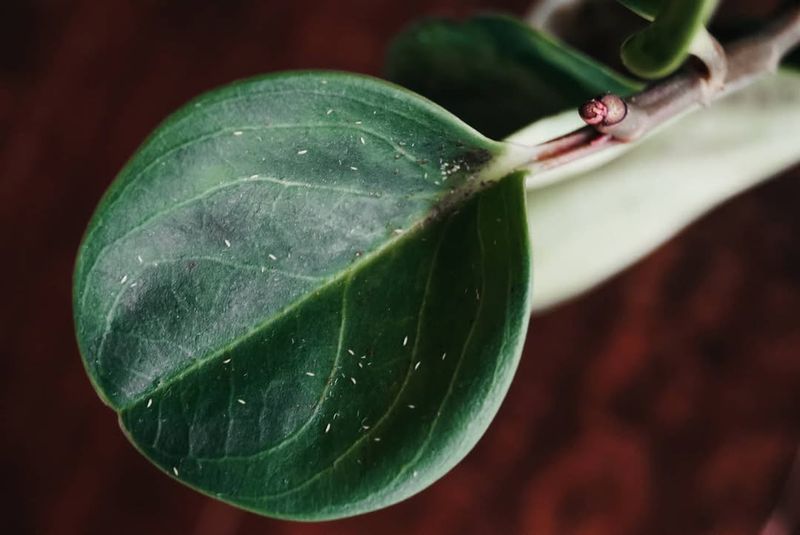
Bringing plants indoors creates a paradise for pests like spider mites, aphids, and whiteflies that thrive in warm, dry conditions without predators.
Outdoor insects hitchhike inside on leaves and stems, then multiply rapidly in heated homes where humidity drops and natural controls disappear completely.
Stressed plants become even more vulnerable to infestations because their weakened state reduces natural defenses against hungry insects seeking easy meals.
Fungal diseases also spread quickly in stagnant indoor air, especially when overwatering combines with poor ventilation to create perfect conditions for growth.
Inspecting every plant thoroughly before bringing it inside helps catch problems early, and isolating new arrivals prevents spreading issues to your collection.
Regular monitoring throughout winter catches outbreaks before they explode, and simple remedies like insecticidal soap work wonders when applied at first signs.
Clean conditions and proper spacing between plants improve air circulation, reducing disease pressure and keeping your indoor garden healthier through the cold season.
Prevention beats treatment every time, so vigilance protects your plants far better than scrambling to fix widespread problems after they develop.
The Right Time To Move Plants Indoors In Michigan
Watching weather forecasts carefully helps you time the transition perfectly, waiting until nighttime temperatures consistently drop near forty degrees before taking action.
Most tender plants tolerate brief dips into the low forties without damage, so occasional cool nights do not require immediate emergency relocation indoors.
Michigan typically sees these conditions arrive in late September or early October, though regional variations mean northern areas face cold earlier than southern.
Gradual acclimation works best, moving plants to a sheltered porch or garage for a week before bringing them into your heated home.
This transition period lets plants adjust slowly to reduced light and different humidity levels without experiencing shock that weakens their overall health.
Checking specific plant requirements matters because some species tolerate more cold than others, and knowing your collection prevents unnecessary worry or damage.
Frost forecasts signal urgent action, but until that threat appears, letting plants enjoy outdoor conditions strengthens them for the confinement ahead indoors.
Smart timing balances protection with natural conditioning, giving your plants the best possible start to their winter rest period inside your home.
Where To Place Overwintering Plants For Best Results
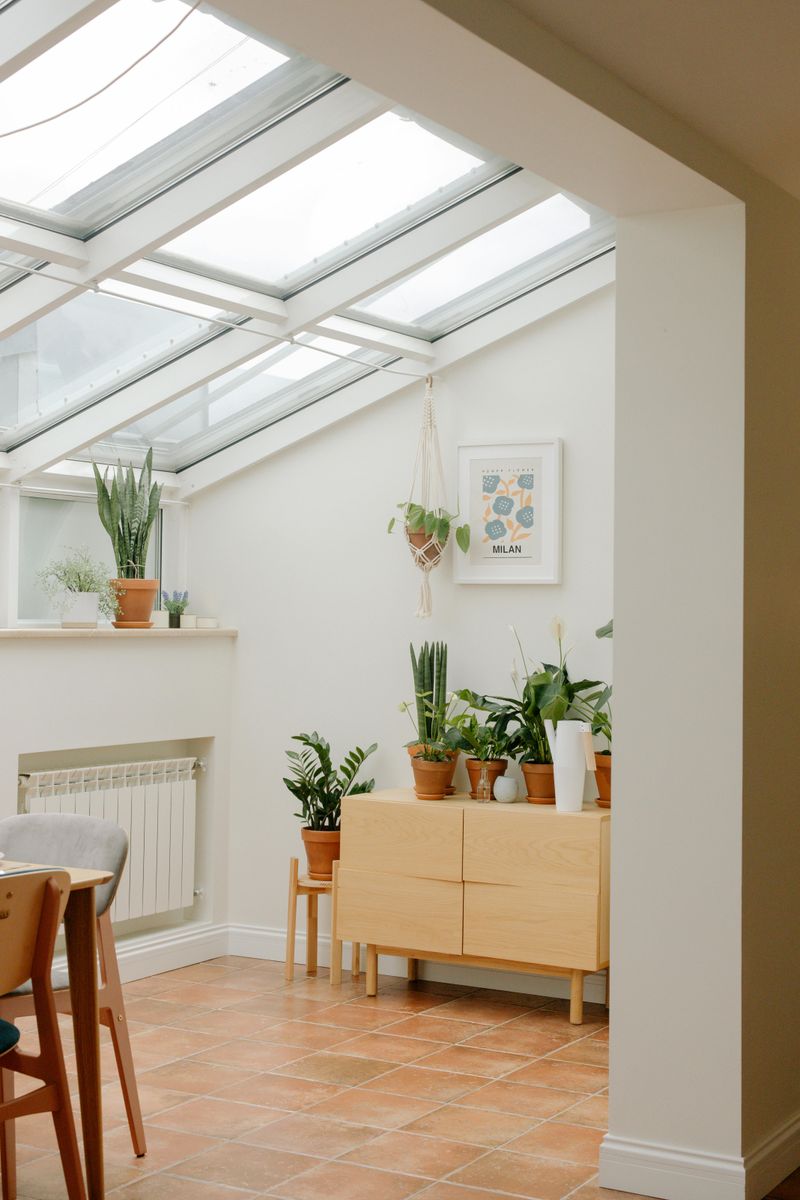
Location inside your home dramatically affects plant health, and choosing the right spot requires considering light, temperature, and humidity all together carefully.
Unheated sunrooms provide ideal conditions for many species, offering bright light and cool temperatures that mimic natural dormancy without risking freeze damage.
Basements with windows work wonderfully for plants that tolerate low light, especially when supplemented with affordable LED fixtures that extend daily illumination.
Avoid placing plants near drafty doors or windows where cold air blasts them repeatedly, causing stress and damage despite being technically indoors.
Grouping plants together increases humidity through transpiration, creating a microclimate that benefits everyone in the collection and reduces individual plant stress significantly.
Bathrooms offer higher humidity than other rooms, making them perfect for tropical species that suffer in dry winter air common throughout Michigan homes.
South-facing windows provide maximum winter sun, but rotating plants weekly ensures all sides receive equal light and prevents lopsided growth toward the brightest source.
Experimentation helps you discover the best spots in your unique home, and observing plant responses guides adjustments throughout the season ahead.
How Overwatering Makes Winter Damage Worse
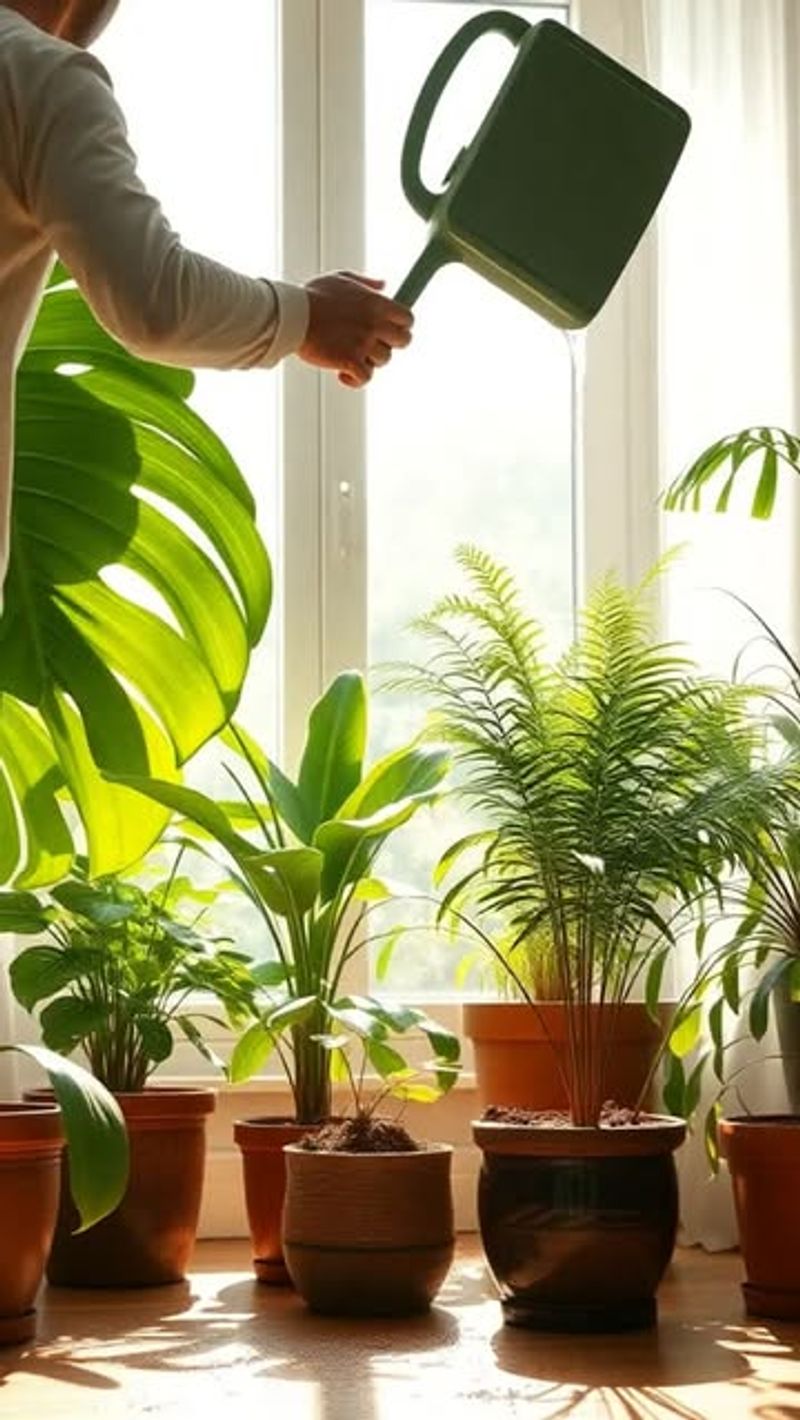
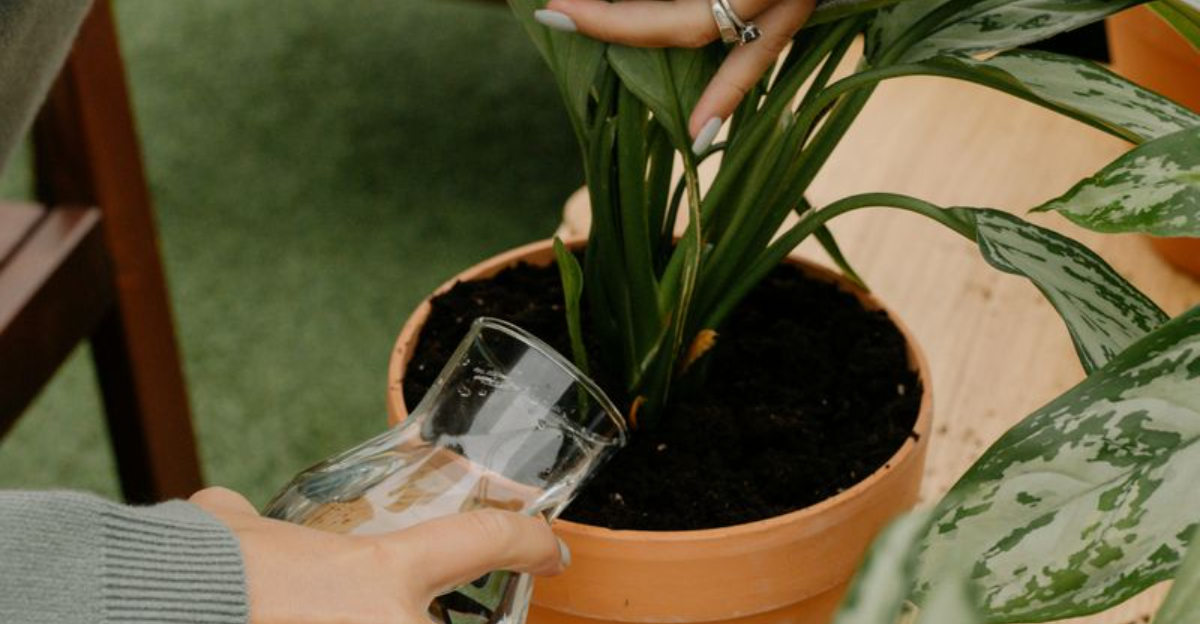
Plants use far less water during winter dormancy, and maintaining summer watering schedules leads to soggy soil that suffocates roots and encourages rot.
Cool temperatures and low light slow plant metabolism dramatically, reducing water uptake to a fraction of warm-season levels despite soil appearing dry.
Root rot develops quickly in constantly moist soil, causing yellowing leaves, wilting, and eventual collapse that homeowners often mistake for underwatering instead.
Checking soil moisture before watering prevents this common mistake, and waiting until the top two inches feel completely dry protects roots from damage.
Clay pots dry faster than plastic, and drainage holes remain absolutely essential for preventing water from pooling at the bottom where roots sit.
Reducing watering frequency by half or more compared to summer schedules keeps most plants happy throughout their winter rest period without stress.
When doubt exists, waiting another day or two before watering proves safer than adding moisture too soon and risking irreversible root damage.
Proper watering habits separate successful overwintering from frustrating losses, and restraint becomes your most valuable tool during these dormant months indoors in Michigan.
What Healthy Overwintered Plants Should Look Like In Spring

Successfully overwintered plants in Michigan emerge from winter with green foliage, firm stems, and visible new growth buds signaling readiness for the growing season.
Some leaf drop during winter is normal, especially for deciduous species, but stems should remain plump and alive rather than shriveled or brown.
Slight fading of leaf color happens in low light, but severe yellowing or spotting indicates problems that need addressing before moving outdoors.
Roots should appear white or light tan when checked, never black, mushy, or foul-smelling, which signals rot from overwatering or disease.
New growth often appears pale or elongated from low winter light, but it strengthens quickly once plants return to outdoor conditions gradually.
Hardening off becomes crucial in spring, slowly reintroducing plants to outdoor light and temperature over two weeks to prevent shock and sunburn damage.
Patience during this transition rewards you with vigorous plants that quickly resume active growth and flourish throughout the coming warm season ahead.
Healthy overwintered plants bounce back fast, and proper care through winter ensures they thrive rather than struggle to recover from months of neglect.
Ignoring Plant-Specific Needs Causes Failure
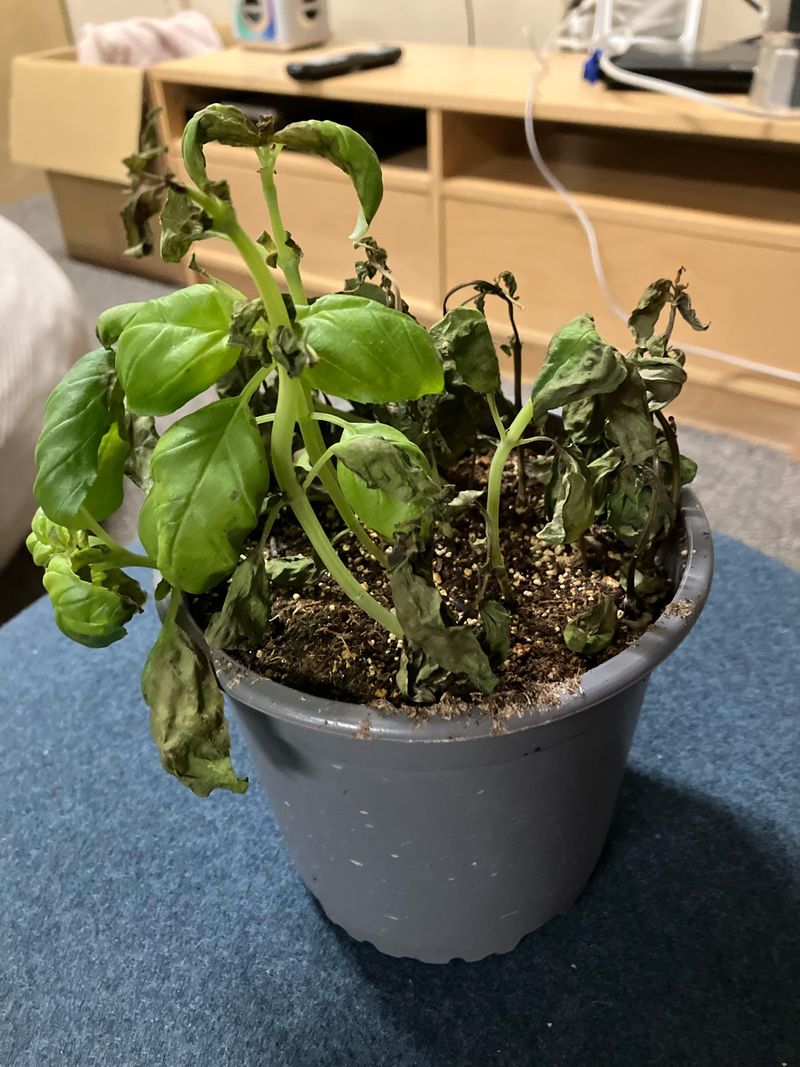
Treating all plants identically during winter guarantees problems because different species evolved in vastly different climates with unique dormancy requirements and tolerances.
Tropical plants like hibiscus and citrus need warmth and bright light, while geraniums and fuchsias prefer cool, dim conditions that encourage rest.
Researching each plant in your collection before winter arrives helps you group them by similar needs and place them in appropriate locations.
Succulents require almost no water and cool temperatures, while ferns need consistent moisture and humidity to prevent their delicate fronds from drying out.
Cacti actually benefit from cold treatment, with some species requiring winter chill to bloom properly when spring warmth returns to trigger flowering.
Ignoring these differences leads to frustration when plants decline despite your best efforts, and knowledge transforms care from guesswork into confident action.
Simple labels or notes help you remember specific requirements, especially when managing a diverse collection with varying needs throughout the winter months.
Respecting individual plant biology represents the foundation of successful overwintering, and this understanding separates thriving gardens from disappointing losses each spring.
Skipping The Acclimation Process Shocks Plants
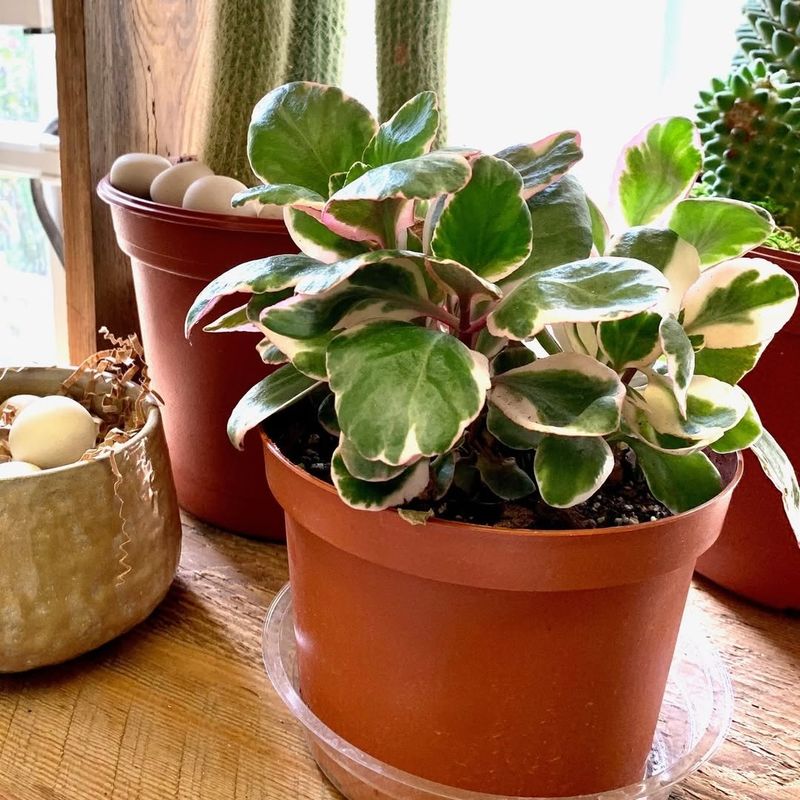
Abruptly moving plants from outdoor brightness and fresh air into dim, dry Michigan indoor spaces causes severe stress that weakens them throughout winter.
Gradual transitions over seven to ten days allow plants to adjust their leaf structure and metabolism to new conditions without experiencing damaging shock.
Starting with a few hours indoors daily, then increasing duration, helps plants adapt while still receiving outdoor light and air circulation benefits.
Similarly, rushing plants outside in spring without hardening off causes sunburn and wind damage as tender indoor-grown leaves encounter harsh outdoor conditions.
This acclimation process seems tedious, but it dramatically improves survival rates and reduces stress-related problems like leaf drop and wilting throughout winter.
Think of it as helping plants slowly adjust rather than forcing sudden changes they cannot handle, which respects their biological limitations beautifully.
Both fall and spring transitions benefit from this patient approach, and the extra effort pays off with healthier, happier plants all year.
Skipping acclimation represents false economy, saving a few days but risking weeks or months of struggling plants that never fully recover their vigor.
Neglecting Humidity Levels Stresses Indoor Plants
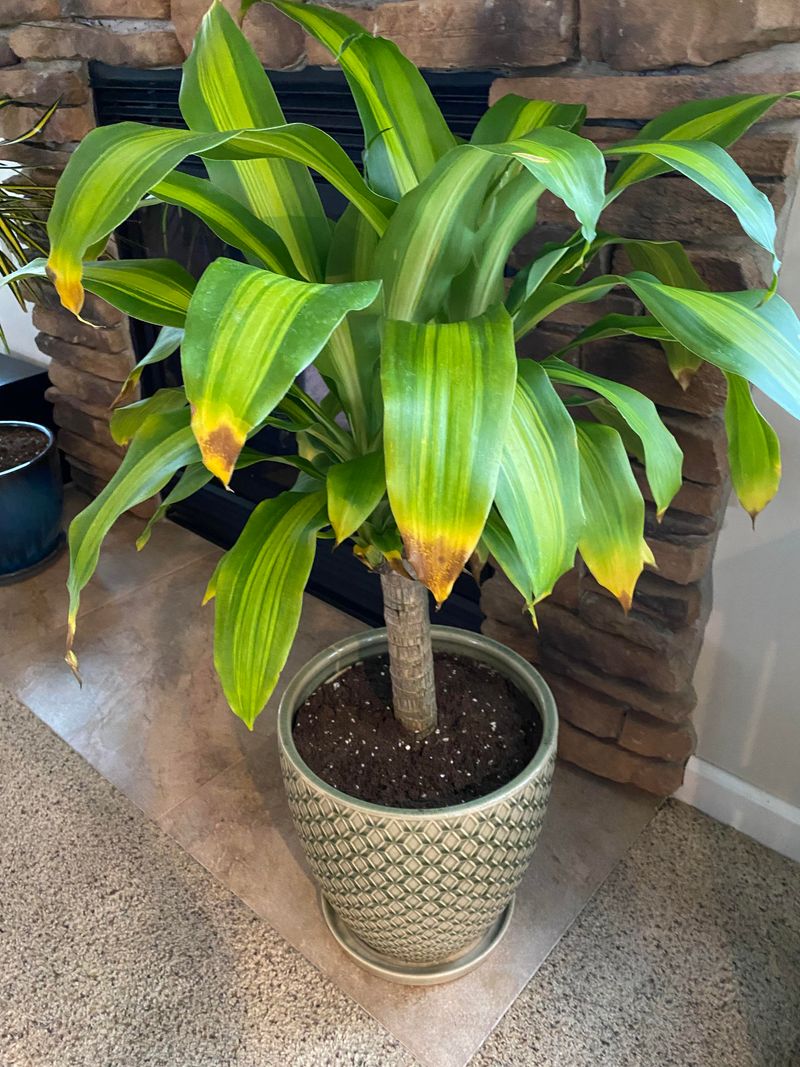
Winter heating systems dry indoor air dramatically, often dropping humidity below twenty percent, while most plants prefer levels between forty and sixty percent.
Low humidity causes brown leaf tips, crispy edges, and increased pest problems as spider mites thrive in arid conditions that stress plants.
Simple solutions like grouping plants together, placing trays of water nearby, or using inexpensive humidifiers dramatically improve conditions without significant effort.
Misting provides temporary relief but does little for long-term humidity, and frequent misting can encourage fungal problems on leaves and stems instead.
Pebble trays filled with water beneath pots increase local humidity through evaporation, creating better conditions right where plants need them most effectively.
Monitoring humidity with an inexpensive hygrometer helps you understand conditions and make informed decisions about interventions needed for your specific home.
Michigan winters are particularly harsh on indoor humidity, and addressing this factor prevents many common problems that plague overwintering plants throughout the season.
Healthy humidity levels support plant health as much as proper light and temperature, and neglecting this factor undermines all your other careful efforts.
Forgetting Fertilizer Adjustments Weakens Plants
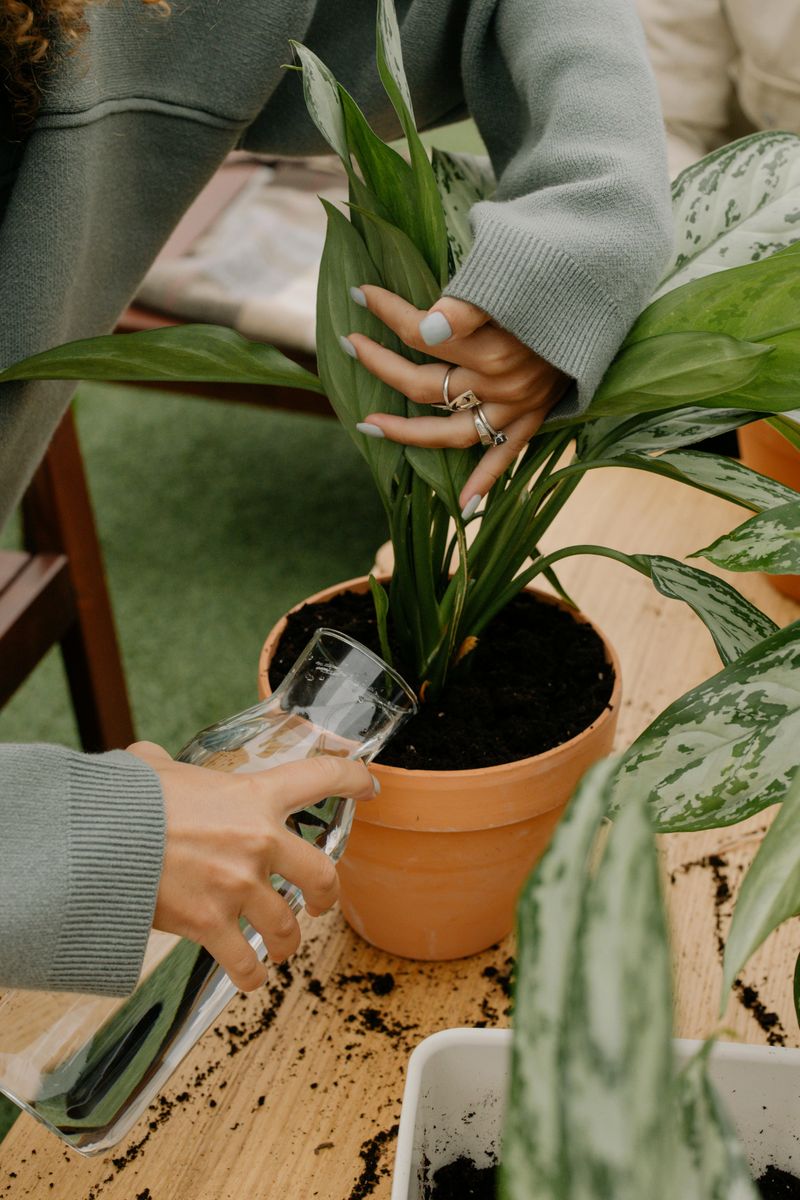
Continuing heavy fertilization during winter dormancy forces unwanted growth that weakens plants and depletes their stored energy reserves unnecessarily and harmfully.
Most plants need little or no fertilizer during winter months when growth slows dramatically and nutrient uptake drops to minimal levels.
Excess fertilizer accumulates in soil as salts, burning roots and causing leaf damage that looks like disease but results from chemical buildup.
Reducing fertilizer to once monthly at quarter strength, or stopping completely, respects plant dormancy and prevents problems associated with overfeeding during rest.
Flushing pots with plain water occasionally removes accumulated salts, protecting roots from damage and preparing soil for renewed feeding when spring arrives.
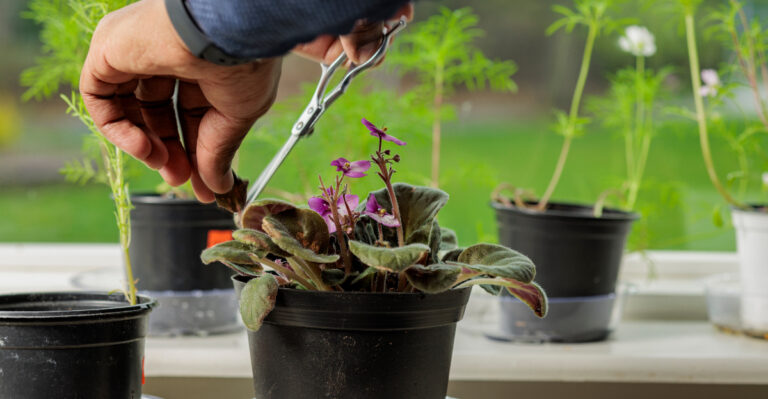
Some actively growing plants like African violets under lights may need continued feeding, but most benefit from rest without chemical inputs pushing growth.
Resuming normal fertilization in early spring when new growth appears supports vigorous development as plants naturally exit dormancy and prepare for outdoor life.
Adjusting fertilizer schedules seasonally demonstrates understanding of plant biology, and this knowledge prevents common mistakes that undermine winter care efforts significantly and unnecessarily.