What Is Attracting House Finches To Maryland Feeders This Winter
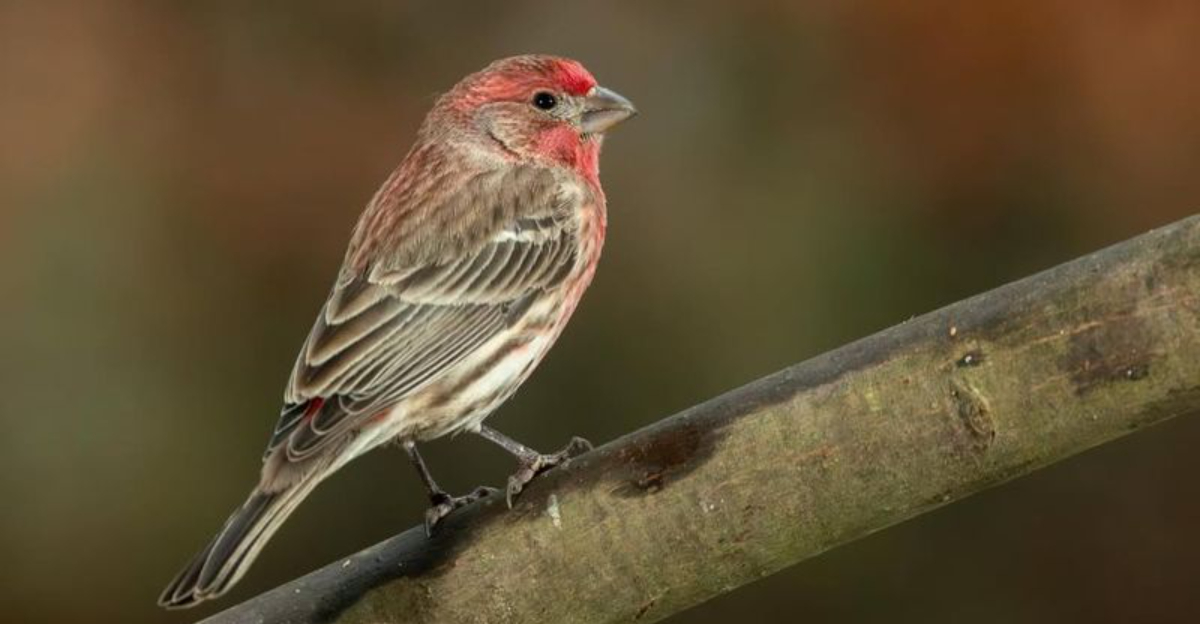
Winter in Maryland has a way of changing the pecking order at backyard feeders, and house finches are suddenly front and center.
Their cheerful calls and steady activity turn quiet mornings into something livelier, even on the coldest days.
This increase is not by chance.
As winter settles in, house finches shift gears and focus on reliable food sources close to home.
Natural seeds and insects grow scarce once temperatures drop, pushing these birds to look for easier meals.
Feeders stocked with sunflower seeds and other favorites become a safe bet.
House finches are social by nature, and when one finds a good spot, others soon follow.
Before long, a single feeder can turn into a busy gathering place.
Shelter also plays a role.
Maryland yards with shrubs, trees, and nearby cover offer protection from wind and predators.
Cold snaps and winter storms raise the stakes, making consistency more important than ever.
Like clockwork, house finches return to places that meet their needs day after day.
For homeowners, their presence is a sign that the backyard has become part of a winter survival route, offering food and refuge when nature runs thin.
1. Black Oil Sunflower Seeds
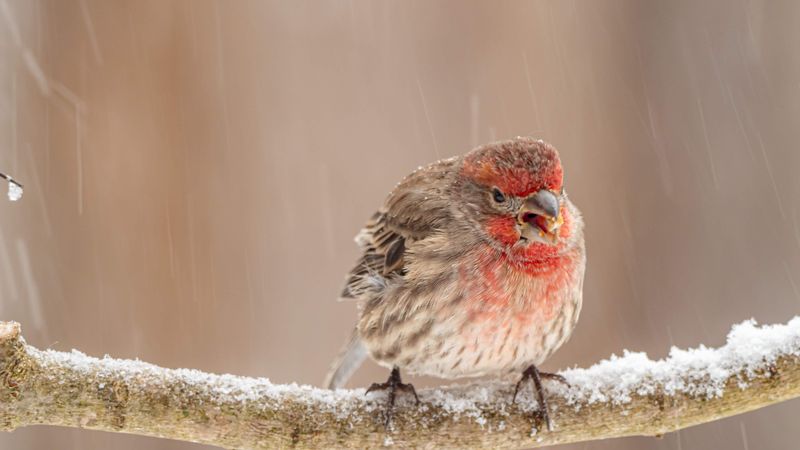
Black oil sunflower seeds rank as the absolute favorite food for house finches visiting Maryland feeders during winter.
These small, energy-packed seeds have thin shells that finches can crack open easily with their cone-shaped beaks.
The high oil content provides the calories these birds need to stay warm when Maryland temperatures plummet.
House finches will choose feeders stocked with black oil sunflower seeds over almost any other option.
Their beaks are perfectly designed for gripping and crushing these seeds, making the feeding process quick and efficient.
During winter in Maryland, when natural food sources become scarce, black oil sunflower seeds offer reliable nutrition that keeps house finches healthy and active.
The seeds contain essential fats and proteins that help these birds maintain their body heat throughout cold nights.
You’ll notice house finches spending considerable time at feeders filled with these seeds, often cracking several in a row before flying off.
They sometimes hull the seeds right at the feeder, leaving behind small piles of shells below.
Many Maryland bird enthusiasts report that switching to black oil sunflower seeds dramatically increases house finch visits within just days.
The seeds stay fresh longer than striped sunflower varieties and resist spoiling even in damp winter weather.
Keeping your feeders consistently filled with black oil sunflower seeds creates a dependable food source that house finches will remember and return to throughout the entire winter season in Maryland.
2. Nyjer Seed Feeders
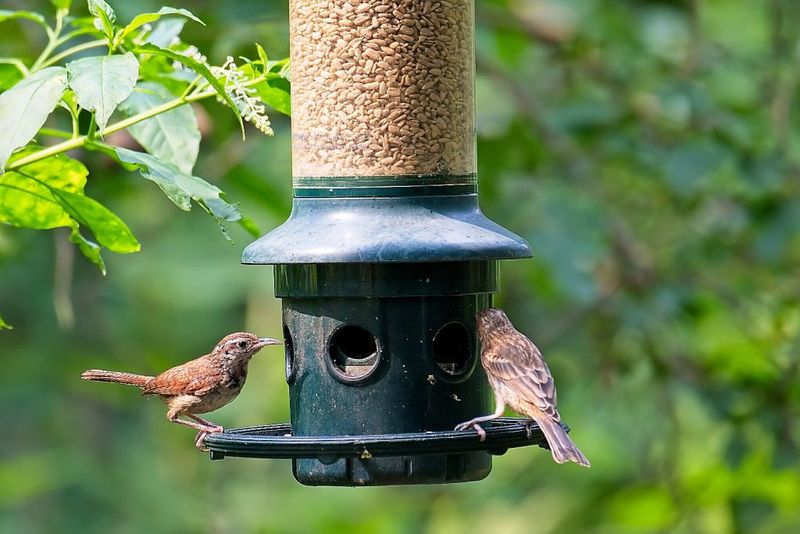
Nyjer seeds, sometimes called thistle seeds, attract house finches like magnets to Maryland feeding stations all winter long.
These tiny black seeds come from the African yellow daisy plant and pack tremendous nutritional value into their small size.
House finches adore nyjer seeds because they’re rich in oil and protein, providing excellent fuel for surviving Maryland’s chilly winter weather.
Your Maryland Garden Changes Every Week. Your Plan Should Too.
Gardening in Maryland changes quickly throughout the season. Every Friday you’ll receive a simple weekly plan showing exactly what to plant, prune, fertilize, harvest, and protect so you never miss the right timing.
Special tube feeders with small feeding ports work best for dispensing nyjer seeds to house finches.
The birds cling to these feeders comfortably while extracting the seeds one by one with their nimble beaks.
Unlike some larger bird species that struggle with nyjer feeders, house finches have the perfect size and dexterity to access these seeds easily.
Maryland residents often notice house finches gathering in small flocks around nyjer feeders during winter mornings.
The seeds don’t spoil quickly, even in wet conditions, making them ideal for Maryland’s unpredictable winter weather patterns.
Nyjer seeds also create less mess than sunflower seeds since birds typically swallow them whole without hulling.
Installing a dedicated nyjer feeder alongside your other feeding stations increases the variety available to house finches.
These birds appreciate having options and will visit backyards that offer multiple seed types throughout winter.
Fresh nyjer seeds have a slight shine to them, while old seeds look dull and dry, so replacing them regularly keeps house finches interested in your Maryland feeders all season.
3. Platform And Hopper Feeders
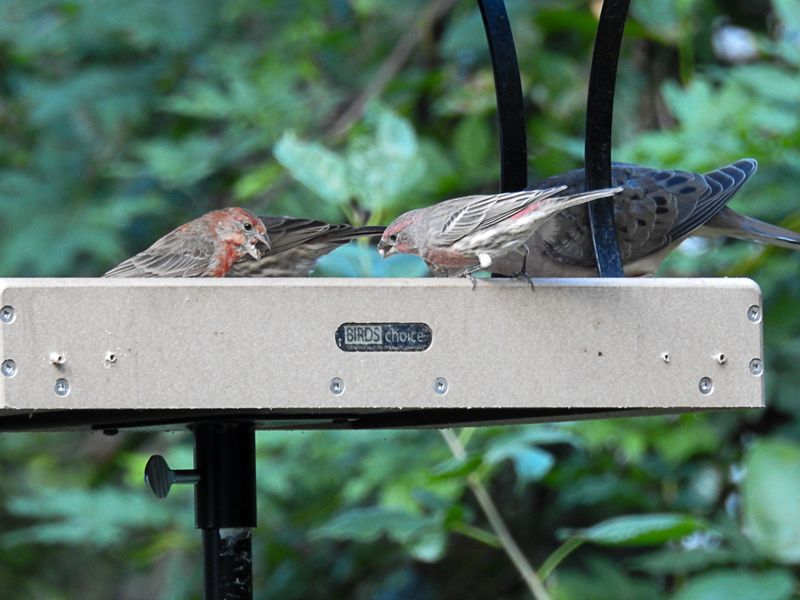
Platform and hopper feeders provide the comfortable feeding spaces that house finches prefer when visiting Maryland backyards during winter.
These feeder styles offer open access and plenty of perching room, allowing multiple house finches to feed together peacefully.
Unlike feeders with narrow perches or small openings, platform and hopper designs accommodate the social feeding habits of these gregarious birds.
House finches feel secure on platform feeders because they can see their surroundings while eating.
This visibility helps them spot potential threats and makes them more relaxed during feeding sessions in Maryland yards.
Hopper feeders combine seed storage with platform-style feeding areas, keeping seeds dry while offering easy access.
The flat surfaces of platform feeders allow house finches to move around freely while selecting their favorite seeds.
They often spend several minutes at these feeders, methodically choosing and cracking seeds without feeling rushed or crowded.
During Maryland winters, when food competition increases, having spacious feeders reduces conflicts among visiting birds.
Hopper feeders protect seeds from snow and rain, which matters greatly during Maryland’s wet winter weather.
Dry seeds stay fresh longer and appeal more to house finches than soggy, moldy alternatives.
The covered design of hopper feeders also prevents seeds from blowing away during winter winds.
Positioning these feeders near shrubs or trees gives house finches quick escape routes if needed while maintaining clear sightlines.
Maryland bird watchers find that platform and hopper feeders attract consistent house finch traffic throughout winter months.
4. Fresh Water Sources
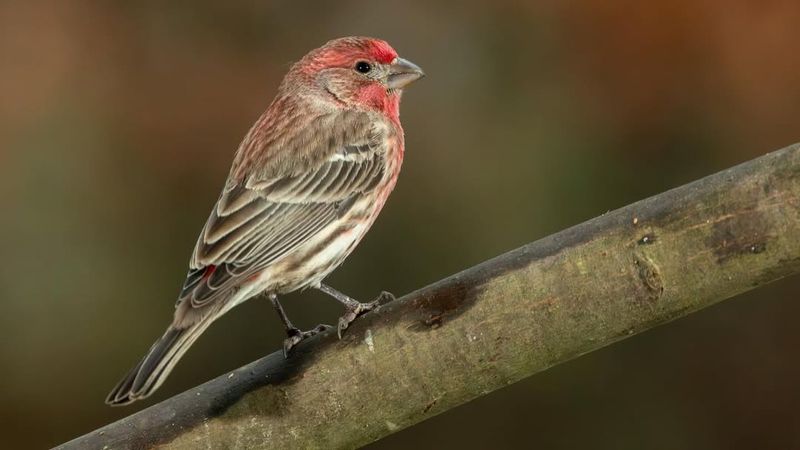
Fresh water becomes surprisingly scarce during Maryland winters, making it a powerful attractant for house finches at backyard feeding stations.
When natural water sources freeze solid, birds struggle to find drinking water and places to bathe.
House finches need water year-round for hydration and maintaining their feather condition, which directly affects their ability to stay warm.
Heated bird baths solve this winter water shortage problem beautifully for Maryland house finches.
These devices keep water liquid even on the coldest days, providing a reliable resource that draws birds from surrounding areas.
House finches visit water sources multiple times daily, often immediately after feeding sessions at nearby seed feeders.
Watching house finches bathe in winter water might seem strange, but feather maintenance remains crucial during cold months.
Clean, well-maintained feathers provide better insulation than dirty or damaged ones.
House finches spend time preening after bathing, rearranging their feathers to maximize warmth and waterproofing.
Maryland residents who add heated bird baths to their yards notice increased house finch activity almost immediately.
The combination of food and water in one location creates an irresistible setup for these birds.
Shallow water depths of one to two inches work best since house finches are small birds that prefer wading rather than deep swimming.
Placing your water source within view of feeders but a few feet away encourages house finches to move between resources.
Cleaning bird baths regularly prevents disease spread among visiting house finches throughout the winter season in Maryland.
5. Sheltered Feeding Locations
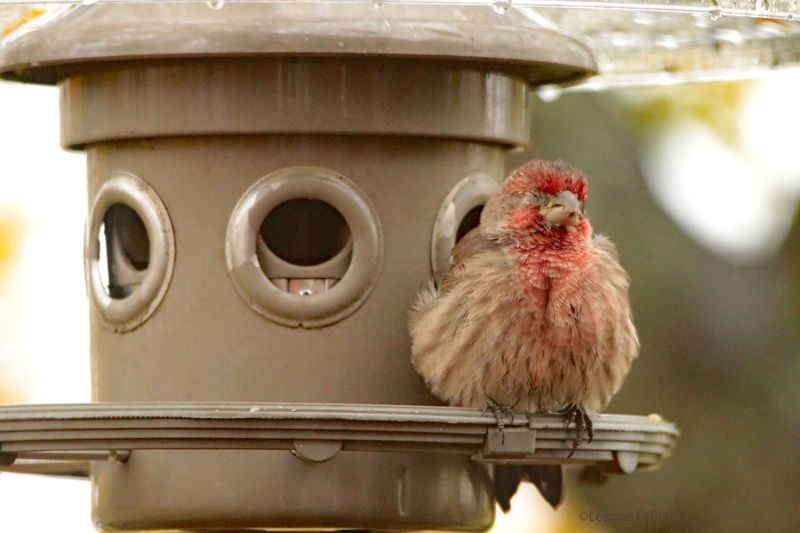
House finches strongly prefer feeders positioned in sheltered spots that offer protection from Maryland’s harsh winter winds and weather.
Placing feeders near evergreen trees, dense shrubs, or building overhangs creates comfortable feeding environments that attract more house finches throughout the cold season.
These protected locations allow birds to feed without battling strong gusts or getting pelted by sleet and snow.
Evergreen trees like pines and spruces provide excellent natural shelter for house finches visiting Maryland feeders during winter.
The dense branches block wind while offering nearby perching spots where birds can rest between feeding trips.
House finches often wait in these sheltered trees, taking turns at feeders in small groups rather than all rushing at once.
Positioning feeders on the south or east sides of buildings takes advantage of natural wind blocks in Maryland yards.
These locations also receive more winter sunlight, which helps keep seeds drier and creates slightly warmer microclimates around feeding areas.
House finches appreciate these thoughtful placements and reward you with longer, more frequent visits.
Avoid placing feeders in completely open areas where Maryland winter winds blow unobstructed.
House finches will visit exposed feeders if necessary, but they spend less time there and may skip your yard entirely if better-sheltered options exist nearby.
Adding temporary windbreaks using lattice panels or strategically placed potted evergreens improves existing feeder locations.
Sheltered spots also provide house finches with quick escape cover if hawks or other predators appear.
Maryland winters bring various threats, so security matters as much as food availability when house finches choose their favorite feeding stations.
6. Consistent Feeding Schedules
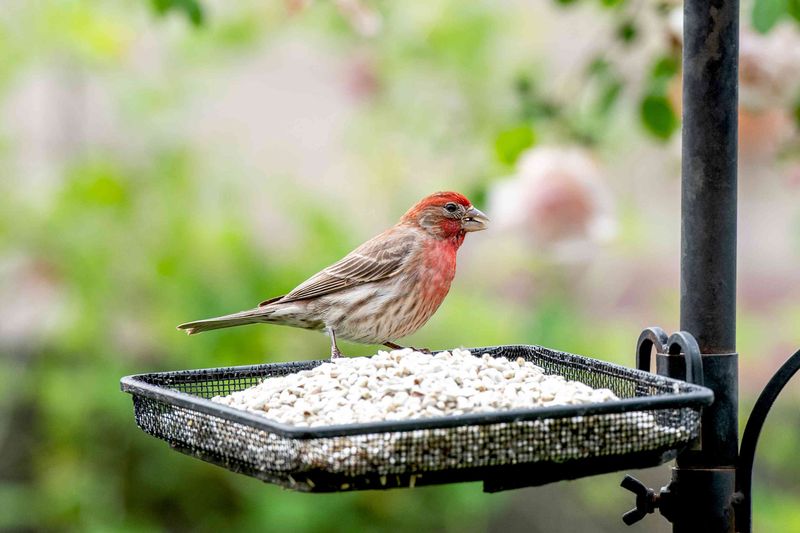
House finches develop routines around reliable food sources, making consistent feeding schedules incredibly important for attracting them to Maryland feeders all winter.
These intelligent birds remember which yards provide dependable meals and prioritize those locations when planning their daily foraging routes.
Keeping feeders filled at regular times trains house finches to visit your Maryland backyard predictably.
Morning hours bring peak house finch activity to Maryland feeders since birds need to refuel after cold winter nights.
Ensuring feeders are full by dawn gives house finches immediate access to the calories they need for warming up and starting their day.
Many Maryland bird enthusiasts establish morning routines of checking and refilling feeders before breakfast.
House finches also feed heavily during late afternoon in winter, building energy reserves for the long, cold night ahead.
Checking feeders in mid-afternoon ensures house finches find plenty of food during this critical feeding period.
Empty feeders at key times disappoint house finches and may cause them to seek more reliable food sources elsewhere in Maryland.
Consistency matters more than abundance when it comes to attracting loyal house finch visitors.
A feeder that’s always half-full beats one that’s sometimes overflowing but often empty.
House finches prefer knowing they can count on your Maryland feeder rather than gambling on availability.
During severe winter weather in Maryland, house finches depend even more heavily on backyard feeders.
Maintaining your feeding schedule through snowstorms and cold snaps builds trust with these birds and may literally help them survive harsh conditions.
House finches remember generous hosts and return year after year to Maryland feeders that never let them down.
7. Native Plants And Natural Cover
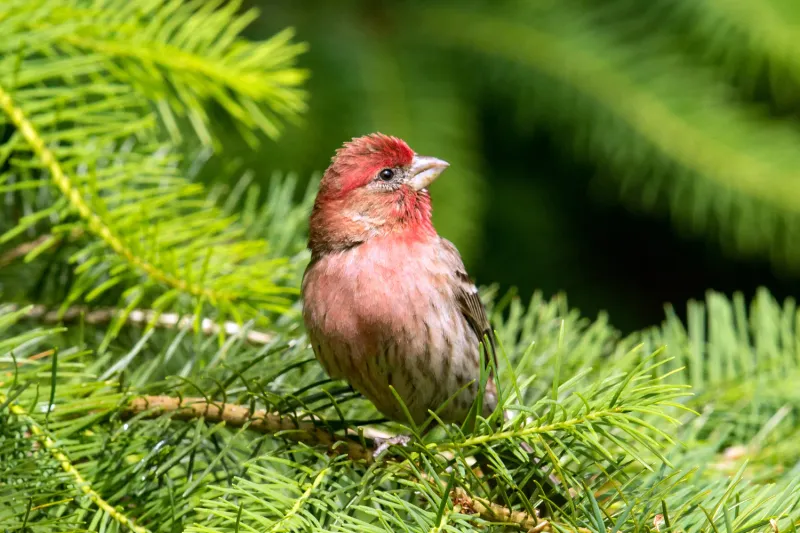
Native Maryland plants and natural cover around feeding areas create the complete habitat package that house finches find irresistible during winter months.
While feeders provide supplemental food, the surrounding landscape determines whether house finches feel comfortable enough to visit regularly.
Native shrubs, grasses, and trees offer perching spots, shelter, and natural food sources that complement your feeder offerings.
Eastern red cedar, American holly, and inkberry provide excellent evergreen cover for house finches in Maryland winter landscapes.
These native plants keep their foliage year-round, offering protection from weather and predators when deciduous trees stand bare.
House finches use this cover as staging areas before approaching feeders and as safe retreats when threats appear.
Native grasses and wildflowers left standing through winter provide natural seed sources that house finches appreciate.
Plants like coneflowers, black-eyed Susans, and native asters produce seeds that house finches eat when available.
Leaving these seed heads standing rather than cutting them down in fall gives house finches additional food options throughout Maryland winters.
Layered plantings with various heights create the diverse habitat structure house finches prefer around Maryland feeding stations.
Low shrubs, medium-sized bushes, and tall trees arranged in naturalistic groups mimic the edge habitats where house finches thrive.
This varied vegetation provides multiple escape routes and perching options at different levels.
Maryland yards with native plants and natural cover attract not only more house finches but also a greater variety of other bird species throughout winter.
The combination of natural and supplemental food sources, water, shelter, and cover creates a complete backyard ecosystem that house finches recognize as prime winter territory worth visiting daily.