10 Dangerous Venomous Animals To Watch For In Virginia
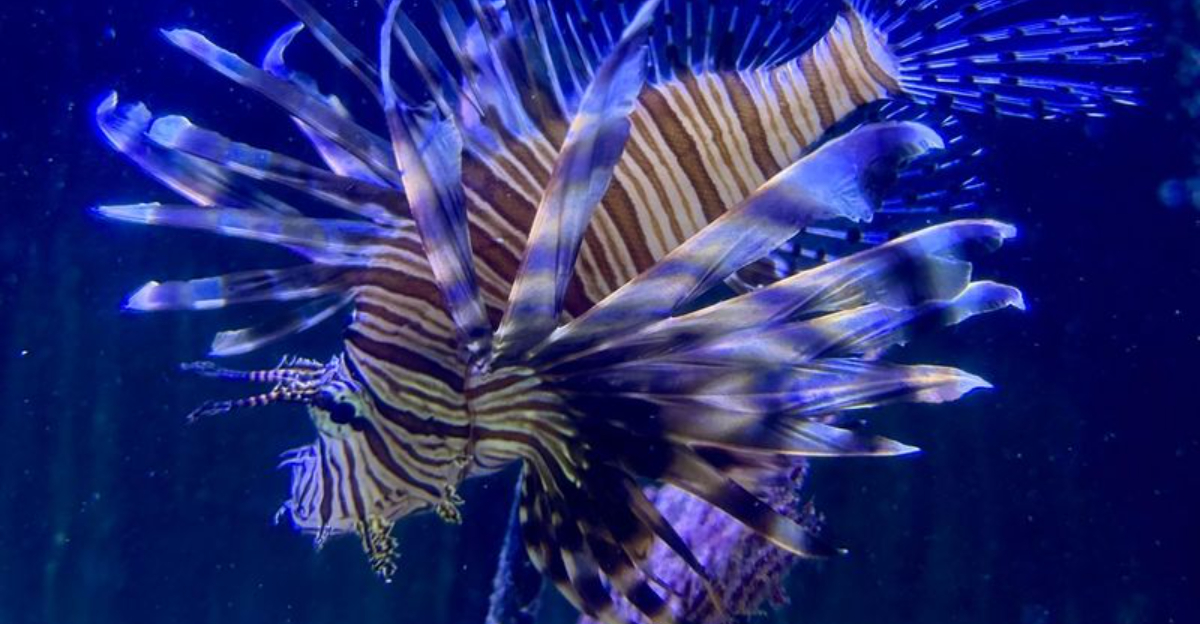
Virginia’s landscapes are rich, varied, and full of life—but not all of it is friendly.
From forests and fields to backyards and basements, venomous animals quietly share space with homeowners, often going unnoticed until a close call forces attention.
These creatures aren’t out looking for trouble, but when startled or cornered, they can pose serious risks.
Some deliver venomous bites or stings that cause intense pain, allergic reactions, or medical emergencies.
Others are masters of camouflage, making encounters more likely than people realize.
Understanding which venomous animals live in Virginia—and where they’re most likely to appear—isn’t about fear. It’s about awareness.
Knowing what to watch for can mean the difference between a calm retreat and a dangerous situation.
As development pushes deeper into natural habitats, these encounters are becoming more common.
The smartest homeowners aren’t panicking—they’re paying attention.
1. Eastern Copperhead Snake (Agkistrodon Contortrix)
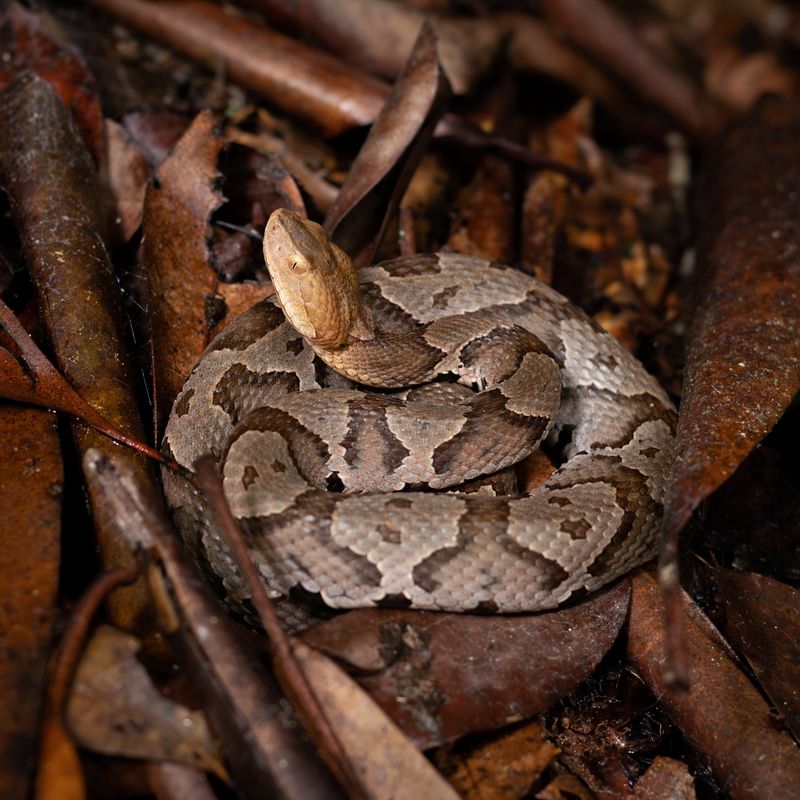
Copper-colored bands and incredible camouflage make this snake Virginia’s most frequently encountered venomous species.
Eastern copperheads blend seamlessly into fallen leaves, making them nearly invisible on forest floors and backyard gardens.
Their venom is relatively mild compared to other pit vipers, but bites still require immediate medical attention and can cause significant pain and swelling.
These snakes prefer rocky hillsides, woodland edges, and areas near streams where they hunt for mice and small prey.
Unfortunately, they often end up in suburban yards, under woodpiles, or near stone walls where people accidentally step on them.
Most bites happen when someone reaches into a brush pile or walks barefoot through tall grass without realizing a copperhead is resting nearby.
Homeowners can reduce encounters by keeping grass trimmed short, removing debris piles, and sealing gaps under sheds and porches.
Wearing boots and using a flashlight during evening walks dramatically lowers your risk.
If you spot a copperhead, give it plenty of space and let it move away on its own.
These snakes are not aggressive and will typically retreat if given the opportunity.
Teaching children to recognize the distinctive hourglass pattern can prevent dangerous curiosity from leading to a bite.
2. Timber Rattlesnake (Crotalus Horridus)
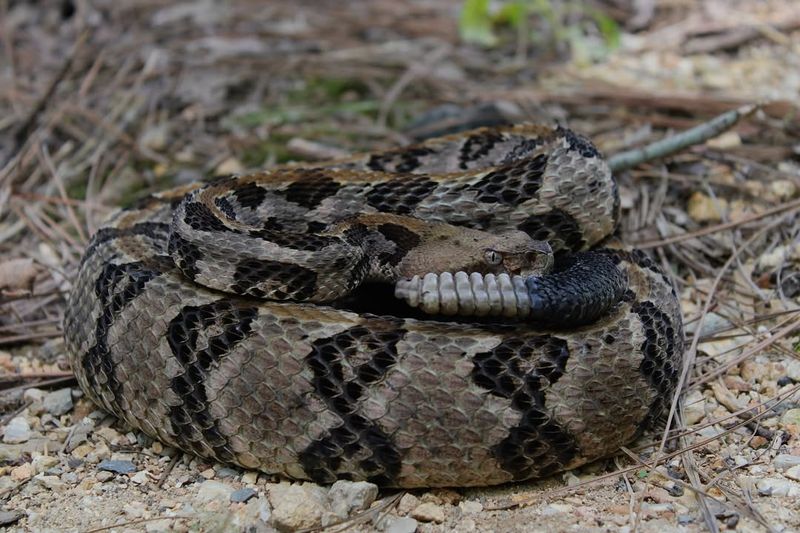
High in Virginia’s Appalachian Mountains, the timber rattlesnake commands respect with its potent venom and unmistakable warning rattle.
This large, heavy-bodied serpent can deliver a serious bite with venom strong enough to cause severe tissue damage and systemic effects.
Fortunately, timber rattlesnakes are generally calm and prefer to avoid confrontation, relying on their rattle to warn intruders before striking.
These snakes inhabit remote forested areas, rocky outcrops, and mountain ridges where hikers and campers might encounter them during warm months.
They often bask on sunny rocks or fallen logs, making them visible to observant trail users.
Despite their fearsome reputation, timber rattlesnakes are actually quite docile and will usually crawl away if given the chance.
Conservation efforts protect these snakes because their populations have declined due to habitat loss and human persecution.
Hikers should stay on marked trails, watch where they place their hands when climbing over rocks, and never attempt to handle or harass any snake.
Your Virginia Garden Changes Every Week. Your Plan Should Too.
Gardening in Virginia changes quickly throughout the season. Every Friday you’ll receive a simple weekly plan showing exactly what to plant, prune, fertilize, harvest, and protect so you never miss the right timing.
If you hear a rattle, freeze and locate the snake before slowly backing away.
Most bites occur when people try to catch or handle these beautiful reptiles.
Respecting their space keeps both humans and these important predators safe in Virginia’s wilderness areas.
3. Eastern Cottonmouth / Water Moccasin (Agkistrodon Piscivorus)
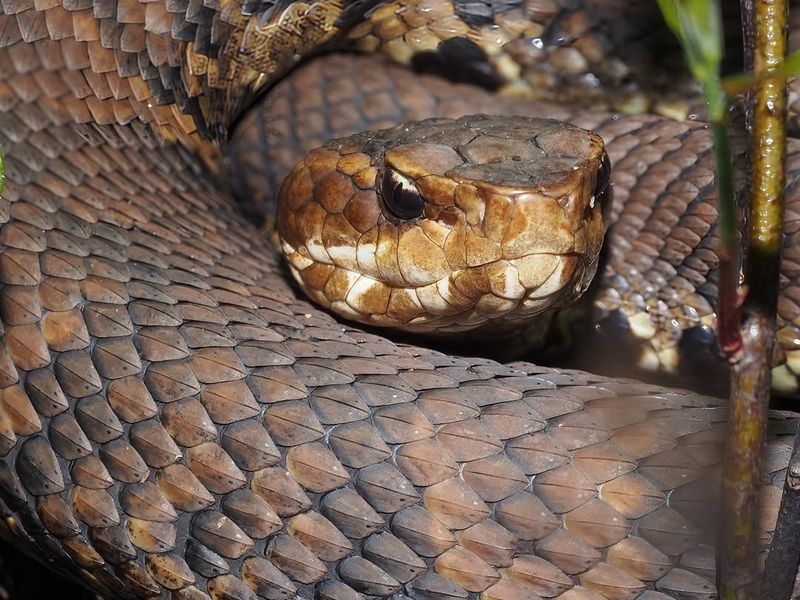
Dark, thick-bodied, and semi-aquatic, the cottonmouth earns its name from the bright white interior of its mouth displayed as a warning.
Found only in southeastern Virginia’s swamps, marshes, and slow-moving waterways, this snake is far less common than many people believe.
Many harmless water snakes get mistaken for cottonmouths, causing unnecessary fear among swimmers and anglers.
True cottonmouths have triangular heads, heat-sensing pits between their eyes and nostrils, and a distinctive swimming style with their head held above water.
Their venom can cause significant pain, swelling, and tissue damage, making medical treatment essential after any bite.
These snakes typically hunt fish, frogs, and small mammals along shorelines and in shallow water.
People fishing or wading in southeastern Virginia wetlands should watch where they step and avoid reaching into hollow logs or dense vegetation near water.
Cottonmouths are not naturally aggressive but will defend themselves if cornered or accidentally stepped on.
If you encounter one, simply move away and let it continue on its way.
Never try to handle or provoke any snake you find near water.
Understanding the cottonmouth’s limited range in Virginia helps reduce unnecessary worry while promoting appropriate caution in the few areas where they actually live.
4. Black Widow Spider (Latrodectus Species)
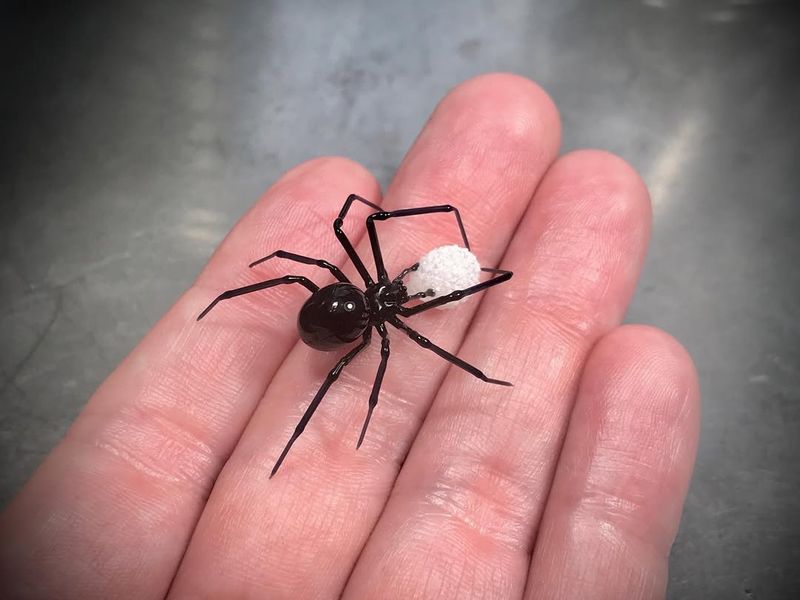
Shiny black with a distinctive red hourglass shape on the underside, the black widow spider possesses one of the most medically significant venoms in Virginia.
Female black widows are the ones to watch for, as males are much smaller and rarely bite.
These spiders prefer dark, undisturbed spaces like garages, sheds, woodpiles, and outdoor furniture where they build irregular, sticky webs.
A black widow bite delivers neurotoxic venom that can cause severe muscle cramps, abdominal pain, sweating, and elevated blood pressure.
While bites are rarely life-threatening to healthy adults, children, elderly individuals, and those with health conditions face greater risks.
Fortunately, black widows are shy and bite only when accidentally pressed against skin or when their web is disturbed.
Homeowners should wear gloves when moving stored items, shake out shoes and clothing left outside, and use caution when reaching into dark corners.
Regular cleaning of garages and sheds discourages these spiders from establishing webs.
If bitten, try to capture or photograph the spider for identification and seek medical care promptly.
Antivenin is available for severe reactions.
Teaching family members to recognize the red hourglass marking helps everyone stay alert without developing unnecessary fear of all spiders, since most species are completely harmless and beneficial.
5. Bald-Faced Hornet (Dolichovespula Maculata)
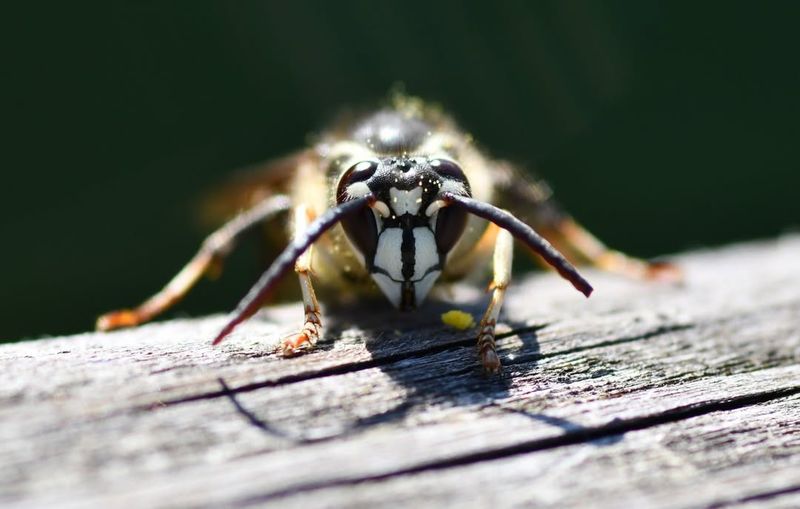
Despite its name, the bald-faced hornet is actually a type of yellowjacket known for building large paper nests and fiercely defending them.
These black and white insects construct football-sized gray nests in trees, shrubs, or under building eaves throughout Virginia.
Workers can sting repeatedly without losing their stingers, and they will aggressively attack anyone who approaches too close to their colony.
Bald-faced hornet venom causes immediate pain, swelling, and redness at the sting site.
Multiple stings can trigger severe allergic reactions in sensitive individuals, making these insects genuinely dangerous during late summer when colonies reach peak size.
Unlike honeybees, these hornets remember threats and can pursue intruders for considerable distances.
Property owners should regularly inspect trees, eaves, and outbuildings for developing nests during spring and early summer when they’re still small.
Never attempt to remove an active nest yourself, as disturbing it can provoke hundreds of angry hornets.
Professional pest control services have proper equipment and protective gear for safe removal.
If you accidentally disturb a nest, run away quickly in a straight line and seek shelter indoors.
Cover your face while running since hornets often target the head and face.
Keeping landscaping trimmed and regularly checking potential nesting sites helps prevent these aggressive insects from settling too close to human activity areas.
6. Yellow Jackets (Vespula Species)
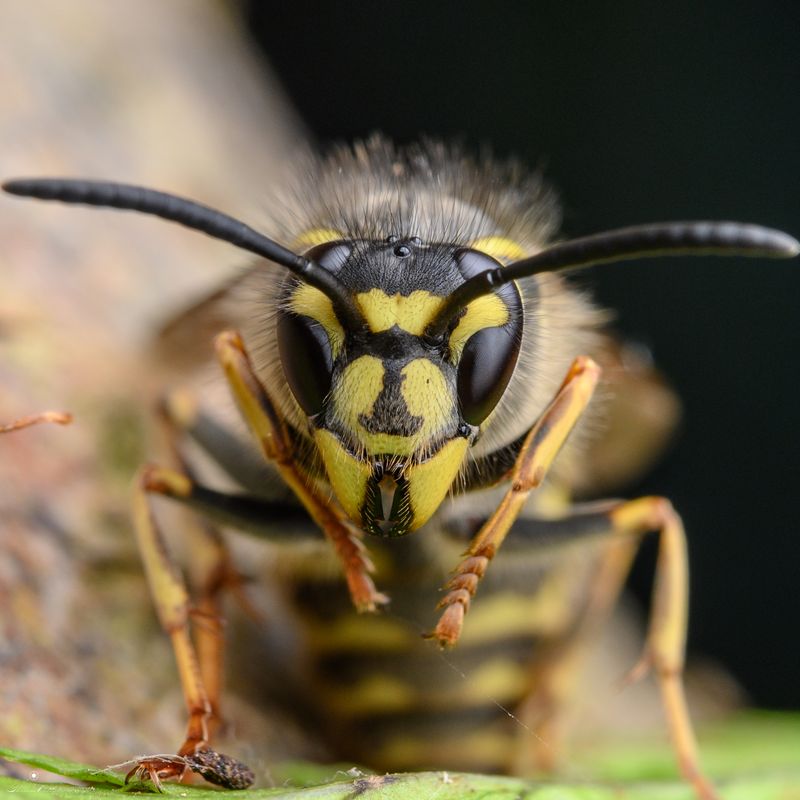
Bright yellow and black stripes make yellow jackets easily recognizable, but their hidden ground nests create dangerous surprise encounters.
These aggressive wasps build colonies underground, in wall voids, or beneath fallen logs, often going unnoticed until someone accidentally steps on or mows over a nest.
When disturbed, hundreds of workers can swarm out within seconds, stinging repeatedly and relentlessly.
Yellow jacket stings inject venom that causes sharp pain, swelling, and itching that can last for days.
People with allergies face life-threatening reactions requiring immediate emergency treatment with epinephrine.
Even non-allergic individuals can experience serious problems if stung multiple times, as venom accumulation affects the entire body.
Late summer brings increased encounters because colonies reach maximum size and workers become more aggressive while foraging for food.
Watch for yellow jackets flying low over lawns in consistent patterns, which often indicates a nearby ground nest entrance.
Avoid walking barefoot in grassy areas and be cautious when doing yard work.
If you discover a nest, mark the area and keep children and pets away while arranging professional removal.
During outdoor meals, cover food and drinks since yellow jackets are attracted to sweet beverages and protein.
If one lands on you, remain calm and let it fly away rather than swatting, which triggers defensive stinging behavior.
7. Paper Wasps (Polistes Species)
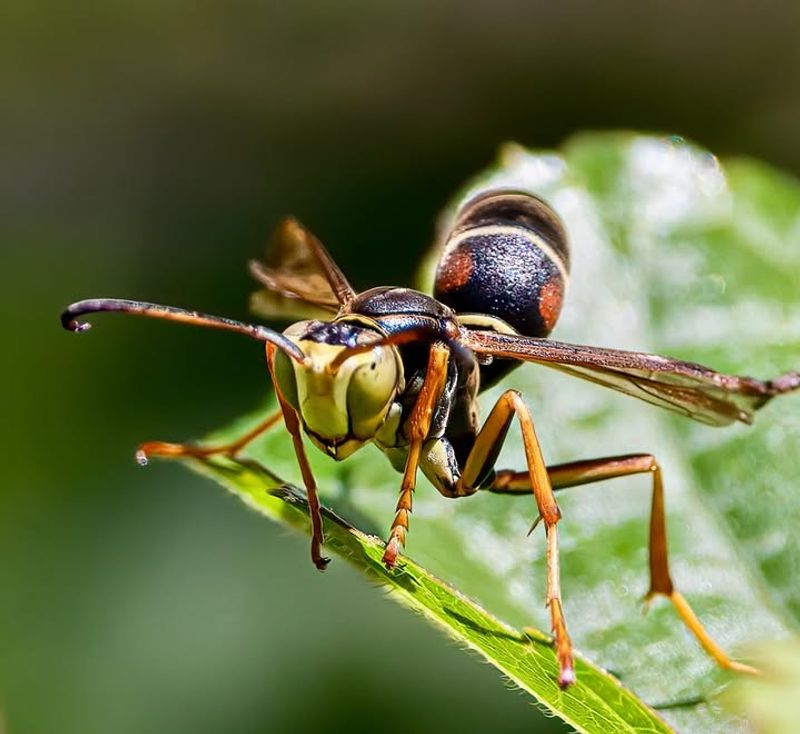
Long-legged and slender, paper wasps build distinctive umbrella-shaped nests under eaves, porch ceilings, and deck railings around Virginia homes.
Their nests look like upside-down honeycombs without a protective covering, exposing the hexagonal cells where larvae develop.
While generally less aggressive than yellow jackets, paper wasps will vigorously defend their nests if they feel threatened.
These wasps have venomous stings that cause immediate burning pain and localized swelling.
Most people experience only temporary discomfort, but repeated stings or allergic reactions can require medical attention.
Paper wasps are actually beneficial insects that hunt caterpillars and other garden pests, making them helpful allies when their nests are located away from high-traffic areas.
Prevention works better than removal once a colony is established.
In early spring, knock down newly started nests before they grow large and house many workers.
Spray eaves and other favorite nesting spots with deterrents or hang fake nests, since paper wasps avoid areas where other colonies appear established.
If a nest must be removed during summer, do it at night when wasps are less active and all workers have returned home.
Wear protective clothing and have an escape route planned.
Better yet, hire professionals who can safely relocate or eliminate nests without risking multiple stings to family members.
8. Chesapeake Bay Sea Nettle Jellyfish (Chrysaora Quinquecirrha)
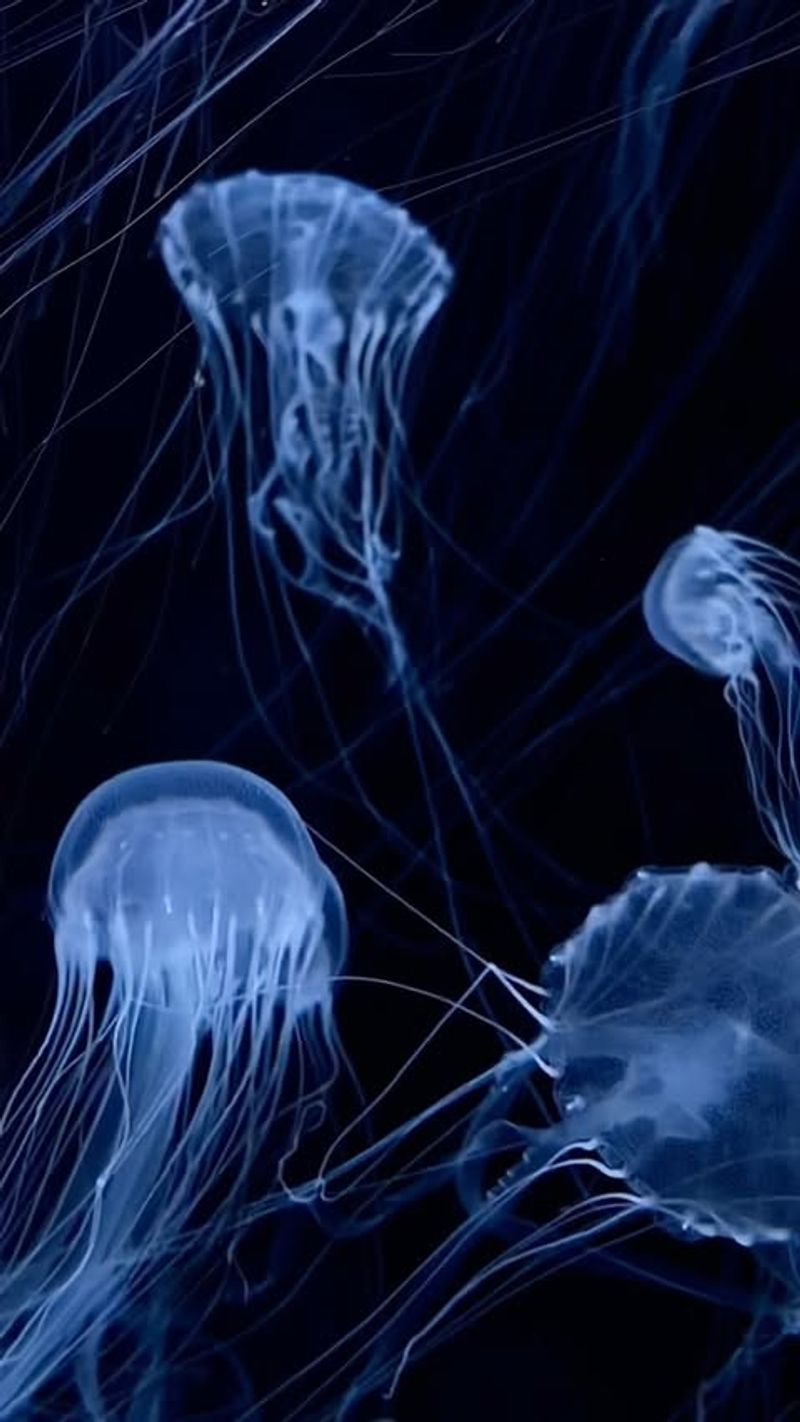
Translucent bells with trailing tentacles make sea nettles a beautiful but painful sight in Virginia’s Chesapeake Bay waters during summer months.
These jellyfish bloom in massive numbers when water temperatures rise, sometimes making swimming uncomfortable or impossible at popular beaches.
Their tentacles contain thousands of microscopic stinging cells that fire venom-filled barbs into anything that brushes against them.
Sea nettle stings cause immediate burning pain, red welts, and itching that can last for hours or days.
While rarely dangerous to healthy individuals, stings to sensitive areas or multiple stings can cause more serious reactions.
The venom affects skin cells and nerve endings, creating an unforgettable unpleasant experience for swimmers and waders.
Check local beach reports before swimming, as authorities often post jellyfish warnings during bloom periods.
Wearing protective clothing like rash guards and water shoes reduces exposed skin vulnerable to stings.
If stung, exit the water calmly and rinse the area with vinegar or salt water, never fresh water, which can trigger more venom release.
Remove any visible tentacle fragments using a credit card edge or towel, not bare fingers.
Avoid rubbing the affected area, which spreads venom to surrounding skin.
Most stings resolve on their own, but seek medical attention if you experience difficulty breathing, chest pain, or severe reactions beyond the sting site.
9. Cownose Stingray (Rhinoptera Bonasus)
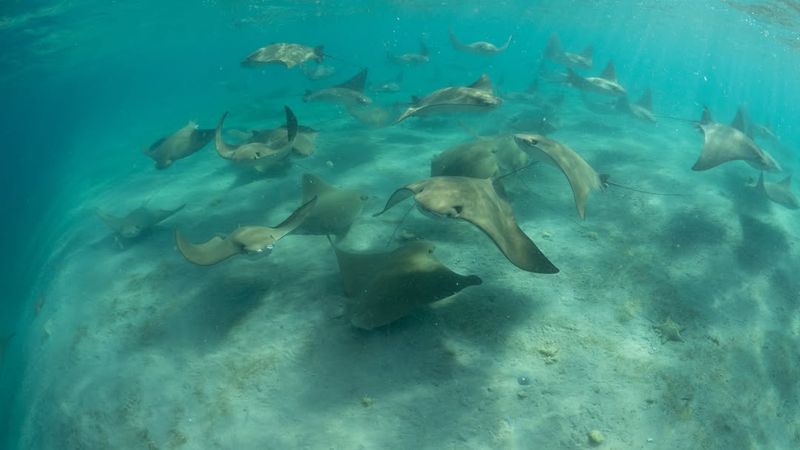
Graceful swimmers with distinctive squared-off heads, cownose rays migrate through Virginia’s coastal waters in large schools during warmer months.
These rays feed in shallow areas where swimmers and waders often encounter them accidentally.
Each ray has a venomous spine near the base of its tail capable of inflicting extremely painful wounds.
Stingray injuries typically occur when someone steps on a buried or resting ray in shallow water.
The ray reflexively whips its tail upward, driving the barbed spine into the person’s foot or leg.
The spine delivers venom that causes intense throbbing pain, swelling, and sometimes tissue damage requiring medical treatment.
Barbs can break off inside the wound, complicating treatment and healing.
The shuffle step prevents most stingray encounters in Virginia’s coastal waters.
Instead of lifting your feet while wading, slide them along the bottom to bump rays and give them time to swim away.
Rays are not aggressive and prefer to flee rather than use their defensive spine.
If stung, exit the water and immerse the affected area in hot water, as hot as tolerable without causing burns, which helps break down venom proteins.
Seek medical care for spine removal, wound cleaning, and possible antibiotic treatment to prevent infection.
Never attempt to handle or catch stingrays, even small ones, as all possess venomous spines regardless of size.
10. Lionfish (Pterois Species)
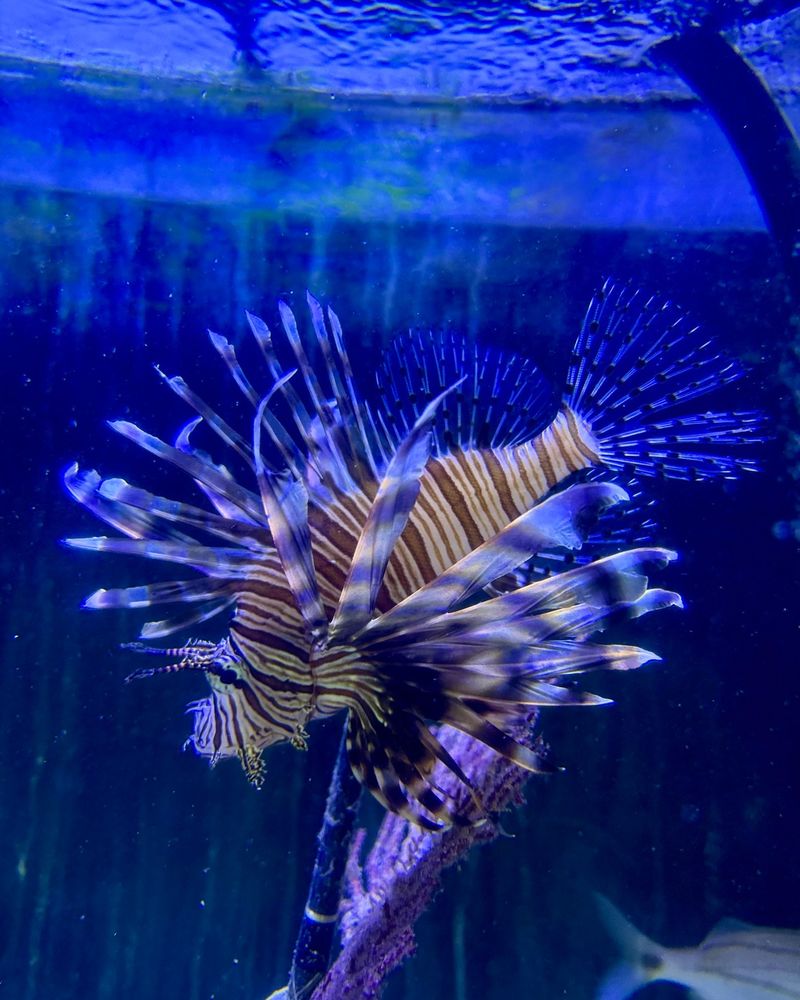
Strikingly beautiful with flowing fins and bold stripes, lionfish are invasive predators now found in Virginia’s offshore waters and coastal areas.
Originally from the Pacific Ocean, these fish have spread throughout the Atlantic, threatening native species and creating hazards for divers and fishermen.
Each lionfish has 18 venomous spines hidden among its ornate fins, capable of delivering extremely painful stings.
Lionfish venom causes immediate intense pain that can last for hours, accompanied by swelling, redness, and sometimes systemic effects like nausea and dizziness.
While rarely life-threatening, stings require prompt treatment and can temporarily incapacitate victims.
These fish are not aggressive toward humans but will use their spines defensively if grabbed, cornered, or accidentally touched.
Divers exploring Virginia’s artificial reefs and shipwrecks should watch for lionfish hovering near structures.
Never touch or attempt to pet these fish, no matter how beautiful they appear.
Fishermen should use extreme caution when removing lionfish from spears or nets, wearing puncture-resistant gloves and using tools to handle them.
If stung, immerse the affected area in hot water and seek medical attention.
Interestingly, lionfish are excellent eating and removing them helps protect native fish populations.
Many Virginia dive shops and conservation groups organize lionfish removal derbies, teaching safe handling techniques while helping control this invasive species that threatens the coastal ecosystem.