Hydrangea Owners In New York Must Act Before It’s Too Late
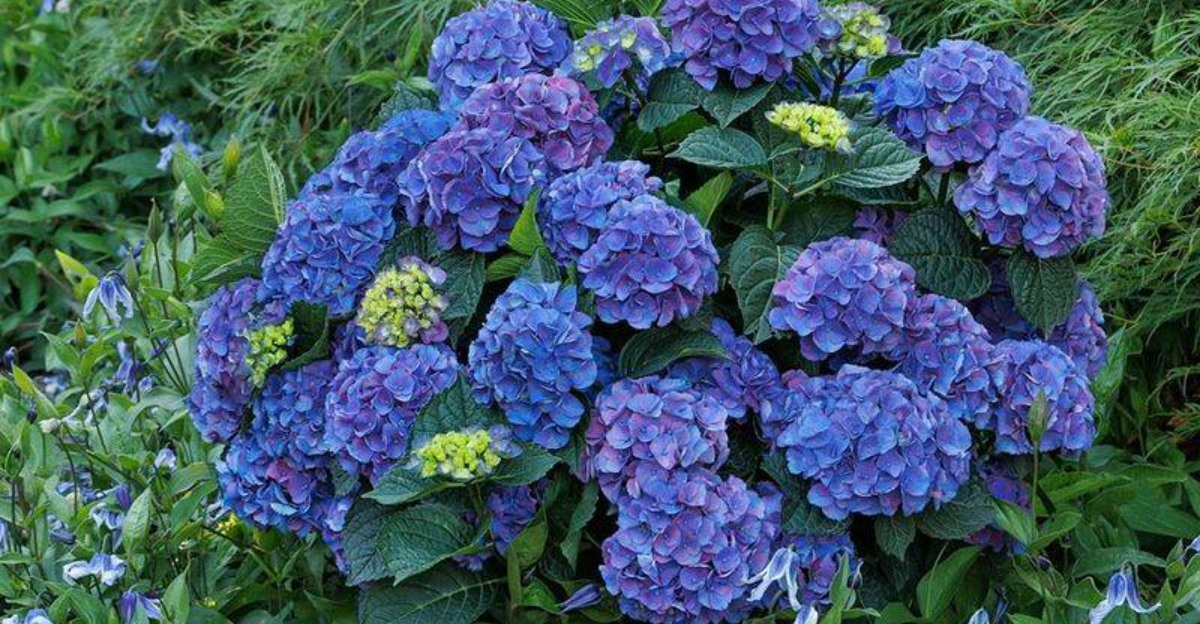
New York gardeners love hydrangeas—but timing is everything, and hesitation can cost you a full season of blooms.
As the calendar turns, there’s a narrow window when action matters most, and missing it can mean lush green growth with little to show for it.
Different hydrangeas play by different rules.
Some bloom on old wood, others on new, and treating them all the same is a recipe for disappointment.
Add New York’s unpredictable weather into the mix, and it’s easy to see why so many gardeners get caught off guard.
Knowing when—and how—to act now can mean the difference between sparse flowers and a summer showstopper.
This isn’t about overworking the plant; it’s about working smarter.
For hydrangea owners, the clock is ticking, and a little timely care now can pay off in color later.
Stop Fertilizing Hydrangeas
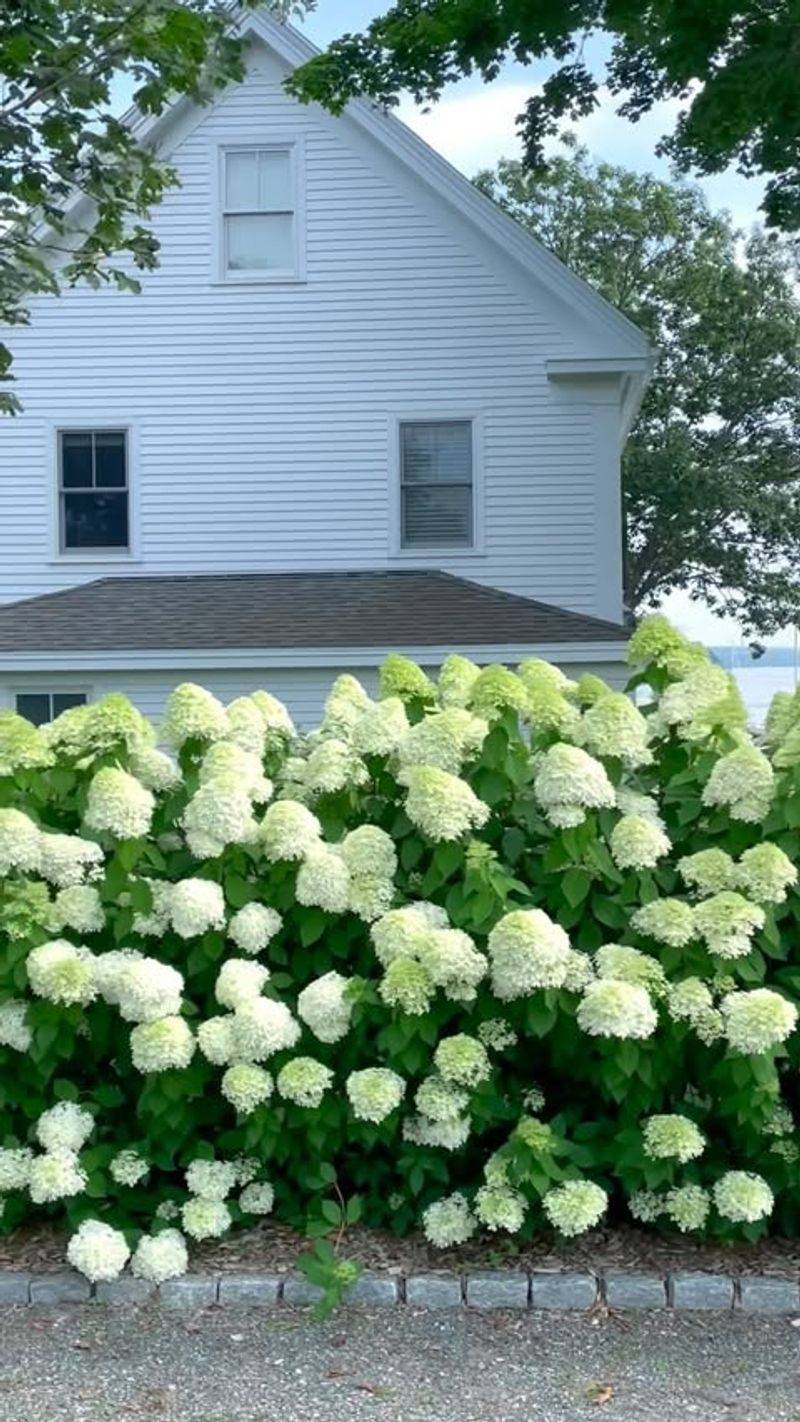
Fertilizer encourages new growth, which sounds great until you realize that tender shoots have no chance against freezing temperatures.
When frost hits, any soft new stems or leaves will suffer severe damage because they haven’t had time to harden off properly.
This weakens the entire plant heading into its dormant period.
Cold-climate horticulture experts recommend stopping all fertilizer applications by late summer, typically around mid-August in New York.
This gives your hydrangeas enough time to slow their growth naturally and redirect energy toward root development and winter hardiness.
Feeding too late in the season is like sending your plants into battle unprepared.
Nitrogen-rich fertilizers are especially problematic because they push leafy growth rather than strengthening existing structures.
Even slow-release formulas should be avoided after summer ends.
Your hydrangeas need to toughen up, not grow taller.
If you’ve been fertilizing regularly through summer, simply stop now and let nature take its course.
The plant will naturally begin preparing for dormancy as daylight decreases and temperatures cool.
This transition period is crucial for winter survival, so resist the urge to give your hydrangeas one last boost before the cold arrives.
Adjust Watering Before Temperatures Drop
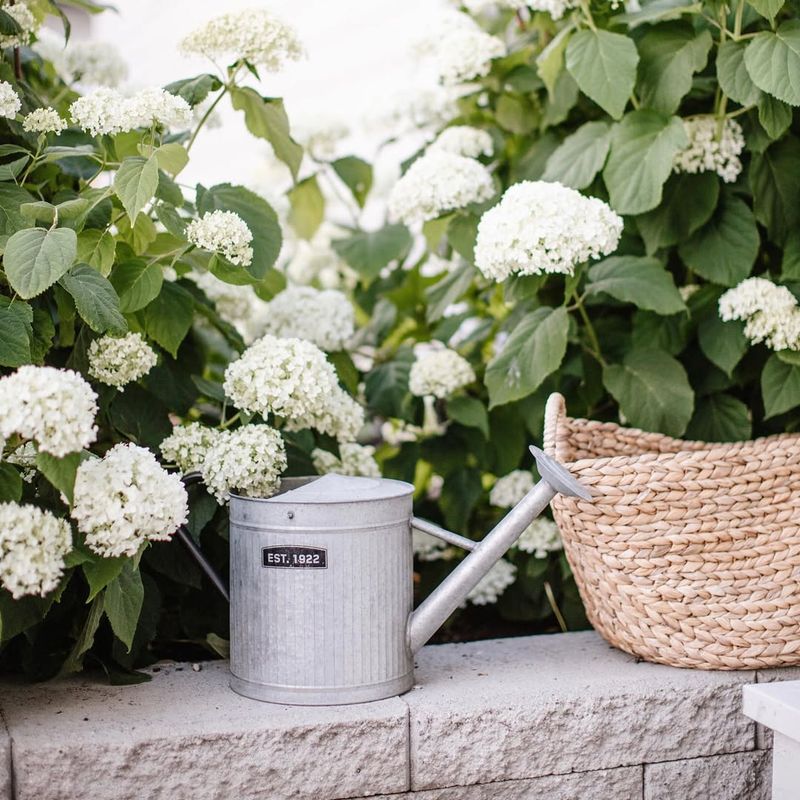
Hydrangeas going into winter dormancy with proper moisture levels stand a much better chance of surviving harsh conditions.
The key is finding the right balance as temperatures begin dropping and rainfall patterns change.
Too much water can cause problems, but so can bone-dry soil.
As fall progresses and growth slows, gradually reduce your watering frequency to match the plant’s decreasing needs.
However, one deep watering session about a week before the ground freezes is incredibly beneficial.
This ensures roots have adequate moisture reserves to draw from during winter months when frozen soil makes water unavailable.
Well-hydrated plants handle temperature stress better than dehydrated ones because water in plant cells provides some insulation against freezing.
But avoid waterlogged conditions, especially as temperatures hover around freezing.
Soggy soil combined with freeze-thaw cycles can damage roots and promote rot.
Monitor rainfall carefully during autumn in New York, as weather can be unpredictable.
If you’re experiencing a dry fall, continue moderate watering until the ground starts to freeze.
Your New York Garden Changes Every Week. Your Plan Should Too.
Gardening in New York changes quickly throughout the season. Every Friday you’ll receive a simple weekly plan showing exactly what to plant, prune, fertilize, harvest, and protect so you never miss the right timing.
Once winter truly sets in and the soil is frozen solid, watering becomes unnecessary until spring thaw begins.
Your hydrangeas will be dormant and their water needs minimal during the coldest months.
Do Not Prune Most Hydrangeas Before Winter

Grabbing your pruning shears before winter might seem productive, but it’s actually one of the biggest mistakes hydrangea owners make.
Many popular varieties set their flower buds on old wood during late summer and fall.
Cutting these stems back means removing next year’s entire bloom display before you even see it.
Bigleaf hydrangeas and mountain hydrangeas, both common in New York gardens, bloom on previous year’s growth.
Pruning them in fall or early spring destroys the buds they’ve already formed.
Oakleaf hydrangeas also bloom on old wood and should be left alone until after flowering.
Panicle hydrangeas and smooth hydrangeas are different because they bloom on new wood produced in spring.
Even these varieties benefit from waiting until late winter or early spring for pruning.
The old stems provide some winter protection and structural interest in the landscape.
If you’re unsure which type of hydrangea you own, the safest approach is to skip pruning entirely before winter.
Those dried flower heads and woody stems might not look tidy, but they’re protecting precious buds underneath.
Come spring, you can research your specific variety and prune accordingly.
Patience now means gorgeous blooms later, while hasty pruning results in disappointment when summer arrives with bare branches instead of flowers.
Remove Dry Or Diseased Growth Only
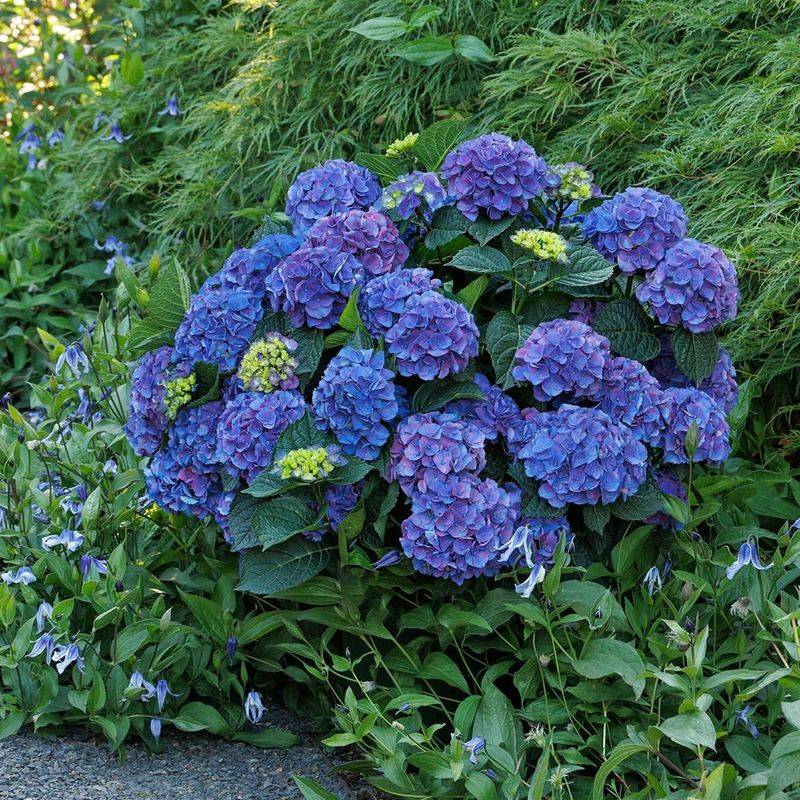
While major pruning should wait, cleaning up truly problematic growth before winter is smart maintenance.
There’s an important distinction between cutting back healthy stems and removing material that poses health risks.
Learning this difference protects both current plant health and future blooms.
Stems that are clearly damaged, broken, or showing signs of disease should be removed before winter arrives.
These can harbor pests, fungal spores, and bacteria that spread during winter’s wet, cold conditions.
Rotting material against healthy stems invites problems that could have been easily prevented.
Use clean, sharp pruners and cut damaged stems back to healthy wood or down to the base if necessary.
Look for stems with obvious breaks, discolored or spotted leaves, cankers, or soft mushy areas.
Dispose of this material away from your garden rather than composting it, as some diseases can survive in compost piles.
This type of selective cleanup is fundamentally different from shaping or reducing plant size.
You’re acting as a plant doctor removing unhealthy tissue, not as a stylist giving a haircut.
Healthy stems, even if they look messy or dried out, should remain untouched through winter.
They’re not hurting anything and may be protecting next season’s flowers.
Focus only on removing what’s genuinely compromised, and your hydrangeas will thank you with vigorous growth when warm weather returns.
Mulch Heavily Around The Base
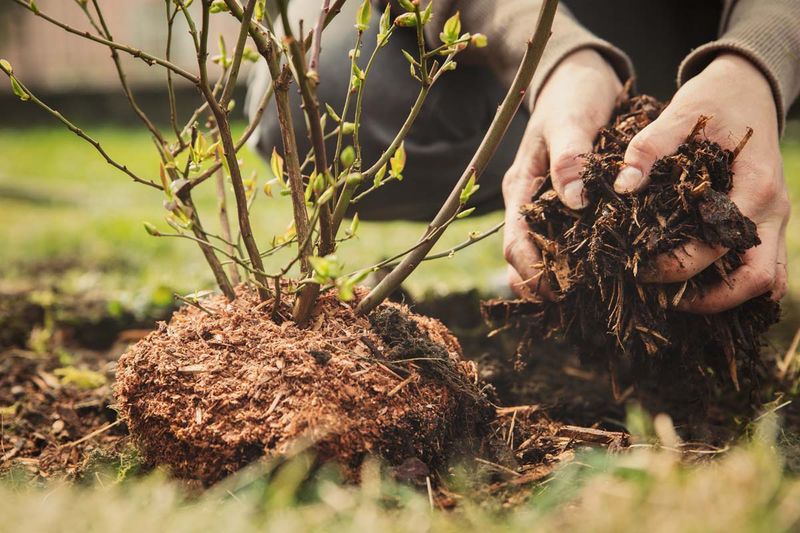
A generous layer of mulch acts like a cozy blanket for hydrangea roots during New York’s harsh winter months.
The real danger isn’t just cold temperatures but the repeated freezing and thawing cycles that heave soil and damage root systems.
Proper mulching moderates these temperature swings and provides crucial protection.
Apply mulch after the ground has cooled but before it freezes solid, typically in late fall.
Spread a layer three to four inches deep in a wide circle around the plant base, extending out to the drip line if possible.
Keep mulch pulled back a few inches from the main stems to prevent rot and discourage rodents from nesting against the plant.
Shredded bark, wood chips, pine needles, and composted leaves all work well as hydrangea mulch.
These materials insulate effectively while allowing air circulation and water penetration.
Avoid piling mulch into a volcano shape against stems, which creates moisture problems and pest habitat.
Beyond temperature protection, mulch retains soil moisture through winter and suppresses early spring weeds that would compete with your hydrangea.
As organic mulches break down, they also improve soil structure and add nutrients.
This simple step provides multiple benefits with minimal effort.
Come spring, you can refresh the mulch layer or leave it in place, depending on its condition and your garden’s appearance.
Protect Cold-Sensitive Hydrangea Varieties
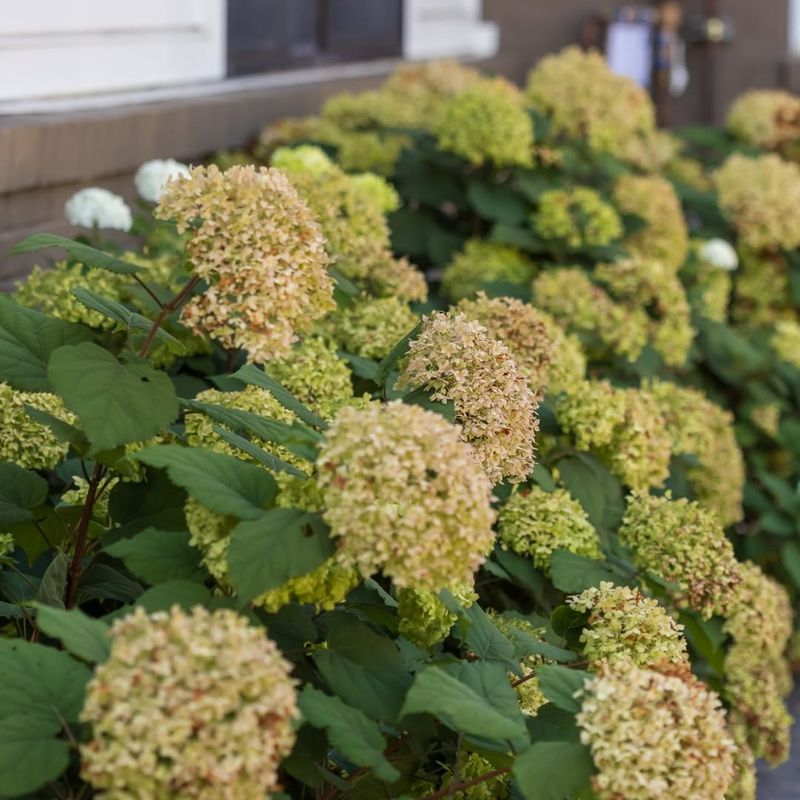
Not all hydrangeas face winter with equal resilience, and knowing which varieties need extra help can mean the difference between thriving plants and disappointing springs.
Bigleaf hydrangeas are particularly vulnerable to New York’s cold because their flower buds can be damaged even when the plant survives.
These beauties often need additional protection beyond basic mulching.
Creating a protective structure around sensitive varieties gives them a fighting chance against bitter winds and extreme temperature drops.
One proven method involves placing a wire cage or tomato cage around the plant and filling it with dry leaves or straw for insulation.
This creates an air pocket that buffers against temperature extremes while allowing the plant to breathe.
Burlap wraps also work well, especially for smaller or younger hydrangeas that haven’t fully established yet.
Wrap loosely to create a windbreak without smothering the plant or trapping excessive moisture.
Remove these protections in early spring once the threat of hard freezes has passed.
Panicle and smooth hydrangeas are generally hardier and rarely need this level of protection in most New York locations.
Oakleaf hydrangeas fall somewhere in between, benefiting from protection in colder zones.
If you’re unsure about your specific variety’s hardiness, providing extra protection is a safe bet.
The effort is minimal compared to the heartbreak of losing flower buds or entire plants to preventable winter damage.
Clean Up Fallen Leaves Around Plants

While leaf mulch around hydrangeas can be beneficial, allowing thick layers of fallen leaves to pile up against stems and branches creates problems.
New York’s fall and winter weather often means prolonged damp conditions that turn leaf piles into breeding grounds for mold, fungus, and pests.
A clean garden bed going into winter means fewer issues come spring.
Rake away excess leaves that have accumulated directly against hydrangea stems and in the crown of the plant.
These damp, decomposing leaves can harbor fungal spores that cause leaf spot, powdery mildew, and other diseases.
They also provide cozy winter homes for slugs, snails, and insects that will happily munch on your plants when spring arrives.
You don’t need to create a sterile environment—some leaf litter is natural and even beneficial.
The goal is preventing thick, matted layers that stay wet and block air circulation.
Leaves raked away from immediate plant areas can be shredded and used as mulch in other garden spots or added to compost piles.
This cleanup is especially important if your hydrangeas showed any signs of disease during the growing season.
Removing infected leaves reduces the spore load that could reinfect plants next year.
A quick autumn cleanup session takes minimal time but provides significant benefits.
Your hydrangeas will enter dormancy in a cleaner environment and emerge healthier when growth resumes in spring.
Check Soil Drainage Before Freeze-Up
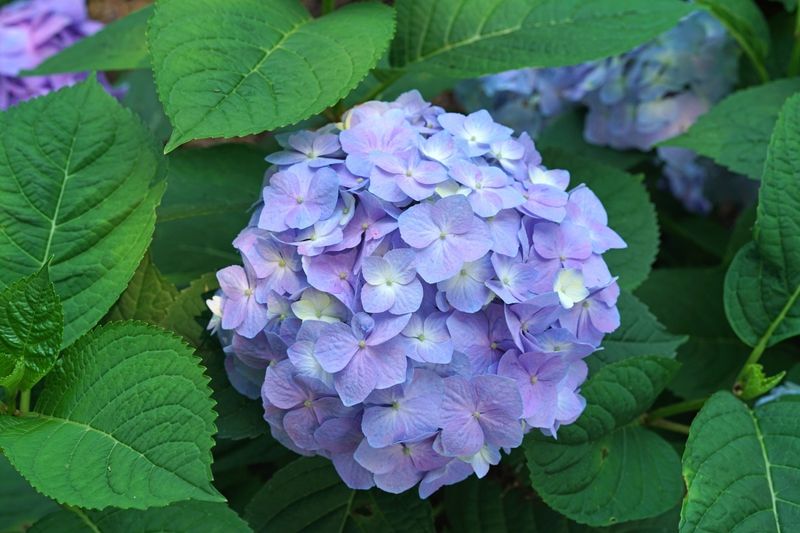
Waterlogged soil during winter freeze-thaw cycles can suffocate roots and cause more damage than cold temperatures alone.
Hydrangeas need consistent moisture but absolutely cannot tolerate standing water around their root systems during dormancy.
Checking drainage now, while you can still make improvements, is crucial preparation.
After a heavy rain, observe how quickly water drains away from your hydrangea planting areas.
Puddles that remain for more than a few hours indicate drainage problems that need addressing.
Soggy soil that stays wet for days is a serious concern requiring immediate correction.
Signs of poor drainage include water pooling on the surface, a sour smell from the soil, or moss growing heavily around plant bases.
If you notice these indicators, improving drainage before the ground freezes should be a priority.
Simple fixes include adding compost or other organic matter to heavy clay soils, creating slight mounds or berms to elevate planting areas, or installing drainage channels to redirect water flow.
For severe drainage issues that can’t be quickly resolved, consider whether your hydrangeas need relocating to better-draining spots in spring.
Meanwhile, avoid adding extra water and ensure mulch isn’t creating a water-holding basin around plants.
Proper drainage protects roots from rot and frost heaving while ensuring adequate oxygen reaches root zones even when soil is cold.
This often-overlooked factor can make or break your hydrangeas’ winter survival.
Mark Plant Locations Before Snowfall
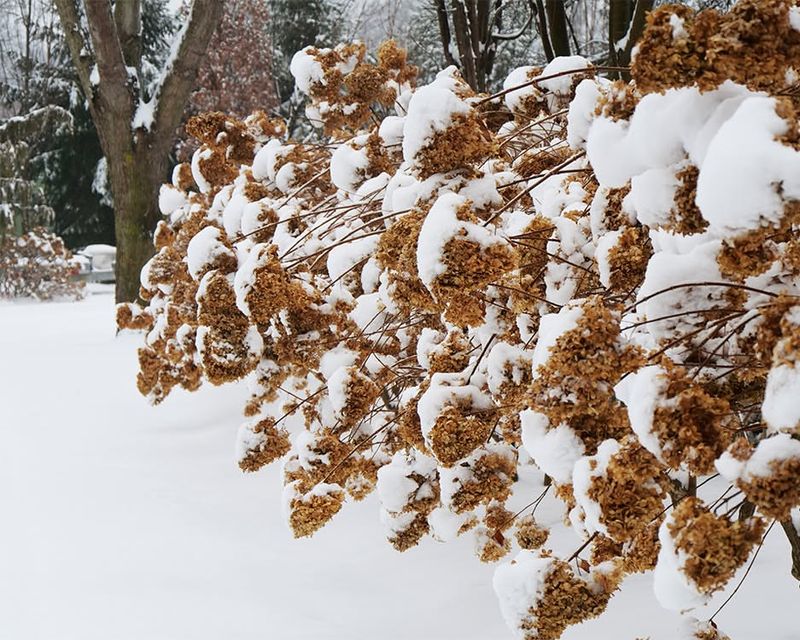
Once snow blankets your New York landscape, hydrangeas can become invisible, making them vulnerable to accidental damage from winter activities.
Snow shoveling, plowing, foot traffic, and even enthusiastic kids building snowmen can harm dormant plants that are hidden beneath white cover.
A few simple markers now prevent costly mistakes later.
Place sturdy stakes, garden markers, or even brightly colored flags around your hydrangea locations before the first significant snowfall.
Make these markers tall enough to remain visible even under heavy snow accumulation.
Reflective tape or bright colors help them stand out against white backgrounds and during low-light winter conditions.
This is particularly important for hydrangeas planted near walkways, driveways, or areas where snow removal equipment operates.
One careless pass with a shovel or snowblower can break stems, damage the crown, or compact soil around roots.
Markers serve as visual reminders to steer clear and be gentle in these areas.
Marking locations also helps you remember where plants are situated if you need to apply additional winter protection during a cold snap.
Come spring, you’ll know exactly where to look for emerging growth and can avoid accidentally stepping on new shoots.
This simple preventive measure takes just minutes but can save your hydrangeas from needless harm during the long winter months when they’re most vulnerable and least visible beneath snow cover.