Why Red-Bellied Woodpeckers Are Showing Up In Georgia Backyards This December
December in Georgia brings cooler air, quieter mornings, and a surprising uptick in backyard activity.
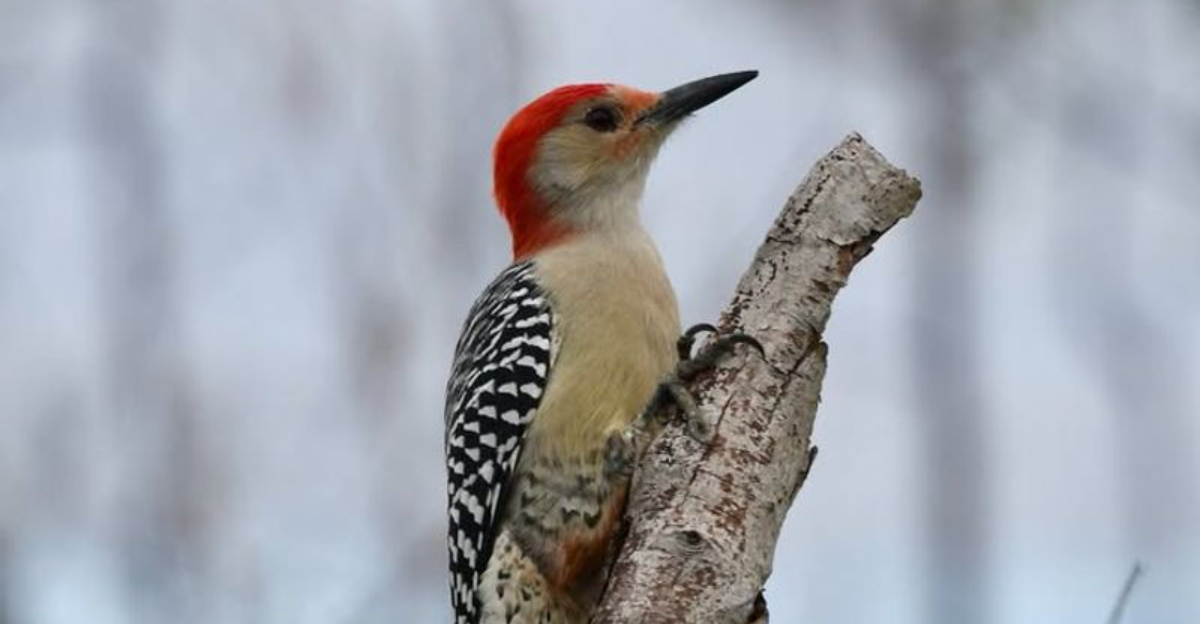
Red bellied woodpeckers are suddenly making themselves known, tapping on trees, fences, and feeders like they have a score to settle.
Their bold stripes and sharp calls cut through the winter calm, catching the eye of homeowners who may not have seen them so often before.
This seasonal shift is no accident.
As temperatures dip, natural food sources start to thin out, and woodpeckers follow the easiest path to a steady meal.
Insects retreat under bark, nuts become harder to find, and competition increases.
Backyards step in to fill the gap, offering mature trees, suet feeders, and quiet shelter from the elements.
For red bellied woodpeckers, these spaces check all the right boxes.
Winter weather also changes daily routines.
Shorter days push birds to feed more often, and reliable spots quickly rise to the top of the list.
Like clockwork, woodpeckers return to yards that deliver.
Their presence is a sign of smart timing, not trouble.
In December, Georgia backyards become part of a winter survival plan, and red bellied woodpeckers know a good thing when they see it.
1. Winter Food Sources Become Scarce In Forests
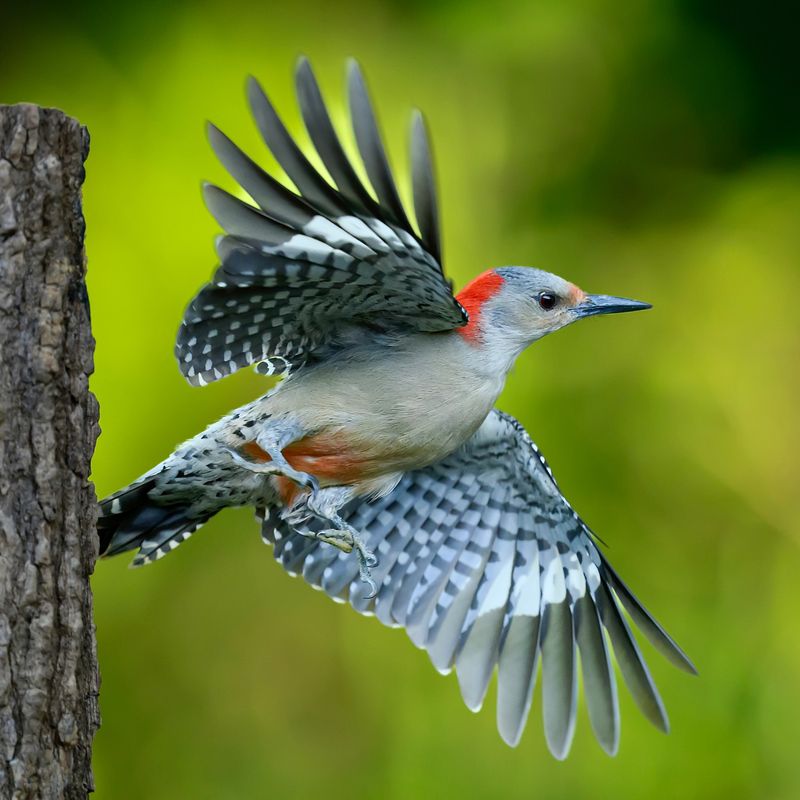
Natural food supplies dwindle significantly as December rolls around, pushing red-bellied woodpeckers to search beyond their usual forest territories.
Trees that produced abundant nuts and seeds in fall have been picked clean by now, and insects have burrowed deep into bark or gone dormant for winter.
Georgia’s woodpeckers find themselves competing with squirrels, other birds, and wildlife for whatever remains in wooded areas.
Backyard bird feeders suddenly become incredibly attractive alternatives, offering consistent and easily accessible meals.
Suet feeders are particularly irresistible to these hungry woodpeckers because they provide the high-fat nutrition needed to survive cold nights.
Sunflower seeds, peanuts, and mealworms also draw them in, especially when natural protein sources are harder to locate.
Homeowners across Georgia who maintain feeders through winter often report seeing red-bellied woodpeckers visiting multiple times daily.
The birds quickly learn feeding schedules and return regularly once they discover a reliable food source.
Bird baths with fresh water also attract them since natural water sources may freeze during Georgia’s occasional cold snaps.
Your backyard essentially becomes a winter oasis, providing everything these woodpeckers need when the forest can’t.
Keeping feeders stocked throughout December helps support these beautiful birds during their most challenging season.
Many Georgia residents enjoy watching these striking visitors and feel rewarded for their efforts in maintaining feeding stations.
2. Mature Trees In Suburban Areas Provide Perfect Habitat
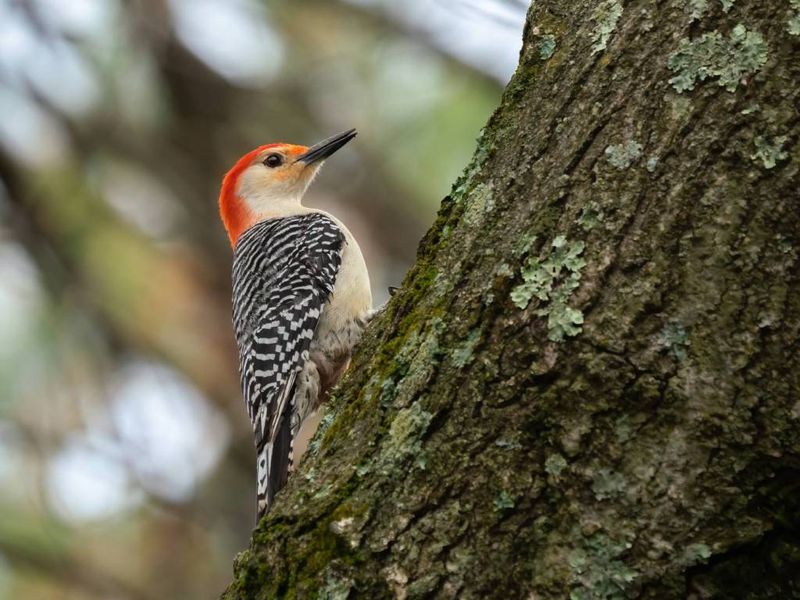
Established neighborhoods throughout Georgia feature exactly the kind of environment red-bellied woodpeckers love most.
Oak, pecan, and pine trees that have been growing for decades offer ideal nesting cavities and foraging opportunities.
These mature trees develop the cracks, crevices, and soft spots where insects hide, creating natural hunting grounds for woodpeckers.
Suburban areas often have a diverse mix of tree species that wouldn’t naturally occur together in forests, which actually benefits these adaptable birds.
Your Georgia Garden Changes Every Week. Your Plan Should Too.
Gardening in Georgia changes quickly throughout the season. Every Friday you’ll receive a simple weekly plan showing exactly what to plant, prune, fertilize, harvest, and protect so you never miss the right timing.
Dry branches and aging trees that homeowners leave standing become prime real estate for red-bellied woodpeckers seeking shelter and food.
Unlike dense forests where competition is fierce, Georgia backyards offer spacing that allows individual birds to establish territories more easily.
The combination of ornamental plantings, fruit trees, and native species creates a buffet of options throughout different seasons.
December’s cooler temperatures make suburban areas especially appealing because homes provide windbreaks and slightly warmer microclimates.
Woodpeckers can often be spotted hammering away at tree trunks, telephone poles, and even wooden fences searching for overwintering insects.
Their distinctive drumming sounds echo through Georgia neighborhoods, alerting residents to their presence.
Property owners who resist the urge to remove every dry tree or limb inadvertently create welcoming spaces for these birds.
The suburban landscape has essentially evolved into surprisingly suitable habitat, blending human development with nature in ways that work well for red-bellied woodpeckers.
3. Mild December Temperatures Keep Them Active
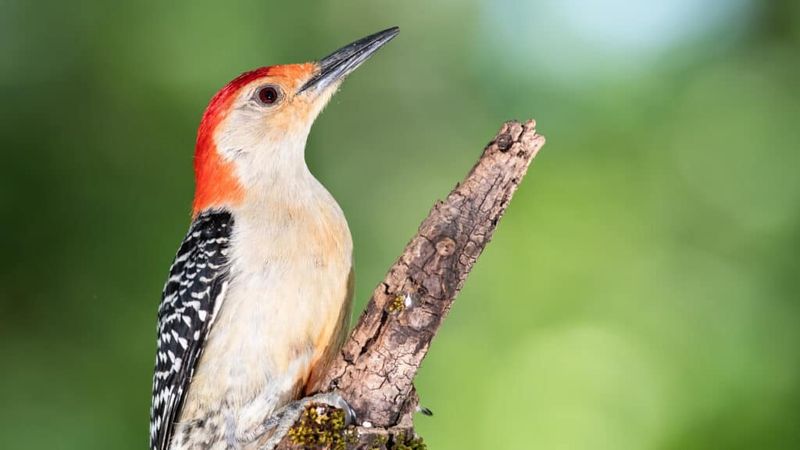
Georgia’s relatively temperate winter climate means red-bellied woodpeckers remain active and visible throughout December rather than becoming dormant or migrating south.
While northern states experience harsh freezes that drive many bird species away, Georgia typically sees milder conditions that allow year-round residency.
This December, temperatures hovering in the 40s and 50s keep insects closer to the surface and woodpeckers energetically searching for food.
The birds don’t need to conserve energy the way they would in colder climates, so they spend more daylight hours actively foraging and exploring.
Warmer days bring increased activity levels, making red-bellied woodpeckers much more noticeable as they move from tree to tree.
Georgia homeowners might spot them early in the morning or late afternoon when the birds are most actively feeding.
Unlike some species that hunker down during winter, these woodpeckers maintain their territorial calls and drumming behaviors even in December.
The comfortable temperatures also mean people spend more time outdoors in their yards, increasing the likelihood of bird sightings.
Gardeners working outside, children playing, and folks enjoying their porches all have opportunities to observe these striking visitors.
Climate patterns in Georgia create a sweet spot where woodpeckers thrive while remaining highly visible to human observers.
The absence of snow and ice means trees remain accessible, and the birds don’t face the survival challenges common in harsher regions.
This makes December an excellent month for birdwatching in Georgia backyards.
4. Increased Backyard Bird Feeding During Holidays

Something wonderful happens across Georgia each December as the holiday season inspires people to show extra kindness to wildlife.
Families purchase bird feeders as gifts, children fill feeders as winter break activities, and many folks simply feel more generous during this time of year.
This surge in backyard bird feeding creates a network of food sources that red-bellied woodpeckers quickly discover and utilize.
New feeders pop up in neighborhoods throughout the state, dramatically expanding the available resources for hungry birds.
Red-bellied woodpeckers are intelligent and observant, noticing when fresh feeders appear and investigating them within days.
The holiday tradition of putting out suet cakes specifically benefits woodpeckers, who prefer this high-energy food source.
Georgia residents shopping for bird supplies in December often ask store employees which foods attract the most interesting species, leading to better feeder selections.
Social media posts showing backyard birds inspire neighbors to start feeding programs of their own, creating a positive ripple effect.
Grandparents visiting for the holidays often enjoy watching birds with grandchildren, leading to increased feeder activity and maintenance.
The combination of more feeders and more people paying attention means red-bellied woodpeckers get noticed more frequently this month.
Consistent feeding throughout December helps these birds establish routines, making them regular visitors that homeowners come to recognize and anticipate.
The spirit of the season extends to our feathered friends, creating win-win situations for both birds and the people who enjoy watching them.
5. Natural Range Expansion Brings More Birds To Georgia
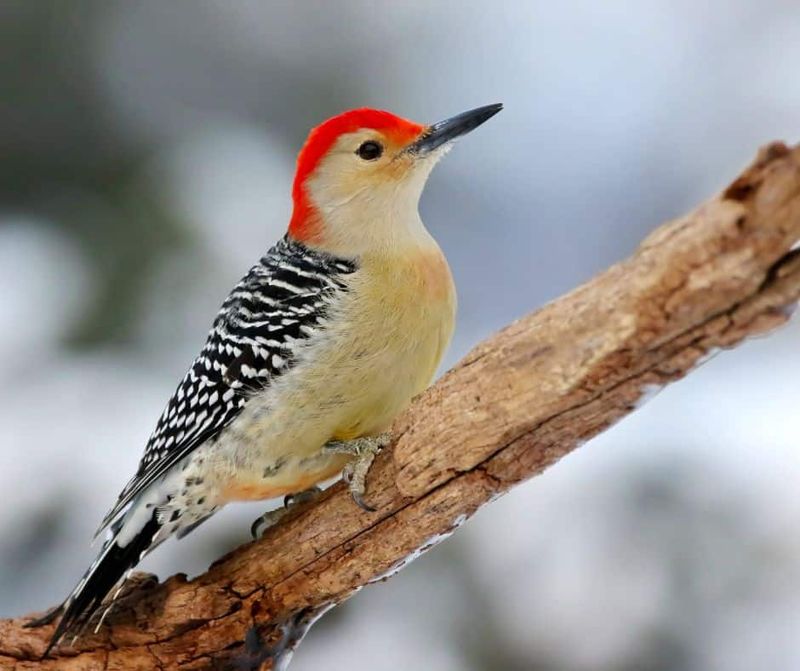
Over recent decades, red-bellied woodpeckers have been steadily expanding their range northward and consolidating their presence throughout the Southeast.
Georgia sits in the heart of their preferred territory, and populations have been growing as conditions become increasingly favorable.
Warmer average temperatures due to climate shifts allow these birds to thrive in areas where they were once uncommon.
Forest management practices, suburban development, and changing landscapes have created more edge habitats that red-bellied woodpeckers prefer over dense forests.
The species adapts remarkably well to human presence, unlike some woodpecker cousins that require pristine wilderness.
Ornithologists tracking bird populations have documented steady increases in red-bellied woodpecker sightings across Georgia over the past twenty years.
This means more birds are simply available to show up in backyards throughout the state this December.
Younger birds dispersing from nesting areas seek new territories, and Georgia’s suburban neighborhoods offer attractive options.
The expansion isn’t just about numbers but also about birds becoming bolder and more comfortable around human activity.
Georgia residents who never saw these woodpeckers a decade ago now consider them regular backyard visitors.
Citizen science projects like eBird show December sightings increasing year after year as the population grows.
This natural expansion means your chances of hosting red-bellied woodpeckers have never been better, and the trend shows no signs of reversing anytime soon.
6. Competition With Other Species Drives Them To Yards
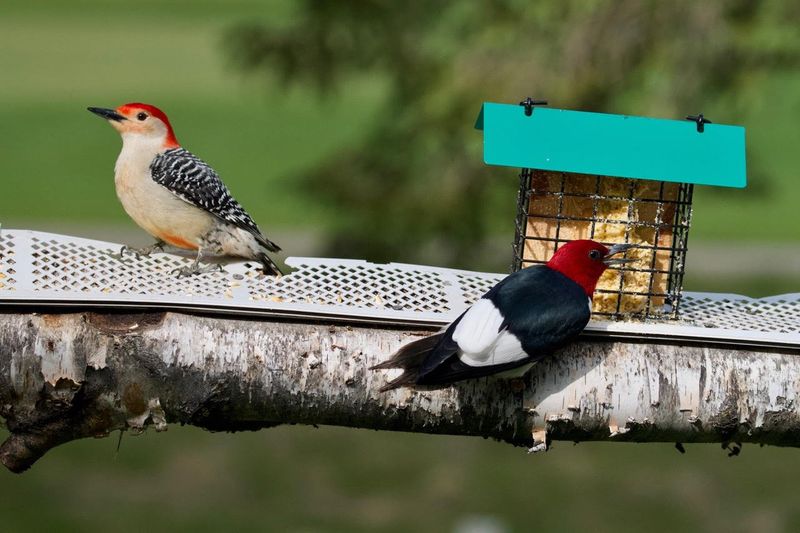
Red-bellied woodpeckers face stiff competition from other birds in natural areas, particularly during the lean winter months.
Downy woodpeckers, hairy woodpeckers, and flickers all compete for similar food sources, creating pressure that pushes some birds to explore new territories.
Blue jays, which are abundant throughout Georgia, can be aggressive at feeding sites and often dominate prime foraging locations in forests.
Backyard feeders offer red-bellied woodpeckers a chance to avoid some of this competition, especially when homeowners provide multiple feeding stations.
The birds learn that suburban yards often have less crowding than popular forest feeding areas.
Squirrels present another challenge, raiding natural food caches and making it harder for woodpeckers to find stored nuts and seeds.
Georgia backyards with squirrel baffles on feeders become especially attractive to woodpeckers seeking hassle-free meals.
During December, when food is already scarce, avoiding competition becomes even more important for survival.
Red-bellied woodpeckers will travel considerable distances to find feeding locations where they can eat in peace.
Your yard might become a preferred spot simply because it offers less drama than the crowded forest edge.
Providing species-specific feeders, like clinging suet feeders that larger birds struggle to use, gives woodpeckers an advantage.
The strategic benefits of backyard feeding stations help explain why red-bellied woodpeckers increasingly choose Georgia yards over traditional forest habitats during winter months.
7. Daylight Hours Make Them More Visible To Observers
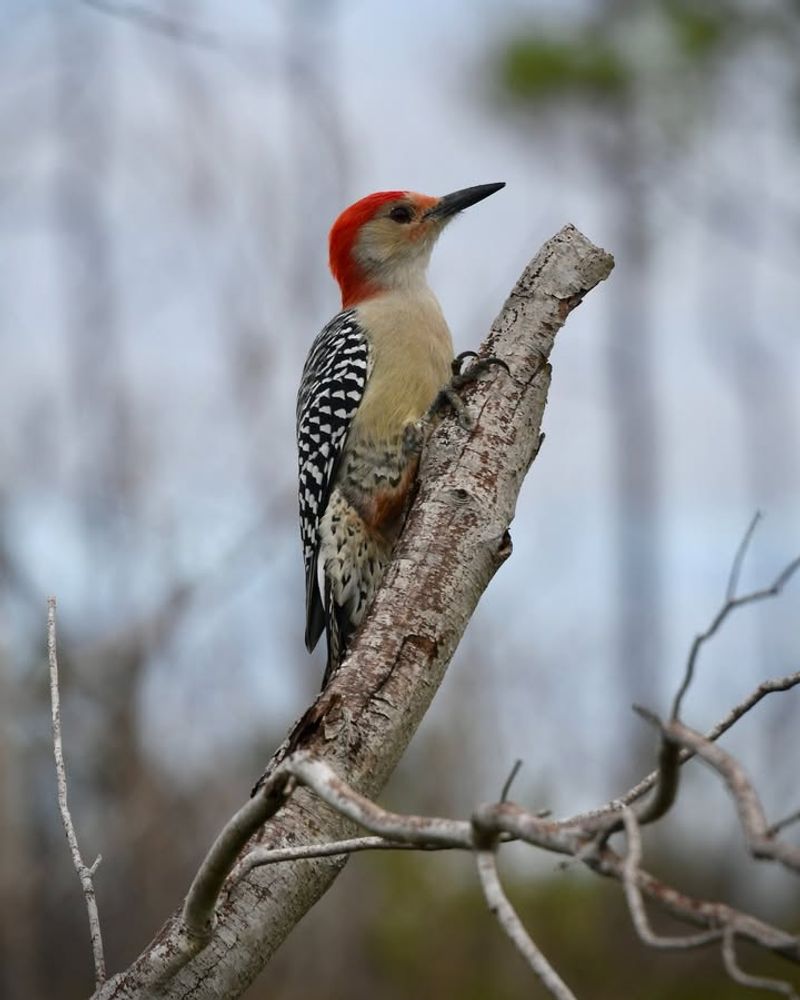
December’s shorter days compress bird activity into more concentrated timeframes, making red-bellied woodpeckers easier to spot during their feeding periods.
With sunrise coming later and sunset arriving earlier, these birds must accomplish their daily foraging in fewer hours.
This urgency brings them to backyard feeders during times when people are actually home and looking out their windows.
Morning coffee drinkers in Georgia often get spectacular shows as woodpeckers arrive at feeders right around breakfast time.
The low winter sun angle creates beautiful lighting conditions that highlight the birds’ striking red caps and patterned backs.
Bare trees in December provide less cover, making it much easier to see woodpeckers that might be hidden by foliage during other seasons.
Georgia homeowners can spot these birds from much greater distances when branches aren’t obscured by leaves.
The contrast of red, black, and white plumage stands out dramatically against gray winter skies and brown tree bark.
People spending more time indoors during cooler weather naturally spend more time gazing out windows, increasing observation opportunities.
Holiday breaks mean children and families are home during daylight hours when they’d normally be at school or work.
This combination of factors creates perfect conditions for noticing red-bellied woodpeckers that might go unobserved during busier seasons.
The birds haven’t necessarily increased in numbers, but December’s unique conditions make them far more noticeable to Georgia residents enjoying their backyards.