Is Installing Security Fencing Around Your Garden Legal In Missouri
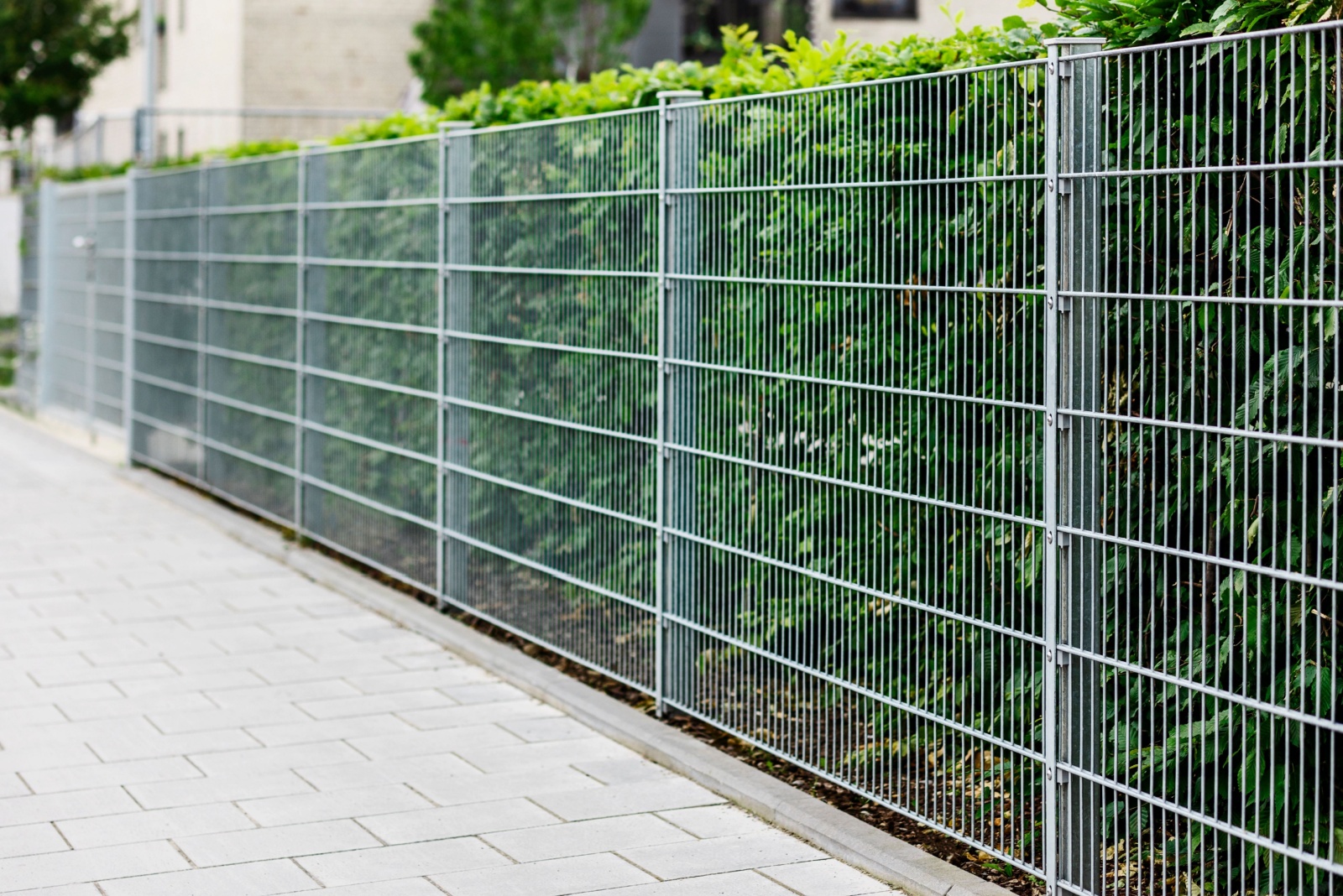
Thinking about putting up a fence to protect your garden in Missouri?
You’re not alone—but before you grab the post-hole digger, it’s important to know the legal ground rules.
From local ordinances to property lines and neighborhood rules, garden fencing isn’t as simple as “my yard, my rules.”
Here’s a clear, friendly guide to what’s legal (and what’s not), so you can secure your produce without running afoul of city codes or upset neighbors.
What Missouri Law Says About Residential Garden Fencing
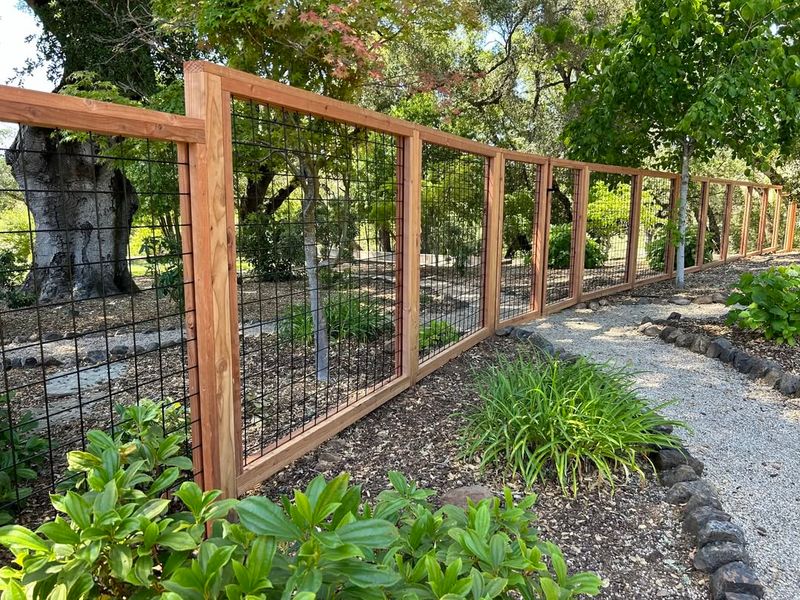
Missouri state law generally allows homeowners to install fences around their gardens, but specific rules vary depending on your exact location within the state.
Property owners have broad rights to fence their land, though they must follow height restrictions and placement guidelines set by local jurisdictions.
Understanding these baseline rules helps you start your fencing project on solid legal ground without worrying about future complications or disputes.
State statutes focus mainly on boundary fences shared between neighbors, requiring both parties to maintain them equally unless one party agrees otherwise.
Garden fences that sit entirely on your property typically face fewer restrictions than boundary fences, giving you more flexibility in design choices.
However, you still need to respect setback requirements that keep fences away from property lines, roads, and utility easements for safety reasons.
Before purchasing materials or hiring contractors, research your county and city ordinances since they add extra layers of regulation beyond state law.
Some communities have strict aesthetic requirements that dictate fence color, material, and style to maintain neighborhood appearance and property values consistently.
Ignoring these local rules can result in fines, forced removal, or legal disputes that cost far more than initial compliance efforts.
Fence Height Limits Homeowners Need To Know
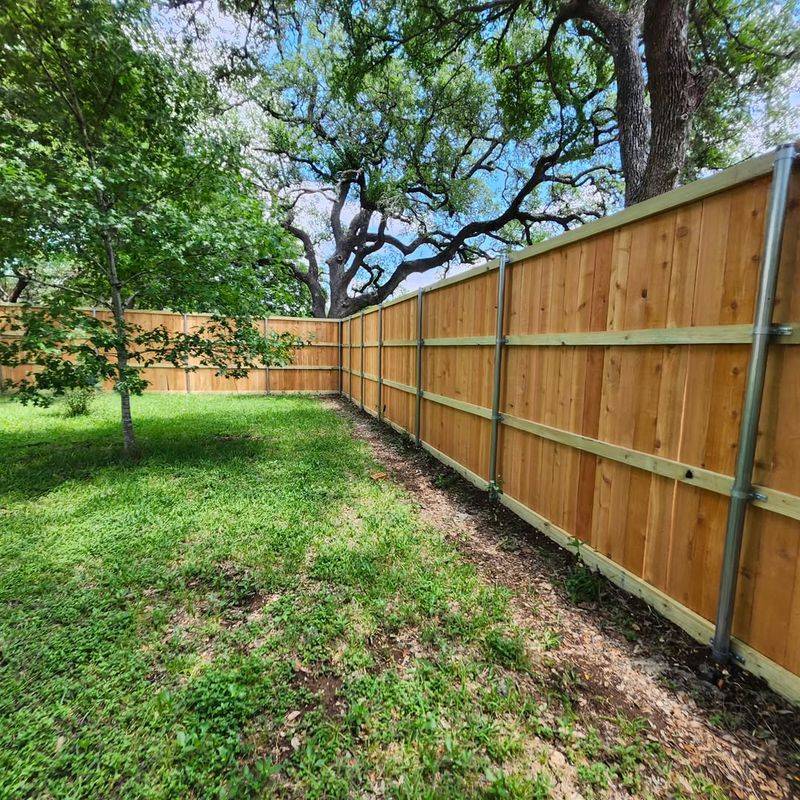
Most Missouri cities limit front yard fences to three or four feet tall, ensuring visibility for drivers and pedestrians navigating neighborhood streets safely.
This height restriction prevents accidents at intersections and driveways where tall fences could block sightlines and create dangerous blind spots for everyone.
Your garden fence must comply with these limits if it sits anywhere near the front portion of your property or street-facing areas.
Backyard fences usually allow greater height, often up to six or eight feet, giving homeowners more privacy and security for gardens and outdoor living spaces.
These taller structures work well for vegetable gardens that need protection from deer, rabbits, and other wildlife that commonly damage plants throughout Missouri.
Check your specific city code because height limits can vary significantly between neighboring towns, even within the same county or metropolitan area.
Corner lots face additional restrictions since they have two street-facing sides that count as front yards under most zoning codes and regulations.
Your fence height must meet front yard requirements on both street sides, potentially limiting your options for tall security fencing around garden areas.
Measuring carefully and consulting local building departments prevents costly mistakes that require fence modifications or complete removal after installation is already finished.
When A Permit Is Required And When It Isn’t
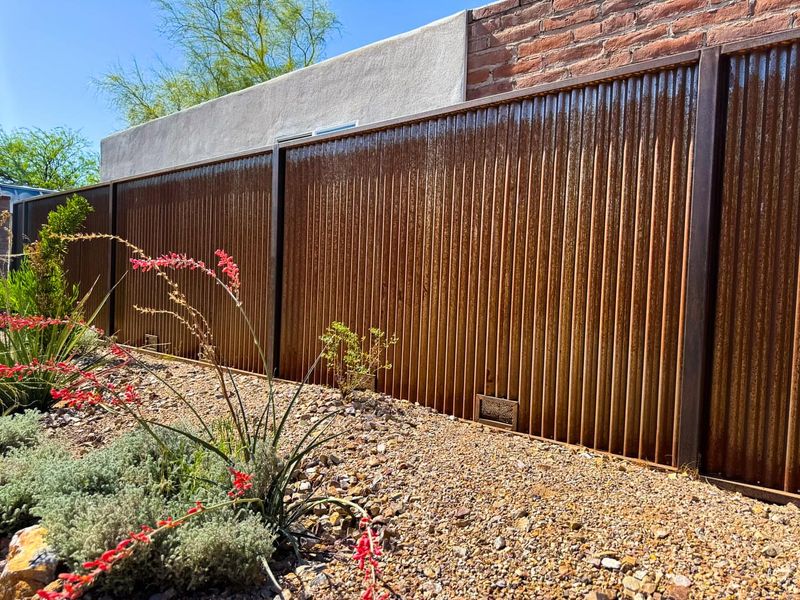
Many Missouri municipalities require building permits for fences exceeding certain heights, typically around four feet, though requirements differ widely across different jurisdictions statewide.
Your Missouri Garden Changes Every Week. Your Plan Should Too.
Gardening in Missouri changes quickly throughout the season. Every Friday you’ll receive a simple weekly plan showing exactly what to plant, prune, fertilize, harvest, and protect so you never miss the right timing.
Permits ensure your fence meets safety standards, property line requirements, and local aesthetic guidelines before construction begins on your property permanently.
Skipping the permit process can lead to fines, forced removal, and difficulty selling your home later when title issues arise unexpectedly.
Some cities exempt small garden fences under three feet from permit requirements, making it easier to install simple protective barriers around vegetables and flowers.
Temporary fencing like chicken wire or plastic mesh often avoids permit requirements since it isn’t considered a permanent structure under building codes.
However, rules vary so dramatically between towns that assuming exemption without checking can backfire badly and cost you significant money.
Electric fences and security fencing with special features almost always require permits due to safety concerns and potential hazards they pose to people.
The permit application process typically involves submitting a site plan showing fence location, height, materials, and distance from property lines and utilities.
Processing times range from a few days to several weeks, so plan ahead and submit applications early to avoid delays in your garden protection timeline.
Rules That Apply In Cities Versus Rural Areas

Urban and suburban Missouri communities typically enforce stricter fencing regulations than rural areas, reflecting higher population density and neighborhood appearance standards that matter more.
City dwellers face detailed rules about fence materials, colors, heights, and styles that aim to maintain property values and community aesthetics consistently.
These regulations can feel restrictive, but they prevent eyesores that might negatively impact your neighbors and reduce overall neighborhood appeal significantly.
Rural Missouri counties often have minimal fencing regulations, giving property owners much greater freedom to install whatever fencing style suits their needs best.
Agricultural areas prioritize functionality over appearance, so farmers and rural homeowners can typically install tall, sturdy fences without extensive permitting processes.
However, even rural properties must respect property lines, easements, and any subdivision covenants that might apply to their specific land parcels.
Unincorporated areas fall under county jurisdiction, which usually means fewer restrictions than incorporated towns and cities with their own municipal codes.
Before installing your garden fence, determine whether your property falls under city or county jurisdiction since this dramatically affects which rules apply.
Contact your local planning department or county clerk to confirm jurisdiction and obtain accurate information about regulations affecting your specific property location.
Electric And Security Fences: What’s Allowed
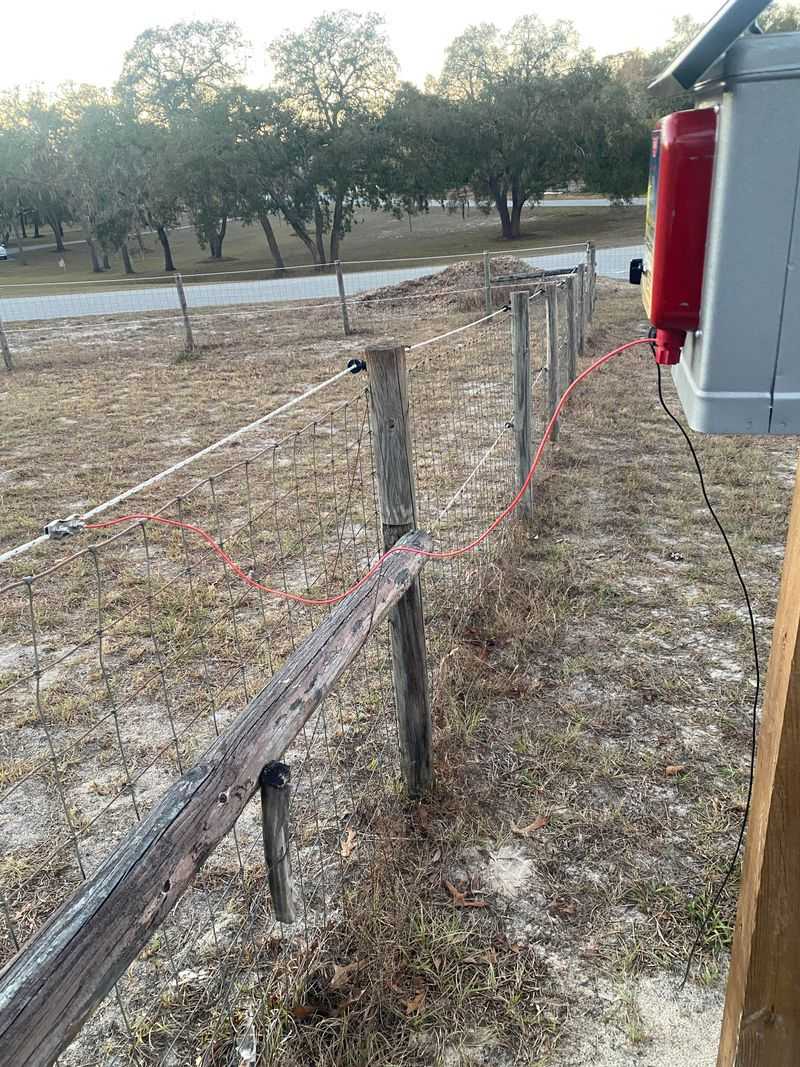
Electric fences face significant legal restrictions in Missouri residential areas due to safety concerns about children, pets, and visitors who might accidentally contact them.
Most cities prohibit electric fencing in residential zones entirely, limiting their use to agricultural properties where livestock protection justifies the potential risks involved.
However, some municipalities allow low-voltage electric fencing for garden protection if properly marked with warning signs visible from all approach angles clearly.
Security fencing with barbed wire, razor wire, or sharp elements typically requires special permits and faces height and placement restrictions in residential neighborhoods.
These aggressive fence types might be prohibited entirely in subdivisions, though rural properties often allow them for livestock and crop protection purposes.
Your homeowners association may ban security fencing features even if local law permits them, creating an additional layer of restriction you must navigate.
Modern security fences with electronic monitoring, cameras, and motion sensors generally face fewer restrictions since they pose less physical danger to people and animals.
These high-tech options provide excellent garden protection without the legal complications associated with electric or barbed wire fencing systems throughout Missouri.
Always check local codes before installing any security features, and consider consulting with a fence contractor familiar with Missouri regulations and compliance requirements.
How Property Lines And Easements Affect Fence Placement
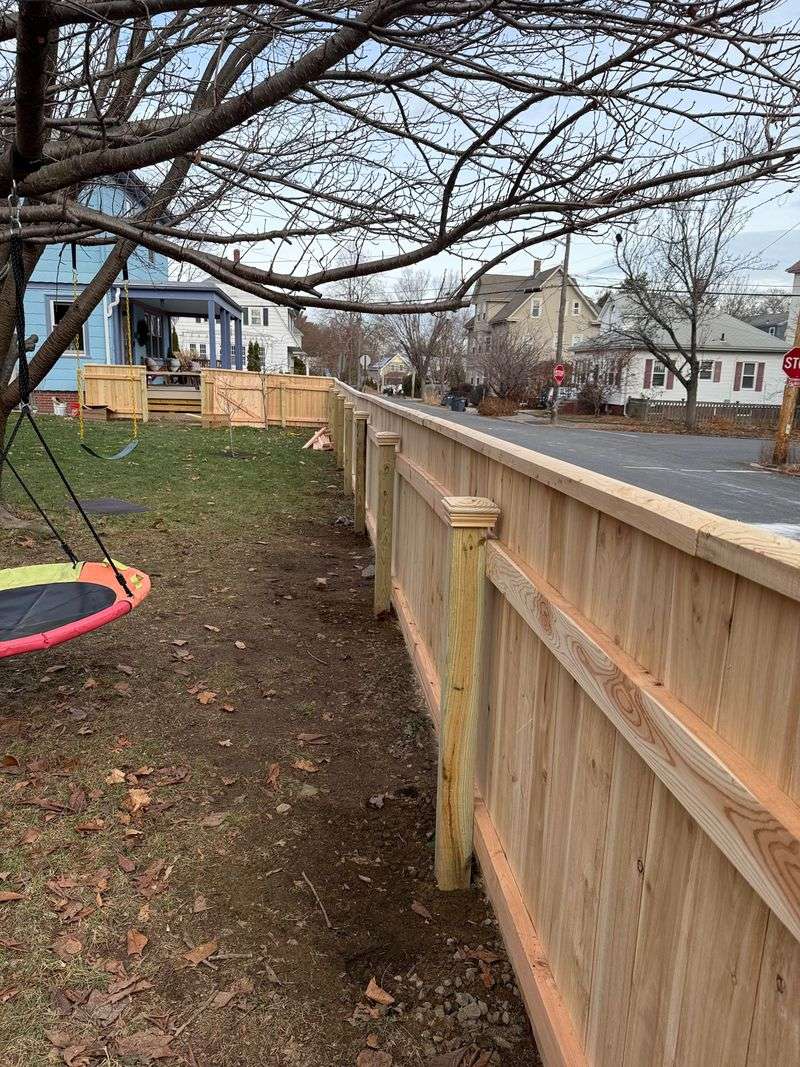
Installing your fence on the correct side of your property line is absolutely critical to avoiding legal disputes, removal orders, and potential lawsuits.
Property surveys provide precise boundary locations, preventing you from accidentally building on your neighbor’s land or public right-of-way areas that cause problems.
Missouri law allows neighbors to seek fence removal and damages if you encroach on their property, making accurate placement essential from the start.
Setback requirements typically mandate keeping fences several feet inside your property line, creating a buffer zone that prevents boundary disputes and maintenance issues.
These setbacks vary by jurisdiction but commonly range from six inches to several feet depending on fence height, location, and local regulations.
Building exactly on the property line might seem efficient, but it complicates maintenance access and creates shared ownership issues that cause headaches later.
Easements grant utility companies, municipalities, or others the right to access portions of your property, limiting where you can place permanent structures.
Fencing over utility easements can result in forced removal when companies need access to underground lines, pipes, or equipment buried beneath your yard.
Review your property deed and survey for easements before planning fence placement, and contact utility companies to mark underground lines preventing accidental damage.
HOA Restrictions That Can Override State Rules

Homeowners associations wield significant power over fence installation, often imposing rules far stricter than city or state laws allow for their communities.
HOA covenants, conditions, and restrictions become legally binding when you purchase property in the subdivision, giving the association enforcement power over fence decisions.
These private agreements can prohibit certain fence materials, mandate specific colors, restrict heights below legal maximums, and require architectural approval before installation begins.
Many Missouri HOAs require homeowners to submit detailed fence plans for approval before purchasing materials or starting construction on their properties permanently.
The approval process can take weeks or months, and associations may deny requests that don’t match neighborhood aesthetic standards or established guidelines.
Violating HOA fence rules can result in fines, forced removal, liens on your property, and even foreclosure in extreme cases of noncompliance.
Review your HOA documents carefully before planning any garden fence, paying special attention to architectural guidelines and approval procedures that apply specifically.
Some associations restrict fencing to backyards only, prohibit privacy fences entirely, or require expensive materials like wrought iron instead of affordable wood options.
If HOA rules seem unreasonable, you can petition for changes through proper channels, though success requires patience and community support from fellow residents.
Common Legal Mistakes That Lead To Fines Or Removal
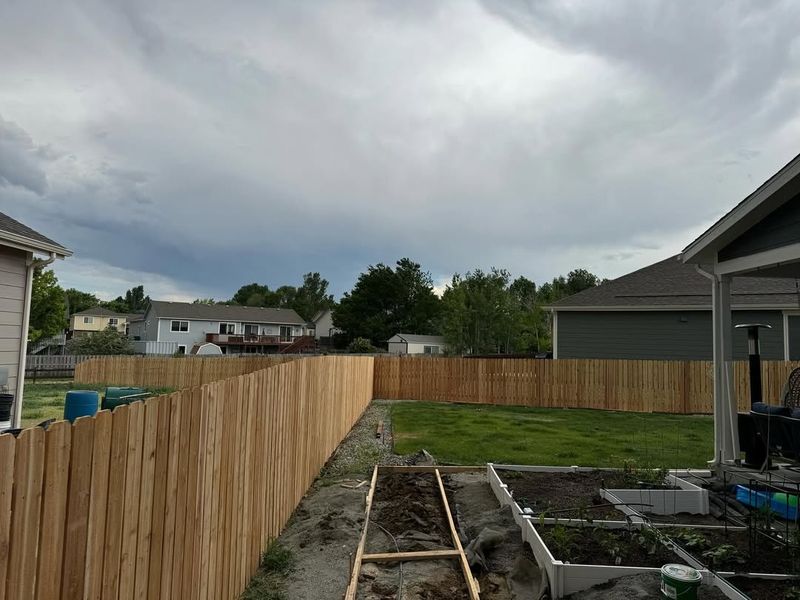
Skipping the permit process ranks as the most common fencing mistake Missouri homeowners make, often resulting in expensive fines and forced fence removal.
Many people assume small garden fences don’t require permits, but local codes frequently mandate permits for structures exceeding minimal heights or permanent installations.
Building without permits also creates problems when selling your home, as unpermitted improvements can delay closings or reduce property values significantly.
Installing fences on or over property lines causes countless neighbor disputes and legal battles that could be easily avoided with proper surveys.
Even being a few inches over the line can give your neighbor legal grounds to demand removal and possibly compensation for damages.
Always hire a licensed surveyor to mark boundaries before fence installation, especially if property stakes aren’t clearly visible or haven’t been verified.
Ignoring HOA rules represents another frequent mistake that costs homeowners thousands in fines, legal fees, and fence replacement expenses after installation completes.
Some residents don’t realize their property falls under HOA jurisdiction or assume rules don’t apply to small garden fences in backyard areas.
Blocking easements, using prohibited materials, exceeding height limits, and failing to maintain fences properly also trigger violations that lead to enforcement actions.