9 Gardening Tasks Pennsylvania Gardeners Should Complete Before January
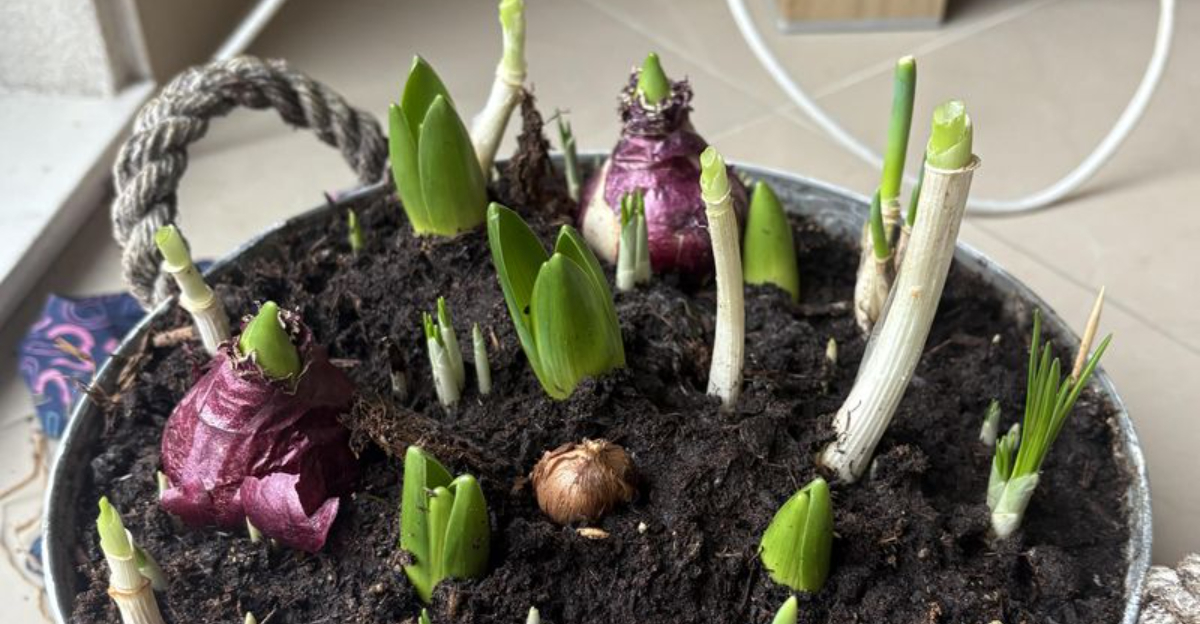
Pennsylvania gardens slip toward rest as frost taps the ground and days grow short.
This pause fools many homeowners into delay, yet the window stays wide open.
A few timely chores now save heartache later.
Clean beds, firm soil, and guarded roots set the stage for a strong return.
Miss this chance, and winter plays hardball.
Tools rust, pests hide out, and plants face cold without backup.
Smart gardeners read the room and act before the calendar flips.
These final steps tie loose ends and lock gains in place.
No guesswork, no wasted effort, just plain common sense.
With a short checklist and steady pace, yards head into deep cold on solid footing.
Finish these tasks, and spring feels less like a scramble and more like a victory lap.
Time waits for no one, but preparation tips the scales and keeps gardens one step ahead, arrives early.
1. Mulch Your Garden Beds
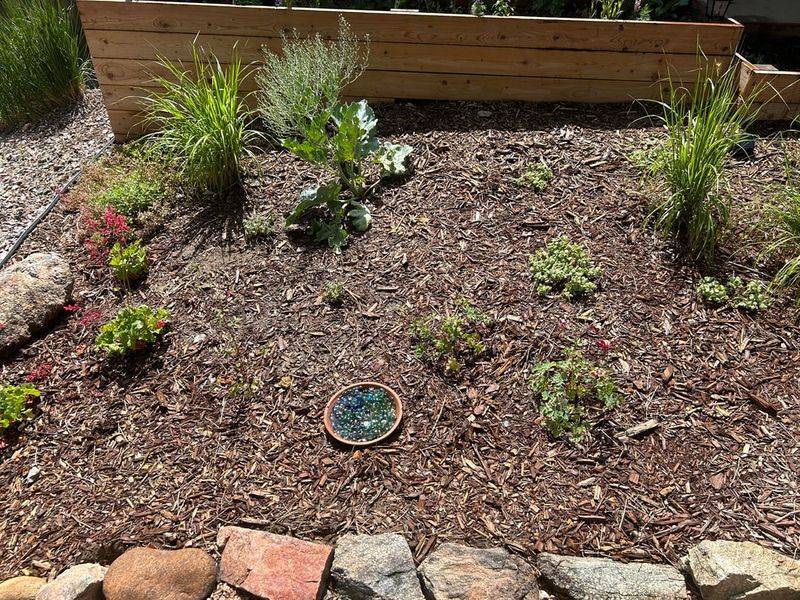
A thick layer of mulch acts like a cozy blanket for your plants during Pennsylvania’s freezing months.
Spread three to four inches of organic material such as shredded leaves, wood chips, or straw around perennials and shrubs.
This protective covering keeps soil temperatures stable and prevents the freeze-thaw cycles that can push plant roots right out of the ground.
Mulch also stops weeds from sprouting early and helps the soil retain moisture throughout winter.
Wait until after the first hard frost to apply mulch so mice and voles do not nest in the warm material near your plants.
Pull mulch a few inches away from tree trunks and plant stems to prevent rot and pest problems.
Organic mulches break down over time, enriching your soil with nutrients that feed plants come springtime.
You can gather free mulch by collecting fallen leaves from your yard or asking neighbors for their bags of raked leaves.
Properly mulched beds require less maintenance in early spring because the soil stays healthier and weeds stay controlled.
This simple step protects your investment and gives plants their best chance at thriving next growing season.
2. Clean And Store Garden Tools
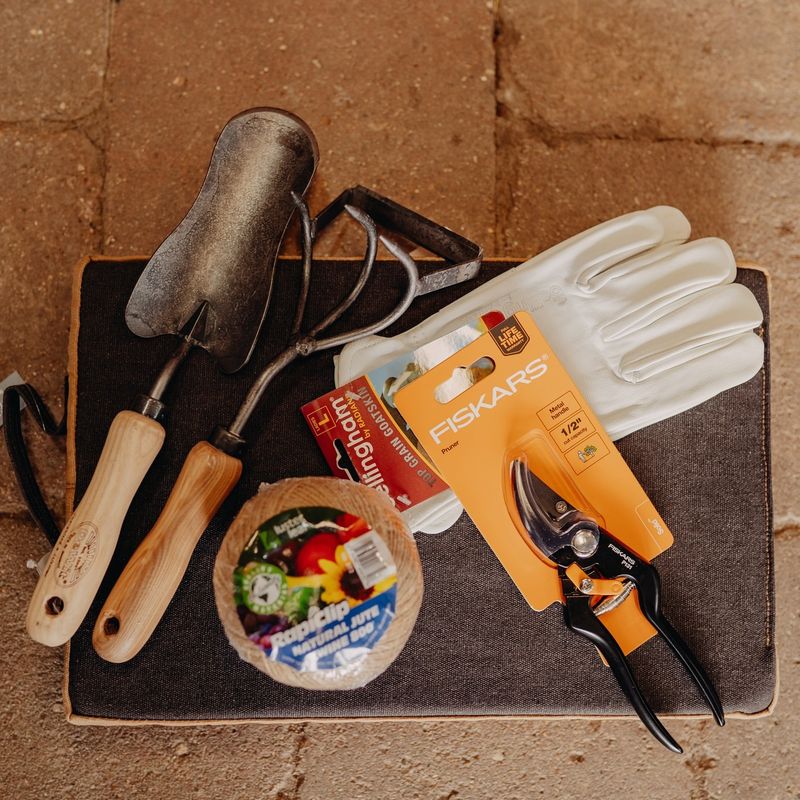
Garden tools work hard all season and deserve proper care before winter storage.
Dirt and moisture left on metal surfaces cause rust that weakens tools and makes them harder to use next year.
Scrub off caked-on soil with a stiff brush and warm soapy water, then dry each tool completely with an old towel.
Sharpen the blades of pruners, hoes, and shovels using a metal file so they cut cleanly when you need them again.
Rub a light coat of vegetable oil or special tool oil on metal parts to create a barrier against moisture and rust.
Wooden handles benefit from a coat of linseed oil, which prevents cracking and splintering during storage.
Hang tools on pegboards or hooks in a dry shed or garage where they stay organized and easy to find.
Empty gas from power equipment like mowers and tillers, or add fuel stabilizer according to manufacturer instructions.
Check for broken handles or loose parts now while you have time to repair or replace them before spring planting begins.
Your Pennsylvania Garden Changes Every Week. Your Plan Should Too.
Gardening in Pennsylvania changes quickly throughout the season. Every Friday you’ll receive a simple weekly plan showing exactly what to plant, prune, fertilize, harvest, and protect so you never miss the right timing.
Well-maintained tools last decades instead of just a few seasons, saving you money and frustration when gardening season returns.
3. Protect Tender Perennials
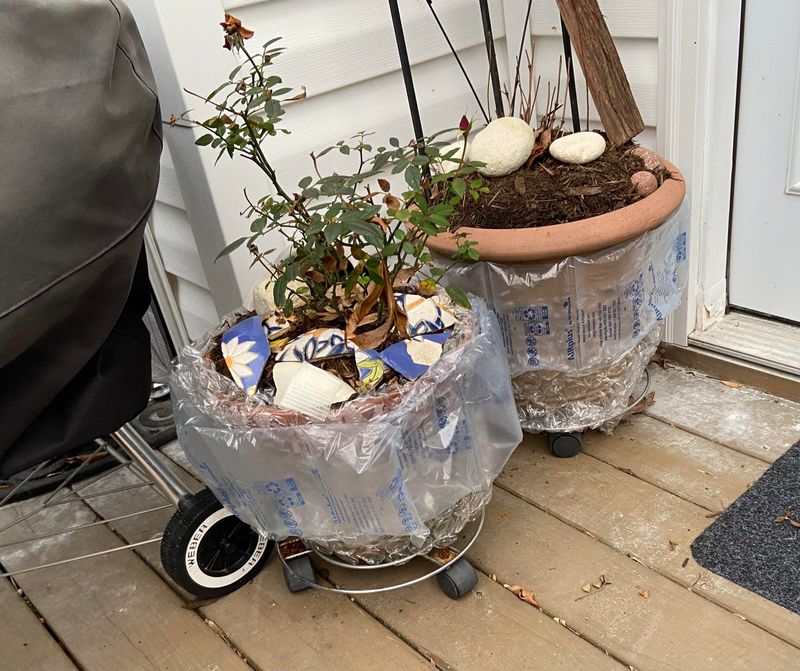
Some perennials struggle with Pennsylvania’s harsh winter conditions and need extra help to survive until spring.
Plants like roses, lavender, and certain ornamental grasses benefit from protective coverings that shield them from bitter winds and extreme cold.
Wrap burlap around rose bushes and secure it with twine, creating a barrier without smothering the plant.
Avoid using plastic because it traps moisture and creates condensation that can harm plant tissues.
For smaller perennials, place an upside-down basket or wooden crate over them once the ground freezes solid.
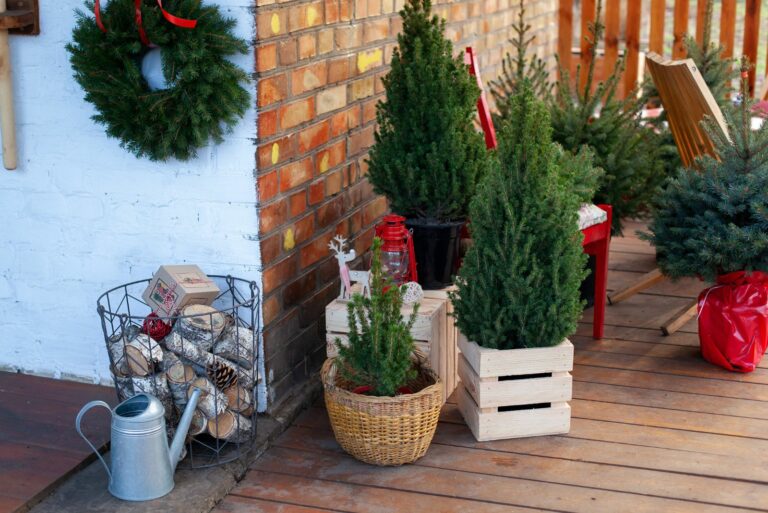
Add a layer of evergreen boughs on top of sensitive plants for additional insulation without packing down too heavily.
Marginally hardy plants in containers should move to an unheated garage or shed where temperatures stay above freezing.
Mark protected plants with stakes or labels so you remember where they are when snow covers your garden.
Check on wrapped plants during warm spells to ensure moisture has not accumulated inside the coverings.
These extra efforts make the difference between losing cherished plants and watching them flourish for many seasons.
4. Drain And Disconnect Hoses
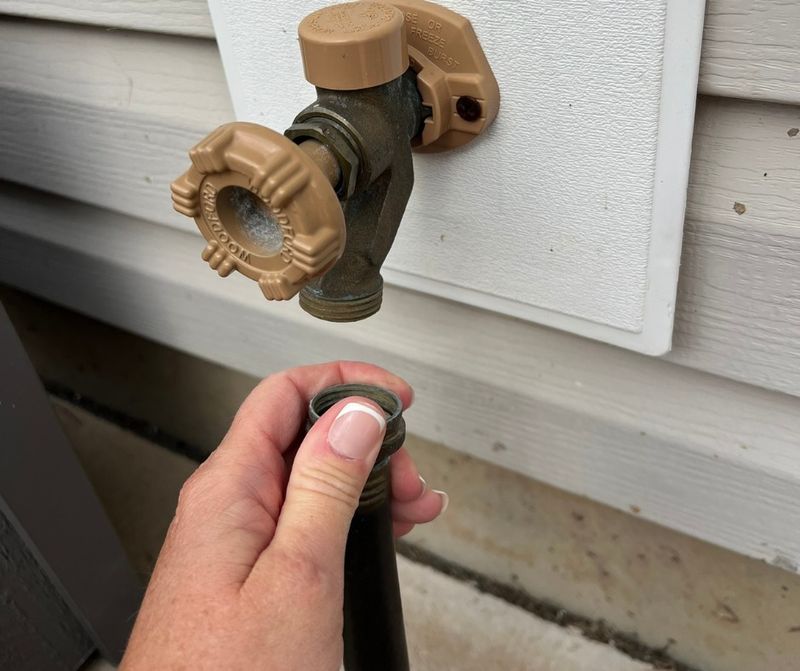
Water left inside hoses and outdoor faucets expands when it freezes, causing cracks and expensive damage.
Disconnect all hoses from outdoor spigots and drain every drop of water by stretching them out on a slope.
Coil drained hoses loosely and store them in a garage, basement, or shed away from freezing temperatures.
Turn off the water supply to outdoor faucets from inside your home if you have shut-off valves.
Open outdoor spigots to release any remaining water and leave them open throughout winter.
Insulated faucet covers provide extra protection for exterior spigots in areas exposed to harsh winds.
Drain irrigation systems completely or have a professional blow out the lines with compressed air.
Store sprinklers, watering wands, and other watering equipment indoors where they stay safe from freezing.
Check hoses for cracks or leaks before storing them so you can replace damaged ones before spring planting begins.
This quick task prevents burst pipes and broken equipment that can cost hundreds of dollars to repair or replace when warm weather returns.
5. Plant Spring Bulbs
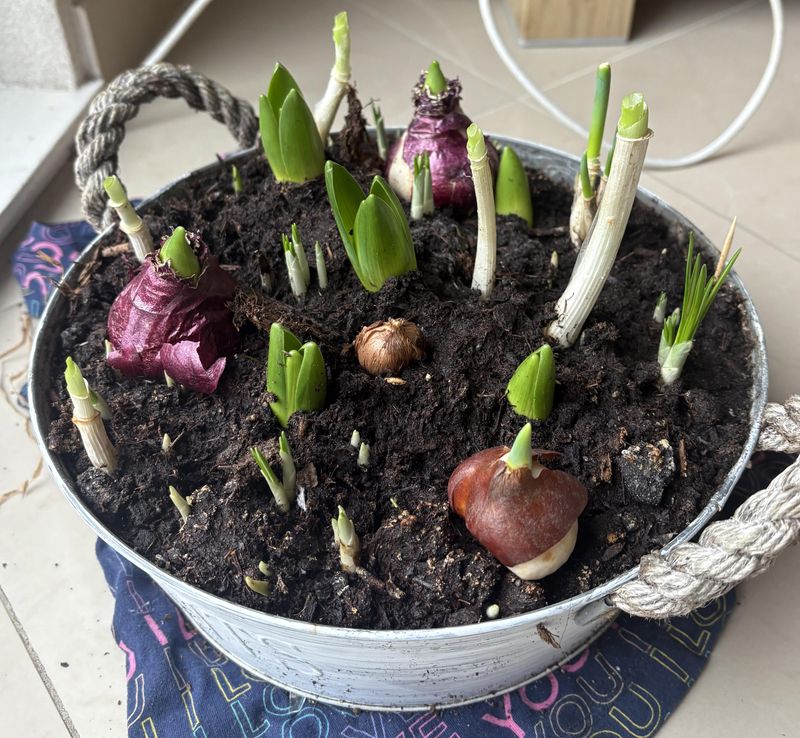
Spring bulbs need cold winter temperatures to develop properly and produce beautiful blooms when warm weather arrives.
Tulips, daffodils, crocuses, and hyacinths must go into the ground before it freezes solid, typically by mid-December in Pennsylvania.
Choose a planting site with good drainage because bulbs rot in soggy soil over winter.
Dig holes two to three times deeper than the bulb height, with the pointed end facing upward.
Space bulbs according to package directions, usually a few inches apart for small varieties and six inches for larger ones.
Mix compost or bulb fertilizer into the soil at planting time to give roots nutrients they need.
Plant bulbs in groups or clusters rather than straight lines for a more natural appearance in spring.
Cover planted areas with mulch to regulate soil temperature and discourage hungry squirrels from digging up your bulbs.
Mark planting locations with stakes so you remember where bulbs are and avoid disturbing them accidentally.
Early bloomers like crocuses provide much-needed color after a long Pennsylvania winter, lifting spirits when everything else still looks brown and bare.
6. Prune Dormant Trees And Shrubs
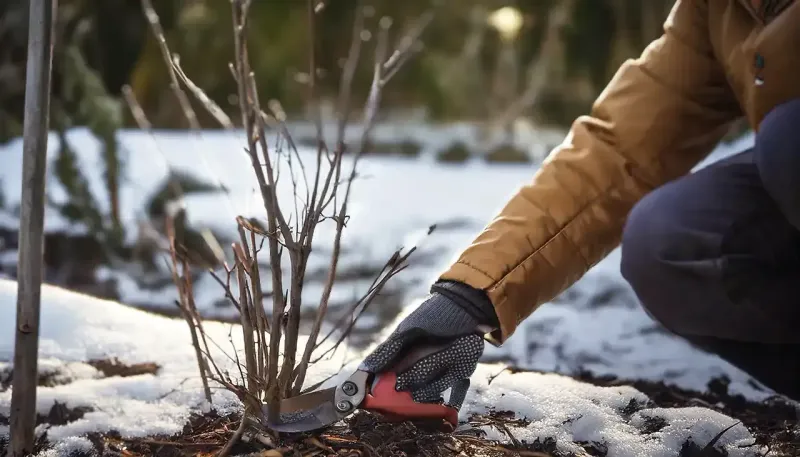
Late fall and early winter offer the perfect window for pruning most trees and shrubs in Pennsylvania gardens.
Plants enter dormancy after leaves drop, making it easy to see the branch structure and identify problems.
Remove branches that cross or rub against each other because they create wounds where diseases can enter.
Cut away broken or damaged limbs that could snap under heavy snow and ice.
Thin crowded growth to improve air circulation and reduce pest problems next growing season.
Make clean cuts just above a bud or branch collar using sharp, sanitized pruning tools.
Avoid pruning spring-blooming shrubs like lilacs and forsythia because they set flower buds in fall.
Wait until after spring bloom to prune these plants or you will sacrifice next season’s flowers.
Step back frequently while pruning to check your progress and maintain the plant’s natural shape.
Proper pruning strengthens plants, encourages healthy new growth, and prevents storm damage during winter weather.
This task seems intimidating at first, but regular practice builds confidence and improves your garden’s overall health and appearance.
7. Compost Fallen Leaves
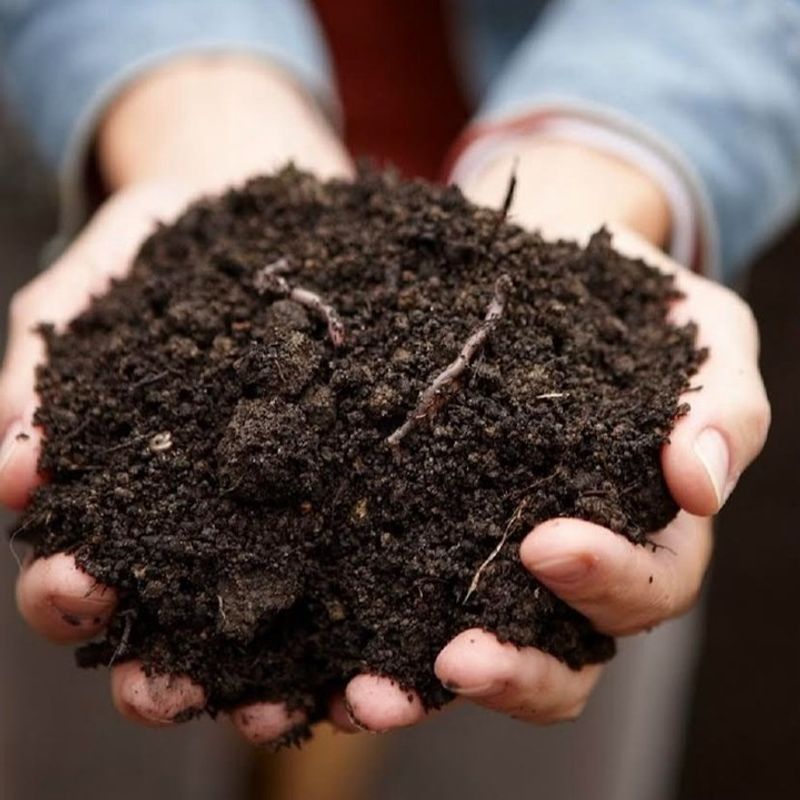
Fallen leaves pile up quickly in Pennsylvania yards, and composting them creates valuable soil amendment for free.
Leaves provide carbon-rich brown material that balances nitrogen-rich green materials in compost piles.
Shred leaves with a lawn mower before adding them to compost because whole leaves mat down and take years to decompose.
Layer shredded leaves with kitchen scraps, grass clippings, or garden waste in your compost bin.
Keep the pile as moist as a wrung-out sponge and turn it occasionally to speed decomposition.
Finished compost looks like dark, crumbly soil and smells earthy rather than rotten.
Store extra shredded leaves in bags or bins to add to your compost pile throughout winter and spring.
Leaves left on lawns smother grass and create bare patches, but composted leaves become nutrient-rich gold for garden beds.
You can also use shredded leaves directly as mulch around plants without composting them first.
This sustainable practice reduces waste headed to landfills while improving your soil structure and fertility naturally.
Gardens amended with leaf compost grow healthier plants that resist pests and diseases better than those in poor soil.
8. Test And Amend Soil
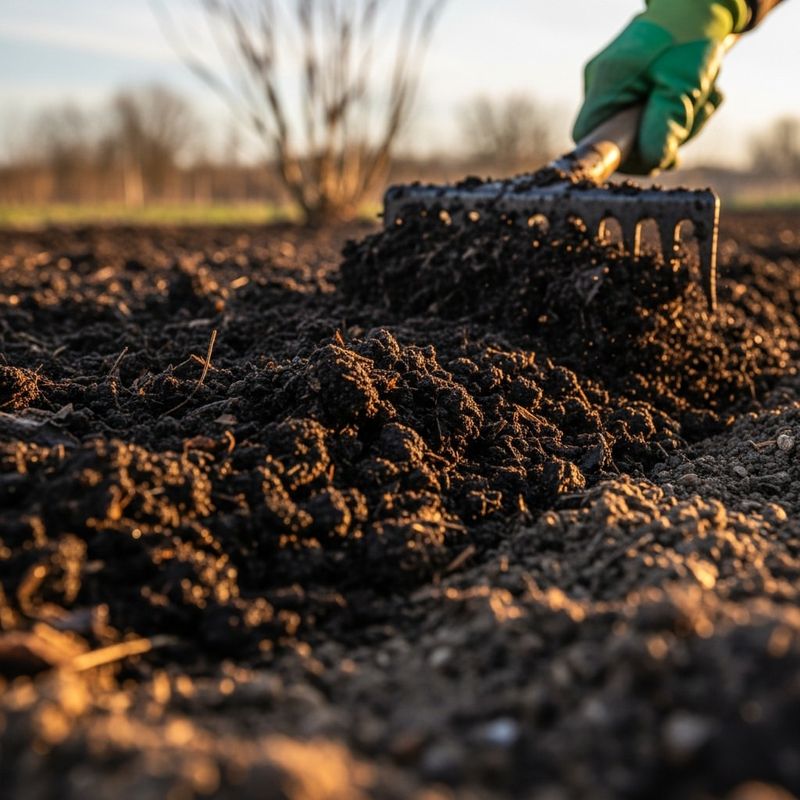
Knowing your soil’s nutrient levels and pH helps you make smart decisions about amendments before spring planting.
Penn State Extension offers affordable soil testing through county offices, providing detailed results and recommendations.
Collect samples from several spots in your garden, mixing them together in a clean bucket.
Send samples to the lab following instructions, and results typically arrive within two weeks.
Test results reveal pH levels and amounts of nitrogen, phosphorus, potassium, and other important nutrients.
Add lime to raise pH in acidic soil or sulfur to lower pH in alkaline soil based on recommendations.
Spread amendments over garden beds now so winter moisture helps them incorporate into the soil.
Fall application gives amendments time to work before you plant vegetables and flowers in spring.
Avoid guessing about what your soil needs because too much fertilizer harms plants and pollutes waterways.
Testing every three years tracks changes and helps you maintain optimal growing conditions.
Healthy soil grows robust plants that produce better yields and resist environmental stresses throughout the growing season.
9. Clean Up Garden Debris
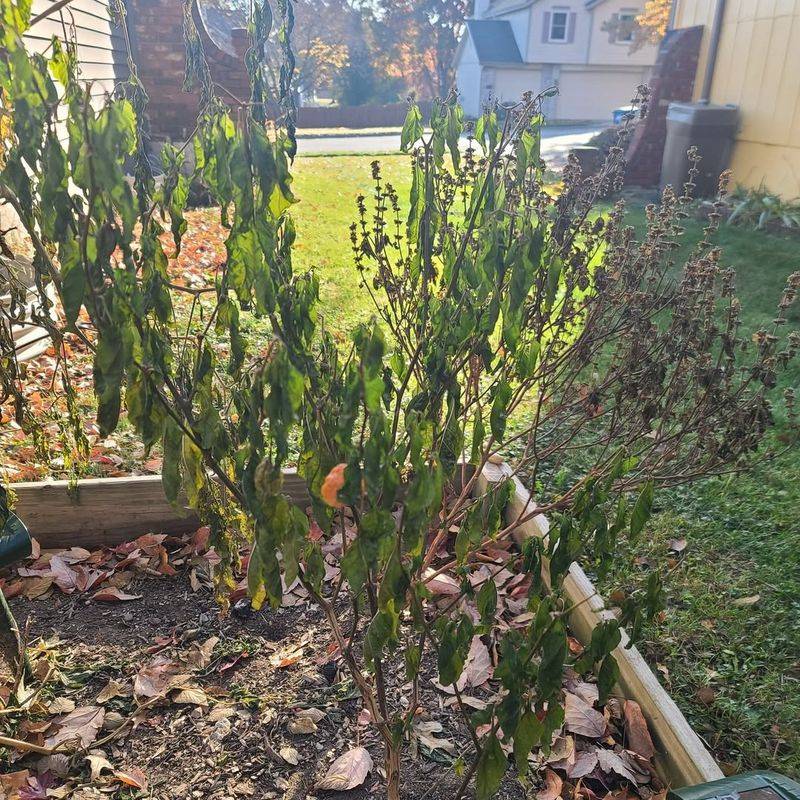
Garden debris left scattered around provides cozy winter homes for pests and diseases that attack plants next year.
Remove fallen fruit, spent vegetable plants, and diseased foliage from beds and dispose of them properly.
Rake up leaves from around the bases of trees and shrubs where fungal spores can overwinter.
Pull up annual flowers and vegetables that have finished producing and add healthy plant material to your compost pile.
Discard diseased plants in trash rather than compost because home compost piles rarely get hot enough to eliminate pathogens.
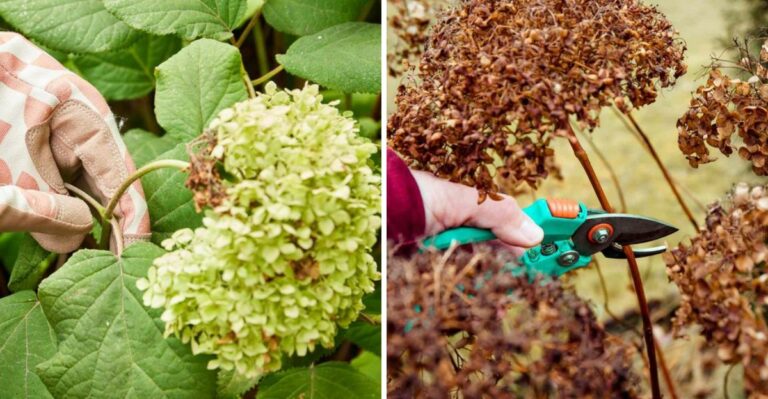
Cut back perennials that look messy or harbor pests, but consider leaving some standing for winter interest and wildlife habitat.
Seed heads and dried stalks provide food for birds and beneficial insects during cold months.
Empty and clean containers, saucers, and decorative pots to prevent mosquito breeding sites next spring.
Store clay pots indoors because moisture trapped in porous material expands when frozen and causes cracks.
A thorough fall cleanup reduces pest pressure and disease problems in the coming growing season while making your garden look tidy and cared for throughout winter months.