The One Sign A Coyote Passed Through Your Georgia Yard Unnoticed
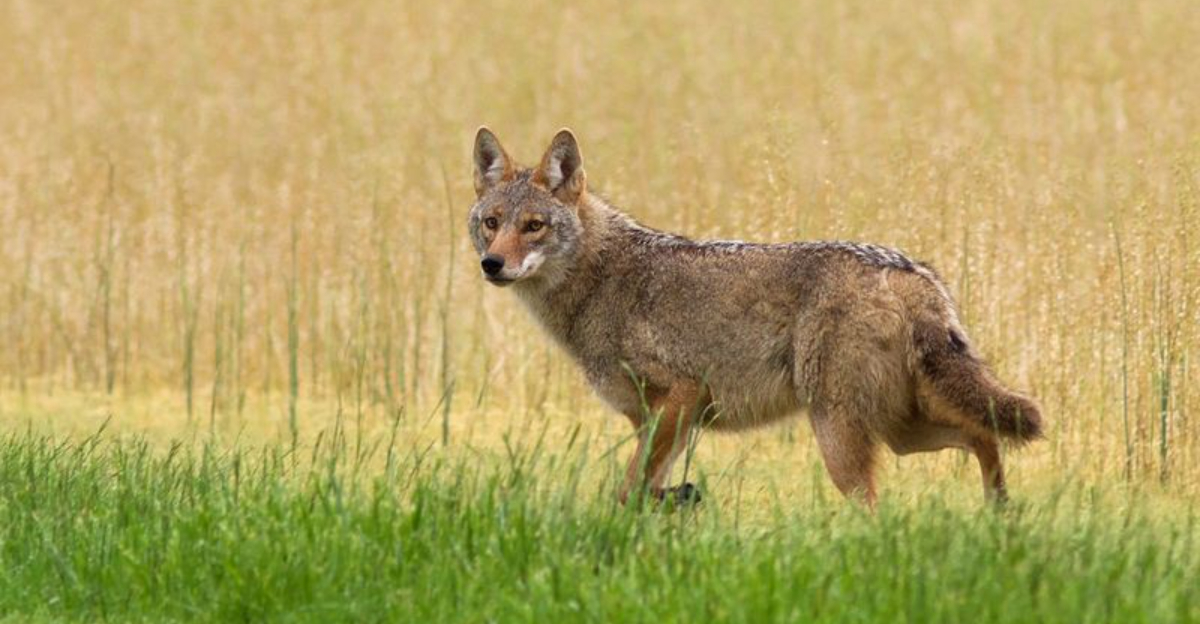
Georgia yards host more traffic than most folks suspect.
Long after lights go out, a sharp traveler may cut through grass, pause at a fence, then vanish like smoke.
No bark, no howl, no drama. Coyotes move quiet and smart, and many pass by without a soul the wiser.
One small clue tells the whole story.
Pressed into damp soil or soft sand, a clear track lays bare the visit.
Four toes, tight shape, and straight path point to a seasoned prowler, not a stray dog.
Miss that mark, and the moment slips away. Spot it, and the puzzle clicks fast.
This subtle sign turns doubt into fact and guesswork into proof.
A single print can speak volumes, tip the scales, and change how a yard feels overnight.
Once eyes know what to seek, these hidden visits no longer fly under the radar at all times there.
Why Coyote Tracks Often Go Unnoticed In Georgia Yards
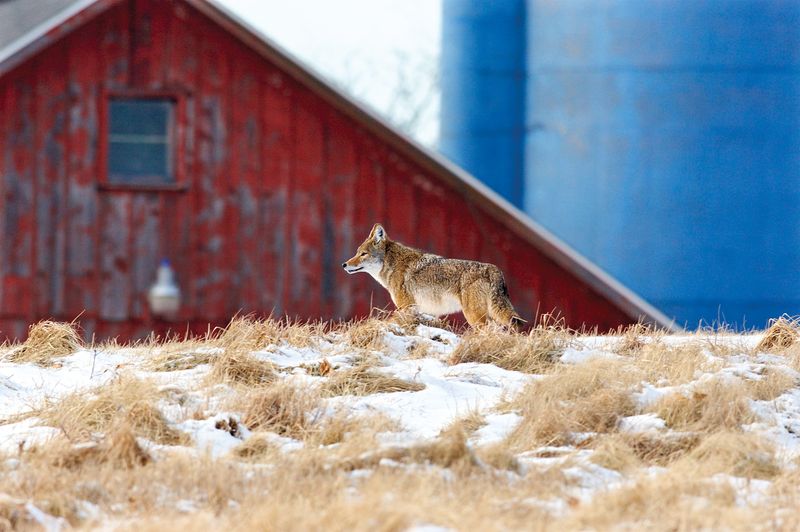
Coyotes have mastered the art of moving through yards without attracting attention.
Their lightweight bodies and careful walking patterns mean they rarely disturb grass or leave deep impressions.
Most homeowners simply do not look down at the ground carefully enough to spot the subtle signs.
Georgia’s red clay soil can be hard when dry, making it difficult for prints to form at all.
Rain can wash away tracks within hours, erasing all evidence of a nighttime visitor.
Fallen leaves, pine straw, and mulch also hide tracks extremely well in landscaped areas.
Coyotes prefer to walk along edges of properties rather than through open spaces.
They follow fence lines, hedges, and the borders between lawn and woods.
These paths often have vegetation that conceals their footprints from casual observation.
Morning dew sometimes reveals tracks that would otherwise remain invisible on dry ground.
Busy schedules mean people rush outside without taking time to examine their surroundings closely.
Even when tracks exist, they blend into the natural texture of outdoor spaces.
Awareness and intentional searching make all the difference in spotting these elusive prints.
How A Single Line Of Paw Prints Reveals A Passing Coyote

A coyote on the move creates a remarkably straight line of tracks.
Unlike dogs that zigzag and wander, coyotes walk with purpose and efficiency.
Their paw prints form an almost perfect line because their back feet land nearly on top of their front footprints.
This walking style, called direct registration, helps them save energy during long-distance travel.
When you spot a single file of prints crossing your yard, a coyote likely made them.
Dogs rarely move this way, especially when exploring interesting scents in a yard.
The prints will show clear direction from one side of your property to another.
Coyotes typically enter from a wooded area and exit toward another patch of cover.
They avoid spending unnecessary time in open spaces where they feel exposed.
Each print appears evenly spaced, showing a steady, unhurried pace.
Measuring the distance between prints can confirm the animal’s size and gait.
Your Georgia Garden Changes Every Week. Your Plan Should Too.
Gardening in Georgia changes quickly throughout the season. Every Friday you’ll receive a simple weekly plan showing exactly what to plant, prune, fertilize, harvest, and protect so you never miss the right timing.
Adult coyotes have a stride of roughly 14 to 18 inches when walking normally.
Finding this pattern means you have documented proof of a coyote’s nocturnal journey through your space.
The Difference Between Coyote Tracks And Dog Tracks
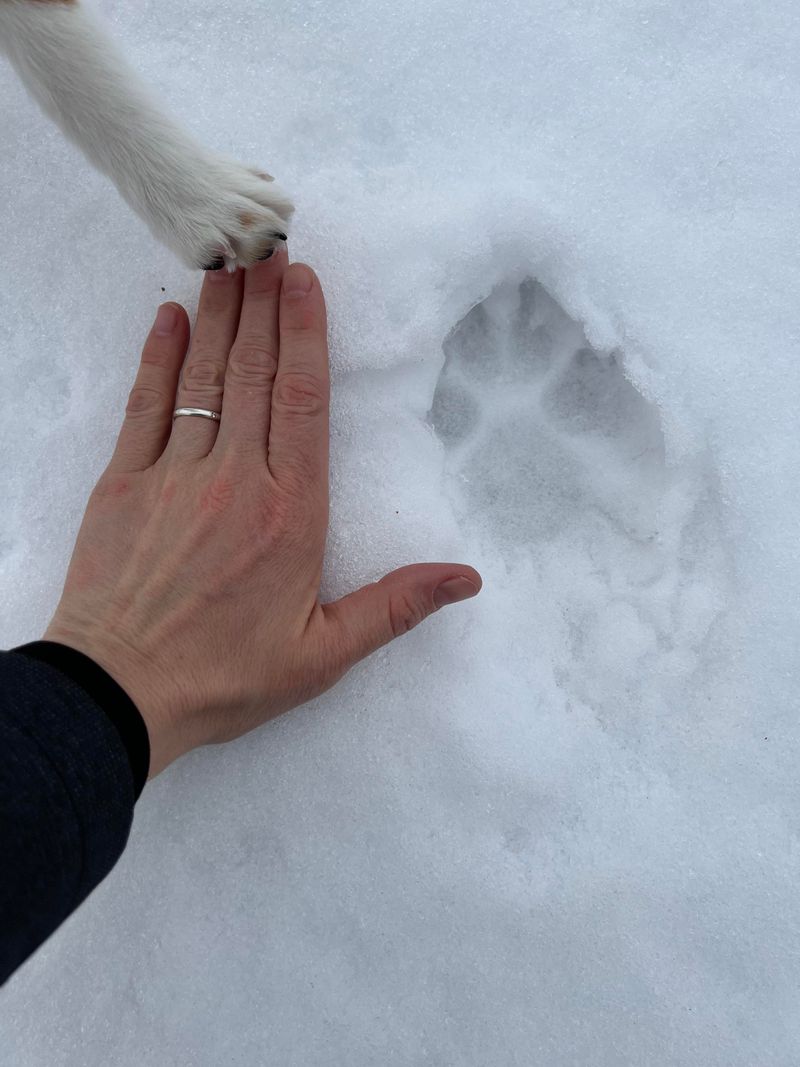
Telling coyote prints apart from dog prints takes a bit of practice but becomes easier with experience.
Coyote tracks measure about 2.5 inches long and 2 inches wide, smaller than most large dog breeds.
The overall shape appears more oval and elongated compared to the rounder prints dogs typically make.
Coyote toes form a tighter arrangement, with the two front toes positioned closer together.
Dog toes spread wider apart, creating a more splayed appearance in the track.
Claw marks show clearly in coyote prints, extending straight forward from each toe.
Dogs often have blunter, less prominent claw marks depending on how recently their nails were trimmed.
The heel pad of a coyote forms a distinct shape with a chevron or arrow-like indent at the rear.
Dog heel pads tend to be larger and more rounded without this characteristic notch.
Coyote prints also show more negative space between the toes and heel pad.
Walking patterns provide additional clues beyond individual print shapes.
Dogs meander and circle, while coyotes maintain that efficient straight-line path.
Taking photos of suspicious tracks helps you compare them to reference images later for positive identification.
Where Coyotes Are Most Likely To Walk Through A Yard

Coyotes choose specific routes through yards that offer them the most protection and quickest passage.
Fence lines rank as their favorite pathways because these borders provide a sense of security.
They can move along the edge while keeping obstacles on one side and escape routes on the other.
Wooded borders and brush lines also attract coyotes as natural corridors between larger habitat patches.
Your yard serves as a connection point in their larger territory rather than a destination.
Check areas where your lawn meets woods, creeks, or overgrown sections for tracks.
Coyotes avoid walking through the middle of wide-open lawns whenever possible.
They feel vulnerable without cover and prefer paths that keep them hidden from view.
Sheds, decks, and outbuildings create additional pathways that coyotes find appealing.
These structures offer shadows and concealment as they move through residential areas.
Gardens with tall plants or unmowed sections provide temporary hiding spots along their route.
Water sources like ponds, birdbaths, or drainage ditches sometimes attract them, though they mainly just pass through.
Examining these high-probability zones first increases your chances of finding evidence of coyote activity around your home.
Why Coyotes Travel Quietly And Leave Minimal Evidence

Evolution has shaped coyotes into masters of stealth and survival.
Their survival depends on remaining undetected by both prey and potential threats.
Coyotes have learned that quiet movement increases hunting success and reduces dangerous encounters.
Their padded paws absorb sound, allowing them to walk almost silently across various surfaces.
Lightweight bodies mean they exert less pressure on the ground than heavier animals.
This reduced weight results in shallower tracks that fade quickly or never form at all.
Coyotes also possess excellent awareness of their surroundings and adjust their behavior accordingly.
In suburban areas, they have learned to avoid barking, howling, or making noise that draws human attention.
Their nocturnal habits keep them active when most people are asleep indoors.
Darkness provides natural camouflage and reduces the likelihood of detection.
Coyotes do not mark territory in yards the way they might in wilderness areas.
They treat suburban spaces as travel corridors rather than permanent home ranges.
This transient relationship means they leave behind minimal scent, scat, or other signs of their presence beyond occasional tracks.
What Time Of Night Coyotes Typically Pass Through Suburbs
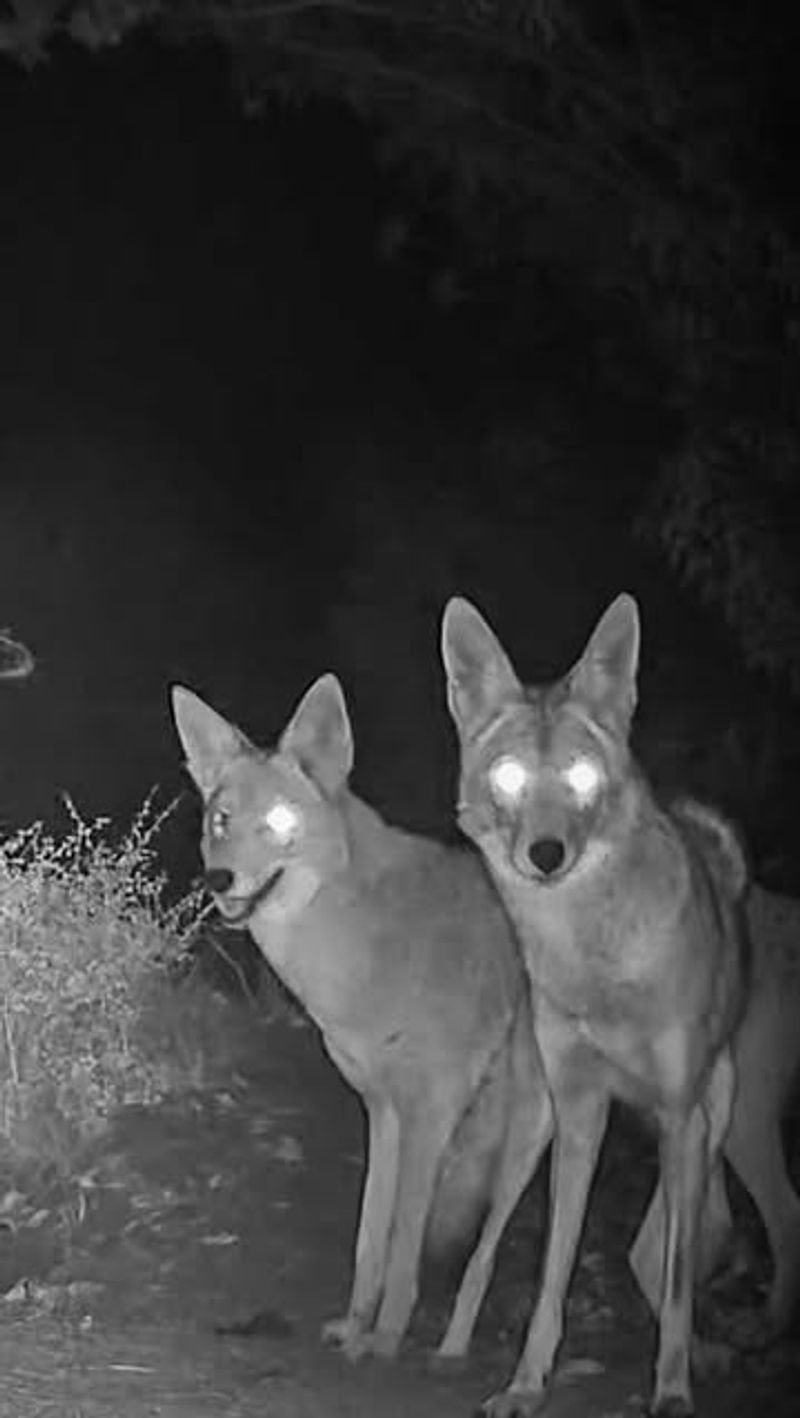
Coyotes time their suburban travels to avoid human activity as much as possible.
Peak movement occurs between 10 PM and 2 AM when neighborhoods grow quiet and dark.
During these hours, people have gone inside, dogs are indoors, and traffic decreases significantly.
Coyotes emerge from wooded areas or greenspaces and begin their nightly rounds.
They follow established routes through multiple properties, covering several miles in a single night.
Early morning hours before sunrise also see increased coyote activity.
The period between 4 AM and 6 AM offers another window of low human presence.
Coyotes hurry to return to daytime resting areas before people wake and begin morning routines.
Seasonal patterns affect timing, with longer summer nights allowing more extended travel periods.
Winter darkness brings earlier evening activity, sometimes starting around dusk.
Food availability also influences when coyotes move through neighborhoods.
Areas with outdoor pet food, unsecured garbage, or abundant small prey might see more frequent visits.
Security cameras with night vision sometimes capture these visits, confirming the late-night timing of coyote movements through Georgia yards.
What To Do If You Find Coyote Tracks Near Your Home
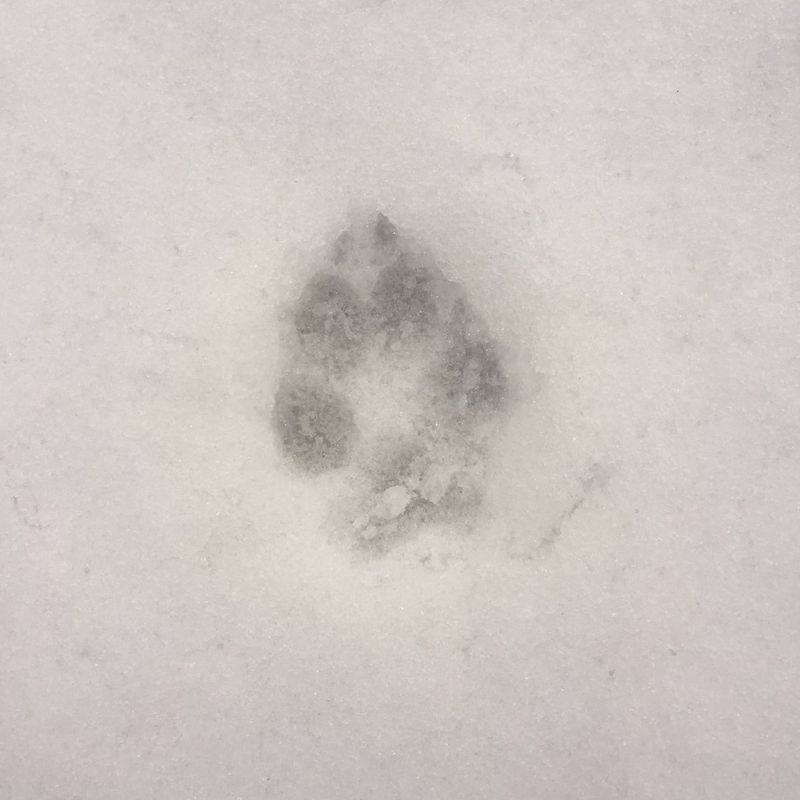
Finding coyote tracks does not require panic but does call for awareness and simple precautions.
First, take photos of the tracks with an object nearby for scale reference.
Documentation helps you monitor whether visits become more frequent over time.
Bring pets indoors during evening and nighttime hours when coyotes are most active.
Small dogs and cats face the highest risk and should never be left outside unsupervised after dark.
Remove attractants that might draw coyotes closer to your home.
Secure garbage cans with tight lids and store them in garages or sheds when possible.
Never leave pet food outside, and clean up fallen fruit from trees regularly.
Install motion-activated lights around your property’s perimeter to discourage nighttime visitors.
Coyotes prefer darkness and often avoid well-lit areas.
Consider walking your property’s borders occasionally to check for new tracks or signs.
Teach children to never approach or attempt to feed wild animals, including coyotes.
Contact Georgia Wildlife Resources Division if coyotes show bold daytime behavior or appear sick, as these situations require professional assessment and response.