The One Sign A Coyote Passed Through Your Alabama Yard Without You Noticing
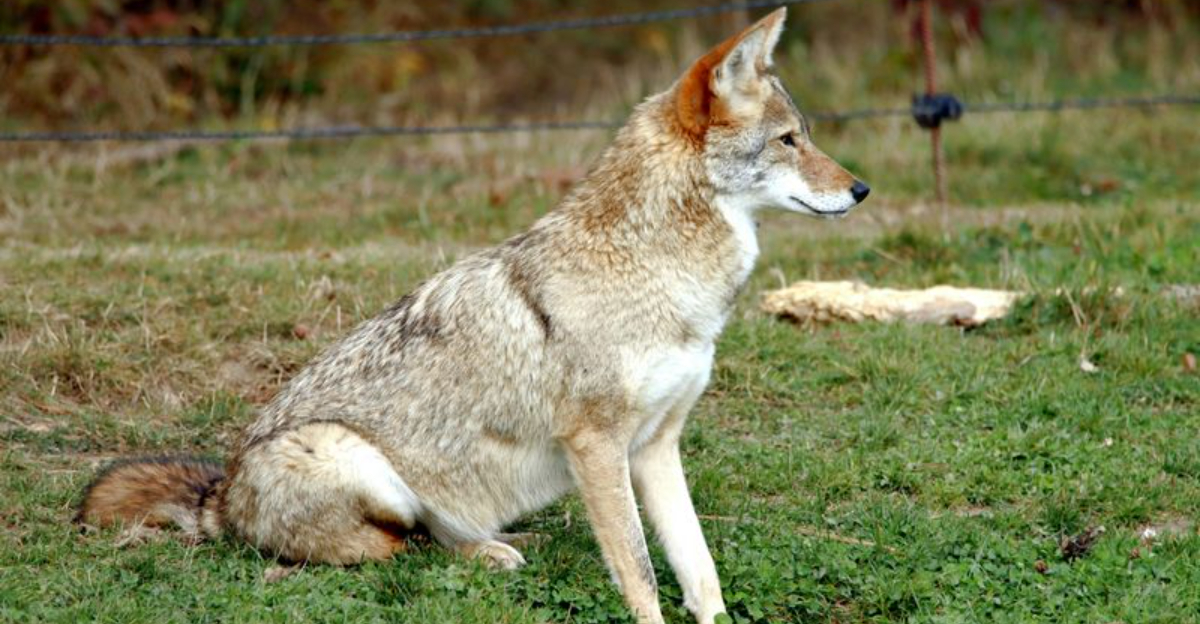
Coyotes move through Alabama neighborhoods far more quietly than most people expect, often leaving behind just one subtle clue that slips past unnoticed.
This sign usually blends into the landscape, easy to overlook unless someone knows exactly what to look for during a normal walk through the yard.
Once spotted, it changes how homeowners see their outdoor space, revealing how close wildlife activity can be without ever causing a disturbance.
1. A Straight Line Of Tracks Cutting Across Your Alabama Yard
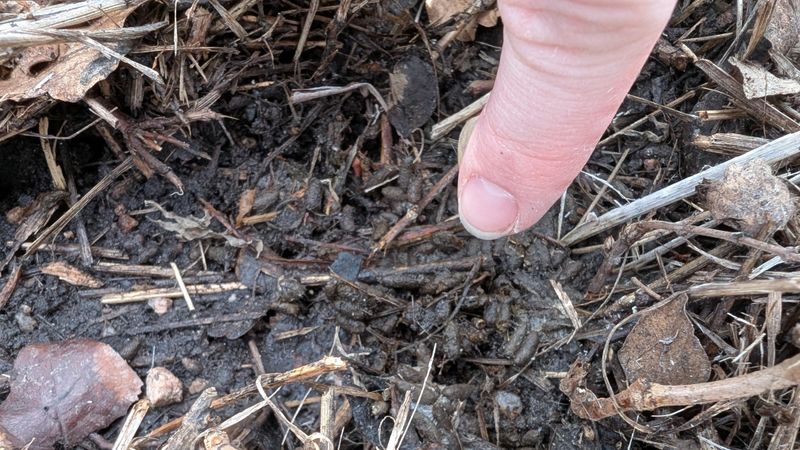
Coyote paw prints typically form a nearly straight line across yards because these animals walk with purpose rather than wandering aimlessly like domestic pets.
Each print shows four toe pads arranged around a larger central pad, with claw marks visible at the tip of each toe impression.
Alabama homeowners often discover these tracks after morning dew settles, making the impressions stand out clearly against grass or bare patches of dirt.
Unlike dogs that zigzag to investigate interesting scents, coyotes travel efficiently from one point to another, conserving energy during their nightly hunting routes.
The spacing between individual prints reveals a confident trot, with each step placed almost directly in front of the previous one for maximum efficiency.
Soft garden beds, sandy areas near driveways, or muddy spots after rainfall provide ideal surfaces for preserving these telltale marks throughout Alabama.
Measuring the tracks helps confirm identification, as coyote prints typically span two to three inches in length, slightly smaller than most large dog breeds.
Fresh tracks appear sharp and well-defined, while older impressions may look smudged or partially filled with debris depending on weather conditions in your area.
Observing this straight-line pattern indicates the animal was simply passing through rather than lingering to investigate food sources or potential den sites nearby.
2. Why Coyote Tracks Often Appear Overnight In Alabama
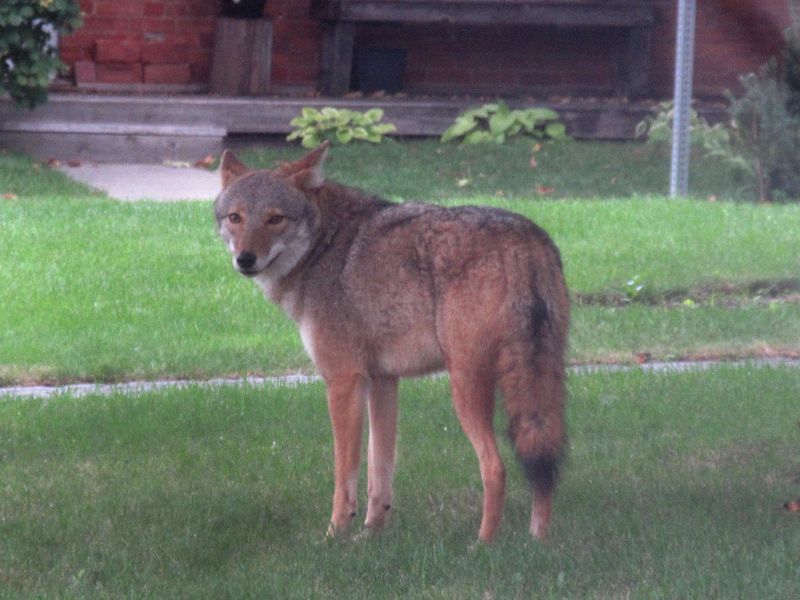
Coyotes prefer moving through residential areas after sunset because darkness provides natural cover from human activity and reduces the chance of confrontation with people.
Alabama neighborhoods become quiet corridors for wildlife once streetlights flicker on and families retreat indoors for dinner, television, and bedtime routines each evening.
These adaptable predators have learned that yards offer safe passage between wooded areas, creeks, and open fields where they hunt small mammals and insects.
Nighttime travel also helps coyotes avoid territorial dogs that might bark aggressively or chase them during daylight hours when pets spend more time outside.
Cooler temperatures after dark make movement more comfortable, especially during Alabama summers when afternoon heat can reach uncomfortable levels even for wild animals.
Urban light pollution actually aids coyote navigation, as they possess excellent night vision that allows them to see clearly under streetlights and porch lights.
Most homeowners sleep soundly through these visits, never hearing the soft padding of paws across their lawn or the occasional yip from nearby pack members.
Morning reveals the evidence left behind, with tracks appearing mysteriously in places that seemed perfectly undisturbed the previous afternoon before sunset arrived in Alabama.
Understanding this nocturnal pattern helps explain why direct sightings remain rare despite regular coyote presence throughout neighborhoods across the entire state and surrounding regions.
Your Alabama Garden Changes Every Week. Your Plan Should Too.
Gardening in Alabama changes quickly throughout the season. Every Friday you’ll receive a simple weekly plan showing exactly what to plant, prune, fertilize, harvest, and protect so you never miss the right timing.
3. How To Tell Coyote Tracks Apart From Dog Prints
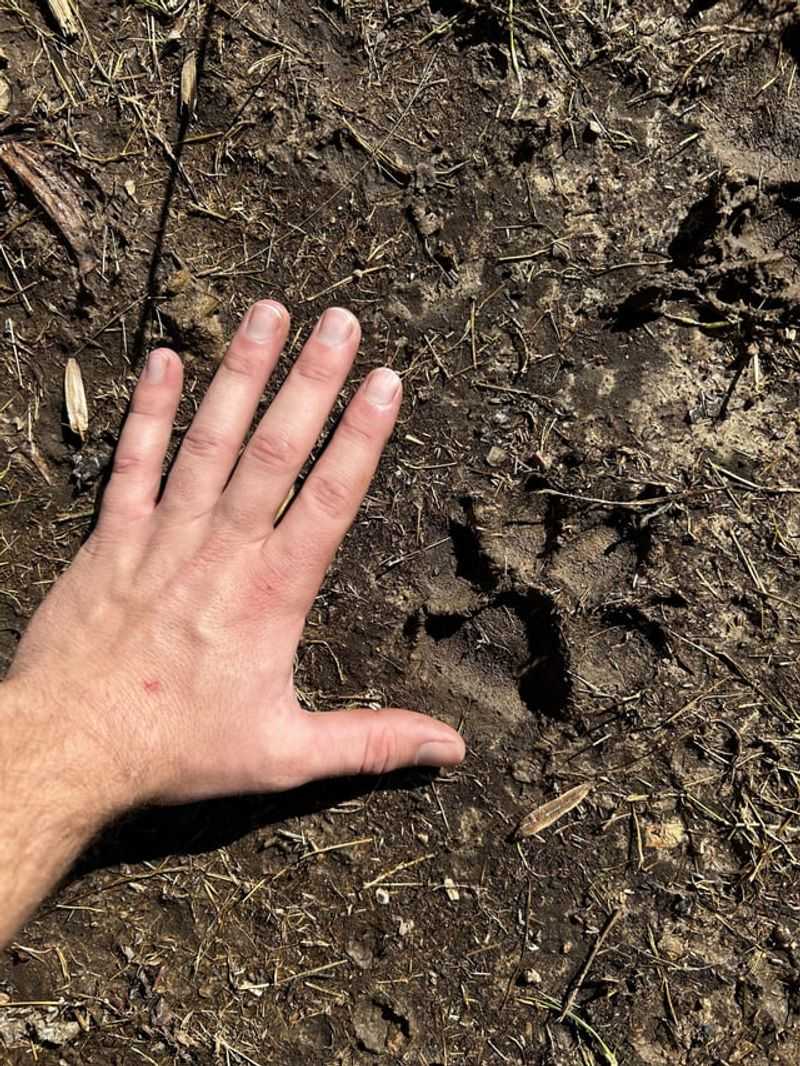
Coyote tracks form an oval shape that appears narrower and more elongated than the rounder impressions left by domestic dogs of similar size and weight.
The middle two toes on a coyote print sit closer together and point slightly forward, creating a more compact arrangement than dog toes spread wider.
Claw marks extend noticeably beyond the toe pads in coyote tracks because wild animals cannot retract their claws like cats do when walking naturally.
Alabama residents can examine the overall track pattern, noticing that coyote prints follow that characteristic straight line while dog tracks meander with frequent direction changes.
The negative space between the heel pad and toe pads forms a distinct X shape in coyote prints, unlike the more triangular space in dog tracks.
Size alone proves unreliable for identification since medium-sized dogs produce prints similar in dimension to adult coyotes found throughout Alabama and neighboring states.
Measuring stride length provides another clue, as coyotes place their back feet almost exactly where their front feet landed, creating an efficient single-track pattern.
Dogs tend to leave wider trails with visible separation between left and right footprints, especially when moving at a casual pace through familiar territory.
Examining several prints together rather than judging a single impression gives the most accurate identification, allowing homeowners to distinguish wild visitors from neighborhood pets confidently.
4. Where Coyotes Usually Cross Residential Yards
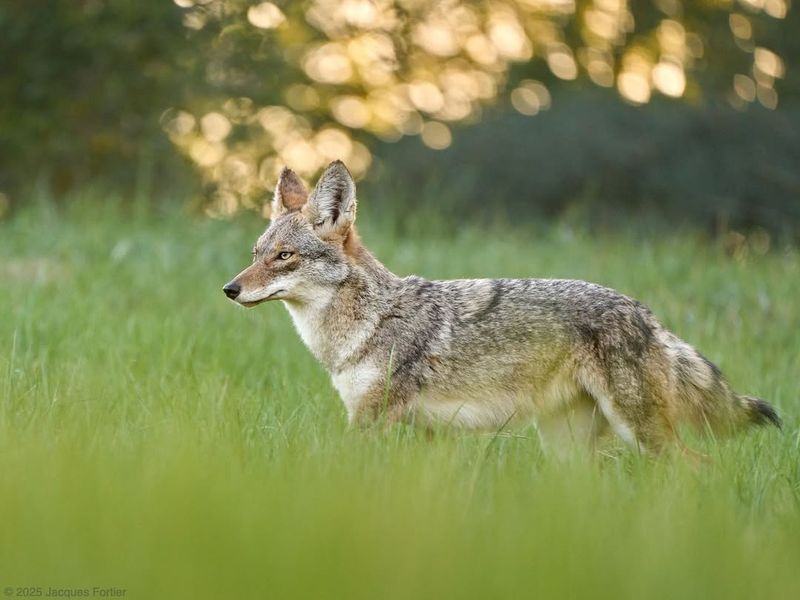
Fence lines provide natural corridors that coyotes follow when crossing Alabama yards because these boundaries offer slight cover from open exposure while maintaining clear pathways.
Properties adjacent to wooded areas, parks, or undeveloped lots see more frequent crossings as coyotes move between established territories and hunting grounds each night.
The edges where manicured lawns meet taller grass or shrubs attract these animals because such transition zones harbor mice, rabbits, and other prey species.
Coyotes avoid well-lit central yard areas, preferring to skulk along darker perimeters where shadows from trees, sheds, or houses conceal their movement from detection.
Gaps under gates or spaces between fence sections create convenient access points that coyotes use repeatedly, establishing regular routes through Alabama neighborhoods over time.
Yards with water features like decorative ponds or drainage ditches draw coyotes seeking hydration, especially during hot summer months when natural water sources diminish significantly.
Properties backing onto greenways, creek beds, or utility easements function as highways for wildlife, with coyotes using these connectors to navigate suburban sprawl efficiently.
Homeowners who notice tracks consistently appearing in the same location have identified a preferred crossing point that multiple animals may use over weeks or months.
Understanding these travel preferences helps Alabama residents predict where tracks will appear and take appropriate measures to secure pets or eliminate attractants near these high-traffic zones.
5. Why Coyotes Rarely Linger After Passing Through
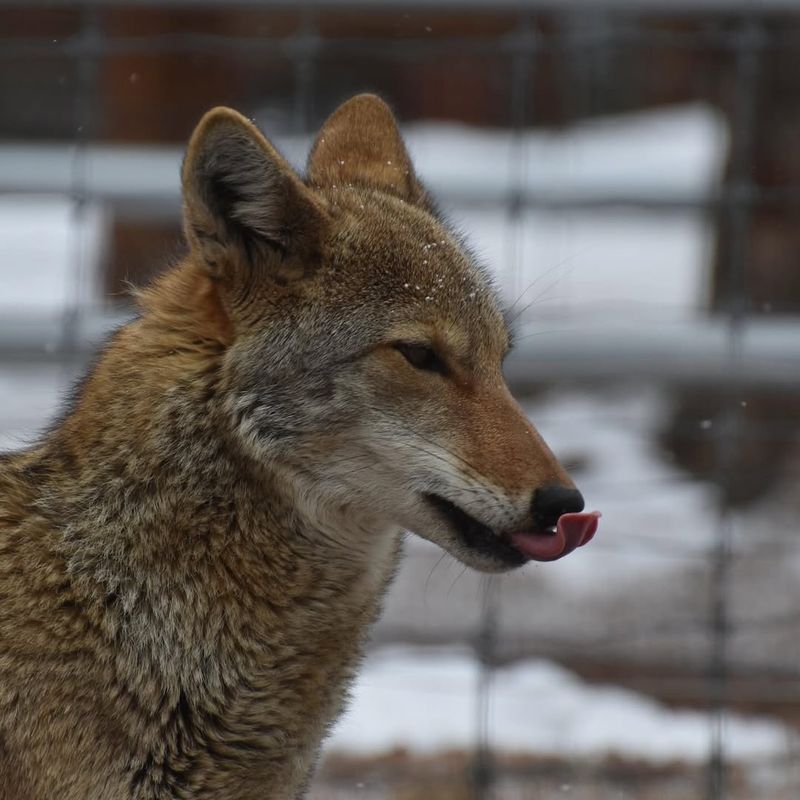
Residential yards lack the resources coyotes need for extended stays, offering limited hunting opportunities compared to natural habitats with abundant prey and water sources.
Alabama neighborhoods present potential dangers including aggressive dogs, curious humans with flashlights, and vehicle traffic that wild animals instinctively avoid whenever possible for survival.
Coyotes understand that lingering in open spaces increases vulnerability to detection, so they move swiftly through yards to reach safer locations before dawn arrives.
Most yards simply serve as shortcuts between more productive areas rather than destinations worth investigating thoroughly, making quick passage the most logical strategy for efficiency.
The presence of human scent throughout residential properties triggers caution in coyotes, who have learned to associate people with unpredictable responses ranging from indifference to aggression.
Unlike raccoons or opossums that might pause to investigate garbage cans or pet food bowls, coyotes focus on reaching their intended destination without unnecessary delays.
Territorial instincts drive coyotes to cover large areas each night, patrolling boundaries and hunting across several square miles of Alabama landscape rather than staying stationary.
Brief visits leave minimal evidence beyond tracks, with no disturbed trash, damaged property, or other signs that would indicate extended activity in one particular location.
Understanding this transient behavior reassures Alabama homeowners that a single set of tracks usually represents a one-time crossing rather than an animal attempting to establish residence.
6. When A One Time Visit Becomes A Pattern
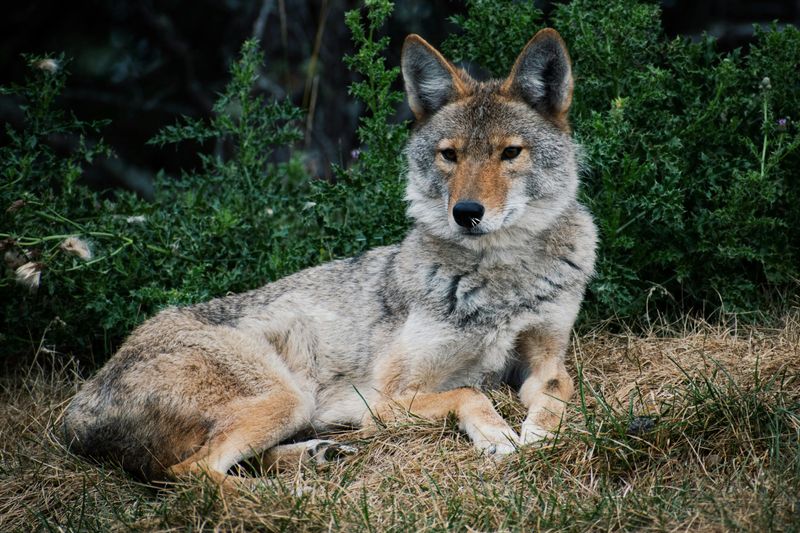
Repeated track appearances in the same location over consecutive nights suggest coyotes have incorporated your Alabama property into their established territory and regular travel routes.
Attractants like unsecured garbage, outdoor pet food, or accessible compost piles can transform a random crossing into a nightly destination worth visiting repeatedly for meals.
Neighborhoods with outdoor cats, small dogs left unattended, or chicken coops may draw increased coyote attention as these animals represent potential food sources worth investigating regularly.
Seasonal patterns affect visit frequency, with Alabama coyotes expanding their range during winter months when natural prey becomes scarcer and survival demands greater effort and resourcefulness.
Breeding season from January through March increases activity as male coyotes search for mates and establish territories, leading to more frequent yard crossings throughout this period.
Pups born in spring require substantial food resources, prompting adult coyotes to hunt more intensively and explore new areas including residential neighborhoods across Alabama and beyond.
Tracking patterns over several weeks reveals whether visits occur randomly or follow predictable schedules, helping homeowners determine if intervention becomes necessary for safety or peace.
Multiple track sets appearing simultaneously indicate pack movement rather than solitary animals, suggesting a family group considers your area part of their core territory.
Documenting these patterns through photos or notes provides valuable information for wildlife officials if residents decide professional assessment or management assistance becomes appropriate for their situation.
7. What Alabama Homeowners Should Do If Tracks Keep Appearing
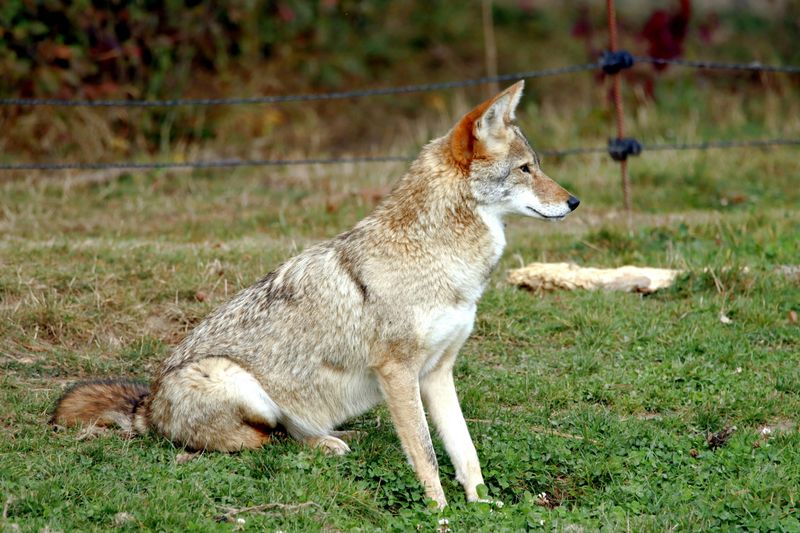
Removing outdoor food sources represents the most effective first step, including securing trash can lids, bringing pet food indoors, and cleaning areas where birds scatter seed.
Installing motion-activated lights along fence lines and dark corners makes Alabama yards less appealing to coyotes who prefer moving through shadows without sudden illumination exposure.
Fencing modifications like adding coyote rollers to fence tops or burying barriers six inches underground prevent these agile animals from jumping over or digging underneath structures.
Supervising pets during outdoor time, especially during dawn and dusk hours when coyotes are most active, protects small animals from potential encounters with wild visitors.
Clearing brush piles, trimming overgrown shrubs, and maintaining short grass eliminates hiding spots that attract rodents which in turn draw coyotes seeking easy prey opportunities.
Making noise when letting dogs out after dark alerts coyotes to human presence, typically causing them to avoid the area rather than risk confrontation with people.
Contacting Alabama Wildlife and Freshwater Fisheries Division provides professional guidance specific to your situation, especially if tracks appear near schools, playgrounds, or areas with young children.
Hazing techniques like shouting, clapping, or spraying water teach coyotes to fear humans and avoid yards, reinforcing natural wariness that keeps wildlife at safe distances.
Coordinating with neighbors creates consistent responses across multiple properties, preventing coyotes from simply shifting their routes to adjacent Alabama yards with fewer deterrents in place.