Why Cardinals Are Showing Up More Often At New Jersey Backyard Feeders
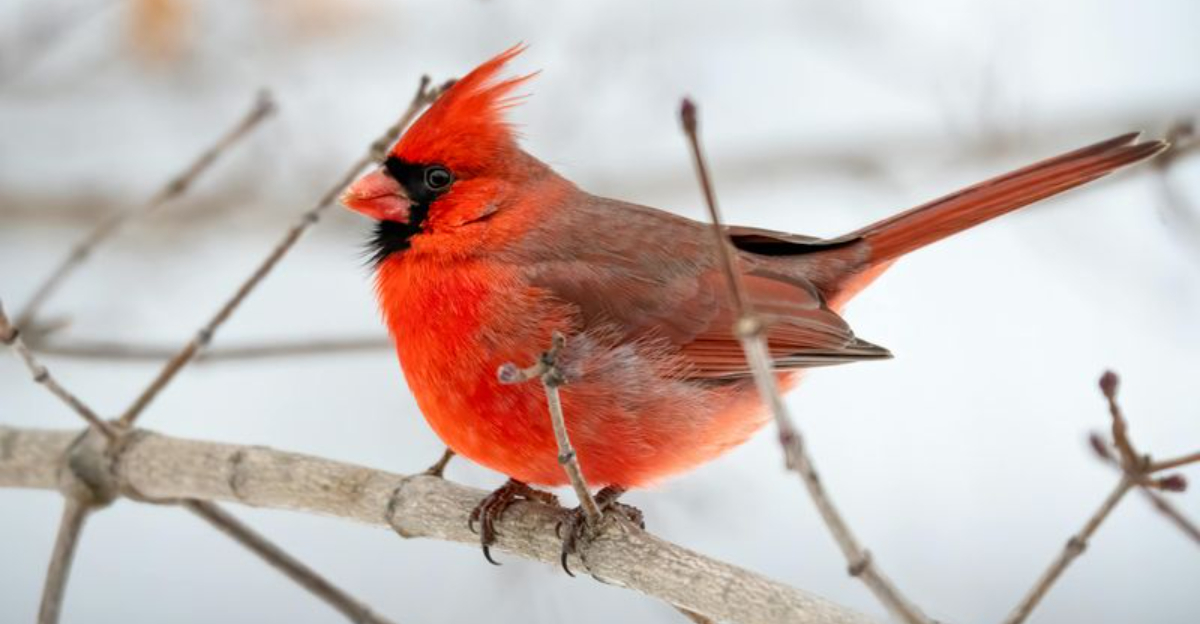
Cardinals are appearing more frequently at New Jersey backyard feeders this season, catching the attention of many homeowners who swear they are seeing more flashes of red than usual.
Shifts in weather patterns, food availability, and nearby habitat are quietly changing bird behavior, encouraging cardinals to rely more on feeders than before.
For many people, these daily visits feel like a small winter reward, turning an ordinary yard into a front row seat for wildlife activity.
1. Climate Change Is Making New Jersey Winters Milder

Warmer temperatures during winter months have changed migration patterns for many bird species, including cardinals, throughout the northeastern United States and especially here in New Jersey.
Cardinals are now finding it easier to survive cold seasons without traveling south because food sources remain accessible and temperatures rarely drop to dangerous levels anymore.
Research shows that average winter temperatures in the Garden State have risen by several degrees over the past few decades, creating more hospitable conditions for year-round residents.
Milder weather means insects, seeds, and berries stay available longer, reducing the need for cardinals to search elsewhere for sustenance during traditionally harsh months.
New Jersey backyards now offer consistent food supplies throughout winter, making feeders incredibly attractive to cardinals seeking reliable nutrition without expending energy traveling long distances.
This environmental shift has encouraged more cardinals to remain in suburban and urban areas where feeders provide easy meals compared to foraging in wild, unpredictable landscapes.
Homeowners who maintain feeders year-round are essentially offering safe havens for these stunning birds during seasons when natural food sources might otherwise become scarce or difficult to find.
2. Suburban Expansion Creates More Feeding Opportunities
Rapid development across New Jersey has transformed natural habitats into residential neighborhoods filled with bird feeders, gardens, and ornamental plants that attract cardinals seeking food and shelter.
Suburban areas provide unique advantages for cardinals, including reduced predator populations, abundant feeders maintained by enthusiastic homeowners, and diverse landscaping that offers nesting sites and protection.
As forests and fields give way to housing developments, cardinals have adapted remarkably well to living alongside humans, learning to take advantage of the resources people provide.
Many New Jersey residents enjoy feeding birds as a hobby, creating a network of reliable food stations that cardinals can visit throughout their daily routines.
Backyards filled with shrubs, small trees, and feeders stocked with sunflower seeds have become ideal habitats for these adaptable birds seeking safe environments with plentiful resources.
Cardinals thrive in edge habitats where woods meet open spaces, and suburban neighborhoods perfectly replicate these conditions with yards bordering parks, woodlots, and nature preserves.
This expansion means more cardinals are born and raised in residential areas, creating generations of birds that naturally gravitate toward backyard feeders as primary food sources.
3. Sunflower Seeds Are Cardinals’ Favorite Feeder Food
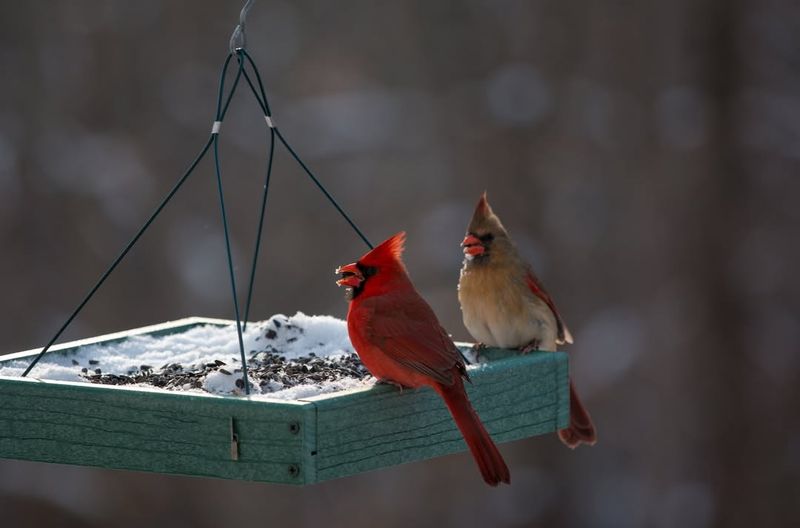
Black oil sunflower seeds contain high fat and protein content that cardinals need for energy, making them the single most effective food for attracting these birds to feeders.
Cardinals possess powerful beaks perfectly designed for cracking open tough seed shells, and sunflower seeds provide exactly the nutrition they require for maintaining their vibrant plumage and active lifestyles.
Your New Jersey Garden Changes Every Week. Your Plan Should Too.
Gardening in New Jersey changes quickly throughout the season. Every Friday you’ll receive a simple weekly plan showing exactly what to plant, prune, fertilize, harvest, and protect so you never miss the right timing.
Across New Jersey, bird enthusiasts have discovered that filling feeders with quality sunflower seeds guarantees regular cardinal visits, often multiple times throughout the day.
These seeds offer more calories per ounce than most other birdseed varieties, helping cardinals maintain body temperature during cold nights and fuel their energetic daytime activities.
Many homeowners report that switching to sunflower seeds dramatically increased cardinal sightings at their feeders within days, proving these birds actively seek out their preferred food sources.
Cardinals will often ignore feeders filled with mixed seeds or millet, flying directly to those offering sunflower seeds, demonstrating their strong preference for this particular food.
Providing fresh, high-quality sunflower seeds year-round creates a dependable food source that cardinals remember and return to regularly, establishing your yard as a favored feeding location.
4. Cardinals Are Non-Migratory Birds Staying Year-Round
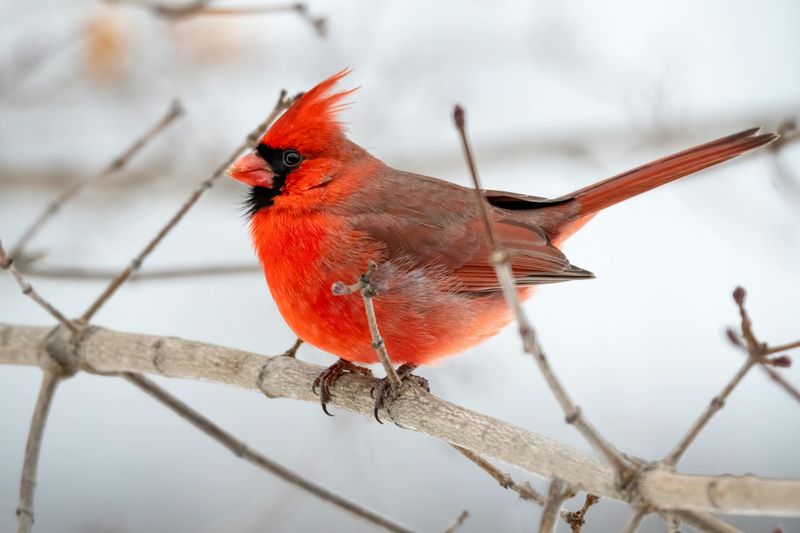
Unlike many bird species that fly south for winter, cardinals remain in their established territories throughout all four seasons, making them permanent residents of New Jersey neighborhoods.
This non-migratory behavior means cardinals depend heavily on local food sources during winter months when natural seeds, berries, and insects become scarce or buried under snow.
Homeowners who maintain feeders year-round provide essential support for cardinal populations that would otherwise struggle to find adequate nutrition during harsh weather conditions.
Cardinals establish territories in spring and defend them throughout the year, rarely traveling more than a few miles from where they were born or first established their home.
Because they stay put, cardinals in New Jersey learn which feeders offer reliable food and visit them consistently, often arriving at the same times each day.
This predictable behavior allows bird watchers to observe the same cardinal pairs visiting their feeders for years, creating opportunities to recognize individual birds and watch families grow.
Year-round feeding is particularly important during late winter when natural food supplies are depleted but breeding season approaches, requiring cardinals to build energy reserves for nesting activities.
5. Platform Feeders Accommodate Cardinals’ Feeding Style
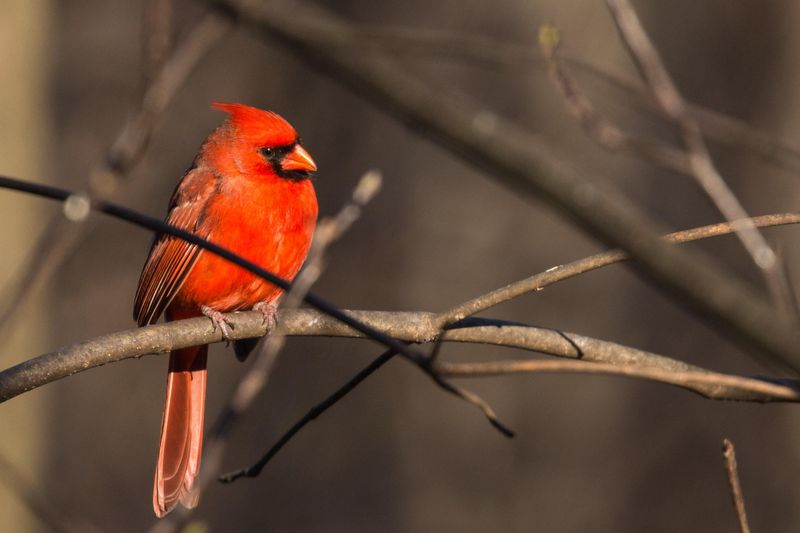
Cardinals prefer feeding on stable, flat surfaces where they can comfortably stand while cracking seeds, making platform feeders ideal for attracting these particular birds to your yard.
Unlike smaller birds that cling easily to tube feeders or perch on tiny feeding ports, cardinals need more space and stability due to their larger size and feeding technique.
Ground feeding is natural for cardinals, so elevated platform feeders mimic their preferred feeding environment while keeping seeds clean, dry, and protected from ground-dwelling predators.
Many New Jersey homeowners have found that installing platform feeders alongside traditional tube feeders dramatically increases cardinal visits because these birds feel more secure and comfortable.
Platform designs allow cardinals to survey their surroundings while eating, an important safety behavior that helps them watch for predators like hawks and outdoor cats.
These feeders also accommodate multiple cardinals feeding simultaneously, reducing competition and allowing family groups to eat together, which is common behavior during fall and winter months.
Placing platform feeders near shrubs or trees provides quick escape routes, making cardinals feel safer and more willing to spend extended time feeding at your station.
6. Early Morning And Late Evening Are Peak Feeding Times
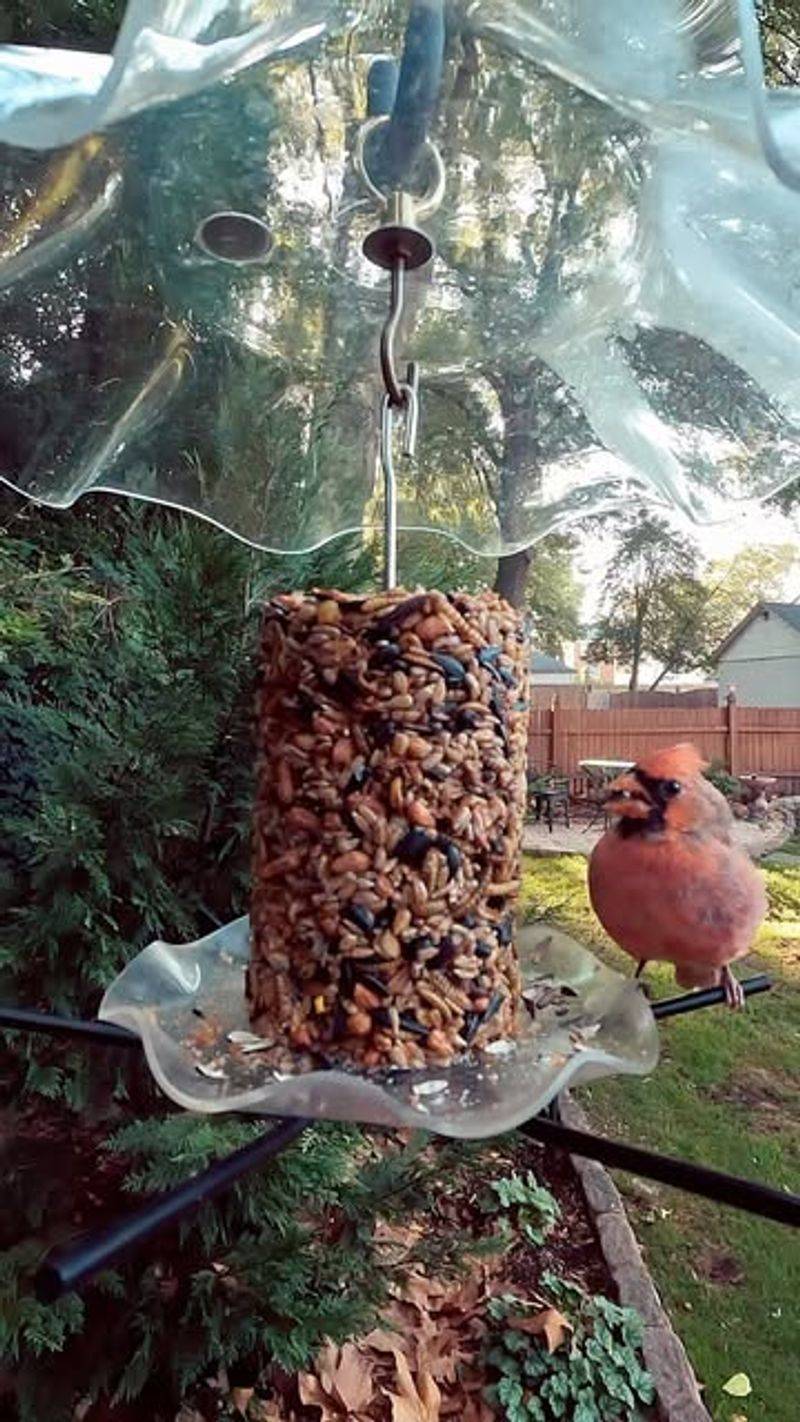
Cardinals typically visit feeders most actively during the first hour after sunrise and the last hour before sunset, following predictable daily patterns that bird watchers can anticipate.
Morning feeding helps cardinals replenish energy lost during cold nights, while evening visits allow them to stock up on calories before roosting through another long, dark period.
Observant New Jersey residents notice cardinals arriving at feeders consistently around these times, often being among the first birds to appear at dawn and last to leave at dusk.
This behavior relates to their need for high-energy food during times when metabolism is most stressed by temperature changes and the demands of maintaining body heat.
Understanding these patterns helps homeowners ensure feeders are well-stocked during peak times, maximizing opportunities to observe these beautiful birds and support their nutritional needs effectively.
Cardinals also visit feeders throughout the day, but activity levels noticeably increase during early and late hours when natural light conditions make them feel more secure.
Keeping feeders filled and accessible during these critical feeding windows encourages cardinals to establish your yard as a regular stop on their daily feeding routes throughout the year.
7. Males Scout Feeders Before Bringing Females
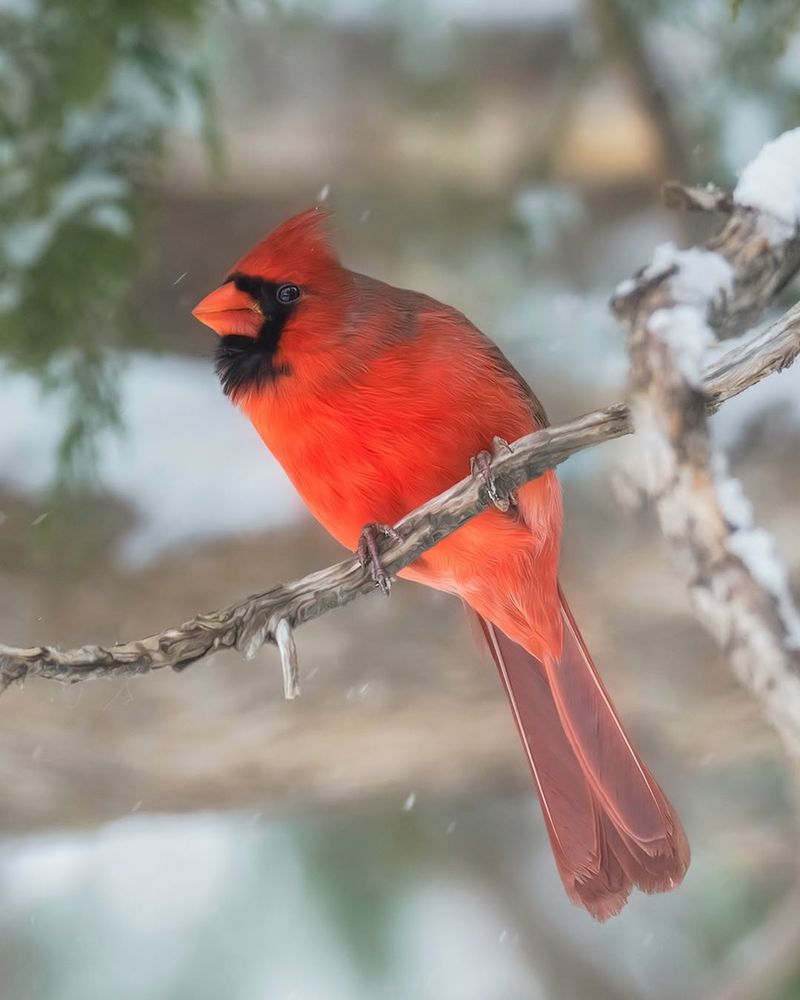
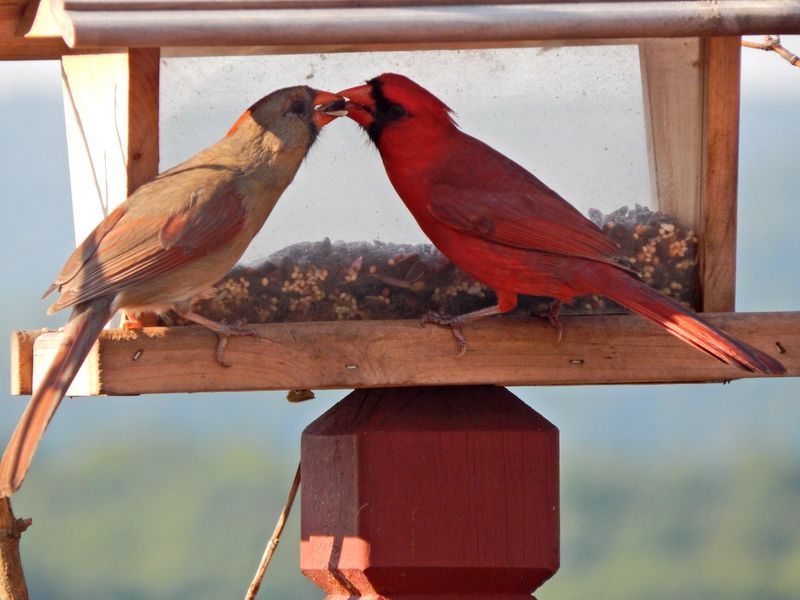
Male cardinals typically visit new feeders first, carefully assessing safety and food quality before bringing their less conspicuous brown-colored mates to feed at the location.
This protective behavior ensures female cardinals, who are more vulnerable to predators due to their role in nesting and incubation, only visit feeders that males have determined safe.
Across New Jersey, patient observers notice this pattern when attracting cardinals for the first time, with brilliant red males appearing days or even weeks before females join them.
Males take their guardian role seriously, often perching nearby while females feed, watching for threats and occasionally singing to maintain territory and signal safety to their partners.
Once males establish a feeder as safe and reliable, entire cardinal families may visit together, including juveniles learning feeding behaviors from their experienced parents during summer months.
This cautious approach to new food sources reflects cardinals’ intelligence and adaptability, traits that have helped them thrive in changing environments throughout the northeastern United States.
Homeowners should be patient when establishing new feeders, understanding that regular male visits indicate females will likely follow once the location proves consistently safe and well-stocked.
8. Native Shrubs And Trees Provide Essential Cover
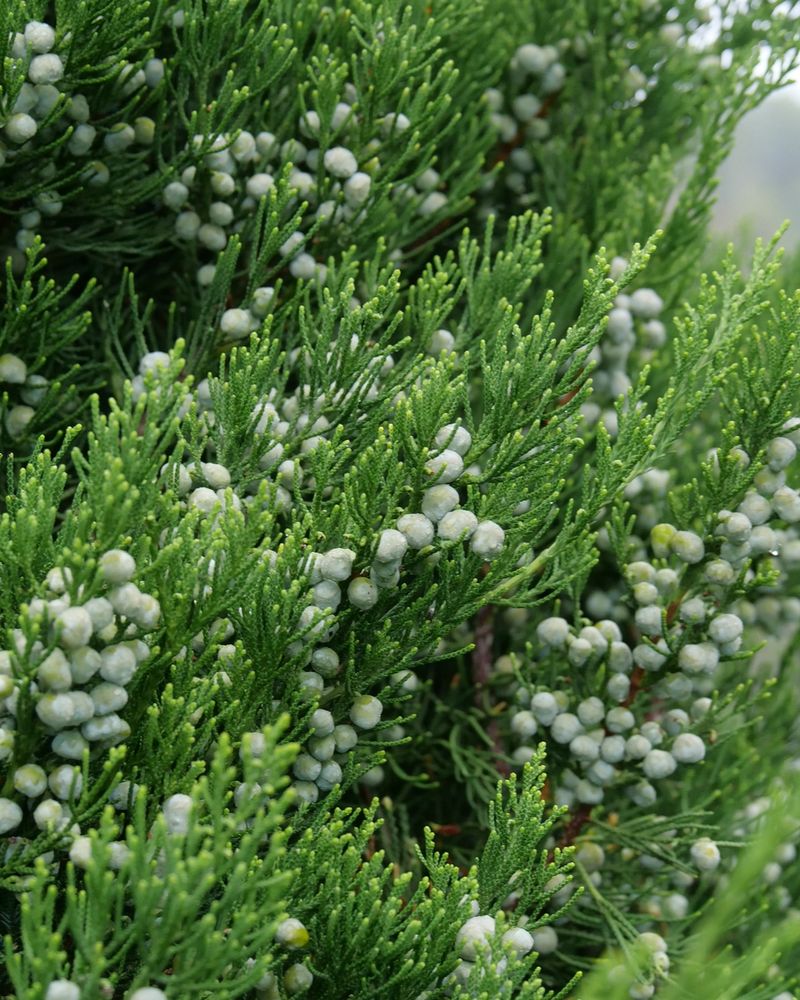
Cardinals require dense vegetation near feeding areas where they can quickly retreat when threatened, making native shrubs and small trees essential for attracting these cautious birds.
Evergreens like juniper, holly, and arborvitae offer year-round protection and are particularly valuable in New Jersey landscapes where cardinals seek shelter during winter storms and cold nights.
Deciduous shrubs such as dogwood, viburnum, and serviceberry provide nesting sites in spring and summer while producing berries that supplement cardinals’ diets with natural food sources.
Feeders placed within ten to fifteen feet of protective cover see significantly more cardinal activity because birds can quickly escape to safety if predators appear or weather conditions suddenly change.
Many New Jersey homeowners create ideal cardinal habitats by combining well-stocked feeders with thoughtful landscaping that includes layered vegetation providing multiple escape routes and protected perching spots.
Native plants also attract insects that cardinals feed to their nestlings during breeding season, creating a complete ecosystem that supports these birds throughout their entire life cycle.
Landscaping with cardinals in mind transforms ordinary yards into thriving bird habitats where these stunning creatures feel comfortable spending time, nesting, and raising their families year after year.
9. Water Sources Attract Cardinals In All Seasons
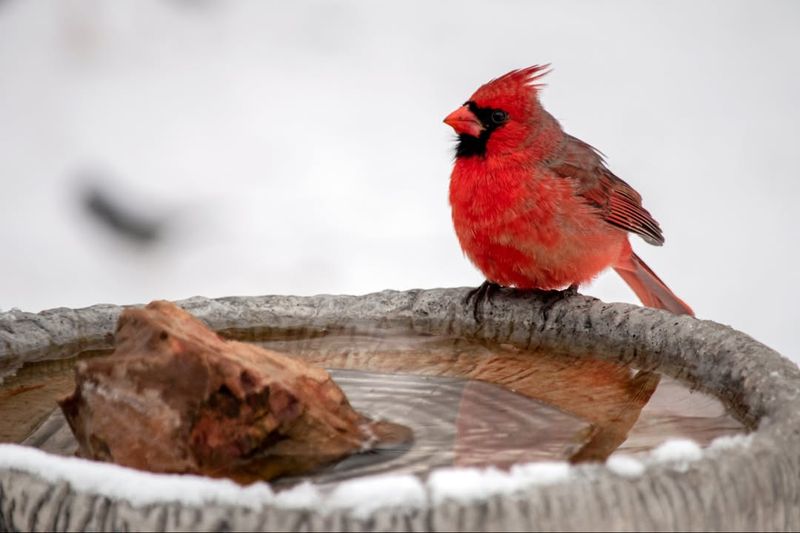
Fresh water for drinking and bathing attracts cardinals as effectively as food, especially during hot summer months and winter when natural water sources freeze solid across New Jersey.
Cardinals need water daily for hydration and maintaining their feathers in optimal condition, making birdbaths and water features valuable additions to any yard hoping to attract these birds.
Heated birdbaths during winter provide critical resources when ponds, streams, and puddles are frozen, often attracting more birds than feeders alone because water becomes the limiting resource.
Shallow water depths of one to two inches are ideal for cardinals, who prefer wading and splashing rather than swimming, and appreciate rough surfaces for secure footing.
Moving water from fountains or drippers creates sound and visual cues that attract cardinals from considerable distances, advertising your yard as a complete habitat offering both food and water.
Many New Jersey bird enthusiasts report that adding water features doubled their cardinal sightings, proving these birds actively seek yards providing comprehensive resources for their daily needs.
Regular cleaning and refilling of water sources ensures cardinals continue visiting reliably, establishing your property as a preferred location for meeting all their survival requirements throughout every season.