Why Winter Is A Smart Time for New York Gardeners To Prepare For Spring
Winter gives New York gardeners a chance to slow down and plan ahead while the garden rests and distractions stay out of the way.
With beds bare and structures visible, it becomes easier to spot problem areas and think through changes without rushing.
A little preparation now often leads to a smoother, more confident start once spring finally arrives.
1. Soil Testing Gives You A Head Start
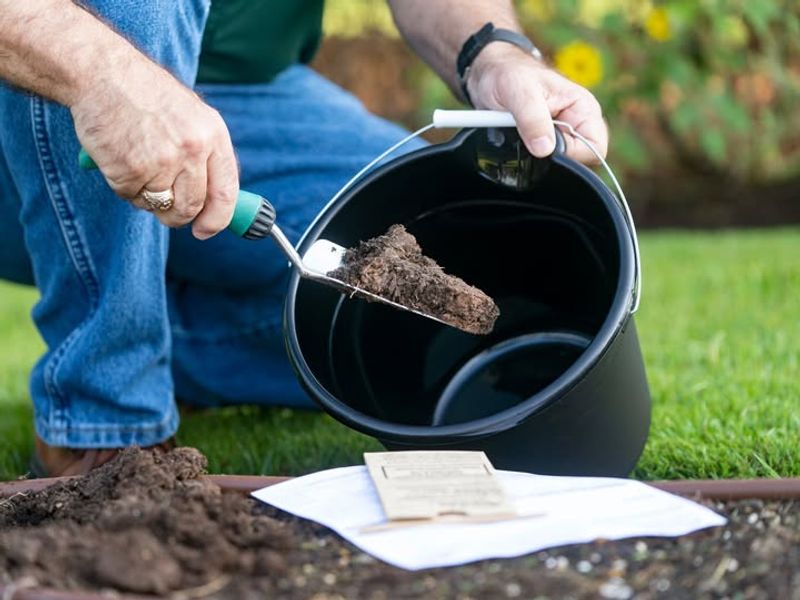
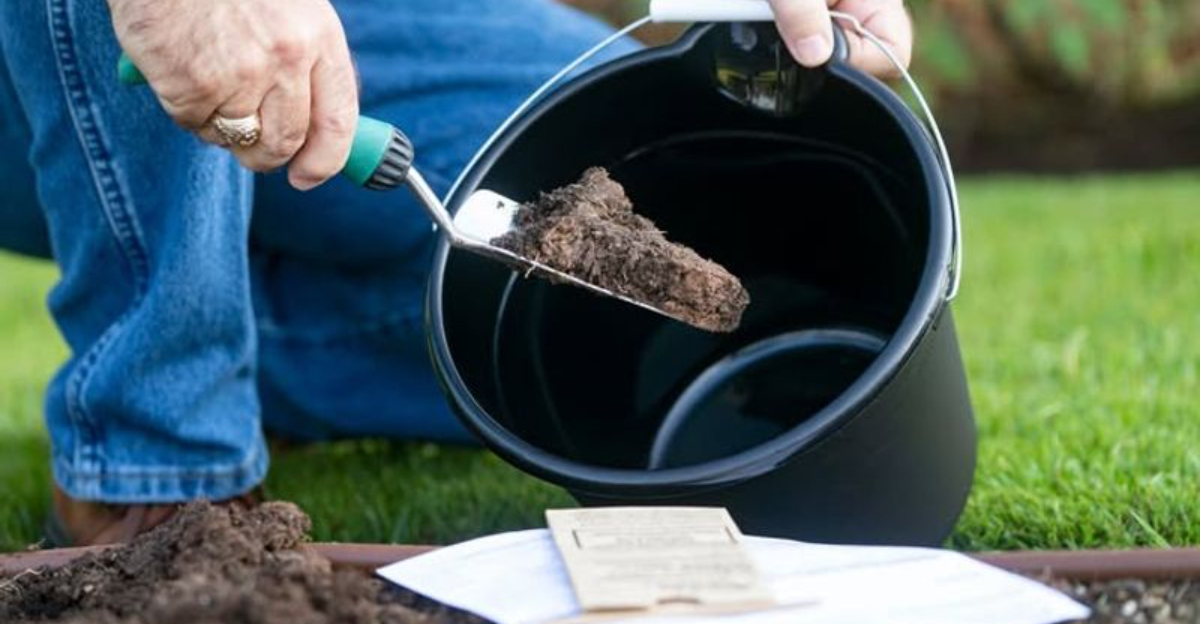
Testing your soil now helps you understand what nutrients are missing before spring arrives and planting season begins in earnest across New York.
Many gardeners skip this step, but knowing your soil’s pH and nutrient levels makes a huge difference in how well your plants grow later.
Winter testing means you can order amendments like lime or sulfur early, giving them time to work into the ground properly.
Labs often have shorter wait times during colder months, so you get results faster and can plan your garden layout more effectively.
Adding compost or organic matter now allows it to break down slowly, enriching the soil by the time you start planting seedlings.
Healthier soil leads to stronger roots, which means your vegetables and flowers will be more resistant to pests and diseases throughout the season.
New York winters are perfect for this task because frozen ground thaws just enough to collect samples on milder days without too much effort.
Taking action now saves you from guessing what your garden needs and helps you avoid costly mistakes when spring finally rolls around.
2. Planning Your Garden Layout Prevents Spring Chaos
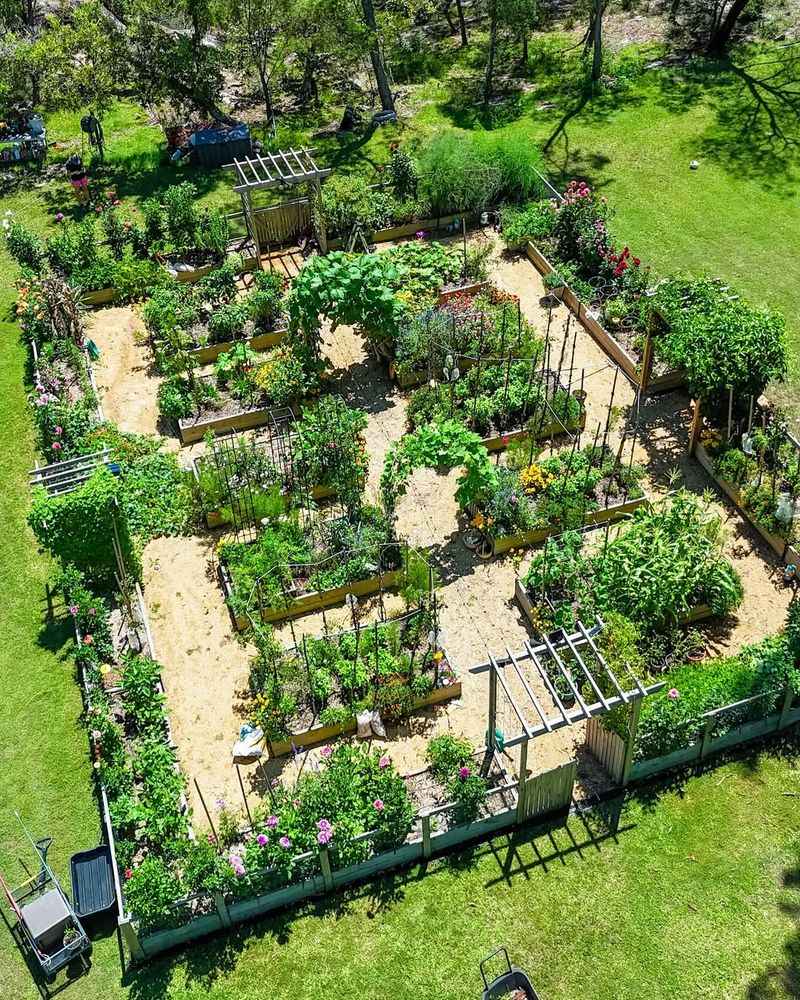
Drawing out your garden design during winter lets you think carefully about where each plant should go without feeling rushed or overwhelmed.
You can research which vegetables or flowers grow best together, a practice called companion planting that boosts yields and reduces pest problems naturally.
Mapping out sunny spots versus shady areas helps you place sun-loving tomatoes or shade-tolerant hostas in the right locations around your New York yard.
Winter gives you time to measure garden beds, order seeds online, and even sketch ideas on paper or using free garden planning apps.
Planning ahead means you won’t buy duplicate seeds or forget important crops, saving money and ensuring a balanced harvest throughout the growing season.
You can also rotate crops properly, which prevents soil depletion and keeps diseases from building up in the same spots year after year.
Cold weather keeps you indoors anyway, so spending a few hours planning feels productive and gets you excited for the warmer months ahead.
When spring arrives, you’ll have a clear roadmap to follow, making planting day smooth, organized, and much more enjoyable for everyone involved.
3. Tool Maintenance Ensures Everything Works Smoothly
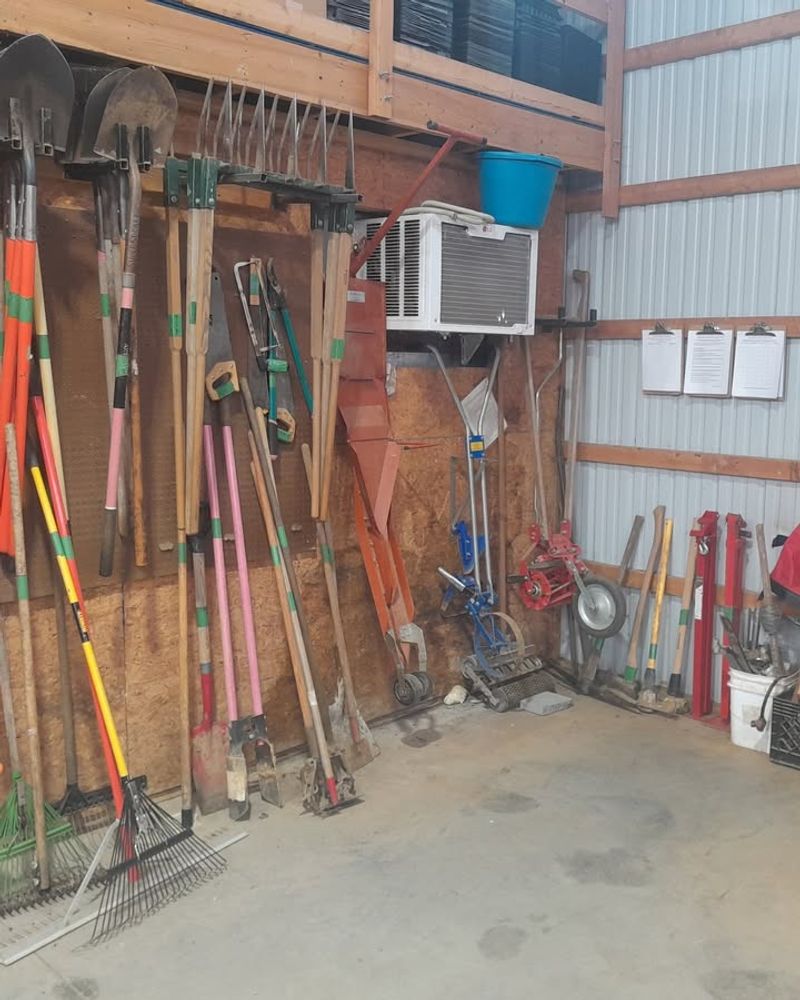
Cleaning and sharpening your gardening tools during winter means they’ll be ready to use the moment spring planting season kicks off in New York.
Rusty shovels, dull pruners, and dirty hoes make gardening harder and can even damage plants, so taking care of them now is really important.
Start by scrubbing off dirt and dried sap with soapy water, then dry everything thoroughly to prevent rust from forming on metal surfaces.
Your New York Garden Changes Every Week. Your Plan Should Too.
Gardening in New York changes quickly throughout the season. Every Friday you’ll receive a simple weekly plan showing exactly what to plant, prune, fertilize, harvest, and protect so you never miss the right timing.
Sharpening blades on pruners, shears, and hoes makes cutting easier and cleaner, which helps plants heal faster and stay healthier overall.
Oiling wooden handles keeps them from cracking or splintering, and wiping metal parts with a light coat of oil protects them from moisture.
Organize your tools in a shed or garage so you can find what you need quickly, saving time and frustration when busy planting days arrive.
Replacing broken handles or worn-out gloves now means you won’t have to stop mid-project in spring to run to the hardware store.
Well-maintained tools last longer, work better, and make gardening feel less like a chore and more like a fun, rewarding outdoor activity.
4. Ordering Seeds Early Guarantees Better Selection
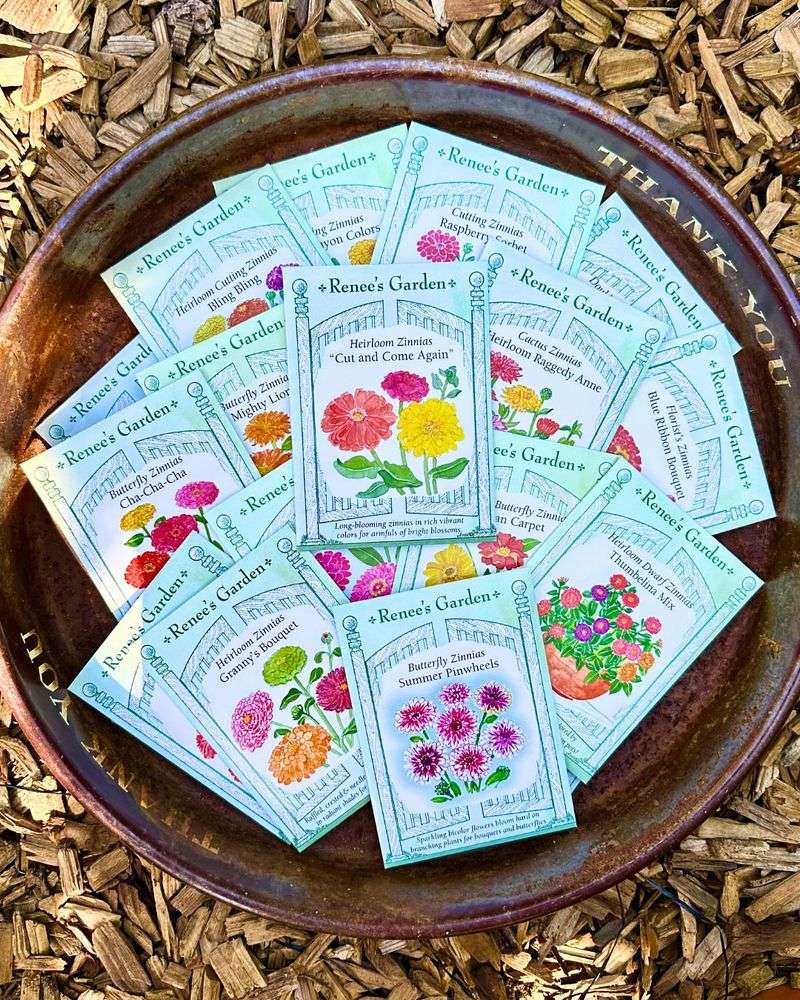
Browsing seed catalogs and placing orders in winter gives you access to the widest variety of plants before popular types sell out completely.
Many heirloom and specialty seeds are available in limited quantities, so ordering early ensures you get exactly what you want for your New York garden.
Winter is when new seed catalogs arrive in the mail or online, featuring fresh varieties and detailed growing tips for each plant type.
You can compare prices, read reviews, and choose organic or non-GMO seeds without feeling pressured by looming planting deadlines in the spring.
Starting seeds indoors requires planning, and having them on hand by late winter means you can begin germination at the perfect time.
Popular vegetables like tomatoes, peppers, and squash often run out fast, so getting your order in early avoids disappointment and last-minute substitutions.
Seed companies also offer discounts and free shipping during slower winter months, helping you save money while stocking up on garden supplies.
Arriving prepared with seeds ready to plant makes spring gardening feel exciting and organized, setting you up for a successful growing season.
5. Building Or Repairing Raised Beds Saves Spring Time

Constructing or fixing raised garden beds during winter means they’re completely ready for planting when the ground thaws out in New York.
Raised beds warm up faster in spring, drain better, and make gardening easier on your back, especially if you have heavy clay soil.
Winter is a great time to gather materials like untreated lumber, stone, or recycled bricks without competing with other seasonal home projects.
You can work at your own pace, building beds on warmer days and taking breaks when the weather turns too cold or snowy.
Repairing old beds by replacing rotted boards or reinforcing corners ensures they’ll last for many more growing seasons without collapsing or falling apart.
Filling beds with a mix of soil, compost, and peat moss now gives everything time to settle and blend together perfectly.
Raised beds also keep weeds down and pests like slugs away, making maintenance easier and giving your plants a healthier environment to grow.
Finishing this project in winter leaves your spring schedule free for planting, watering, and enjoying your garden instead of building structures.
6. Pruning Trees And Shrubs Promotes Healthy Growth
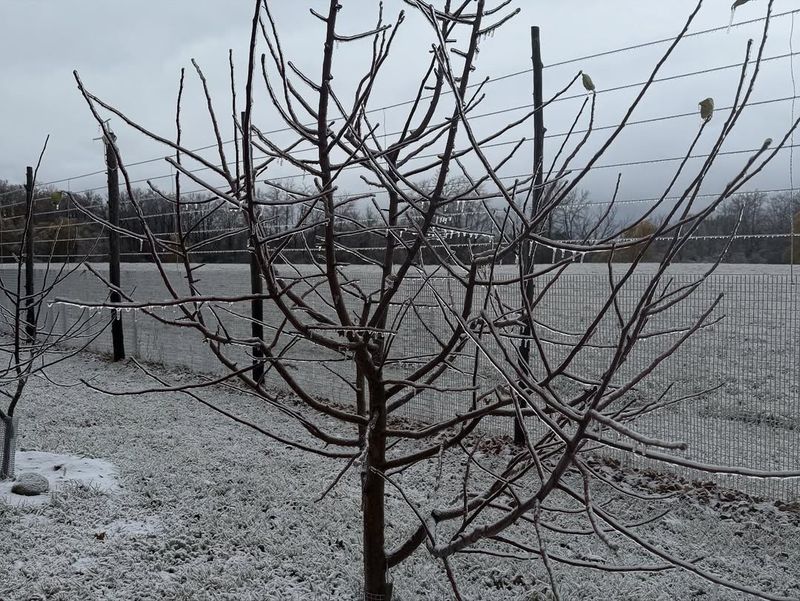
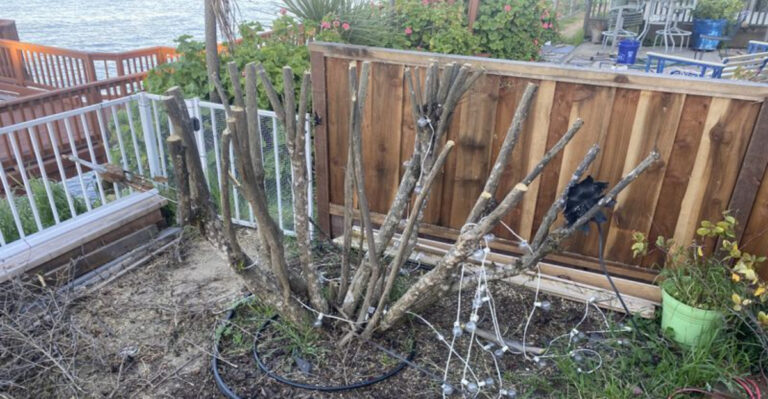
Winter is the ideal time to prune most trees and shrubs because they’re dormant, making it easier to see their structure clearly.
Removing dead, damaged, or crossing branches now encourages stronger growth when spring arrives and sap starts flowing again throughout New York landscapes.
Pruning during dormancy reduces stress on plants and minimizes the risk of spreading diseases or attracting pests to fresh cuts on branches.
You can shape fruit trees to improve air circulation and sunlight exposure, which leads to bigger harvests and healthier fruit later in the season.
Overgrown shrubs benefit from thinning, which opens up space for new shoots and prevents crowding that can weaken plants over time.
Always use sharp, clean pruning shears to make smooth cuts that heal quickly, avoiding ragged edges that invite infection or decay.
Avoid pruning spring-blooming plants like lilacs or forsythias now, as they set buds in late summer and you’ll cut off this year’s flowers.
Taking care of pruning tasks in winter leaves your yard looking neat and sets up your trees and shrubs for vigorous, beautiful growth.
7. Starting Compost Bins Builds Nutrient-Rich Soil
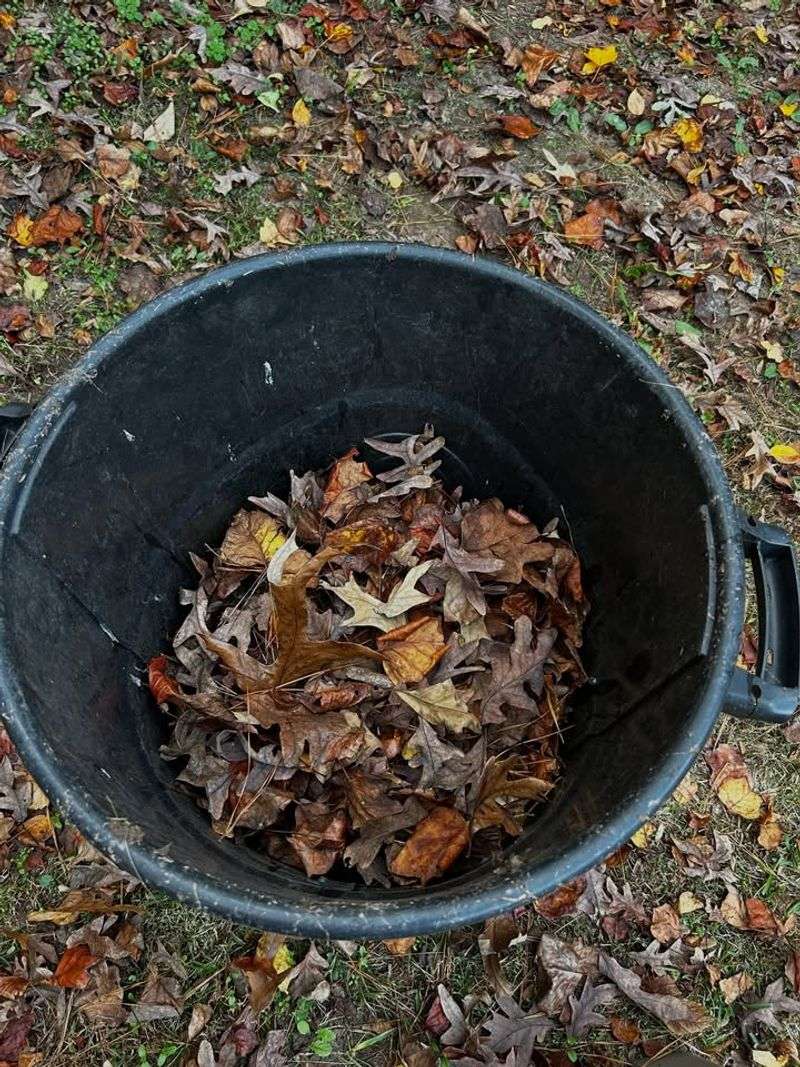
Beginning a compost pile or bin in winter lets organic materials break down slowly, creating rich, dark compost ready for spring planting.
Kitchen scraps like vegetable peels, coffee grounds, and eggshells can be layered with yard waste to reduce landfill waste and feed your garden.
Even though decomposition slows in cold weather, adding materials now means your compost will be further along when temperatures rise in New York.
Compost bins can be simple or fancy, from open piles to tumbling barrels, and winter is a low-pressure time to set one up.
Layering green materials like food scraps with brown materials like leaves or cardboard creates the right balance for healthy, odor-free composting.
Turning your compost occasionally, even in winter, adds oxygen and speeds up breakdown, though it’s not required if you’re patient.
Finished compost improves soil structure, helps retain moisture, and feeds beneficial microbes that keep plants strong and resistant to problems.
Starting now means you’ll have homemade, nutrient-packed compost to mix into beds and pots when spring gardening season begins in earnest.
8. Researching Pest Control Methods Prepares You For Challenges

Learning about common garden pests and diseases during winter gives you time to develop effective, eco-friendly strategies before problems start in New York.
Understanding which insects are beneficial, like ladybugs and bees, versus harmful ones helps you protect your garden without using harsh chemical pesticides.
You can research natural remedies like neem oil, diatomaceous earth, or companion planting that repels pests while keeping your garden safe for pollinators.
Winter reading lets you identify early warning signs of diseases like blight or mildew, so you can act fast when symptoms appear.
Planning crop rotation and choosing disease-resistant plant varieties now reduces the chance of recurring problems that plagued your garden last year.
You can also order supplies like row covers, sticky traps, or beneficial nematodes early, ensuring they arrive before pests become a serious issue.
Joining online gardening forums or local New York gardening groups connects you with experienced growers who share tips and advice freely.
Being prepared with knowledge and tools means you’ll handle pest challenges calmly and effectively, protecting your hard work and ensuring a bountiful harvest.