Protected Creatures Nevada Law Does Not Allow Homeowners To Remove
Many Nevada homeowners are surprised to learn that some animals sharing their property are legally protected, even when they cause concern or inconvenience.
State wildlife laws are designed to balance human safety with conservation, and crossing those rules can lead to serious consequences.
Knowing which creatures are protected helps homeowners respond calmly, avoid fines, and handle unexpected wildlife encounters the right way.
1. Desert Tortoise
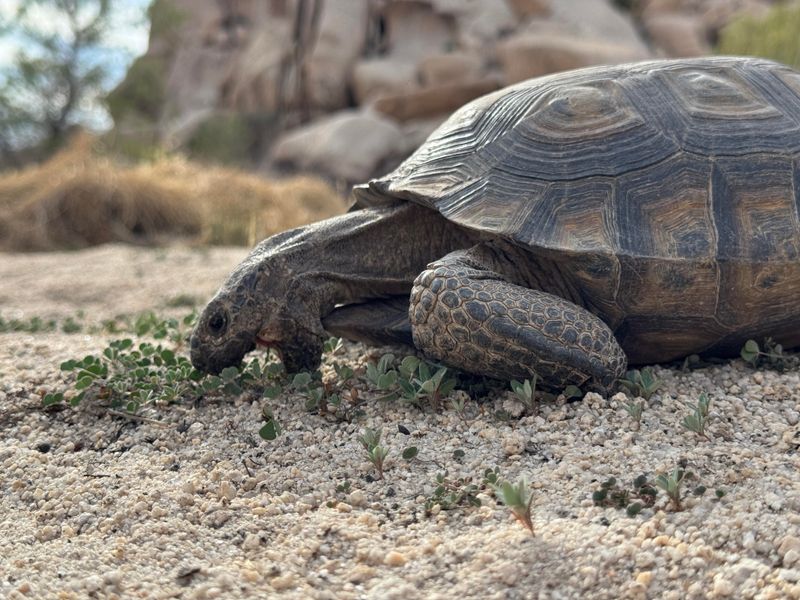
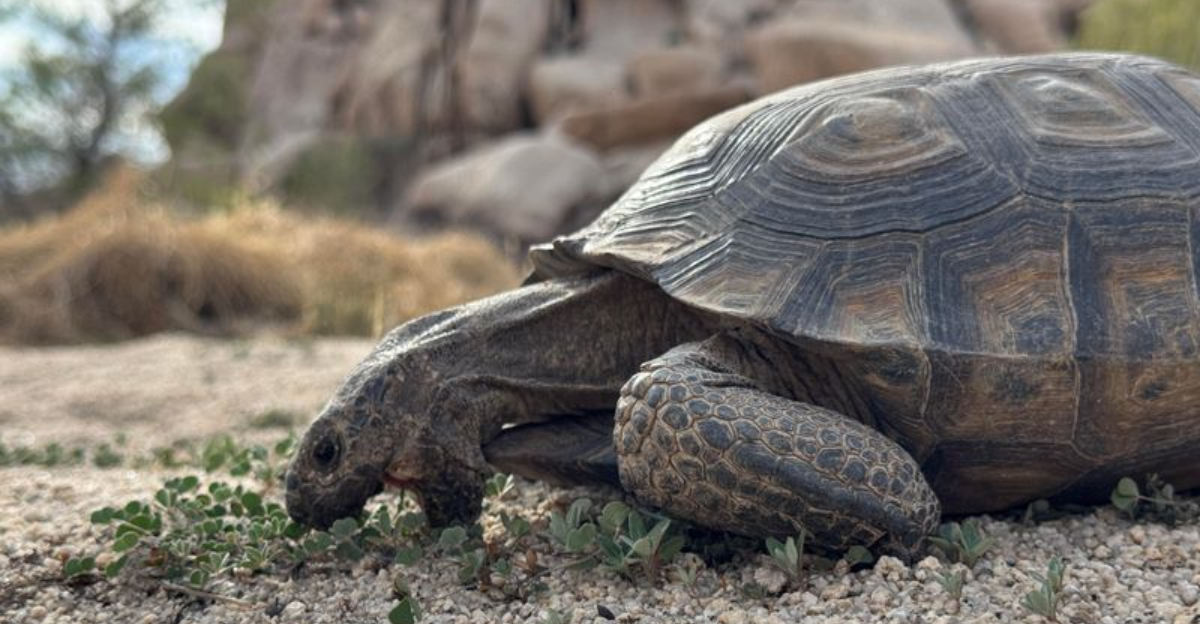
Nevada’s iconic desert tortoise holds a special place in the state’s ecosystem, and removing one from your property could land you in serious legal trouble.
These ancient reptiles have roamed the Mojave Desert for thousands of years, adapting to harsh conditions that would challenge most other species successfully.
Federal and state laws classify them as threatened, meaning homeowners cannot relocate, harm, or even touch them without proper authorization from officials.
If you spot one wandering through your yard in Nevada, the best approach involves contacting wildlife authorities who can safely handle the situation.
Desert tortoises spend most of their lives in underground burrows, emerging during cooler months to forage for grasses, wildflowers, and cacti pads.
Their slow reproductive rate makes every individual important for population recovery, so protecting them ensures future generations can enjoy these remarkable creatures.
Penalties for violating protection laws include fines exceeding thousands of dollars and potential criminal charges depending on the severity of the offense committed.
Respecting their protected status helps maintain ecological balance while keeping you on the right side of Nevada’s strict wildlife regulations and laws.
2. Bald Eagle
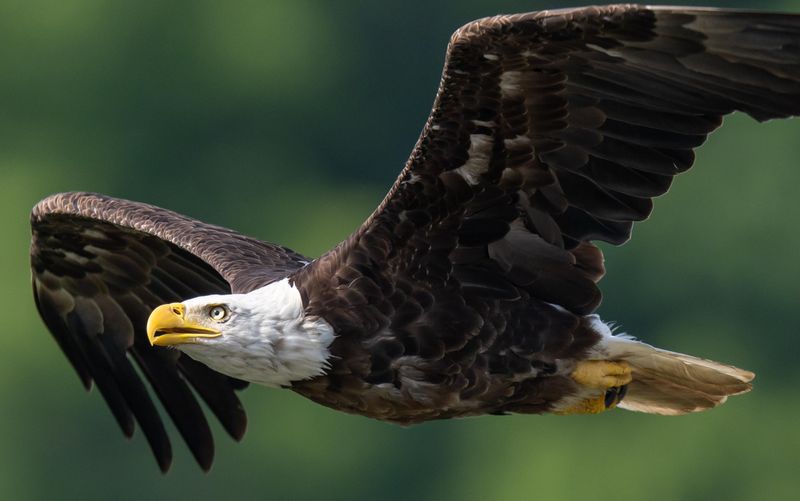
Spotting a bald eagle soaring above your Nevada property might feel like a rare privilege, but attempting to remove one is absolutely prohibited under law.
America’s national symbol enjoys protection under both the Bald and Golden Eagle Protection Act and the Migratory Bird Treaty Act simultaneously.
These magnificent raptors have made a remarkable comeback from near extinction, with populations now thriving throughout Nevada and other western states today.
Their wingspan can reach over seven feet, making them one of the largest and most impressive birds you might encounter in the region.
Bald eagles typically nest near large bodies of water where they hunt fish, waterfowl, and small mammals to feed their young successfully.
If an eagle builds a nest on your property in Nevada, you must leave it undisturbed and contact wildlife officials for guidance immediately.
Disturbing nests, eggs, or even collecting fallen feathers without permits can result in federal fines reaching hundreds of thousands of dollars plus imprisonment.
Homeowners should appreciate these powerful birds from a respectful distance, understanding that their presence indicates a healthy environment worth protecting and preserving.
3. Kit Fox
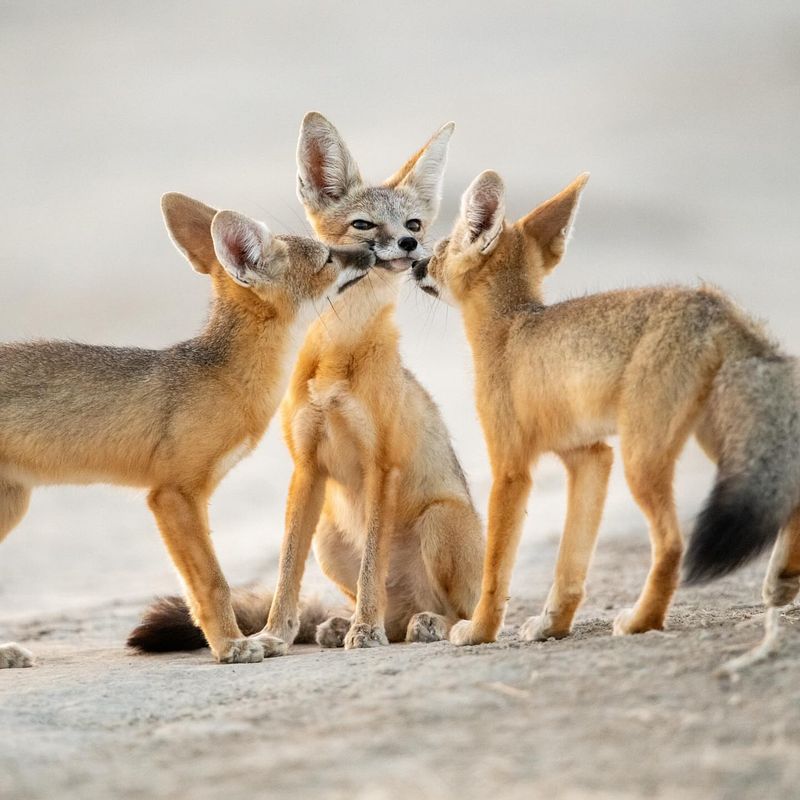
With oversized ears and a bushy tail, the kit fox represents one of Nevada’s most adorable yet legally protected residents you cannot remove.
This smallest member of the canine family in North America has adapted perfectly to desert life, requiring minimal water and tolerating extreme temperatures.
Nevada classifies kit foxes as protected due to habitat loss and declining numbers, making it illegal for homeowners to trap or relocate them.
Your Nevada Garden Changes Every Week. Your Plan Should Too.
Gardening in Nevada changes quickly throughout the season. Every Friday you’ll receive a simple weekly plan showing exactly what to plant, prune, fertilize, harvest, and protect so you never miss the right timing.
Their nocturnal habits mean you might only catch glimpses of them during evening hours when they emerge to hunt rodents and insects.
Kit foxes play a crucial role controlling pest populations around residential areas, so having them nearby actually benefits homeowners dealing with unwanted critters.
If one takes up residence under your shed or porch in Nevada, humane deterrents like bright lights or noise can encourage relocation.
However, physically removing or harming these animals violates state regulations and can result in significant fines and potential legal action against you.
Coexisting peacefully with kit foxes means securing garbage, removing food sources, and appreciating their natural pest control services without interference or harm.
4. Bighorn Sheep
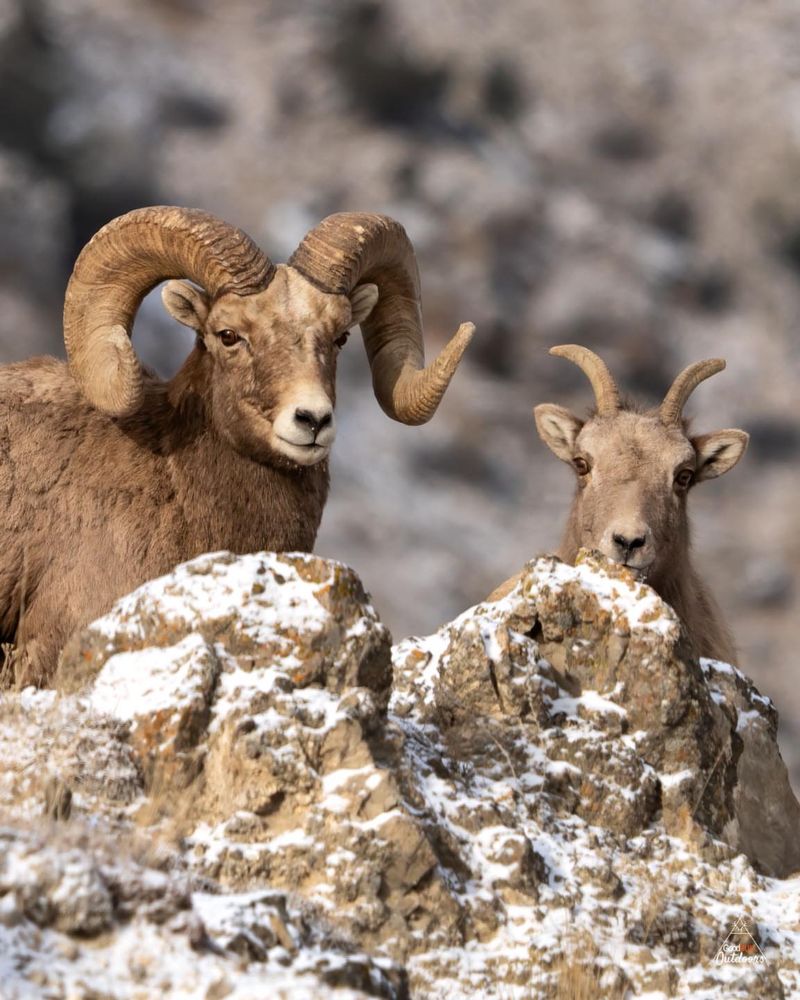
Bighorn sheep stand as symbols of Nevada’s rugged wilderness, and their protected status means homeowners cannot interfere with them under any circumstances.
These powerful animals navigate steep cliffs and rocky terrain with remarkable agility, using their specialized hooves to grip surfaces that seem impossible.
Males develop massive curved horns that can weigh up to thirty pounds, used during dramatic head-butting contests to establish dominance hierarchies.
Nevada’s bighorn populations faced significant declines due to hunting, disease, and habitat fragmentation, prompting strict legal protections to aid their recovery.
If bighorn sheep wander onto your property in Nevada, they typically move on quickly while searching for water sources and grazing areas.
Attempting to chase, capture, or harm them violates state and federal regulations, carrying penalties that include substantial fines and possible jail time.
These animals require large territories and access to mineral licks, which means occasional property visits are natural behaviors homeowners must simply tolerate.
Observing bighorn sheep from a distance provides incredible wildlife viewing opportunities while ensuring you remain compliant with Nevada’s conservation laws and regulations.
5. Gila Monster
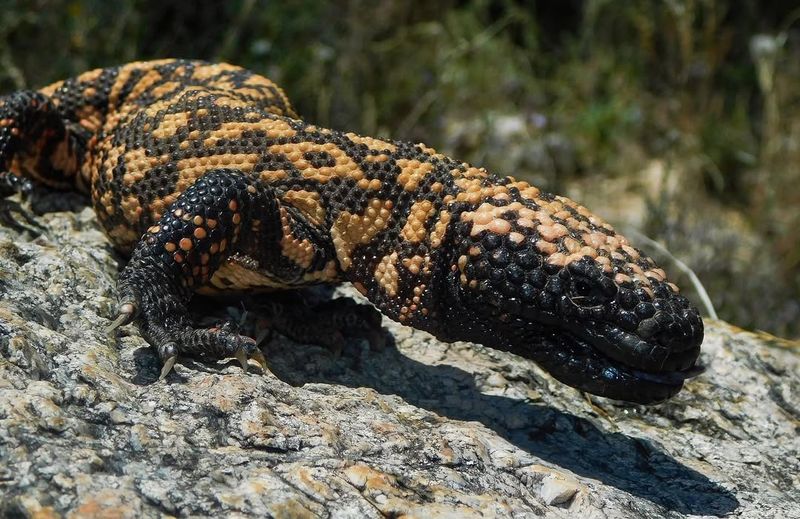
Nevada’s only venomous lizard, the Gila monster, might seem threatening, but removing one from your property remains completely illegal under state law.
These slow-moving reptiles feature striking beaded skin with patterns of black, orange, pink, and yellow that warn potential predators of their venom.
Despite their fearsome reputation, Gila monsters are actually quite docile and rarely bite unless handled or provoked by careless human interaction.
Protected status reflects their declining populations and the important role they play in controlling rodent numbers throughout Nevada’s desert ecosystems.
Gila monsters spend most of their time underground in burrows, emerging only during warmer months to hunt for eggs, small mammals, and birds.
If you encounter one in Nevada, simply keep your distance and allow it to continue on its way without interference or harassment.
Their venom rarely causes serious medical issues in healthy adults, but bites are painful and require immediate medical attention from qualified professionals.
Homeowners should secure potential hiding spots like woodpiles and rock gardens, making their property less attractive to these fascinating but protected reptiles.
6. Mountain Lion
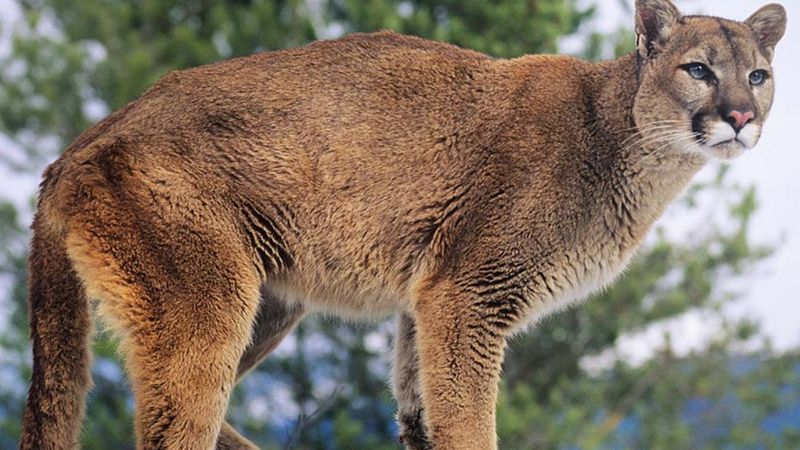
Mountain lions roam Nevada’s wild spaces as apex predators, and while they occasionally visit residential areas, homeowners cannot simply remove them independently.
Also called cougars or pumas, these solitary cats can weigh up to one hundred eighty pounds and require vast territories spanning hundreds of miles.
Nevada law protects mountain lions through regulated hunting seasons, meaning only licensed hunters with proper tags can legally take them during specific times.
For homeowners, this means calling wildlife officials immediately if a mountain lion appears on your property rather than attempting personal removal efforts.
These powerful predators usually avoid human contact, but they may follow deer herds or investigate livestock, bringing them closer to developed areas occasionally.
Attacks on humans remain extremely rare in Nevada, though pets and small livestock can attract their attention if left unsecured outside overnight.
Creating defensible space by removing dense vegetation, installing motion-activated lights, and securing animals helps reduce unwanted mountain lion encounters around homes.
Respecting their protected status while taking sensible precautions allows Nevada residents to coexist safely with these magnificent yet potentially dangerous wild animals.
7. Western Burrowing Owl
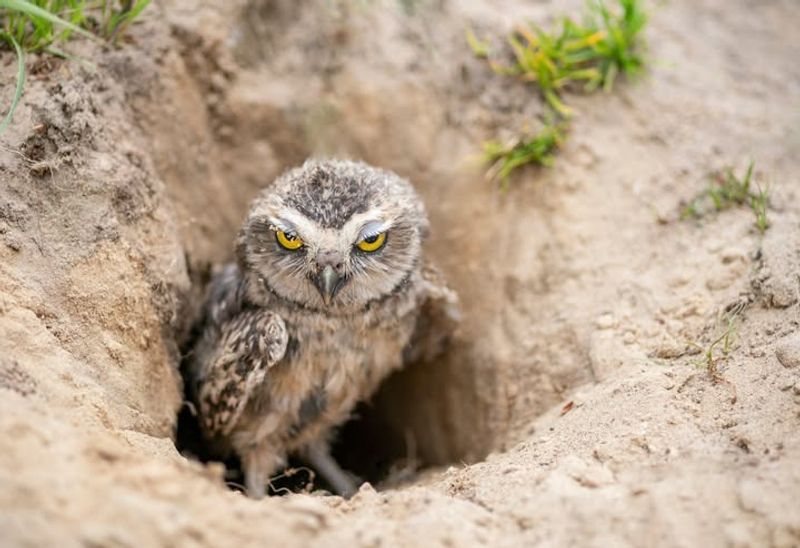
Unlike most owl species, western burrowing owls live underground in abandoned burrows, making them unique residents that Nevada law strictly protects.
These small, long-legged owls stand about nine inches tall and feature bright yellow eyes that give them an endearing, almost comical appearance.
Active during daylight hours, burrowing owls hunt insects, small rodents, and reptiles across Nevada’s grasslands, shrublands, and even developed areas occasionally.
Their populations have declined significantly due to habitat loss and prairie dog eradication programs that eliminate the burrows they depend on.
Nevada regulations prohibit disturbing their nests, burrows, or young, even if they choose to nest in inconvenient locations on your property.
If burrowing owls establish residence in your yard, you must wait until nesting season ends before implementing any humane deterrents legally.
These birds provide excellent natural pest control, consuming thousands of insects and rodents annually, which benefits homeowners dealing with unwanted pests naturally.
Watching burrowing owls bob and bow at their burrow entrances offers delightful entertainment while supporting Nevada’s commitment to preserving diverse wildlife populations.
8. Mojave Rattlesnake
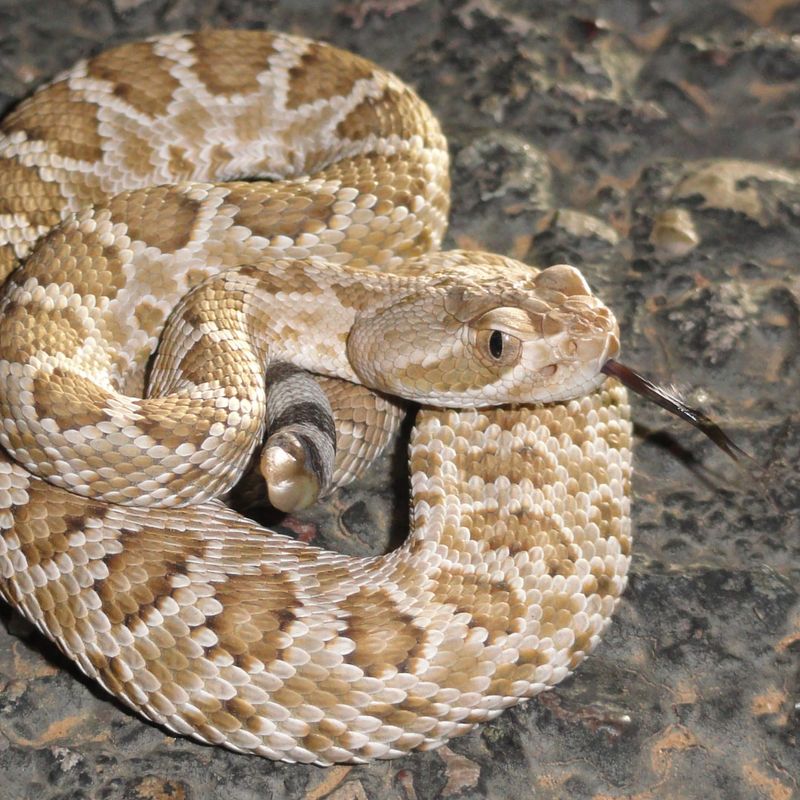
Among Nevada’s venomous snakes, the Mojave rattlesnake possesses particularly potent venom, yet state regulations still prohibit homeowners from removing them without authorization.
These rattlesnakes display greenish or brownish coloring with diamond-shaped patterns along their backs, helping them blend perfectly into desert surroundings.
Nevada’s reptile protection laws require special permits for handling, relocating, or removing rattlesnakes, even when they appear on residential properties unexpectedly.
Mojave rattlesnakes typically avoid human contact, preferring to retreat when given escape routes rather than confronting people or pets aggressively.
Their presence actually benefits homeowners by controlling rodent populations that would otherwise multiply rapidly and cause property damage or health concerns.
If you discover one in your yard in Nevada, maintain a safe distance and contact licensed wildlife removal professionals who possess proper permits.
Attempting amateur removal endangers both you and the snake, potentially resulting in dangerous bites plus legal penalties for violating state wildlife regulations.
Simple precautions like clearing brush, sealing foundation gaps, and watching where you step help minimize unwanted encounters while respecting their protected legal status.