How Minnesota Gardeners Can Store Holiday Greenery To Last Until New Year’s
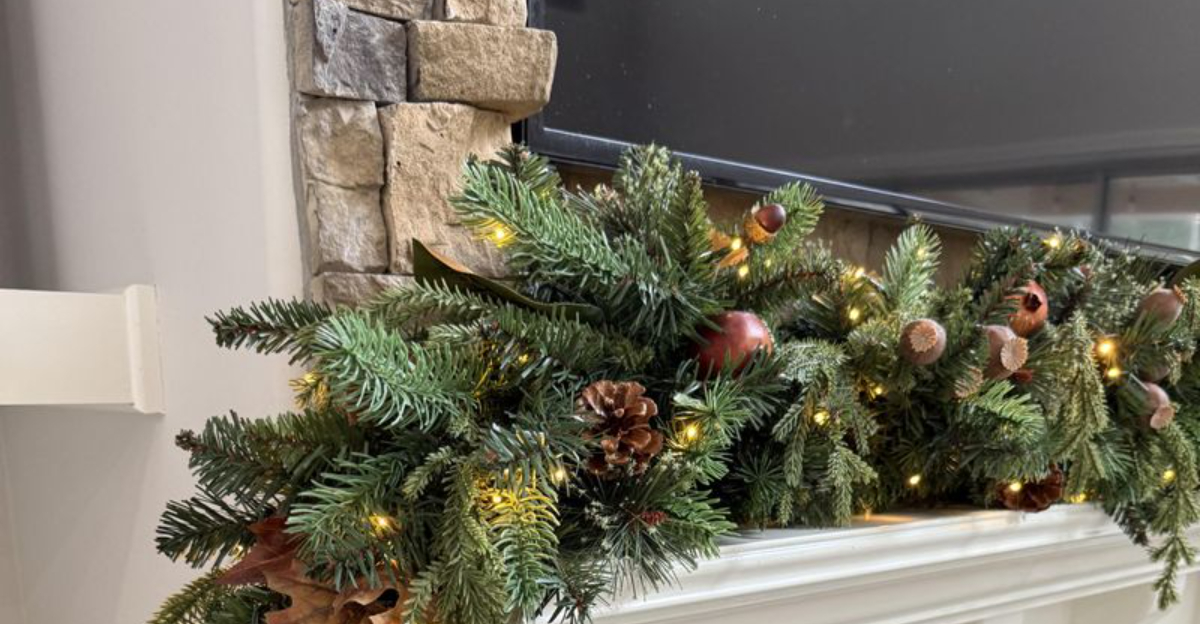
Minnesota gardeners know how fast holiday greenery can dry out indoors once the heat is running nonstop and winter air takes over.
With a few smart storage habits, fresh branches, wreaths, and garlands can stay flexible, green, and good looking well past the first celebration.
These simple steps help greenery hold moisture and color so it still feels festive right through New Year’s.
1. Keep Greenery in Water-Filled Buckets

Fresh-cut evergreens need constant moisture to stay vibrant and green throughout the holiday season and beyond into the new year celebrations.
Placing your branches in buckets filled with cool water mimics how they absorb nutrients naturally while still attached to trees growing outdoors.
Minnesota gardeners can take advantage of unheated garages or enclosed porches where temperatures hover just above freezing, creating ideal storage conditions for greenery.
Changing the water every few days prevents bacterial growth that can clog the stems and block moisture absorption through the cut ends.
Adding a splash of lemon-lime soda or a commercial floral preservative to the water provides sugars that help extend freshness even longer.
Trimming about an inch off the bottom of each stem before placing it in water opens fresh pores for better hydration.
This simple method works beautifully for pine, spruce, fir, and cedar branches commonly used in wreaths and garlands across the North Star State.
Your greenery will remain supple, fragrant, and ready to decorate your home right through New Year’s Day when stored this way consistently.
2. Store Wreaths in Cool, Dark Spaces

Wreaths crafted from fresh evergreens require protection from both excessive warmth and direct sunlight to maintain their natural beauty through the season.
Basements in Minnesota homes often provide the perfect environment, with naturally cool temperatures and limited light exposure that slow down the drying process.
Hanging your wreath on a sturdy hook rather than laying it flat helps maintain its circular shape and prevents crushing of delicate branches.
Avoid storing wreaths near furnaces, water heaters, or other heat sources that accelerate moisture loss and cause needles to drop prematurely off.
Misting your wreath lightly with water from a spray bottle every few days adds humidity and keeps the foliage looking freshly cut.
Plastic garbage bags can trap too much moisture and encourage mold growth, so skip covering your wreath unless you use breathable fabric instead.
Many Minnesota gardeners find that their unfinished basements or attached garages work wonderfully for wreath storage between decorating periods and holiday gatherings.
Checking your wreath weekly for dry spots lets you address problems early and ensures it looks spectacular when displayed for New Year’s celebrations.
3. Wrap Garlands in Damp Towels
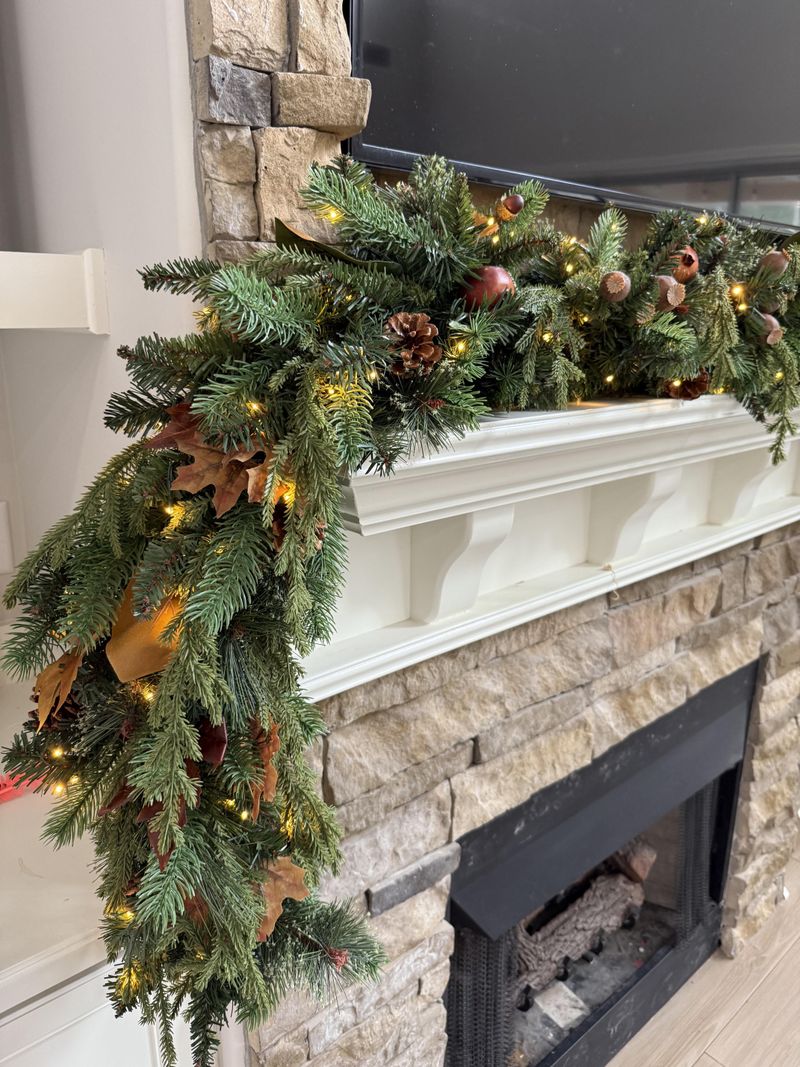
Long garlands made from fresh evergreen boughs need special care to prevent them from drying out unevenly along their considerable length during storage.
Wrapping your garland loosely in damp towels creates a humid microenvironment that keeps needles hydrated without causing waterlogged conditions that promote rot.
Using clean cotton towels works better than synthetic materials because natural fibers hold moisture more evenly and allow some air circulation around branches.
Your Minnesota Garden Changes Every Week. Your Plan Should Too.
Gardening in Minnesota changes quickly throughout the season. Every Friday you’ll receive a simple weekly plan showing exactly what to plant, prune, fertilize, harvest, and protect so you never miss the right timing.
Minnesota’s cold mudrooms or enclosed back porches make excellent spots for storing towel-wrapped garlands away from indoor heating systems that zap moisture rapidly.
Rewetting the towels every two to three days maintains consistent humidity levels and prevents the fabric from becoming completely dry and ineffective.
Avoid wrapping garlands too tightly, as compressed branches can develop flat spots and lose their full, fluffy appearance when you unwrap them later.
Laying the wrapped garland flat on a clean surface rather than coiling it prevents kinks and helps maintain its natural drape for hanging later.
This method preserves color, scent, and flexibility remarkably well, letting your garland look just as beautiful on New Year’s Eve as it did.
4. Use Snow Banks as Natural Refrigerators
Snow provides natural insulation and maintains consistent cold temperatures that preserve holiday greenery better than many artificial storage methods available to gardeners.
Burying your evergreen branches, wreaths, or small potted trees in a snowbank creates a natural cold storage system that works beautifully throughout Minnesota winters.
Choosing a shaded location on the north side of your house or garage prevents premature melting during sunny winter days that occasionally warm up.
Marking the spot with a tall stake or brightly colored flag helps you locate your buried greenery easily when snow accumulations become deep.
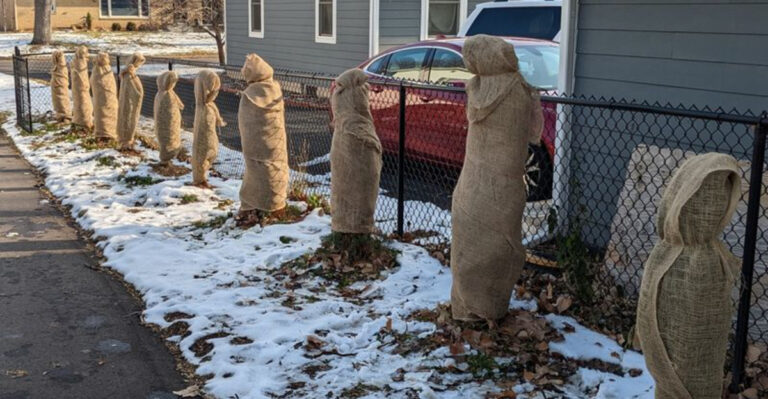
Wrapping items in burlap before burying them provides extra protection and makes retrieval cleaner and easier when you need your decorations for New Year’s.
This traditional method has been used by Minnesota gardeners for generations and works especially well for larger items that won’t fit in indoor spaces.
Snow storage keeps greenery frozen in a state of suspended animation, preventing both drying and decay until you’re ready to bring it back inside.
Just remember to retrieve your greenery a few hours before decorating to allow branches to thaw gradually and regain their natural flexibility.
5. Place Greenery in Plastic Bags with Air Holes

Creating a modified atmosphere around your holiday greenery helps balance moisture retention with necessary air circulation to prevent mold and maintain freshness effectively.
Large plastic bags with several small holes punched throughout allow just enough air exchange while trapping humidity that keeps needles from drying out.
Lightly misting the greenery before sealing it in the perforated bag adds initial moisture that will slowly release over the storage period ahead.
Minnesota gardeners should store these bags in unheated spaces where temperatures stay cold but don’t drop low enough to actually freeze the greenery solid.
Checking bags every few days lets you monitor moisture levels and add a light misting if the branches start feeling dry to touch.
Avoid using completely sealed bags without any ventilation, as trapped moisture combined with even cool temperatures can lead to fungal growth problems.
This method works particularly well for smaller bundles of greenery that you plan to use for table centerpieces or smaller decorative arrangements later.
The bags also keep your storage area cleaner by catching falling needles and containing the fresh pine scent until you’re ready to enjoy it.
6. Refrigerate Small Bundles in Crisper Drawers
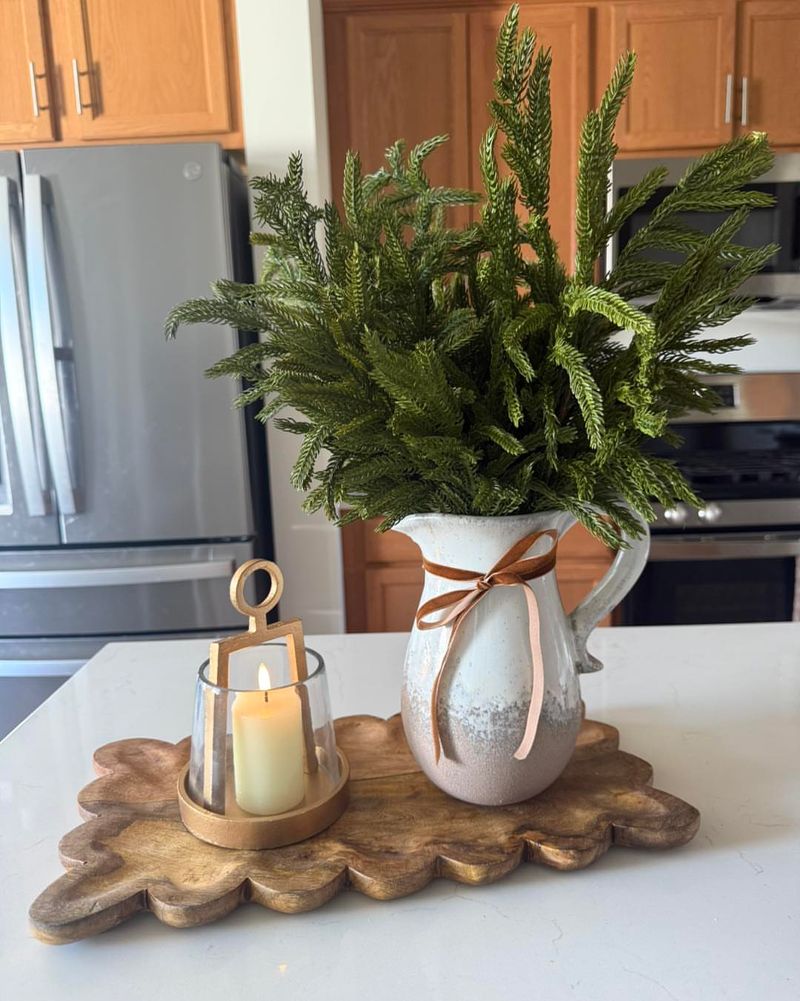
Your refrigerator’s crisper drawer provides precisely controlled cold temperatures and humidity levels that work wonders for preserving small amounts of holiday greenery perfectly.
Wrapping small evergreen bundles, individual sprigs, or special decorative pieces in damp paper towels before refrigerating them prevents moisture loss and wilting issues.
Placing the wrapped greenery inside a partially open plastic bag adds an extra layer of humidity control without creating the suffocating environment of sealed storage.
Minnesota families can use this method for special pieces they want to keep in pristine condition for New Year’s centerpieces or important holiday gatherings.
Keeping greenery away from fruits like apples and pears is important because these produce ethylene gas that accelerates aging in cut plant materials.
Checking your stored greenery every few days and rewetting the paper towels as needed maintains optimal moisture levels throughout the extended storage period.
This technique works especially well for delicate items like holly with berries, boxwood sprigs, or variegated evergreens that show browning more obviously than others.
The controlled environment of a refrigerator can keep small greenery bundles looking absolutely fresh for three to four weeks with proper care and attention.
7. Spray with Anti-Desiccant Products

Anti-desiccant sprays create an invisible protective coating on needles and leaves that dramatically reduces moisture loss through plant surfaces during indoor display or storage.
Garden centers throughout Minnesota carry these products specifically designed for Christmas trees and holiday greenery, often labeled as anti-transpirants or wilt-proofers for easy identification.
Applying the spray outdoors or in a well-ventilated garage prevents indoor air quality issues and allows the coating to dry properly before bringing greenery inside.
Holding the spray bottle about twelve inches from the greenery and applying a light, even coat to all surfaces provides the best protection results.
Allowing the treated greenery to dry completely for several hours before storage or display ensures the protective coating bonds properly to needle surfaces.
Reapplying the anti-desiccant every ten to fourteen days maintains protection throughout the extended holiday season that runs from Thanksgiving through New Year’s Day.
This method works beautifully when combined with other storage techniques like cool temperatures or moisture maintenance for maximum greenery preservation and longevity.
Many Minnesota gardeners swear by this approach for keeping outdoor wreaths and door decorations looking fresh despite harsh winter winds and temperature fluctuations.
8. Submerge Greenery in Cold Water Overnight
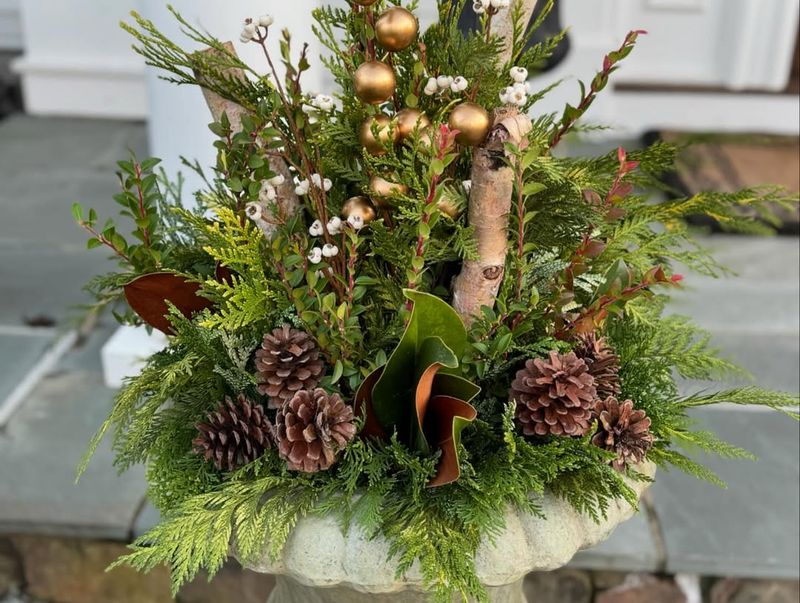
Completely submerging evergreen branches in cold water overnight provides an intensive rehydration treatment that can revive slightly dried greenery remarkably well and effectively.
Using a large plastic storage tub, clean garbage can, or even a bathtub allows you to fully immerse longer branches and larger pieces simultaneously.
Cold tap water works perfectly for this purpose, and Minnesota’s naturally cold winter water temperatures provide ideal conditions without needing to add ice cubes.
Weighing down floating branches with a clean brick or heavy plate ensures complete submersion and maximum water contact with all needle surfaces overnight.
Limiting soaking time to eight to twelve hours prevents over-saturation that can actually damage plant tissues and cause needles to fall off prematurely later.
Shaking off excess water and allowing branches to air-dry for about an hour after soaking prevents dripping when you return them to storage areas.
This technique works wonderfully as a refresher treatment midway through the holiday season or right before you need greenery for New Year’s decorating projects.
Many Minnesota gardeners use this method to rescue greenery that dried out more quickly than expected and successfully restore its fresh appearance completely.