The Zero Waste Christmas Garden Decor Trend Gaining Popularity In Massachusetts

Massachusetts gardens are getting a festive twist this year as zero waste Christmas decor starts popping up in yards and on porches.
Gardeners are crafting beautiful holiday displays using natural, upcycled, and foraged materials that feel good for the planet and look amazing to friends and neighbors.
This trend is turning old branches, pine cones, and leftover seed pods into seasonal eye candy that makes the whole neighborhood smile.
Many Massachusetts gardeners enjoy how these decorations return to the soil after the holidays, leaving nothing behind except healthier beds and fewer trash bags.
It feels good knowing holiday cheer can come straight from the garden and quietly slip back into nature once the season ends.
1. Why Massachusetts Gardeners Are Rethinking Traditional Holiday Decor
Plastic ornaments and synthetic garlands might sparkle brightly, but they leave behind environmental problems that last for generations in landfills across Massachusetts.
Many gardeners across the state now realize that traditional decorations contribute to pollution, harm wildlife, and waste money on items used just once.
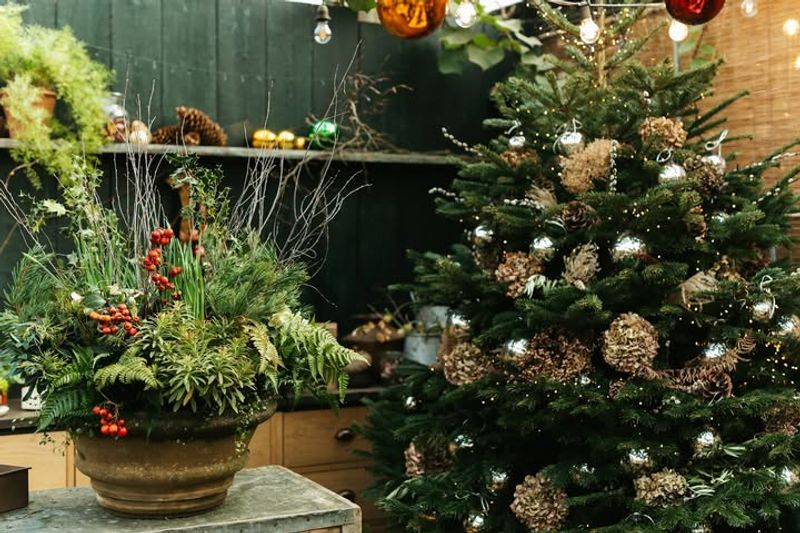
Natural materials like pine cones, twigs, and dried flowers offer beauty without creating trash that stays in the ground for hundreds of years.
Families in Massachusetts are choosing decorations that align with their values of protecting local ecosystems and reducing their carbon footprint during festive seasons.
Switching to zero waste decor saves money because most materials come free from yards, parks, or nearby woodlands throughout the Massachusetts region.
Children learn important lessons about sustainability when they help gather branches, berries, and other natural items for holiday decorating projects at home.
Community groups in Massachusetts host workshops teaching neighbors how to create beautiful outdoor displays using only compostable materials found in local environments.
This shift toward eco-friendly decorating reflects a growing awareness that small choices during holidays can make significant differences for our planet’s future health.
Gardeners find that these natural displays feel more personal and meaningful than store-bought decor designed for mass consumption.
Over time, zero waste traditions often become cherished rituals that families look forward to repeating each holiday season.
2. How Natural Materials Replace Plastic Decorations In Gardens
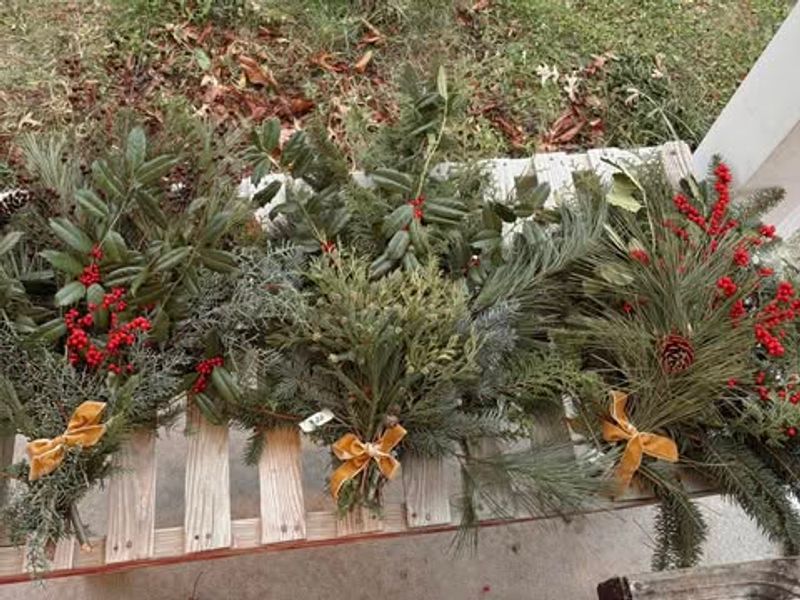
Evergreen branches from pine, spruce, and fir trees provide classic holiday greenery that smells wonderful and breaks down naturally after the season ends.
Holly branches with bright red berries add pops of festive color while providing food sources for birds that stay in Massachusetts throughout winter months.
Birch bark strips tied with natural twine create rustic bows and accents that look charming on garden gates, mailboxes, and fence posts statewide.
Dried hydrangea blooms in shades of cream, pink, and burgundy offer elegant texture that holds up beautifully through snow and cold weather patterns.
Ornamental grasses like miscanthus and switchgrass wave gracefully in winter winds, adding movement and interest to garden beds throughout Massachusetts neighborhoods.
Pine cones collected from local parks make excellent ornaments when hung with hemp string or tucked into wreaths made from flexible willow branches.
Seed pods from plants like milkweed, lotus, and poppy add unique shapes and textures that create visual interest without any plastic components.
Your Massachusetts Garden Changes Every Week. Your Plan Should Too.
Gardening in Massachusetts changes quickly throughout the season. Every Friday you’ll receive a simple weekly plan showing exactly what to plant, prune, fertilize, harvest, and protect so you never miss the right timing.
Massachusetts gardeners find creative substitutes for every traditional decoration, proving that nature provides everything needed for beautiful, responsible holiday displays outdoors.
3. Using Pruned Branches And Fallen Greens As Seasonal Decor
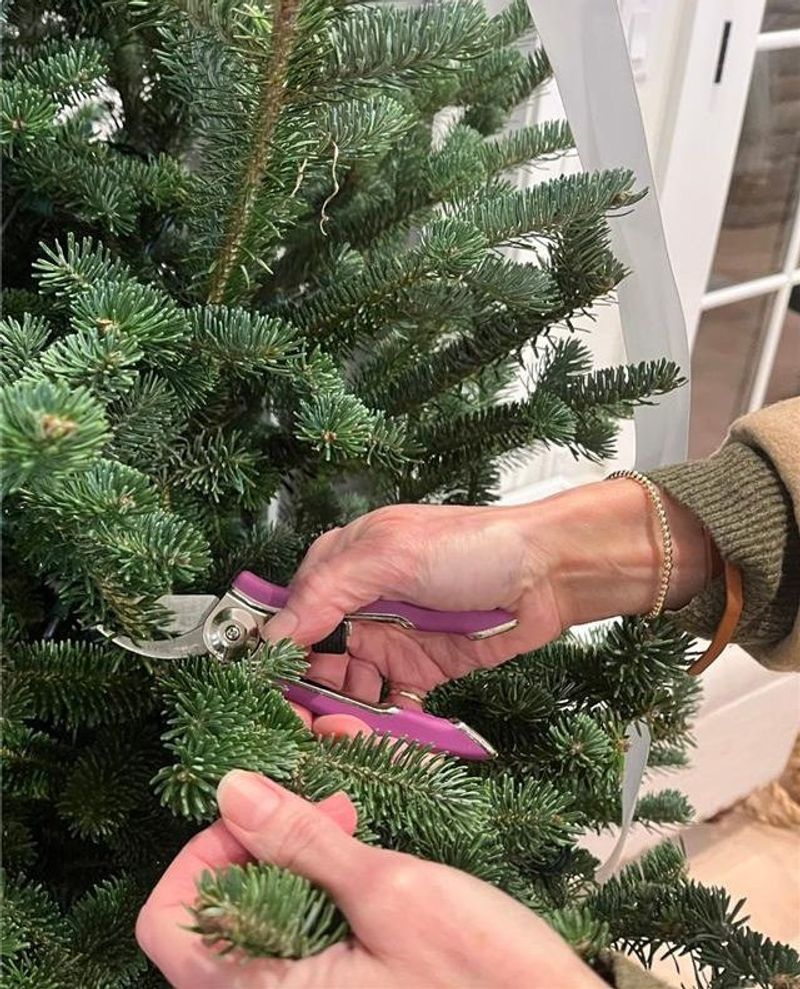
Winter pruning creates an abundance of branches that would normally go to compost bins, but they make perfect material for holiday decorating projects.
Evergreen trimmings from shrubs and trees fill the air with fresh scent while adding lush greenery to porches, railings, and garden structures statewide.
Fallen branches after storms provide interesting shapes and textures that cost nothing and would otherwise become yard waste in Massachusetts communities everywhere.
Flexible willow or dogwood branches can be woven into wreaths, garlands, or basket shapes that look professionally made with just a little practice.
Birch branches with their distinctive white bark create striking vertical accents when bundled together and placed in large pots near entryways across Massachusetts.
Pruned fruit tree branches with interesting twists and curves become sculptural elements that add artistic flair to outdoor spaces during holiday celebrations statewide.
Gathering materials from your own yard ensures decorations match your garden’s natural style and eliminates the need for shopping trips to stores.
Massachusetts residents appreciate that using pruned branches serves two purposes: maintaining healthy plants while creating festive decorations that celebrate the season sustainably.
These natural decorations blend seamlessly with winter landscapes, making outdoor displays feel grounded and authentic rather than overly staged.
Using what the garden already provides turns routine maintenance into a creative tradition that feels both practical and meaningful year after year.
4. Why Dried Plants And Seed Heads Are Back In Style
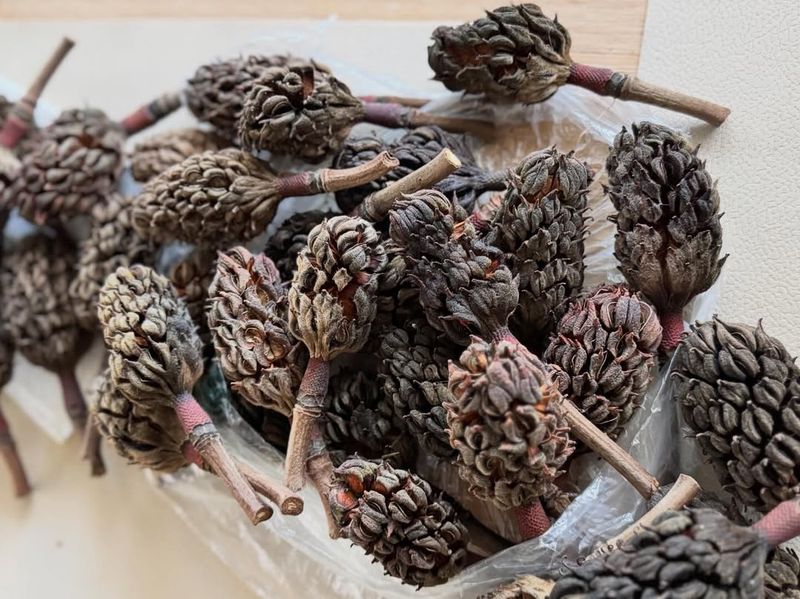
Dried flowers and seed heads capture attention with their sculptural beauty, interesting textures, and earthy tones that complement winter landscapes perfectly across Massachusetts.
Leaving perennials standing through fall provides natural decorations that require zero effort while supporting beneficial insects that overwinter in hollow plant stems statewide.
Hydrangea blooms dry beautifully on the plant, transitioning from summer colors to antique shades of burgundy, tan, and mauve by December holidays.
Ornamental grasses like feather reed grass and maiden grass develop fluffy plumes that catch snow and frost, creating magical winter scenes in gardens everywhere.
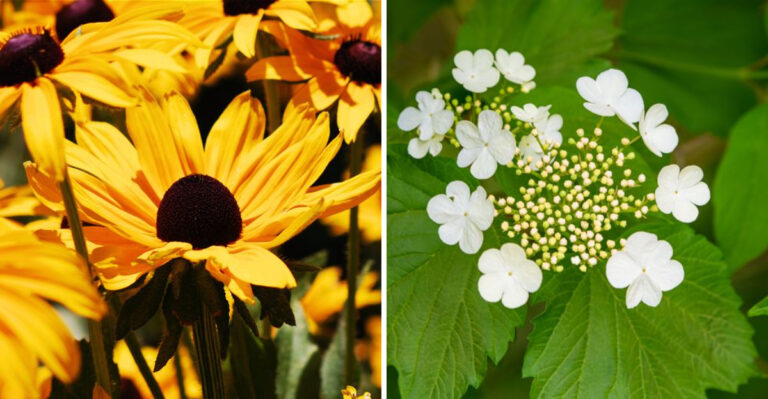
Seed heads from coneflowers, black-eyed Susans, and rudbeckia feed birds while adding vertical interest and natural ornament shapes to Massachusetts garden beds.
Allium seed pods create perfect spheres that look like organic Christmas ornaments designed by nature itself, requiring no artificial enhancements or additions whatsoever.
This trend toward appreciating dried plants reflects a shift in gardening philosophy that values year-round interest over cutting everything down each autumn.
Massachusetts gardeners discover that dried plants offer more visual appeal than bare soil, and they provide ecological benefits that support local wildlife populations.
5. Creating Outdoor Decor That Returns To The Soil After Winter
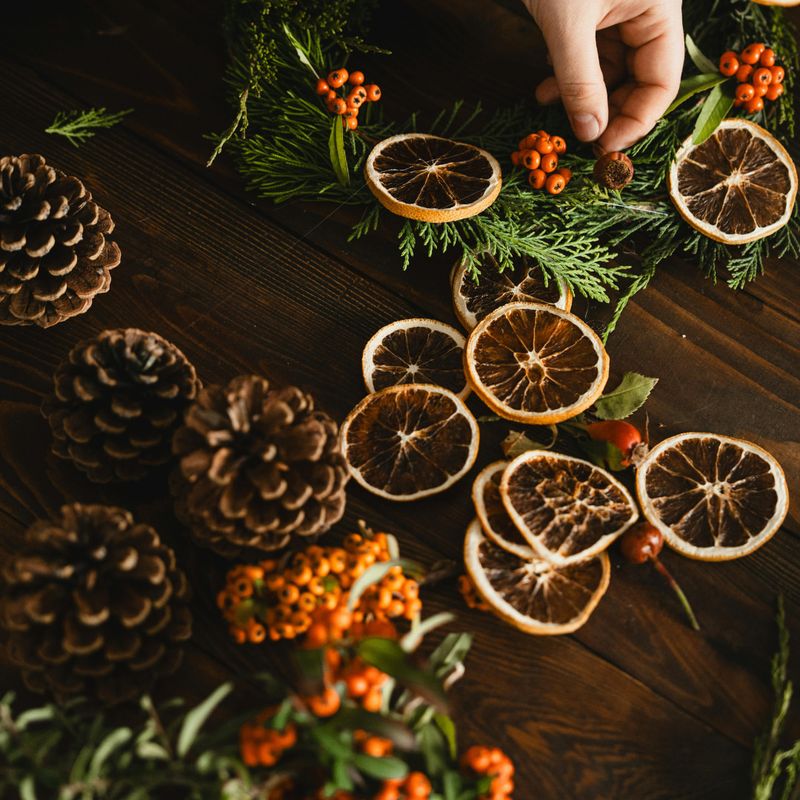
Decorations made entirely from plant materials break down naturally through composting, returning valuable nutrients back to garden soil without creating any waste.
Natural twine made from jute, hemp, or cotton fibers holds decorations together during the season, then decomposes completely when tossed into compost.
Wreaths constructed from grapevine, willow, or evergreen branches can be broken apart and added to compost bins or used as mulch throughout Massachusetts.
Garlands made from strung cranberries, popcorn, and orange slices provide festive color while offering food for wildlife before eventually biodegrading completely in gardens.
Birdseed ornaments shaped in molds become treats for feathered friends, then crumble away naturally without leaving behind any synthetic residue in soil.
Massachusetts gardeners appreciate that zero waste decorations eliminate the chore of storing bulky items in basements, attics, or sheds for eleven months.
Composting holiday decorations closes the loop, turning festive displays back into soil that nourishes next year’s garden plants in a beautiful, sustainable cycle.
This approach to decorating teaches children that materials from nature should return to nature, fostering environmental responsibility that lasts throughout their lives.
6. How Zero Waste Decor Supports Local Wildlife During Cold Months
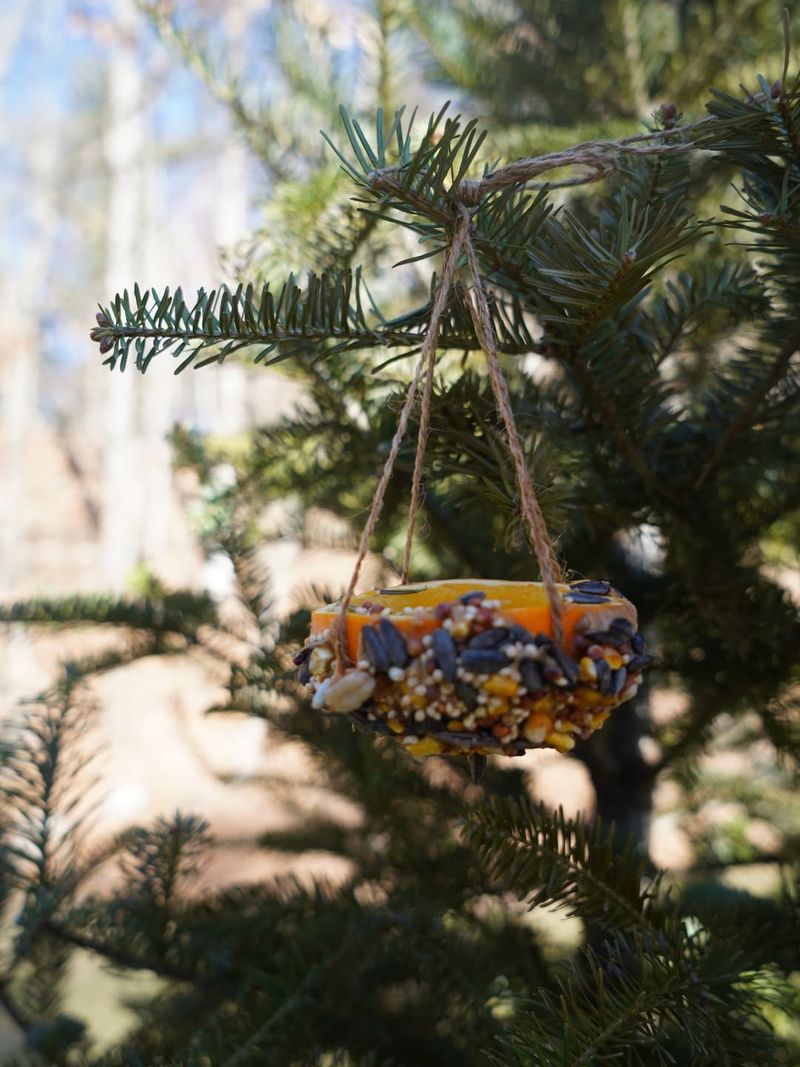
Natural decorations featuring berry-laden branches provide essential food sources for birds like cardinals, robins, and waxwings that spend winters in Massachusetts regions.
Seed heads left standing on perennials offer nutrition for finches, sparrows, and juncos when other food sources become scarce under snow and ice.
Evergreen boughs arranged near feeders create shelter where small birds can hide from predators while staying warm during harsh winter weather across Massachusetts.
Pine cones smeared with peanut butter and rolled in birdseed become ornaments that feed woodpeckers, nuthatches, and chickadees throughout the entire holiday season.
Brush piles made from pruned branches provide habitat for rabbits, chipmunks, and beneficial insects that need protection from cold temperatures and winter storms.
Natural materials avoid the dangers that plastic decorations pose when wildlife becomes tangled in synthetic strings, netting, or ribbons used in traditional displays.
Massachusetts gardeners feel good knowing their holiday decorations serve dual purposes: creating beauty while helping local creatures survive challenging months of winter weather.
This wildlife-friendly approach to decorating strengthens connections between people and nature, reminding us that gardens are ecosystems supporting life beyond our own enjoyment.
7. Simple Decorating Habits That Reduce Holiday Garden Waste
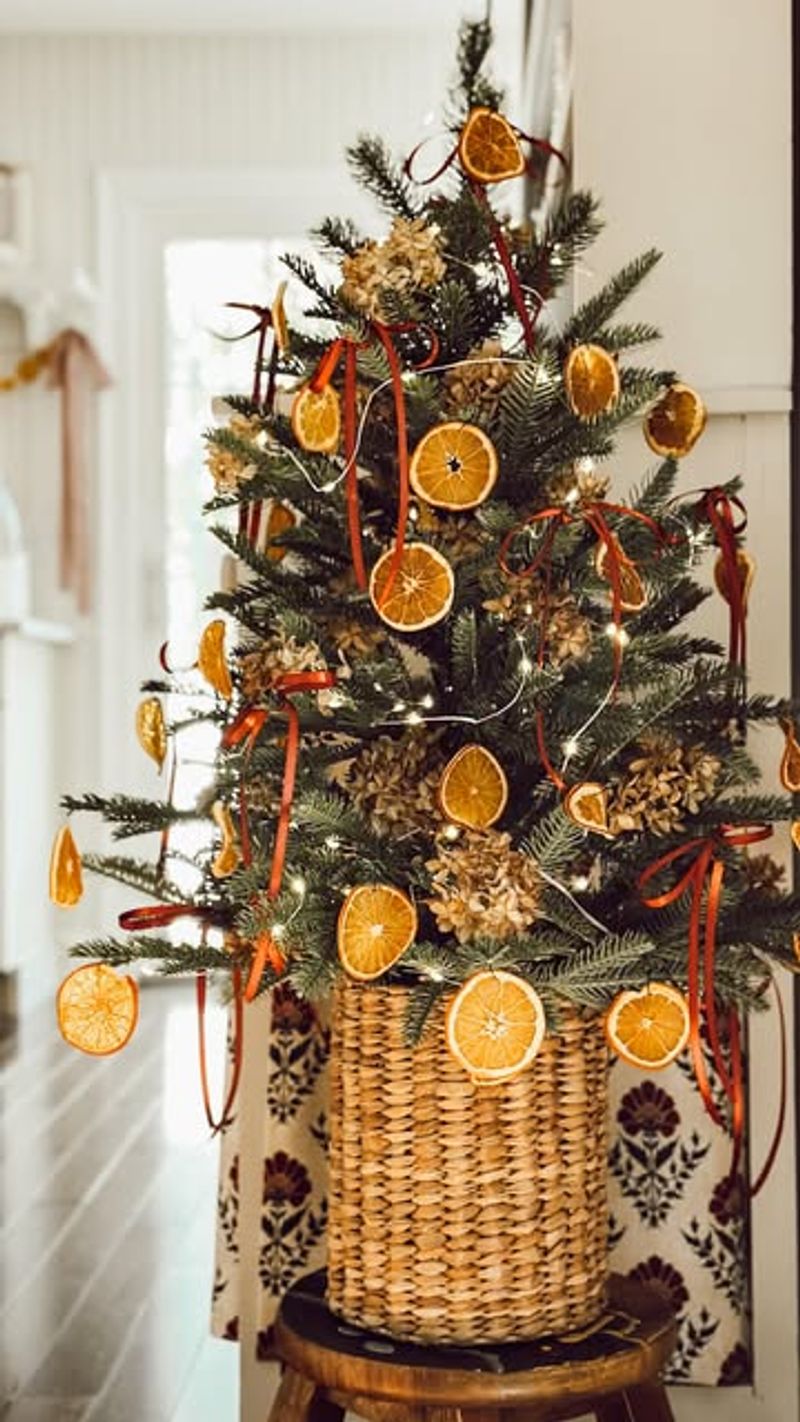
Starting small with just one or two natural decorations helps beginners build confidence before tackling larger projects that require more time and materials.
Collecting materials during regular garden walks eliminates special trips and helps you notice the abundance of decorating supplies already available in your Massachusetts yard.
Choosing decorations that serve multiple purposes, like bird feeders that look festive, maximizes value while minimizing effort and resources needed for holiday displays.
Skipping the urge to buy new items each year breaks the consumption cycle that creates waste, saves money, and reduces environmental impact significantly.
Involving family members in gathering and creating decorations builds traditions that emphasize creativity over consumption and time together over shopping trips to stores.
Keeping decorating plans simple prevents overwhelm and ensures that the process remains enjoyable rather than becoming another stressful task on holiday to-do lists.
Massachusetts families discover that handmade natural decorations often become more meaningful than store-bought items because they represent time, creativity, and shared experiences together.
These simple habits shift focus from perfection to participation, creating holiday memories while protecting the environment for future generations across the entire state.