The One Sign A Coyote Passed Through Your Kentucky Yard Without You Noticing
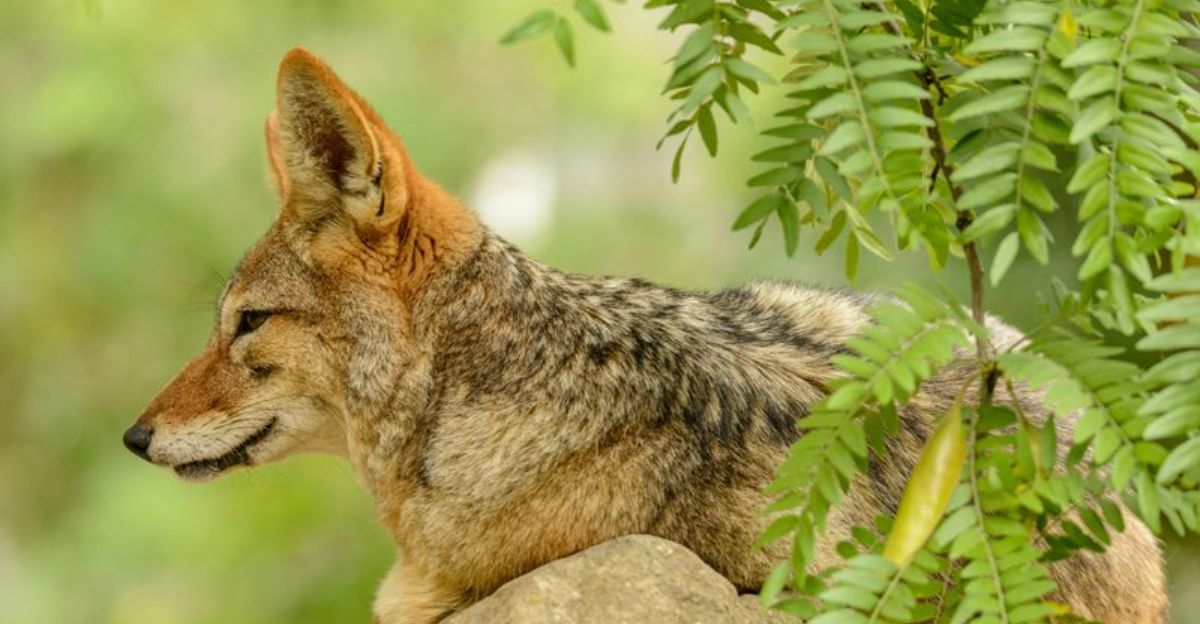
Coyotes are far more common in Kentucky than many homeowners realize.
While people often associate them with remote farmland or deep woods, these adaptable predators regularly move through suburban neighborhoods, small towns, and even the edges of larger cities.
What surprises most residents isn’t that coyotes exist nearby—it’s how easily they pass through without being seen, heard, or noticed at all.
Unlike deer or raccoons, coyotes are experts at staying invisible.
They travel mostly at night, avoid human activity, and use natural corridors like fence lines, creeks, and wooded strips to move efficiently from one area to another.
Many homeowners assume they would hear loud howling or catch a glimpse of a coyote if one were nearby, but in reality, most coyotes slip through silently and leave before dawn.
Because sightings are rare, the most reliable evidence of a coyote’s presence isn’t a sound or a shadow—it’s what they leave behind.
Coyotes communicate with scent, and one subtle sign almost always gives them away.
Unfortunately, it’s also the sign most people ignore or misidentify.
Recognizing it can help you understand what’s really moving through your yard after dark, protect pets, and avoid being caught off guard by wildlife activity you didn’t realize was happening.
Mistaking Coyote Scat For Dog Waste And Ignoring It
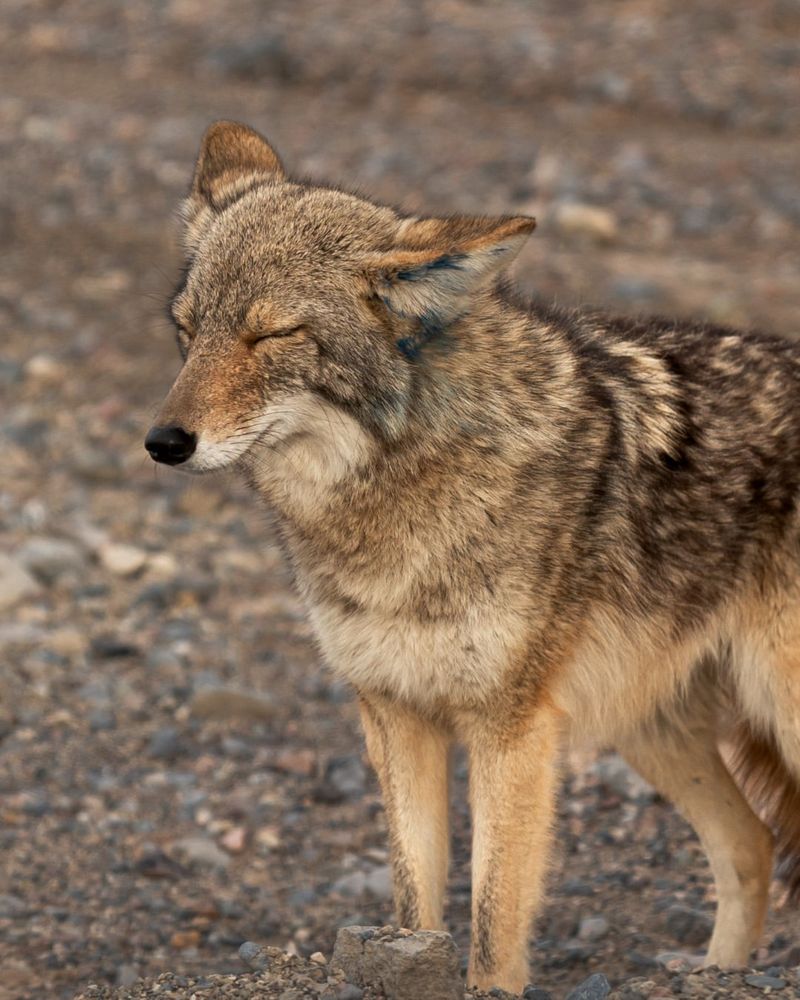
Most Kentucky homeowners walk right past coyote droppings, assuming their neighbor’s dog left an unwelcome gift during an evening stroll around the block.
This assumption is understandable, especially in neighborhoods where dogs are walked regularly and pet waste is common.
However, this simple mistake is one of the main reasons coyotes go unnoticed in residential areas.
Coyote scat looks different from typical dog waste once you know what details separate wild canine evidence from domestic pet leftovers.
The droppings often contain fur, small bones, berry seeds, and insect parts that reflect the coyote’s varied diet across different Kentucky seasons.
Coyotes are opportunistic feeders and eat whatever food sources are available throughout the year.
A twisted, rope-like appearance distinguishes coyote scat from the more uniform piles left by dogs eating commercial kibble every single day.
Unlike dog waste, which is usually blunt-ended and consistent in shape, coyote scat often has tapered ends.
Size matters too, since coyote droppings measure about three to four inches long and roughly three-quarters of an inch in diameter typically.
Color ranges from dark brown to grayish depending on recent meals.
The texture appears more fibrous than standard dog waste due to undigested hair and bone fragments.
Coyotes often leave scat in visible locations like pathways, driveways, or lawn edges to mark territory and communicate with other animals.
This placement is intentional rather than random.
Finding this evidence means a coyote passed through recently.
Most of these visits occur during nighttime hours when human activity drops and wildlife feels safer moving through residential areas.
The Subtle Clue Most Homeowners Mistake For Dog Waste
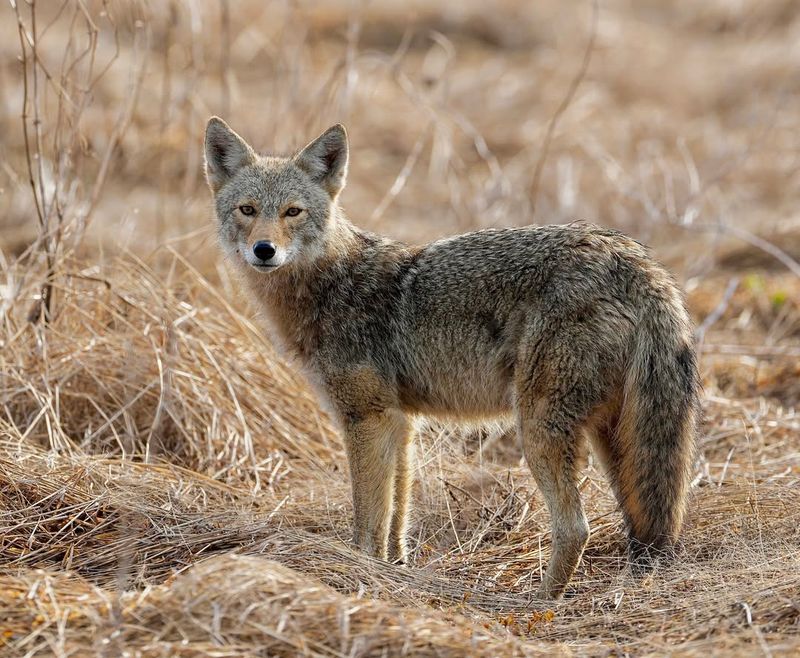
Picking up what seems like dog mess from your Kentucky lawn might actually mean you just handled evidence of a nighttime visitor.
Your Kentucky Garden Changes Every Week. Your Plan Should Too.
Gardening in Kentucky changes quickly throughout the season. Every Friday you’ll receive a simple weekly plan showing exactly what to plant, prune, fertilize, harvest, and protect so you never miss the right timing.
Coyote scat gets overlooked constantly because busy homeowners expect neighborhood dogs, not wild predators, to leave droppings behind in residential areas.
The key difference lies in what you see inside the droppings when you look closely at the contents and overall composition.
Dog waste from pets eating processed food appears smoother, more consistent, and lacks the wild texture coyote scat displays so clearly.
Coyote droppings reveal an opportunistic diet including small mammals, insects, fruits, and whatever else Kentucky’s landscape offers throughout changing seasons each year.
You might spot hair tufts, tiny bone fragments, or seed clusters poking through the surface of authentic coyote scat in your yard.
These materials are not typically found in dog waste.
This biological calling card gets deposited intentionally in open spots where other animals will notice it.
Coyotes use this method to establish territorial boundaries and communicate their presence without making noise.
Recognizing this subtle clue transforms your understanding of which creatures actually wander through your property when darkness falls across the neighborhood.
It also helps explain why coyotes can live so close to people without being detected.
Where Coyotes Are Most Likely To Leave This Sign
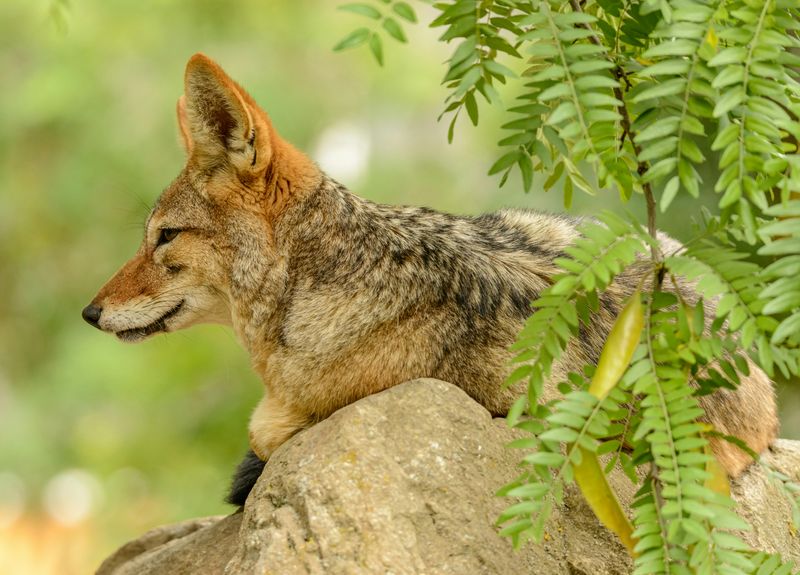
Coyotes choose specific locations to deposit scat, selecting spots that maximize visibility to other animals while traveling through Kentucky residential neighborhoods nightly.
Fence lines attract coyotes because these boundaries create natural pathways connecting different yards, parks, and wooded areas across suburban developments and communities.
Garden edges and landscaping borders also receive frequent visits since coyotes patrol perimeters while hunting for rabbits, mice, and other small prey.
Driveways, sidewalks, and paved surfaces get marked regularly because the hard surfaces make scat more noticeable to other wildlife passing through later.
Coyotes are more likely to mark areas that other animals frequently use.
Elevated spots like small hills, rock outcroppings, or raised garden beds become favorite marking locations for territorial communication among competing coyote groups.
Height helps spread scent farther and makes the marking easier to detect.
Near water sources such as birdbaths, ponds, or drainage areas, coyotes often leave evidence since these spots attract prey animals they hunt.
Pathway intersections where multiple routes cross create prime marking territory.
These locations help coyotes establish dominance and communicate travel patterns to other animals nearby.
Checking these specific locations regularly helps Kentucky homeowners monitor wildlife activity.
This awareness makes it easier to understand how often coyotes actually visit a property undetected.
How To Tell A Passing Coyote From A Resident One
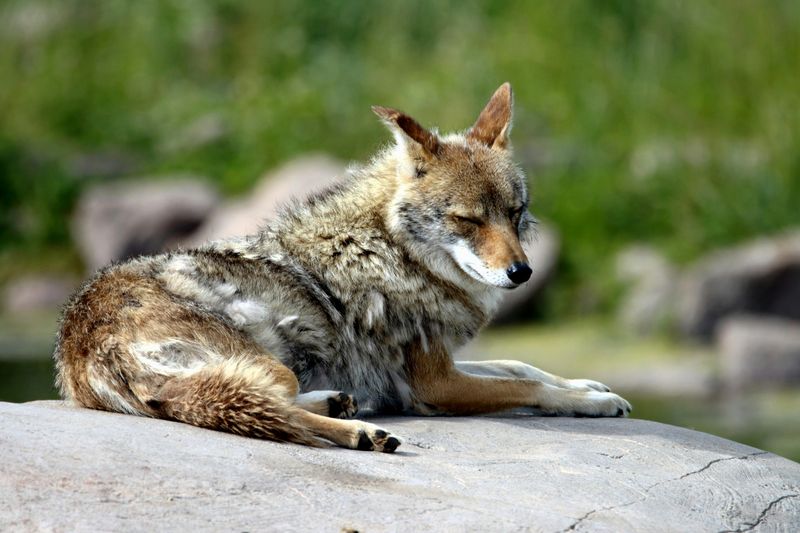
A single scat deposit usually indicates a coyote simply passed through your Kentucky yard while traveling between hunting grounds or returning to dens.
Passing coyotes use residential properties as temporary travel routes rather than permanent territory.
Multiple droppings scattered across different locations suggest territorial marking behavior, meaning a coyote considers your property part of its regular hunting range.
Fresh scat appearing weekly or even daily signals a resident coyote has established your neighborhood as part of its permanent territory and routine.
Passing coyotes leave evidence sporadically, with weeks or even months between visits.
Resident coyotes create visible patterns that are easy to recognize over time.
They repeatedly mark the same fence posts, corners, garden edges, and elevated spots to reinforce territorial claims against competing animals.
Track patterns accompanying scat provide additional clues about long-term activity.
Resident coyotes leave more trails, flattened grass, and disturbed areas from regular hunting and patrolling activities.
Seasonal changes affect how frequently coyotes visit and mark territory.
Coyotes often expand their territories during breeding season, which leads to more frequent marking behavior.
When raising pups, coyotes may contract their range and focus activity closer to established den sites.
Monitoring the frequency and location of scat over several weeks helps determine whether your Kentucky property hosts occasional visitors or supports a resident coyote population.
What This Sign Says About Your Neighborhood
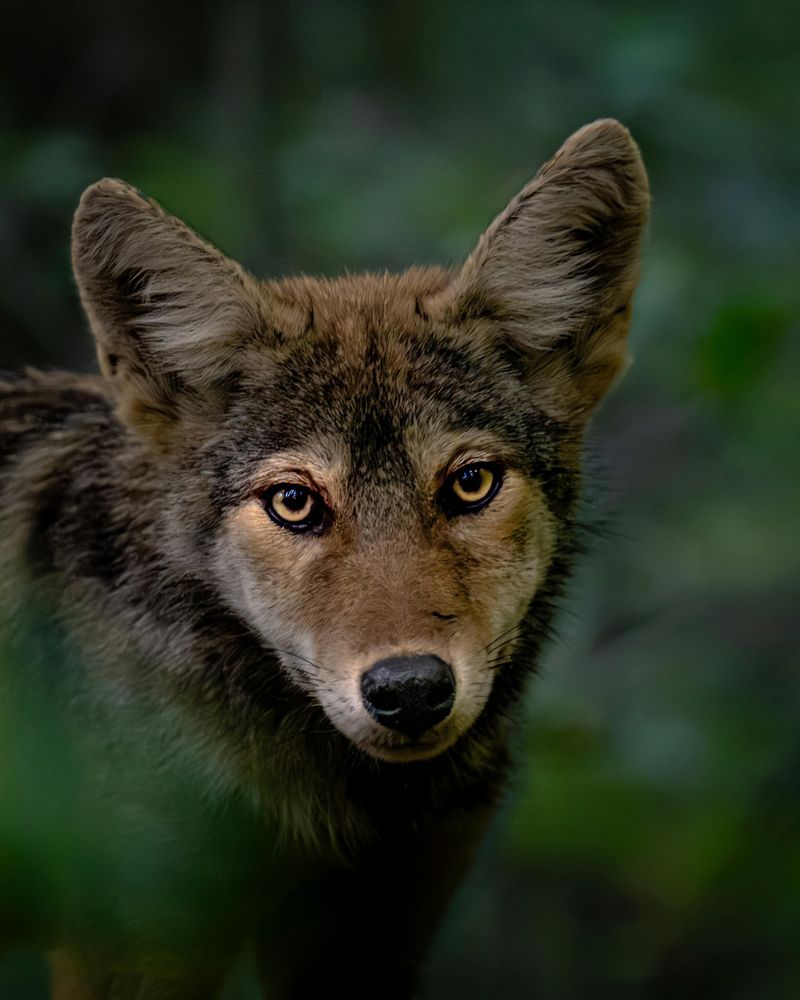
Finding coyote scat in your Kentucky yard reveals important information about local wildlife populations and habitat conditions.
Neighborhoods with regular coyote activity typically support abundant prey animals such as rabbits, squirrels, mice, and rats.
These prey species provide a consistent food source that allows coyotes to survive year-round.
Green spaces, wooded corridors, and undeveloped lots create natural travel routes that connect different areas.
Coyotes use these corridors to move safely through neighborhoods with minimal human contact.
Bird feeders, unsecured garbage, outdoor pet food, and compost piles attract rodents.
Increased rodent activity often leads to increased predator presence.
Communities near parks, creeks, farmland, or agricultural edges experience more frequent coyote visits.
These areas provide ideal conditions for hunting and denning.
The presence of coyote evidence suggests your neighborhood maintains enough natural features to support mid-level predators.
Regular scat deposits indicate coyotes feel comfortable navigating the area.
They view the neighborhood as relatively safe rather than dangerous or hostile.
Understanding these patterns helps residents make informed decisions about pet safety and property management.
It also supports balanced wildlife coexistence rather than fear-based reactions.
Why Coyotes Leave This Sign Instead Of Making Noise
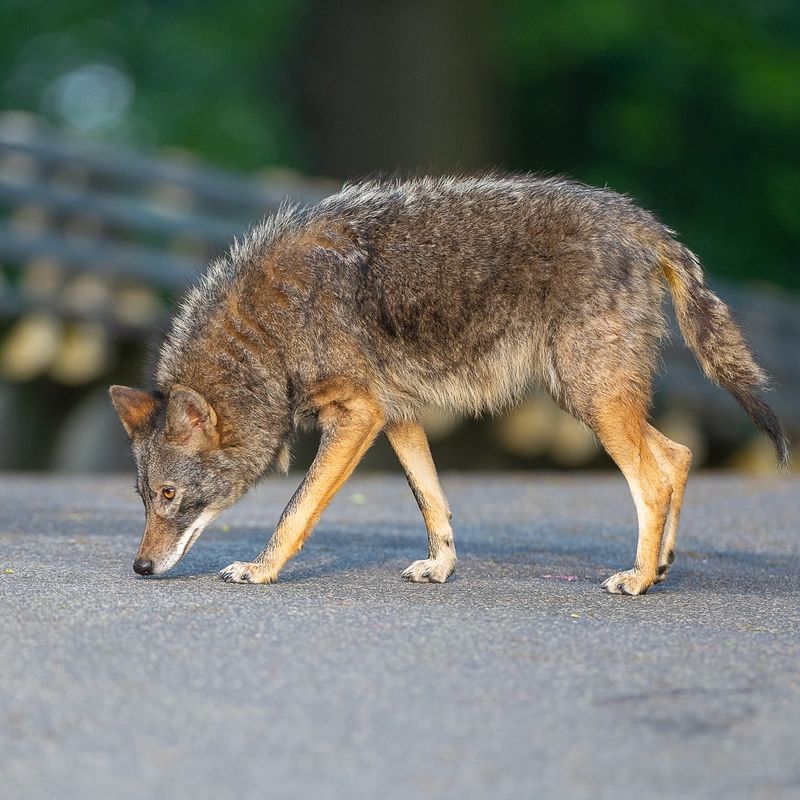
Many homeowners assume that coyotes would make their presence obvious through howling or vocal sounds, but in neighborhoods and suburban areas, coyotes deliberately avoid drawing attention to themselves.
Coyotes are highly adaptable animals that change their behavior based on perceived risk, and in areas where people, vehicles, and pets are common, staying quiet greatly reduces the chance of conflict.
Howling is most often used for long-distance communication in rural or undeveloped areas where coyotes need to locate family members or establish territory across wide spaces.
In residential environments, vocalizing can attract unwanted attention, so coyotes rely far more heavily on scent-based communication.
Scat allows coyotes to leave detailed information behind without revealing their exact location or movement patterns.
Through scent, coyotes can communicate territory ownership, recent activity, breeding status, and social hierarchy to other coyotes passing through the area.
This system allows multiple animals to share overlapping spaces without direct encounters or aggressive confrontations.
Using scent instead of sound also allows coyotes to move efficiently through neighborhoods at night while remaining virtually invisible to nearby residents.
This behavior explains why many Kentucky homeowners never hear a single howl despite living in areas with regular coyote activity.
Understanding this silent communication strategy helps explain why scat is often the only sign a coyote leaves behind after passing through a yard.