13 Flowers, Shrubs, And Trees That Attract Songbirds To Pennsylvania Backyards
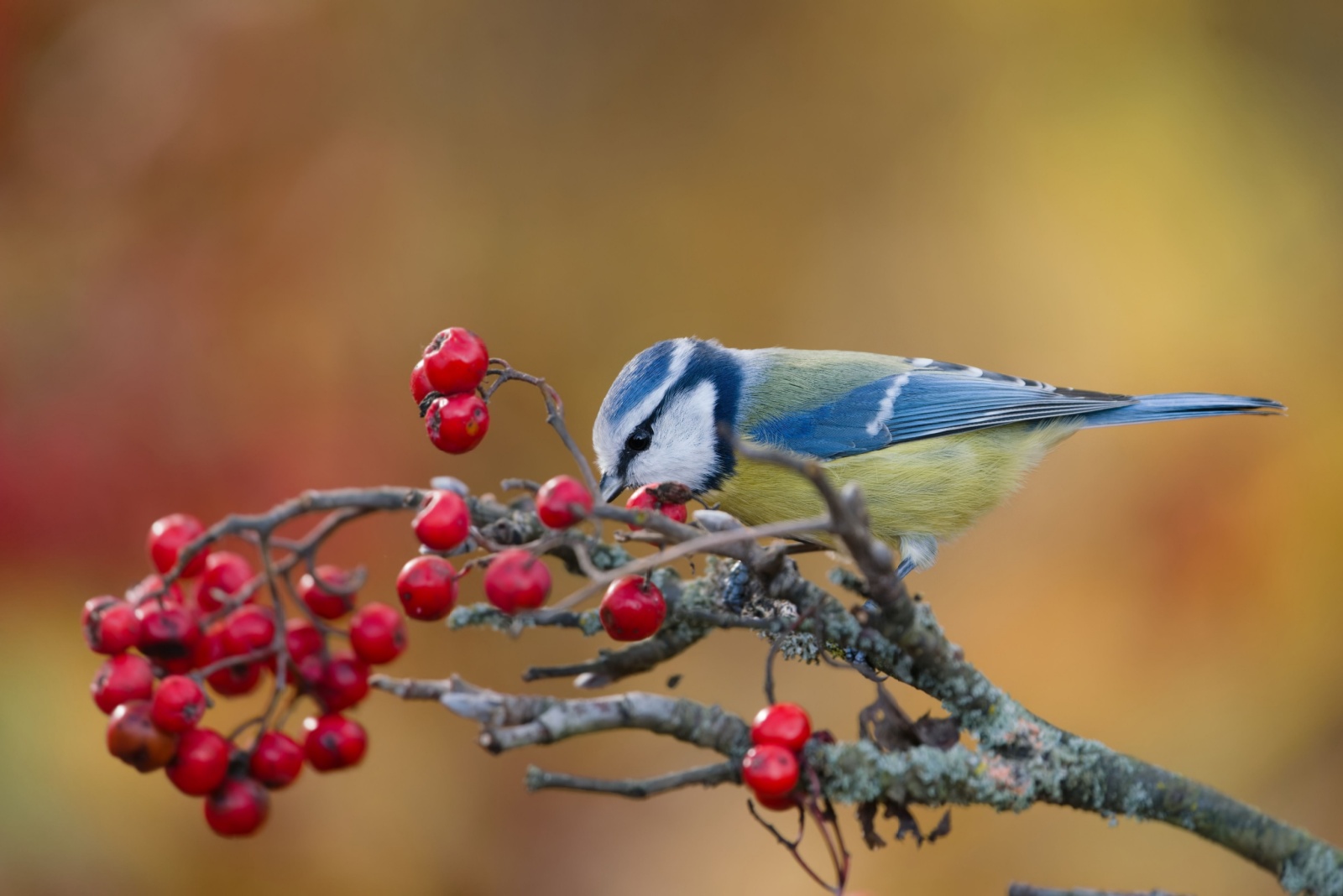
Bringing colorful songbirds into your Pennsylvania backyard creates a lively, natural space that feels alive with chirps, songs, and fluttering wings every season.
Planting native flowers, shrubs, and trees provides food, shelter, and nesting spots that songbirds need to thrive throughout the entire year in Pennsylvania.
These thirteen plants offer berries, seeds, nectar, and insects that attract cardinals, chickadees, bluebirds, warblers, and many other beautiful feathered friends to your yard.
Transforming your outdoor space into a bird-friendly haven is easier than you think when you choose the right plants for Pennsylvania’s climate.
1. Eastern Redbud
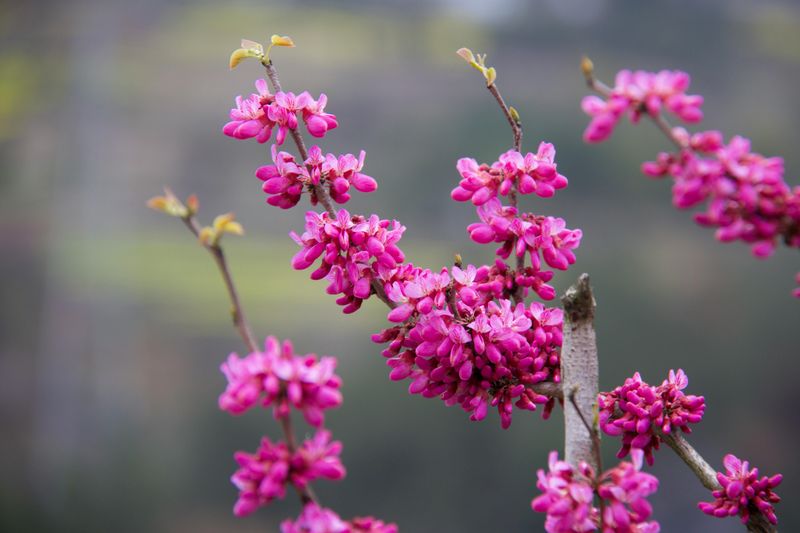
Eastern Redbud trees burst with stunning pink and purple blooms each spring, creating a breathtaking display that transforms any Pennsylvania yard into paradise.
Goldfinches, chickadees, and nuthatches flock to these native trees because they produce tiny seeds that birds absolutely love to eat during cooler months.
Pennsylvania’s climate suits Redbuds perfectly since they thrive in zones where winters are cold and summers bring moderate warmth without extreme temperatures.
Beyond their bird-attracting abilities, Redbuds offer heart-shaped leaves that provide shade and visual interest throughout the growing season in your backyard.
Planting one near a window lets you watch songbirds visit daily while they search for seeds and insects among the branches.
These trees grow to about twenty or thirty feet tall, making them ideal for smaller yards where space is limited but beauty matters.
Hummingbirds also visit Redbud flowers for nectar in early spring before many other blooms have even started to open up their petals.
Pennsylvania gardeners appreciate how low-maintenance Redbuds are once established, requiring little water or fussing to keep them healthy and productive year-round.
2. Serviceberry
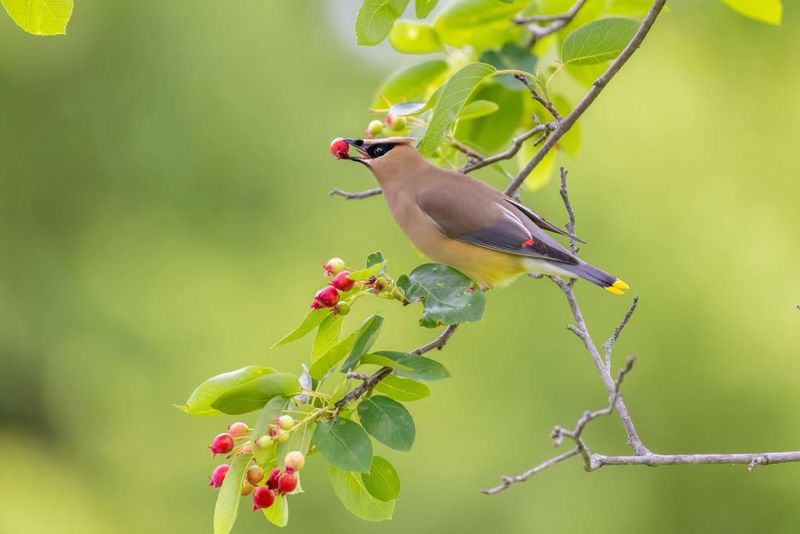
Serviceberry shrubs produce delicious purple berries that robins, catbirds, and waxwings devour quickly, often stripping branches bare within just a few days.
White spring blossoms appear before most other plants wake up, giving early-season pollinators and birds something beautiful to explore in Pennsylvania yards.
Pennsylvania’s native Serviceberry varieties handle cold winters effortlessly, making them a smart choice for gardeners who want reliable, year-round bird attractions.
Berries ripen in early summer, providing songbirds with essential nutrients right when they’re raising hungry chicks that need constant feeding throughout the day.
Humans can also enjoy these sweet berries in pies or jams, though you’ll need to harvest quickly before the birds claim them all.
Serviceberry shrubs grow between ten and twenty feet tall, fitting nicely into landscapes where you want layered plantings with varying heights and textures.
Fall foliage turns brilliant shades of orange and red, adding seasonal color that makes your Pennsylvania backyard look stunning even after berry season ends.
Planting several Serviceberry shrubs creates a bird buffet that keeps feathered visitors coming back repeatedly, establishing your yard as their favorite feeding spot.
3. Dogwood
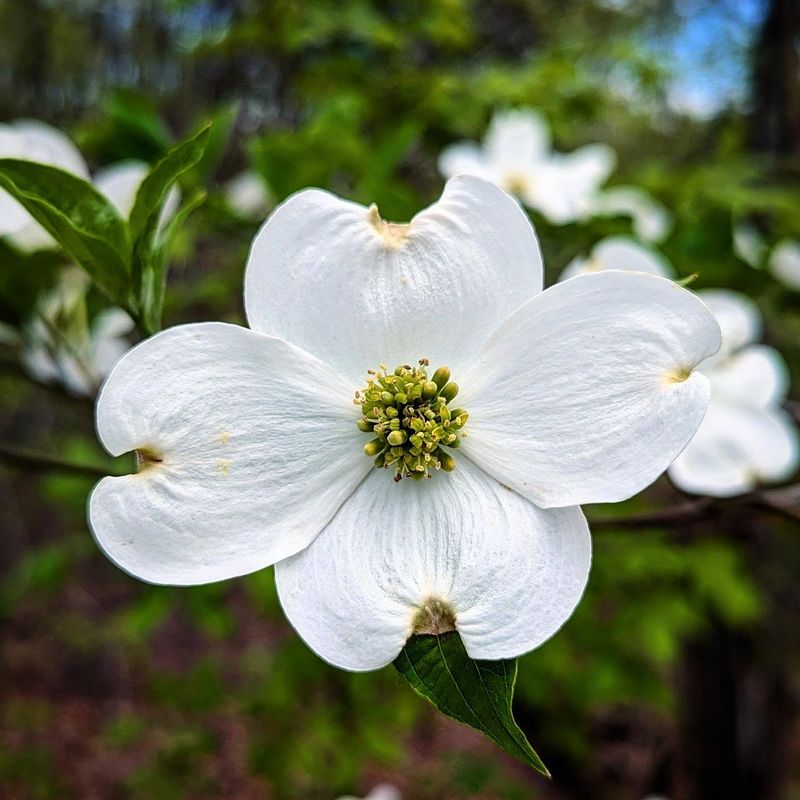
Dogwood trees offer showy white or pink spring flowers that make Pennsylvania backyards look like something out of a storybook or magazine cover.
Bright red berries appear in late summer and fall, attracting cardinals, bluebirds, and thrushes who rely on these fruits for energy and nutrition.
Your Pennsylvania Garden Changes Every Week. Your Plan Should Too.
Gardening in Pennsylvania changes quickly throughout the season. Every Friday you’ll receive a simple weekly plan showing exactly what to plant, prune, fertilize, harvest, and protect so you never miss the right timing.
Pennsylvania’s woodlands naturally feature Dogwoods, so planting one in your yard creates an environment that local songbirds already recognize and trust completely.
These trees grow to about fifteen or twenty-five feet tall, providing excellent mid-level canopy coverage where birds feel safe from predators lurking below.
Dogwood branches grow in horizontal layers, creating perfect perching spots where songbirds can rest, preen, and survey their surroundings before flying away again.
Insects that live on Dogwood leaves provide additional protein sources for warblers and other insect-eating birds during migration seasons in spring and fall.
Fall foliage turns deep burgundy red, making your Pennsylvania landscape visually stunning while continuing to offer berries for hungry birds throughout autumn months.
Planting Dogwoods in partial shade mimics their natural forest habitat, helping them thrive while creating a bird-friendly sanctuary in your Pennsylvania backyard.
4. Black-Eyed Susan
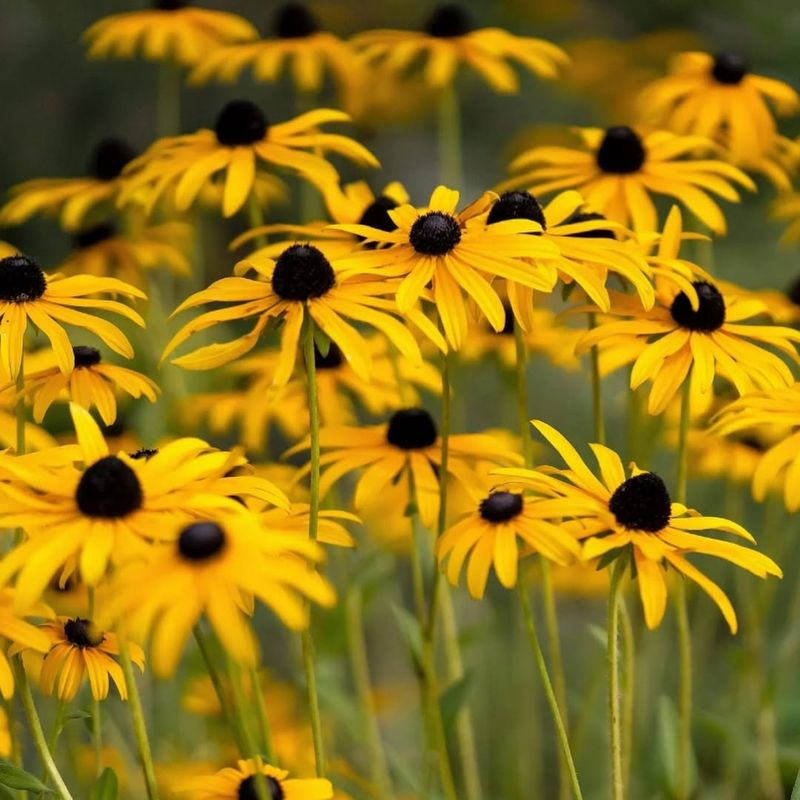
Black-Eyed Susans bring cheerful yellow blooms to Pennsylvania gardens, creating bright spots that catch your eye and attract goldfinches searching for seeds.
Goldfinches perch directly on flower heads, using their small beaks to extract nutritious seeds that fuel their energetic flights and constant activity levels.
Pennsylvania’s sunny meadows naturally feature Black-Eyed Susans, so planting them in your yard recreates the wild landscapes that native songbirds instinctively seek out.
These hardy perennials bloom from midsummer through early fall, providing a long-lasting food source when many other plants have already finished flowering completely.
Leaving seed heads standing through winter gives birds continued access to food during cold months when natural resources become scarce and difficult to find.
Black-Eyed Susans grow about two or three feet tall, creating mid-height interest in garden beds while allowing you to see visiting birds easily.
Chickadees and sparrows also visit these flowers, picking at seeds and insects that hide among the petals and stems throughout the growing season.
Pennsylvania gardeners love how drought-tolerant Black-Eyed Susans are once established, requiring minimal watering while still producing abundant blooms that songbirds absolutely adore.
5. Purple Coneflower
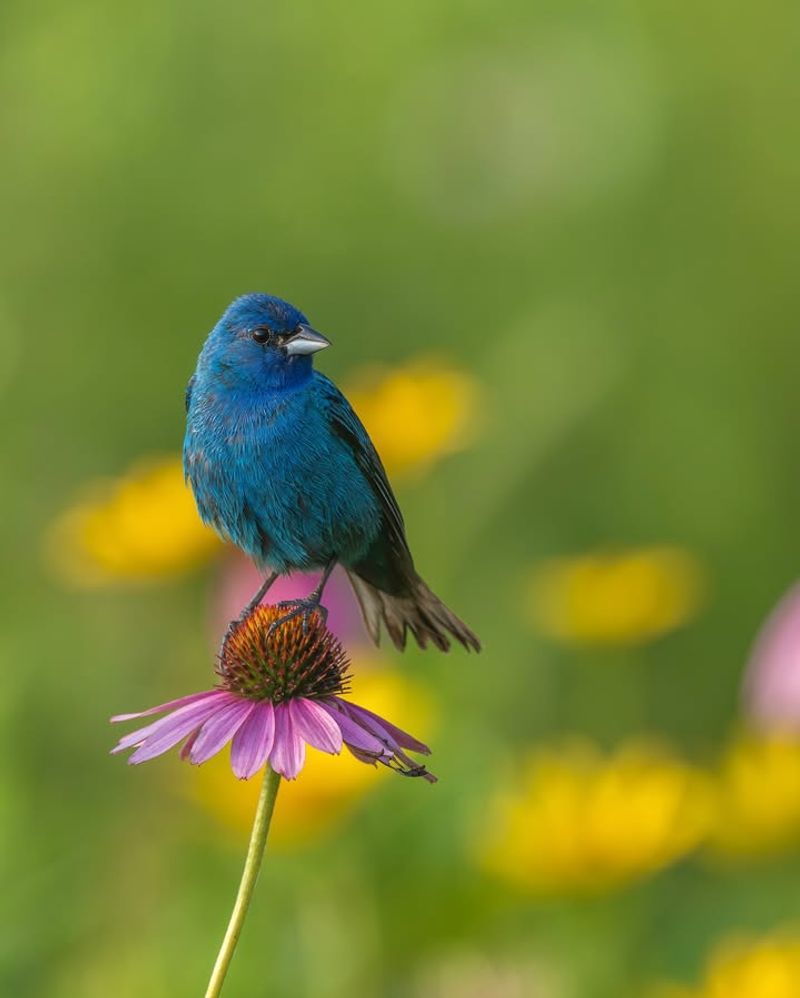
Purple Coneflowers feature striking pink-purple petals surrounding spiky center cones that goldfinches absolutely cannot resist when seeds ripen in late summer months.
Watching goldfinches cling upside-down to coneflower heads while extracting seeds provides endless entertainment for Pennsylvania homeowners who love observing bird behavior.
Pennsylvania’s native prairies once featured vast expanses of Purple Coneflowers, making them a historically accurate choice for creating authentic bird-friendly landscapes today.
These tough perennials handle heat, drought, and cold winters without complaint, thriving in Pennsylvania’s variable climate with minimal care or attention required.
Leaving dried coneflower stalks standing through winter provides food for birds and adds architectural interest to your garden when snow blankets the ground.
Purple Coneflowers grow between two and four feet tall, creating vertical elements in garden beds that draw the eye upward toward visiting songbirds.
Sparrows, juncos, and chickadees also visit coneflowers, pecking at seeds and searching for insects that hide within the dried flower structures during autumn.
Pennsylvania gardeners appreciate how Purple Coneflowers spread gradually over time, creating larger patches that attract more birds without becoming invasive or difficult to manage.
6. Sunflower
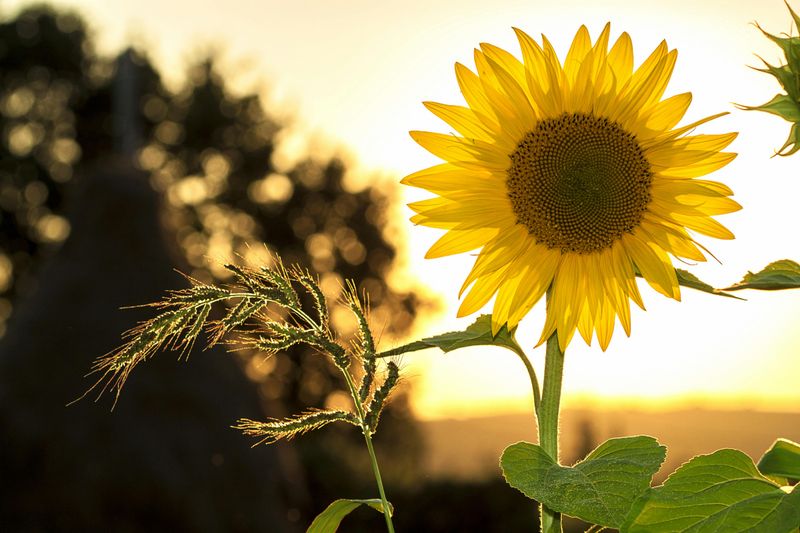
Sunflowers stand tall with giant yellow blooms that eventually transform into seed-packed heads that cardinals, finches, and jays eagerly devour throughout autumn months.
Cardinals especially love sunflower seeds, cracking open the shells with their powerful beaks while perched on fence posts or nearby branches nearby.
Pennsylvania’s warm summers provide perfect growing conditions for sunflowers, which can reach heights of six to ten feet in just one growing season.
Planting sunflowers along fence lines or garden edges creates natural bird feeding stations that require no maintenance beyond occasional watering during dry spells.
Goldfinches, chickadees, and nuthatches visit sunflower heads daily once seeds ripen, often bringing their entire families to feast on the abundant food supply.
Allowing sunflowers to dry naturally on their stalks gives birds access to seeds throughout fall and early winter when other food sources disappear.
Pennsylvania children love growing sunflowers because they shoot up quickly, creating towering plants that make kids feel accomplished and connected to nature.
Sunflower varieties range from single-headed giants to multi-branched types, giving you options for different garden styles while still attracting plenty of hungry songbirds.
7. Bee Balm
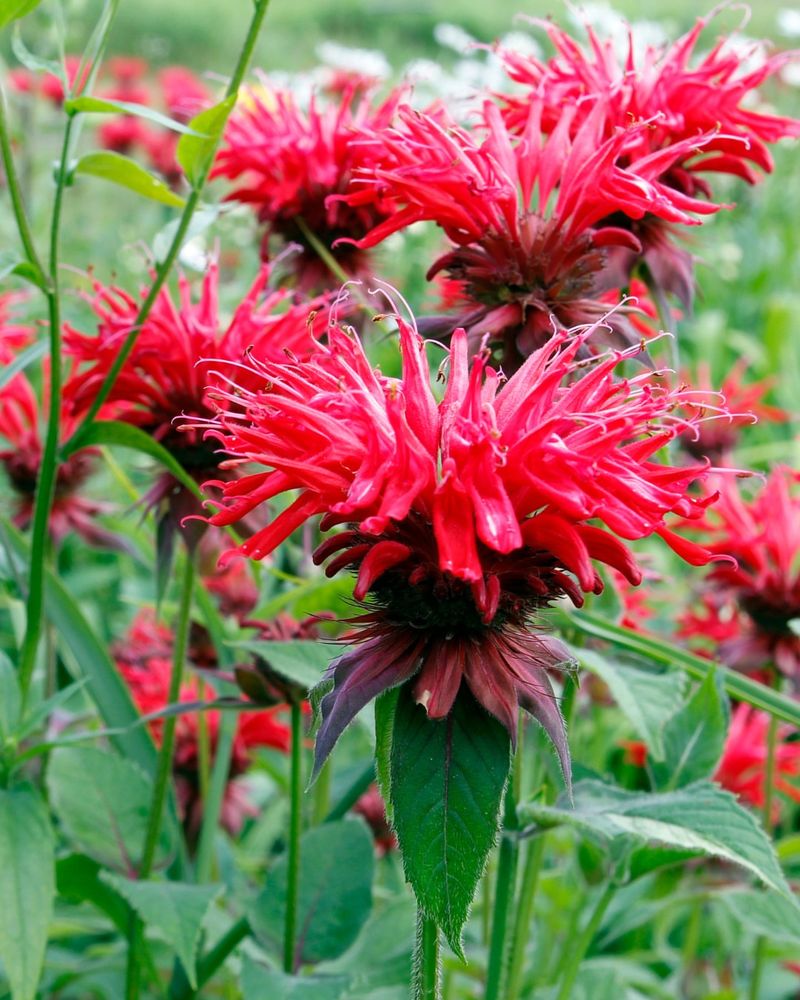
Bee Balm explodes with vibrant red, pink, or purple tubular flowers that hummingbirds and orioles visit repeatedly throughout summer for sweet nectar.
Pennsylvania’s humid summers suit Bee Balm perfectly, helping these native wildflowers thrive in gardens where moisture levels remain relatively consistent throughout the season.
Goldfinches and sparrows visit Bee Balm later in the season, feeding on tiny seeds that form after flowers fade and dry out completely.
Planting Bee Balm in clusters creates bold splashes of color that catch your eye from across the yard while providing concentrated food sources.
These perennials spread gradually through underground roots, forming larger patches over time that attract increasing numbers of birds to your Pennsylvania backyard.
Bee Balm grows between two and four feet tall, filling mid-height spaces in garden beds while releasing a minty fragrance when you brush against it.
Pennsylvania gardeners appreciate how Bee Balm blooms for several weeks, providing continuous nectar and seeds that keep birds visiting throughout the entire summer.
Cutting back Bee Balm after flowering encourages a second bloom flush, extending the season and giving birds even more opportunities to feed in your yard.
8. Blueberry Bush
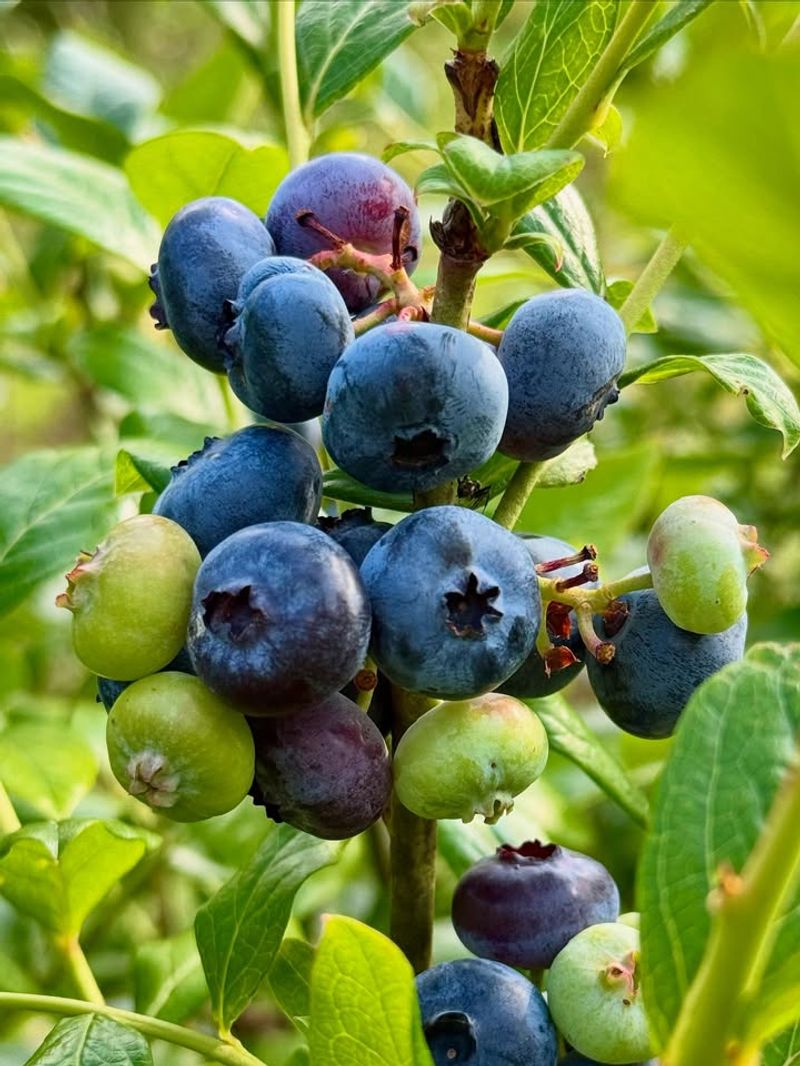
Blueberry bushes produce sweet, juicy berries that bluebirds, robins, and catbirds compete for, often arriving at dawn to claim the ripest fruits first.
Pennsylvania’s acidic soils naturally suit blueberries, making them easier to grow successfully compared to regions where soil amendments are constantly required for survival.
Planting multiple blueberry varieties ensures a longer harvest season, giving both you and the birds fresh berries from early summer through late August.
White spring blossoms attract early-season pollinators while signaling to birds that delicious berries will soon be available for feeding growing chick populations.
Blueberry bushes grow between three and six feet tall, creating dense shrubs where birds can hide from predators while snacking on berries safely.
Pennsylvania gardeners often net some blueberry bushes for human harvest while leaving others unprotected so birds can enjoy their share of the crop.
Fall foliage turns brilliant shades of red and orange, adding seasonal beauty to your landscape even after berry season ends for the year.
Thrushes, waxwings, and mockingbirds also visit blueberry bushes, making them one of the most popular bird-attracting plants in Pennsylvania backyards and gardens.
9. Elderberry
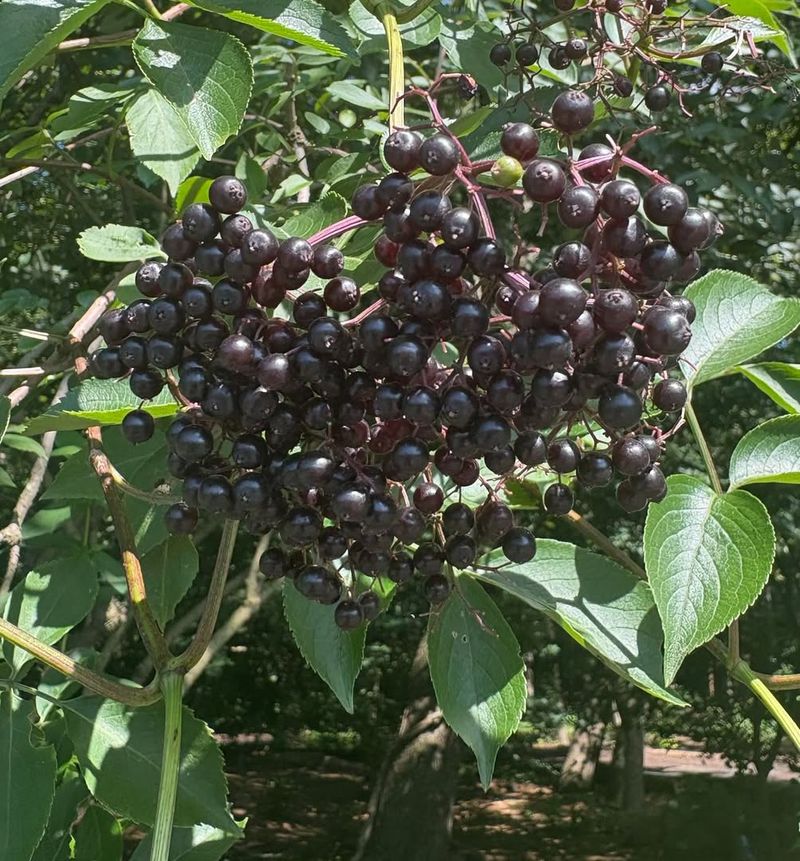
Elderberry shrubs produce massive clusters of dark purple berries that dozens of bird species devour enthusiastically, often stripping branches completely within hours.
Pennsylvania’s native Elderberries thrive in moist areas, making them perfect for low spots in your yard where other plants struggle to survive properly.
Robins, catbirds, and thrushes arrive in flocks when Elderberries ripen in late summer, creating lively scenes filled with bird songs and activity.
White spring flowers arranged in flat-topped clusters attract pollinators before transforming into the nutritious berries that songbirds depend on for migration fuel.
Elderberry shrubs grow quickly, reaching heights of six to twelve feet within just a few years, creating substantial screening and bird habitat fast.
Pennsylvania gardeners can harvest some Elderberries for jams and syrups while leaving plenty for birds who rely on this important food source.
Waxwings, woodpeckers, and bluebirds also visit Elderberry shrubs, making them one of the most bird-friendly plants you can possibly add to your landscape.
Planting Elderberries near water features or rain gardens mimics their natural wetland habitat, helping them thrive while attracting even more bird species year-round.
10. Winterberry Holly
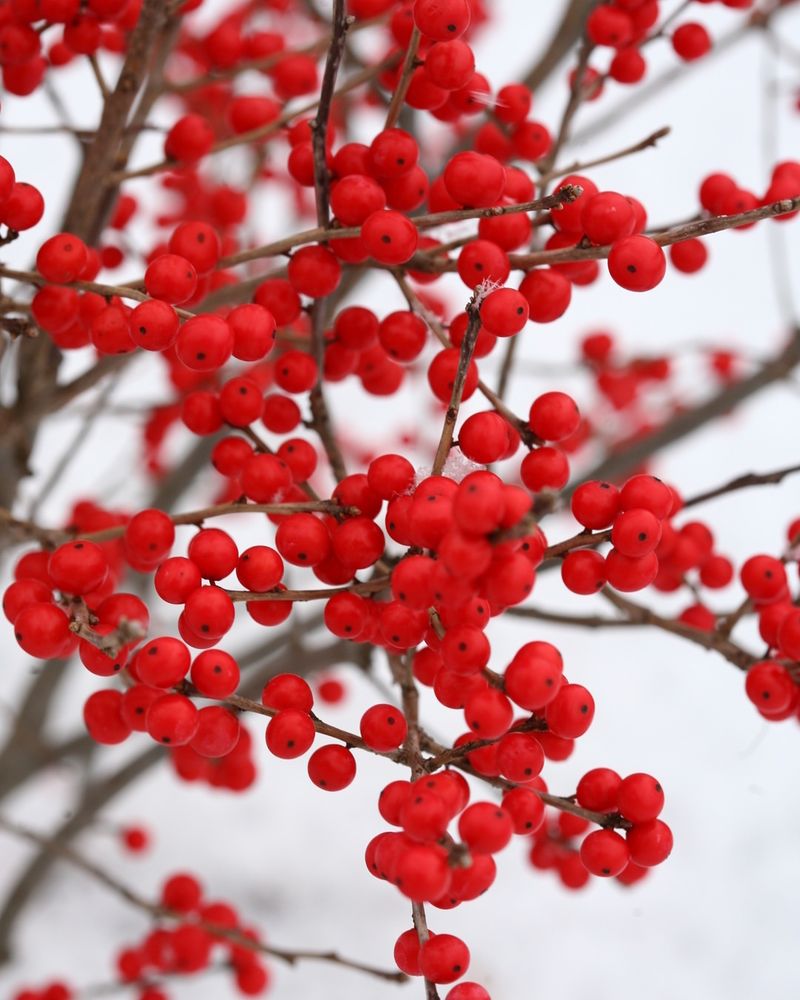
Winterberry Holly produces brilliant red berries that persist through winter, providing critical food for robins, waxwings, and bluebirds during Pennsylvania’s coldest months.
Pennsylvania’s harsh winters make Winterberry especially valuable since its berries remain available when snow covers ground-feeding areas and other food disappears completely.
Robins often form large flocks around Winterberry shrubs in late winter, feasting on fermented berries that provide energy during the season’s final weeks.
Female Winterberry plants produce the berries, but you’ll need to plant at least one male nearby for pollination to occur successfully each spring.
Winterberry’s deciduous nature means leaves drop in fall, revealing stunning displays of red berries against bare branches that look magical against snow.
These shrubs grow between six and ten feet tall, creating substantial hedges or screens that provide year-round bird habitat in Pennsylvania backyards.
Mockingbirds, thrushes, and catbirds also visit Winterberry, often defending individual shrubs as their personal territory throughout the entire winter season ahead.
Pennsylvania gardeners love how Winterberry adds winter color when landscapes look bleak, while simultaneously providing essential food that helps songbirds survive cold weather.
11. Viburnum
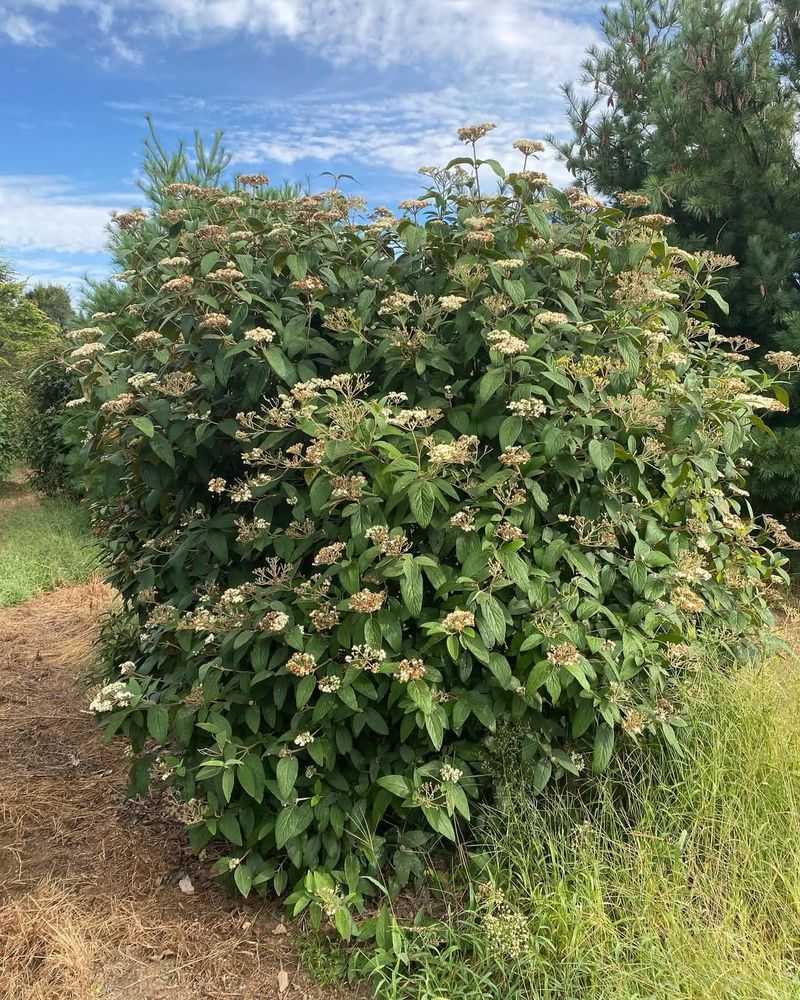
Viburnum shrubs produce clusters of blue-black berries that cedar waxwings, thrushes, and robins find absolutely irresistible throughout late summer and early fall.
Pennsylvania’s climate supports numerous Viburnum species, giving gardeners plenty of options for finding varieties that fit their specific landscape needs and preferences.
Spring flowers range from white to pink depending on the species, creating beautiful displays while attracting pollinators that ensure good berry production later.
Viburnum berries ripen gradually, providing birds with food over several weeks rather than all at once, which extends the feeding season significantly.
These versatile shrubs grow between five and fifteen feet tall depending on variety, fitting into landscapes as foundation plantings, hedges, or specimen plants.
Pennsylvania gardeners appreciate how Viburnum handles both sun and partial shade, making it adaptable to various yard conditions without requiring special placement.
Bluebirds, cardinals, and finches also visit Viburnum shrubs, searching for berries and insects that hide among the dense foliage throughout the season.
Fall foliage turns shades of red, purple, and burgundy, adding seasonal interest while berries continue attracting birds well into autumn and winter months.
12. Oak Tree
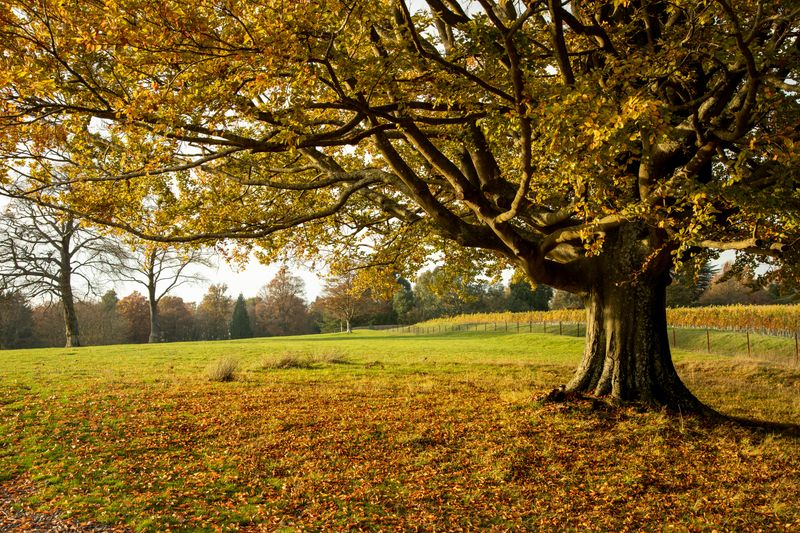
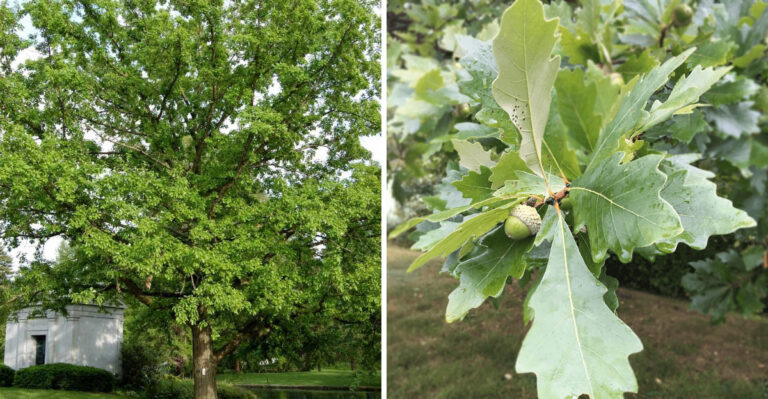
Oak trees produce abundant acorns that blue jays, woodpeckers, and nuthatches gather obsessively, often caching hundreds for winter consumption throughout Pennsylvania’s cold season.
Pennsylvania’s native oak species include red, white, and black oaks, all providing essential food and habitat for songbirds throughout the entire year.
Watching blue jays stuff multiple acorns into their throat pouches before flying off to hide them provides fascinating entertainment for backyard bird watchers.
Oak trees support hundreds of insect species, making them invaluable feeding grounds for warblers, tanagers, and other insect-eating birds during spring migration periods.
These majestic trees grow slowly but eventually reach heights of fifty to eighty feet, creating massive canopies that shelter entire bird communities for decades.
Pennsylvania oaks provide nesting sites for cavity-nesting birds like chickadees, nuthatches, and woodpeckers who excavate holes in withered branches and trunks.
Fall foliage turns shades of red, orange, and brown, creating stunning displays while acorns drop by the thousands, feeding birds and wildlife alike.
Planting an oak tree is a long-term investment that future generations will appreciate, creating bird habitat that lasts for centuries in Pennsylvania landscapes.
13. Eastern Red Cedar
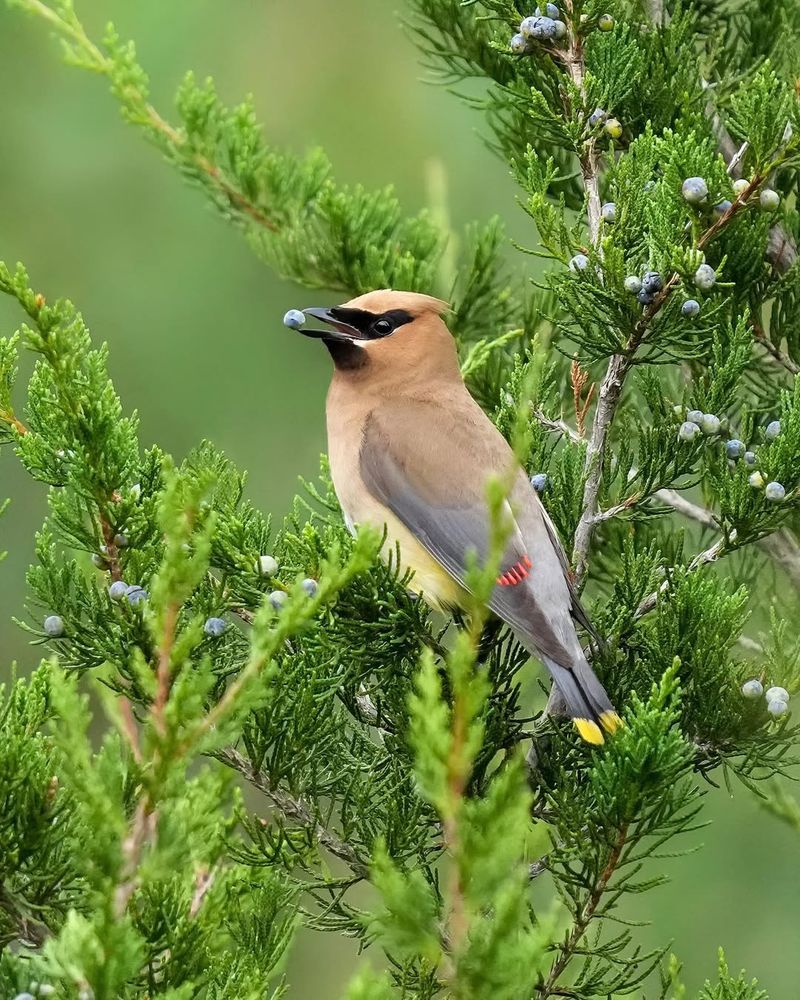
Eastern Red Cedar trees provide year-round shelter with dense evergreen foliage that protects songbirds from harsh Pennsylvania winds, snow, and freezing winter temperatures.
Blue berry-like cones ripen in fall and persist through winter, offering essential food for cedar waxwings, robins, and bluebirds during cold months.
Pennsylvania’s fields and fencerows naturally feature Red Cedars, making them a historically appropriate choice for creating authentic native bird habitat in backyards.
Cedar waxwings get their name from their love of cedar berries, often arriving in large flocks to feast on these nutritious fruits.
These evergreen trees grow between twenty and forty feet tall, creating windbreaks and privacy screens while simultaneously providing critical bird habitat year-round.
Pennsylvania songbirds nest in Red Cedars frequently, using the dense branches to hide nests from predators while raising chicks safely throughout spring.
Mockingbirds, thrushes, and juncos also visit Red Cedars, feeding on berries and finding shelter during storms when other trees offer less protection.
Planting Red Cedars creates winter roosting sites where birds huddle together during frigid nights, helping them conserve energy and survive Pennsylvania’s coldest weather.