Protected Animals Utah Homeowners Are Not Allowed To Remove
Living close to nature is part of the deal for many Utah homeowners, but it comes with a few strings attached.
When wildlife shows up in a yard, it can be tempting to take matters into your own hands.
Still, state laws draw a clear line in the sand.
Some animals are protected, and removing them can land homeowners in hot water faster than expected.
Utah’s wide open spaces support a rich mix of wildlife, from birds and mammals to reptiles that quietly pass through residential areas.
These animals play important roles in the ecosystem, even when they feel like a nuisance.
Laws exist to protect them, not to cause headaches, but to keep nature from getting pushed out piece by piece.
Knowing which animals are off limits helps homeowners avoid costly mistakes.
Many protected species are more common than people realize.
They nest in trees, shelter under decks, or move through yards looking for food and cover.
Ignorance is no shield when it comes to the law, so understanding the rules matters.
Like knowing the speed limit before hitting the gas, being informed keeps you on the right side of things.
Respecting protected animals protects more than wildlife.
It protects homeowners from fines, legal trouble, and unnecessary stress.
1. American Bald Eagle
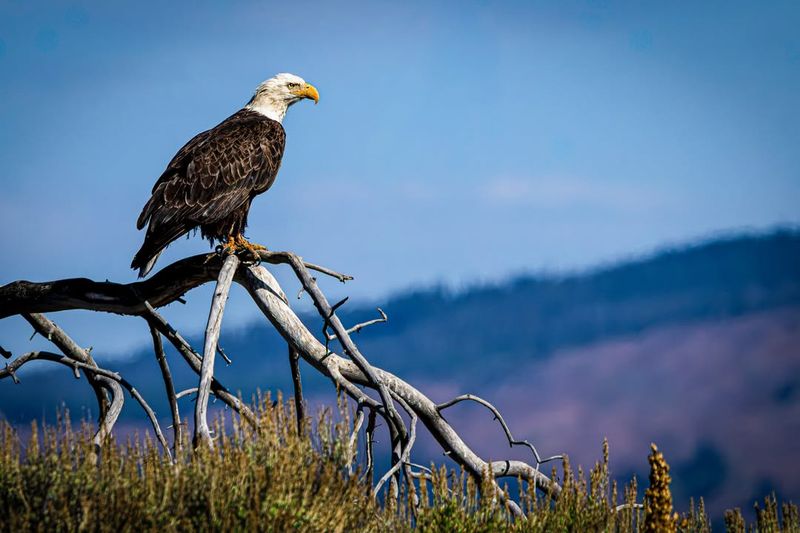
Spotting a bald eagle soaring over Utah’s mountains is a breathtaking experience that reminds us why this bird became our national symbol.
These magnificent raptors are protected under both the Bald and Golden Eagle Protection Act and the Migratory Bird Treaty Act.
Homeowners cannot disturb their nests, eggs, or the birds themselves, even if they’re causing problems on your property.
Bald eagles typically nest near large bodies of water where they hunt for fish, their primary food source.
In Utah, you might see them around reservoirs, lakes, and major rivers throughout the state.
Their massive nests can weigh hundreds of pounds and are often reused year after year.
If a bald eagle decides to nest on your property, consider it a privilege rather than a nuisance.
These birds were once endangered due to pesticide use and habitat loss, but conservation efforts have helped their populations recover.
Today, they remain protected to ensure their continued success.
Property owners who disturb eagle nests or harm these birds face penalties up to $100,000 and potential jail time.
Even well-meaning actions like getting too close to photograph them can be considered harassment under federal law.
If eagles are causing genuine concerns on your property, contact the Utah Division of Wildlife Resources for guidance.
The best approach is admiring these powerful predators from a respectful distance.
Their presence indicates a healthy ecosystem and provides an incredible opportunity to observe one of nature’s most impressive hunters.
Utah residents should feel fortunate when eagles choose their neighborhoods as hunting grounds.
2. Mexican Spotted Owl
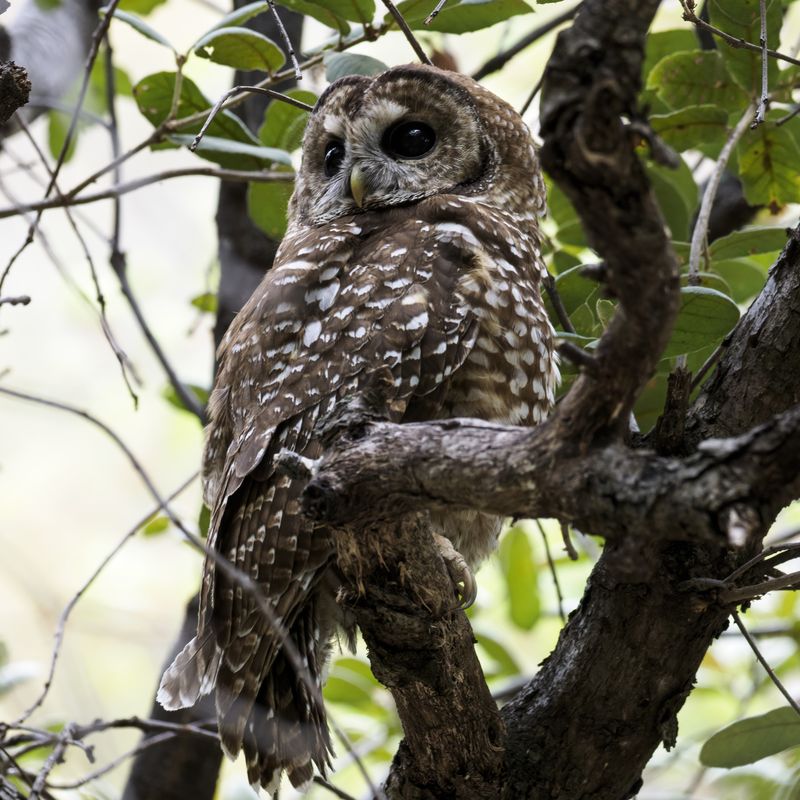
Hidden among Utah’s canyon country, the Mexican spotted owl represents one of the Southwest’s most elusive protected residents.
This medium-sized owl prefers steep-walled canyons and forested areas in southern Utah, where it nests in caves, cliff ledges, and dense tree canopies.
Homeowners living near these habitats might occasionally hear their distinctive hooting calls at night.
Federal law lists the Mexican spotted owl as a threatened species, meaning any interference with their habitat is strictly prohibited.
The owl’s population has declined due to logging, wildfires, and development in their preferred nesting areas.
Utah’s remaining populations are carefully monitored by wildlife officials.
These owls are incredibly sensitive to disturbance during nesting season, which runs from March through August.
Even loud noises or increased human activity near their territories can cause them to abandon nests.
Property owners must be especially cautious if they live in areas where these owls are known to reside.
The Mexican spotted owl hunts small mammals, birds, and insects across large territories that can span several square miles.
They play an important role in controlling rodent populations throughout Utah’s canyon ecosystems.
Their presence indicates old-growth forest conditions that benefit many other species as well.
If you suspect a Mexican spotted owl is nesting on or near your Utah property, contact wildlife authorities immediately.
They can provide guidance on how to minimize disturbance while going about your normal activities.
Protecting these rare owls helps preserve Utah’s unique biodiversity for future generations to appreciate and study.
3. Utah Prairie Dog
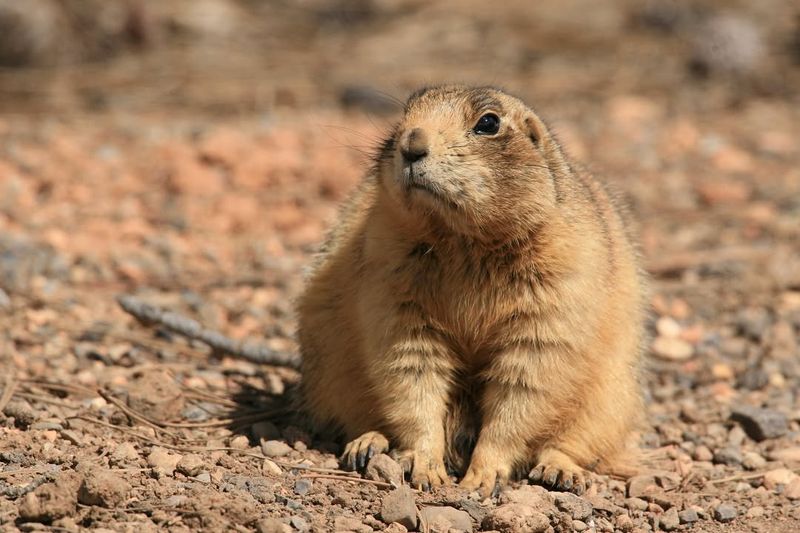
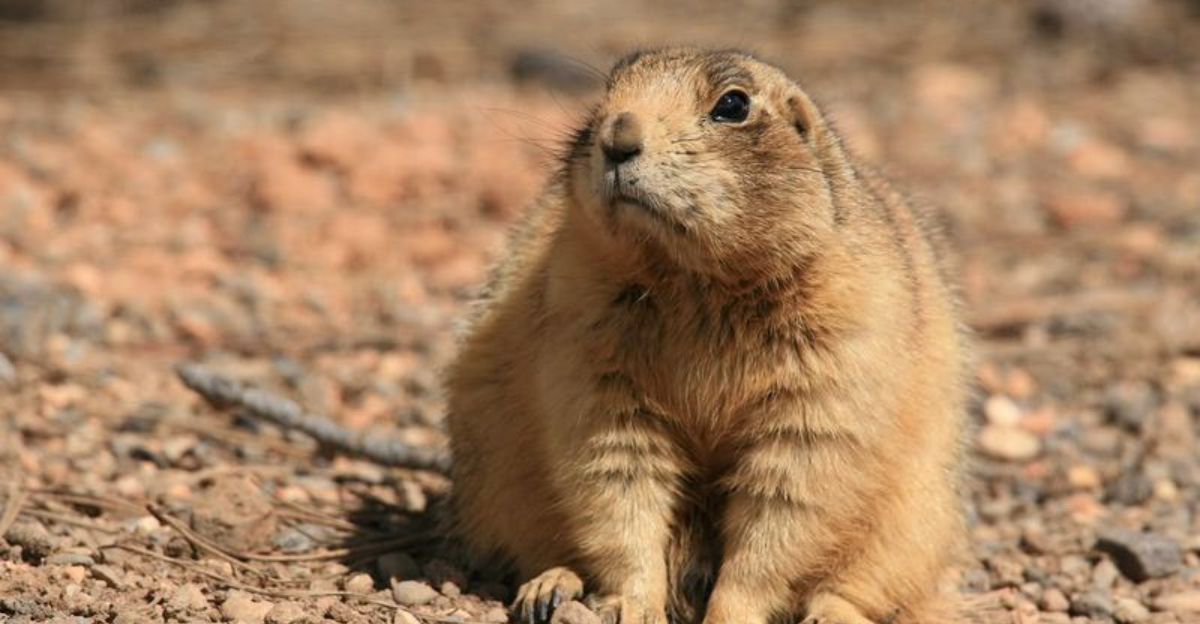
Found nowhere else on Earth, the Utah prairie dog is a true endemic species that calls the southwestern part of the state home.
These charming rodents are listed as threatened under the Endangered Species Act, making them completely off-limits to homeowners.
Their populations have fluctuated dramatically over the decades due to habitat loss, disease, and historical eradication programs.
Today, they’re slowly recovering thanks to intensive conservation efforts.
Utah prairie dogs live in complex underground burrow systems called towns, which can house dozens of individuals.
They’re most active during daylight hours, especially in the morning and late afternoon when they forage for grasses, seeds, and plants.
Their characteristic barking alarm calls warn colony members of approaching predators.
Homeowners in Iron, Garfield, Beaver, and Sevier counties are most likely to encounter these protected animals.
While they can damage lawns and gardens, removing them is illegal without special permits.
Even filling in their burrows without authorization violates federal law.
These prairie dogs actually benefit Utah’s ecosystems in surprising ways.
Their burrowing aerates soil and provides shelter for other species like burrowing owls and snakes.
Their grazing patterns create diverse plant communities that support numerous insects and birds.
If Utah prairie dogs colonize your property, work with the Utah Division of Wildlife Resources to develop a management plan.
They may authorize specific deterrent methods or even relocation in extreme cases.
The agency understands the challenges these animals can pose to homeowners while balancing conservation needs.
Patience and proper channels are essential when dealing with this unique Utah resident that exists nowhere else in the world.
4. Greater Sage-Grouse

Every spring, male greater sage-grouse perform one of nature’s most elaborate courtship displays in Utah’s sagebrush country.
These chicken-sized birds are considered a candidate species for federal protection and are already protected under Utah state law.
Homeowners cannot harm them, destroy their habitat, or disturb their breeding grounds called leks.
The sage-grouse depends entirely on sagebrush ecosystems, which cover large portions of Utah.
Males gather at traditional lek sites to inflate their distinctive yellow air sacs and fan their tail feathers in hopes of attracting females.
These displays happen at dawn during March and April, creating an unforgettable wildlife spectacle.
Some leks have been used by sage-grouse for over a hundred years.
Greater sage-grouse populations have declined significantly across the West due to habitat fragmentation, energy development, and invasive plants.
Utah holds some of the most important remaining populations, making local conservation efforts crucial.
The birds need vast expanses of intact sagebrush for nesting, raising chicks, and surviving harsh winters.
Property owners with sagebrush habitat should avoid disturbing these areas during the breeding season.
Activities like construction, off-road vehicle use, or even dog walking near leks can disrupt the birds’ reproductive success.
Sage-grouse are extremely sensitive to human presence, especially during their vulnerable nesting period.
If you live in rural Utah where sagebrush dominates the landscape, you’re sharing space with this iconic Western bird.
Report any sightings to wildlife officials, as monitoring population trends helps guide conservation strategies.
Protecting sage-grouse habitat also benefits countless other species that depend on Utah’s sagebrush ecosystems, from pronghorn antelope to sagebrush lizards.
5. Peregrine Falcon
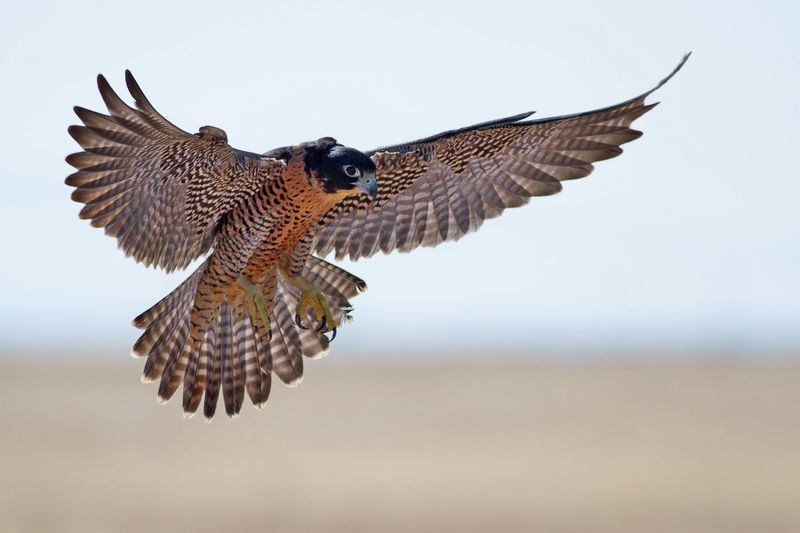
Reaching speeds over 200 miles per hour during hunting dives, the peregrine falcon ranks as the fastest animal on Earth.
These spectacular raptors are protected under the Migratory Bird Treaty Act, making it illegal for Utah homeowners to disturb their nests or harm the birds.
Peregrines have made a remarkable comeback after being nearly eliminated by pesticides in the mid-1900s.
Today, they nest on cliff faces, tall buildings, and bridges throughout Utah.
Urban areas in Salt Lake City and other Utah cities have become important peregrine habitat.
The birds adapt well to city life, where tall structures mimic their natural cliff nesting sites and abundant pigeons provide easy prey.
Many office buildings now host nesting pairs that return year after year.
Peregrines are fiercely protective of their nesting territories and may dive-bomb people who get too close during breeding season.
While this behavior can be alarming, it’s temporary and the birds are simply defending their young.
Homeowners should avoid approaching nest sites between March and July when chicks are most vulnerable.
These falcons help control pigeon and starling populations in Utah communities, providing natural pest management services.
A single peregrine can consume hundreds of birds annually, keeping urban bird numbers in check.
Their hunting prowess is so impressive that falconry enthusiasts have trained them for thousands of years.
If peregrines nest on your Utah property or building, consider yourself lucky to witness their incredible aerial abilities.
Watch from a safe distance and never attempt to handle eggs or chicks.
Contact wildlife authorities if you have concerns about aggressive behavior near nests.
These magnificent hunters deserve our respect and protection as they continue their recovery across the state.
6. Black-Footed Ferret
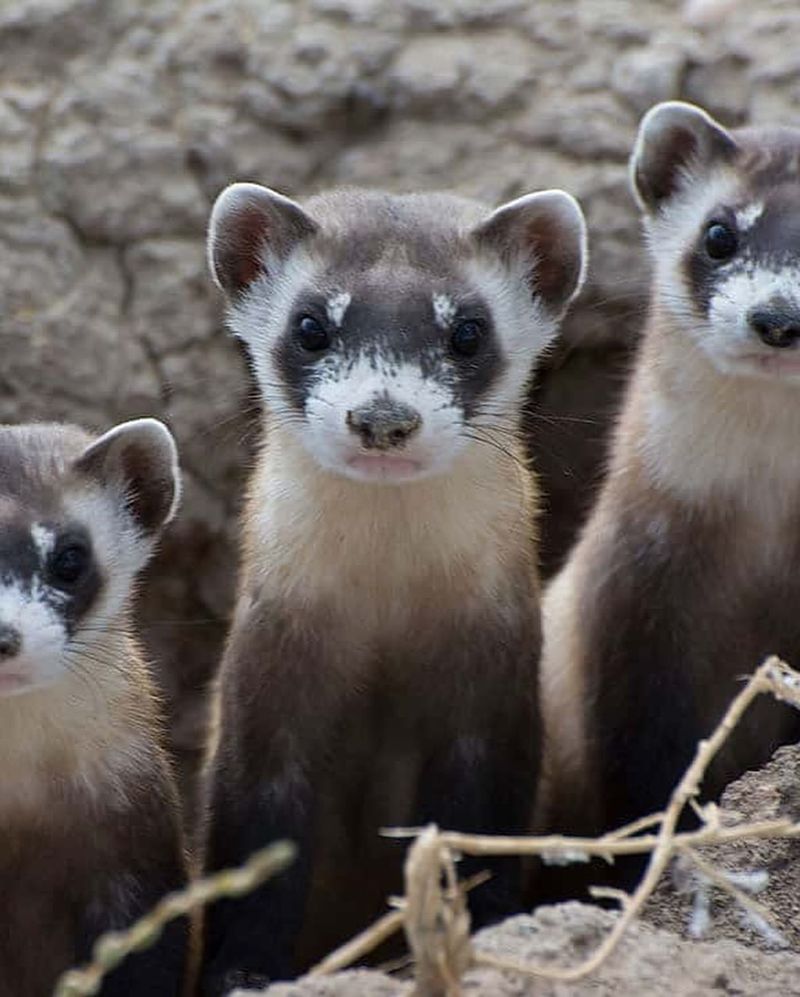
Once declared extinct in the wild, the black-footed ferret represents one of conservation’s most dramatic rescue stories.
These sleek carnivores are among North America’s rarest mammals and are protected under the Endangered Species Act.
Utah participates in reintroduction programs aimed at restoring wild populations, primarily in areas with healthy prairie dog colonies.
Homeowners who encounter these masked hunters must leave them completely undisturbed.
Black-footed ferrets depend almost entirely on prairie dogs for survival, both as their primary food source and for burrow systems where they shelter and raise young.
A single ferret can consume over 100 prairie dogs annually.
This specialized diet makes their conservation closely tied to prairie dog protection efforts across Utah.
These nocturnal hunters are rarely seen by humans due to their secretive nature and extremely low population numbers.
Most Utah residents will never encounter one, but those living near prairie dog towns in southwestern parts of the state have the best chance.
Ferrets emerge at night to hunt, spending most daylight hours underground.
Reintroduction efforts in Utah face challenges including disease, habitat loss, and the ongoing management of prairie dog populations.
Sylvatic plague, which affects both prairie dogs and ferrets, remains a significant threat to recovery programs.
Wildlife biologists carefully monitor released ferrets and provide medical interventions when necessary.
Any sighting of a black-footed ferret in Utah should be immediately reported to wildlife authorities.
These observations help scientists track population success and adjust management strategies.
Even though you probably won’t see one, knowing they’re being restored in Utah is a testament to dedicated conservation work.
Protecting these remarkable predators means preserving the prairie ecosystems they need to survive and thrive in the wild.
7. Migratory Songbirds

From warblers to tanagers, hundreds of songbird species pass through or nest in Utah during their annual migrations.
All migratory birds are protected under federal law, meaning homeowners cannot disturb active nests, eggs, or the birds themselves.
This protection covers even common species like robins, sparrows, and finches that regularly nest in yards and gardens.
The Migratory Bird Treaty Act makes it illegal to harm these birds or destroy their nests while in use.
Utah’s diverse habitats attract an impressive variety of songbirds throughout the year.
Mountain forests host species like mountain bluebirds and yellow-rumped warblers, while lowland areas provide habitat for orioles, grosbeaks, and numerous other species.
Many homeowners enjoy attracting these colorful visitors with feeders and native plantings.
Once nesting season ends and young birds have fledged, empty nests can be removed if they’re causing problems.
However, timing is crucial because many species raise multiple broods throughout summer.
The safest approach is waiting until fall or winter when you’re certain nesting activities have concluded for the season.
Songbirds provide enormous benefits to Utah homeowners by consuming countless insects, including mosquitoes, aphids, and caterpillars.
A single chickadee can eat hundreds of insects daily during breeding season when feeding hungry chicks.
These natural pest control services save gardeners from using harmful chemicals.
If birds nest in inconvenient locations like porch lights or door wreaths, wait patiently for the nesting cycle to complete.
Most songbirds raise their young in just a few weeks from egg-laying to fledging.
After young birds leave, take preventive measures to discourage future nesting in problematic spots.
Creating alternative nesting sites elsewhere in your Utah yard helps redirect birds to more suitable locations while still enjoying their presence and benefits.
8. Little Brown Bat
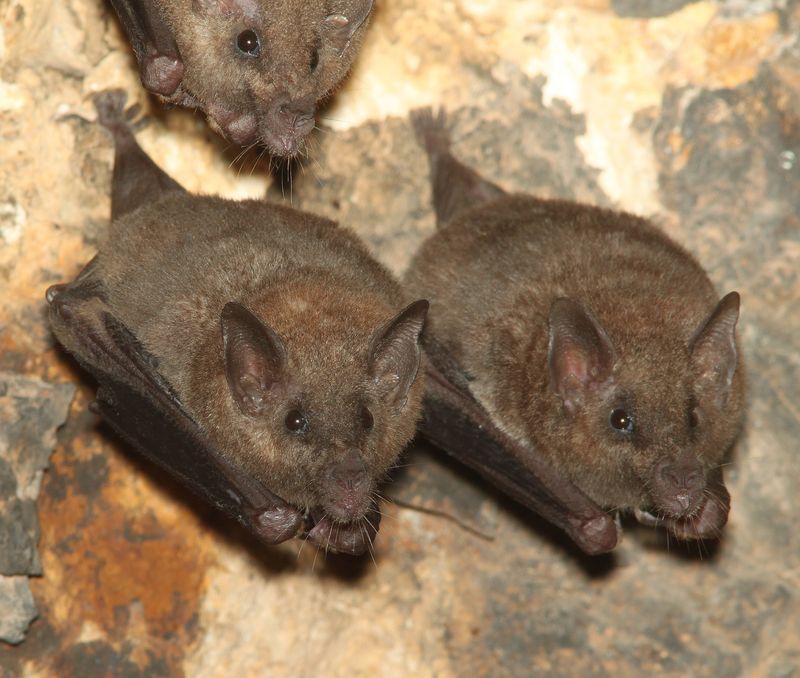
Weighing less than half an ounce, the little brown bat is a mighty mosquito-eating machine that benefits Utah homeowners immensely.
These tiny mammals are protected under state law and may soon receive federal protection due to devastating population declines from white-nose syndrome.
Homeowners cannot harm bats or destroy roosts during the maternity season when females raise their pups.
Understanding bat protection laws helps you handle encounters legally and humanely.
Little brown bats commonly roost in attics, barns, and other structures throughout Utah.
A single bat can consume up to 1,000 mosquitoes in just one hour of hunting.
Colonies provide incredible natural pest control that reduces insect populations around homes without chemicals or traps.
Maternity season runs from May through August when female bats gather in colonies to give birth and raise young.
During this critical period, excluding bats from buildings is illegal because flightless pups would be trapped inside and perish.
Any bat removal must happen in early spring or fall when young are capable of flight.
White-nose syndrome has devastated bat populations across North America, including in Utah.
This fungal disease has eliminated millions of bats and continues spreading westward.
Protecting remaining healthy populations is essential for ecosystem health and agricultural pest control.
If bats roost in your Utah home, contact a licensed wildlife professional who specializes in humane bat exclusion.
They’ll install one-way devices that allow bats to leave but prevent re-entry, timing the work outside maternity season.
Never seal openings while bats are present, as trapped animals create worse problems and violate protection laws.
Living alongside these beneficial creatures requires some accommodation, but their mosquito-control services make them valuable neighbors worth protecting throughout the state.