10 Plants That Provide Essential Nutrition For Michigan Birds According To Experts
Michigan birds face long seasons of change, and the food they find can make all the difference.
From icy winters to busy nesting months, reliable nutrition keeps them on their feet and in the air.
Experts agree that the right plants can turn an ordinary yard into a dependable pantry, offering natural food that birds recognize and trust.
Native trees, shrubs, and flowers pull more weight than most people expect.
They produce seeds, berries, nectar, and insects that birds rely on year after year.
Unlike store bought feed alone, these plants work around the clock, even when feeders run empty or snow piles up.
In Michigan’s unpredictable weather, that steady supply can be a lifeline.
Plant choices also shape bird behavior.
Yards filled with nourishing plants attract a wider range of species and support healthier populations.
Birds find cover, nesting spots, and meals all in one place, which keeps stress low and survival rates high.
It is a long game that pays off season after season.
Like planting roots for the future, thoughtful landscaping builds something that lasts.
With guidance from experts, Michigan homeowners can create spaces that do more than look good.
They help birds thrive, one leaf and berry at a time.
1. Serviceberry Trees Offer Year-Round Benefits
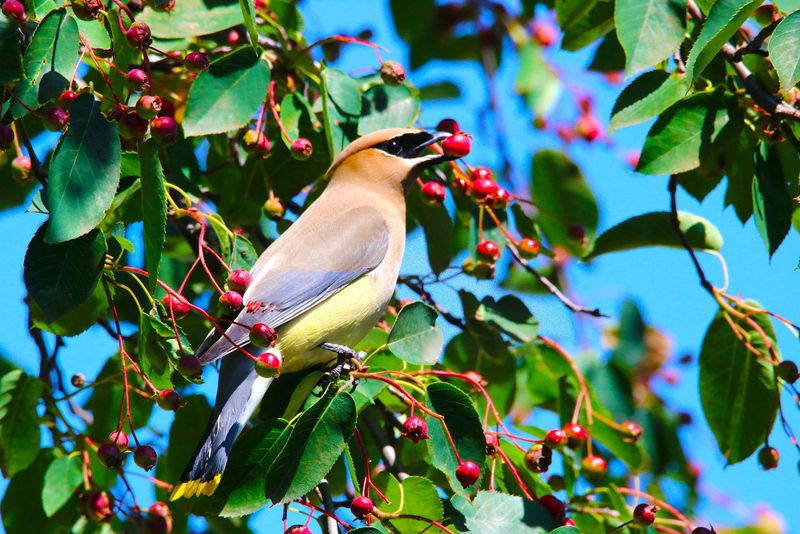
Native serviceberries produce sweet purple berries that Michigan birds absolutely love during early summer months.
Cardinals, robins, and cedar waxwings flock to these trees when the fruit ripens, providing essential sugars and nutrients for breeding season.
Serviceberries bloom early, offering nectar to insects that birds also eat.
The berries appear just when parent birds need high-energy food for their growing chicks.
Serviceberry trees grow well throughout Michigan, tolerating various soil types and weather conditions.
They reach about 15 to 25 feet tall, making them perfect for smaller yards.
Beyond the fruit, these trees provide excellent nesting sites with their dense branching structure.
Catbirds and thrushes often build nests hidden among the leaves.
In fall, the foliage turns brilliant orange and red, adding beauty to your landscape while seeds continue feeding birds.
Winter brings a new benefit as the bare branches attract woodpeckers searching for overwintering insects in the bark.
Planting serviceberries creates a four-season food source that supports Michigan’s bird populations when they need it most.
They are one of the top native plants for backyard bird habitat throughout the state.
2. Black Cherry Provides Critical Summer Nutrition
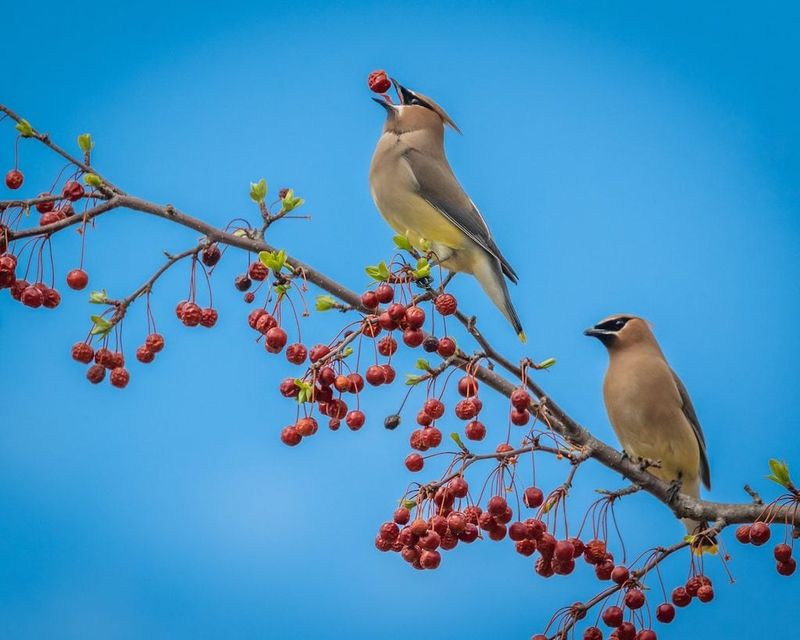
When summer heat peaks across Michigan, black cherry trees deliver abundant fruit that sustains dozens of bird species.
Orioles, tanagers, and grosbeaks depend on these cherries for quick energy during their busiest season.
Research shows that over 40 different bird species eat black cherry fruit, making it one of the most important native plants.
The cherries ripen in late July and August, perfectly timed for fall migration preparation.
Black cherry trees can grow quite tall, sometimes reaching 80 feet in ideal conditions throughout Michigan forests and yards.
Their size makes them suitable for larger properties where they become feeding stations for entire bird communities.
Your Michigan Garden Changes Every Week. Your Plan Should Too.
Gardening in Michigan changes quickly throughout the season. Every Friday you’ll receive a simple weekly plan showing exactly what to plant, prune, fertilize, harvest, and protect so you never miss the right timing.
The fruit hangs in clusters, allowing multiple birds to feed simultaneously without competition.
Smaller birds like warblers and vireos appreciate this shared dining arrangement.
Ornithologists note that migrating birds specifically seek out black cherry trees to fuel their long journeys south.
The high sugar content in the fruit helps birds build fat reserves necessary for migration.
Michigan property owners with space for larger trees should definitely consider black cherry for its exceptional wildlife value.
The tree also supports caterpillars that provide protein-rich food for nestlings earlier in spring.
3. Elderberry Shrubs Attract Diverse Species
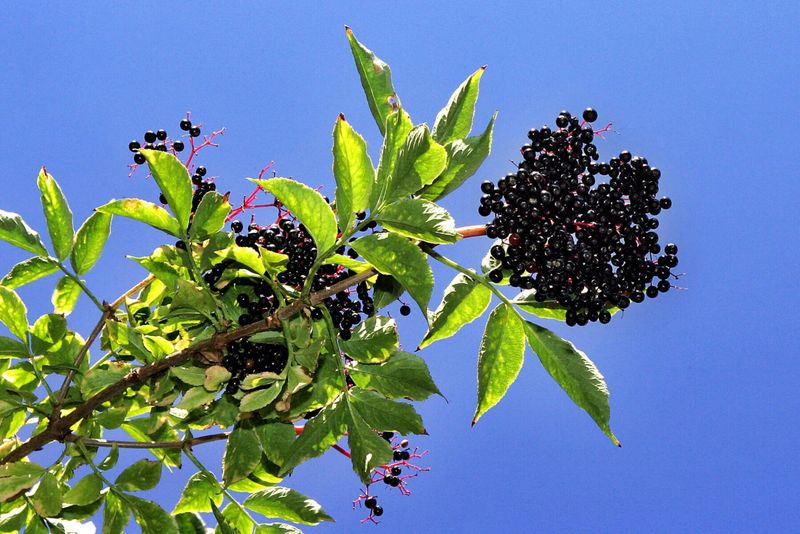
Elderberry shrubs produce massive clusters of small dark berries that Michigan birds find irresistible from late summer into fall.
Pheasants, woodpeckers, and thrashers all benefit from this generous native plant.
Growing 8 to 12 feet tall, elderberries fit nicely into medium-sized yards while producing impressive amounts of fruit.
A single mature shrub can yield several pounds of berries annually.
Elderberries have a great value because the fruit ripens gradually over several weeks, extending the feeding period.
This staggered ripening helps more birds access the nutrition they need.
The white flower clusters that appear in June also attract insects, creating a secondary food source for flycatchers and warblers.
Michigan’s native elderberry species thrive in moist soils near streams and wetlands.
Planting elderberries in groups creates an even more attractive feeding area for birds traveling through the state.
The dense foliage provides cover from predators while birds feast on the berries.
Robins often gorge themselves on elderberries before migration, sometimes appearing almost clumsy from eating so much.
Wildlife biologists recommend elderberries as essential plantings for anyone serious about supporting Michigan bird populations throughout the growing season.
4. Oak Trees Support Countless Bird Species
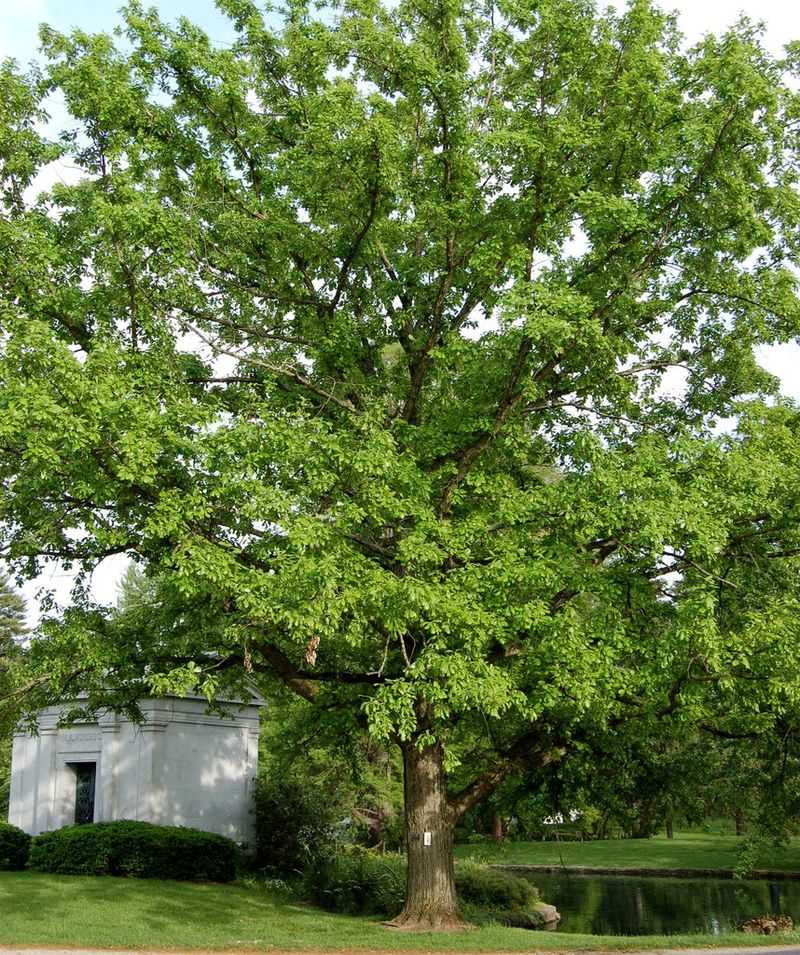
Mighty oak trees stand as foundational plants for Michigan bird nutrition, supporting wildlife in ways most people never notice.
While birds don’t eat acorns directly, these trees host hundreds of caterpillar species that become essential protein sources.
Chickadees, nuthatches, and warblers spend hours searching oak branches for insect larvae during spring and summer.
A single oak tree can support thousands of caterpillars, feeding entire bird families.
Michigan has several native oak species, including white oak and red oak, all providing excellent bird habitat.
These long-lived trees become increasingly valuable as they mature over decades.
Woodpeckers drill into oak bark seeking beetles and other insects that live beneath the surface.
Jays cache acorns for winter food, inadvertently planting new trees across the landscape.
Oaks support birds year-round through their complex ecosystem relationships.
Even in winter, birds find dormant insects and spider eggs hidden in bark crevices.
The dense canopy provides ideal nesting sites for orioles, tanagers, and many other species breeding in Michigan.
Planting an oak tree represents a multi-generational investment in bird conservation, as these trees can live for centuries while continuously supporting avian populations.
5. Dogwood Berries Fuel Fall Migration
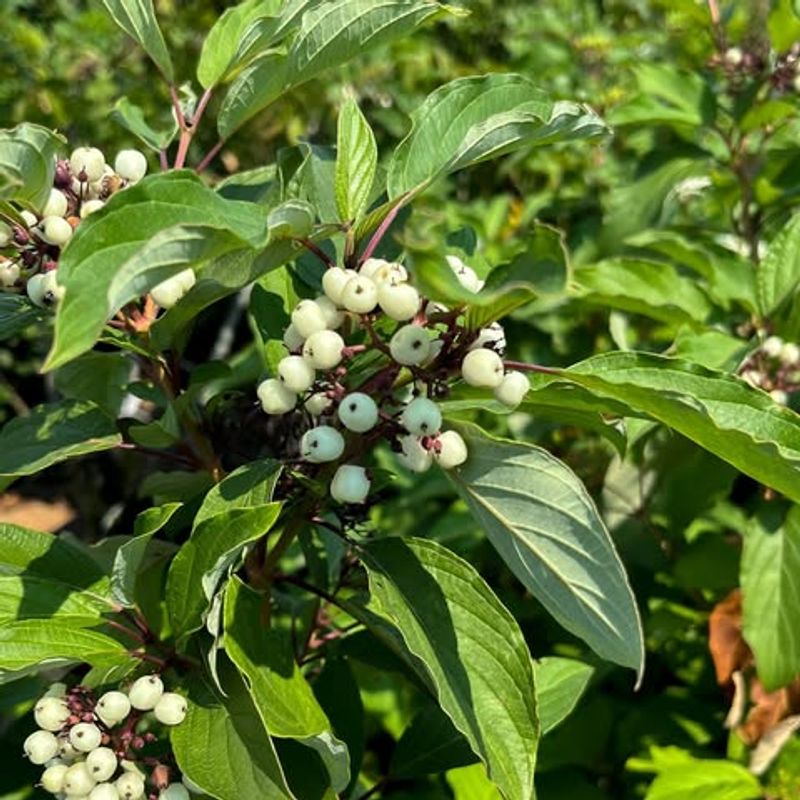
Bright red berries covering dogwood shrubs signal autumn’s arrival in Michigan while providing critical migration fuel for traveling birds.
Thrushes, vireos, and flickers rely on these lipid-rich fruits for their southern journeys.
Native dogwoods produce berries with high fat content, exactly what migrating birds need to build energy reserves.
One study found that dogwood fruit contains nearly 25 percent fat, making it premium bird food.
Gray dogwood and silky dogwood both grow well throughout Michigan, adapting to various conditions from sunny edges to partial shade.
These shrubs typically reach 6 to 10 feet tall, forming thickets that provide excellent cover.
The berries ripen in September, perfectly timed for peak migration when millions of birds pass through the state.
Warblers that ate mostly insects all summer switch to fruit for quick energy during travel.
Ornithologists have documented over 90 bird species eating dogwood berries across North America.
In Michigan, these shrubs become busy feeding stations throughout autumn.
The white spring flowers also attract pollinators that birds eat, creating early-season food sources.
Wildlife managers consistently recommend dogwoods for habitat restoration projects because of their proven value to migrating and resident bird populations across Michigan’s diverse landscapes.
6. Sunflowers Deliver High-Energy Seeds
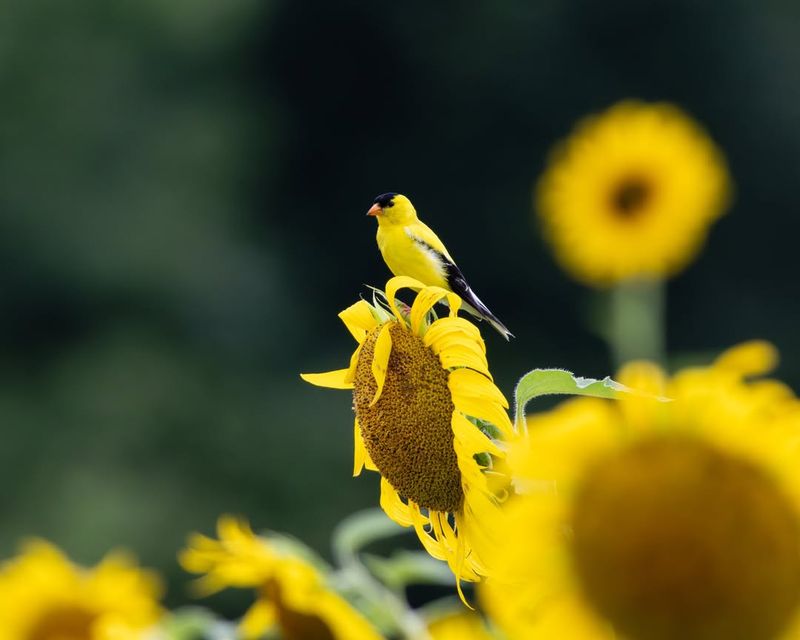
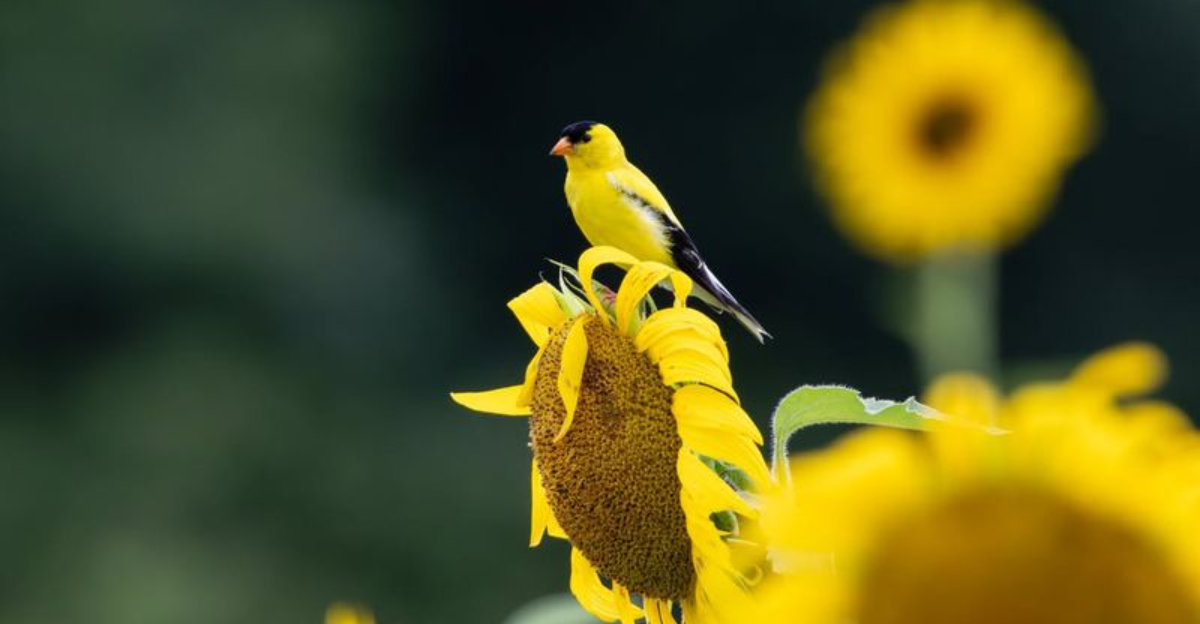
Towering sunflowers become bird magnets across Michigan when their heavy seed heads mature in late summer and fall.
Goldfinches, chickadees, and nuthatches perform acrobatic feats to extract the nutritious seeds.
Annual sunflowers are easy to grow from seed, making them perfect for beginners wanting to attract birds quickly.
Native perennial sunflower species also grow wild throughout Michigan, providing natural food sources.
Each sunflower head contains hundreds of oil-rich seeds packed with protein and fat that birds need.
Cardinals use their strong beaks to crack the shells, while smaller finches pick at already-opened seeds.
Leaving sunflower stalks standing through winter extends their value as birds continue gleaning seeds for months.
Snow and ice actually help by knocking seeds loose where ground-feeding birds can find them.
Michigan gardeners often plant sunflowers along fences or property edges where they create natural bird feeding stations.
The tall plants also offer perching spots where birds can survey surroundings while waiting their turn at the seeds.
Even a small patch of sunflowers can dramatically increase bird activity in your yard.
The cheerful flowers brighten landscapes while serving the practical purpose of supporting Michigan’s seed-eating bird populations throughout the colder months ahead.
7. Viburnum Shrubs Offer Multi-Season Food
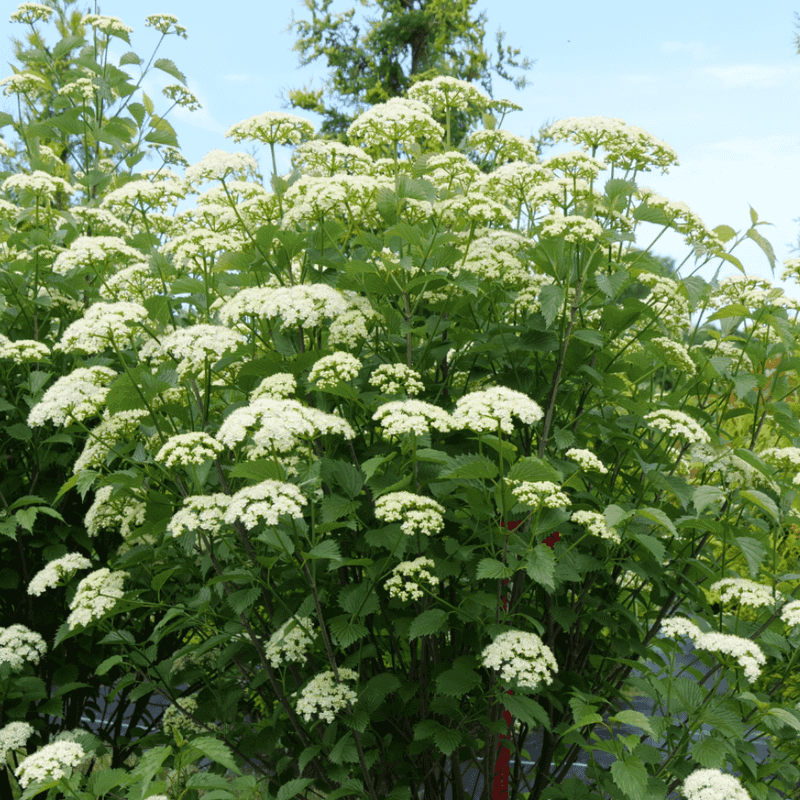
Several native viburnum species grow throughout Michigan, each producing berries that sustain birds from late summer through winter.
Bluebirds, waxwings, and mockingbirds feast on these nutritious fruits when other food becomes scarce.
Arrowwood viburnum and nannyberry are particularly valuable, with berries that persist on branches well into cold months.
Birds often leave these fruits until other options disappear, treating them as emergency winter rations.
Viburnums grow 6 to 15 feet tall depending on species, fitting into various landscape designs across Michigan properties.
Their white spring flowers attract insects that provide early-season protein for arriving migrants.
The fruits start out red or yellow before ripening to dark blue or black, offering visual interest throughout fall.
This color change actually signals increasing sugar content that makes berries more appealing to birds.
Wildlife biologists have observed that viburnums support over 35 bird species in the Great Lakes region.
The shrubs also provide dense cover where birds can hide from hawks and other predators.
Michigan winters can be harsh, making persistent fruit sources especially important for resident bird populations.
Planting viburnums ensures that robins, thrushes, and other species have reliable nutrition even during the coldest months when survival depends on finding adequate food.
8. Crabapple Trees Provide Winter Sustenance
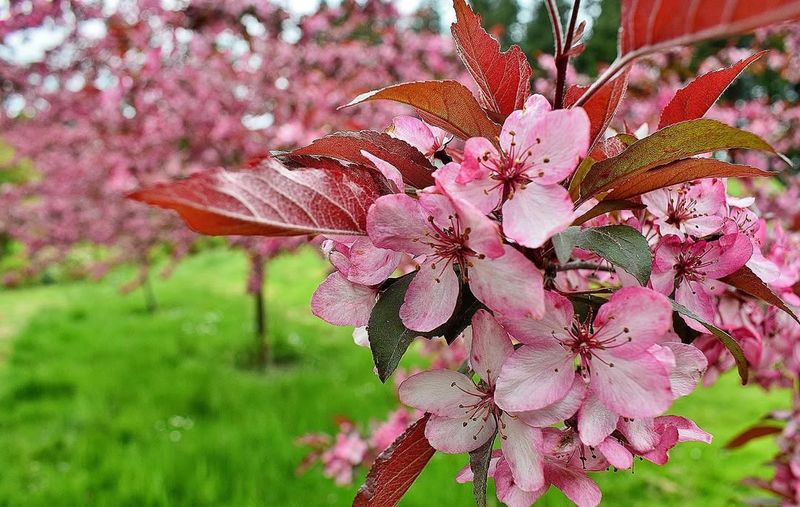
Small fruits clinging to crabapple branches throughout Michigan winters become lifesaving food for birds when snow covers everything else.
Waxwings, robins, and finches depend on these frozen apples during the hardest months.
Native and ornamental crabapples both offer bird benefits, though native species integrate better with local ecosystems.
The tiny apples contain sugars that remain accessible even when temperatures plunge below zero.
Crabapple trees grow 15 to 25 feet tall, creating beautiful spring displays with pink or white blossoms before producing fruit.
The flowers attract pollinators that insectivorous birds also hunt during migration.
Birds often ignore crabapples during fall when other preferred foods remain available across Michigan.
Once winter arrives and berries disappear, flocks suddenly descend on crabapple trees for sustained feeding.
Freezing and thawing actually improves the fruit’s palatability by breaking down bitter compounds.
Birds seem to understand this, timing their consumption for mid-winter when the apples taste best.
Ornithologists recommend selecting crabapple varieties that hold fruit through winter rather than dropping it early.
These persistent-fruited types provide the most value to Michigan’s overwintering bird populations, sometimes attracting rare species during irruption years when northern birds move south seeking food.
9. Hawthorn Trees Support Year-Round Populations

Thorny hawthorn branches create safe havens for Michigan birds while producing abundant fruit that sustains them through multiple seasons.
Grosbeaks, thrushes, and sparrows all benefit from these hardy native trees.
The sharp thorns deter predators, making hawthorns favorite nesting sites for smaller birds seeking protection.
Catbirds and thrashers often build nests deep within the protective branches.
Hawthorn fruits, called haws, ripen to red or orange in fall and often persist through winter across Michigan.
The fruits become softer and sweeter after freezing, making them more digestible for birds.
These trees grow 15 to 30 feet tall depending on species, with several natives thriving in Michigan conditions.
White flowers in spring attract insects that warblers and flycatchers catch for their nestlings.
Research shows hawthorn fruits contain valuable nutrients including vitamin C and antioxidants that support bird health.
Over 30 bird species regularly consume haws throughout their range.
The dense branching structure also provides excellent winter roosting sites where birds huddle together for warmth.
Michigan’s harsh winters make these sheltered spots crucial for survival during extreme cold snaps and storms that challenge even hardy resident species adapted to Great Lakes conditions.
10. Sumac Clusters Feed Overwintering Birds
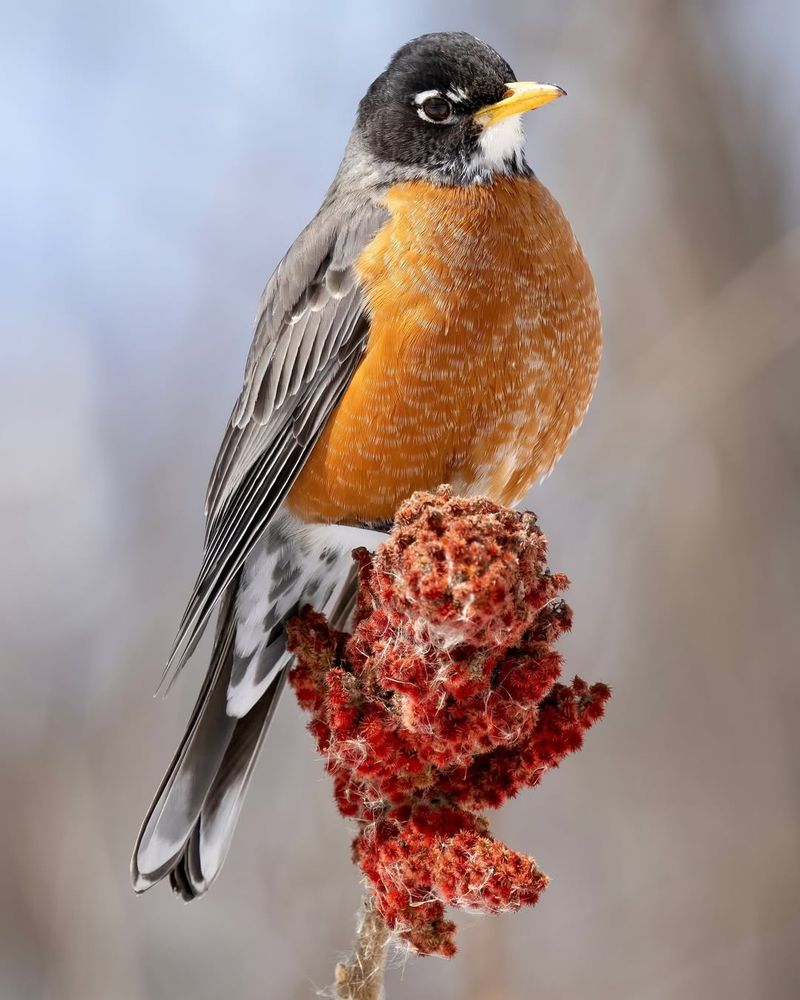
Fuzzy red berry clusters topping sumac shrubs across Michigan provide essential nutrition for birds that brave our winters instead of migrating south.
Bluebirds, cardinals, and woodpeckers all visit sumac stands during cold months.
Staghorn sumac and smooth sumac both grow wild throughout the state, colonizing disturbed areas and field edges.
The berry clusters remain attached even through heavy snow and ice.
Each cluster contains hundreds of small fruits covered in tangy hairs that birds somehow find appealing despite the sour taste.
The fruits provide quick energy when birds need to maintain body heat during freezing temperatures.
Sumacs grow 10 to 20 feet tall, spreading by underground stems to form thickets that shelter birds from wind.
These colonies become important refuges during winter storms that sweep across Michigan.
Birds typically eat sumac berries only after exhausting preferred food sources, treating them as backup nutrition.
This makes sumac particularly valuable during late winter when other fruits have been consumed.
The brilliant red fall foliage adds landscape beauty while the persistent fruit clusters provide visual interest through winter.
Sumac is a perfect choice for Michigan property owners who want to support the greatest diversity of bird species across all seasons and weather conditions.