9 Reasons Why Ferns Grow Easily In Oregon Backyards
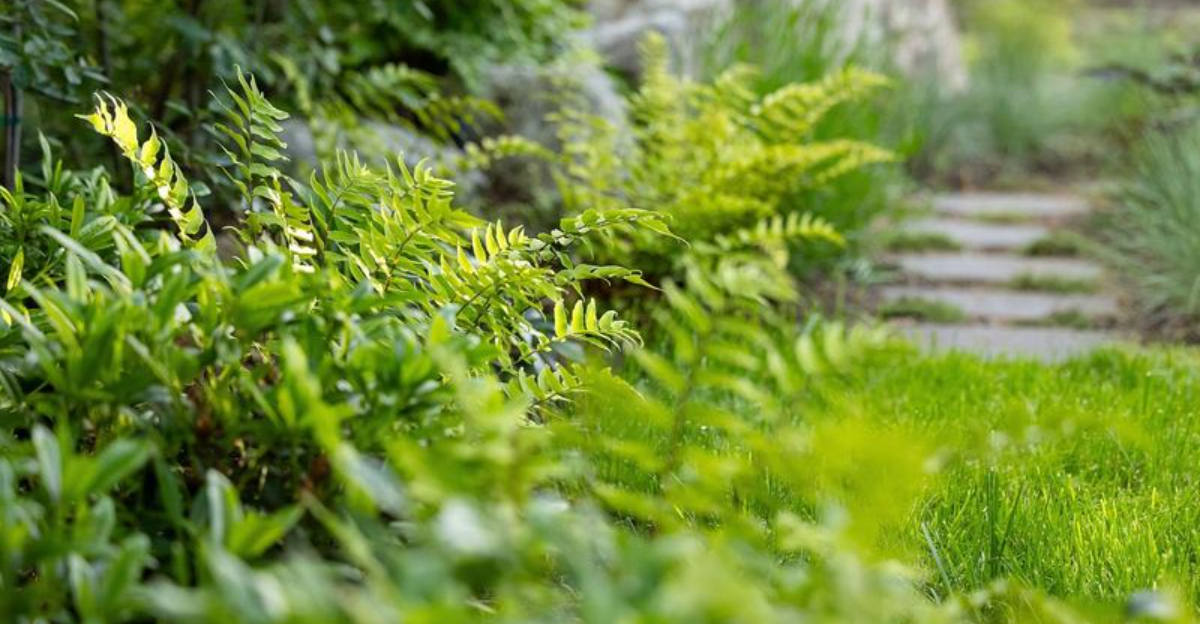
Ferns seem to have cracked the code in Oregon backyards.
While other plants struggle to settle in, ferns spread their fronds and make themselves right at home.
They pop up under trees, along fences, and in damp corners where little else wants to grow.
For many homeowners, it feels like these plants succeed without trying, and that is not far from the truth.
Oregon’s mild temperatures and steady moisture give ferns a natural edge.
Shaded yards, rich soil, and frequent rainfall create conditions that mirror their native woodland habitats.
Unlike sun hungry plants, ferns thrive where light is soft and soil stays cool.
They do not ask for constant attention, fertilizer, or perfect timing.
Once planted, they tend to mind their own business.
This easygoing nature makes ferns a quiet favorite.
They fill gaps, soften landscapes, and stay green when other plants fade.
Like a good neighbor who never causes trouble, ferns blend in while pulling their weight.
Their success is not luck.
It is the result of Oregon offering exactly what they need.
When environment and plant match up this well, growth feels effortless, and ferns prove that sometimes the simplest choices bring the biggest rewards.
1. Oregon’s Natural Rainfall Patterns Keep Ferns Hydrated
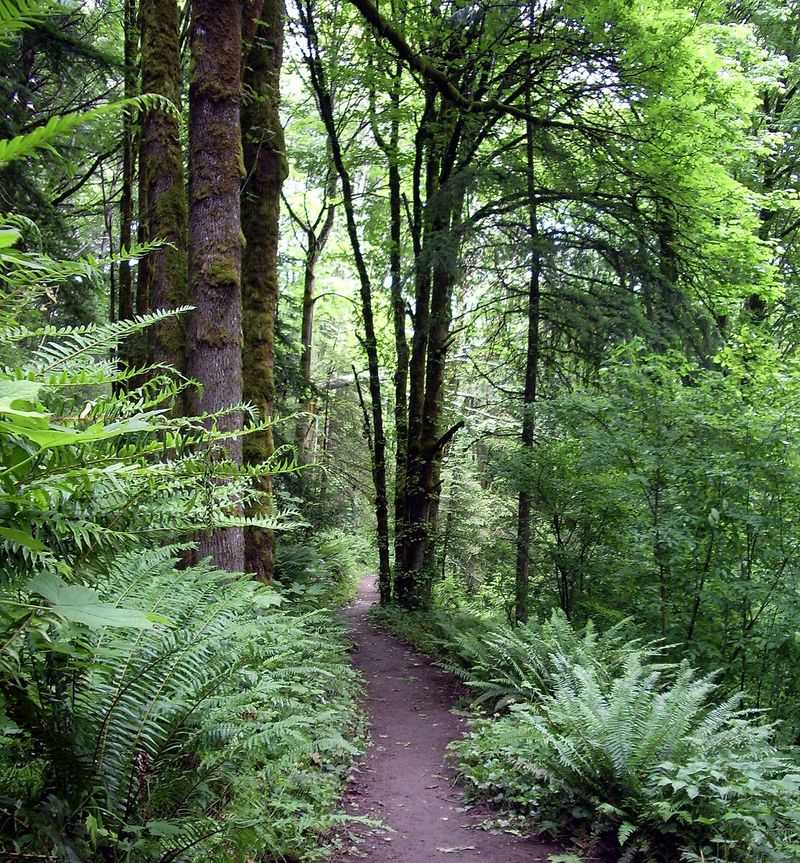
Rain falls generously across Oregon throughout much of the year, creating ideal moisture conditions for ferns.
Most areas receive between 40 and 80 inches of precipitation annually, with the western regions getting even more.
This consistent water supply means you rarely need to drag out the hose or worry about irrigation systems.
Ferns evolved in moist environments and their shallow root systems depend on regular hydration.
Oregon’s rainy season from October through May provides exactly what these plants crave.
Even during summer months, morning dew and coastal fog keep humidity levels high enough to support healthy fern growth.
The gentle nature of Oregon rainfall also benefits ferns tremendously.
Heavy downpours can damage delicate fronds, but the state typically experiences steady, moderate rain that nourishes without harming.
This pattern allows water to penetrate the soil gradually rather than running off.
Homeowners in Oregon backyards can plant ferns and watch them thrive with minimal watering effort.
The natural precipitation does most of the work for you.
During occasional dry spells in summer, a weekly watering usually keeps ferns looking their best.
This rainfall advantage makes Oregon one of the easiest places in America to grow ferns successfully.
You can enjoy gorgeous greenery without the constant maintenance required in drier climates.
2. Mild Temperatures Year-Round Support Continuous Growth
Temperature extremes stress most plants, but Oregon’s moderate climate keeps ferns comfortable throughout all seasons.
Winter lows rarely dip below freezing in populated areas, while summer highs typically stay under 90 degrees.
This goldilocks zone allows ferns to grow actively for much of the year rather than going dormant.
Many native Oregon fern species actually prefer cooler conditions and can look their best during winter months.
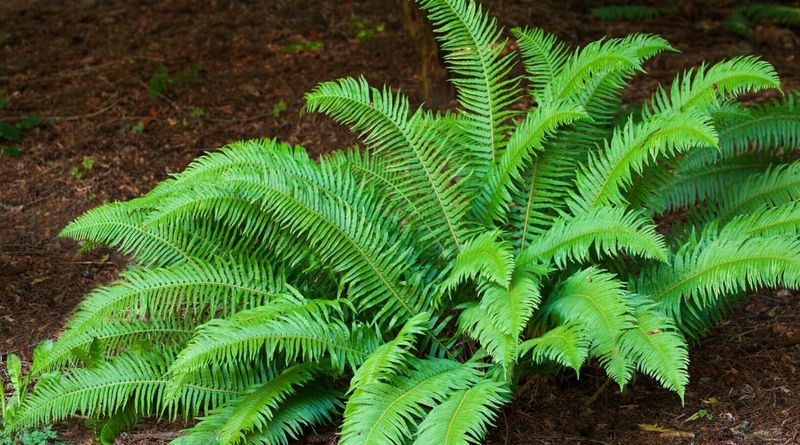
Sword ferns, lady ferns, and deer ferns stay green and vibrant even when other plants have lost their leaves.
Your Oregon Garden Changes Every Week. Your Plan Should Too.
Gardening in Oregon changes quickly throughout the season. Every Friday you’ll receive a simple weekly plan showing exactly what to plant, prune, fertilize, harvest, and protect so you never miss the right timing.
The lack of harsh freezes means fronds don’t get damaged by ice crystals.
Summer heat in Oregon backyards rarely becomes intense enough to scorch fern foliage.
Coastal areas benefit from ocean breezes that moderate temperatures, while inland valleys get warm but not scorching.
Ferns appreciate this gentle warmth that promotes growth without causing stress.
The extended growing season in Oregon means your ferns can establish deeper roots and fuller crowns.
Plants have more time to photosynthesize and store energy.
This results in larger, healthier specimens that fill in garden spaces beautifully.
Gardeners in Oregon don’t need to worry about protecting ferns from winter cold or summer heat.
The climate naturally provides conditions that keep these plants thriving year after year with minimal intervention.
3. Acidic Soil Composition Matches Fern Preferences Perfectly
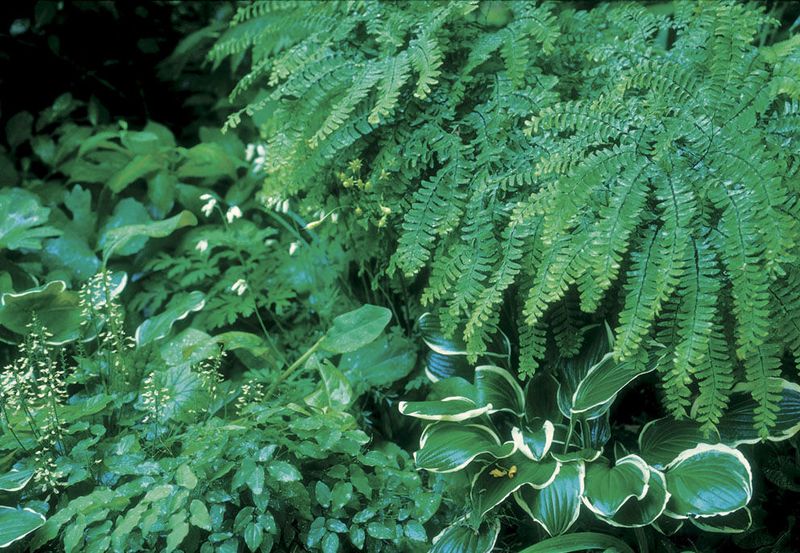
Soil chemistry plays a huge role in plant health, and Oregon’s naturally acidic earth suits ferns wonderfully.
The state’s abundant conifer forests drop needles that decompose and lower soil pH levels.
Ferns evolved alongside these forests and actually prefer acidic conditions between 5.5 and 6.5 on the pH scale.
Most Oregon backyards already have soil in this ideal range without any amendments needed.
Homeowners can simply plant ferns directly into existing garden beds and watch them flourish.
This saves money on soil testing and pH adjustments that gardeners in other regions must make.
Acidic soil helps ferns access important nutrients like iron and manganese more easily.
These elements become less available in alkaline conditions, leading to yellowing fronds and poor growth.
Oregon’s natural acidity ensures ferns can absorb everything they need from the ground.
The decomposing organic matter that creates acidity also provides rich nutrition for fern roots.
Fallen leaves, needles, and woody debris break down into humus that feeds plants slowly over time.
This creates a self-sustaining system where ferns get both the right pH and plenty of food.
If you live in Oregon and want to grow ferns, you likely have perfect soil already waiting in your yard.
The natural forest conditions that created this environment have done the preparation work for you.
4. High Humidity Levels Prevent Frond Drying And Browning

Humidity makes all the difference for ferns, and Oregon delivers moisture-rich air that keeps fronds looking fresh and green.
Coastal areas often experience humidity levels above 80 percent, while even inland valleys maintain comfortable moisture in the air.
This atmospheric water vapor helps ferns breathe and function properly.
Ferns release water through tiny pores on their fronds in a process called transpiration.
When air humidity is low, they lose moisture faster than roots can replace it, causing brown edges and crispy tips.
Oregon’s humid conditions slow this water loss, keeping fronds plump and healthy.
Morning fog rolls through many Oregon backyards, depositing tiny water droplets directly onto fern foliage.
This natural misting provides hydration that supplements soil moisture.
Ferns can actually absorb some water through their fronds, making this fog particularly beneficial.
The combination of rainfall and humidity creates a microclimate similar to ferns’ native forest habitats.
These plants originally grew on shaded forest floors where moisture hung in the air constantly.
Oregon backyards replicate these conditions naturally, especially in areas with tree cover.
Gardeners in drier states must run humidifiers or mist their ferns daily to prevent browning.
Oregon residents can skip these extra steps because Mother Nature provides perfect humidity levels automatically.
Your ferns will reward this natural advantage with gorgeous, vibrant growth that stays beautiful throughout the year.
5. Abundant Shade From Trees Creates Ideal Light Conditions
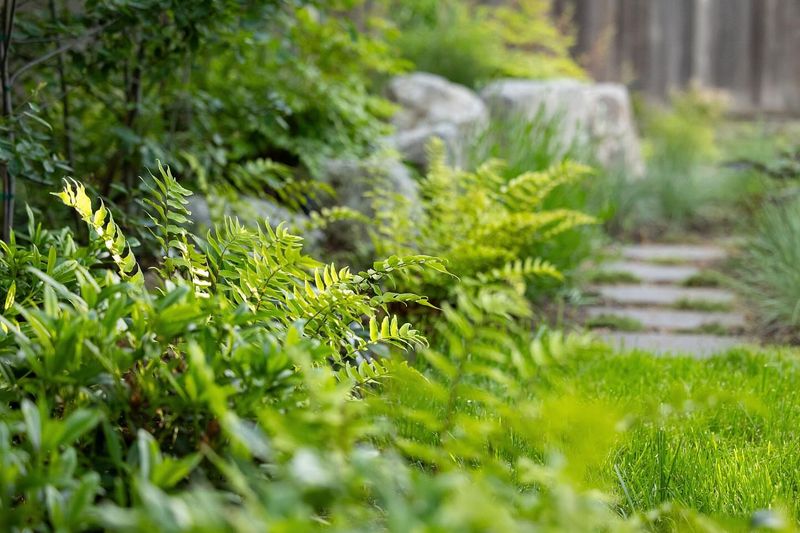
Strong sunlight can scorch fern fronds quickly, but Oregon’s tree-filled landscapes provide natural shade that protects these delicate plants.
Douglas firs, Western red cedars, and bigleaf maples create canopy cover in many backyards.
This filtered light mimics the forest floor conditions where ferns evolved over millions of years.
Most fern species prefer indirect light or partial shade rather than full sun exposure.
Oregon’s abundant tree cover makes it easy to find shady spots perfect for fern plantings.
You can tuck ferns under shrubs, beside fences, or beneath tree branches without worrying about them getting too much light.
The dappled sunlight that filters through Oregon tree canopies provides enough energy for photosynthesis without overwhelming sensitive foliage.
Ferns can produce the food they need while staying protected from harsh rays.
This balance promotes healthy growth and prevents the bleaching that occurs in overly bright locations.
Even Oregon backyards without mature trees often have structures, hedges, or neighboring properties that cast shade.
The state’s frequent cloudy days also reduce light intensity naturally.
These factors combine to create environments where ferns can thrive in multiple locations around your property.
Gardeners in sunny, arid regions must carefully plan shade structures or choose only the most sun-tolerant fern varieties.
Oregon homeowners have the opposite luxury with plenty of naturally shaded areas waiting to be planted with beautiful, lush ferns that will flourish effortlessly.
6. Rich Organic Matter In Soil Provides Constant Nutrition

Nutrition matters for all plants, and Oregon soils naturally contain abundant organic material that feeds ferns continuously.
Fallen leaves, decomposing wood, and plant debris create a nutrient-rich layer similar to forest floors.
Ferns have evolved to thrive in these organic-rich environments rather than requiring synthetic fertilizers.
The Pacific Northwest’s moist climate speeds decomposition, turning plant matter into available nutrients quickly.
Microorganisms and fungi break down organic material, releasing nitrogen, phosphorus, and trace minerals that fern roots absorb readily.
This natural fertilization system works year-round without any effort from homeowners.
Many Oregon backyards sit on land that was forested within the past century, meaning soil still contains layers of accumulated organic matter.
Even newer developments often have soil amended with compost and mulch during construction.
These conditions give ferns an immediate nutritional advantage when planted.
Ferns don’t need heavy feeding like roses or vegetables, making them perfect for Oregon’s naturally fertile but moderate soil.
Too much fertilizer can actually harm ferns by promoting excessive growth or burning roots.
The steady, gentle nutrition from decomposing organic matter provides exactly what these plants need.
Adding a layer of leaf mulch or compost around your Oregon ferns once yearly maintains this nutritional cycle.
The organic matter breaks down slowly, feeding plants while improving soil structure.
This low-maintenance approach fits perfectly with the easy-care nature of ferns in Oregon backyards.
7. Native Fern Species Are Already Adapted To Local Conditions
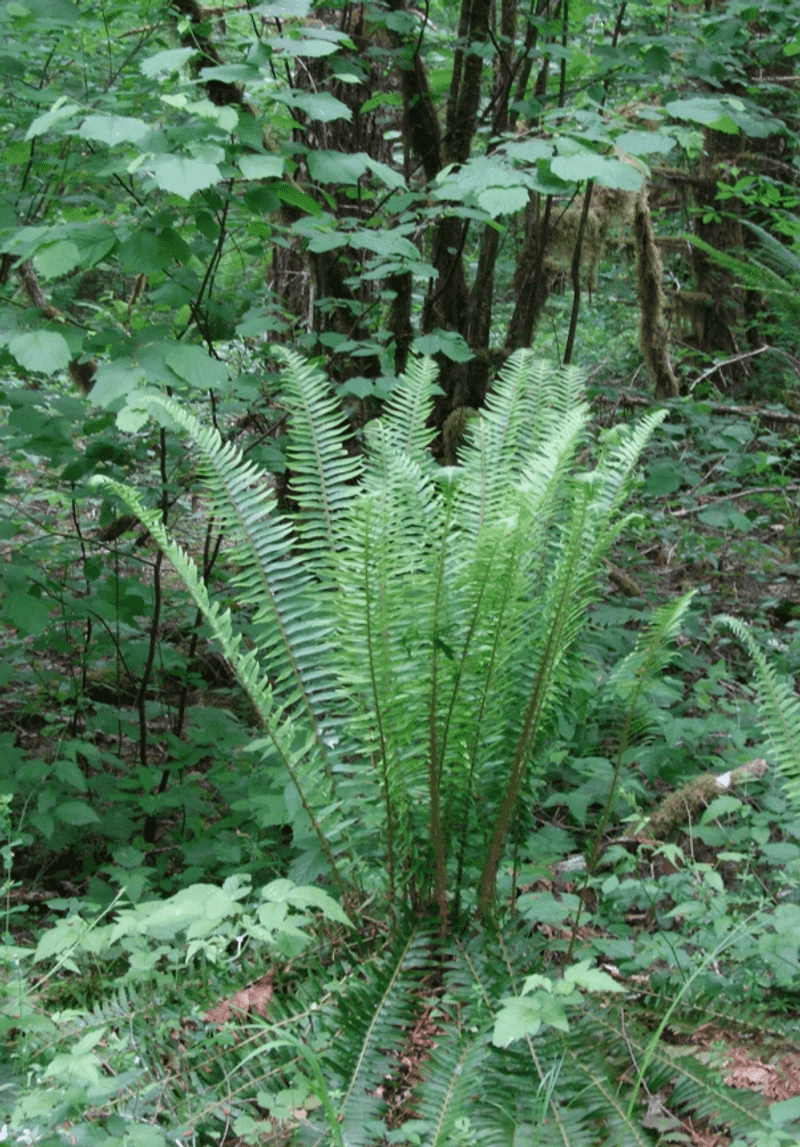
Oregon boasts over 30 native fern species that have adapted to local conditions over thousands of years.
Sword ferns, lady ferns, deer ferns, and licorice ferns grow wild throughout the state’s forests and meadows.
Planting these native species in your backyard means working with plants that already know how to thrive in Oregon’s environment.
Native ferns require zero adjustment period because they’re already perfectly suited to Oregon rainfall, temperatures, and soil.
They’ve developed resistance to local pests and diseases through generations of natural selection.
This built-in resilience means fewer problems and less maintenance compared to exotic species from other regions.
Many Oregon nurseries and garden centers stock native ferns specifically because they perform so reliably.
You can choose from various sizes, textures, and growth habits while knowing any native selection will succeed.
Sword ferns provide bold, evergreen foliage, while lady ferns offer delicate, deciduous fronds that create different aesthetic effects.
Using native ferns also supports local ecosystems by providing habitat for native insects, birds, and other wildlife.
These plants have co-evolved with Oregon’s fauna, creating beneficial relationships that imported species can’t replicate.
Your fern garden becomes part of a larger ecological network.
Gardeners who choose native Oregon ferns benefit from plants that essentially grow themselves.
These species know exactly what to do in local conditions, requiring minimal water, fertilizer, or care once established in backyard settings throughout the state.
8. Cool Summers Prevent Heat Stress And Wilting
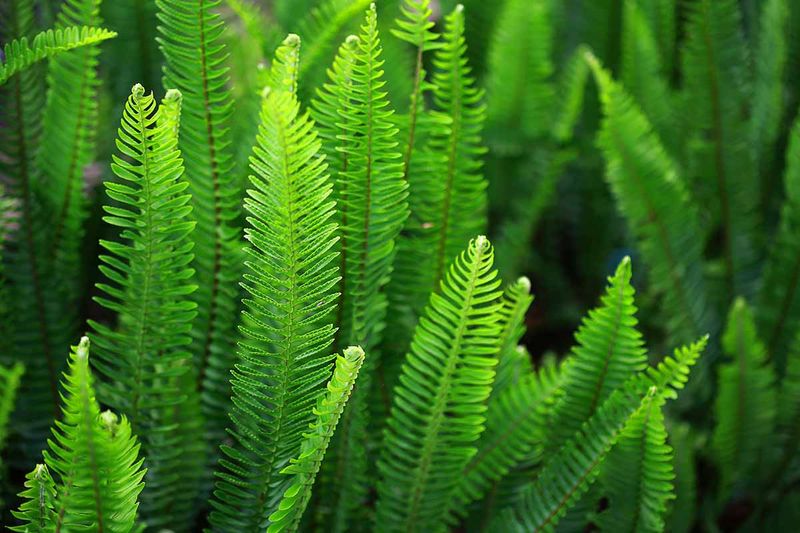
Summer heat waves stress ferns terribly in many parts of the country, but Oregon’s cool summers keep these plants comfortable and growing.
Average July temperatures in Portland hover around 80 degrees, while coastal areas stay even cooler.
Ferns can maintain active growth during summer months rather than struggling to survive scorching conditions.
Hot temperatures increase water loss from fronds faster than roots can replace moisture, leading to wilting and brown edges.
Oregon’s moderate summer weather keeps transpiration rates manageable.
Ferns maintain their turgidity and vibrant green color throughout the growing season without constant intervention.
Many popular fern varieties actually stop growing and go semi-dormant when temperatures exceed 85 degrees for extended periods.
In Oregon backyards, this rarely happens, allowing ferns to photosynthesize and expand throughout summer.
The result is fuller, more vigorous plants that reach their maximum potential size.
Coastal Oregon areas benefit from ocean influence that keeps temperatures especially mild.
Inland valleys get warmer but still avoid the extreme heat common in California, Arizona, or the Midwest.
This temperature advantage makes Oregon one of the best fern-growing regions in North America.
Homeowners can plant ferns in spring and watch them establish quickly during Oregon’s gentle summer weather.
The comfortable conditions allow roots to spread and fronds to multiply without heat-related setbacks.
By fall, your ferns will be well-established and ready to thrive for years to come in Oregon’s perfect climate.
9. Extended Growing Season Allows Maximum Development
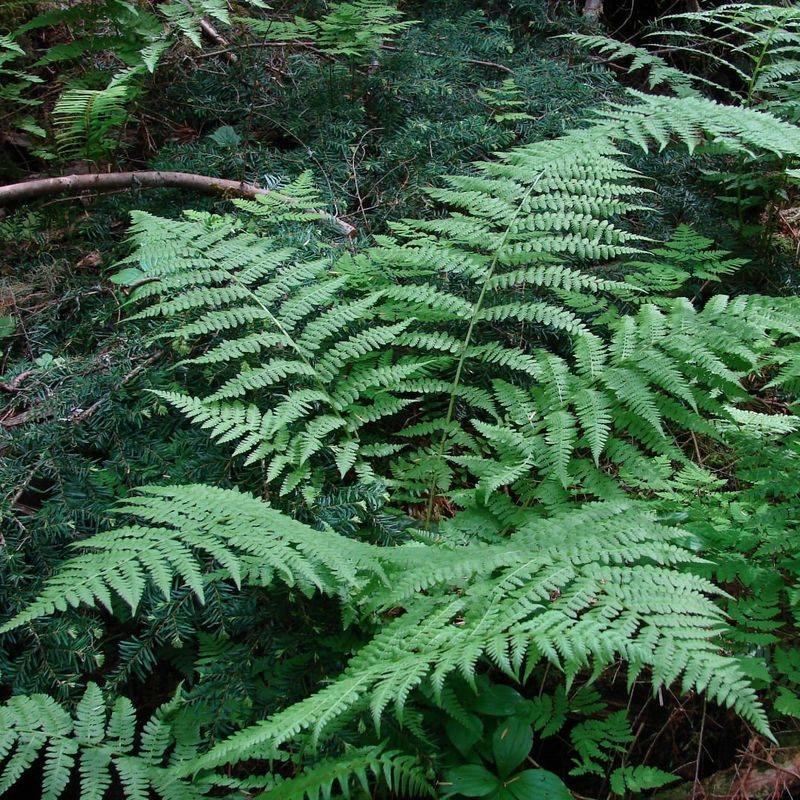
Growing seasons vary dramatically across the country, but Oregon offers ferns an exceptionally long period of active growth.
Mild winters and cool summers mean many fern species never truly go dormant.
This extended growing window allows plants to develop larger root systems and produce more fronds than they could in harsher climates.
In regions with hard freezes, ferns must shut down for months, halting all growth and sometimes losing foliage.
Oregon ferns often keep their fronds year-round, continuing to photosynthesize even during winter months.
This extra growing time accumulates year after year, resulting in impressively large specimens.
Spring arrives early in Oregon, with ferns unfurling new fronds as early as March in many areas.
Fall stays mild well into November, giving plants extra weeks of active growth.
This ten-month growing season far exceeds what ferns experience in most other states.
The longer growing period also means faster establishment for newly planted ferns.
A fern planted in an Oregon backyard in spring will develop much more extensively by winter than the same species would in a shorter-season climate.
Within two or three years, you’ll have mature, full-sized plants filling your garden spaces.
Oregon’s extended growing season represents a significant advantage for fern cultivation.
Your plants simply have more time to grow, develop, and flourish.
This natural benefit makes creating a lush, fern-filled backyard easier in Oregon than almost anywhere else in the United States.