15 North Carolina Native Plants Birds Can’t Resist
North Carolina’s landscape offers incredible opportunities for gardeners who want to attract beautiful birds to their yards and neighborhoods every single season.
Native plants provide food, shelter, and nesting spots that birds have relied on for thousands of years in this region’s diverse ecosystems.
By choosing the right native species, you can transform your outdoor space into a haven where colorful feathered friends visit regularly.
This guide shares fifteen amazing plants that will bring songbirds, hummingbirds, and other winged visitors right to your doorstep throughout the year.
1. Eastern Red Cedar
Across North Carolina, this evergreen tree stands tall and provides year-round shelter that birds desperately need during harsh winter months.
Dense foliage creates perfect hiding spots where small songbirds escape predators and find protection from snow, ice, and freezing winds.
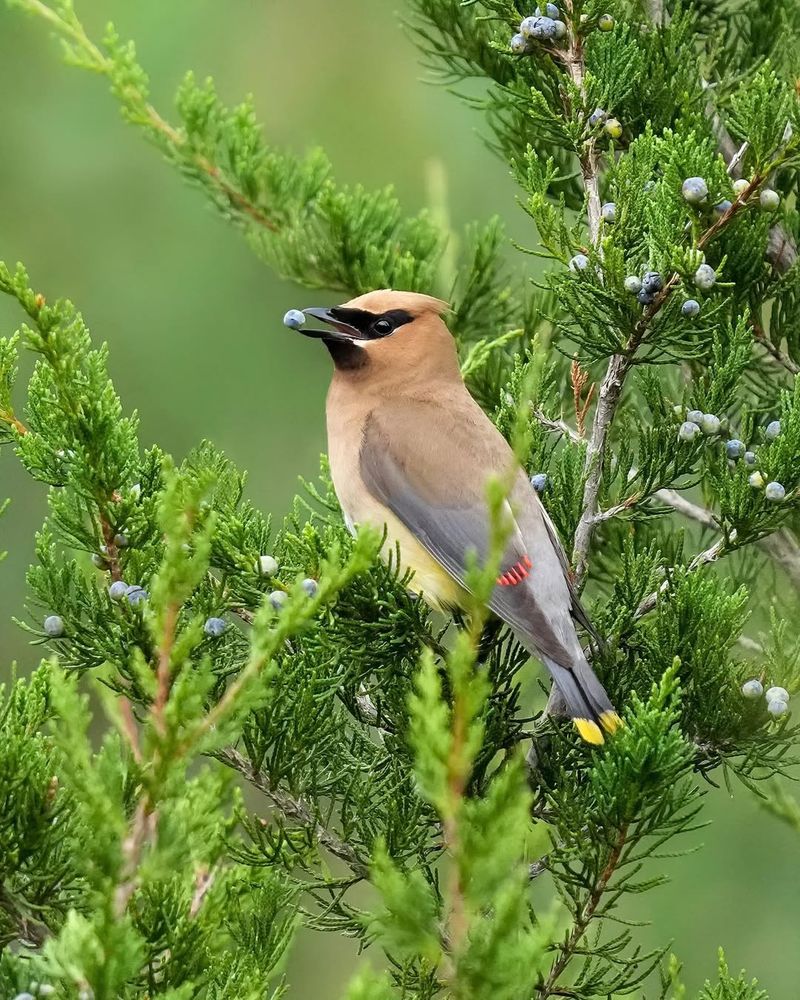
Blue berry-like cones ripen in fall and remain available through winter when other food sources become scarce for hungry birds.
Cedar waxwings, robins, and bluebirds eagerly consume these nutritious fruits that help them survive the coldest season of the year.
Juncos and sparrows nest within the thick branches that offer privacy and safety from larger predators hunting in the area.
This adaptable tree thrives in poor soil conditions where other plants struggle, making it ideal for challenging garden spots in the state.
Mature specimens can reach heights of forty feet, creating vertical habitat layers that different bird species prefer for various activities.
Planting one in your yard establishes a wildlife magnet that benefits local ecosystems for decades into the future ahead.
2. Black-Eyed Susan
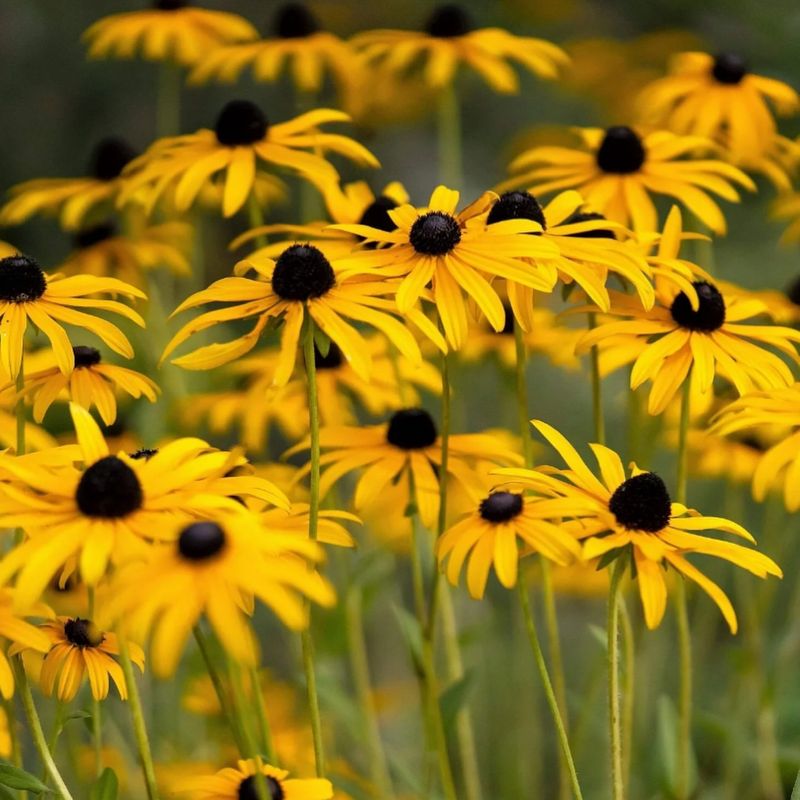
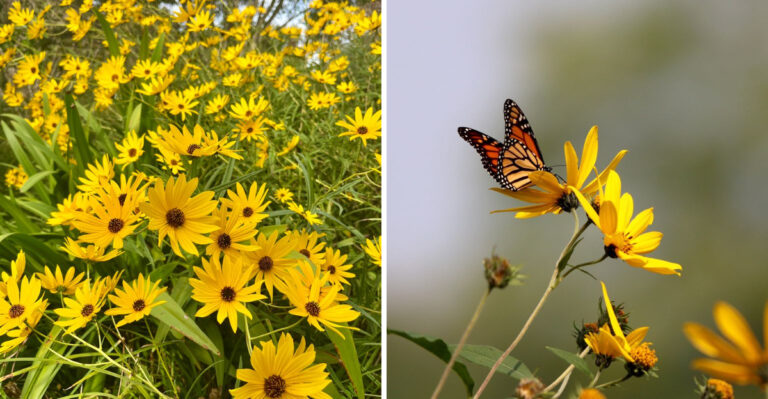
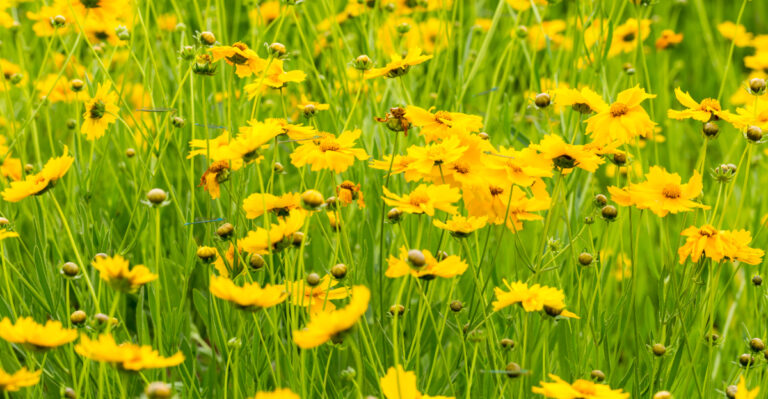
Bright yellow petals surrounding dark centers make this cheerful wildflower instantly recognizable in gardens, meadows, and roadsides throughout North Carolina’s countryside.
Goldfinches adore the seed heads that develop after blooms fade in late summer, providing essential nutrition during their molting period.
These hardy perennials spread naturally through self-seeding, creating larger patches each year that attract increasing numbers of hungry seed-eating birds.
Finches cling to dried flower heads through autumn and early winter, extracting every last nutritious seed with their specialized beaks.
Butterflies and bees visit the blooms during summer months, creating a pollinator paradise that supports entire food chains in your landscape.
Full sun and well-drained soil are the only requirements for success with this low-maintenance native that tolerates drought remarkably well.
Grouping several plants together creates a more dramatic visual display while offering birds abundant feeding opportunities in one convenient location.
Leaving seed heads standing through winter provides food and adds interesting texture to otherwise dormant garden beds during cold months.
3. Flowering Dogwood
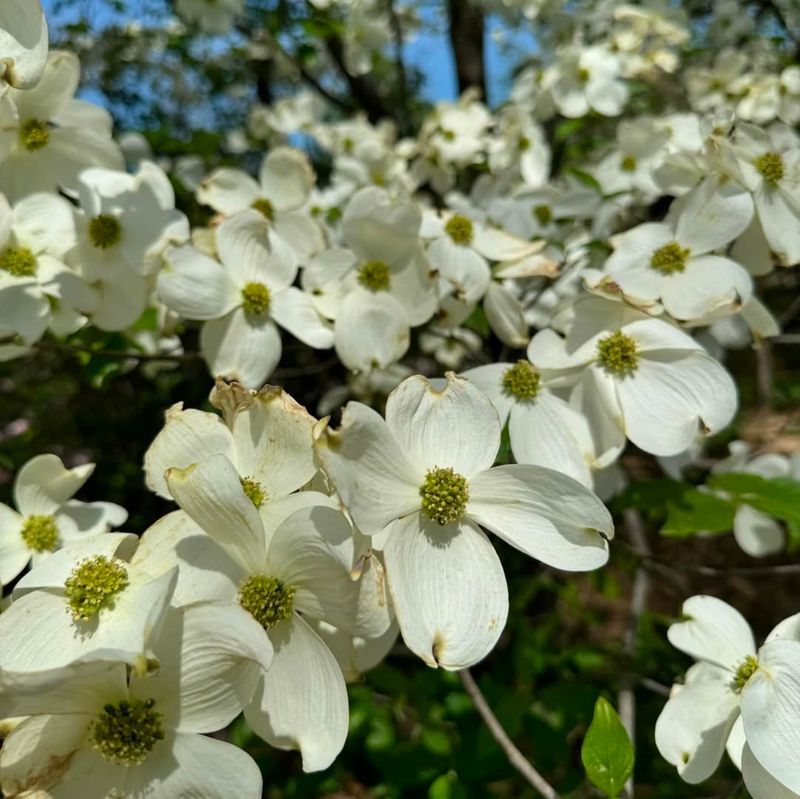
Springtime in North Carolina brings spectacular white or pink blossoms that transform this understory tree into a stunning focal point.
While the showy flowers attract pollinators, birds truly get excited about the bright red berries that ripen each fall season.
Cardinals, thrushes, and woodpeckers feast on these lipid-rich fruits that provide energy for migration and winter survival in the region.
Horizontal branching creates natural perching spots where birds rest between feeding sessions while scanning the area for potential threats nearby.
Your North Carolina Garden Changes Every Week. Your Plan Should Too.
Gardening in North Carolina changes quickly throughout the season. Every Friday you’ll receive a simple weekly plan showing exactly what to plant, prune, fertilize, harvest, and protect so you never miss the right timing.
Native insects colonize the foliage during growing season, offering protein-rich meals to warblers and vireos raising hungry nestlings in spring.
Dappled shade beneath larger trees mimics this species’ natural habitat in North Carolina’s deciduous forests where it evolved over millennia.
Fall foliage turns deep red and purple, adding another layer of seasonal interest beyond the obvious benefits for wildlife populations.
Compact varieties work well in smaller yards where space is limited but the desire to support birds remains strong and genuine.
4. Purple Coneflower
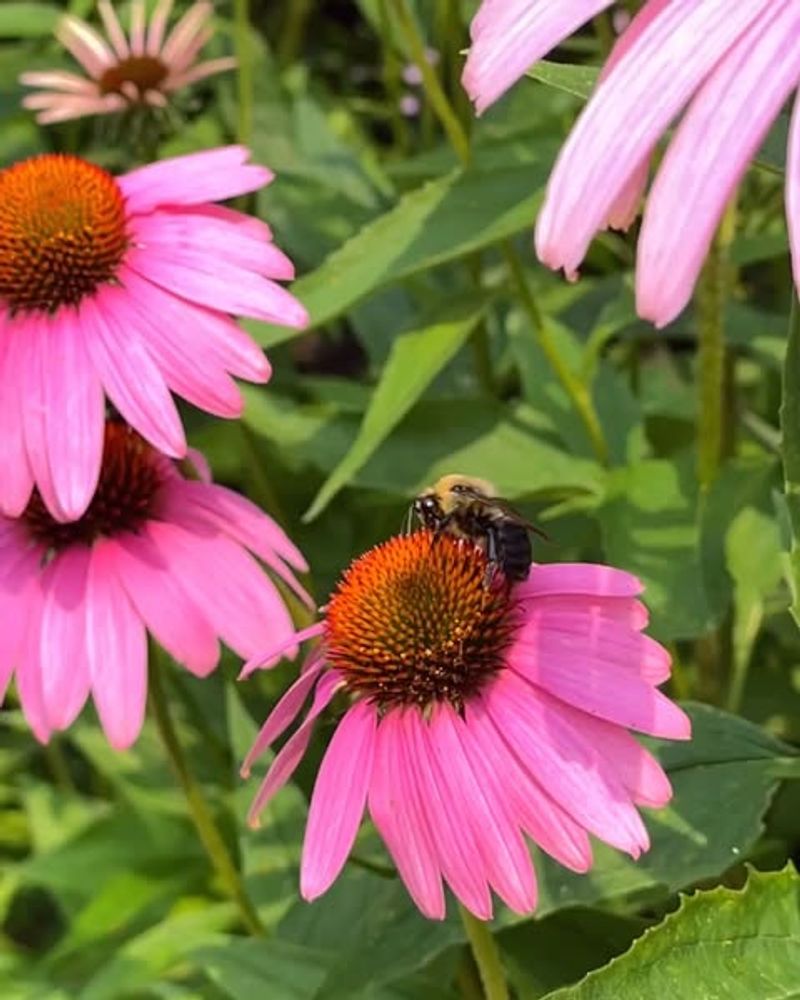
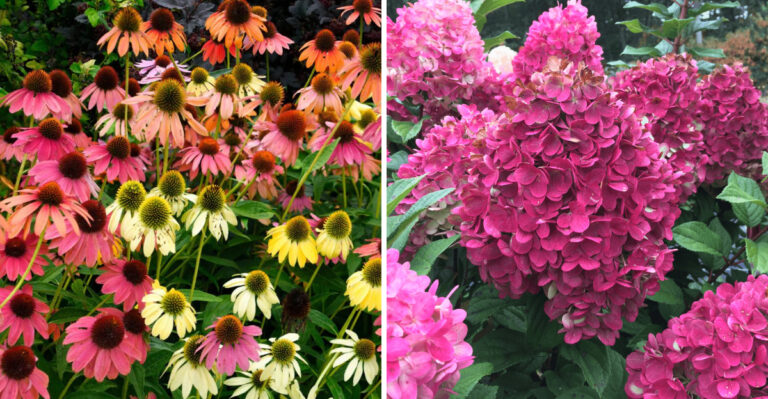
Goldfinches perform acrobatic displays while feeding on the spiky seed heads of this beloved prairie native that thrives in North Carolina gardens.
Pink-purple petals droop gracefully around prominent center cones that develop into seed-packed structures by late summer and early autumn months.
Finches arrive in small flocks, chattering excitedly as they work together to extract seeds from the sturdy dried flower heads.
This drought-tolerant perennial blooms for weeks during the hottest part of summer when many other plants have finished their flowering cycle.
Butterflies and bumblebees visit constantly during bloom time, creating a lively scene that brings any garden space to vibrant life.
Cutting back spent flowers encourages additional blooming, but leaving some seed heads intact ensures birds have natural food sources through fall.
Clumps expand slowly over time, creating larger displays that require minimal care once established in sunny locations with decent drainage.
Deer typically avoid this plant, making it excellent for rural properties where browsing pressure limits other gardening options for homeowners.
5. Serviceberry
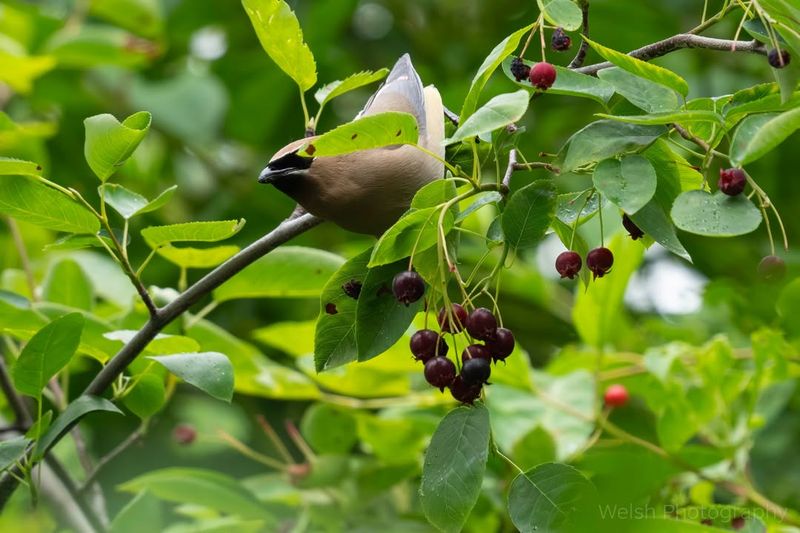
Early spring blooms appear before most other plants have even begun to wake from winter dormancy across North Carolina’s varied landscapes.
Delicate white flowers provide nectar for early-season pollinators while signaling that sweet berries will arrive by early summer for birds.
Robins, catbirds, and waxwings compete for the dark purple fruits that ripen in June, often stripping bushes bare within days.
Smooth gray bark and delicate branching structure create four-season interest that makes this shrub attractive even when not producing flowers.
Fall foliage turns brilliant shades of orange and red, rivaling any ornamental import in terms of pure visual impact.
Multiple stems create dense thickets that offer nesting opportunities for smaller songbirds seeking protected spots to raise their young families.
This adaptable native tolerates partial shade and various soil types, succeeding in locations where more finicky plants would fail completely.
Humans can also enjoy the sweet berries if they harvest quickly before birds discover the ripening crop in early summer.
6. Trumpet Honeysuckle
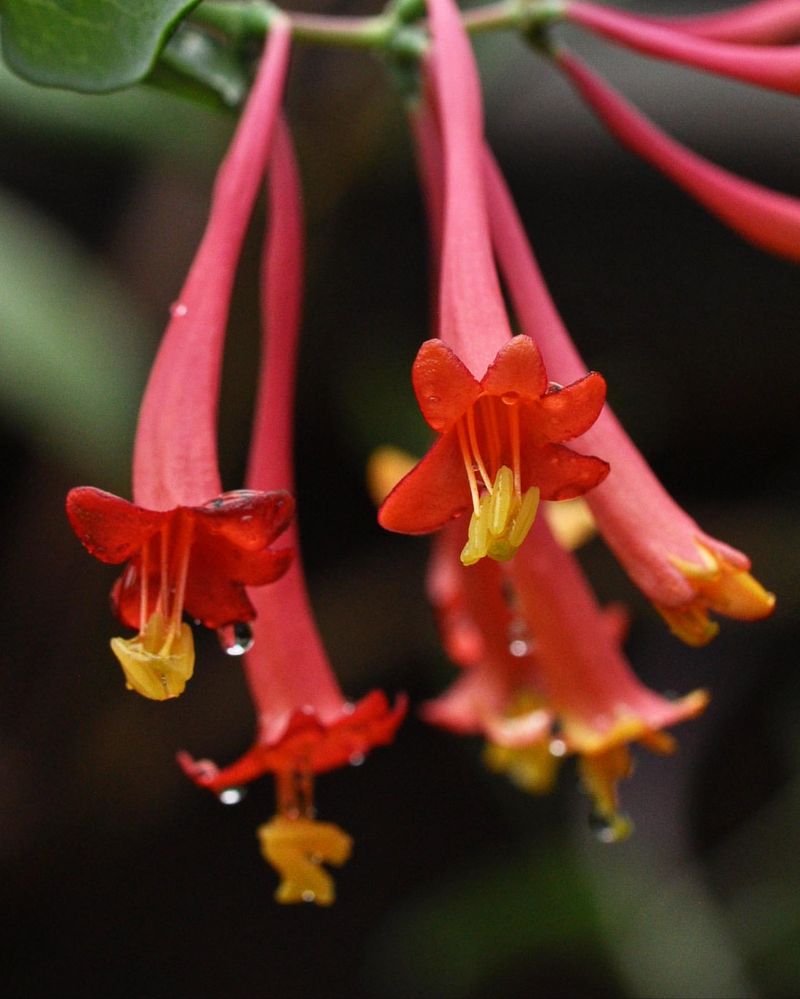
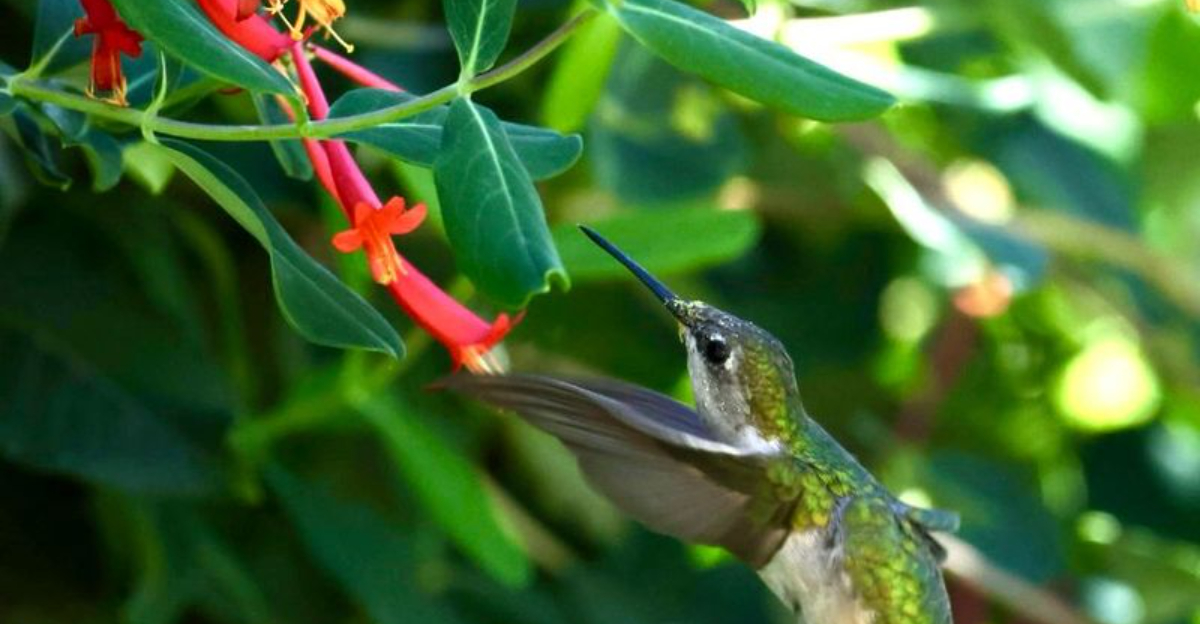
Ruby-throated hummingbirds zoom directly toward the tubular red-orange flowers that bloom prolifically from spring through fall in North Carolina gardens.
Unlike invasive honeysuckle species, this native vine behaves politely in landscapes while providing months of nectar for migrating and resident hummers.
Twining stems climb fences, trellises, and arbors without becoming aggressive or smothering nearby plants in the surrounding garden space.
Small red berries follow the flowers in late summer, attracting cardinals, catbirds, and other fruit-loving species to your yard regularly.
Dense foliage creates vertical cover where small birds hide from hawks and other predators while moving through the garden safely.
Full sun to partial shade suits this adaptable climber that establishes quickly once planted in well-drained soil with moderate moisture.
Deadheading spent blooms encourages continuous flowering, though this isn’t necessary for the plant to perform admirably throughout the growing season.
Pairing this vine with native perennials creates layered habitat that supports diverse bird populations and other wildlife throughout the year.
7. American Holly
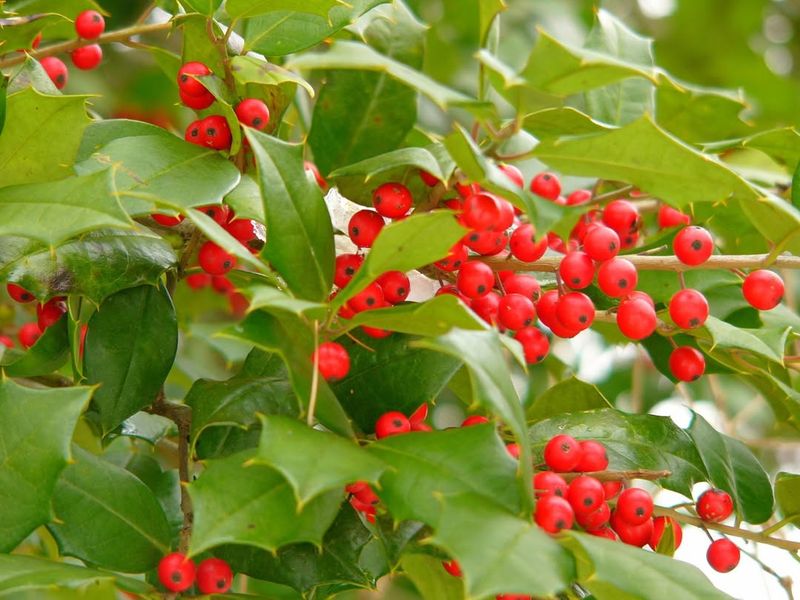
Glossy evergreen leaves with distinctive spiny edges make this tree instantly recognizable in North Carolina’s forests and cultivated landscapes year-round.
Female trees produce abundant bright red berries that persist through winter, becoming increasingly important as other food sources disappear completely.
Cedar waxwings, mockingbirds, and bluebirds rely heavily on these fruits during cold months when insects and other foods vanish.
Dense branching provides excellent shelter where birds roost on frigid nights, huddling together to conserve precious body heat and energy.
Only female trees produce berries, so planting one male for every three females ensures good pollination and abundant fruit production.
This slow-growing native eventually reaches impressive heights, creating a stately specimen that anchors garden designs for generations to come ahead.
Pruning shapes the tree while providing festive holiday decorations that bring the beauty of nature indoors during winter celebration season.
Tolerant of various soil conditions and partial shade, this versatile evergreen adapts to many different landscape situations across the state.
8. Beautyberry
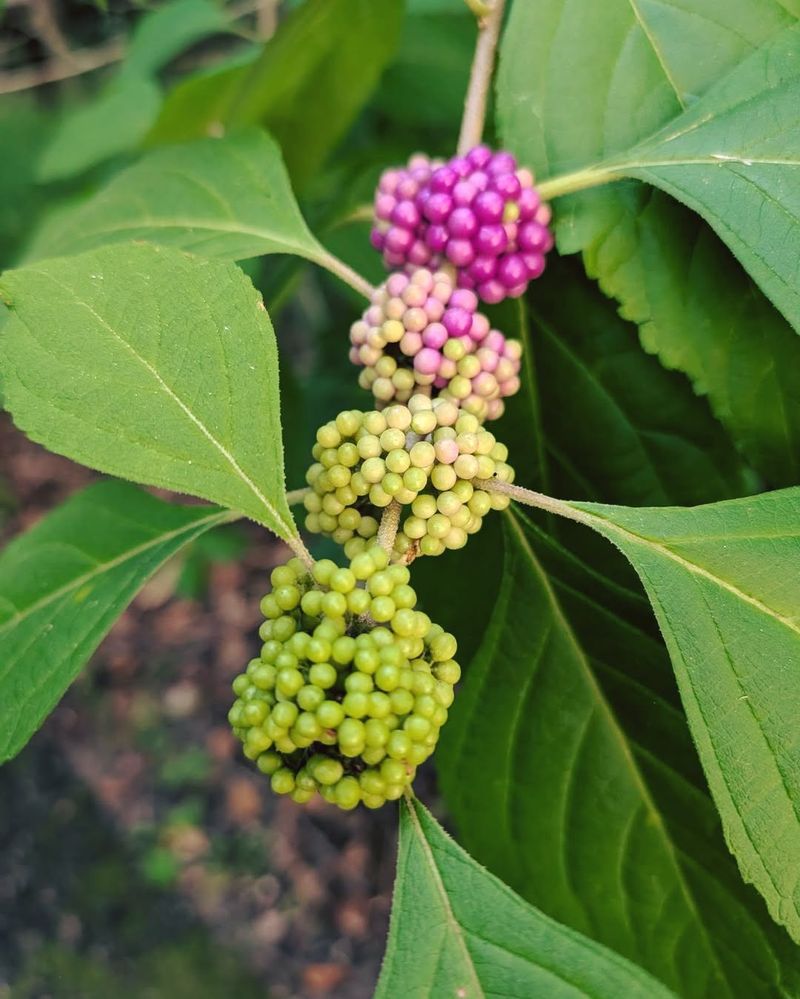
Jaw-dropping clusters of bright purple berries encircle the stems in fall, creating one of nature’s most unusual and eye-catching displays.
Mockingbirds, catbirds, and thrushes wait until after the first frost softens the berries before consuming them in large quantities daily.
Arching branches create a fountain-like form that looks elegant in both formal gardens and naturalized woodland settings throughout North Carolina.
Small pink flowers in summer attract pollinators but go largely unnoticed until the spectacular berry display appears in September and October.
Birds often ignore the berries initially, but once cold weather arrives, they strip the shrubs completely within a few weeks.
This deciduous native thrives in partial shade where many fruiting shrubs struggle, making it perfect for woodland gardens and shady borders.
Cutting stems back to the ground in late winter encourages vigorous new growth that produces the best berry display possible.
Grouping three or more plants together creates a more dramatic visual impact while providing abundant food for hungry birds each fall.
9. Coral Honeysuckle
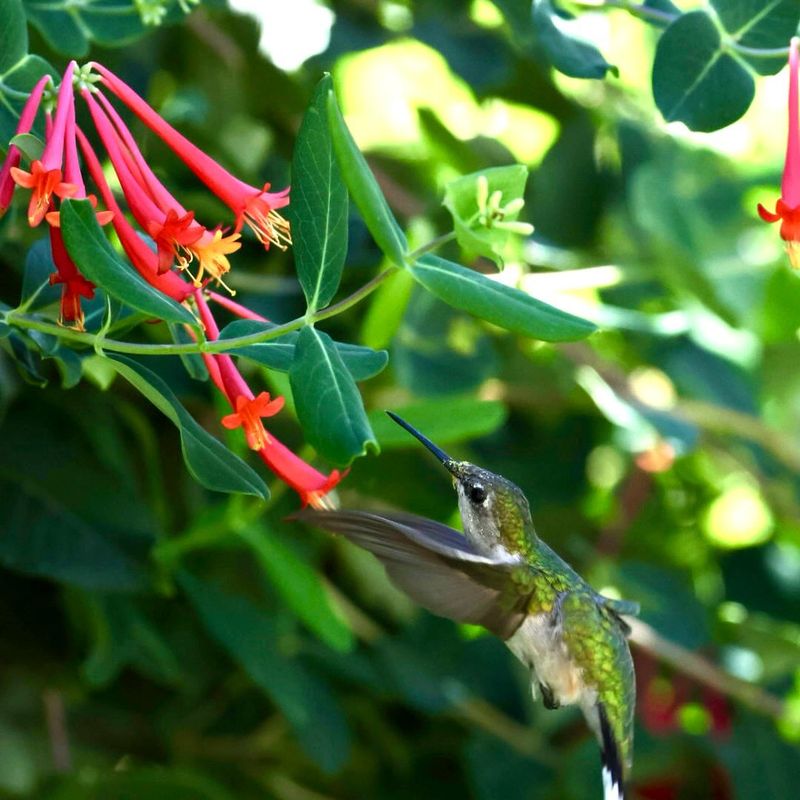
Hummingbirds perform aerial acrobatics while accessing the nectar-rich tubular flowers that bloom in waves from spring through summer across North Carolina.
Coral-red blooms with yellow throats create striking color combinations that catch attention from both birds and human admirers passing by.
This well-behaved native vine climbs moderately without the aggressive tendencies of invasive honeysuckle species that plague natural areas statewide.
Small red berries develop after flowering, providing late-season food for songbirds preparing for migration or settling in for winter months.
Evergreen to semi-evergreen foliage in milder parts of North Carolina offers year-round cover where birds seek shelter from weather.
Butterflies and sphinx moths also visit the flowers, adding another dimension of wildlife activity to gardens featuring this versatile climber.
Training the vine along fences or up mailbox posts creates vertical interest while maximizing limited space in smaller urban yards.
Drought tolerance once established makes this plant suitable for low-maintenance landscapes where supplemental watering isn’t practical or desired by homeowners.
10. Elderberry
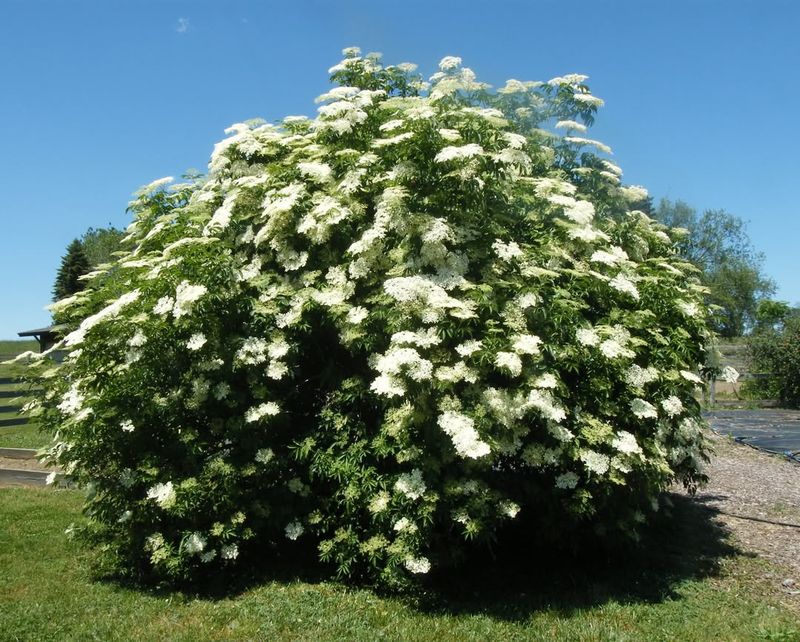
Flat-topped clusters of creamy white flowers in early summer give way to drooping bunches of dark purple-black berries by midsummer.
Cedar waxwings, robins, and catbirds arrive in noisy flocks to feast on the abundant fruits that ripen over several weeks.
Over a hundred bird species have been documented consuming elderberries across their range, making this shrub a true wildlife superstar.
Fast growth and suckering habit create thickets that provide dense cover for ground-nesting birds and small mammals in naturalized areas.
Humans can harvest berries for jams, syrups, and wine if they act quickly before birds discover the ripening crop.
Moist soil and full sun to partial shade suit this adaptable native that tolerates wet conditions better than most fruiting shrubs.
Pruning older canes to the ground encourages vigorous new growth that produces the heaviest berry crops each successive season.
Planting elderberry along property edges creates natural screens while supporting wildlife populations that benefit entire neighborhoods and surrounding natural areas.
11. Oakleaf Hydrangea
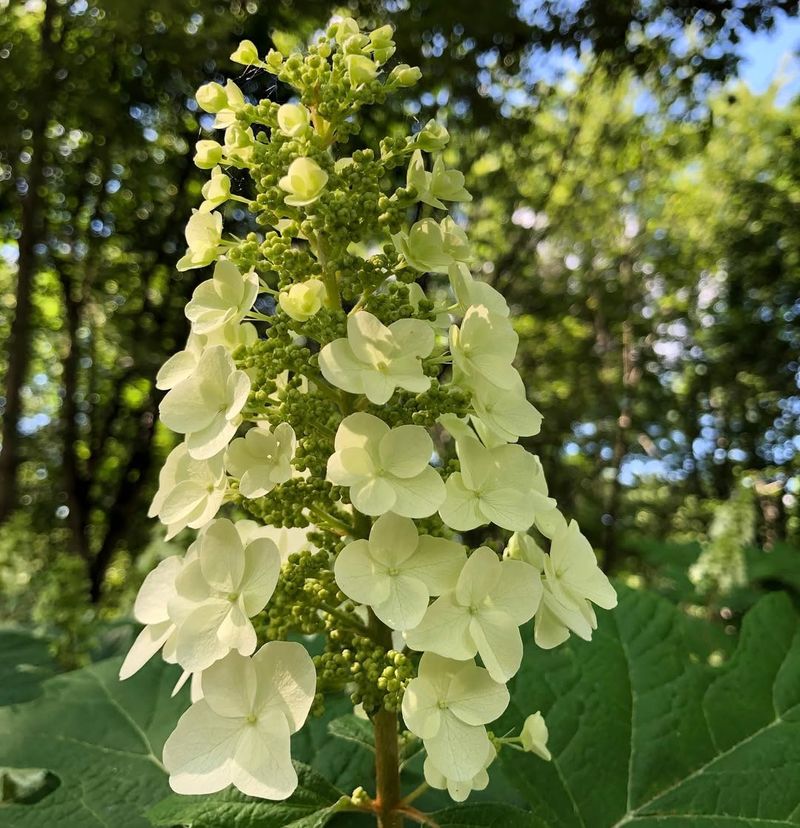
Large oak-shaped leaves turn brilliant shades of burgundy and purple in fall, rivaling any imported ornamental for pure seasonal color impact.
Cone-shaped white flower clusters bloom in late spring and gradually fade to pink and tan as summer progresses across North Carolina.
Seeds develop within the dried flower heads, providing food for juncos, sparrows, and other small seed-eating birds through winter months.
Exfoliating bark on mature stems adds textural interest during dormant season when leaves have dropped and flowers are long gone.
This shade-tolerant native thrives beneath tall trees where many other flowering shrubs would fail to bloom or even survive long-term.
Layered branching creates excellent cover where birds forage for insects and seek shelter from predators patrolling the area from above.
Established plants tolerate drought better than most hydrangeas, making them suitable for gardens with less-than-perfect watering schedules or conditions.
Compact cultivars fit smaller spaces while still providing the wildlife benefits and ornamental features that make this species so valuable.
12. Spicebush
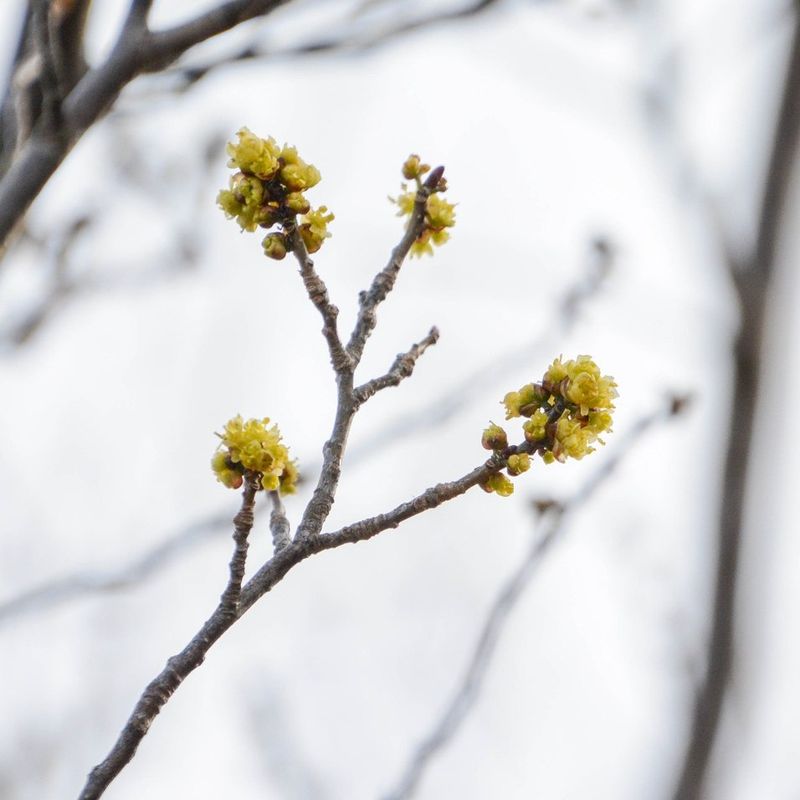
Tiny yellow flowers emerge in very early spring before leaves unfurl, providing nectar when few other plants are blooming yet.
Aromatic foliage releases a spicy fragrance when brushed or crushed, adding a sensory dimension to woodland gardens throughout North Carolina.
Female shrubs produce bright red berries in fall that wood thrushes, vireos, and other migrating songbirds consume eagerly during their journeys.
This understory native thrives in dappled shade where it evolved naturally in the state’s deciduous forests over thousands of years.
Spicebush swallowtail butterfly caterpillars feed exclusively on the foliage, making this plant essential for that species’ survival in the region.
Birds hunt for these caterpillars and other insects among the branches, finding protein-rich meals to fuel their demanding metabolisms and activities.
Yellow fall foliage adds another season of interest before leaves drop and reveal the shrub’s attractive gray branching structure.
Grouping several plants together creates better berry production while mimicking the natural colonies found in wild forest settings across the state.
13. Winterberry Holly
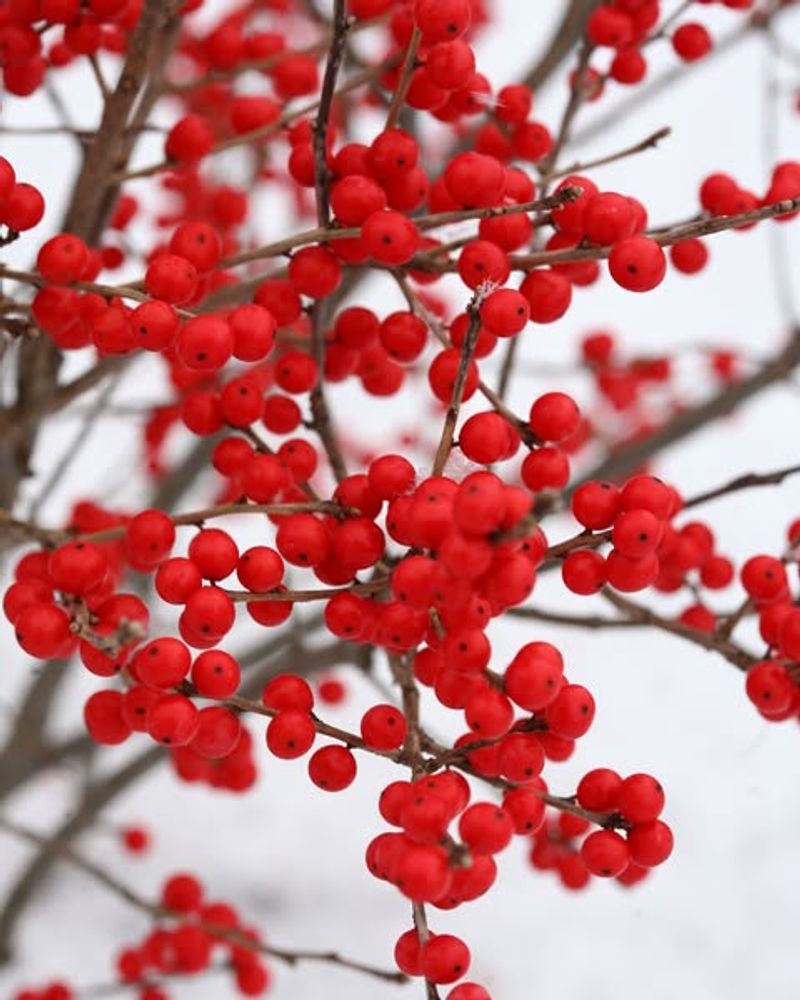
Brilliant red berries coat bare branches after leaves drop in fall, creating stunning winter displays that brighten dreary landscapes beautifully.
Robins, bluebirds, and cedar waxwings strip the shrubs of berries during cold snaps when hunger drives them to consume anything.
This deciduous holly loses its leaves in autumn, making the berry display even more dramatic against bare branches and winter skies.
Female plants require a nearby male for pollination, so planting one male for every five females ensures heavy fruit production.
Berries often persist into late winter, providing emergency food during the most challenging time of year for resident bird populations.
Wet to moist soil conditions suit this native that naturally grows in swamps, stream edges, and other damp locations statewide.
Compact cultivars work well in smaller gardens while still producing abundant berries that attract numerous bird species throughout winter months.
Cutting berry-laden branches for indoor arrangements brings natural beauty inside while leaving plenty of fruit for hungry wildlife outside in yards.
14. Virginia Creeper
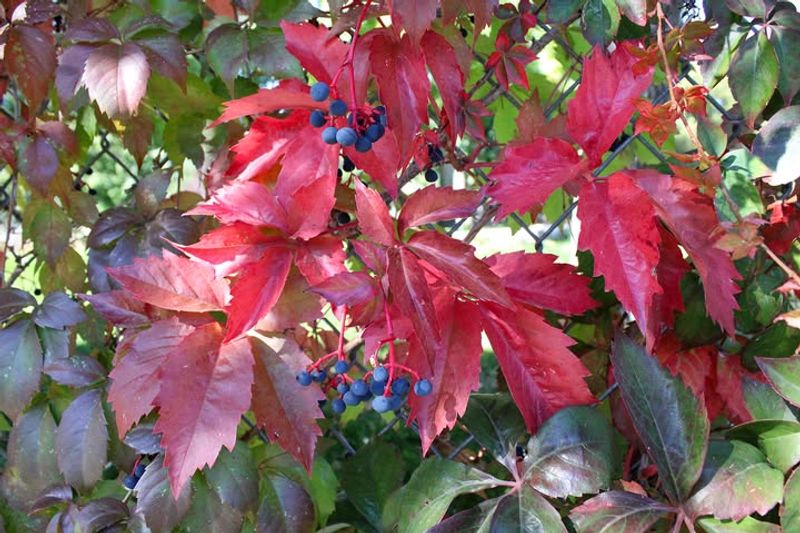
Five-leaflet compound leaves turn spectacular shades of scarlet and burgundy in fall, creating some of the most intense autumn color available.
Dark blue berries ripen in late summer and early fall, attracting woodpeckers, thrushes, and vireos that consume them eagerly before migration.
This vigorous native vine climbs using adhesive tendrils, covering fences, trees, and walls without the damage caused by English ivy roots.
Dense foliage provides excellent cover where birds nest and hide from predators throughout the growing season in North Carolina landscapes.
Insects colonize the leaves and stems, creating hunting grounds where warblers and other insectivores find abundant meals for their nestlings.
Rapid growth fills in vertical spaces quickly, making this vine ideal for screening unsightly views or creating privacy in urban gardens.
Fall berry production coincides perfectly with migration timing, providing crucial fuel for birds undertaking long journeys southward to wintering grounds.
Controlling spread requires occasional pruning, but the wildlife benefits far outweigh the minimal maintenance this adaptable native vine demands from gardeners.
15. Wax Myrtle
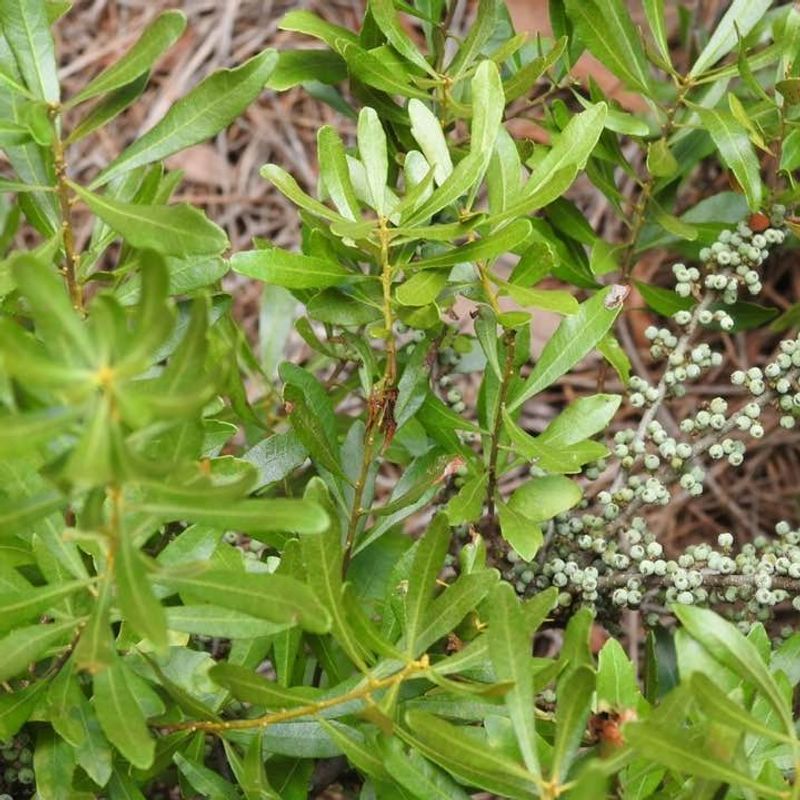
Aromatic evergreen foliage releases a pleasant fragrance when touched, making this shrub appealing to multiple human senses throughout the year.
Small gray waxy berries cover female plants in fall and winter, providing crucial food for yellow-rumped warblers and other species.
These high-fat berries allow warblers to overwinter farther north than other warbler species that must migrate to tropical regions for survival.
Fast growth and tolerance for poor, sandy soils make this native ideal for coastal gardens and challenging inland sites across North Carolina.
Dense branching creates excellent windbreaks and privacy screens while simultaneously supporting bird populations with food and shelter year-round.
Only female plants produce berries, so selecting named cultivars of known gender ensures you get fruit-bearing specimens for your landscape.
This adaptable shrub tolerates salt spray, drought, and occasional flooding, succeeding where more finicky plants would struggle or perish completely.
Planting wax myrtle establishes a low-maintenance foundation that supports wildlife while requiring minimal care once established in the garden or yard.