Who’s Responsible When A Neighbor’s Tree Falls Into Your Virginia Yard
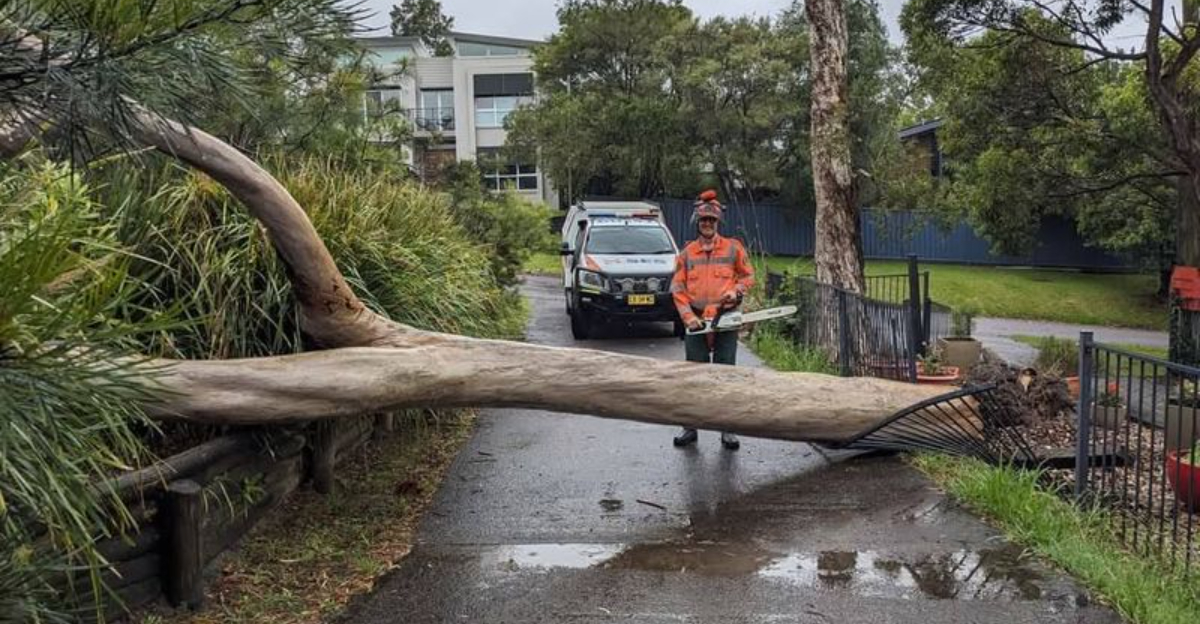
When a tree comes crashing down from next door into your Virginia yard, it can feel like the calm before the storm just broke.
One moment everything is business as usual, and the next you are staring at fallen branches, damaged fences, or worse.
Along with the mess comes a bigger concern that tends to hang in the air.
Who is on the hook for the damage.
Tree issues between neighbors are more common than many people think, especially in Virginia where mature trees line older neighborhoods and wooded properties.
Storms, high winds, and heavy snow can push even healthy trees past their breaking point.
When that happens, emotions can run high and assumptions can muddy the waters.
Virginia law follows some clear principles, but they are not always widely understood.
Responsibility often depends on factors like tree health, prior warnings, and the cause of the fall. Knowing these details ahead of time can save time, money, and strained relationships.
Like reading the fine print before signing a contract, understanding the rules helps you avoid surprises.
Handling a fallen tree the right way keeps small problems from growing roots.
With the right information, homeowners can protect their property, handle repairs calmly, and keep neighborly peace intact even after a tree takes a tumble.
1. Virginia Follows The Act Of God Rule For Healthy Trees
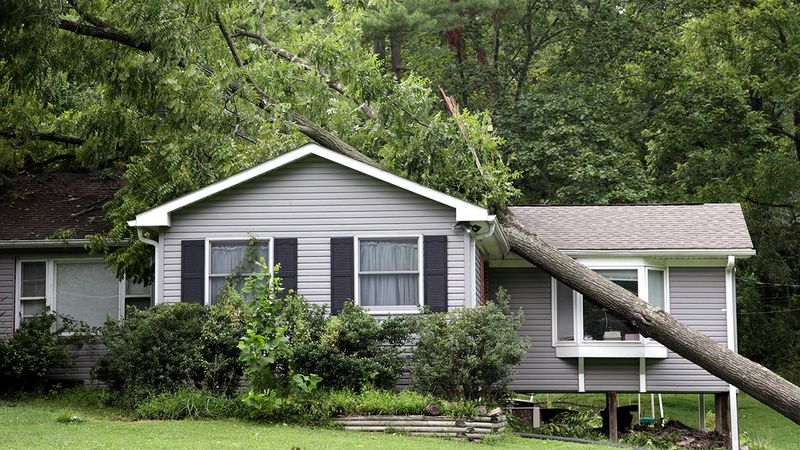
Virginia law treats fallen trees differently depending on their condition before they fall.
If a healthy tree topples over during a storm or due to natural causes, the legal system generally considers this an “Act of God.”
This means that neither property owner is typically held responsible for the damage caused by a naturally occurring event that couldn’t have been prevented through reasonable care.
Under this rule, you as the property owner where the tree lands are usually responsible for cleanup and repairs, even though the tree originated from your neighbor’s yard.
This might seem unfair at first, but Virginia courts have consistently upheld this principle for decades.
The reasoning is that healthy trees don’t represent a hazard, and property owners shouldn’t be liable for unpredictable natural events.
Your homeowner’s insurance policy will likely cover damage to your structures, vehicles, or other property from the fallen tree.
However, you’ll need to pay your deductible and handle the claim process yourself.
The insurance company won’t pursue your neighbor for reimbursement if the tree was healthy before it fell.
Documentation becomes important in these situations.
Take photographs of the fallen tree, showing its overall condition and root system.
If the tree appears healthy with no signs of rot, disease, or structural weakness, this supports the Act of God classification.
Keep records of all cleanup costs and insurance communications for your files.
Many Virginia homeowners are surprised to learn about this rule, especially when facing thousands of dollars in damage from a neighbor’s tree.
Understanding this legal principle helps set realistic expectations about recovery options and guides your next steps in addressing the situation properly.
Your Virginia Garden Changes Every Week. Your Plan Should Too.
Gardening in Virginia changes quickly throughout the season. Every Friday you’ll receive a simple weekly plan showing exactly what to plant, prune, fertilize, harvest, and protect so you never miss the right timing.
2. Negligence Changes Everything About Liability
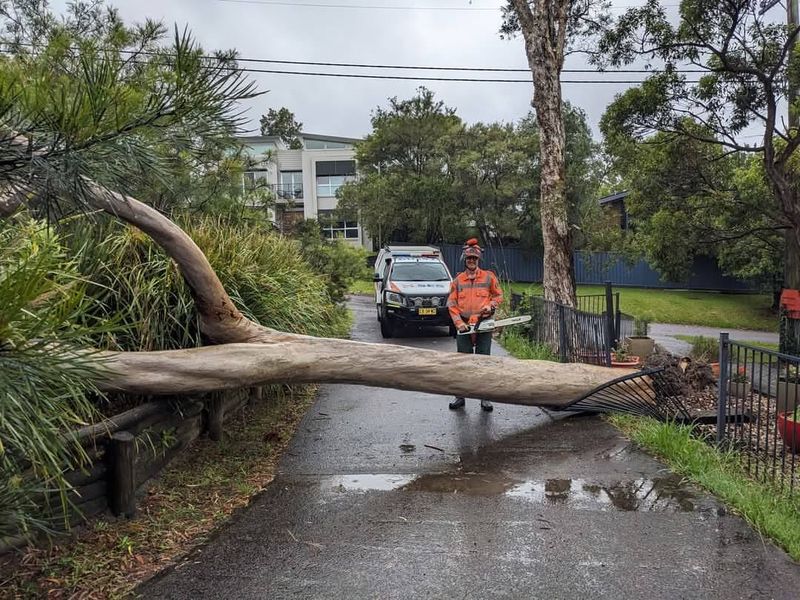
Everything shifts when negligence enters the picture.
If your neighbor knew or should have known that their tree posed a danger, they can be held legally responsible for damage it causes when it falls.
Virginia law requires property owners to maintain their trees in a reasonably safe condition and address obvious hazards.
Signs of a hazardous tree include visible decay, large dead branches, leaning trunks, fungal growth at the base, exposed roots, or cracks in the trunk.
If your neighbor ignored these warning signs despite having reasonable opportunity to notice them, they may be liable for resulting damage.
Professional arborist reports can establish whether the tree showed clear signs of distress before falling.
Proving negligence requires demonstrating three key elements.
First, the tree must have been in a dangerous condition.
Second, your neighbor must have known or reasonably should have known about the hazard.
Third, they failed to take appropriate action to address the risk, such as removing the tree or consulting with a tree care professional.
Written documentation strengthens negligence claims significantly.
If you previously notified your neighbor about concerns regarding their tree, keep copies of emails, letters, or text messages.
Photographs showing the tree’s deteriorating condition over time provide valuable evidence.
Witness statements from other neighbors who observed the hazard can also support your case.
When negligence is established, your neighbor’s homeowner’s insurance should cover your damages.
You may need to file a claim directly with their insurance company or work through your own insurer, who will then pursue subrogation against the negligent party.
In some Virginia cases, small claims court or civil litigation becomes necessary when insurance disputes arise or coverage is insufficient.
3. Document The Tree’s Condition Before And After It Falls
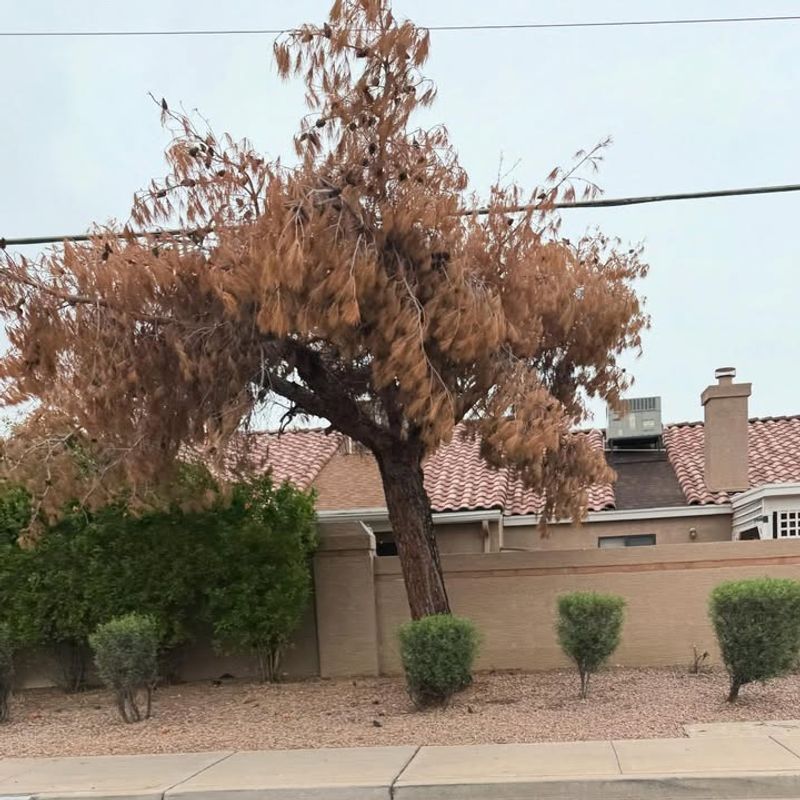
Solid documentation makes the difference between a smooth resolution and a prolonged dispute.
As soon as safety permits after a tree falls, begin photographing everything from multiple angles.
Capture the entire fallen tree, the point where it crossed the property line, damage to your property, and close-ups of the tree’s root system and trunk condition.
Look for and photograph any signs of disease, decay, or structural weakness in the fallen tree.
Hollow sections, fungal growth, insect damage, or rotted wood all indicate the tree may have been hazardous before falling.
These images become crucial evidence if you need to establish that your neighbor should have recognized the danger.
If you had concerns about the tree before it fell, prior documentation becomes incredibly valuable.
Previous photos showing the tree leaning, losing bark, or displaying dead branches help establish a timeline of deterioration.
This evidence demonstrates that warning signs existed long enough for your neighbor to have noticed and acted.
Written records complement photographic evidence effectively.
Create a detailed written account of when the tree fell, weather conditions at the time, and any conversations you’ve had with your neighbor about the incident.
Note the date and time you discovered the damage and any immediate safety concerns the fallen tree created.
Consider hiring a certified arborist to inspect the fallen tree and provide a professional assessment.
Arborists can determine whether the tree was healthy or showed signs of disease, structural defects, or other problems that should have been addressed.
Their written reports carry significant weight with insurance companies and in legal proceedings throughout Virginia.
Keep receipts for all expenses related to the incident, including emergency tree removal, temporary repairs, and professional assessments.
Organize your documentation in a file that you can easily share with insurance adjusters or attorneys if needed.
4. Your Homeowner’s Insurance Typically Covers The Initial Damage
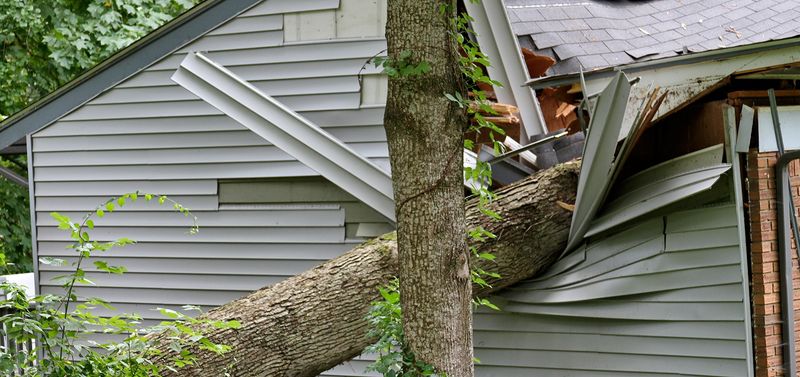
Most Virginia homeowner’s insurance policies include coverage for damage caused by fallen trees, regardless of where the tree originated.
Your policy likely covers repairs to your home, detached structures like sheds or garages, and sometimes even landscaping up to certain limits.
This coverage applies whether the tree came from your property, your neighbor’s land, or even public property.
Standard policies typically include a specific amount for tree removal, usually between five hundred and one thousand dollars per tree.
This covers removing the fallen tree from structures it damaged, though it may not cover removing portions that fell on your lawn without hitting anything.
Review your policy documents carefully to understand your specific coverage limits and exclusions.
Your deductible applies to these claims just like any other covered loss.
If you have a one-thousand-dollar deductible and the damage totals fifteen hundred dollars, you’ll pay the first thousand and your insurance covers the remaining five hundred.
For minor damage below your deductible amount, filing a claim may not make financial sense.
Contact your insurance company promptly after a tree falls on your property.
Many insurers have 24-hour claim hotlines for emergencies.
The company will send an adjuster to assess the damage and determine coverage.
Be present during this inspection if possible and share your documentation of the damage.
If the fallen tree created immediate safety hazards, your policy may cover emergency mitigation costs even before the adjuster arrives.
Keep receipts for any emergency repairs or tree removal services you hire.
However, contact your insurer first when possible to confirm coverage and avoid disputes later.
Your insurance company may pursue subrogation against your neighbor if evidence shows their negligence contributed to the tree falling.
This process happens behind the scenes and doesn’t require your active involvement, though you should cooperate with any information requests from your insurer.
5. Warning Your Neighbor About Dangerous Trees Protects Your Rights
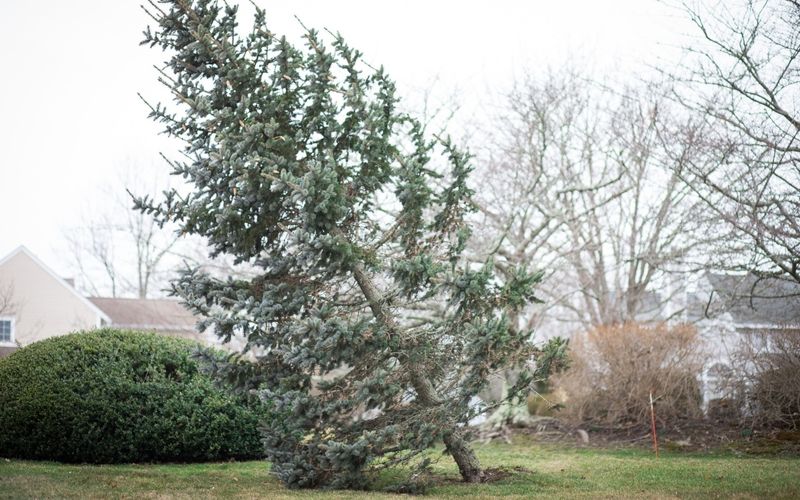
Formal notification to your neighbor about a hazardous tree creates an important legal record.
Once you’ve warned them in writing about a dangerous tree on their property, they can no longer claim they didn’t know about the problem.
This notification significantly strengthens any negligence claim if the tree later causes damage.
Send your warning via certified mail with return receipt requested, or deliver it in person with a witness present.
Describe the specific concerns about the tree, including its location, visible problems, and why you believe it poses a risk.
Include photographs if possible and suggest that your neighbor consult with a professional arborist.
Keep the tone respectful and factual rather than accusatory.
Your goal is to protect your property and establish a record, not to create unnecessary conflict with someone you’ll continue living near.
Many neighbors appreciate the heads-up and take appropriate action once they understand the risk.
After sending your warning, document any response or lack thereof from your neighbor.
If they hire a tree service or arborist, that shows they took your concern seriously.
If they ignore your warning completely, that strengthens a potential negligence claim should the tree later cause damage.
Virginia law doesn’t require you to warn your neighbor before holding them liable for a hazardous tree, but doing so demonstrates good faith and creates clear evidence.
Some neighbors may not have noticed problems with their trees, especially if the dangerous signs face your property rather than theirs.
Consider also notifying your own insurance company about your concerns regarding the neighbor’s tree.
Some policies have provisions requiring policyholders to report known hazards.
This notification protects you from potential coverage disputes if you knew about a danger but failed to report it to your insurer.
6. You Can Trim Branches That Cross The Property Line
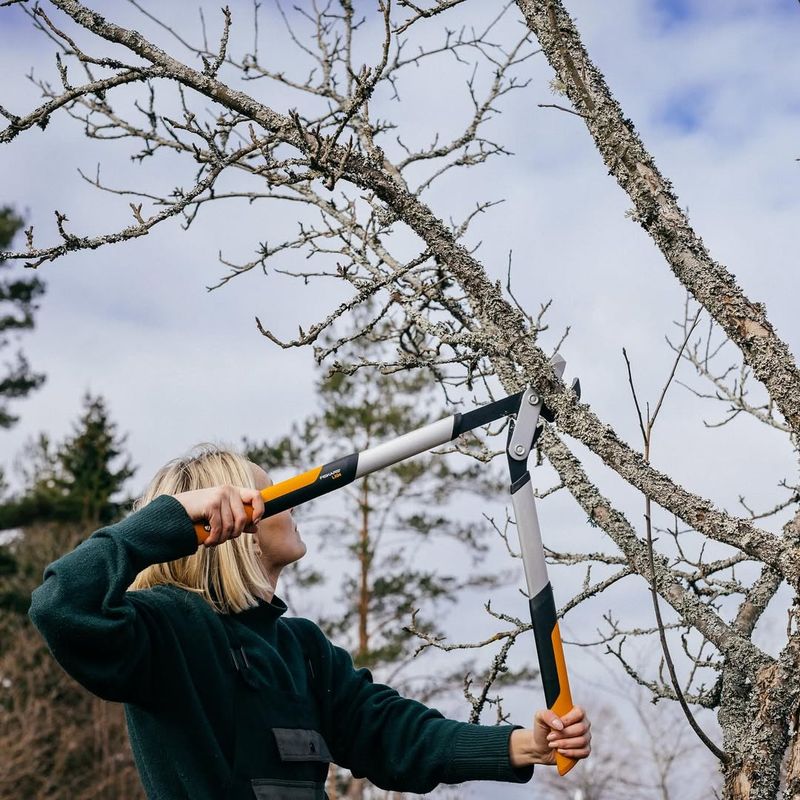
Virginia property law gives you the right to trim branches and roots from a neighbor’s tree that extend onto your property.
This right allows you to maintain your space and reduce potential hazards without needing your neighbor’s permission.
However, you must exercise this right carefully to avoid legal problems or damaging the tree.
You can only trim what crosses the property boundary onto your side.
Cutting branches that remain entirely on your neighbor’s property, even if they overhang and might eventually cross the line, constitutes trespassing and property damage.
Stay strictly within your legal boundaries when trimming.
Use proper pruning techniques or hire a professional tree service to avoid harming the tree.
If your trimming damages or weakens the tree significantly, your neighbor could potentially sue you for the tree’s diminished value.
Virginia courts have held property owners liable when improper trimming caused substantial harm to a neighbor’s tree.
Consider the practical and neighborly aspects before exercising your legal right to trim.
Sometimes a friendly conversation with your neighbor leads to a cooperative solution where they handle the trimming themselves or you share the cost of professional service.
This approach preserves the relationship and often produces better results than unilateral action.
You’re responsible for disposing of any branches or roots you trim from your neighbor’s tree.
You cannot throw the trimmings back onto their property or demand that they handle disposal.
Factor disposal costs into your decision about whether to trim yourself or hire professionals.
Document the condition of overhanging branches before trimming them, especially if they appear dead or hazardous.
These records protect you if disputes arise later about whether the branches posed a legitimate concern.
Photographs showing dead or dangerous branches justify your decision to trim them for safety reasons.
7. Hire Professionals For Assessment And Removal In Virginia
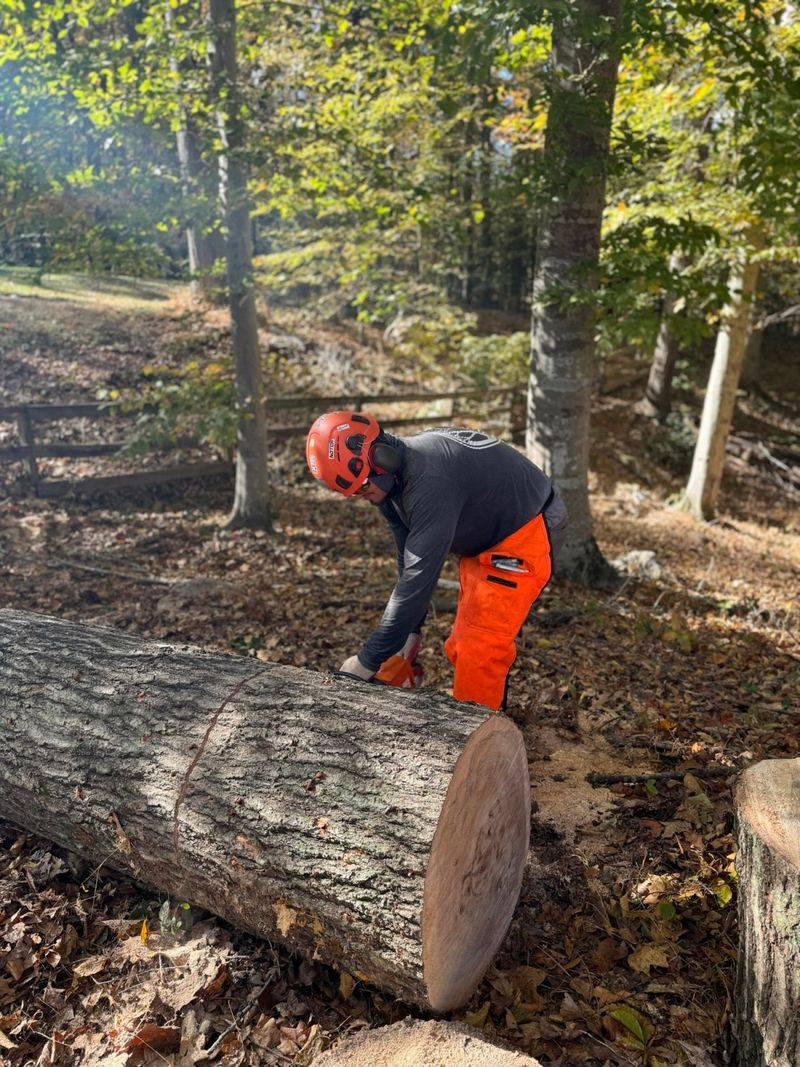
Professional tree services bring expertise and equipment that most homeowners lack for safely handling fallen trees.
Large trees can weigh several tons and create serious safety hazards when they fall.
Attempting to remove them yourself risks personal injury and further property damage.
Certified arborists provide valuable assessments of why a tree fell and whether it showed signs of disease or structural problems beforehand.
Their professional opinions carry weight with insurance companies and in legal proceedings.
Many arborists throughout Virginia offer inspection services specifically for insurance and legal purposes.
Get multiple estimates before hiring a tree removal service, as prices can vary significantly.
Ensure any company you hire carries proper liability insurance and worker’s compensation coverage.
Ask to see proof of insurance before allowing them to work on your property.
Without adequate insurance, you could be held liable if a worker is injured on your land.
Emergency tree removal after storms often costs more than routine service due to high demand and urgent nature of the work.
If the fallen tree doesn’t pose immediate danger to people or structures, waiting a few days for prices to normalize can save money.
However, don’t delay if the tree damaged your roof or created other urgent safety concerns.
Professional services typically include cutting up the tree, removing debris, and grinding the stump if needed.
Clarify what’s included in quoted prices and whether disposal fees are extra.
Some companies offer discounts if you keep the wood for firewood rather than having them haul it away.
Ask whether the tree service will work directly with your insurance company.
Some companies experienced with insurance claims can streamline the process and ensure proper documentation.
They understand what insurance adjusters need to see and can provide detailed invoices that support your claim.