What New Jersey Residents Should Do If Wild Turkeys Start Appearing In Their Neighborhood
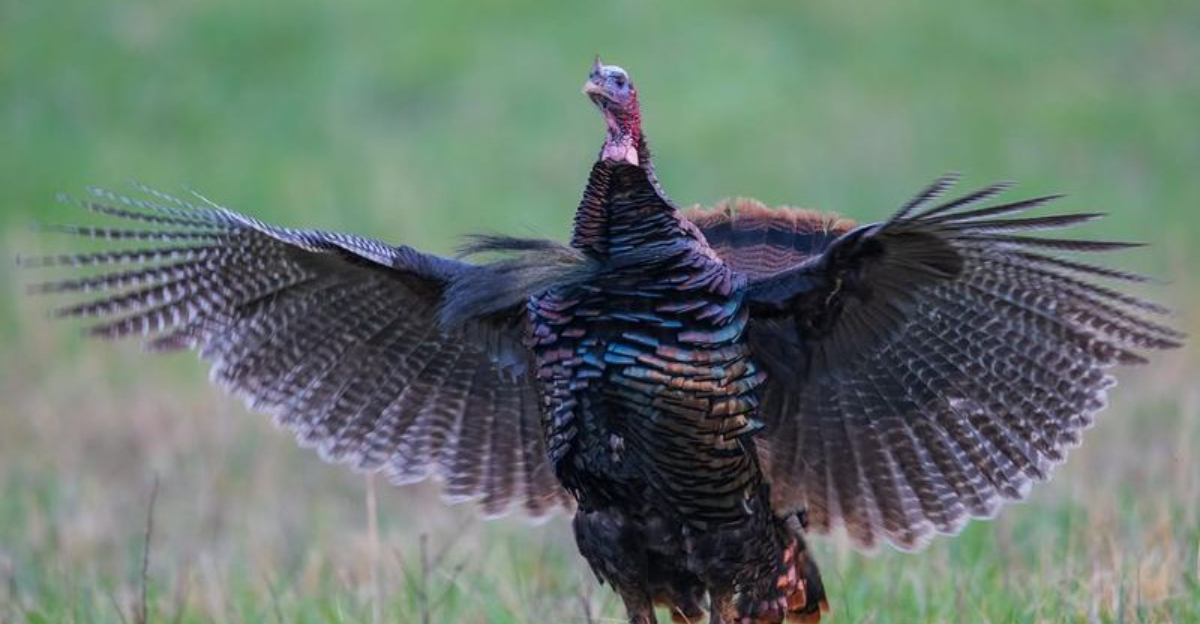
When wild turkeys start strutting down New Jersey streets like they own the place, it can feel equal parts amusing and alarming.
One minute your neighborhood looks perfectly ordinary, the next there’s a full-sized bird blocking traffic and pecking at its reflection in parked cars.
While these encounters may seem harmless at first, turkeys can quickly become bold, territorial, and difficult to manage.
As development pushes into wooded areas, turkeys are adapting fast, trading forests for front lawns and cul-de-sacs.
They’re smart, social, and surprisingly stubborn once they’ve claimed a space.
What you do—or don’t do—early on can determine whether they move along or settle in for the long haul.
New Jersey residents who understand turkey behavior are far better equipped to handle these encounters safely and legally.
It’s not about panic or confrontation; it’s about knowing how to discourage unwanted visits without making the situation worse.
When turkeys show up, a calm, informed response keeps both people and wildlife out of trouble.
Understand That Wild Turkeys Are Protected Wildlife
Wild turkeys hold a special legal status in New Jersey as protected game animals under state wildlife laws.
Residents cannot harm, trap, or relocate these birds on their own, no matter how inconvenient their presence might be.
The New Jersey Division of Fish and Wildlife manages turkey populations and enforces these protections to ensure the species continues to thrive.
Turkeys nearly disappeared from the state in the early 1900s due to habitat loss and unregulated hunting.
Conservation efforts brought them back, and now they’ve adapted remarkably well to suburban environments where food and shelter are plentiful.
State wildlife officials recognize that turkeys naturally expand into available habitats, including residential areas.
Understanding this protected status helps residents adjust their expectations and responses.
Rather than viewing turkeys as pests to be removed, the law encourages coexistence and responsible wildlife management.
If turkey behavior becomes problematic, only trained wildlife professionals have the authority to intervene.
Respecting these regulations not only keeps residents on the right side of the law but also supports broader conservation goals.
New Jersey’s turkey recovery is considered a wildlife management success story.
Learning to share space with these native birds is part of living in areas where natural habitats meet human development.
Do Not Feed Wild Turkeys
Feeding wild turkeys might seem harmless or even kind, but wildlife experts strongly discourage this practice for several important reasons.
When turkeys receive food from humans, they quickly lose their natural wariness and begin associating people with easy meals.
This process, called habituation, fundamentally changes turkey behavior and creates serious problems.
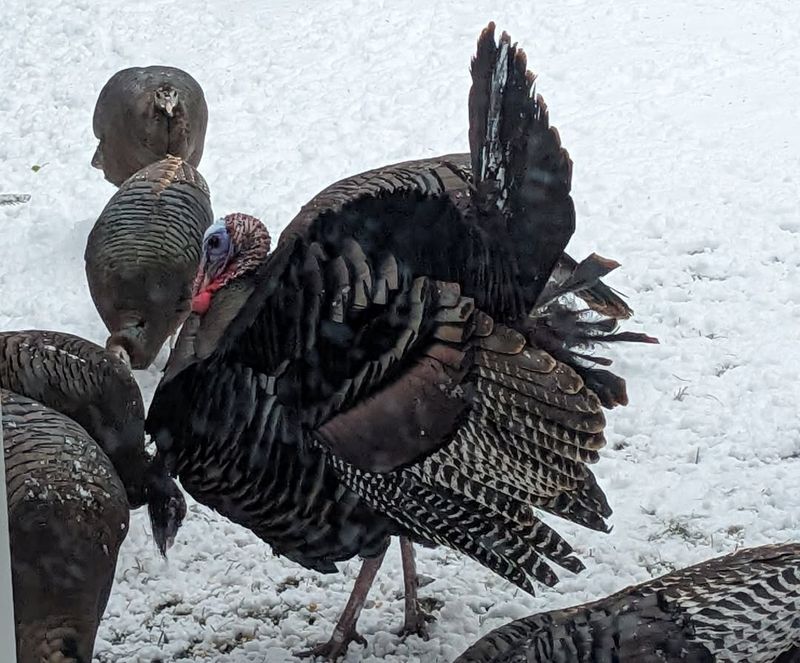
Habituated turkeys become bolder and more demanding, approaching people aggressively when they expect food.
They may block driveways, chase residents, and even attack when they don’t receive the handouts they’ve come to expect.
This behavior is particularly concerning around children, elderly residents, and pets who may feel threatened.
Feeding also concentrates turkeys in specific locations, leading to increased conflicts among neighbors.
Your New Jersey Garden Changes Every Week. Your Plan Should Too.
Gardening in New Jersey changes quickly throughout the season. Every Friday you’ll receive a simple weekly plan showing exactly what to plant, prune, fertilize, harvest, and protect so you never miss the right timing.
Large groups gathering regularly can damage lawns, gardens, and property while creating unsanitary conditions with their droppings.
Wildlife management guidance consistently identifies artificial feeding as the primary cause of turkey-related complaints.
Turkeys are perfectly capable of finding their own natural food sources, including insects, seeds, berries, and vegetation.
They evolved to forage independently and don’t need human assistance to survive in suburban environments.
Allowing them to feed naturally maintains their healthy fear of humans and reduces problematic interactions that make neighborhoods less enjoyable for everyone.
Secure Food Sources Around Homes
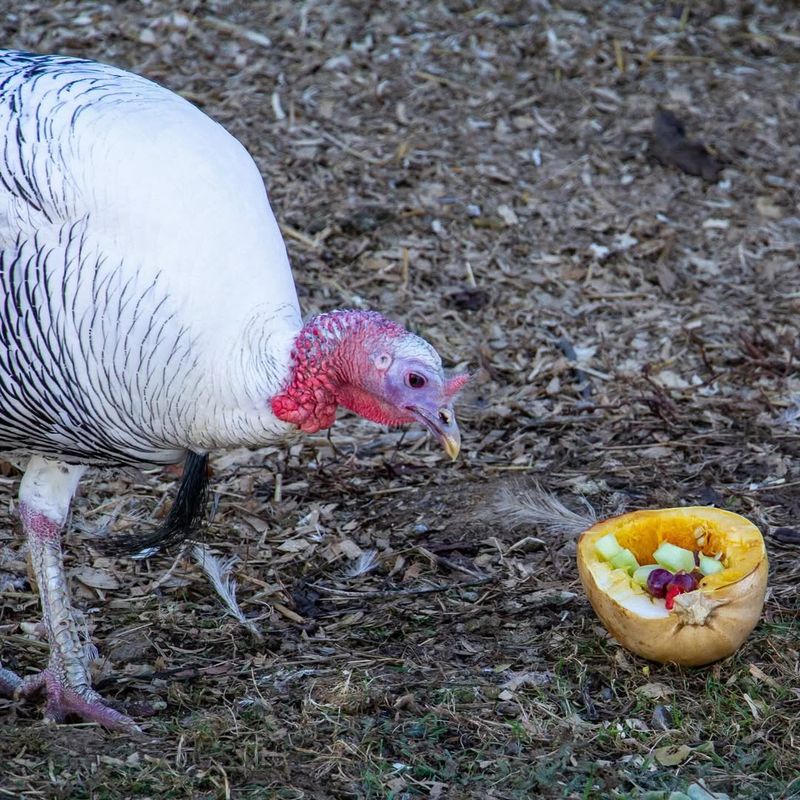
Making your property less attractive to turkeys starts with eliminating easy food sources that draw them in repeatedly.
Bird seed scattered on the ground is particularly appealing to turkeys, who will visit daily once they discover this reliable meal.
Consider using elevated feeders with catch trays or temporarily removing bird feeders altogether if turkey visits become frequent.
Pet food left outdoors, whether for dogs, cats, or other animals, acts like a dinner invitation for hungry turkeys.
Feed pets indoors or immediately remove dishes after feeding times to avoid attracting unwanted wildlife visitors.
Even small amounts of leftover kibble can keep turkeys returning to your yard day after day.
Compost bins and piles present another common attractant, especially when they contain fruit scraps, vegetable peels, or other food waste.
Use enclosed composting systems with secure lids rather than open piles that turkeys can easily access.
Trash containers should also have tight-fitting lids and be stored in garages or sheds when possible.
Fallen fruit from trees, vegetable gardens, and ornamental berry bushes also appeal to foraging turkeys.
Regularly harvest ripe produce and clean up fallen fruit to reduce these natural attractants around your property.
By removing food sources consistently, you’ll encourage turkeys to move along to more natural foraging areas rather than settling into your neighborhood permanently.
Never Approach Or Try To Chase Turkeys
Your first instinct when encountering a wild turkey in your yard might be to shoo it away, but this approach often backfires dramatically.
Turkeys are large, powerful birds that can become defensive when they feel cornered, threatened, or challenged by human behavior.
Approaching them directly or attempting to chase them can trigger aggressive responses that put you at risk.
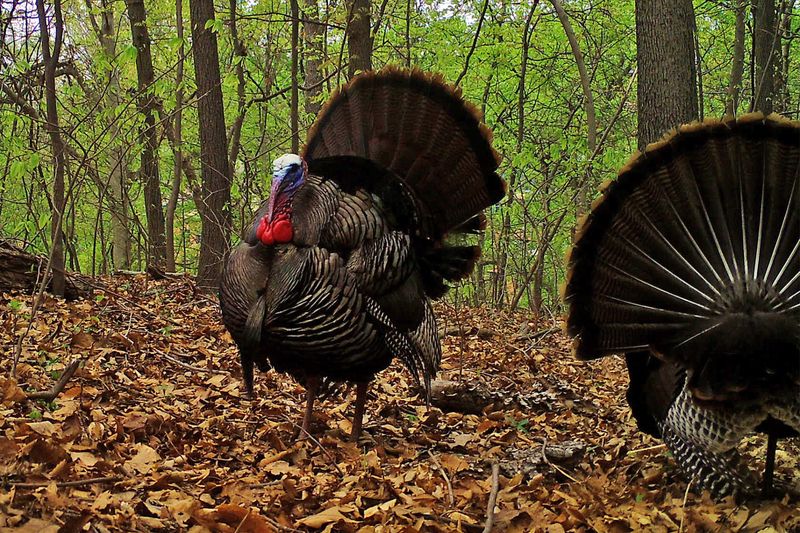
During spring breeding season, male turkeys become especially territorial and may interpret your presence as a challenge to their dominance.
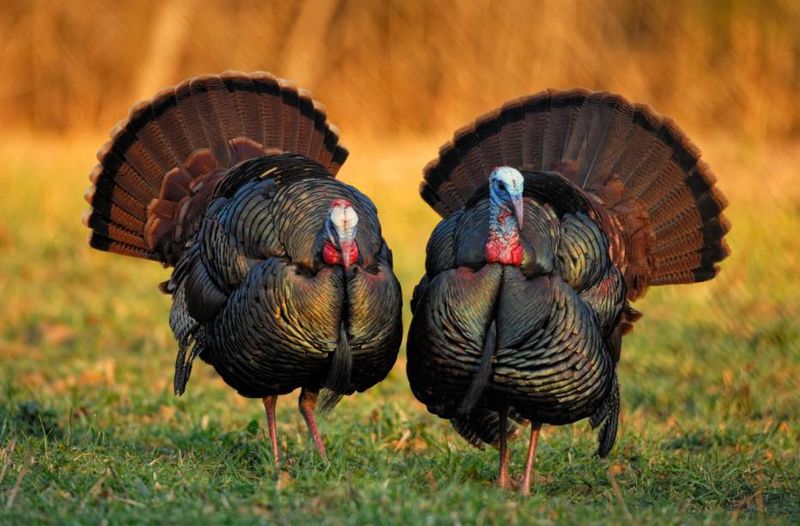
They might puff up, fan their tail feathers, and advance toward you rather than retreating as you’d expect.
Getting between a turkey and its escape route or accidentally cornering one creates particularly dangerous situations.
Turkeys have sharp spurs on their legs and powerful wings they use when defending themselves.
While serious injuries are uncommon, scratches, bruises, and frightening encounters happen when people try to force turkeys to leave.
Children and elderly residents are especially vulnerable during these confrontations.
Instead of approaching or chasing, give turkeys plenty of space and allow them to move away on their own schedule.
If a turkey is blocking your path, wait patiently or take an alternate route rather than trying to intimidate it into moving.
Most turkeys will eventually wander off if left alone, whereas aggressive human behavior often escalates conflicts unnecessarily and creates ongoing problems in the neighborhood.
Use Passive Deterrents To Discourage Lingering
Creating an unwelcoming environment for turkeys doesn’t require harmful methods—several legal, humane deterrents effectively discourage them from settling in.
Motion-activated sprinklers provide one of the most effective tools, startling turkeys with sudden bursts of water without causing any harm.
These devices work day and night, teaching turkeys that your yard is an unpredictable, uncomfortable place to hang around.
Physical barriers like fencing can protect specific areas such as gardens, patios, or children’s play spaces from turkey intrusion.
While turkeys can fly short distances, they prefer walking and often avoid areas requiring extra effort to access.
Even decorative fencing or hedges can guide turkeys away from high-traffic areas around your home.
Visual deterrents including reflective tape, balloons, or pinwheels create movement and flashing light that makes turkeys nervous.
Rotating these deterrents regularly prevents turkeys from becoming accustomed to them and ignoring their presence.
Some residents find success with scarecrow-type figures or decoy predators, though these work best when moved frequently.
Dogs can serve as natural deterrents, but should remain safely indoors where they can bark at turkeys through windows.
Never allow dogs to chase or confront turkeys directly, as this can result in injuries to both animals.
Consistent use of multiple deterrent strategies works better than relying on any single method, gradually teaching turkeys to avoid your property altogether.
Protect Gardens, Lawns, And Vehicles
Turkeys can cause surprising amounts of property damage as they forage, scratch, and interact with their suburban surroundings.
Their strong legs and claws tear up lawns as they dig for insects, grubs, and other food items hidden in the soil.
Vegetable gardens and flower beds suffer similar damage, with turkeys pulling up plants and eating tender shoots and seedlings.
Covering vulnerable garden areas with netting or row covers provides physical protection during peak turkey activity periods.
Raised garden beds with sides at least two feet high also discourage turkey access while improving your growing conditions.
Temporary fencing around newly planted areas gives young plants time to establish before turkeys discover them.
Vehicle damage presents another unexpected problem when turkeys encounter their reflections in shiny car surfaces, windows, or hubcaps.
Believing they see rival turkeys, males may attack their own reflections, pecking and scratching paint, mirrors, and chrome trim.
Covering reflective surfaces with blankets or tarps during breeding season prevents this costly damage.
Parking in garages when possible offers the best vehicle protection, along with using car covers for vehicles stored outdoors.
Some residents successfully use motion-activated deterrents near parking areas to keep turkeys away from their cars.
Addressing these practical concerns helps minimize the frustration and expense of living alongside wild turkey populations while maintaining your property’s condition and appearance.
Be Extra Cautious During Breeding Season
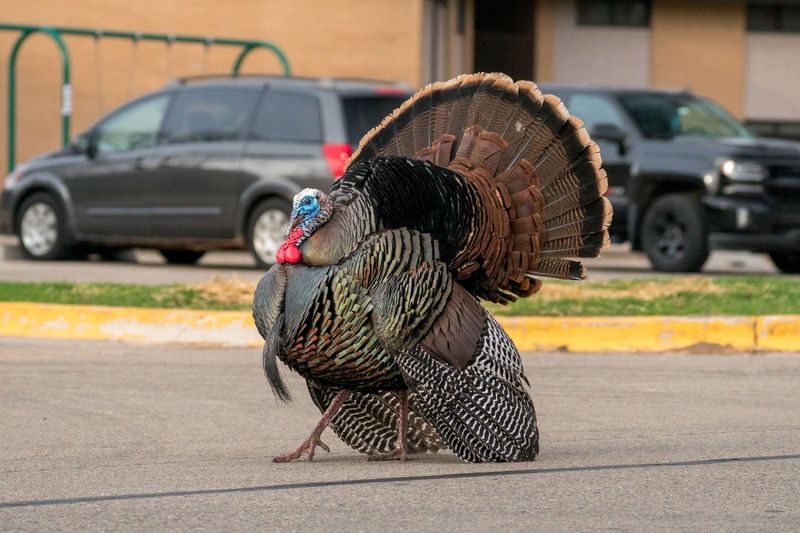
Spring breeding season, typically running from March through May, brings out dramatically different behavior in male turkeys called toms.
Hormones drive these birds to establish territories and attract mates, making them far more aggressive and unpredictable than usual.
Recognizing warning signs helps residents avoid dangerous encounters during these volatile months.
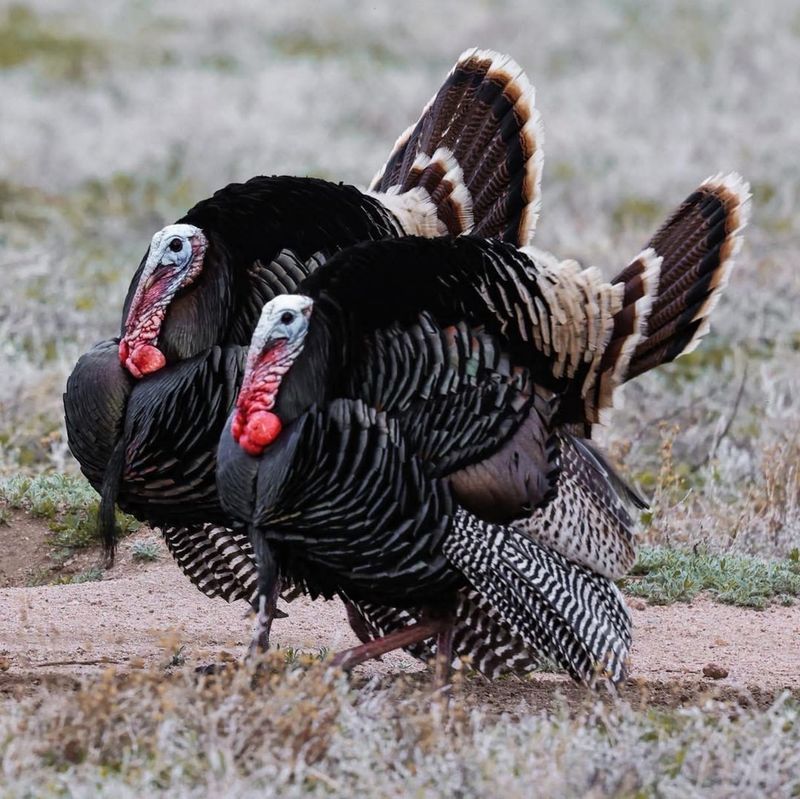
A displaying male turkey fans his tail feathers, puffs up his body feathers, and drags his wing tips on the ground.
While this impressive show often targets female turkeys, toms may also display toward people, pets, or even vehicles they perceive as threats.
Gobbling, strutting, and following people are clear signs that a turkey feels territorial and may become aggressive.
If you encounter an aggressive turkey during breeding season, face the bird while slowly backing away without turning your back.
Opening an umbrella, raising your arms, or making yourself appear larger sometimes convinces the turkey to back down.
Never run, as this can trigger a chase response and escalate the confrontation further.
Avoid outdoor activities in areas where aggressive turkeys are displaying, especially during early morning and late afternoon when they’re most active.
Keep children and pets indoors or closely supervised during peak breeding season to prevent frightening encounters.
Most turkey aggression subsides significantly once breeding season ends, though habituated birds may continue problematic behavior year-round if they’ve learned to associate people with food or territory.
Educate Neighbors For Consistent Response
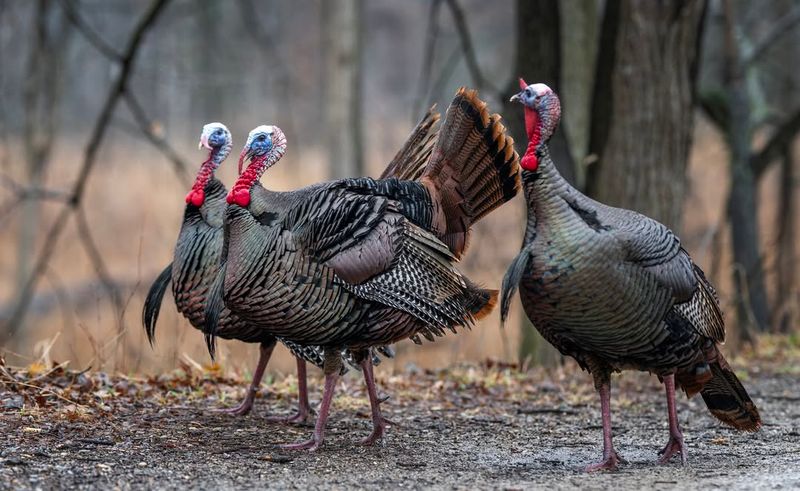
Turkey problems rarely affect just one household—these birds roam through entire neighborhoods, and inconsistent responses undermine everyone’s efforts.
When one neighbor feeds turkeys while others try to discourage them, the mixed messages confuse the birds and perpetuate conflicts.
Community-wide coordination produces far better results than isolated individual actions.
Start conversations with neighbors about turkey encounters, sharing experiences and discussing effective strategies everyone can implement together.
Explain how feeding turkeys creates problems for the entire neighborhood, not just the person providing food.
Sometimes neighbors feed wildlife without realizing the negative consequences, and friendly education can change these behaviors.
Consider organizing a neighborhood meeting or creating a shared information sheet about proper turkey management techniques.
Local wildlife officials or conservation officers often provide educational materials or even attend community meetings to answer questions.
Having expert guidance helps neighbors understand why certain approaches work while others fail.
Establishing neighborhood agreements about not feeding turkeys, using consistent deterrents, and reporting aggressive behavior creates unified action.
When turkeys learn that no yards in the area offer easy food or tolerant residents, they’re more likely to move to more natural habitats.
This collaborative approach prevents individual households from feeling overwhelmed while addressing turkey issues effectively for everyone’s benefit and creating a safer, more enjoyable neighborhood environment overall.
Contact New Jersey Fish And Wildlife When Behavior Escalates
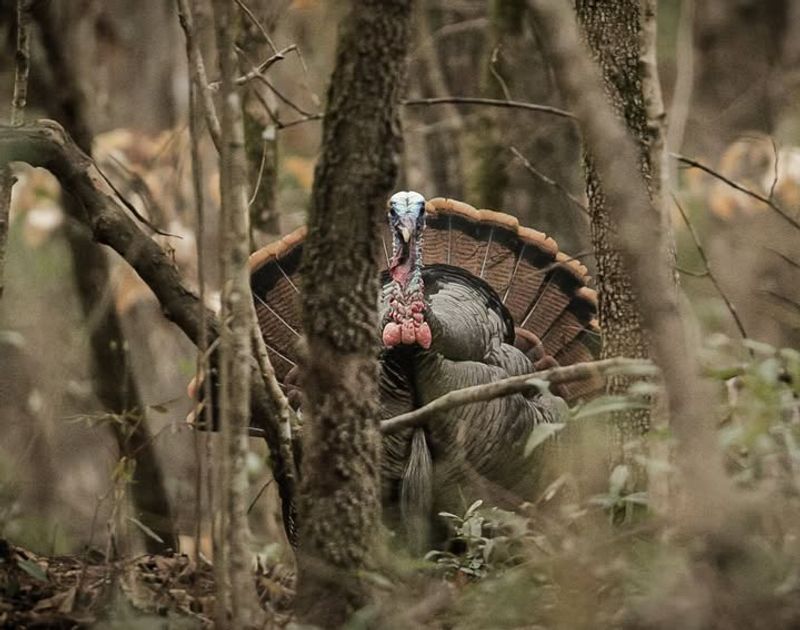
Most turkey encounters can be managed with the strategies outlined above, but some situations require professional intervention from state wildlife officials.
The New Jersey Division of Fish and Wildlife maintains resources for handling serious turkey conflicts that exceed normal neighborhood nuisances.
Knowing when to contact authorities helps address dangerous situations before someone gets hurt.
Repeated aggressive behavior toward people, especially unprovoked attacks or persistent territorial displays, warrants official attention.
If turkeys regularly block roadways, creating traffic hazards or preventing residents from safely accessing their homes, officials need to know.
Significant property damage that continues despite deterrent efforts may also qualify for professional assessment and intervention.
When you contact Fish and Wildlife, provide specific details about turkey behavior, frequency of incidents, and measures you’ve already attempted.
Officials may offer additional management advice, conduct site visits to assess the situation, or authorize removal in extreme cases.
Response times and available interventions vary based on resource availability and the severity of the situation.
Set realistic expectations—wildlife officials prioritize public safety threats and typically won’t remove turkeys simply for being present in neighborhoods.
Their guidance often reinforces community-based management strategies and emphasizes prevention through education and deterrence.
However, having professional support available provides important backup when turkey behavior truly becomes unmanageable through ordinary means, ensuring both human safety and appropriate wildlife management practices.