9 Trees Arizona Homeowners Should Remove Before Fire Season
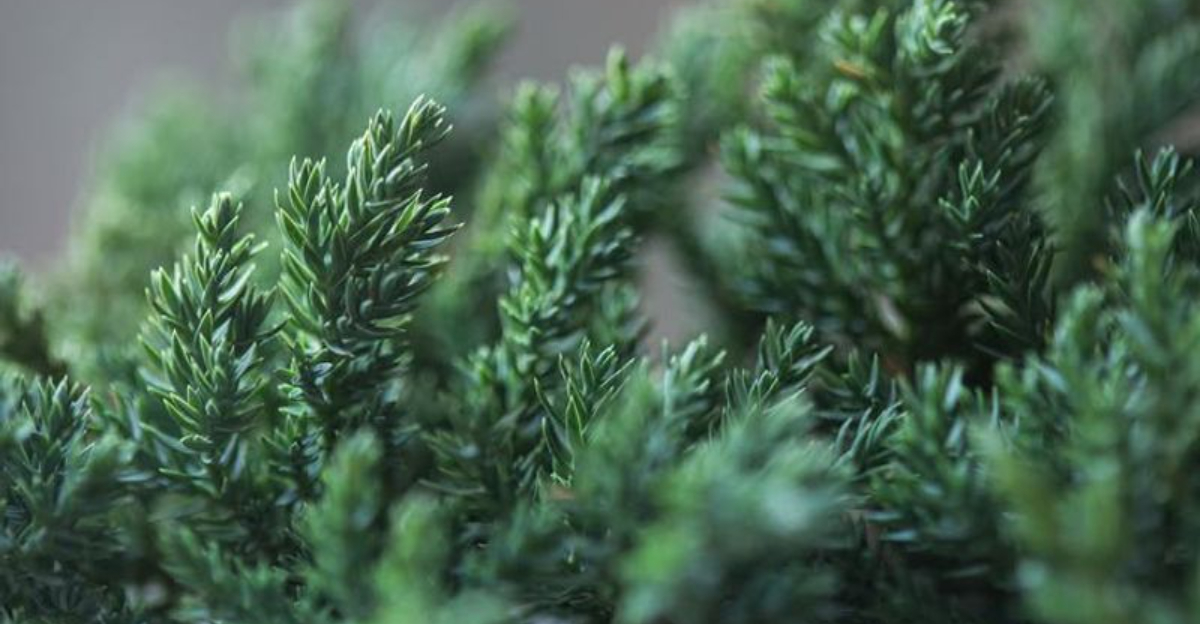
In Arizona, fire season has a way of creeping up fast, and the trees around a home can make all the difference.
What looks like harmless shade in spring can turn into dry fuel once summer heat cranks up.
When temperatures soar and winds pick up, certain trees become part of the problem instead of part of the landscape.
Some trees shed bark, drop needles, or dry out in ways that help flames spread quickly.
Others grow too close to homes, roofs, or power lines, creating a risky chain reaction when fire sparks nearby.
Arizona’s dry climate leaves little room for error, and once fire gets a foothold, it can move at lightning speed.
Removing high risk trees is not about stripping yards bare.
It is about working smarter and reducing danger before conditions turn severe.
Think of it as clearing brush off a trail before it causes a trip.
A safer yard protects homes, neighbors, and firefighters who put themselves on the line each year.
Taking action early gives homeowners peace of mind and a fighting chance when fire season hits its stride.
In Arizona, prevention is more than a good idea. It is a necessary step toward keeping homes standing and families safe.
1. Aleppo Pine
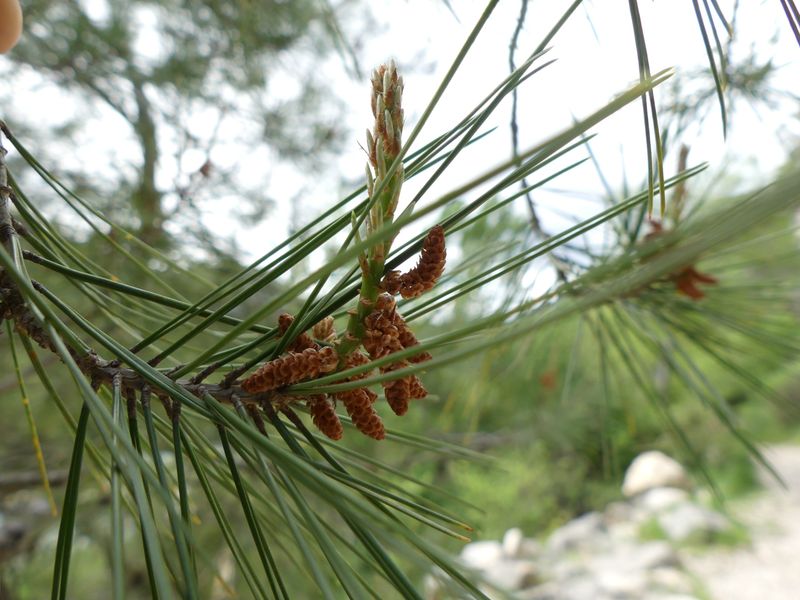
Aleppo pines might seem like an attractive option for Arizona yards because they grow quickly and provide plenty of shade.
Many homeowners across the state planted these Mediterranean natives decades ago without realizing the fire danger they create.
The problem with Aleppo pines starts with their extremely flammable resin, which acts like fuel when exposed to flames or even intense heat.
These trees drop massive amounts of needles that accumulate beneath them, creating a thick layer of tinder-dry material perfect for igniting.
Their branches often grow close to the ground, which means flames can easily climb from ground level straight into the canopy.
Once an Aleppo pine catches fire, it burns incredibly hot and fast, sending embers flying that can ignite roofs and other structures hundreds of feet away.
Fire experts throughout Arizona consistently rank Aleppo pines among the most dangerous trees to have near homes.
The intense heat they generate can crack windows and ignite siding even before flames directly touch your house.
Removing these trees creates a significantly safer environment around your property.
If you have Aleppo pines close to your home in Phoenix, Tucson, or anywhere else in Arizona, consider having them professionally removed before the next fire season begins.
Replacing them with fire-resistant native species provides beauty without the extreme risk.
2. Italian Cypress
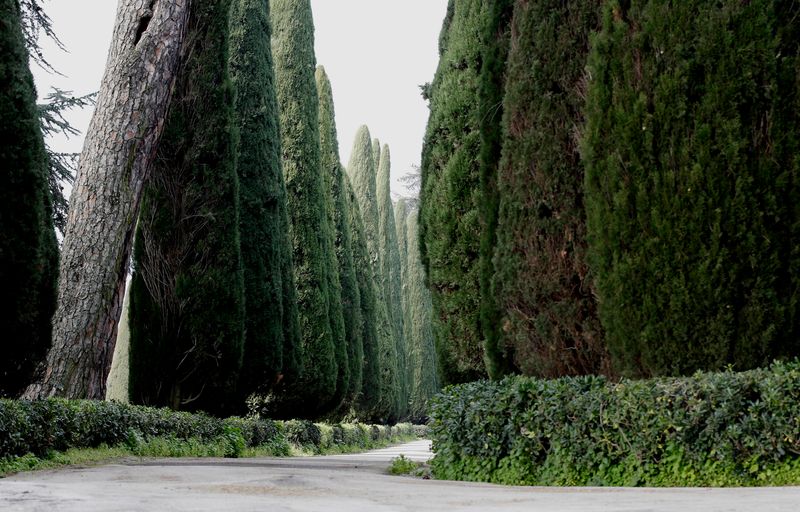
Tall, elegant Italian cypress trees line many Arizona properties, creating privacy screens and adding a touch of Mediterranean charm to desert landscapes.
Homeowners love their narrow, columnar shape that takes up minimal ground space while reaching impressive heights.
Unfortunately, these same characteristics make them incredibly dangerous during fire season.
Italian cypress contains oils that ignite easily and burn with startling intensity.
Their dense, tightly packed foliage acts like a vertical torch once flames reach it, sending fire shooting upward at alarming speeds.
Your Arizona Garden Changes Every Week. Your Plan Should Too.
Gardening in Arizona changes quickly throughout the season. Every Friday you’ll receive a simple weekly plan showing exactly what to plant, prune, fertilize, harvest, and protect so you never miss the right timing.
Because they’re often planted in rows, fire can jump from tree to tree, creating a wall of flames that threatens everything nearby.
The tall height of Italian cypress means burning embers can travel even farther, potentially igniting roofs and vegetation across wide distances.
Their shallow root systems also make them prone to falling during strong winds, which can create additional hazards during fire events.
Arizona fire departments have responded to numerous incidents where Italian cypress trees accelerated fire spread dramatically.
Property owners throughout Arizona should seriously consider removing Italian cypress, especially those planted close to structures or in dense groupings.
Native alternatives like desert willow or mesquite offer beauty and privacy without turning your landscape into a fire ladder.
The peace of mind gained from removing these high-risk trees far outweighs their aesthetic appeal.
3. Eucalyptus
Walking past a eucalyptus tree on a hot Arizona day releases that distinctive, aromatic scent many people find pleasant and refreshing.
However, those same aromatic oils that create the smell are exactly what makes eucalyptus trees extremely dangerous fire hazards.
Originally from Australia, where wildfires are common, these trees have adapted to survive fires, but that doesn’t make them safe near homes.
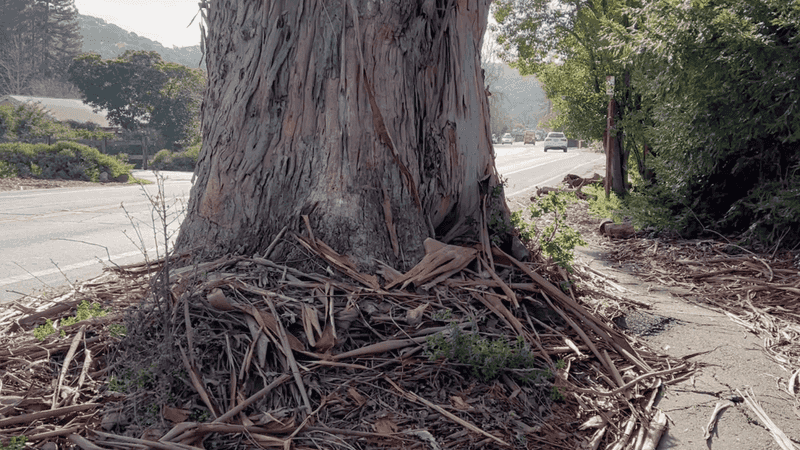
Eucalyptus bark peels away in long strips that hang from branches and accumulate on the ground, creating kindling that ignites instantly.
The leaves contain volatile oils that can actually explode when exposed to high heat, sending flaming debris in all directions.
Some eucalyptus species can even release flammable gas during extreme heat, creating an invisible fire hazard around the tree.
Throughout Arizona, eucalyptus trees have been involved in numerous fire incidents where they accelerated fire spread or caused spot fires far from the original ignition source.
Their tendency to drop branches without warning adds another layer of danger, potentially damaging property or creating obstacles during evacuation.
Fire safety experts across Arizona strongly recommend removing eucalyptus trees from residential properties before fire season arrives each year.
The combination of flammable oils, peeling bark, and explosive potential makes them one of the most hazardous trees you can have near your home.
Consider native Arizona trees that provide shade without the extreme fire risk eucalyptus presents.
4. Arizona Cypress
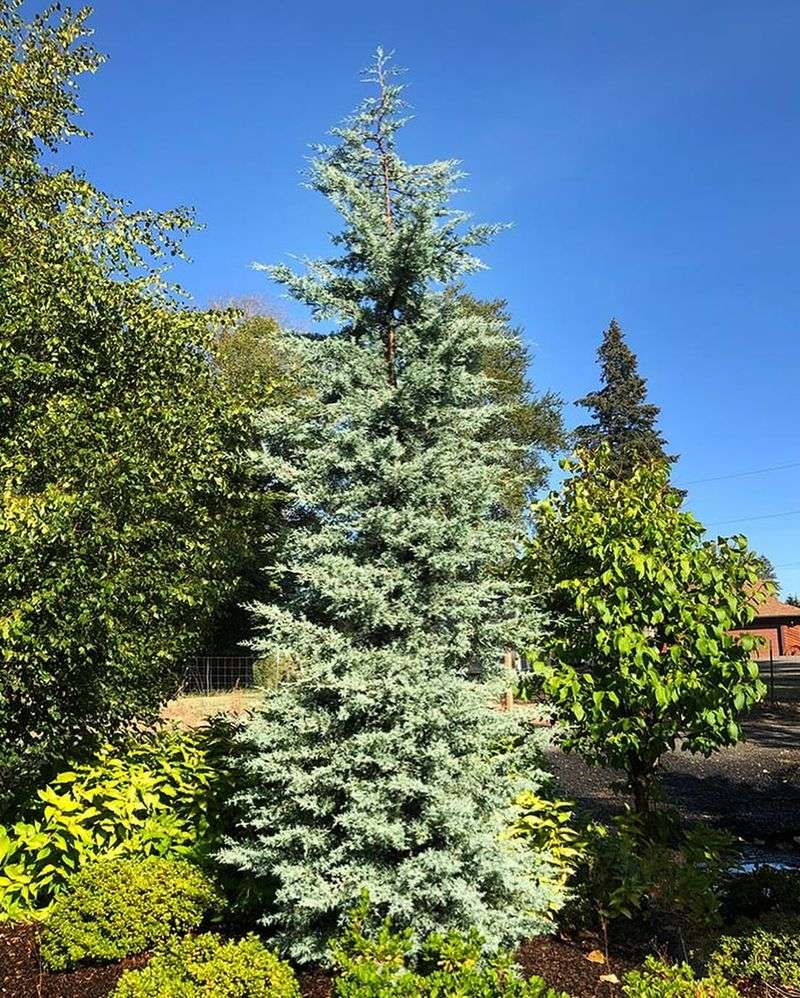
Despite being native to certain parts of Arizona, the Arizona cypress presents significant fire hazards that many homeowners don’t recognize until it’s too late.
This evergreen tree grows naturally in mountainous regions but has become popular in landscaping throughout the state.
Its dense foliage and attractive blue-green color appeal to people seeking year-round greenery in their yards.
Arizona cypress trees contain resinous compounds that burn readily once ignited, creating intense heat that can damage nearby structures quickly.
Their thick, bushy growth pattern traps dead needles and branches inside the canopy, building up fuel that’s hidden from view.
When fire reaches this accumulated material, the entire tree can become engulfed in flames within seconds.
Homeowners in Prescott, Payson, and other higher-elevation Arizona communities have learned the hard way about Arizona cypress fire danger.
The trees often grow large enough to overhang roofs or press against walls, creating direct pathways for fire to reach homes.
Their evergreen nature means they’re always carrying flammable material, unlike deciduous trees that drop leaves seasonally.
Removing Arizona cypress from areas close to structures significantly improves your property’s fire safety profile.
While they may be native, their fire behavior makes them unsuitable for defensible space zones around homes.
Replacing them with lower-growing, fire-resistant plants creates a much safer landscape that still celebrates Arizona’s natural beauty without the extreme risk.
5. Juniper
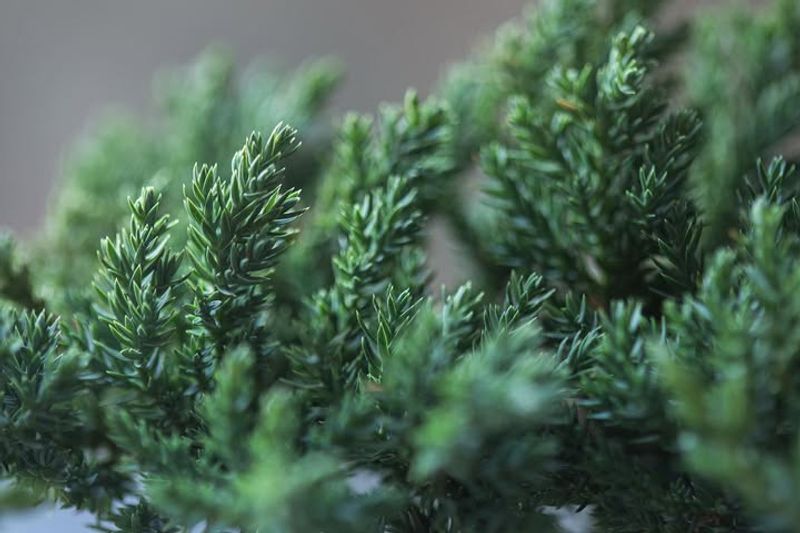
Juniper trees and shrubs blanket many Arizona hillsides and have become staples in residential landscaping across the state.
Their ability to thrive in poor soil and withstand drought makes them seem like perfect choices for water-conscious homeowners.
However, junipers carry a hidden danger that becomes apparent when fire season arrives with its hot, dry conditions.
The aromatic oils in juniper foliage are highly flammable, and the dense growth pattern creates continuous fuel from ground level upward.
Dead branches accumulate inside the plant where you can’t see them, building up tinder that ignites easily and burns hot.
Junipers often grow in clusters or hedges, which allows fire to spread rapidly across your entire landscape once one plant catches fire.
Fire behavior studies in Arizona have documented how quickly junipers can ignite and how intensely they burn compared to other common landscape plants.
Embers from burning junipers can travel surprising distances, landing on roofs or igniting other vegetation far from the original fire.
Their low, spreading growth also means flames stay close to the ground where they can easily reach foundations and lower walls.
Arizona homeowners should evaluate junipers on their property carefully, especially those within 30 feet of structures.
Removing these plants from high-risk areas and replacing them with fire-resistant alternatives dramatically improves your home’s chances of surviving wildfire.
The initial investment in removal pays dividends in safety and insurance protection.
6. Afghan Pine
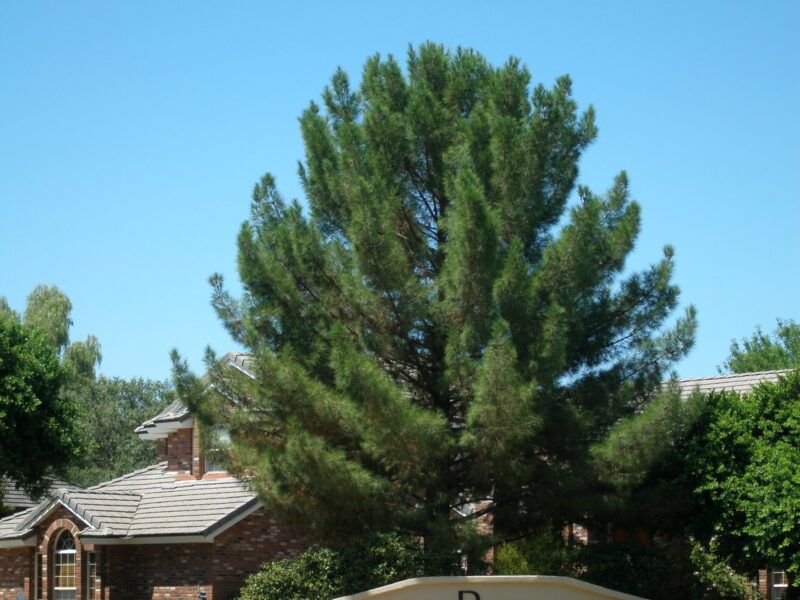
Afghan pines arrived in Arizona landscapes because they tolerate heat and drought better than many other pine species.
Landscapers and homeowners appreciated their ability to provide shade and greenery without demanding constant watering.
These trees seemed like ideal choices for desert climates, growing steadily and requiring minimal maintenance once established.
The reality of Afghan pines reveals a different story when fire risk enters the picture.
Their long needles contain flammable resins that ignite readily when exposed to flames or extreme heat.
Like other pine species, they drop needles constantly, creating deep piles of highly combustible material beneath their canopies.
The rough, furrowed bark provides texture that helps flames climb quickly from ground level into the crown.
Afghan pines often reach substantial sizes, meaning more fuel available to burn and greater potential for spreading fire to nearby structures.
Their branches can extend over roofs or press against walls, creating direct contact points where fire can jump from tree to building.
Once ignited, Afghan pines produce intense heat capable of cracking windows and igniting siding from several feet away.
Removing Afghan pines before fire season protects Arizona homes from unnecessary risk.
While they may have served well as shade trees, their fire behavior makes them unsuitable for areas close to structures.
Consider native mesquite or palo verde trees as alternatives that provide shade without the extreme flammability of pine species.
7. Salt Cedar (Tamarisk)
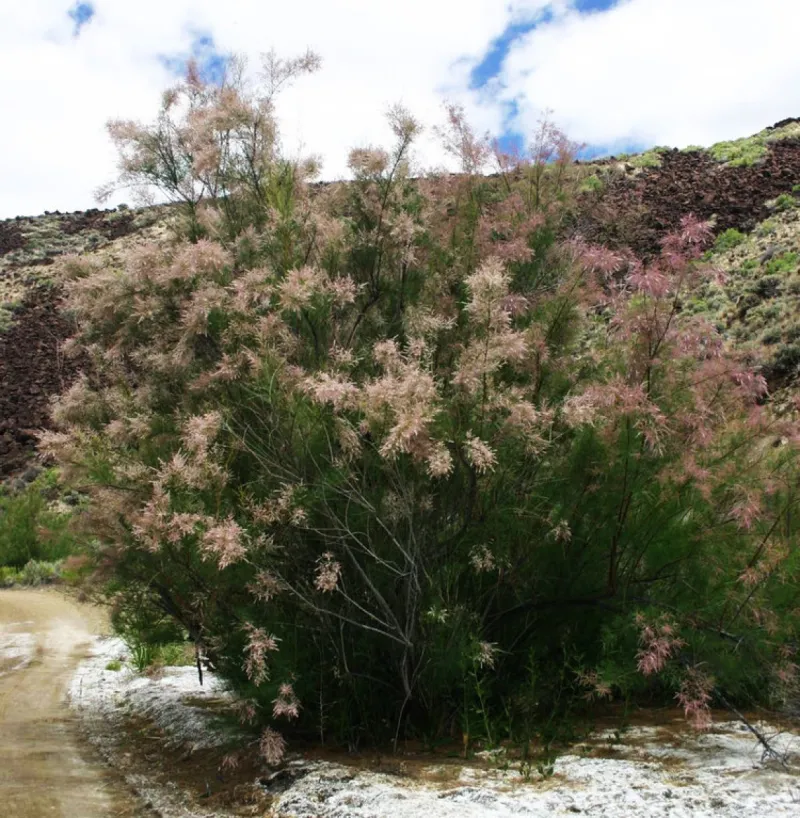
Salt cedar, commonly known as tamarisk, spreads aggressively along Arizona waterways and has invaded many residential properties near streams and washes.
This invasive species from Eurasia wasn’t always recognized as a fire threat, but experience has taught Arizona communities hard lessons about its dangerous characteristics.
The feathery, delicate appearance of tamarisk foliage deceives people into underestimating its fire potential.
Tamarisk burns extremely hot and fast once ignited, creating walls of flame that can advance rapidly across landscapes.
The fine, dense foliage dries out quickly during Arizona’s hot months, becoming perfect tinder for any spark or ember.
These trees often grow in thick stands where individual plants merge together, creating continuous fuel beds that allow fire to spread without interruption.
Communities throughout Arizona have experienced devastating fires where tamarisk played a major role in fire spread and intensity.
The trees accumulate salt in their tissues, which can actually enhance combustion under certain conditions.
Their tendency to grow along waterways means they often form corridors that channel fire directly toward residential areas.
Arizona homeowners should prioritize removing tamarisk from their properties, especially near homes or in areas that could serve as fire pathways.
Many counties offer assistance programs for tamarisk removal because of its invasive nature and fire danger.
Replacing these problematic trees with native willows or cottonwoods improves both fire safety and ecological health while still providing greenery near water features.
8. Arizona Ash
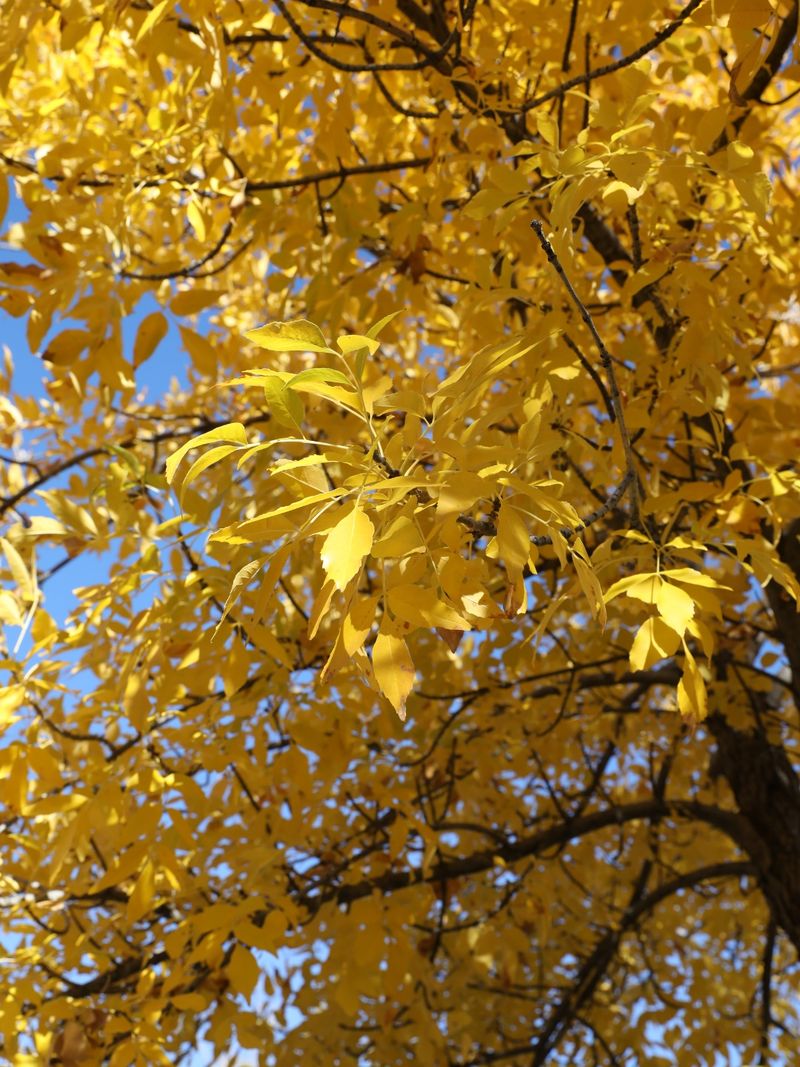
Arizona ash trees became extremely popular throughout the state because they grow quickly, provide excellent shade, and tolerate the challenging desert climate reasonably well.
Developers and homeowners planted thousands of these trees across Phoenix, Tucson, and other Arizona cities during building booms.
Their rapid growth meant new neighborhoods quickly gained established-looking landscapes with mature shade trees.
The downside of Arizona ash trees becomes apparent as they age and during fire season conditions.
These trees have weak wood that breaks easily, causing branches to fall without warning, especially during windstorms common before and during fire season.
Fallen branches create fuel on the ground that dries quickly and ignites easily.
The trees also tend to accumulate dead wood in their canopies, which homeowners often don’t notice until it becomes a serious fire hazard.
When Arizona ash trees burn, they produce significant heat and can drop flaming branches that spread fire across your property.
Their deciduous nature means they drop leaves seasonally, but dead branches and accumulated debris remain year-round.
The combination of weak structure and moderate flammability makes them problematic near homes during fire season.
Homeowners across Arizona should consider removing aging Arizona ash trees, especially those showing signs of decline or heavy dead wood accumulation.
While they provided valuable service as fast-growing shade trees, their structural weaknesses and fire risk make them poor choices for long-term landscaping near homes.
Native alternatives offer better longevity and lower fire risk.
9. Dead Or Dying Trees
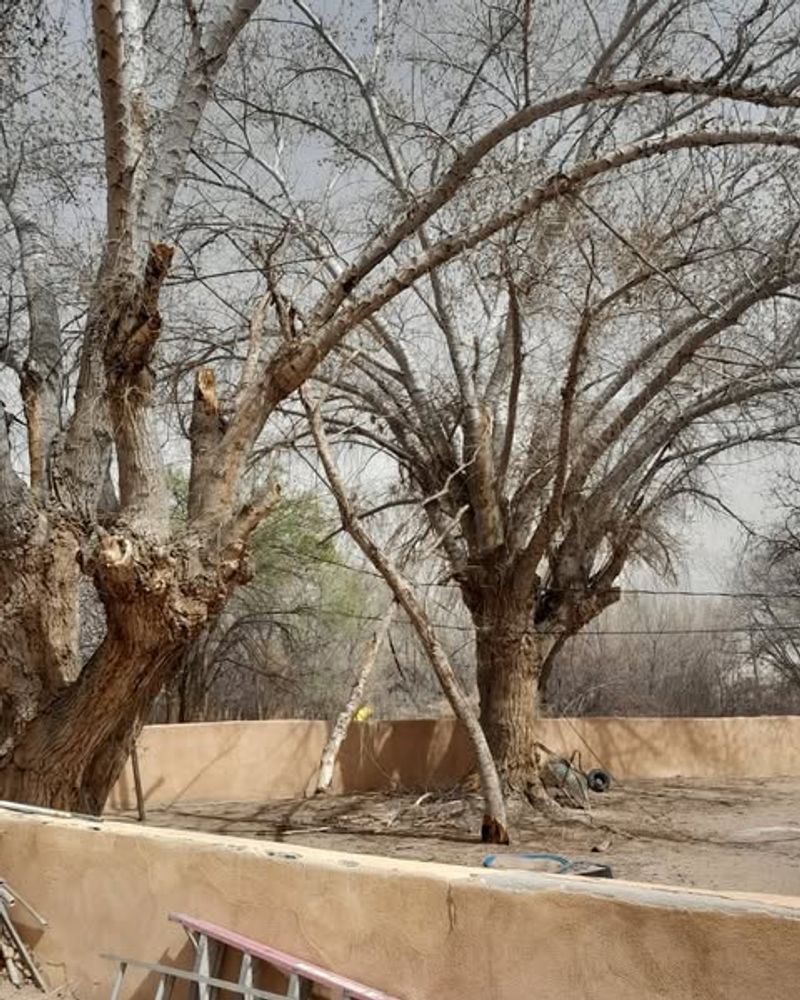
Any tree that has lost its vitality becomes an immediate and serious fire threat that Arizona homeowners must address before fire season arrives.
Drought, disease, insect damage, and age all cause trees to decline, leaving behind standing fuel that ignites more easily than healthy, living vegetation.
The moisture content in healthy trees provides some natural fire resistance, but this protection disappears completely once a tree loses its vitality.
Brittle branches, peeling bark, and dry wood make lifeless trees incredibly dangerous during Arizona’s fire season.
They can ignite from the smallest ember or spark, burning intensely and sending flames high into the air.
These compromised trees often have structural weaknesses that cause them to collapse during fires, spreading flames in unpredictable directions or blocking escape routes.
Throughout Arizona, fire investigators consistently find that lifeless trees contributed significantly to property damage during wildfires.
A single standing lifeless tree can serve as a torch that ignites everything around it, including your home.
The lack of moisture means flames spread through the entire tree rapidly, creating intense heat that radiates outward.
Inspecting your Arizona property regularly for declining trees and removing them promptly is essential for fire safety.
Don’t wait for a tree to become completely lifeless before taking action.
Early removal is safer, easier, and less expensive than dealing with a fully compromised tree.
Professional arborists can assess tree health and recommend removal when necessary to protect your home from fire danger.