Want More Songbirds In Your Minnesota Backyard? These Flowers Shrubs And Trees Make The Biggest Difference
In Minnesota, songbirds don’t just brighten the yard—they turn it into a living soundtrack.
If you’ve ever wondered why some backyards seem to hum with birdsong while others stay quiet, the answer often lies in what’s planted.
The right mix of flowers, shrubs, and trees can transform a yard into a year-round refuge.
Songbirds need more than feeders.
They rely on native plants for insects, seeds, berries, and shelter—especially during nesting season and harsh winters.
When those needs are met naturally, birds don’t just visit; they stay.
Minnesota gardeners who plant with birds in mind quickly notice the difference: more species, longer visits, and healthier birds overall.
These plant choices work with the local climate instead of fighting it, creating a backyard that feels alive from spring through snow season.
If you’re ready to trade silence for song, the biggest changes start at the roots.
Serviceberry (Amelanchier Species)
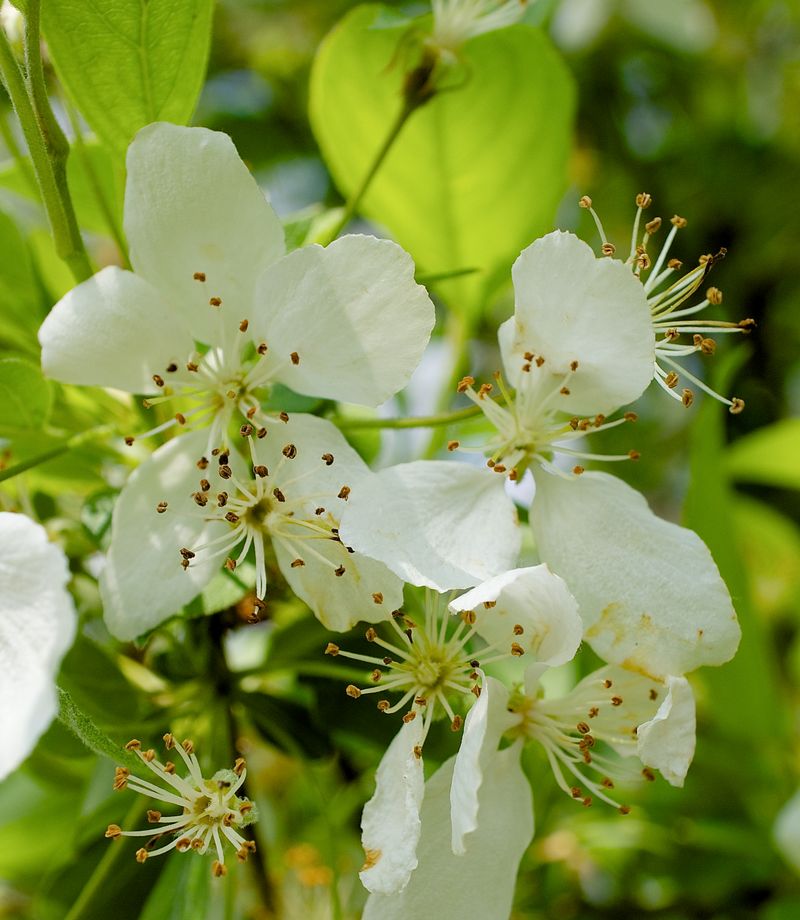
Native to Minnesota, serviceberry stands out as one of the earliest berry producers in spring, offering songbirds a critical food source when other options remain scarce.
This small tree or large shrub blooms with delicate white flowers before leafing out, then quickly develops purple-black berries that robins, cedar waxwings, and catbirds devour eagerly.
Migratory species passing through Minnesota in May and June rely heavily on serviceberry’s nutritious fruit to refuel during their long journeys.
Resident birds also benefit from the dense branching structure, which provides excellent nesting cover and protection from predators.
The foliage turns brilliant orange and red in fall, adding seasonal beauty to your landscape.
Serviceberry thrives in partial shade to full sun and tolerates various soil types, making it adaptable to different yard conditions.
Planting multiple specimens increases berry production and attracts larger flocks of hungry songbirds.
This versatile native serves as a cornerstone plant for any bird-friendly Minnesota garden, supporting wildlife from early spring through autumn.
Consider placing serviceberry near windows where you can watch the constant parade of feathered visitors enjoying nature’s bounty throughout the growing season.
American Elderberry (Sambucus Canadensis)
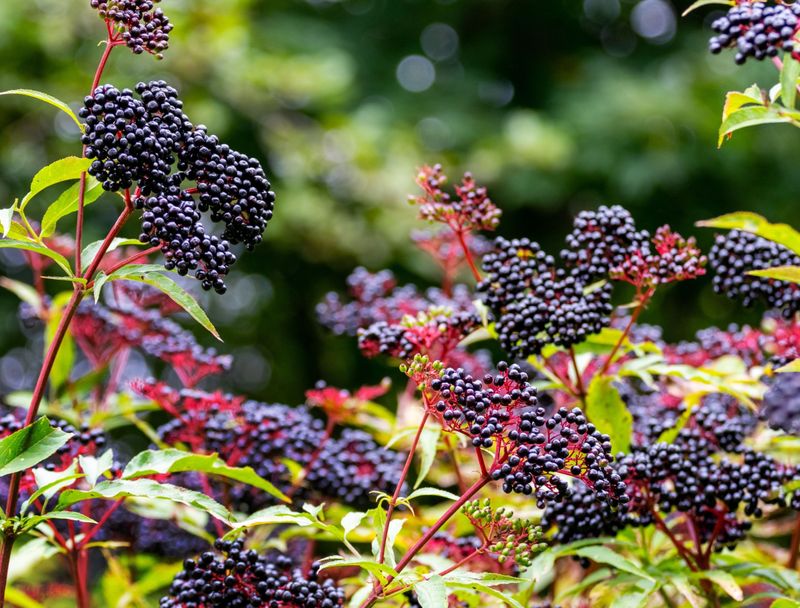
Few shrubs match elderberry’s ability to draw songbirds by the dozens during late summer.
Large, flat-topped clusters of tiny dark purple berries ripen in August, creating an irresistible feast for orioles, thrushes, and grosbeaks.
These berries pack serious nutritional value, helping birds build energy reserves before migration.
Beyond the fruit, elderberry’s dense branching creates safe nesting spots where birds can raise their young away from prowling cats and hawks.
The creamy white flower clusters that appear in June attract countless insects, which in turn provide protein-rich meals for parent birds feeding nestlings.
This dual food source makes elderberry especially valuable during breeding season.
Elderberry grows quickly, reaching six to twelve feet tall, and spreads through underground runners to form protective thickets.
It prefers moist soil and tolerates wet areas where other shrubs struggle, making it perfect for low spots in your yard.
Plant elderberry in full sun for maximum berry production.
Your Minnesota Garden Changes Every Week. Your Plan Should Too.
Gardening in Minnesota changes quickly throughout the season. Every Friday you’ll receive a simple weekly plan showing exactly what to plant, prune, fertilize, harvest, and protect so you never miss the right timing.
Minnesota gardeners appreciate how elderberry requires minimal maintenance once established.
The shrub’s vigorous growth and abundant fruit production create a reliable food station that keeps songbirds returning year after year, transforming your backyard into a vibrant wildlife habitat.
Red Osier Dogwood (Cornus Sericea)
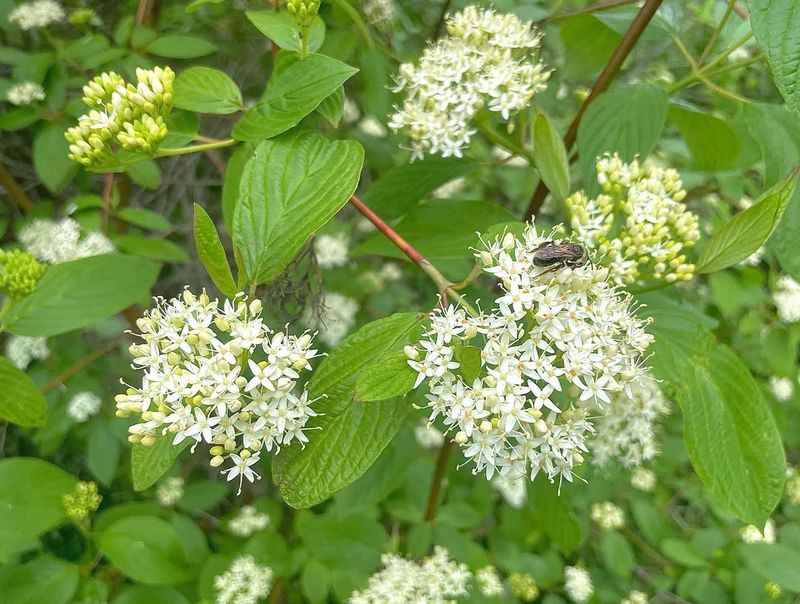
Brilliant red stems make this native shrub easy to spot against Minnesota’s snowy winter landscape, but songbirds value red osier dogwood for reasons beyond its striking appearance.
White berries appear in late summer and persist into fall, providing essential nutrition for migrating warblers, vireos, and thrushes preparing for their southern journey.
The shrub’s dense, multi-stemmed growth habit creates exceptional shelter during harsh Minnesota winters when temperatures plummet and winds howl.
Chickadees, juncos, and sparrows huddle within the protective branches, finding refuge from freezing conditions that would otherwise threaten their survival.
Red osier dogwood’s twiggy structure also offers prime nesting sites come spring, supporting the next generation of songbirds.
This adaptable shrub thrives in wet soils and tolerates periodic flooding, making it ideal for rain gardens or areas with poor drainage.
It grows four to eight feet tall and spreads through underground stems, eventually forming substantial colonies that maximize bird habitat.
The vibrant red bark provides year-round visual interest, especially beautiful when dusted with fresh snow.
Planting red osier dogwood demonstrates four-season commitment to supporting songbird populations.
Whether birds need berries in autumn, winter shelter, or spring nesting spots, this reliable native delivers consistently, earning its place as a Minnesota backyard essential.
Eastern Red Cedar (Juniperus Virginiana)
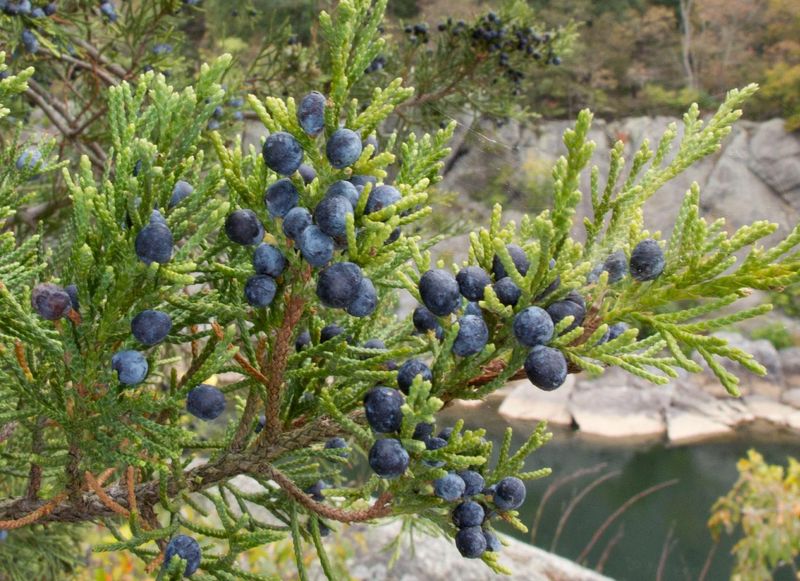
When January winds bite and temperatures drop below zero, eastern red cedar becomes a lifesaver for Minnesota’s overwintering songbirds.
Its dense evergreen foliage provides unmatched protection from brutal weather, creating microhabitats several degrees warmer than the surrounding air.
Flocks of robins, waxwings, and bluebirds take refuge deep within the branches, riding out the coldest nights in relative comfort.
Small blue berry-like cones ripen in fall and remain available throughout winter, offering crucial calories when other food sources disappear beneath snow and ice.
These aromatic fruits contain high fat content that helps birds maintain body heat during extended cold snaps.
Mockingbirds and thrashers particularly appreciate this reliable winter pantry.
Eastern red cedar grows slowly but steadily, eventually reaching twenty to forty feet tall with a pyramidal shape that provides vertical habitat structure.
It tolerates poor, dry soils and full sun exposure, thriving in conditions that challenge many other trees.
The reddish-brown bark peels in attractive strips, adding textural interest to winter landscapes.
Planting eastern red cedar demonstrates understanding of songbirds’ year-round needs, not just their summer requirements.
This evergreen’s combination of shelter and sustenance during Minnesota’s harshest months makes it invaluable for supporting healthy, resilient bird populations that brighten even the darkest winter days.
Sunflowers (Helianthus Species)
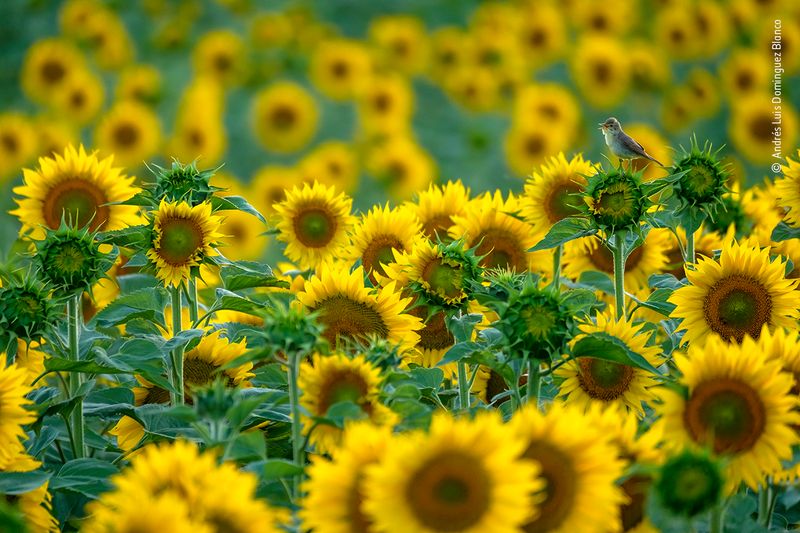
Nothing announces summer quite like towering sunflowers nodding their golden heads above the garden, and nothing attracts seed-eating songbirds quite as effectively either.
American goldfinches, in particular, go absolutely wild for sunflower seeds, performing acrobatic feats to extract every last kernel from the ripening heads.
Purple finches and chickadees join the feeding frenzy, creating a lively spectacle throughout late summer and fall.
The key to maximizing sunflowers’ bird-attracting power lies in resisting the urge to cut down spent blooms.
Leaving seed heads standing into autumn provides natural bird feeders that require zero maintenance or refilling.
Native perennial species like Maximilian sunflower offer the bonus of returning each year without replanting, while giant annual varieties produce massive seed heads that feed multiple birds simultaneously.
Sunflowers grow best in full sun with well-drained soil, reaching heights from three to ten feet depending on variety.
Their bright blooms also attract beneficial insects during summer, supporting the broader ecosystem that sustains songbird populations.
Plant sunflowers in clusters rather than single rows to create more substantial feeding stations.
Watching goldfinches cling to swaying sunflower stalks, their brilliant yellow plumage matching the flowers themselves, brings pure joy to any gardener.
This simple, cheerful plant delivers maximum bird-attracting impact with minimal effort, making it perfect for beginners and experts alike.
Purple Coneflower (Echinacea Purpurea)
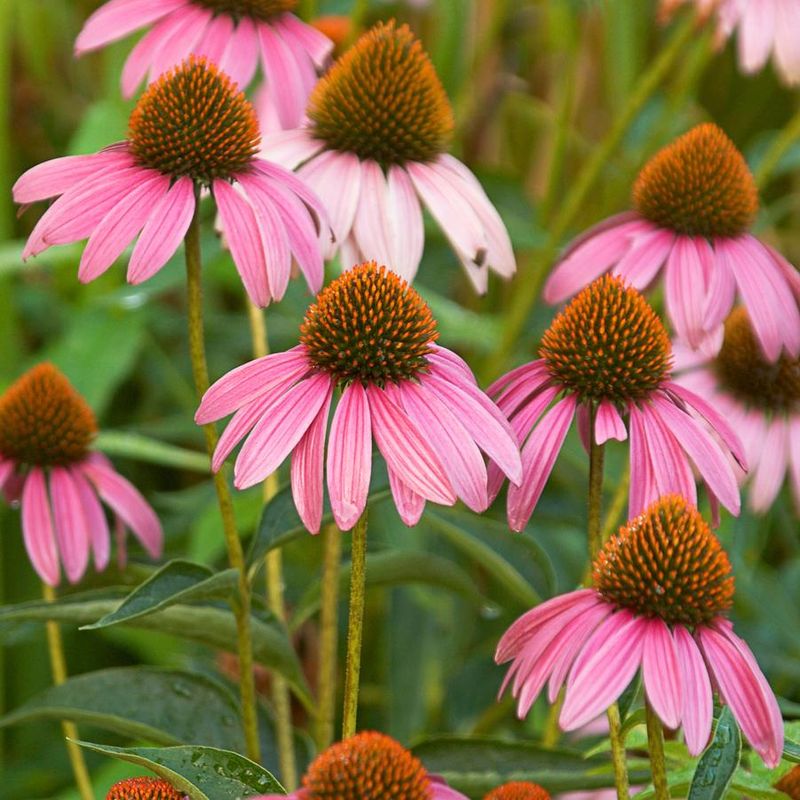
Purple coneflower’s cheerful pink-purple petals brighten summer gardens, but its real value to songbirds emerges after those petals drop away.
The distinctive spiky seed heads that remain become favorite feeding stations for goldfinches, who expertly pluck seeds from the cone throughout autumn and winter.
Chickadees and juncos also visit regularly, finding nutritious meals even after snow begins to fall.
Many gardeners make the mistake of cutting back perennials in fall for a tidy appearance, but leaving coneflower seed heads standing provides essential food during leaner months.
These natural feeders require no refilling and offer seeds in a form birds have evolved to harvest efficiently.
The dried stalks also provide nesting material that birds collect in spring, extending the plant’s usefulness across seasons.
Purple coneflower thrives in full sun and tolerates drought once established, making it remarkably low-maintenance for Minnesota gardens.
It grows two to four feet tall and spreads gradually, creating expanding patches that attract more birds each year.
The flowers also support pollinators during summer, contributing to the insect populations that feed nestling songbirds.
Planting purple coneflower demonstrates commitment to working with natural cycles rather than against them.
By embracing the beauty of seed heads and dried stems, you create habitat that supports songbirds through the challenging months when they need help most, all while enjoying a stunning garden display.
American Hazelnut (Corylus Americana)
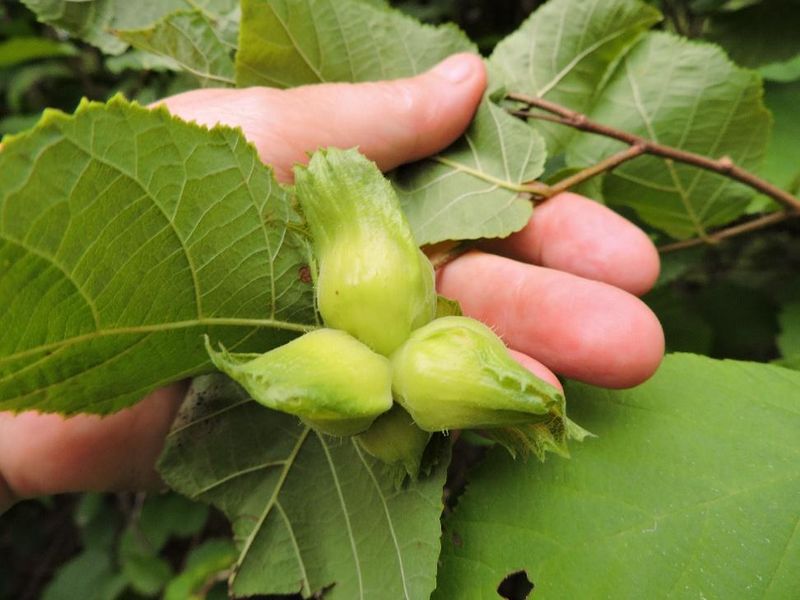
Growing wild along Minnesota’s woodland edges, American hazelnut creates the perfect transition zone between forest and open yard that songbirds naturally seek.
This native shrub produces edible nuts in late summer, though you might need to compete with blue jays and nuthatches if you want to harvest any for yourself.
The real magic happens throughout the growing season as hazelnut’s broad leaves support countless caterpillars and other insects that parent birds need to feed their young.
Dense, multi-stemmed growth reaching six to ten feet tall provides excellent nesting cover where warblers, thrushes, and towhees can raise families safely.
The shrub’s spreading habit creates protective thickets that shield ground-feeding birds from hawks and other predators.
Male catkins appear in early spring, adding visual interest before most plants leaf out.
American hazelnut adapts to various light conditions from full sun to partial shade, though nut production increases with more sunlight.
It tolerates different soil types and requires minimal care once established in appropriate locations.
The foliage turns yellow-orange in fall, contributing to autumn’s colorful display.
Planting American hazelnut recreates the layered habitat structure found in healthy natural ecosystems.
By mimicking these woodland edges in your yard, you provide the complex environment songbirds evolved to use, supporting greater species diversity and abundance than simple lawn-and-tree landscapes ever could.
Crabapple Trees (Malus Species)
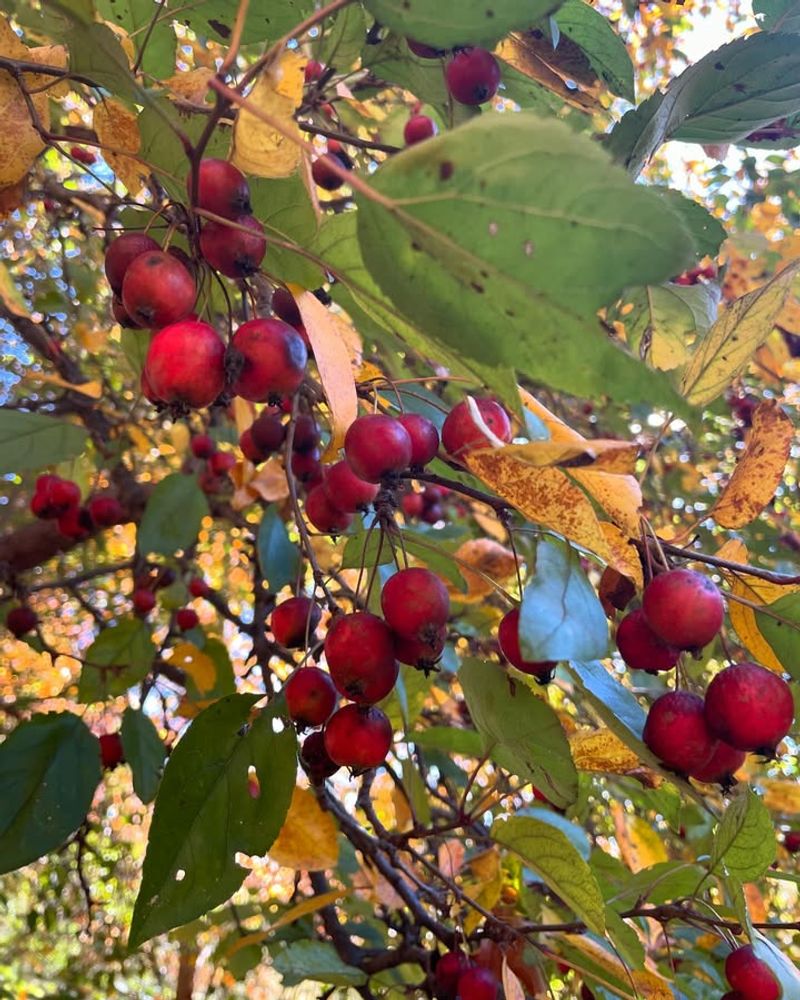
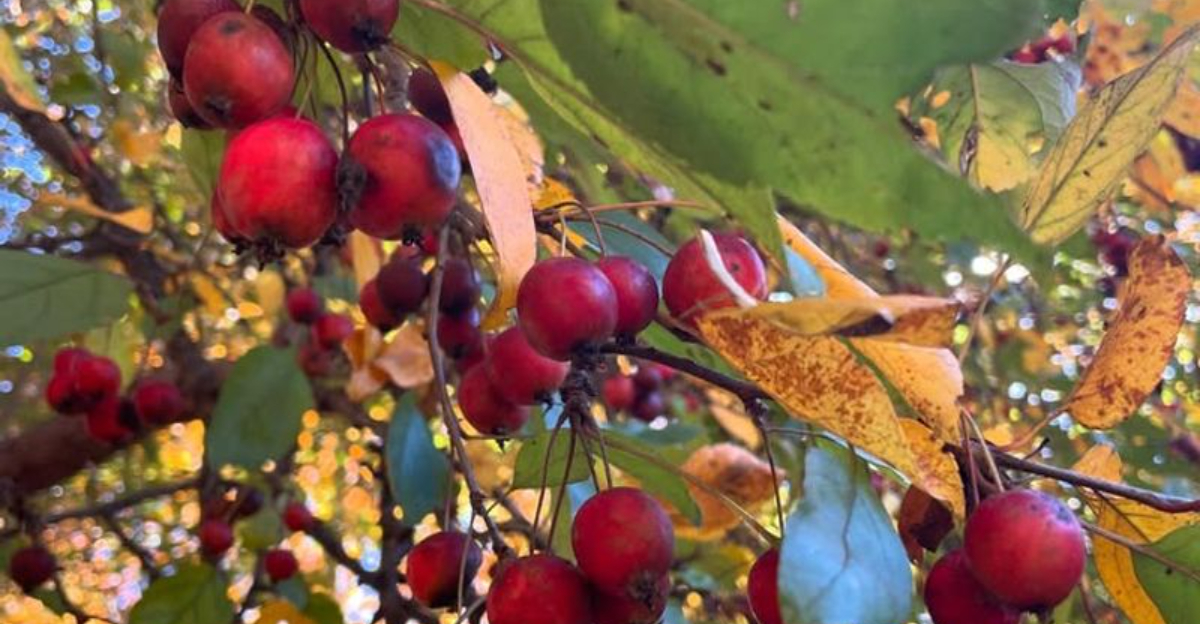
When December snow blankets Minnesota and most natural food sources vanish, crabapple trees become vital lifelines for overwintering songbirds.
Small, persistent fruits cling to branches throughout winter, softening with freeze-thaw cycles until robins, waxwings, and bluebirds can consume them easily.
These high-sugar fruits provide concentrated energy that helps birds survive brutal cold snaps when calories become survival currency.
Not all crabapples serve birds equally well.
Choose varieties with fruits smaller than five-eighths inch in diameter, as these persist longest and birds prefer them.
Avoid disease-prone cultivars that require chemical treatments, opting instead for resistant varieties that maintain healthy foliage supporting insect populations during summer.
Spring blossoms also attract pollinators, creating additional food sources for insect-eating warblers and vireos.
Crabapple trees grow fifteen to twenty-five feet tall depending on variety, fitting comfortably in most yards while providing vertical habitat structure.
They prefer full sun and well-drained soil, blooming spectacularly each spring with white, pink, or red flowers.
The combination of beautiful blooms, attractive fruit, and excellent bird value makes crabapples outstanding landscape choices.
Watching flocks of cedar waxwings descend on your snow-covered crabapple, gorging on frozen fruit while winter rages, provides unforgettable backyard entertainment.
This tree proves that ornamental plants can serve wildlife beautifully while enhancing your property’s aesthetic appeal throughout all four seasons.
Switchgrass (Panicum Virgatum)
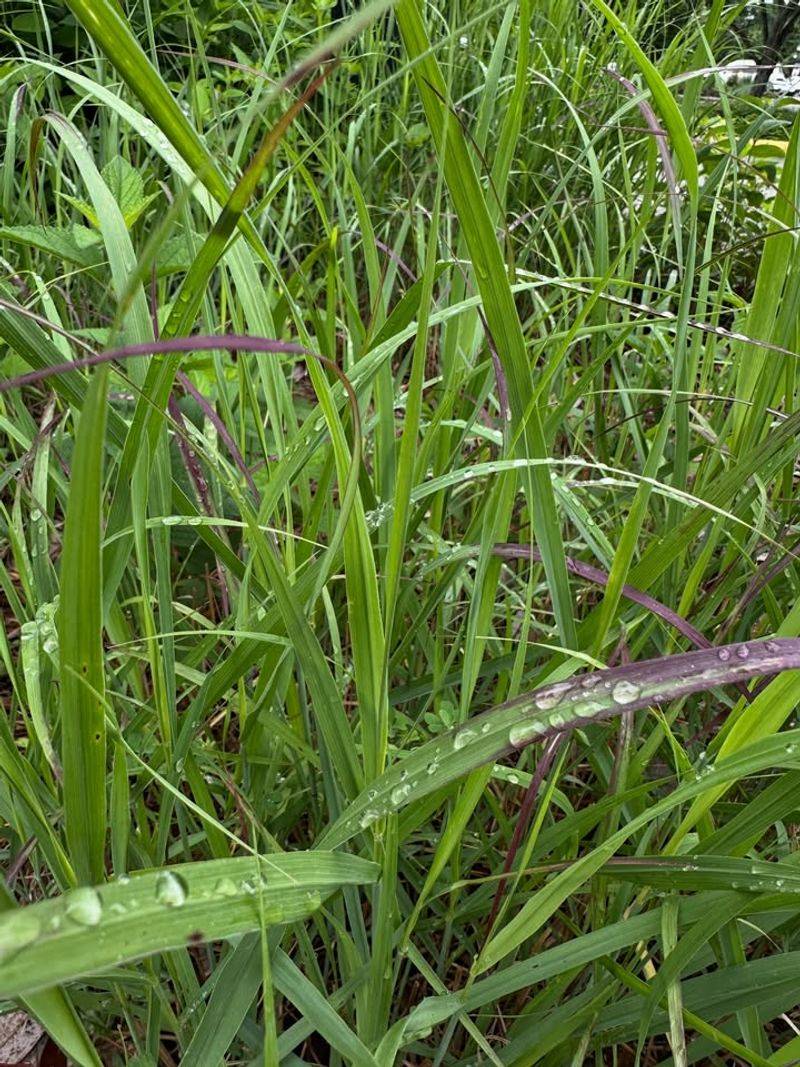
Tall, graceful switchgrass might seem like an unusual choice for attracting songbirds, but this native prairie grass offers surprising benefits that trees and shrubs cannot match.
Seed heads that develop in late summer provide abundant food for sparrows, juncos, and finches who specialize in harvesting grass seeds.
These ground-feeding species appreciate switchgrass’s open structure, which allows them to forage safely while maintaining visibility for predator detection.
Beyond seeds, switchgrass provides essential nesting material that birds collect in spring to construct their homes.
The dried stems and leaves offer perfect building supplies for cup-shaped nests.
Dense clumps also create shelter for ground-nesting species and cover for birds moving between feeding areas, reducing their exposure to hawks and cats.
Switchgrass grows three to six feet tall in upright clumps that turn golden-bronze in fall, providing stunning seasonal color and winter interest.
It thrives in full sun with various soil types, tolerating both dry and moderately wet conditions once established.
This warm-season grass requires minimal maintenance and never needs mowing, making it easier than lawn to maintain.
Incorporating native grasses like switchgrass recreates the prairie habitats that once dominated Minnesota’s landscape.
By restoring these grassland elements, you support bird species that have declined as prairies disappeared, contributing to conservation while creating a beautiful, naturalistic garden that changes dramatically with the seasons.
American Holly (Ilex Verticillata / Winterberry)
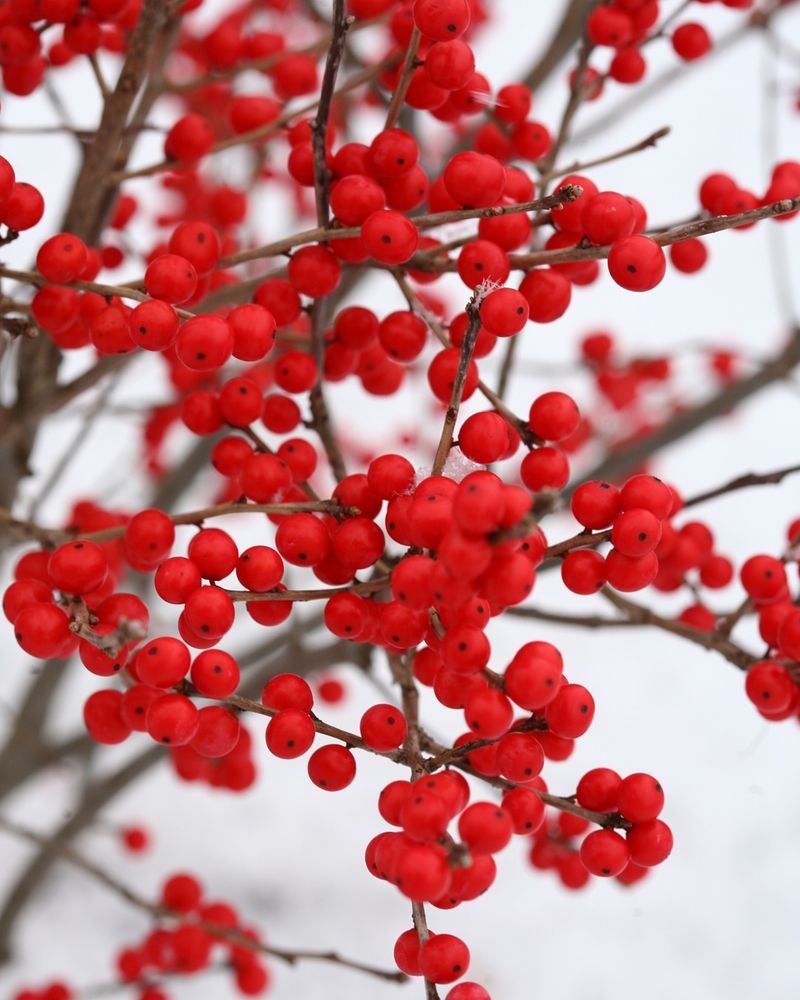
Brilliant red berries glowing against snow-covered branches make winterberry holly one of winter’s most spectacular sights, and songbirds find it equally irresistible.
Unlike true hollies that struggle in Minnesota’s climate, winterberry thrives in cold conditions, producing abundant fruit that robins, bluebirds, and waxwings devour eagerly.
The berries ripen in fall and persist through winter, offering reliable nutrition when birds need it most desperately.
Winterberry grows as a deciduous shrub, losing its leaves in autumn to reveal clusters of berries adorning bare stems.
This leaf drop actually makes the fruit more visible and accessible to hungry birds scanning for food sources.
Plant both male and female specimens within fifty feet of each other to ensure pollination and heavy berry production, as only female plants produce fruit.
The shrub reaches six to ten feet tall and tolerates wet soils better than most woody plants, making it perfect for rain gardens or naturally moist areas.
It prefers full sun to partial shade, with more sunlight yielding heavier fruiting.
The berries’ bright color creates stunning winter focal points in otherwise dormant landscapes.
Planting winterberry demonstrates sophisticated understanding of songbird ecology and seasonal needs.
By providing high-quality winter food in a cold-hardy native shrub, you support bird populations during their most challenging season, ensuring healthy flocks return each spring to fill your garden with song.