15 Proven Ways Ohio Gardeners Can Help Pollinators Overwinter Safely
In Ohio, winter isn’t just tough on gardeners—it’s survival season for pollinators.
Bees, butterflies, and beneficial insects don’t disappear when the cold hits; they hunker down, relying on the landscape we leave behind.
Many well-meaning gardeners unknowingly make winter harder by over-cleaning and removing critical shelter.
Pollinators need leaf litter, hollow stems, undisturbed soil, and natural debris to survive until spring.
Ohio gardeners who understand overwintering habits can make a huge impact with minimal effort.
These proven strategies don’t require fancy equipment—just a shift in mindset.
By letting nature be a little messy, you give pollinators exactly what they need.
And come spring, they’ll return the favor.
1. Leave Perennials Standing Through Winter
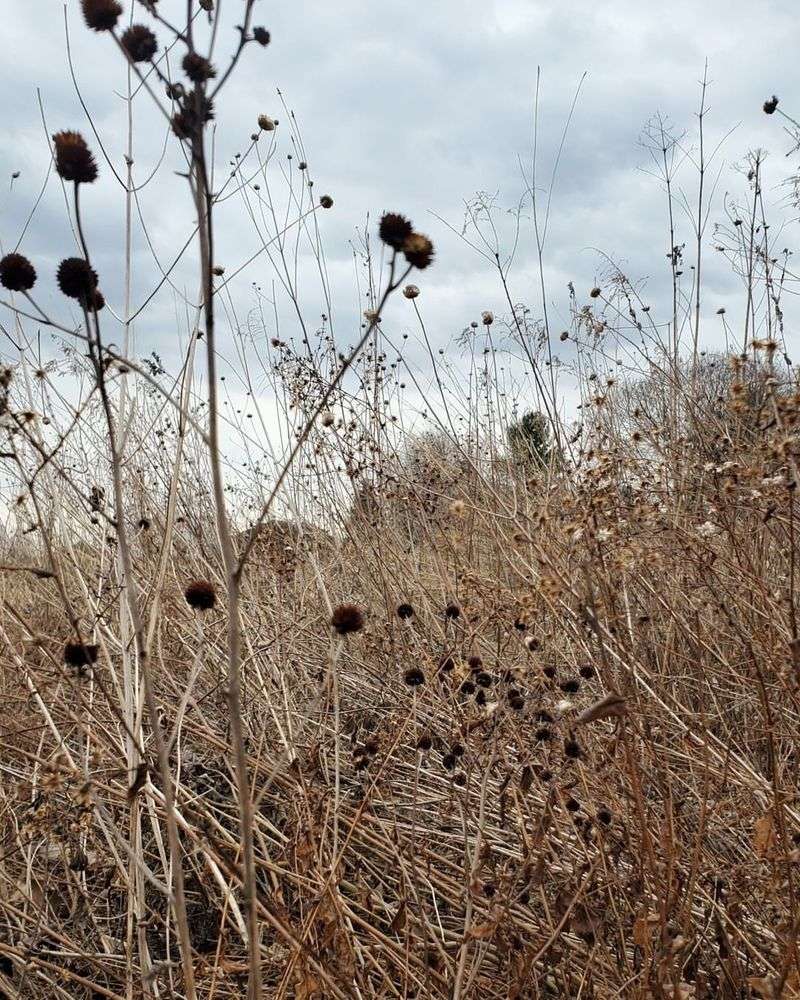
Many native bees and beneficial insects depend on hollow stems and seed heads to survive Ohio’s freezing temperatures.
When gardeners cut back perennials in fall, they unknowingly remove the very homes these creatures need most.
Solitary bees, ladybugs, and other helpful insects crawl inside hollow stems to escape wind and cold, staying dormant until warmer weather returns.
Leaving your perennials standing until late spring gives these tiny guests time to safely emerge and begin their important work.
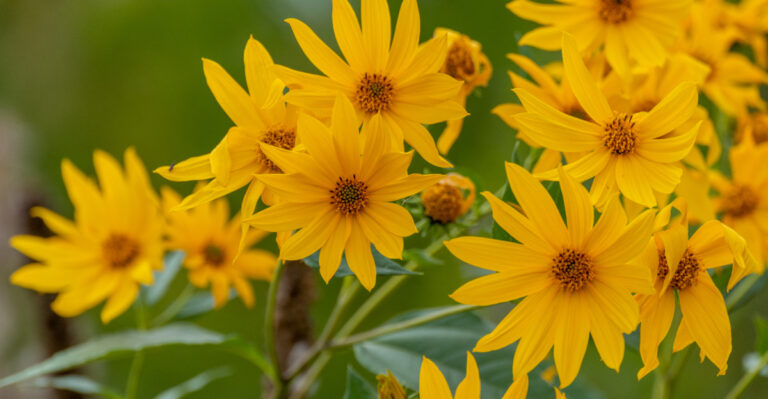
Plants like bee balm, black-eyed Susans, and coneflowers provide perfect hollow-stem shelters.
Their dried stalks may look messy, but they’re lifesaving refuges for pollinators.
Waiting until temperatures consistently reach the 50s in spring ensures insects have fully awakened before you trim.
This simple delay can make a huge difference in pollinator populations.
Your garden will thank you with more blooms and better fruit production.
Plus, standing perennials add winter interest to your landscape with their sculptural forms and frost-kissed seed heads.
It’s a win for both beauty and biodiversity.
2. Avoid Fall Garden Cleanup
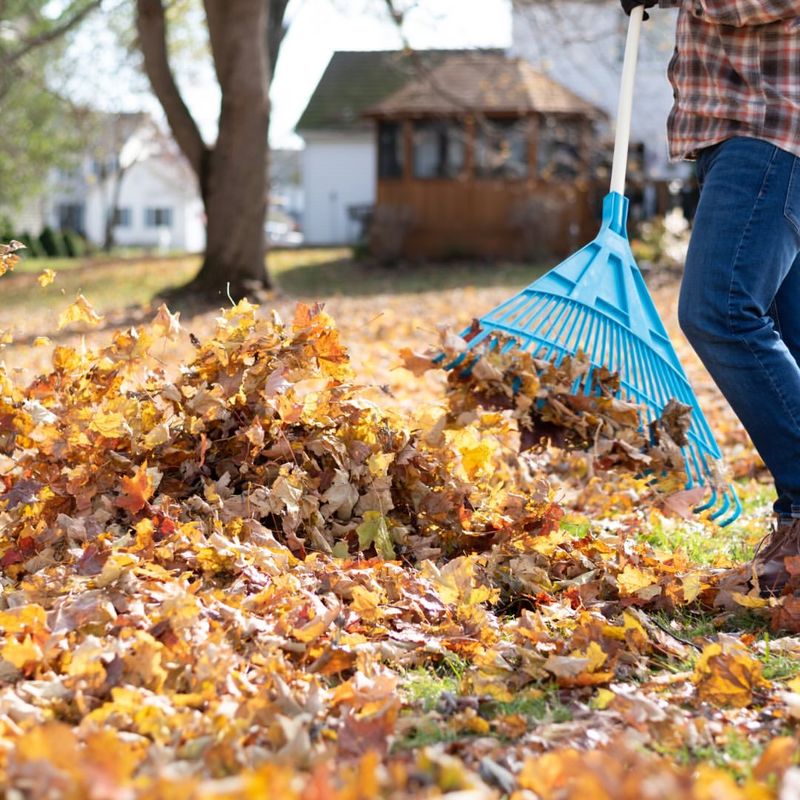
Fallen leaves and plant debris might seem untidy, but they’re actually nature’s perfect insulation system for overwintering pollinators.
Ohio’s cold climate makes this protective layer especially important for survival.
Butterflies, native bees, and beneficial beetles burrow beneath leaves and plant litter to stay warm and safe from predators.
When you rake away every leaf and clear all debris, you’re removing critical shelter that pollinators desperately need.
These natural materials trap air pockets that insulate against freezing temperatures and harsh winds.
They also maintain moisture levels that prevent insects from drying out during winter.
Instead of a spotless garden, aim for a more natural look that supports wildlife.
Leave leaves and plant material scattered across beds, especially in corners and under shrubs.
This approach mimics forest floors where pollinators have thrived for thousands of years.
Come spring, you can gently rake away excess material once temperatures warm consistently.
By then, overwintering insects will have emerged and moved on.
Your slightly messy garden becomes a pollinator paradise that benefits the entire ecosystem.
3. Leave Leaf Litter Under Trees And Shrubs
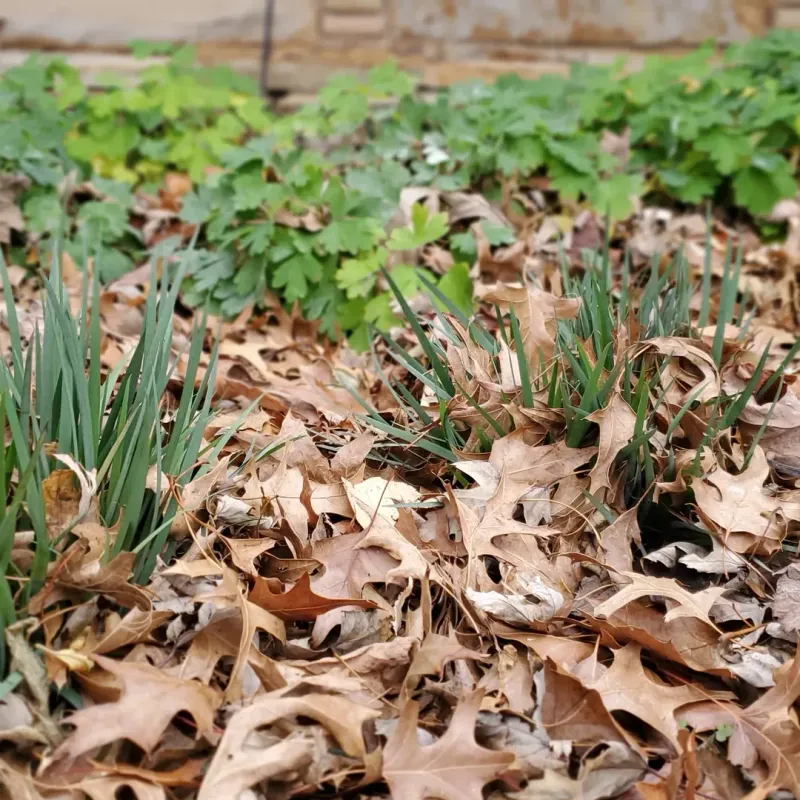
Butterflies like mourning cloaks and question marks spend winter tucked beneath leaf litter, waiting for spring’s warmth.
Moths and ground-nesting bees also depend on this natural blanket for survival.
Your Ohio Garden Changes Every Week. Your Plan Should Too.
Gardening in Ohio changes quickly throughout the season. Every Friday you’ll receive a simple weekly plan showing exactly what to plant, prune, fertilize, harvest, and protect so you never miss the right timing.
Removing leaves too early from under trees and shrubs dramatically reduces their chances of making it through Ohio’s freezing nights.
Leaf litter creates a microclimate that buffers temperature swings and provides humidity control.
These conditions are essential for insects in their dormant state.
Without this protection, sudden temperature changes can be fatal to overwintering pollinators.
Focus your leaf removal on lawns and pathways where leaves can smother grass or create slippery surfaces.
But under woody plants, let nature’s carpet remain undisturbed.
This zone becomes a safe haven for countless beneficial insects.
The decomposing leaves also enrich your soil, feeding the very plants that will support pollinators next season.
It’s a beautiful cycle that requires almost no effort from you.
Simply resist the urge to tidy up these natural spaces.
By spring, much of the leaf litter will have broken down, leaving behind nutrient-rich soil and healthy, emerged pollinators ready to get to work.
4. Provide Undisturbed Soil For Ground-Nesting Bees
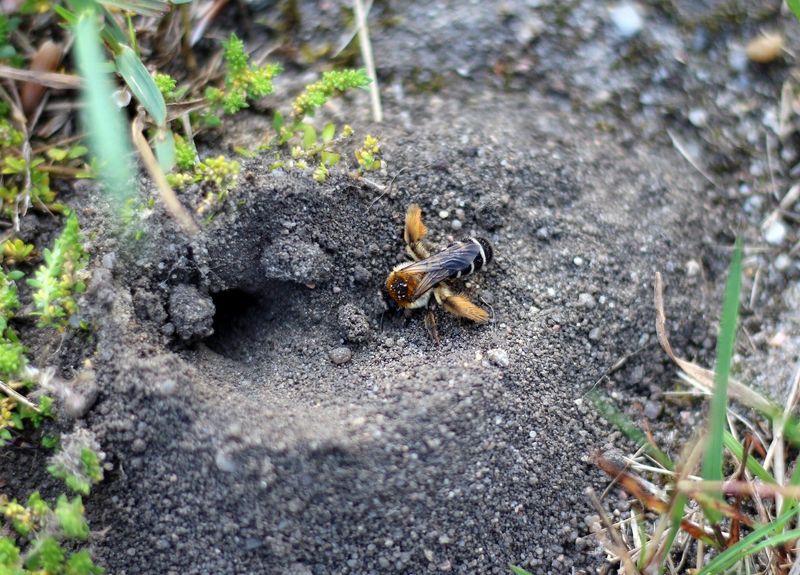
About 70 percent of native bee species nest underground, making soil protection absolutely essential for their survival.
These hardworking pollinators dig tunnels where they lay eggs and store pollen before winter arrives.
The larvae develop slowly underground, staying safe from freezing temperatures until spring emergence.
Heavy tilling, excessive mulching, or constant foot traffic can destroy these underground nurseries.
Ohio’s freeze-thaw cycles already challenge these bees, so they need stable, undisturbed soil to make it through winter.
Leaving some areas of bare or lightly mulched soil gives them the protection they require.
Choose spots in your garden that get good drainage but won’t be walked on frequently.
Sunny, south-facing slopes work especially well for ground-nesting bees.
A light covering of leaves is fine, but avoid piling on thick mulch that bees can’t penetrate.
Mark these areas with small stakes or garden markers so you remember to leave them alone.
Come spring, you’ll notice small holes appearing as bees emerge to begin pollinating.
These gentle creatures are excellent pollinators and pose almost no stinging risk.
Protecting their underground homes is one of the easiest ways to support Ohio’s native bee populations.
5. Plant Native Trees And Shrubs
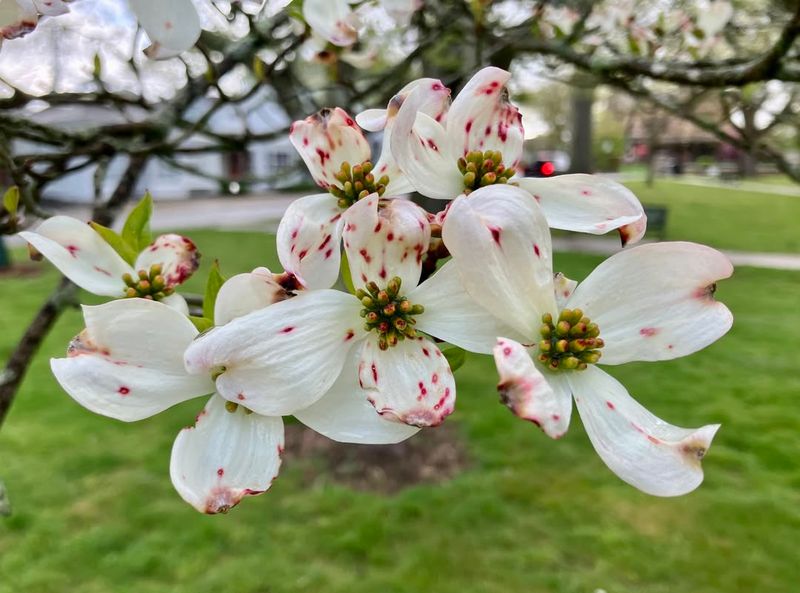
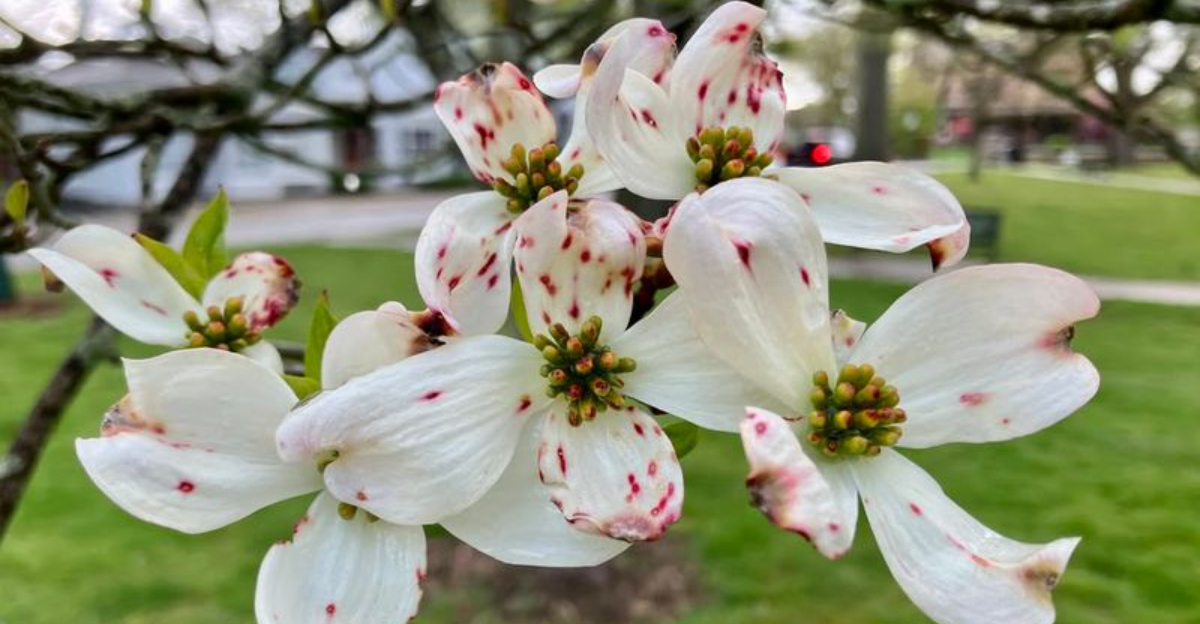
Native woody plants like dogwood, serviceberry, and spicebush provide year-round support for Ohio’s pollinators.
Many butterflies and moths lay eggs on these plants in summer, and the larvae overwinter in bark crevices or nearby soil.
These plants have evolved alongside local insects, creating perfect partnerships that support complete life cycles.
Unlike non-native ornamentals, Ohio’s native trees and shrubs offer specialized habitat features that pollinators recognize and use.
Rough bark provides hiding spots, while dense branching creates windbreaks that shelter insects from harsh weather.
Some species even host specific butterfly or moth larvae that can’t survive on anything else.
Fall is an excellent time to add native woody plants to your landscape.
They’ll establish roots over winter and be ready to support pollinators come spring.
Choose species suited to your specific site conditions for best results.
Native viburnums, witch hazel, and Ohio buckeye are all fantastic choices that look beautiful while supporting wildlife.
They require less maintenance than exotic species once established.
Plus, they’re perfectly adapted to Ohio’s climate and soil conditions.
Investing in native trees and shrubs creates lasting pollinator habitat that benefits your garden for decades to come.
6. Delay Mulching Until After The Ground Freezes
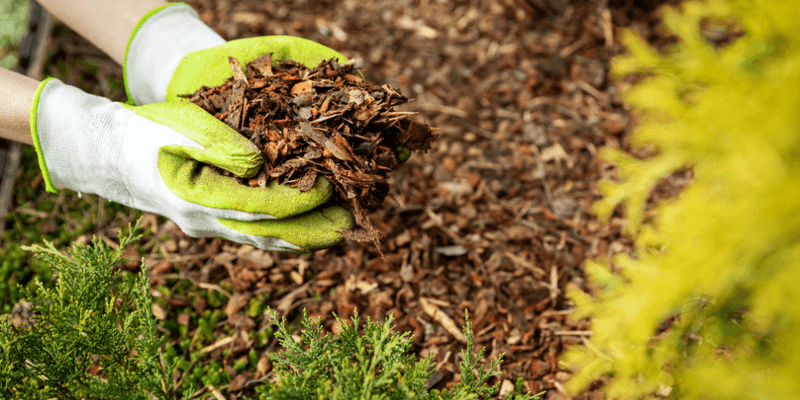
Timing matters tremendously when it comes to fall mulching and pollinator protection.
Adding mulch too early can trap insects before they’ve found their winter homes or smother those already settled in.
Waiting until after the ground freezes ensures pollinators are safely tucked away before you add that protective layer.
When soil freezes, overwintering insects are already in their dormant state, tucked into stems, soil, or leaf litter.
At this point, a light layer of mulch actually helps by stabilizing soil temperatures and preventing damaging freeze-thaw cycles.
Just avoid piling mulch too thickly, which can prevent spring emergence.
Two to three inches of mulch is plenty for most garden beds.
Keep mulch pulled back from plant stems to prevent rot and allow air circulation.
Shredded leaves make excellent mulch that breaks down to enrich soil.
Monitor soil conditions in late fall, waiting for several nights of hard frost before mulching.
In Ohio, this typically happens in late November or early December.
This patience protects both your plants and the pollinators sheltering among them.
Proper mulch timing demonstrates how small adjustments to garden routines can have big impacts on pollinator survival rates throughout the coldest months.
7. Leave Seed Heads For Winter Habitat
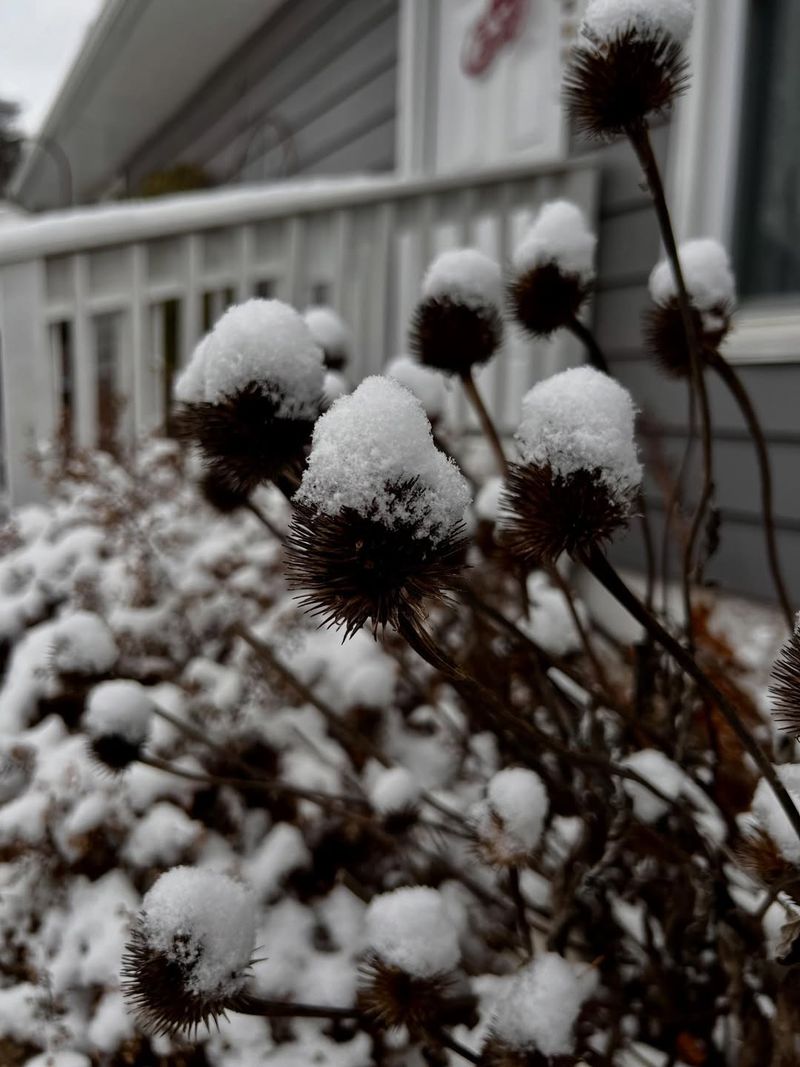
Coneflowers, sunflowers, and ornamental grasses produce seed heads that serve double duty in winter gardens.
Insects shelter in the dried flower structures, while birds feast on the seeds, creating a balanced ecosystem.
Those birds help control pest insects, indirectly supporting pollinator populations when warm weather returns.
The architectural beauty of seed heads also adds visual interest to winter landscapes.
Frost outlines their intricate structures, creating natural sculptures that catch morning light.
Instead of empty beds, you’ll have texture and form that looks intentional and beautiful.
Seed heads from native plants like black-eyed Susans and purple coneflowers are especially valuable.
They provide food for goldfinches, chickadees, and other songbirds throughout winter.
These birds also eat pest insects during growing season, protecting your garden naturally.
Leave seed heads standing until late spring when new growth emerges.
Simply cut them back when you see fresh shoots appearing at the base.
This timing ensures all the benefits are captured before making way for new blooms.
Your garden becomes a year-round haven that supports interconnected wildlife communities.
The seed heads you leave behind today become tomorrow’s thriving pollinator garden through these natural relationships.
8. Create Brush Piles Or Natural Debris Areas
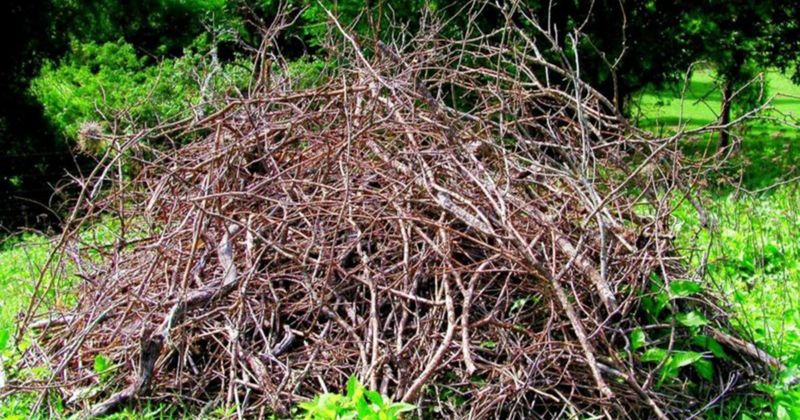
Small brush piles tucked into garden corners provide surprisingly valuable overwintering habitat for beneficial insects.
Twigs, small branches, and pruned stems create air pockets and protected spaces where pollinators can escape harsh weather.
These simple structures cost nothing and take just minutes to assemble.
Position your brush pile in a quiet corner where it won’t be disturbed until spring.
Layer branches loosely so air can circulate but wind can’t penetrate deeply.
Include a variety of twig sizes from pencil-thin to wrist-thick for diverse habitat options.
Native bees, ladybugs, and lacewings all appreciate these sheltered spaces during Ohio’s coldest months.
The pile also provides habitat for other beneficial creatures like toads and salamanders that eat pest insects.
It’s a wildlife hotel that requires zero maintenance.
Come spring, you can leave the pile in place or carefully relocate it if needed.
Many gardeners find they enjoy having this naturalistic feature year-round.
It adds a wild, ecological element that contrasts nicely with more formal plantings.
Building brush piles demonstrates that supporting pollinators doesn’t require expensive materials or complicated construction.
Sometimes the simplest solutions are the most effective for creating backyard habitat that truly makes a difference.
9. Avoid Pesticides In Fall And Early Spring
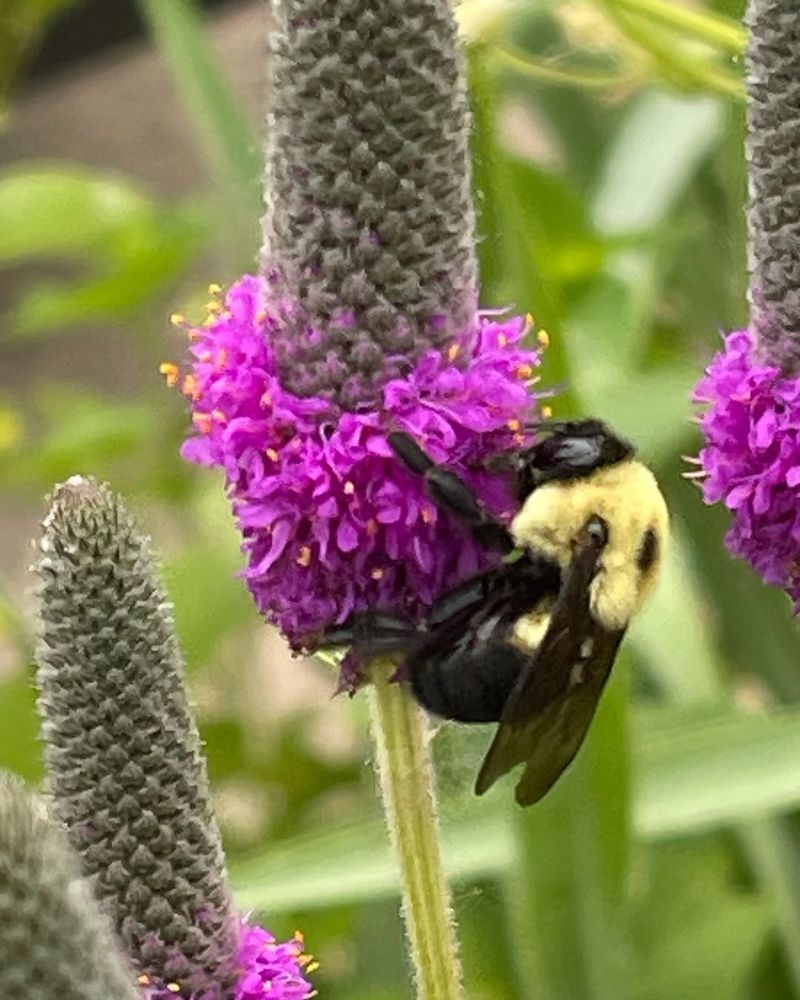
Chemical pesticides persist in soil, on plant surfaces, and in garden debris long after application.
These residues can harm dormant pollinators hiding in stems, soil, and leaf litter throughout winter.
Even products labeled as safe for bees can affect overwintering insects in vulnerable dormant states.
Fall and early spring are particularly risky times for pesticide use because pollinators can’t avoid contaminated areas.
They’re tucked into their winter shelters, unable to fly away from treated zones.
Exposure during dormancy can prevent successful spring emergence even if it doesn’t cause immediate harm.
Focus instead on prevention and natural pest management strategies.
Healthy, diverse gardens naturally resist pest problems without chemical intervention.
Beneficial insects that overwinter safely will control pests when the growing season returns.
If you absolutely must address a pest problem, choose the least toxic option and spot-treat only affected areas.
Never spray when pollinators might be active, and avoid treating plants where you’ve seen pollinator activity.
Read labels carefully and follow all safety instructions.
The best approach is eliminating pesticide use entirely, especially during overwintering periods.
Your patience protects pollinators and creates a healthier garden ecosystem that becomes more resilient with each passing season.
10. Leave Hollow Stems Intact
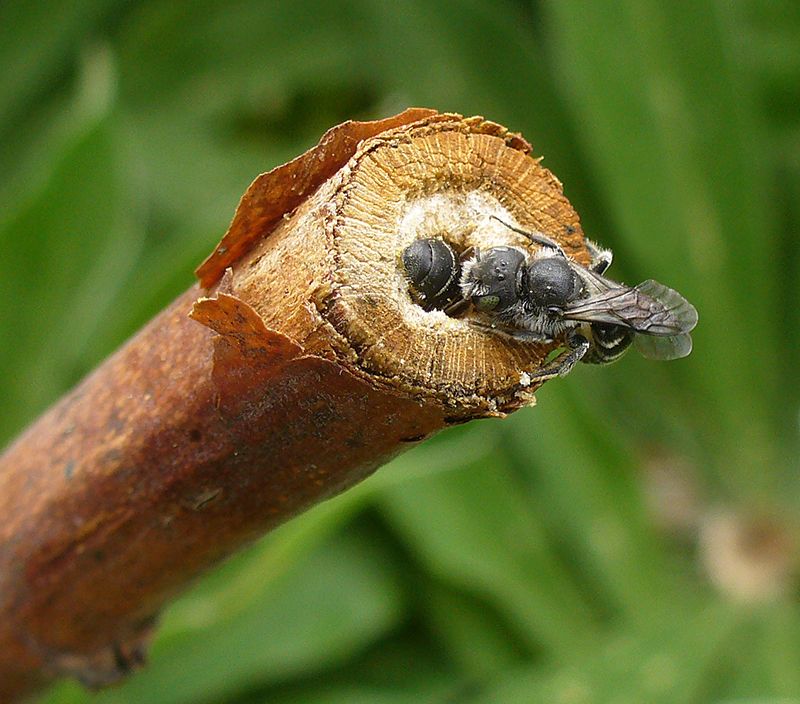
Hollow-stemmed plants like goldenrod, Joe Pye weed, and raspberry canes are prime real estate for solitary bees.
These gentle pollinators lay eggs inside the hollow tubes, sealing each chamber with mud or chewed leaves.
The larvae develop slowly inside, staying protected from winter cold until spring warmth triggers emergence.
When you cut these stems down in fall, you’re essentially demolishing apartment buildings full of developing bees.
These solitary species are among Ohio’s most effective pollinators, visiting more flowers per bee than honeybees.
Protecting their winter homes directly improves your garden’s pollination success next season.
Leave hollow stems standing at least 12 to 18 inches tall through winter and into late spring.
You can cut them in early summer once you see adult bees flying, indicating successful emergence.
Bundle cut stems and stand them in a protected spot if you must tidy up earlier.
Look for small mud caps on stem ends, which indicate occupied chambers.
These are signs your garden is successfully supporting native bee populations.
Each sealed tube represents next year’s pollinators developing safely.
Recognizing the value of hollow stems transforms how you view your winter garden, turning every standing stalk into a potential pollinator nursery.
11. Plant Native Grasses For Insulation
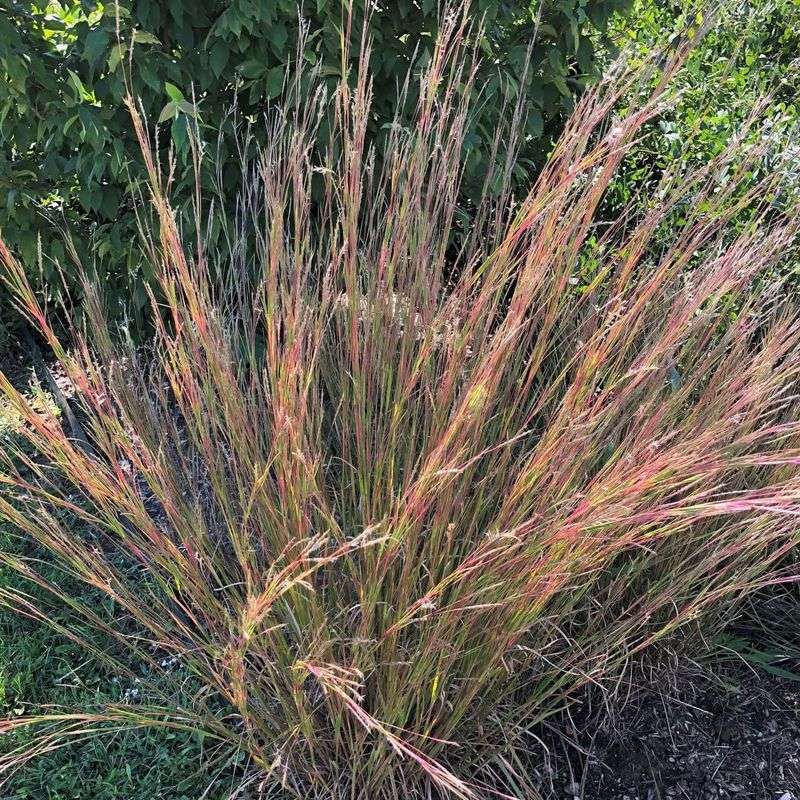
Native grasses like little bluestem, switchgrass, and Indian grass create natural windbreaks that protect soil-dwelling pollinators.
Their dense root systems and standing foliage moderate soil temperatures, preventing damaging freeze-thaw cycles.
These tough plants look beautiful in winter, adding movement and golden color to dormant landscapes.
Ground-nesting bees benefit tremendously from the stable soil conditions native grasses provide.
The grass canopy sheds rain and snow, keeping underground nests from flooding.
Meanwhile, the root zone stays warmer than exposed soil, improving survival rates.
Native grasses require minimal maintenance once established and provide year-round interest.
They’re drought-tolerant in summer and stand strong through Ohio’s winter storms.
Their seeds also feed birds, adding another layer of ecological benefit.
Plant native grasses in fall for best establishment, or add them in early spring.
Group them in drifts for maximum impact and wildlife value.
They look especially stunning when backlit by low winter sun.
Leave the foliage standing through winter, cutting it back in late spring before new growth emerges.
This timing protects any insects sheltering in the stems and maintains the insulating benefits throughout the coldest months.
Native grasses prove that beautiful landscaping and pollinator support go hand in hand.
12. Protect Garden Edges And Hedgerows
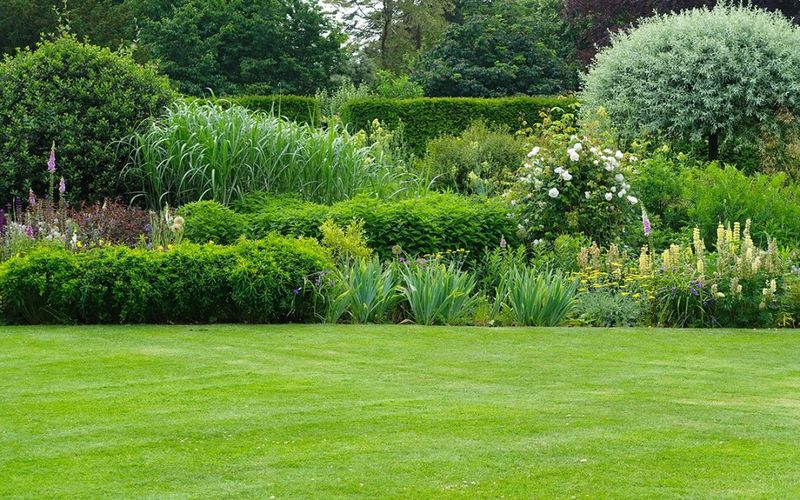
Hedgerows and garden borders act as critical windbreaks that shelter overwintering pollinators from Ohio’s harsh winter winds.
These transition zones between different habitat types concentrate beneficial insects seeking protected overwintering sites.
Mixed plantings of shrubs, perennials, and grasses create layered habitat that supports diverse pollinator species.
Avoid heavy pruning or clearing of these edge areas in fall and winter.
The dense vegetation provides exactly the kind of shelter pollinators need most.
Even seemingly messy areas with tangled stems and leaf accumulation serve important ecological functions.
If your property borders woods or fields, these natural edges are especially valuable.
They create wildlife corridors that allow pollinators to move safely between habitats.
Protecting and enhancing these areas benefits not just your garden but the broader landscape.
Consider planting additional native shrubs to strengthen existing hedgerows.
Species like winterberry, arrowwood viburnum, and ninebark provide excellent structure and wildlife value.
They require little maintenance while offering maximum benefit.
Resist the temptation to tidy up garden edges until late spring.
These wild-looking spaces are working hard to support pollinators through winter.
Your restraint pays off with healthier, more abundant pollinators when growing season arrives again.
13. Install Bee Houses Correctly—And Leave Them Alone
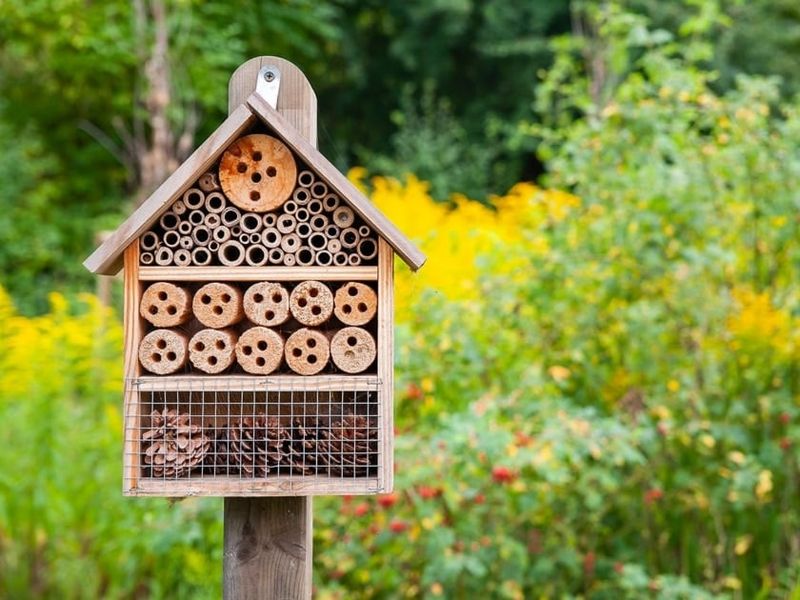
Bee houses provide nesting sites for cavity-nesting species like mason bees and leafcutter bees.
Once these bees seal themselves inside tubes for winter, the houses must remain completely undisturbed until spring.
Moving or opening bee houses during winter can expose developing bees to lethal temperature swings.
Mount your bee house facing southeast to catch morning sun, which helps bees warm up for spring emergence.
Position it four to six feet off the ground in a location protected from harsh winds.
Ensure it has a slight downward tilt so rain can’t pool inside the tubes.
Once bees have filled tubes in summer and fall, leave the house alone through winter.
Don’t clean it, move it, or check inside until temperatures consistently stay above 55 degrees in spring.
Patient observation is key to successful bee house management.
Watch for emerging bees on warm spring days, which signals it’s safe to perform gentle maintenance.
Replace worn tubes and clean the house only after all bees have emerged.
Proper timing ensures you support rather than harm these valuable pollinators.
Bee houses work best when they’re part of a larger pollinator-friendly landscape with plenty of native plants.
They supplement natural nesting sites rather than replacing them entirely.
14. Leave Standing Dead Trees And Snags When Safe
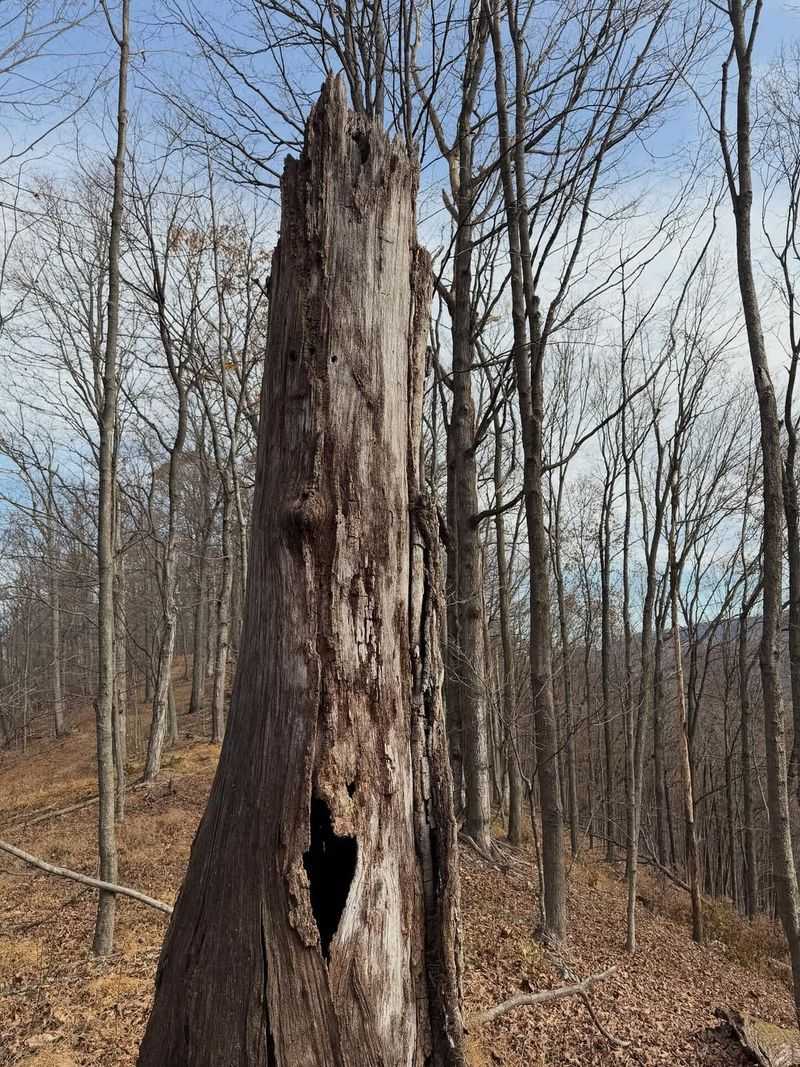
Standing snags might not look like much, but they’re apartment complexes for cavity-nesting insects and the predators that control pests.
Beetles bore into the wood, creating tunnels that bees later use for nesting.
Woodpeckers excavate larger holes while hunting insects, which other cavity-nesters adopt.
These ecological relationships support the entire pollinator community throughout the year.
Winter is especially important, as many beneficial insects overwinter in bark crevices and insect galleries within the wood.
Removing snags eliminates this critical habitat.
Safety must come first, so only leave standing snags that pose no risk to people or structures.
Consult an arborist if you’re uncertain about a tree’s stability.
Even short snags of six to eight feet provide valuable habitat while minimizing risk.
If a snag must come down for safety reasons, consider leaving the trunk sections as log piles in a quiet corner.
These continue providing habitat even when horizontal.
Stack them loosely to create gaps and crevices.
Dead wood is essential to healthy forest ecosystems, and the same principle applies in home landscapes.
When you can safely preserve snags, you’re supporting countless beneficial creatures that make your garden more productive and resilient against pests and disease.
15. Wait Until Late Spring To Resume Cleanup
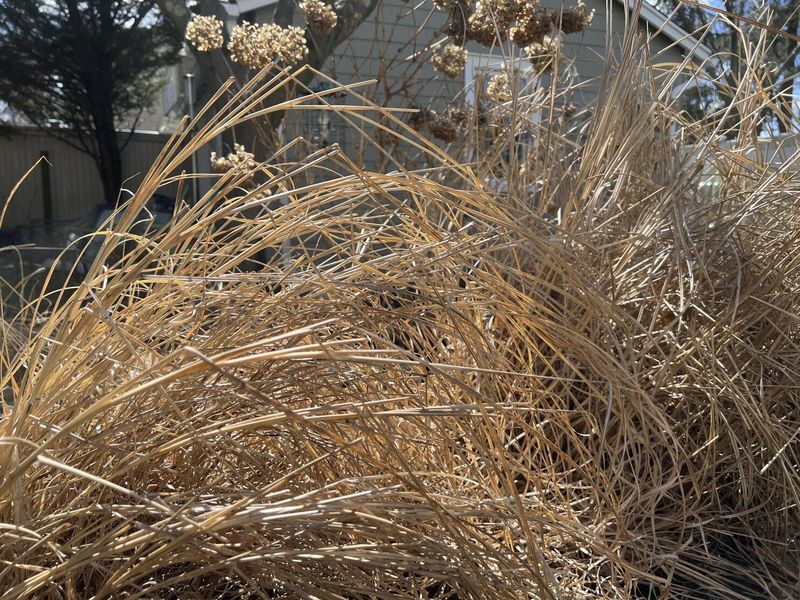
Patience is perhaps the most important virtue when it comes to supporting overwintering pollinators.
Many gardeners feel eager to tidy up at the first sign of spring, but this timing can be harmful to emerging insects.
Waiting until temperatures consistently stay in the 50s ensures pollinators have fully awakened and left their winter shelters.
Early spring warm spells can be deceiving, with cold snaps returning even after mild days.
Pollinators remain dormant during these fluctuations, still tucked safely in stems, soil, and debris.
Disturbing these areas too early can expose them to lethal cold.
Watch for signs of pollinator activity like bees visiting early blooms before beginning cleanup.
This indicates it’s safe to gently remove dead plant material and do light tidying.
Work slowly and carefully, shaking stems over beds so any remaining insects can find new shelter.
Focus cleanup efforts on areas where new growth is emerging, leaving wilder corners alone longer.
This staged approach balances garden aesthetics with pollinator protection.
You’ll find your garden springs to life more vibrantly when pollinators emerge safely.
Late spring cleanup becomes a celebration of the season rather than a chore, marking the successful overwintering of the creatures that make your garden thrive.