8 Worst Places To Plant A Tree In North Carolina, According To Experts
Planting trees in North Carolina can transform your yard into a beautiful and shady retreat, but choosing the wrong spot can lead to serious problems.
Trees need the right conditions to thrive, and putting them in poor locations can damage your property, harm the tree, or create costly headaches.
Experts agree that certain areas should always be avoided when planning where to plant, no matter how tempting the spot may seem to you.
Understanding these problem zones will help you make smarter choices and ensure your trees grow healthy, strong, and beautiful for many years ahead.
1. Too Close To Your Home’s Foundation
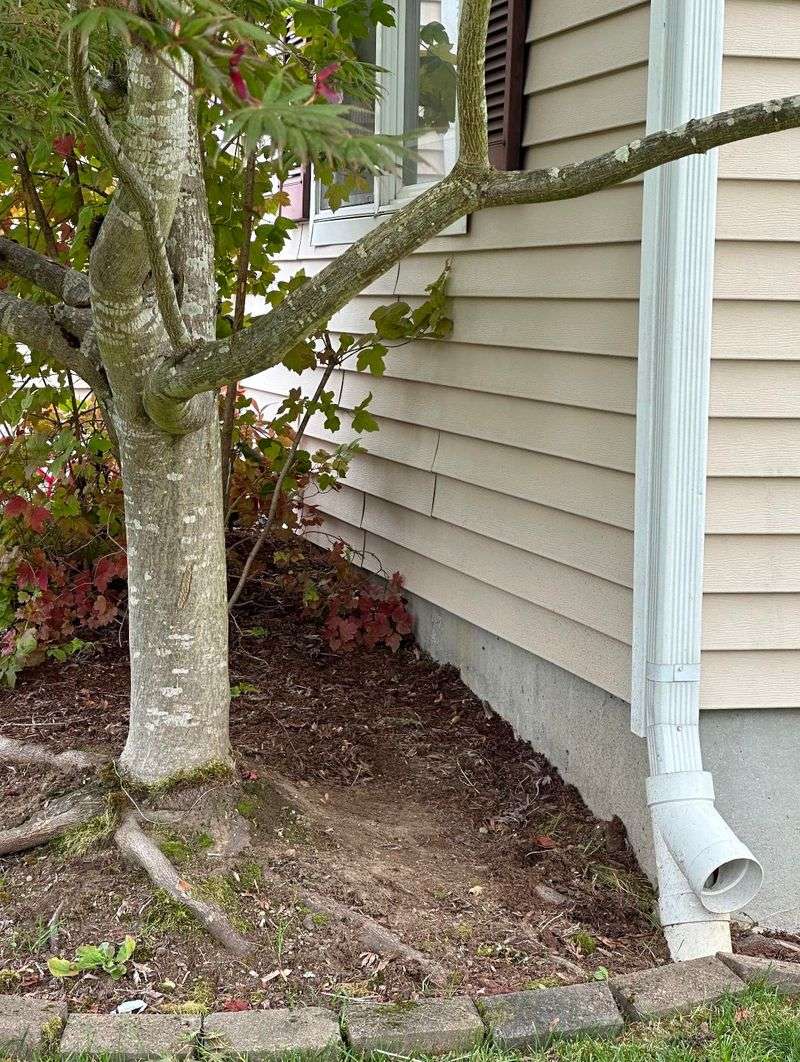
Roots spread wider than you might imagine, and when trees sit too near your house, those roots can crack foundations and damage underground pipes.
North Carolina’s clay-heavy soil makes this problem even worse because roots push harder through dense earth searching for water and nutrients to survive.
Experts recommend keeping large trees at least twenty feet away from your home to prevent structural issues and avoid expensive repairs down the road.
Smaller species need less space, but always research the mature size before you commit to a specific location in your yard or garden.
Foundation damage isn’t always visible right away, so prevention is much smarter than waiting for cracks to appear on your walls or basement floors.
Branches hanging over roofs can also drop leaves that clog gutters, creating water damage and inviting pests into your attic or crawl spaces below.
Insurance companies often refuse to cover foundation damage caused by tree roots, leaving homeowners stuck with bills that can reach thousands of dollars or more.
Choosing the right distance protects your investment and keeps your home safe from avoidable harm for decades into the future ahead of you.
2. Directly Under Power Lines
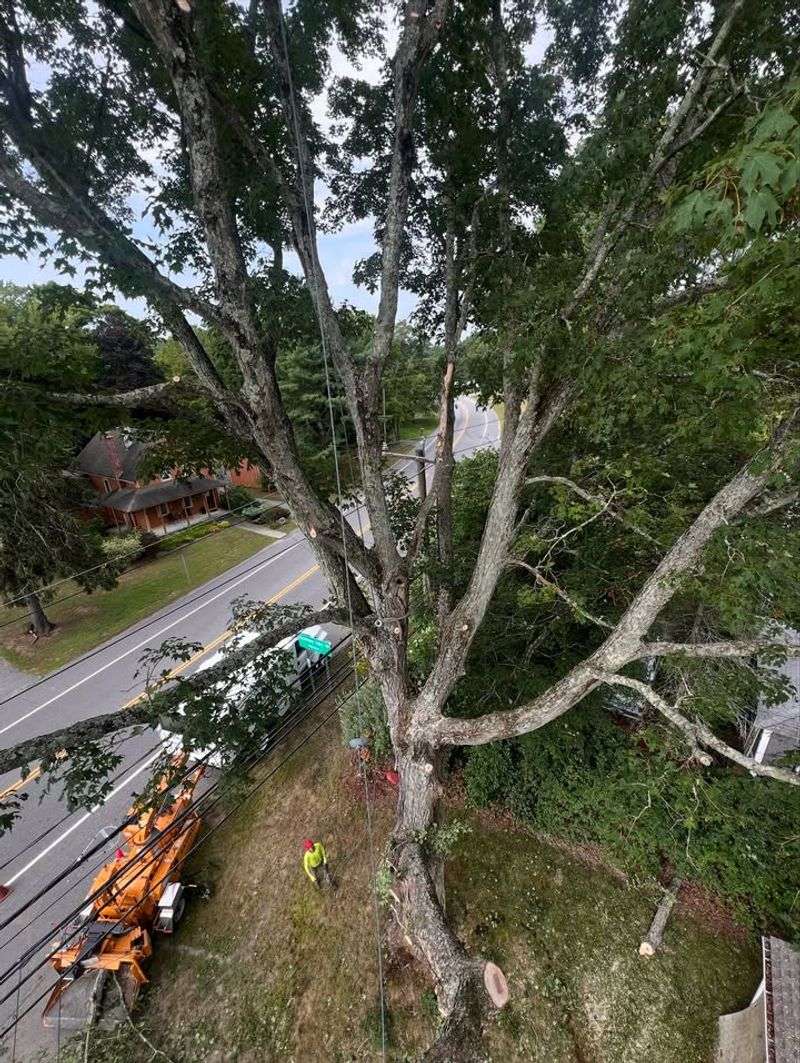
Power lines pose a serious hazard when trees grow tall enough to touch them, creating fire risks and causing outages that affect entire neighborhoods instantly.
Utility companies will trim or remove trees that interfere with lines, often leaving your once-beautiful tree looking awkward, unbalanced, and completely ruined aesthetically.
North Carolina experiences strong storms and high winds that can knock branches into power lines, sparking fires or cutting electricity to homes and businesses nearby.
Experts suggest planting only low-growing species under power lines, or better yet, choosing a completely different spot away from overhead wires and cables.
Tall oaks, pines, and maples are especially problematic because they can reach heights of fifty feet or more, making contact with lines inevitable over time.
Electrocution is another risk if someone tries to trim branches near power lines without proper training, equipment, or safety precautions in place during work.
Homeowners may also face fines if their trees cause outages or damage utility infrastructure, adding financial stress to an already frustrating and dangerous situation.
Keeping trees away from power lines ensures safety, preserves your tree’s natural shape, and helps avoid conflicts with utility companies and angry neighbors alike.
3. On Top Of Septic Systems
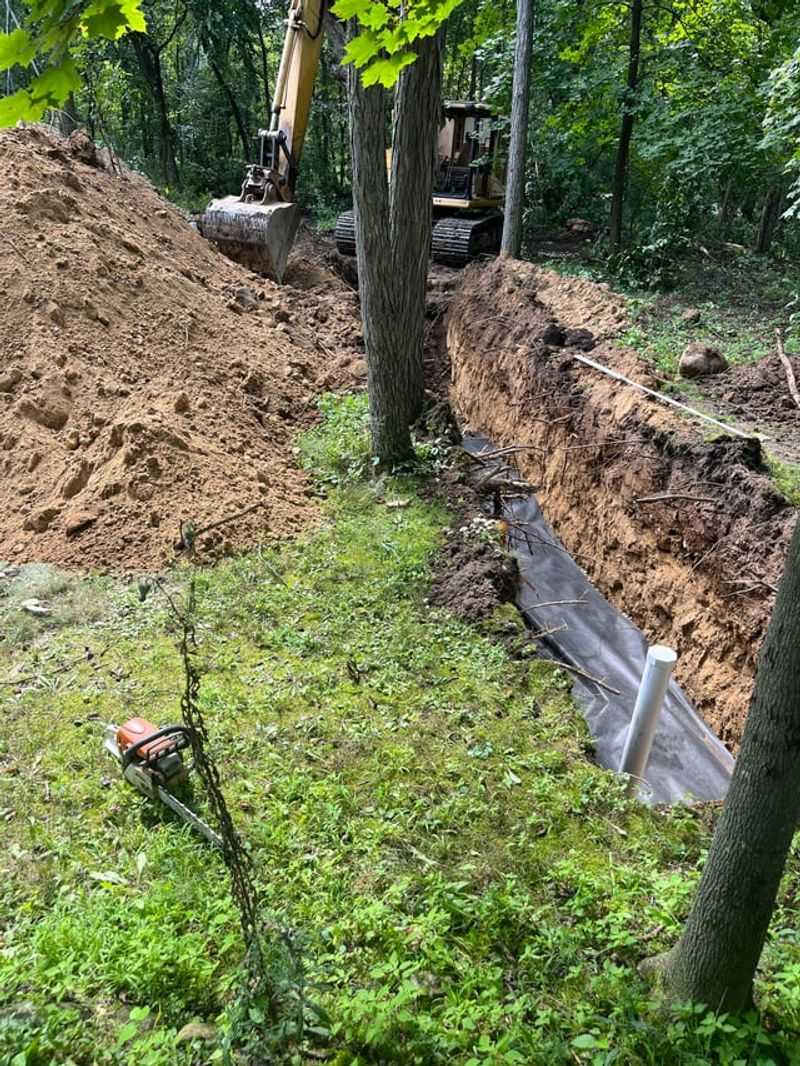
Septic systems require open space above them so roots don’t invade pipes, clog drainfields, or cause backups that flood your yard with sewage and waste.
Your North Carolina Garden Changes Every Week. Your Plan Should Too.
Gardening in North Carolina changes quickly throughout the season. Every Friday you’ll receive a simple weekly plan showing exactly what to plant, prune, fertilize, harvest, and protect so you never miss the right timing.
Tree roots naturally seek out water sources, and septic tanks provide plenty of moisture, making them irresistible targets for hungry, thirsty root systems below ground.
North Carolina’s warm climate encourages fast root growth, which means trees planted near septic systems can cause problems much sooner than you might expect initially.
Repairing septic damage is incredibly expensive, often costing several thousand dollars, and insurance rarely covers issues caused by tree roots invading underground infrastructure systems.
Experts recommend keeping trees at least thirty feet away from septic tanks and drainfields to ensure proper system function and avoid messy, costly repair projects.
Even smaller ornamental trees can cause trouble because their roots spread surprisingly far, searching for nutrients and water in soil that surrounds your property daily.
Clogs and backups create health hazards, unpleasant odors, and unsanitary conditions that make your yard unusable until professionals fix the problem completely and thoroughly.
Protecting your septic system by choosing smart planting locations saves money, prevents headaches, and keeps your property clean, safe, and functioning properly for years.
4. In Low-Lying Areas That Flood
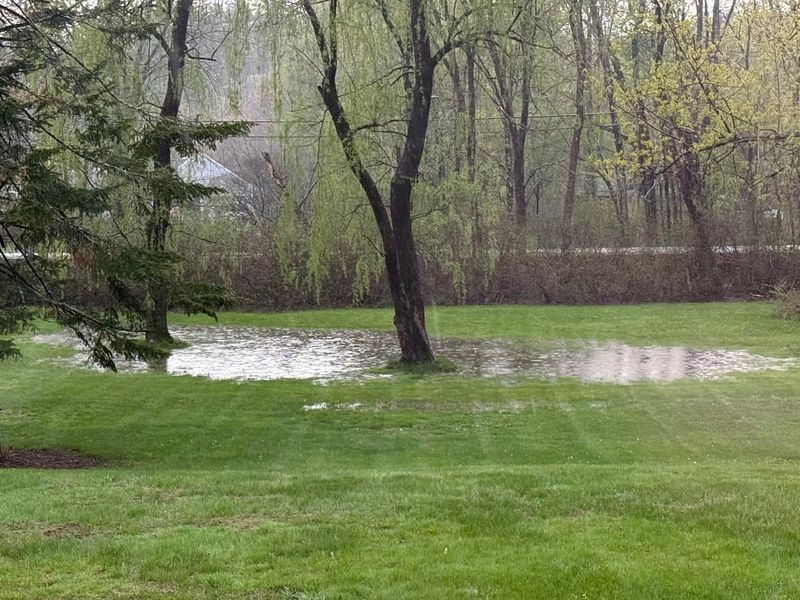
Most trees can’t tolerate standing water for extended periods, and their roots will rot if soil stays saturated for too long after storms or rainfall.
North Carolina gets heavy rain, especially during hurricane season, and low spots in your yard can turn into swamps that drown tree roots quickly and effectively.
Waterlogged soil lacks oxygen, which roots need to function properly, and without oxygen, trees become weak, diseased, and unable to support healthy growth above ground.
Experts advise planting trees on higher ground or improving drainage before adding trees to areas that collect water after every storm or heavy downpour.
Some species like bald cypress and river birch handle wet conditions better, but even they struggle if water never drains away completely from the area.
Flooding also encourages fungal diseases and pests that attack weakened trees, creating additional problems that spread to other plants in your yard and garden beds.
Raised planting beds or berms can help improve drainage, but it’s often easier to choose a naturally well-drained spot instead of fighting your landscape’s limitations.
Healthy trees need soil that drains well, provides oxygen, and doesn’t trap water, so always check drainage patterns before you plant anything in your yard.
5. Too Close To Driveways And Sidewalks
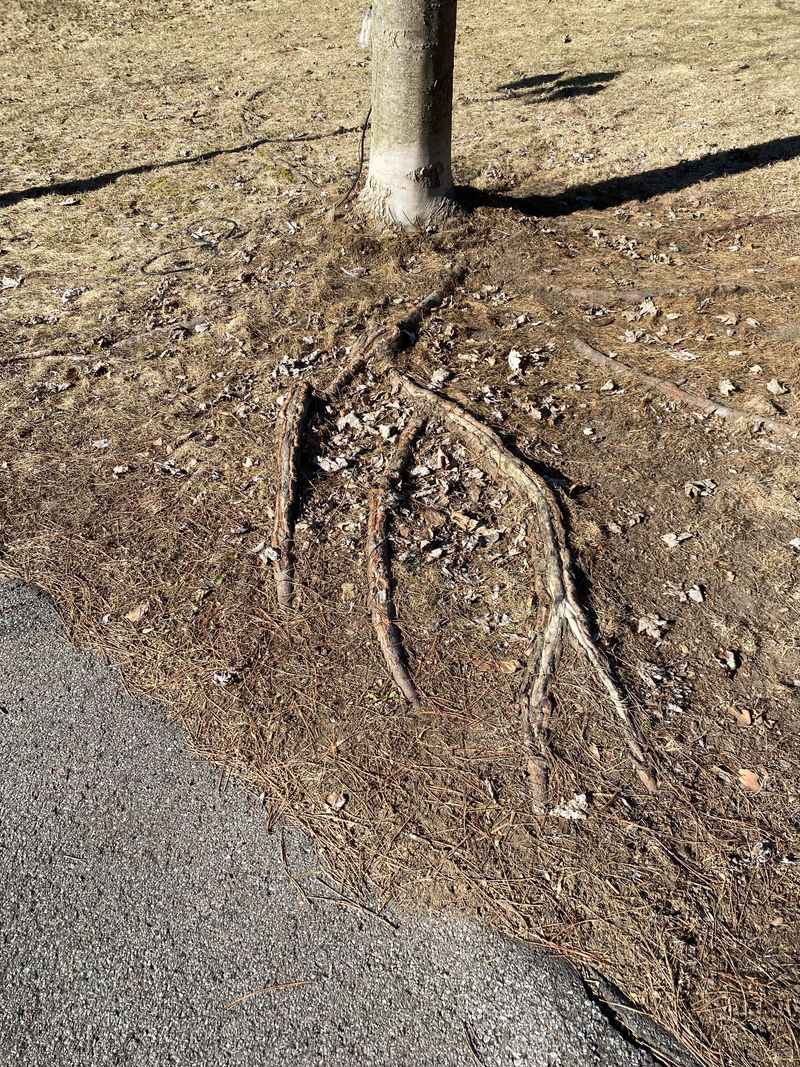
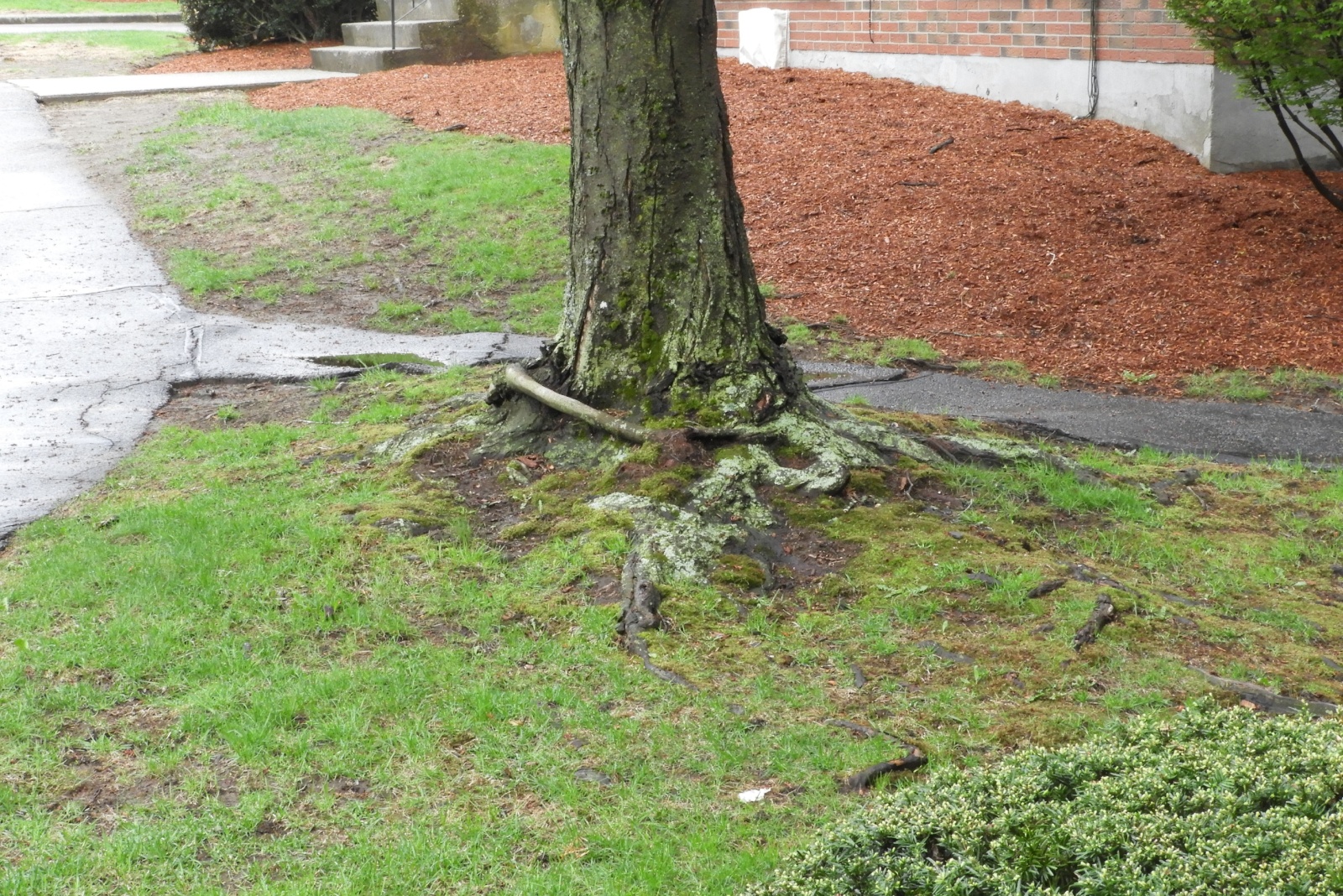
Roots grow outward searching for water and stability, and they can easily lift, crack, or buckle concrete driveways and sidewalks as they expand underground.
North Carolina’s freeze-thaw cycles worsen this damage because water seeps into cracks, freezes, and expands, breaking concrete apart even faster than normal over time.
Repairing or replacing damaged driveways and walkways is expensive, and the problem will keep coming back unless you remove the tree or its roots entirely.
Experts suggest planting trees at least ten feet away from paved surfaces to give roots enough room to spread without causing structural damage to hardscapes.
Certain species like willows and silver maples have especially aggressive root systems that seek out water and can destroy pavement in just a few years.
Tripping hazards created by lifted sidewalks can lead to injuries, and homeowners may be held liable if someone gets hurt on their property because of it.
Tree roots can also damage underground utilities like water lines and gas pipes that run beneath driveways, creating dangerous leaks and costly emergency repairs for you.
Choosing the right distance protects your investment in landscaping and hardscaping, keeps walkways safe, and prevents frustrating, expensive repairs that could have been avoided easily.
6. In Heavily Compacted Soil
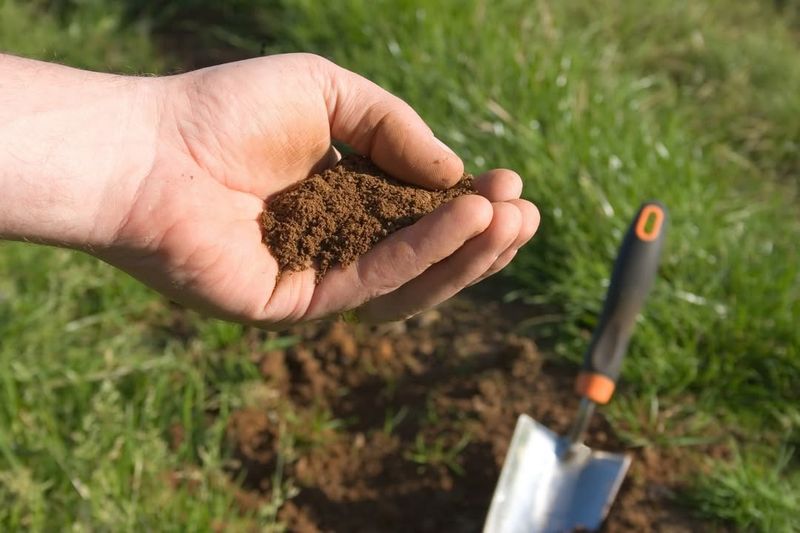
Compacted soil lacks air pockets that roots need to breathe and expand, making it nearly impossible for trees to establish strong, healthy root systems underground.
Construction sites, driveways, and high-traffic areas often have heavily compacted soil that prevents water from soaking in and suffocates roots before they can grow properly.
North Carolina’s clay soil compacts easily, especially after heavy machinery or foot traffic packs it down tight, creating conditions hostile to most tree species available.
Trees planted in compacted soil grow slowly, look unhealthy, and often fail to thrive no matter how much water or fertilizer you provide to them.
Experts recommend testing soil and loosening it deeply before planting, or choosing a different location where soil hasn’t been disturbed or packed down by activity.
Amending compacted soil with organic matter like compost can help, but it’s labor-intensive and may not fully solve the problem if compaction runs deep underground.
Roots that can’t penetrate compacted soil will circle near the surface, making trees unstable and more likely to topple during storms or high winds.
Healthy trees need loose, well-aerated soil that allows roots to spread freely, so always check soil conditions before committing to a planting spot in your yard.
7. Where They Block Sight Lines
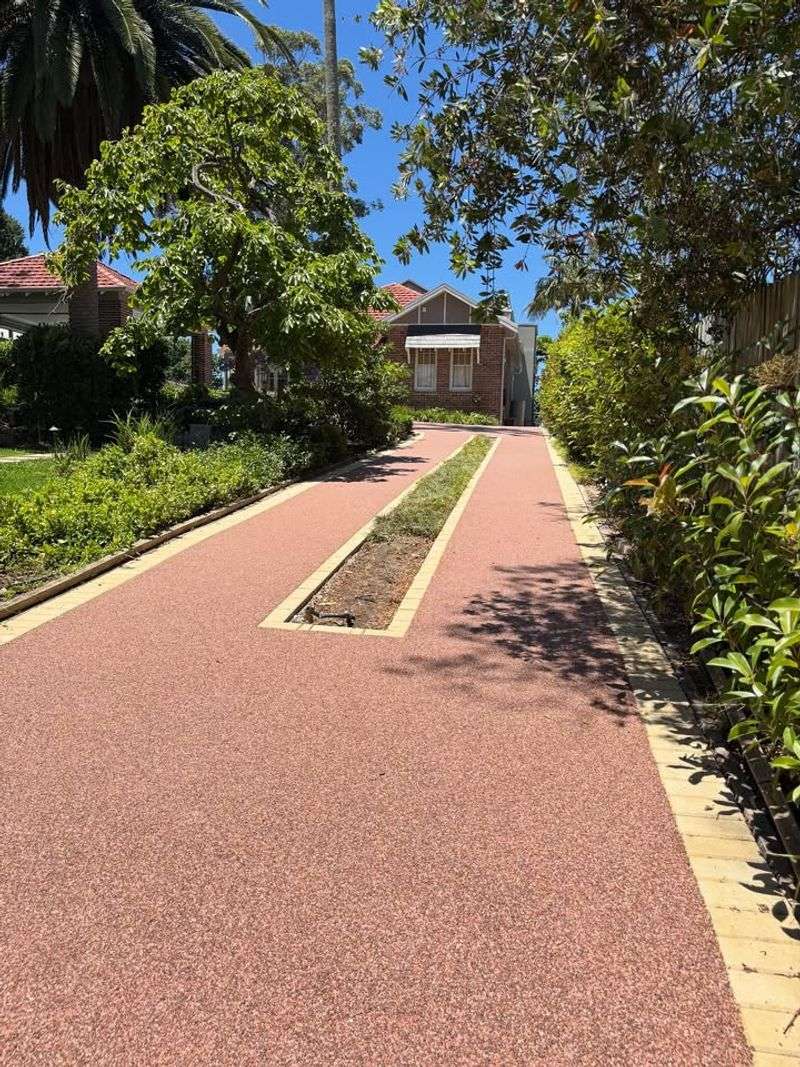
Trees planted near driveways, intersections, or corners can block visibility, creating dangerous blind spots that lead to accidents and near-misses with vehicles or pedestrians.
North Carolina law requires property owners to maintain clear sight lines at intersections, and you could face fines if your tree obstructs drivers’ views.
Backing out of driveways becomes risky when branches and foliage hide oncoming traffic, children playing, or cyclists passing by your property on the road.
Experts advise keeping planting areas away from corners and driveways where visibility is critical for safety, especially in neighborhoods with heavy traffic or kids.
Even small trees can grow large enough to block views within a few years, so always consider mature size before planting near streets or intersections.
Trimming branches regularly can help, but it’s easier to choose a better location from the start rather than fighting constant maintenance battles with overgrowth.
Accidents caused by obstructed views can result in liability issues for homeowners, making this not just a safety concern but a legal one as well.
Keeping sight lines clear protects everyone in your neighborhood, reduces accident risk, and ensures your property stays compliant with local regulations and safety codes always.
8. In Areas With Underground Utilities
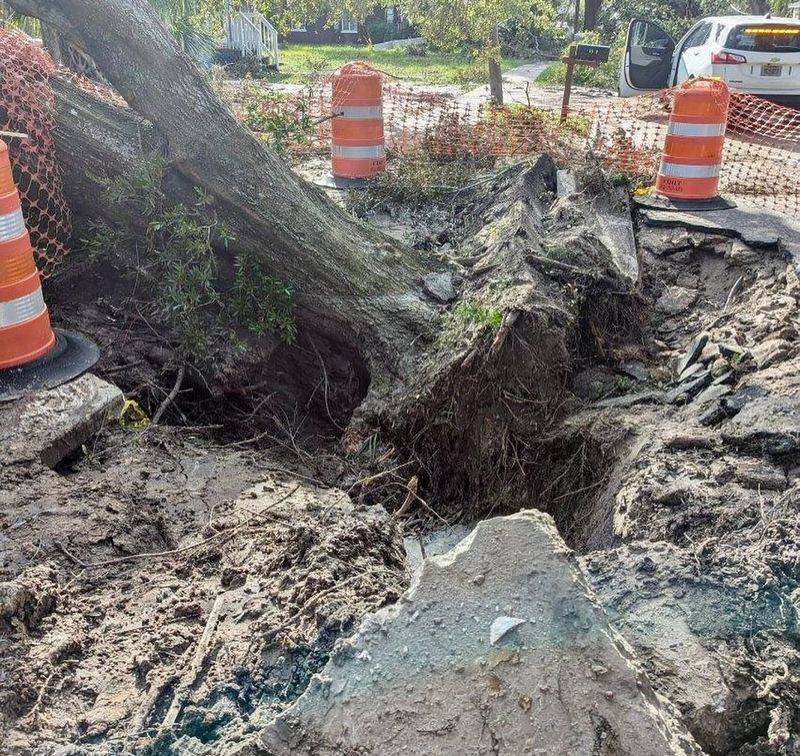
Underground utilities like water pipes, gas lines, and electrical cables run beneath many yards, and tree roots can damage them, causing leaks or outages.
North Carolina law requires homeowners to call 811 before digging to locate underground utilities, but many people skip this step and plant trees without checking first.
Roots seeking water will wrap around pipes, crack them open, or invade sewer lines, leading to expensive repairs and messy, hazardous situations that disrupt daily life.
Gas line damage is especially dangerous because leaks can cause explosions or fires, putting your family and neighbors at serious risk of harm or property loss.
Experts recommend contacting utility companies before planting to map out underground infrastructure and choose safe spots that won’t interfere with essential services and systems.
Even if utilities are buried deep, large tree roots can reach them over time, so distance and species selection both matter when planning your landscape.
Repairing utility damage caused by tree roots is costly, and homeowners are usually responsible for the bill, which can run into thousands of dollars quickly.
Protecting underground utilities by planting smartly keeps your home safe, avoids service interruptions, and prevents legal and financial headaches that nobody wants to deal with ever.