7 Gardening Tasks Ohio Homeowners Should Do Right Now Befofe The Year Ends

As the year winds down in Ohio, the garden is sending clear signals—it’s time to wrap things up properly.
What you do now can either make spring easier or create months of unnecessary work later.
These end-of-year tasks protect plants, improve soil, and prevent problems from overwintering.
They don’t require perfect weather or endless hours—just good timing and a little follow-through.
Ohio homeowners who tackle these jobs before the calendar flips are rewarded with healthier gardens and fewer surprises come spring.
It’s a small investment now that pays off big later.
1. Clean Up Diseased Plant Material
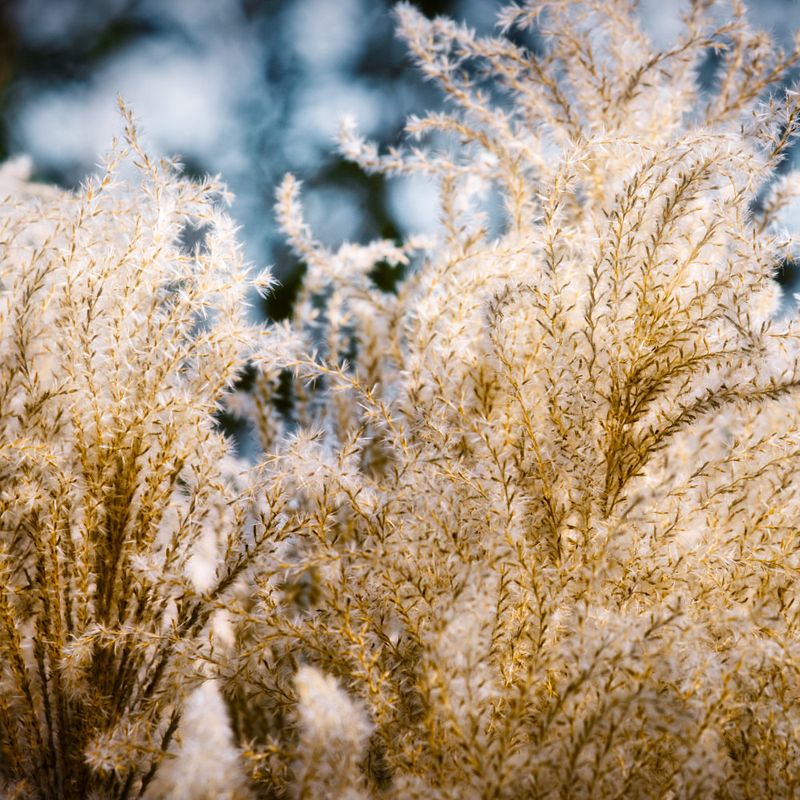
Fungal infections and bacterial diseases don’t just disappear when temperatures drop—they hunker down and wait for spring to strike again.
Leaves covered with spots, stems showing signs of rot, and plants that struggled with blight all season need to go before winter settles in.
By removing these problem materials now, you’re breaking the cycle that allows pests and pathogens to survive Ohio’s cold season.
Bag up any suspicious-looking foliage and toss it in the trash rather than your compost pile.
Compost bins don’t always get hot enough to eliminate harmful organisms, especially during cooler months.
This simple step prevents next year’s garden from starting with a disadvantage.
Pay special attention to tomato plants, roses, and squash vines, which commonly harbor issues that return year after year.
Rake up fallen leaves from beneath fruit trees too, as they often carry over fungal spores.
A thorough cleanup might seem tedious, but it’s one of the most effective ways to protect your investment in healthy plants.
Once you’ve cleared away the problematic material, your garden beds will be ready for protective winter mulch.
You’ll sleep better knowing you’ve given next season’s plants a fresh, clean start.
2. Leave Healthy Perennials And Seed Heads Standing
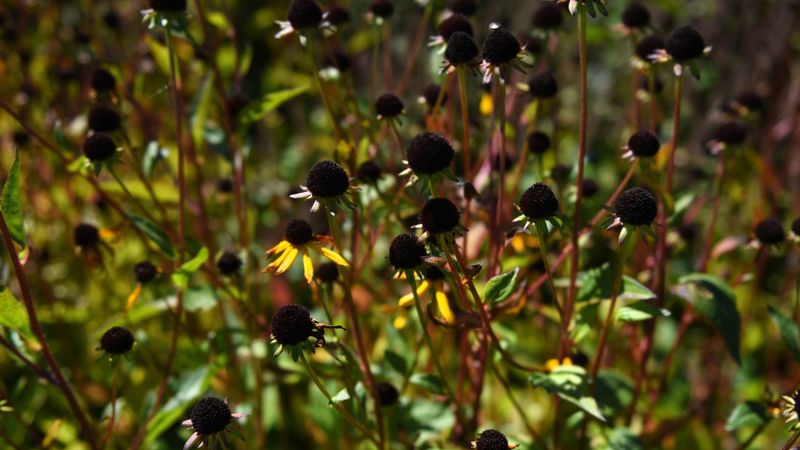
While your first instinct might be to cut everything down for a tidy appearance, many perennials serve an important purpose through the winter months.
Coneflowers, black-eyed Susans, and ornamental grasses provide food for birds when other sources become scarce.
Their seed heads also create stunning winter interest, especially when dusted with snow or coated in morning frost.
Native bees and beneficial insects rely on hollow plant stems as winter shelters.
Cutting these plants to the ground eliminates crucial habitat that helps pollinators survive until spring.
Leaving them standing is like offering a cozy hotel to the very creatures that will pollinate your garden next year.
Focus your cleanup efforts on plants that showed signs of disease, but let the healthy specimens remain upright.
Joe Pye weed, sedums, and asters all provide both visual appeal and ecological benefits throughout Ohio’s winter.
Your garden will look more natural and interesting than a completely cleared space.
Come early spring, you can trim these plants back before new growth emerges.
Until then, they’re working hard to support local wildlife and add structure to your winter landscape.
Your Ohio Garden Changes Every Week. Your Plan Should Too.
Gardening in Ohio changes quickly throughout the season. Every Friday you’ll receive a simple weekly plan showing exactly what to plant, prune, fertilize, harvest, and protect so you never miss the right timing.
It’s a win-win situation that requires absolutely no effort on your part.
3. Mulch Garden Beds After The First Hard Frost
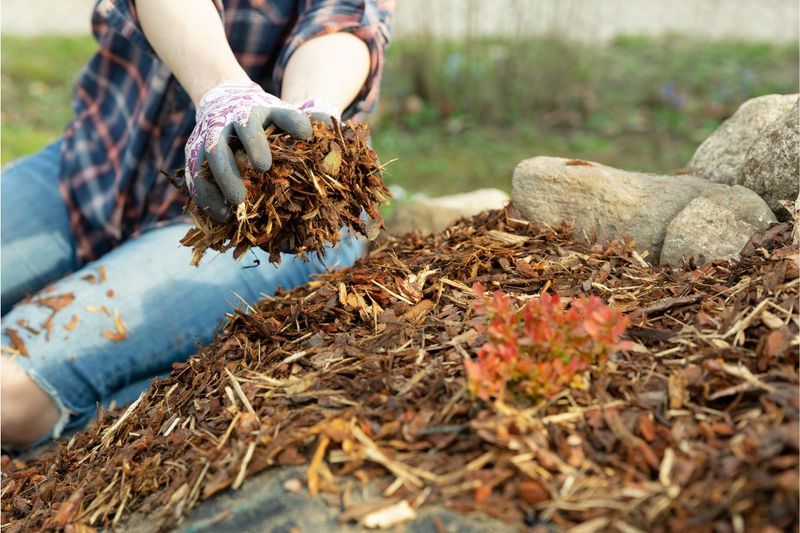
Timing matters tremendously when it comes to winter mulching in Ohio.
Applying it too early can keep soil warm and encourage plants to keep growing when they should be going dormant.
Waiting until after the first hard frost ensures that your perennials have already begun their natural shutdown process.
A layer of organic mulch—about two to four inches deep—acts as insulation against the freeze-thaw cycles that can heave plants right out of the ground.
Ohio winters are notorious for wild temperature swings, and unprotected roots can suffer serious damage.
Shredded leaves, wood chips, or straw all work beautifully for this purpose.
Keep mulch a few inches away from plant crowns and tree trunks to prevent rot and discourage rodents from nesting too close.
Proper placement protects without smothering, allowing air circulation while moderating soil temperature.
This balance is especially important for newly planted perennials and shrubs.
Mulching also reduces soil erosion during winter rains and early spring thaws.
Come spring, that organic material will begin breaking down and enriching your soil with valuable nutrients.
It’s protective armor today and garden food tomorrow—a gift that keeps on giving throughout the seasons.
4. Protect Young Trees And Shrubs From Winter Damage
Newly planted trees and shrubs face their toughest challenge during their first few Ohio winters.
Thin bark on young specimens is vulnerable to sunscald, which occurs when warm winter sunshine heats the bark during the day, followed by rapid freezing at night.
This temperature fluctuation causes bark to crack and split, creating entry points for insects and disease.
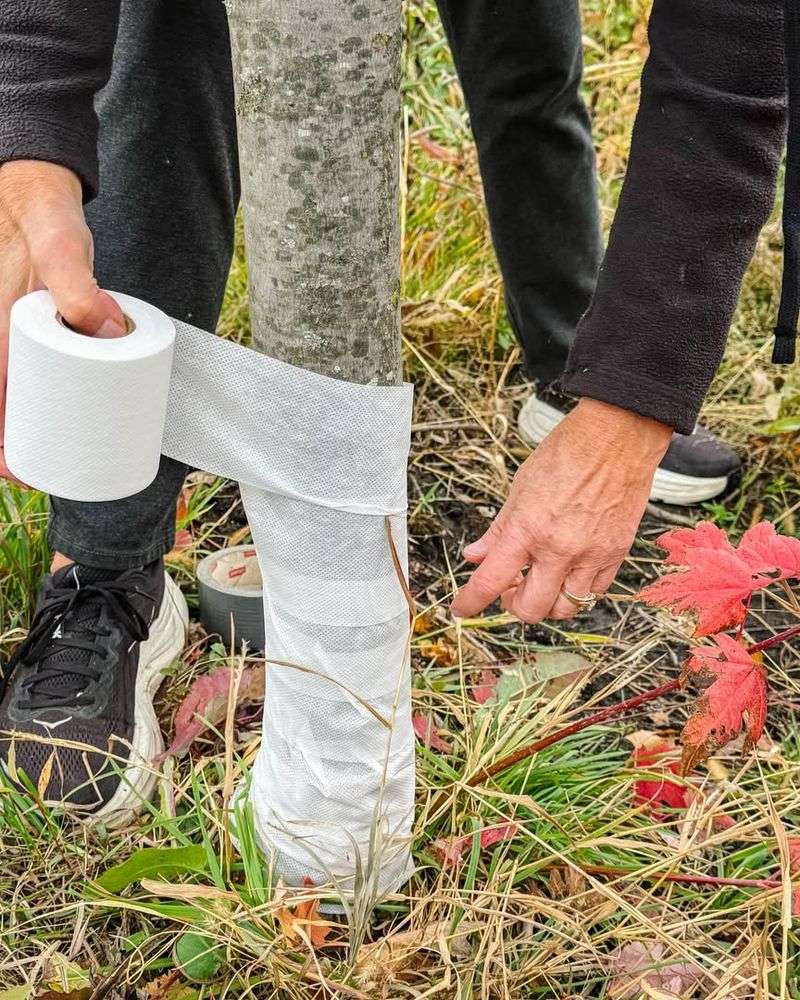
Tree wrap or light-colored guards reflect sunlight and moderate temperature changes on the trunk.
Wrap from the base up to the lowest branches, overlapping as you go, but remember to remove it in spring to prevent moisture buildup.
This affordable protection can mean the difference between a thriving tree and one that struggles for years.
Hungry rabbits and deer also find young bark irresistible when other food becomes scarce.
Hardware cloth or plastic guards around the lower trunk create a barrier that animals can’t chew through.
Make sure these guards are tall enough to stay above snow level.
A thick ring of mulch around the root zone provides additional insulation without touching the trunk.
Young evergreens benefit from burlap windbreaks on their windward side, protecting tender foliage from harsh winter winds.
These simple measures give vulnerable plants the support they need to establish strong root systems.
5. Drain And Store Garden Hoses And Irrigation Equipment
Water expands when it freezes, and that expansion can turn your garden hoses into cracked, useless tubes by spring.
Disconnecting hoses from outdoor faucets is just the first step—you need to drain every drop of water before storage.
Walk the length of each hose while it’s stretched out, lifting sections to encourage water to flow toward the ends.
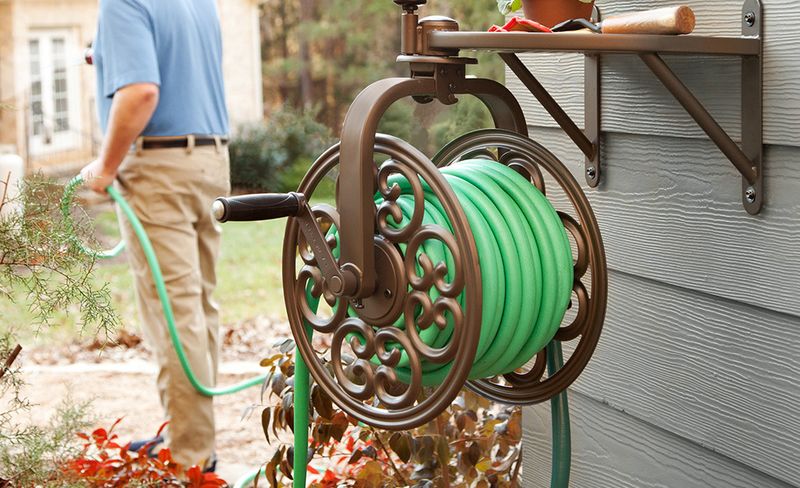
Once completely drained, coil hoses loosely and store them in a garage, basement, or shed where temperatures stay above freezing.
Hanging them on large hooks keeps them off the floor and prevents kinks that weaken the material.
This small effort extends the life of your hoses by several years.
Irrigation systems require similar attention before Ohio’s hard freezes arrive.
Drain sprinkler lines using compressed air or manual drain valves, following your system’s specific instructions.
Water trapped in underground pipes can cause expensive breaks that won’t reveal themselves until you turn the system back on next spring.
Don’t forget about rain barrels, watering cans, and decorative fountains—anything that holds water needs to be emptied and stored.
Remove spray nozzles from hoses and bring them indoors too, as their small parts are particularly vulnerable to freeze damage.
A little preparation now saves you from shopping for replacements when gardening season returns.
6. Test And Amend Soil If Needed
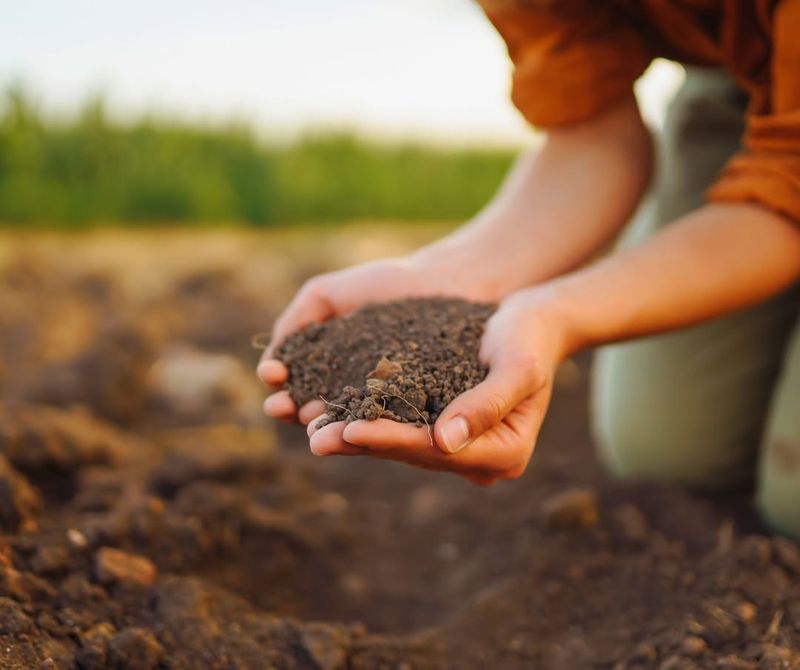
Your soil works hard all season long, giving up nutrients to hungry plants and dealing with whatever weather Ohio throws at it.
Fall is the perfect time to check in on soil health through testing, which reveals pH levels and nutrient deficiencies.
Ohio State University Extension offices offer affordable testing services, or you can purchase home test kits from garden centers.
Results typically show whether your soil needs lime to raise pH or sulfur to lower it.
They also indicate levels of nitrogen, phosphorus, and potassium—the big three nutrients that plants need most.
Applying amendments now gives them months to integrate into the soil before spring planting begins.
Spread lime or sulfur according to test recommendations, then work it into the top few inches of soil.
Adding compost in fall is brilliant too, as it breaks down slowly over winter and becomes readily available plant food by spring.
Spread a two-inch layer over beds and let nature do the mixing through freeze-thaw cycles and earthworm activity.
Testing every two to three years keeps you informed about your soil’s changing needs.
Different areas of your garden may require different treatments, especially if you’ve grown heavy feeders like tomatoes or corn in specific spots.
Knowing your soil’s condition takes the guesswork out of gardening.
7. Plan Next Year’s Garden While Beds Are Visible
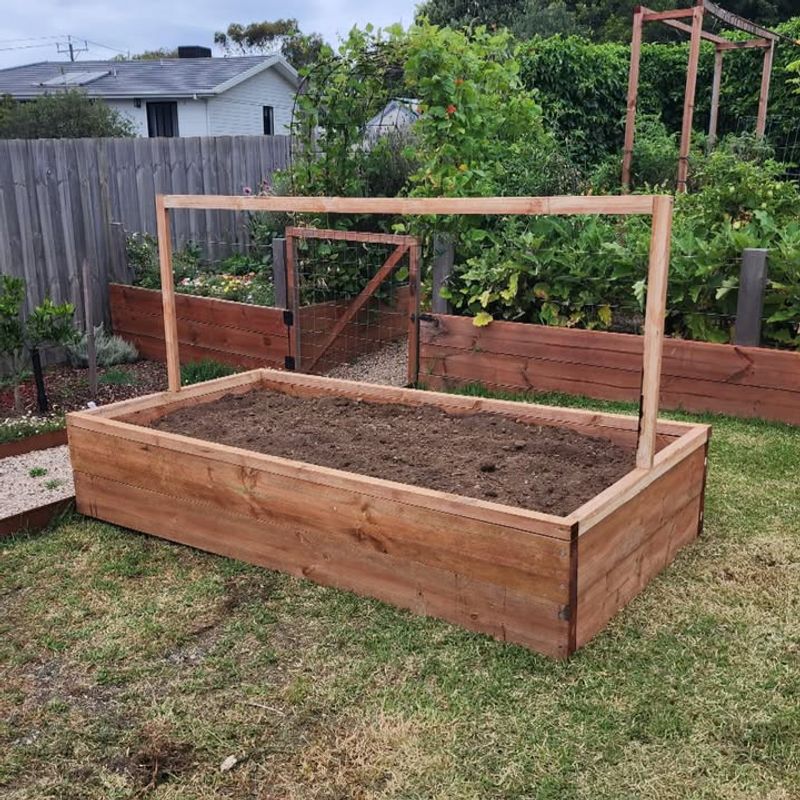
Before snow blankets everything in white, take advantage of being able to see your garden’s bones.
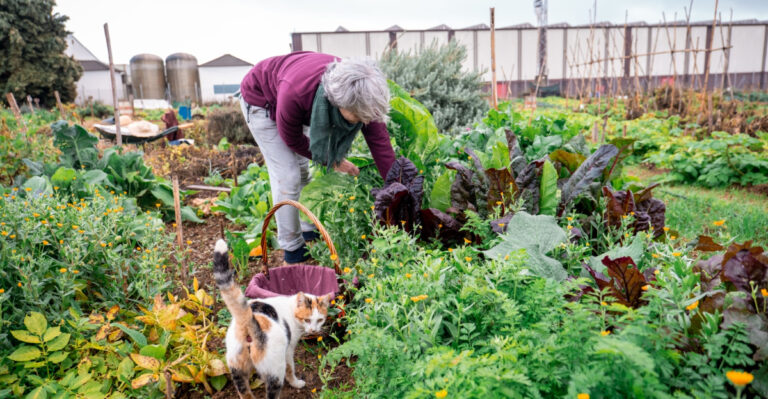
Walk through your space with a notebook and observe which areas get the most sun, where water tends to collect, and which spots stay dry.
These observations are golden information that’s easy to forget once everything is covered.
Make notes about what worked beautifully this year and what disappointed you.
Did your tomatoes get enough sun, or were they shaded by that growing tree?
Did water pool in the corner bed after every rain?
Fresh memories are accurate memories, and they’ll guide better decisions for next season.
Sketch out ideas for crop rotation, which helps prevent soil depletion and reduces pest problems.
Plan to move heavy feeders like tomatoes and peppers to beds where you grew lighter feeders this year.
Consider new additions you’ve been dreaming about—maybe a cutting garden or a berry patch.
Measure spaces where you want to add new beds or expand existing ones.
Take photos from multiple angles to reference when you’re planning indoors during January’s cold spells.
Browse seed catalogs and mark varieties that caught your eye, noting which ones suit Ohio’s growing conditions.
This planning time is an investment in a more productive, beautiful garden come spring.