These Tiny Metallic Insects Are Appearing In Louisiana Yards And Here’s What They Really Are
Louisiana homeowners are noticing something strange: tiny insects flashing metallic greens and blues as they dart across yards.
At first glance, they look exotic—or even invasive—but their story is more familiar than it seems.
These insects often appear suddenly, especially during warm, humid stretches.
Their shiny bodies make them hard to miss, and easy to misidentify.
Understanding what they are—and what they aren’t—helps homeowners decide whether action is needed.
In many cases, these insects are harmless and even beneficial.
Sometimes, the flashiest visitors are just passing through.
They Are Silverfish, Not Beetles Or Baby Roaches
Mistaking silverfish for beetles, ants, or even baby cockroaches happens all the time in Louisiana homes.
Their metallic sheen and quick scurrying movements can make them look like other common household pests at first glance.
But silverfish are actually ancient insects that belong to their own unique order called Zygentoma, and they’ve been around for more than 400 million years.
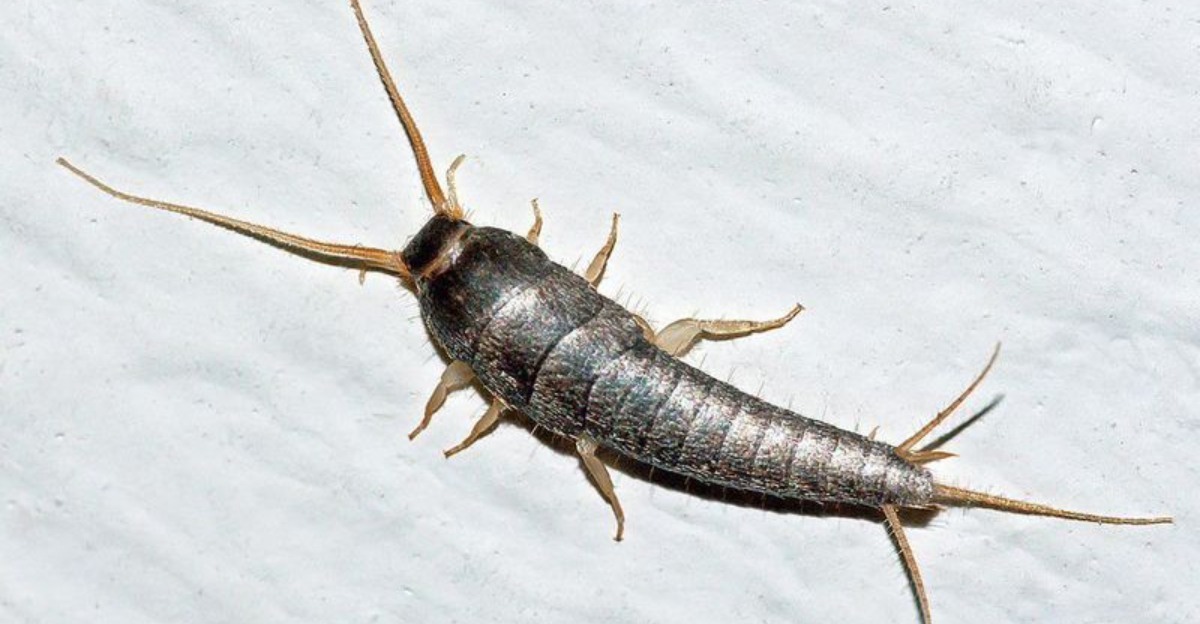
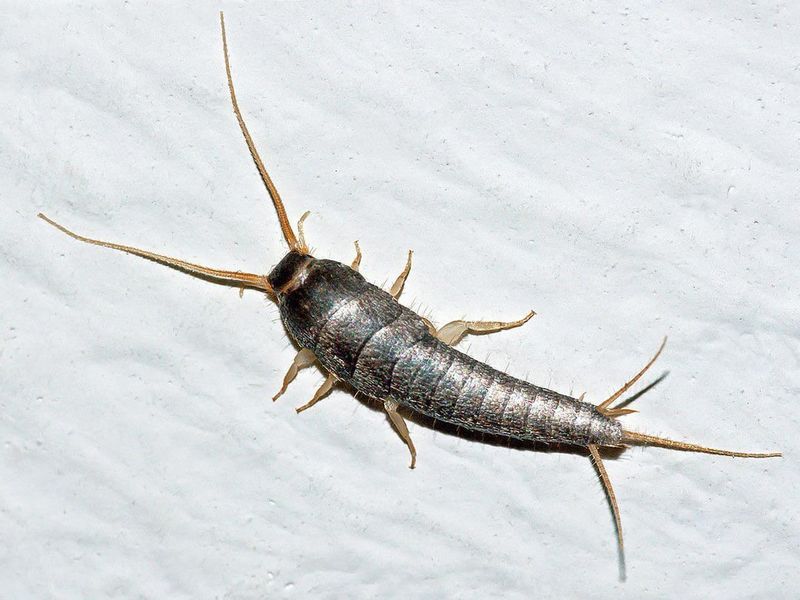
One major clue that helps identify silverfish is their distinctive carrot-shaped body that tapers from head to tail.
They have three long bristles extending from their rear end, which beetles and roach nymphs don’t have.
Silverfish also possess two long antennae that wiggle constantly as they move, giving them a curious, exploratory appearance.
Unlike cockroaches, silverfish don’t have wings at any stage of their life.
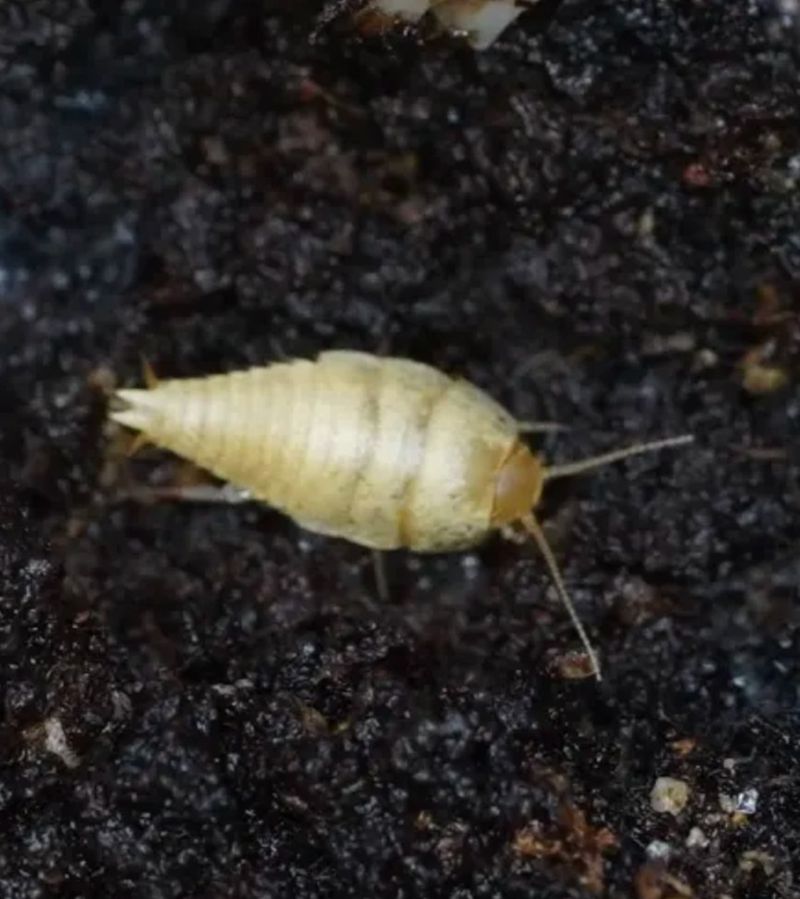
Baby roaches, or nymphs, often have a darker, brownish color and a more rounded body shape compared to the sleek, silvery profile of a silverfish.
Beetles, on the other hand, have hard shells and visible wing covers, making them easy to distinguish once you know what to look for.
Louisiana’s warm climate brings many bugs indoors, so learning to tell them apart matters.
Silverfish prefer damp, dark spaces like bathrooms, basements, and closets, while roaches tend to hang around kitchens and food sources.
Recognizing silverfish correctly means you can address the real issue—moisture—rather than panicking about a roach problem.
Their harmless nature and unique appearance make them more of a curiosity than a threat, but proper identification is always the first step to managing any household pest.
Their Metallic Shine Comes From Their Scales
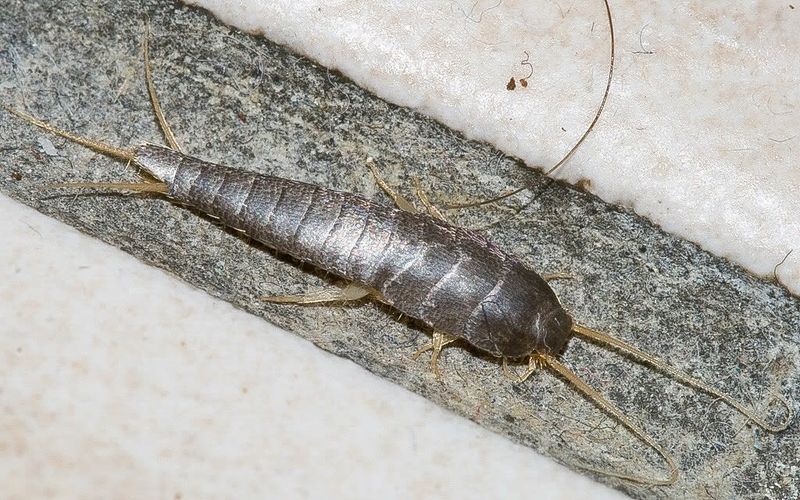
Ever wonder why silverfish look like they’re covered in glitter?
Their eye-catching metallic shine comes from tiny, overlapping scales that coat their entire body.
These scales reflect light in a way that gives them a silvery, almost mirror-like appearance, especially under bright or artificial lighting.
The scales aren’t just for show—they serve a practical purpose too.
They help silverfish slide smoothly through tight cracks and crevices, almost like a built-in lubricant.
This makes it easier for them to escape predators and navigate the narrow spaces they love to hide in, such as behind baseboards or inside cardboard boxes.
Under natural outdoor light, silverfish might look less shiny and more grayish or brownish.
But when you flip on a bathroom light at night and catch one scurrying across the tile, that sudden flash of silver can be startling.
Your Louisiana Garden Changes Every Week. Your Plan Should Too.
Gardening in Louisiana changes quickly throughout the season. Every Friday you’ll receive a simple weekly plan showing exactly what to plant, prune, fertilize, harvest, and protect so you never miss the right timing.
The contrast between their reflective scales and darker surroundings makes them stand out in a way that other bugs don’t.
Interestingly, silverfish molt throughout their entire lives, shedding their scaly outer layer as they grow.
You might even find these translucent shed skins in areas where silverfish are active, which can be another sign of an infestation.
The scales themselves are delicate and can rub off if the insect is handled or squished, leaving behind a powdery, shimmery residue.
Understanding this unique feature helps explain why silverfish look so different from other household pests.
Their shimmering appearance isn’t a sign of danger—it’s just a fascinating adaptation that has helped them survive for millions of years.
Next time you see that metallic flash, you’ll know exactly what you’re looking at.
Louisiana’s Humidity Creates Ideal Conditions

Louisiana’s steamy, humid climate feels like paradise for silverfish.
These moisture-loving insects thrive in environments where humidity levels stay above 75 percent, which is pretty much year-round in many parts of the state.
Garages, crawl spaces, bathrooms, and basements become perfect hideouts because they naturally hold onto dampness.
High humidity doesn’t just make silverfish comfortable—it’s essential for their survival.
Silverfish lack the protective waxy coating that many other insects have, so they lose moisture quickly in dry conditions.
That’s why they’re constantly seeking out wet, dark places where they can stay hydrated and safe from predators.
Homes near bayous, rivers, or coastal areas are especially prone to silverfish activity.
Poor ventilation, leaking pipes, and water damage all contribute to the damp conditions these insects need.
Even a small amount of condensation on windows or walls can attract them, turning your home into an inviting habitat.
Yards with heavy mulch, leaf piles, or dense vegetation also create humid microclimates where silverfish can breed and flourish.
When outdoor conditions get too hot or dry, they’ll migrate indoors through cracks and gaps, looking for a more stable environment.
This is why Louisiana homeowners often notice sudden increases in silverfish sightings during seasonal changes or after heavy rains.
Controlling humidity is one of the most effective ways to manage silverfish populations.
Using dehumidifiers, fixing leaks, and improving airflow can make your home far less appealing to these moisture-dependent pests.
While you can’t change Louisiana’s climate, you can definitely adjust the conditions inside your home to make it less welcoming for silverfish.
Addressing humidity not only reduces silverfish but also protects your home from mold and structural damage.
They Often Move Indoors From Yards
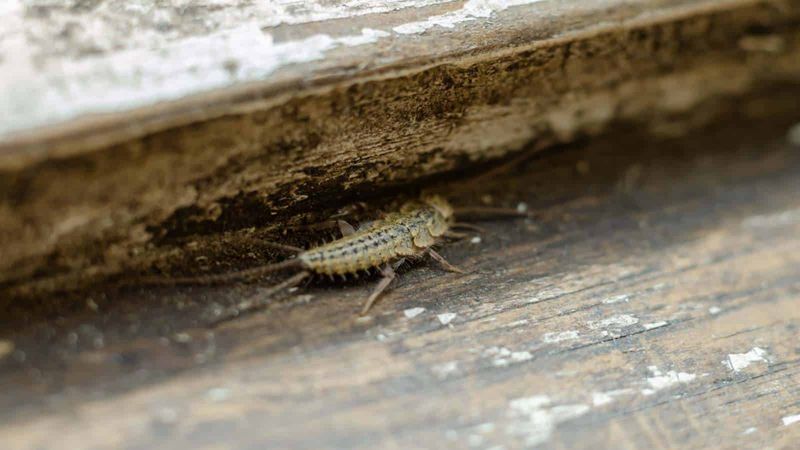
Silverfish don’t just magically appear inside your home—they usually start their journey outdoors.
In Louisiana yards, they live happily in leaf litter, mulch beds, compost piles, and under rocks or fallen branches.
These outdoor habitats provide the moisture, darkness, and organic material they need to survive and reproduce.
When conditions shift—such as during a dry spell, heavy rain, or temperature drop—silverfish begin searching for more stable environments.
That’s when they make their way toward homes, crawling along foundations, squeezing through tiny cracks, and slipping under door gaps.
Even the smallest opening, as narrow as a credit card, is enough for these flat-bodied insects to sneak inside.
Homes with mulch or plants placed directly against the foundation are especially vulnerable.
Mulch retains moisture and creates a bridge between the yard and the house, making it easy for silverfish to travel indoors.
Leaf piles, firewood stacks, and dense ground cover near entry points also increase the chances of an indoor infestation.
Once inside, silverfish settle into basements, bathrooms, laundry rooms, and closets—anywhere that mimics the damp, dark conditions they enjoyed outside.
They can live for years indoors if the environment stays favorable, feeding on household items and reproducing quietly out of sight.
Preventing their entry is much easier than trying to remove them once they’ve established themselves inside.
Simple steps like sealing cracks in your foundation, installing door sweeps, and keeping mulch at least a foot away from your home can make a big difference.
Regularly clearing yard debris and reducing outdoor moisture also helps limit the silverfish population before they ever reach your doorstep.
Thinking of your yard as the first line of defense can save you from dealing with these pests indoors later.
Silverfish Are Nocturnal And Fast-Moving
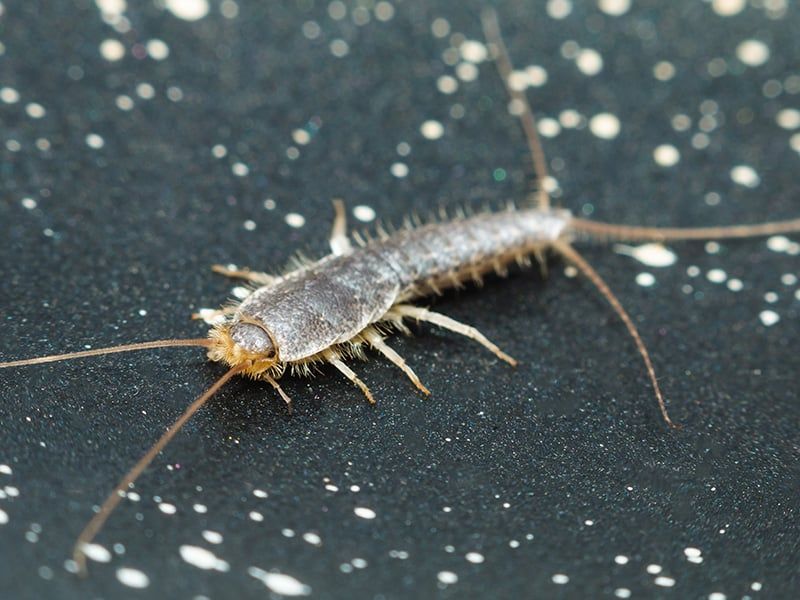
Silverfish are creatures of the night, preferring to stay hidden during the day and coming out only after dark.
Their nocturnal habits mean most people never see them until they flip on a light in the middle of the night and catch one in the act.
That sudden burst of speed as they dart away is one of their most recognizable behaviors.
These insects move in a distinctive, fish-like wiggling motion, which is actually how they got their name.
Their bodies curve from side to side as they run, making them look like they’re swimming across your floor or wall.
This rapid, unpredictable movement helps them escape danger quickly, and it’s surprisingly effective at startling anyone who spots them.
Silverfish are photophobic, meaning they actively avoid light.
When you turn on a bathroom or kitchen light unexpectedly, any silverfish in the area will immediately scramble for cover.
They’ll head straight for the nearest crack, baseboard, or shadow, disappearing in seconds.
This behavior makes them hard to catch and even harder to track.
Because they’re so fast and secretive, silverfish infestations often go unnoticed for a long time.
You might see one or two on occasion, but there could be dozens hiding in walls, under sinks, or behind appliances.
Their preference for staying out of sight means that by the time you start seeing them regularly, they’ve likely been living in your home for a while.
Understanding their nocturnal nature helps explain why silverfish sightings are so sporadic.
If you want to check for an infestation, try inspecting dark, damp areas with a flashlight at night.
You can also set out sticky traps in places like bathrooms, closets, and basements to monitor their activity.
Knowing when and where they’re most active gives you a better chance of managing them effectively.
They Feed On Starches And Organic Materials
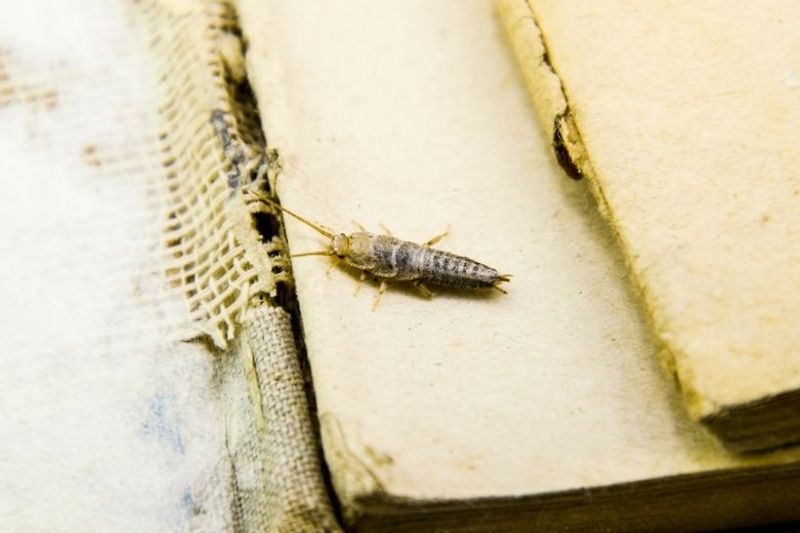
Silverfish have a peculiar diet that revolves around carbohydrates and starches, which might sound harmless until you realize what that includes.
They love munching on paper, cardboard, book bindings, wallpaper paste, glue, and even certain fabrics like cotton and linen.
In Louisiana homes, this means old magazines, stored documents, and boxes in attics or garages are all potential meals.
Their feeding habits can cause frustrating damage over time.
You might notice irregular holes in books, yellowed patches on wallpaper, or chewed edges on clothing stored in closets.
Silverfish don’t bite humans or pets, so they’re not dangerous in that sense, but they can certainly ruin sentimental or valuable items if left unchecked.
Outdoors, silverfish feed on decaying plant material, fungi, and organic debris found in leaf litter and mulch.
When they move indoors, they simply adapt to whatever starchy materials are available.
They’ll even eat dried foods like oats, flour, and cereal if they can access your pantry, though they’re less common in kitchens than other pests like ants or roaches.
What makes silverfish particularly sneaky is that they can survive for months without food.
This means even if you clean up and remove obvious food sources, they might still hang around waiting for the next opportunity.
Their ability to digest cellulose—the main component of plant cell walls—gives them access to a wide range of materials that other insects can’t eat.
Protecting your belongings from silverfish involves storing items properly.
Use plastic bins instead of cardboard boxes, keep books and papers in dry areas, and avoid leaving old newspapers or magazines lying around.
Regular cleaning and decluttering also reduce the number of hiding spots and food sources available to these persistent little nibblers.
While they won’t harm you, taking steps to protect your stuff is definitely worth the effort.
Their Presence Signals Moisture Problems, Not Danger
Spotting silverfish in your home isn’t a reason to panic—they’re completely harmless to people and pets.
They don’t bite, sting, or spread diseases, which sets them apart from many other household pests.
However, their presence is often a clear sign that something else needs attention: excess moisture.
Silverfish are like little moisture detectors, showing up in areas where humidity levels are too high or where water problems exist.
If you’re seeing them regularly, it’s worth checking for leaky pipes, poor ventilation, or water damage in places like bathrooms, basements, and crawl spaces.
Addressing these underlying issues not only helps control silverfish but also protects your home from more serious problems like mold growth and wood rot.
Louisiana’s naturally humid climate makes moisture control a constant challenge.
Without proper ventilation or dehumidification, indoor humidity can easily climb to levels that attract silverfish and other moisture-loving pests.
Installing exhaust fans in bathrooms, using dehumidifiers in basements, and ensuring your home’s HVAC system is working efficiently can all make a big difference.
Fixing leaks promptly is another important step.
Even a slow drip under a sink or a small roof leak can create the damp conditions silverfish need to thrive.
Regularly inspecting your home for signs of water damage and addressing issues quickly helps keep silverfish populations in check.
Think of silverfish as helpful indicators rather than threats.
Their appearance is a reminder to evaluate your home’s moisture levels and take action before bigger problems develop.
By improving ventilation, reducing humidity, and fixing leaks, you create an environment that’s less welcoming to silverfish and healthier for your family.
Managing moisture is one of the most effective long-term solutions for keeping these shimmery insects out of your living spaces.