10 Bushes That Provide Nesting Sites For Ohio Birds
Ohio backyards come alive when birds start building nests, and the right bushes make all the difference.
These shrubs are more than just background greenery.
They offer shelter, safety, and a place for birds to raise their young away from prying eyes.
When spring rolls around, birds look for spots that feel secure, and dense bushes often top the list.
Native and well chosen shrubs provide cover from predators, protection from harsh weather, and sturdy branches that can support nests.
Thick foliage gives birds peace of mind while they focus on feeding and caring for their chicks.
In return, yards fill with song, movement, and life that lasts well beyond nesting season.
Choosing bushes for birds is like setting the table before guests arrive.
Once the space feels right, birds show up on their own.
These plants also support insects and produce berries, adding even more value throughout the year.
Ohio’s mix of seasons makes dependable nesting sites especially important.
A thoughtful planting plan turns a quiet yard into a safe haven.
With the right bushes in place, homeowners can enjoy a front row seat to one of nature’s most rewarding performances, all while helping local bird populations thrive.
1. Eastern Red Cedar
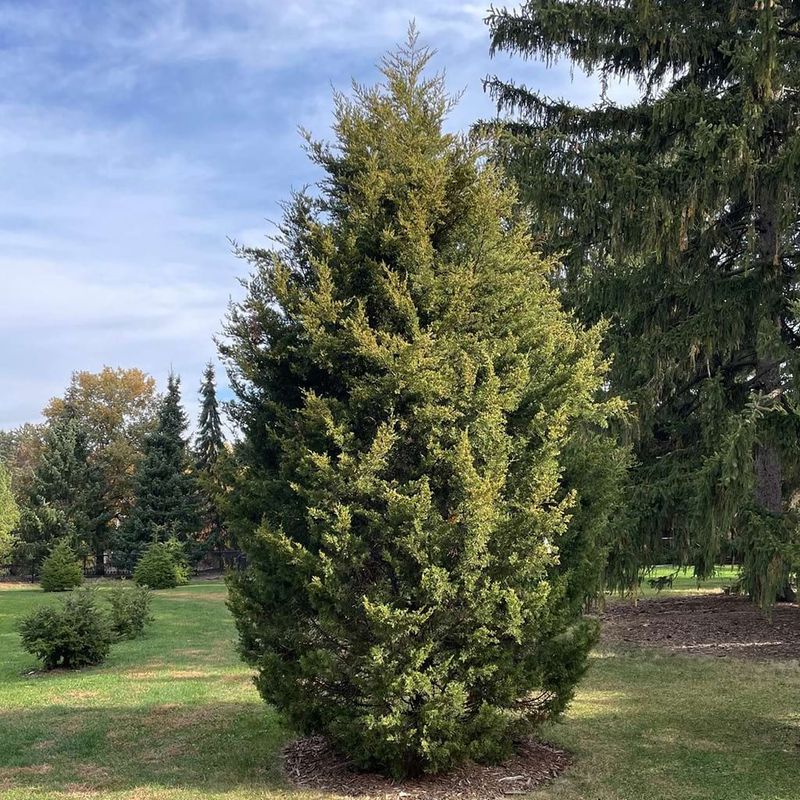
Evergreen protection makes Eastern Red Cedar a top choice for Ohio birds seeking year-round shelter.
This native conifer grows naturally throughout the state and provides excellent cover with its dense, scale-like foliage that stays green through winter.
Robins, mockingbirds, and sparrows frequently choose this bush because its thick branches create hidden pockets perfect for tucking away nests.
The tree-like shrub reaches heights between 10 and 50 feet depending on growing conditions, though you can keep it smaller with regular pruning.
Its reddish-brown bark peels in strips, adding visual interest to your landscape even when birds aren’t actively nesting.
Cedar waxwings particularly love this plant, they’re even named after their fondness for cedar berries.
Female Eastern Red Cedars produce blue, berry-like cones that birds eagerly consume during fall and winter months.
This food source attracts dozens of species to your yard, increasing the chances that some will stick around to nest come spring.
The plant tolerates poor soil and drought once established, making it low-maintenance for Ohio gardeners.
Plant several together to create a windbreak that offers even better protection for nesting birds.
The aromatic foliage naturally repels many insects, which helps keep nests healthier.
Ohio birds return to reliable cedar bushes year after year, building new nests in the same protective branches.
2. American Elderberry
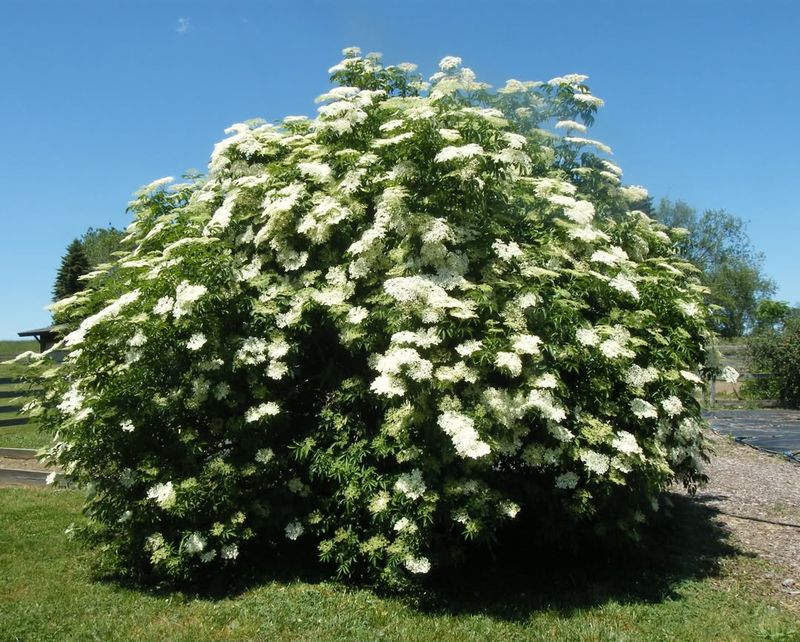
Fast-growing American Elderberry creates quick cover for birds needing immediate nesting sites in Ohio landscapes.
This native shrub shoots up rapidly, sometimes adding several feet of growth in a single season, which means you won’t wait long before birds discover it.
The spreading, multi-stemmed growth pattern forms dense thickets that catbirds, cardinals, and goldfinches find irresistible for nest building.
Showy white flower clusters appear in early summer, attracting insects that become protein-rich meals for parent birds feeding their nestlings.
Your Ohio Garden Changes Every Week. Your Plan Should Too.
Gardening in Ohio changes quickly throughout the season. Every Friday you’ll receive a simple weekly plan showing exactly what to plant, prune, fertilize, harvest, and protect so you never miss the right timing.
Later, dark purple berries ripen and provide another food source right when young birds are learning to forage.
This dual benefit of nesting habitat and abundant food makes elderberry bushes incredibly valuable in Ohio bird gardens.
The shrub thrives in moist areas and can tolerate partial shade, making it perfect for those tricky spots near downspouts or along property edges.
Its compound leaves create layers of concealment, with multiple leaflets forming a curtain that hides nests from prowling cats and hawks.
Gray catbirds especially appreciate elderberry’s tangled interior branches.
Reaching 8 to 12 feet tall and equally wide, elderberry needs space to spread but rewards you with constant bird activity.
The hollow stems occasionally attract cavity-nesting species too.
Ohio gardeners love how this bush handles wet soil that challenges other plants while supporting incredible biodiversity.
3. Northern Spicebush
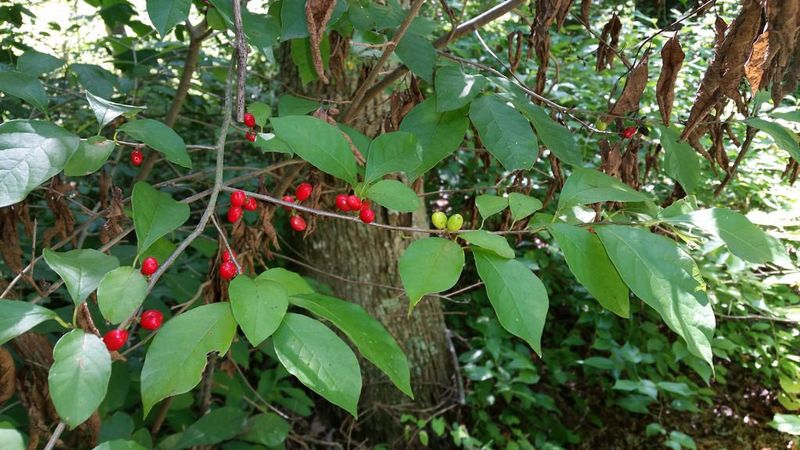
Woodland charm comes naturally to Northern Spicebush, a native Ohio understory shrub that birds instinctively recognize as safe nesting territory.
Wood thrushes and veeries, both ground-nesting migrants that return to Ohio each spring, often choose spicebush for its low, spreading branches that provide cover close to the forest floor.
The plant’s aromatic leaves release a pleasant spicy scent when brushed, giving this bush its memorable name.
Small yellow flowers bloom in early spring before leaves emerge, offering nectar to early-season pollinators and announcing that nesting season approaches.
By the time birds are actively building nests, the shrub has fully leafed out with bright green foliage that creates excellent concealment.
The rounded leaves grow densely along flexible stems that bend without breaking when birds land.
Bright red berries appear in fall, and these fatty fruits help migrating birds fuel up for their long journeys south.
Spicebush grows 6 to 12 feet tall and prefers the dappled shade found along woodland edges or under taller trees.
Ohio gardeners with shady yards find this native particularly useful since it thrives where sun-loving shrubs struggle.
The plant’s natural resistance to deer browsing means it maintains its nesting-friendly structure throughout the growing season.
Caterpillars of the spicebush swallowtail butterfly feed on the leaves, providing additional food for parent birds raising their young.
4. Gray Dogwood
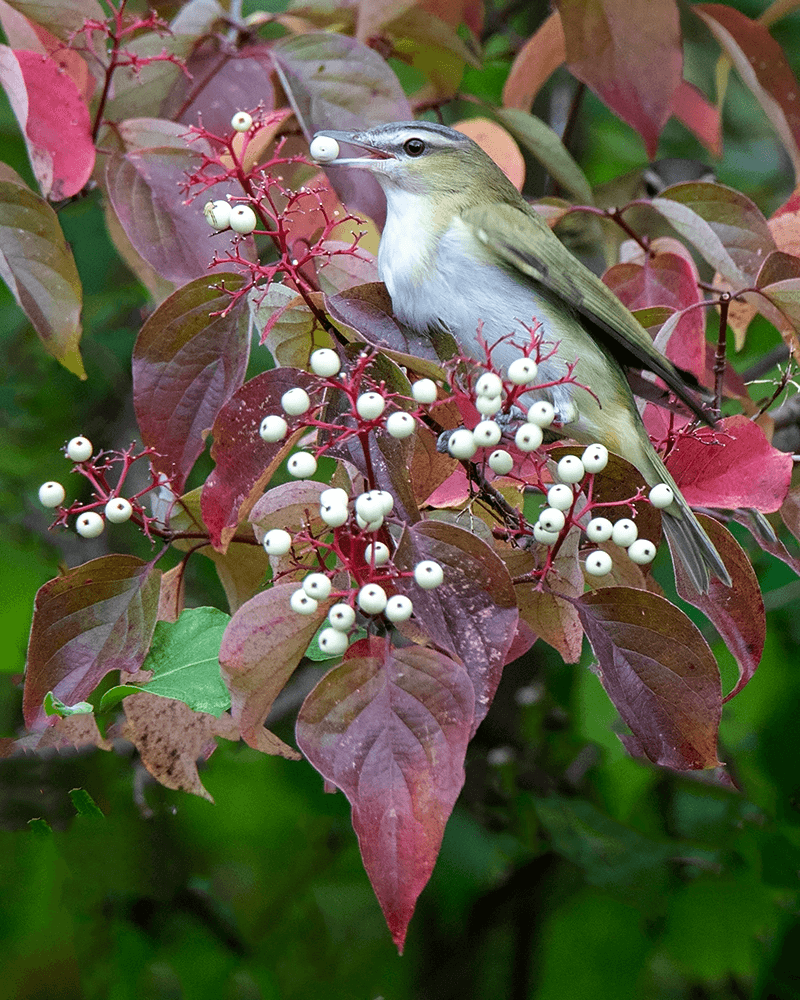
Adaptability defines Gray Dogwood, a tough native shrub that handles Ohio’s variable weather while offering reliable nesting spots for numerous bird species.
This plant spreads through underground runners, forming colonies that create expansive cover where multiple bird pairs can nest without competing for space.
Brown thrashers and towhees particularly favor these thickets, building well-hidden nests deep within the branching network.
Clusters of small white flowers bloom in late spring, right when many Ohio birds are establishing territories and seeking nest sites.
The flowers attract beneficial insects that become crucial protein sources for growing nestlings.
Later in the season, white berries with blue tints ripen and feed birds preparing for fall migration or winter survival.
The shrub’s gray-brown stems turn reddish in fall, adding seasonal color to your landscape while maintaining the dense structure that protects nests from wind and rain.
Growing 6 to 15 feet tall, gray dogwood tolerates a wide range of soil conditions from clay to sand.
Ohio yards with challenging soil often benefit from this forgiving native.
Birds appreciate how the shrub maintains its branching structure even after leaves drop, providing some winter shelter for species that overwinter in Ohio.
The spreading habit means you should plant it where it has room to expand, perhaps along property boundaries where its thicket-forming tendency becomes an asset rather than a problem.
5. Arrowwood Viburnum
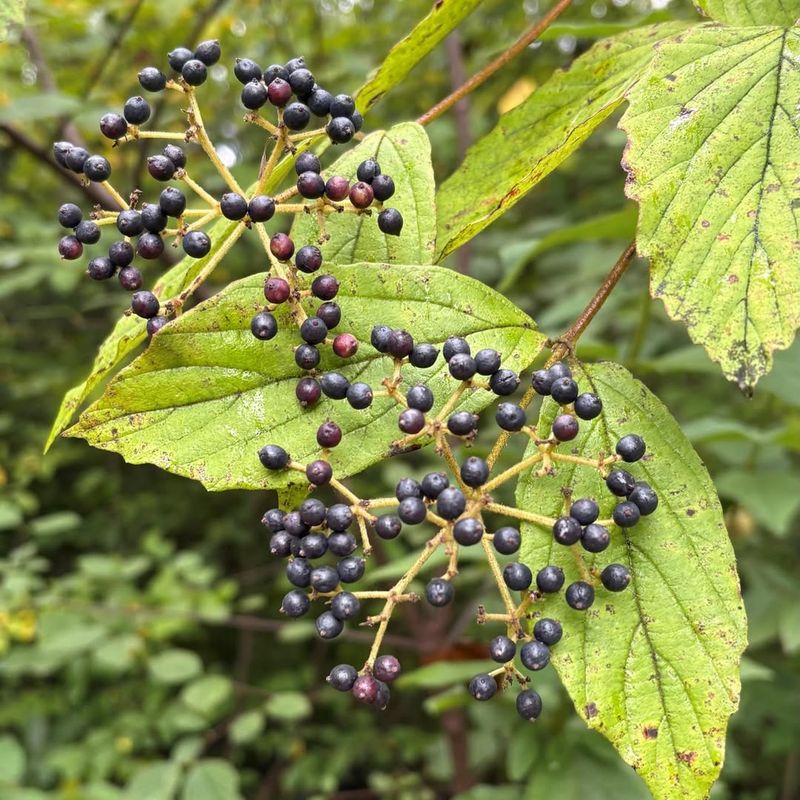
Reliable and robust, Arrowwood Viburnum stands as a champion among Ohio’s bird-friendly shrubs.
Native Americans once used the straight stems to make arrows, which explains this plant’s common name and hints at its strong, upright growth pattern.
Cardinals and mourning doves often select the sturdy horizontal branches for their platform-style nests, trusting the wood’s strength to support their eggs and growing young.
Flat-topped clusters of creamy white flowers cover the shrub in late spring, creating a spectacular display that draws insects and the birds that hunt them.
The flowers give way to blue-black berries in late summer, providing a feast just when young birds are learning which foods to eat.
More than 35 bird species have been documented feeding on viburnum berries across their range.
The shrub’s glossy green leaves turn shades of red and purple in autumn, extending your garden’s visual interest beyond nesting season.
Reaching 6 to 10 feet in height and width, Arrowwood Viburnum fits well into most Ohio landscapes without overwhelming smaller yards.
The plant tolerates both full sun and partial shade, adapting to various garden situations.
Its dense branching from ground to crown creates nesting opportunities at multiple heights, accommodating species with different preferences.
Ohio gardeners appreciate how this native requires minimal maintenance once established while consistently attracting a diverse array of nesting birds season after season.
6. Ninebark
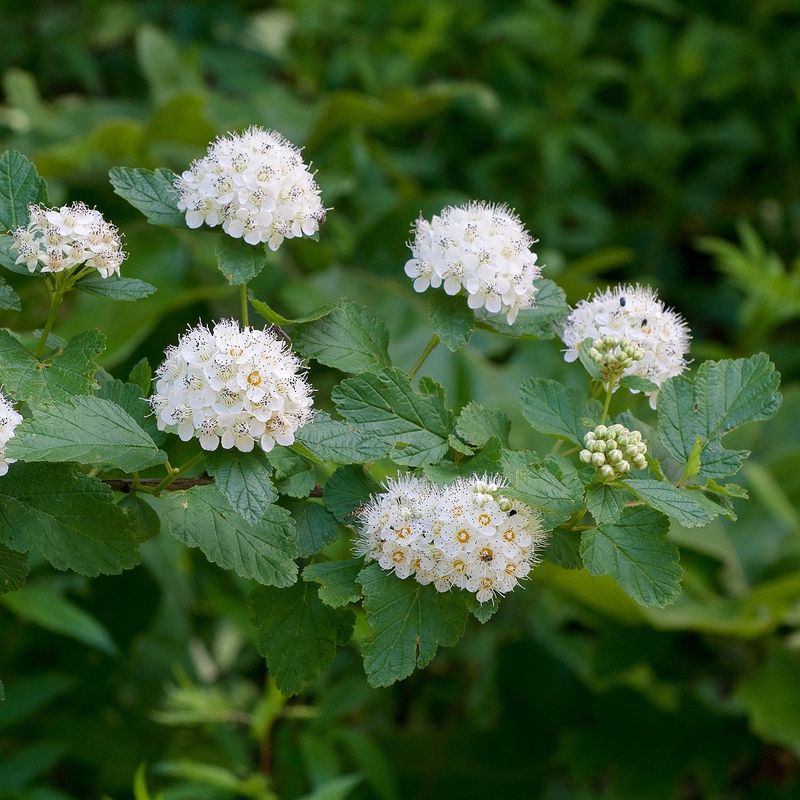
Peeling bark in multiple layers gives Ninebark its distinctive name and creates textural interest that catches your eye year-round.
This native Ohio shrub grows vigorously, producing arching branches that form a fountain-like shape birds find perfect for wedging nests into secure spots.
Song sparrows and chipping sparrows regularly choose ninebark, building cup-shaped nests where branches fork and create natural cradles.
Clusters of white or pinkish flowers bloom in early summer, resembling tiny roses and attracting pollinators that benefit the entire garden ecosystem.
The flowers develop into reddish seed pods that persist into winter, offering food for finches and other seed-eating species.
This extended food availability makes your yard a destination for birds throughout the year.
The shrub’s three to five-lobed leaves create dense cover during nesting season, with foliage thick enough to conceal nests from aerial predators.
Ninebark tolerates a range of soil types and moisture levels, thriving in conditions that challenge fussier ornamentals.
Ohio gardeners dealing with clay soil or occasional drought find this native particularly forgiving.
Growing 5 to 10 feet tall depending on the variety, ninebark fits into foundation plantings or stands alone as a specimen shrub.
The exfoliating bark reveals lighter layers underneath, creating winter interest when many shrubs look plain.
Birds seem to appreciate the textured bark too, often perching on branches to survey their territory before approaching their hidden nests.
7. American Hazelnut
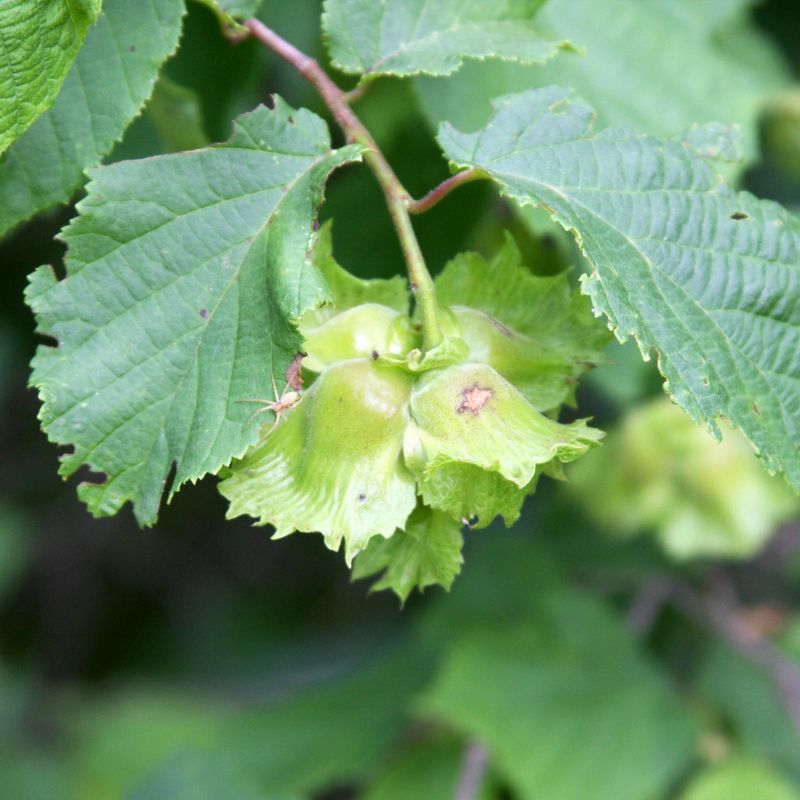
Nutty treasures dangle from American Hazelnut branches each fall, but this native Ohio shrub offers birds much more than just food.
The multi-stemmed growth creates a thicket of branches starting right at ground level, providing nesting sites for species that prefer to build closer to the earth.
Indigo buntings and field sparrows often select hazelnut bushes, appreciating the protective cover and abundant insect life found among the leaves.
Long, dangling catkins appear in early spring before leaves emerge, releasing pollen that signals the start of the growing season.
Once the broad, rounded leaves unfold, they create overlapping layers of concealment perfect for hiding nests.
The leaves have a slightly fuzzy texture that seems to discourage some leaf-eating insects, keeping the foliage healthy throughout nesting season.
The edible nuts ripen in late summer, and while squirrels compete fiercely for them, blue jays and woodpeckers manage to claim their share.
This food source keeps birds visiting your yard even after nesting concludes.
American Hazelnut grows 8 to 16 feet tall and spreads through suckers, gradually forming colonies that provide extensive bird habitat.
Ohio yards with space for naturalizing benefit most from this shrub’s spreading tendency.
The plant tolerates shade better than many nut-producing species, making it suitable for woodland edges.
Birds returning to Ohio each spring quickly locate established hazelnut thickets, often nesting in the same general area year after year.
8. Blackhaw Viburnum
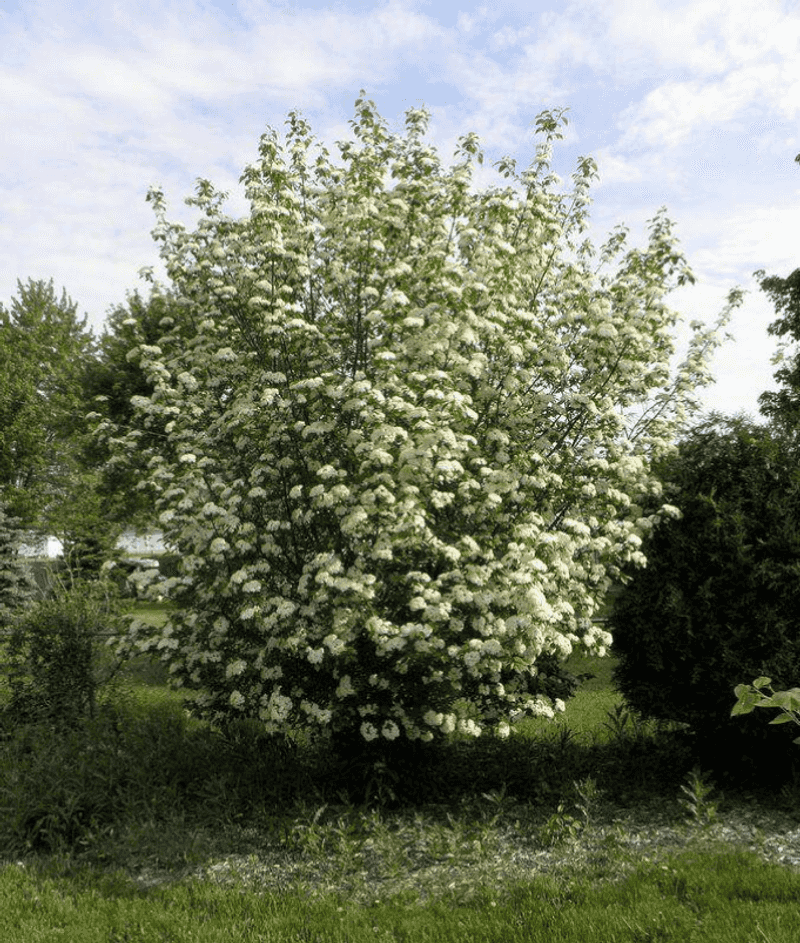
Elegant and underused, Blackhaw Viburnum deserves more attention from Ohio gardeners wanting to support nesting birds.
This native can grow as either a large shrub or small tree, reaching 12 to 15 feet tall with a spreading canopy that provides abundant nesting real estate.
Robins particularly favor blackhaw, often building their mud-lined nests on the horizontal branches that extend from the main trunk.
Flat clusters of white flowers bloom in spring, creating a lacy effect that adds ornamental value while attracting the insects parent birds need to feed their young.
The flowers mature into berries that start out pink, then ripen through red to blue-black by fall.
These color changes happen gradually, meaning berries at various stages of ripeness appear simultaneously and feed birds over an extended period.
The shrub’s glossy, oval leaves turn brilliant shades of red and purple in autumn, rivaling ornamental trees for fall color.
Blackhaw tolerates urban conditions better than many natives, handling air pollution and compacted soil that stress other species.
Ohio city dwellers can successfully grow this shrub even in challenging urban environments.
The strong, dense wood resists breaking during storms, which means nests remain secure even during Ohio’s spring thunderstorms.
Birds seem to recognize this reliability, with the same bushes hosting nests year after year.
The plant needs minimal pruning to maintain an attractive shape while maximizing nesting opportunities.
9. Winterberry Holly
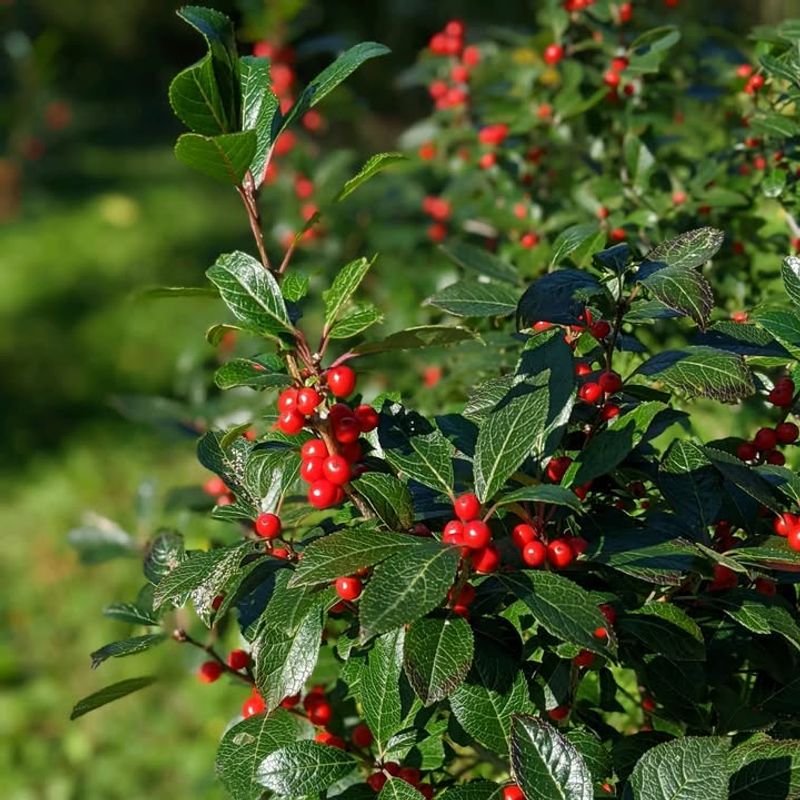
Brilliant red berries lighting up winter landscapes have made Winterberry Holly famous, but Ohio birds value this native shrub for its excellent nesting habitat too.
The dense, twiggy growth pattern creates numerous spots where birds can wedge nests securely among intersecting branches.
Catbirds and yellow warblers often choose winterberry, building in the shrub’s interior where multiple stems create natural supports.
Small white flowers bloom in late spring after most other shrubs have finished flowering, providing nectar when other sources become scarce.
Only female plants produce berries, so you’ll need to plant at least one male nearby for pollination.
The timing works perfectly for nesting birds, with flowers appearing just as many species are actively building nests and laying eggs.
The shrub’s deciduous nature means leaves drop in fall, but the persistent berries remain, creating stunning winter displays and feeding birds when other food becomes scarce.
Robins, bluebirds, and cedar waxwings strip the berries during winter, though they often leave some until late in the season.
Winterberry grows 6 to 10 feet tall and thrives in moist soils that stay consistently damp.
Ohio gardeners with wet areas or rain gardens find this native particularly useful since it actually prefers the moisture that drowns many other shrubs.
The plant tolerates partial shade, making it suitable for spots under taller trees where sunlight filters through the canopy.
Birds benefit from both the excellent nesting structure and the reliable winter food source.
10. Buttonbush
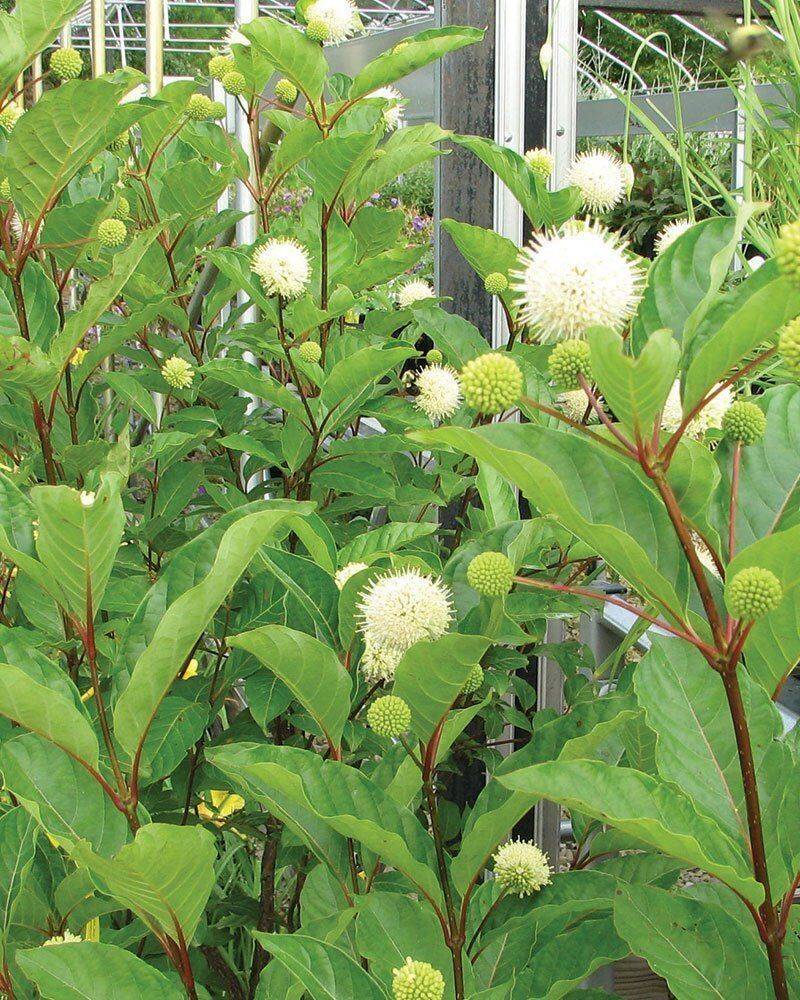
Water-loving Buttonbush thrives in Ohio’s wettest spots, creating bird habitat where few other woody plants survive.
This native shrub naturally grows along pond edges, stream banks, and in areas with standing water, developing a rounded form with branches that often overhang the water.
Red-winged blackbirds and swamp sparrows nest in buttonbush, taking advantage of the water barrier that deters many ground predators from reaching their nests.
Round, white flower balls appear in summer, resembling pincushions and attracting butterflies and hummingbirds along with numerous insects.
The unique spherical blooms stand out among typical flower shapes, making buttonbush easy to identify.
These flowers mature into ball-shaped seed heads that ducks and other waterfowl consume during fall and winter.
The shrub’s glossy, dark green leaves remain attractive throughout the growing season, providing excellent cover for nests tucked among the branches.
Buttonbush grows 6 to 12 feet tall and can spread equally wide when conditions suit it.
Ohio properties with ponds, streams, or persistently wet areas benefit enormously from this specialized native.
The plant tolerates seasonal flooding that would harm most landscape shrubs, actually growing stronger when its roots stay wet.
Birds nesting over water gain extra protection from predators unwilling to swim or wade.
Watching parent birds fly back and forth to nests in buttonbush creates memorable wildlife viewing opportunities, especially when the shrub grows along pond edges where you can observe from shore.