The Best Milkweed Types To Helps Monarch Buttterflies Thrive In Kansas
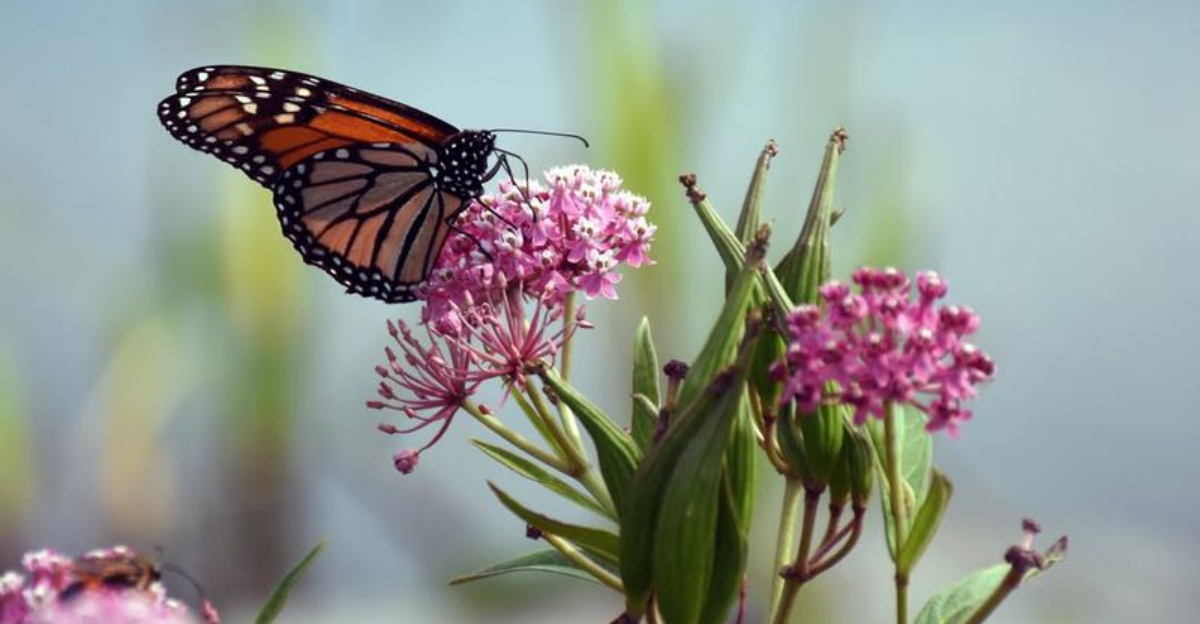
Monarch butterflies have a long road ahead of them, and in Kansas, milkweed can make or break the journey.
These bright travelers depend on milkweed the way a house depends on a foundation.
Without it, their life cycle comes to a grinding halt.
For gardeners who want to lend a hand, choosing the right milkweed is one of the strongest moves on the board.
Kansas sits right in the heart of monarch territory, which means the plants you grow matter more than you might think.
Not all milkweed types pull their weight equally.
Some thrive in local soil and weather, while others struggle or fail to support monarch caterpillars the way they should.
Picking the right varieties helps monarchs feed, grow, and move on stronger than before.
Milkweed does more than host caterpillars.
It brings balance to gardens, supports other pollinators, and adds texture and blooms that fit naturally into Kansas landscapes.
Like planting seeds for the future, these choices pay off over time.
When the right milkweed is in the ground, monarchs notice.
Helping them thrive does not take fancy tricks, just smart planting and a little patience.
1. Common Milkweed
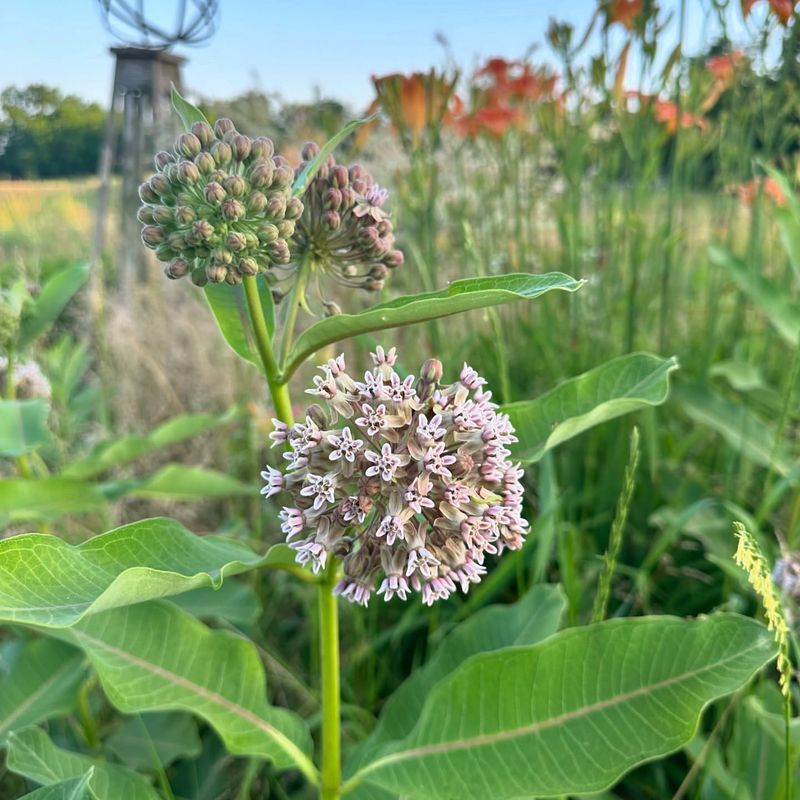
Common milkweed stands as the champion of all milkweed species for monarch butterflies across Kansas.
This native plant grows wild in fields, roadsides, and prairies throughout the state, reaching heights of three to five feet.
Its large, oval leaves provide plenty of food for hungry monarch caterpillars, while the fragrant pink-purple flower clusters attract adult butterflies looking for nectar.
Kansas gardeners love this plant because it requires almost no maintenance once established.
The deep root system helps common milkweed survive the hot, dry summers that are typical in Kansas.
This hardy plant can handle drought conditions better than many other milkweed varieties, making it perfect for our unpredictable weather patterns.
The flowers bloom from June through August, creating a sweet fragrance that fills the air.
Monarch butterflies find these blooms irresistible and will visit them repeatedly throughout the day.
Each flower cluster can support multiple butterflies at once, making your garden a busy hub of activity.
One interesting feature is how the plant spreads through underground rhizomes.
While some gardeners worry about it taking over, this spreading nature actually helps create larger patches that monarchs prefer.
In Kansas, having bigger stands of milkweed increases the chances that migrating monarchs will stop and lay their eggs.
Common milkweed also produces distinctive seed pods that split open in fall.
The silky seeds inside float on the wind, helping new plants establish naturally across Kansas landscapes.
2. Butterfly Milkweed
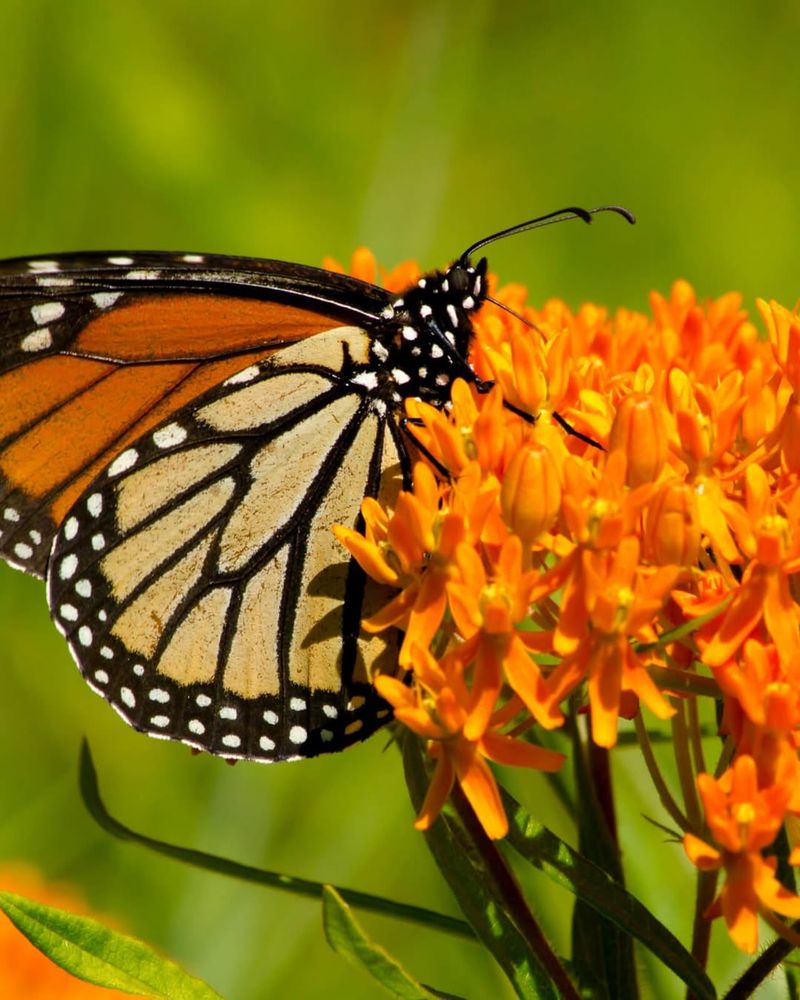
Bright orange flames seem to dance across Kansas gardens when butterfly milkweed bursts into bloom.
This stunning native plant produces brilliant orange flowers that catch every eye, including those of passing monarch butterflies.
Unlike its cousin common milkweed, this variety stays more compact, typically growing two to three feet tall with a bushier appearance.
Kansas soil conditions suit butterfly milkweed perfectly because it thrives in well-drained areas.
The plant tolerates rocky, sandy, or clay soils common throughout the state.
Your Kansas Garden Changes Every Week. Your Plan Should Too.
Gardening in Kansas changes quickly throughout the season. Every Friday you’ll receive a simple weekly plan showing exactly what to plant, prune, fertilize, harvest, and protect so you never miss the right timing.
Once the roots establish, this milkweed becomes incredibly drought-resistant, surviving even the driest Kansas summers without extra watering.
Monarchs absolutely adore the nectar-rich orange blooms that appear from May through September.
The long blooming period means butterflies have access to food for months.
Each flower cluster contains dozens of tiny individual flowers packed with sweet nectar that gives monarchs energy for their long migrations.
Caterpillars happily munch on the narrow, lance-shaped leaves throughout the growing season.
The leaves contain the toxic compounds that make monarch caterpillars and butterflies unpalatable to predators.
This natural defense system helps protect monarchs as they grow and develop in Kansas gardens.
Butterfly milkweed also attracts many other beneficial insects to Kansas yards.
Bees, other butterfly species, and hummingbirds visit the vibrant flowers regularly.
The plant requires minimal care and rarely suffers from pest problems, making it an excellent choice for beginner gardeners wanting to help monarchs.
3. Swamp Milkweed
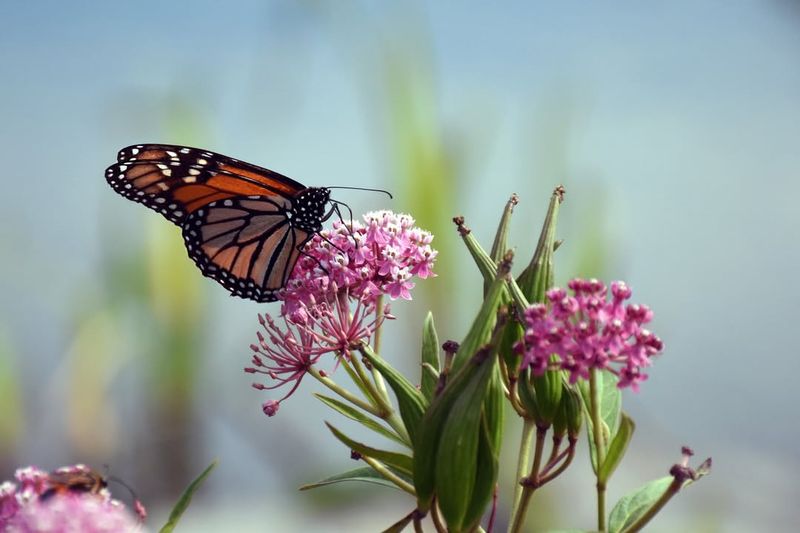
Despite its name suggesting soggy conditions, swamp milkweed adapts surprisingly well to various Kansas environments.
This versatile native plant produces delicate pink to mauve flower clusters that monarchs find absolutely delightful.
Growing three to four feet tall, it creates an elegant presence in gardens while serving as a vital food source for monarch caterpillars.
Kansas gardeners with naturally moist areas in their yards should definitely consider this milkweed variety.
It thrives near ponds, rain gardens, or low spots where water collects after storms.
However, swamp milkweed also tolerates average garden conditions once established, making it more flexible than its name suggests.
The vanilla-scented flowers bloom from June through August across Kansas.
Monarch butterflies can smell these sweet blooms from far away and will travel to visit them.
Each flower cluster provides abundant nectar that helps fuel the butterflies during their active summer months and crucial fall migration.
Caterpillars relish the smooth, narrow leaves that contain essential nutrients for their growth.
The leaves stay tender throughout the season, making them easier for young caterpillars to eat.
In Kansas, swamp milkweed often produces multiple generations of monarch caterpillars in a single growing season.
This milkweed variety spreads slowly through rhizomes but never becomes invasive like some other species.
The controlled growth makes it perfect for smaller Kansas gardens where space is limited.
Swamp milkweed also resists most diseases and pests, requiring very little maintenance once planted in appropriate locations throughout the state.
4. Whorled Milkweed
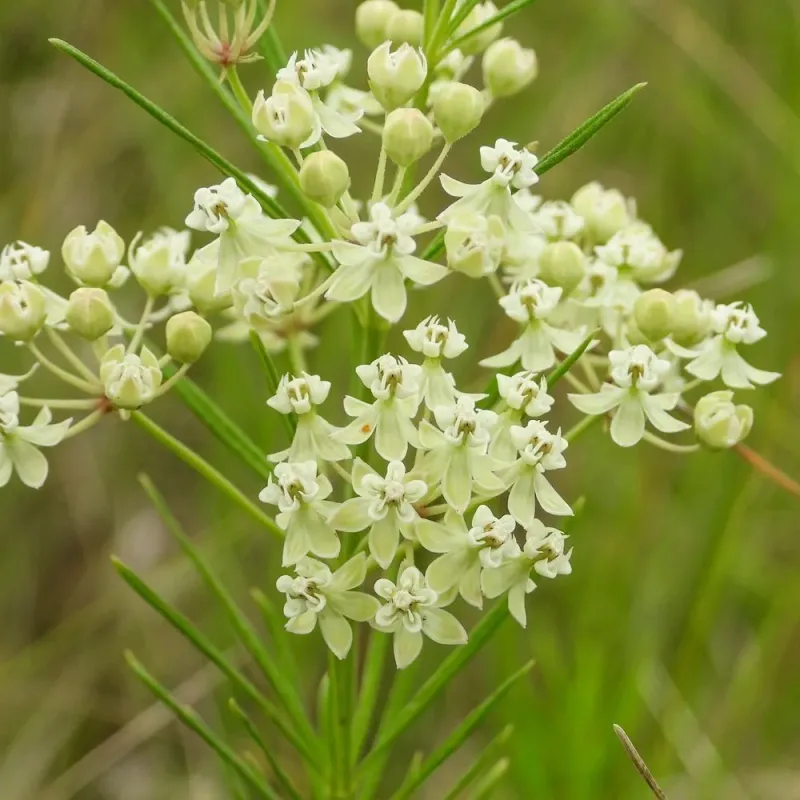
Delicate and unique, whorled milkweed brings an airy texture to Kansas landscapes with its needle-like leaves arranged in circular patterns.
This slender native plant grows one to three feet tall and produces small clusters of white to greenish flowers.
The unusual leaf arrangement makes it easy to identify among other Kansas wildflowers.
Rocky hillsides and dry prairies throughout Kansas provide ideal conditions for whorled milkweed.
The plant prefers well-drained soils and full sun, thriving in areas where other plants might struggle.
Its smaller size makes it perfect for rock gardens or native plant borders in Kansas yards.
Monarch butterflies eagerly visit the dainty flowers that bloom from May through July.
Although the blooms are smaller than other milkweed species, they produce quality nectar that butterflies need.
The flowers also attract numerous other pollinators, creating a lively ecosystem in Kansas gardens.
Caterpillars find the thin leaves perfectly suitable for feeding, even though they look quite different from broader milkweed foliage.
The leaves contain the same protective compounds found in other milkweeds, ensuring monarch caterpillars remain safe from predators.
In Kansas, whorled milkweed often hosts early-season monarch caterpillars before other varieties fully leaf out.
This milkweed grows from a deep taproot that helps it survive Kansas droughts and harsh winters.
The plant returns reliably each spring, gradually forming small clumps over time.
Whorled milkweed rarely spreads aggressively, making it an excellent choice for gardeners who want native plants that stay where planted throughout Kansas landscapes.
5. Antelope Horn Milkweed
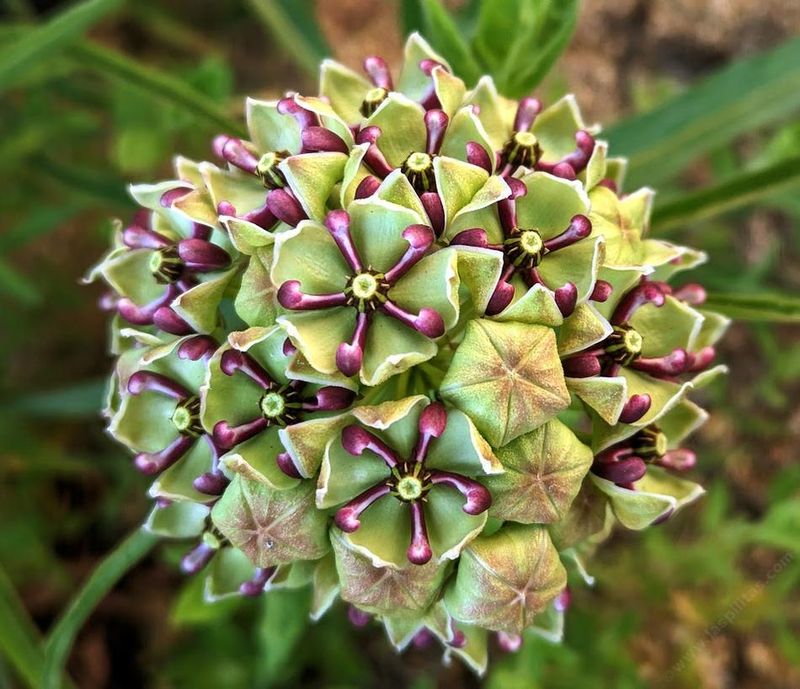
Yellowish-green flowers and wavy-edged leaves make antelope horn milkweed a distinctive addition to Kansas prairies and gardens.
This low-growing native typically reaches only one to two feet tall, creating a sprawling presence rather than an upright one.
The unique seed pods curve like antelope horns, giving this plant its memorable common name.
Kansas prairies naturally host antelope horn milkweed in their driest, hottest locations.
The plant excels in sandy or rocky soils where moisture is scarce.
For Kansas gardeners dealing with challenging growing conditions, this milkweed offers a solution that actually prefers tough environments.
Monarchs appreciate the abundant nectar produced by the dense flower clusters that bloom from April through June.
The early blooming period makes this milkweed especially valuable for spring migrants passing through Kansas.
Adult butterflies often arrive before many other flowers have opened, making antelope horn milkweed a critical early-season food source.
The blue-green leaves with their distinctive wavy margins provide excellent food for monarch caterpillars.
Caterpillars seem to grow particularly well on this milkweed variety, often reaching impressive sizes.
Kansas gardeners report seeing numerous caterpillars on their antelope horn plants throughout late spring and early summer.
This milkweed spreads slowly from a woody rootstock that grows deeper each year.
The established root system allows the plant to survive extreme heat and drought common in Kansas summers.
Antelope horn milkweed requires absolutely no supplemental watering once established, making it the ultimate low-maintenance choice for busy gardeners wanting to support monarchs across Kansas.
6. Green Milkweed
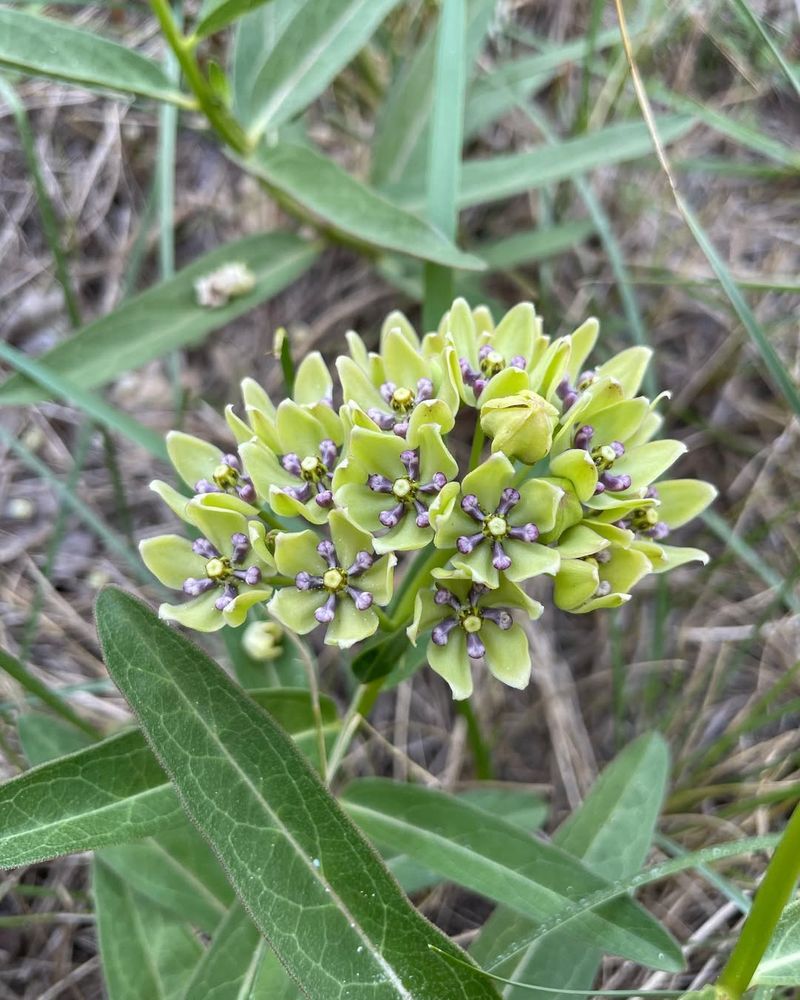
Subtle beauty defines green milkweed, a Kansas native that produces spherical clusters of pale green flowers.
This understated plant grows one to three feet tall with broad, oval leaves that create a lush appearance.
While the flowers might not shout for attention like bright orange or pink varieties, monarchs find them just as appealing.
Prairies and open woodlands across Kansas naturally support green milkweed populations.
The plant tolerates partial shade better than most milkweed species, making it perfect for Kansas gardens with trees.
It also handles various soil types, from clay to loam, adapting to whatever conditions Kansas landscapes provide.
Monarch butterflies visit the rounded flower clusters from May through July for their sweet nectar.
The flowers produce a light, pleasant fragrance that attracts butterflies from considerable distances.
Each bloom cluster can support multiple feeding butterflies simultaneously, creating wonderful opportunities for Kansas residents to observe monarchs up close.
Caterpillars consume the smooth, broad leaves with enthusiasm throughout the growing season.
The substantial foliage provides ample food for multiple caterpillars on a single plant.
Kansas gardeners often discover entire families of monarch caterpillars at different growth stages sharing green milkweed plants.
This milkweed forms clumps that expand slowly over time without becoming invasive.
The manageable growth habit makes it suitable for formal gardens as well as naturalized areas across Kansas.
Green milkweed resists most common plant diseases and rarely requires any intervention, making it an easy choice for supporting monarchs while maintaining an attractive Kansas landscape throughout the growing season.
7. Purple Milkweed
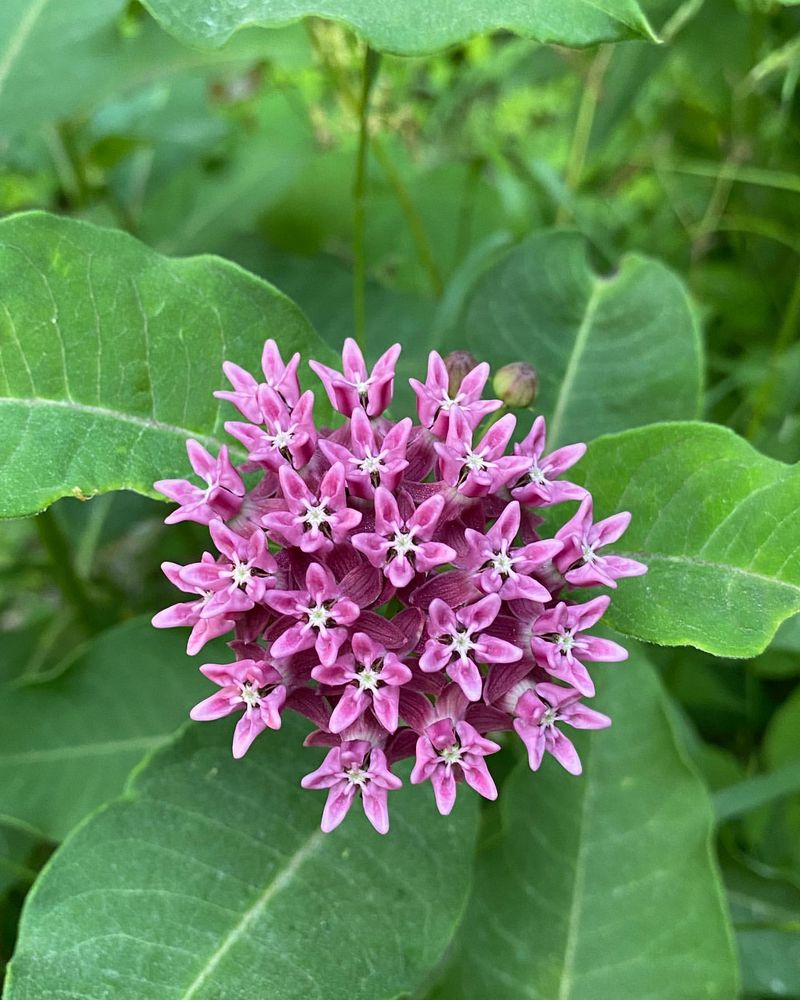
Rich, deep purple flowers create dramatic displays when purple milkweed blooms across Kansas landscapes.
This striking native plant produces some of the darkest colored flowers among all milkweed species.
Growing two to four feet tall, it commands attention in gardens while providing essential resources for monarch butterflies.
Kansas prairies and grasslands have hosted purple milkweed for thousands of years.
The plant thrives in full sun and well-drained soils typical throughout the state.
Purple milkweed handles Kansas weather extremes with ease, from scorching summer heat to occasional droughts that challenge less adapted plants.
Monarchs flock to the intensely colored blooms that appear from May through July.
The dark purple flowers contain exceptional amounts of nectar, making them particularly valuable for butterflies.
Kansas gardeners report that purple milkweed often attracts more monarchs than lighter-colored varieties, possibly because the dark blooms are easier for butterflies to spot from the air.
The narrow, pointed leaves provide perfect food for developing monarch caterpillars.
Caterpillars grow rapidly when feeding on purple milkweed foliage.
In Kansas, this plant often supports multiple generations of monarchs throughout a single season, with new eggs appearing as soon as one batch of caterpillars completes development.
Purple milkweed spreads through both seeds and rhizomes, gradually creating impressive stands.
The expanding patches become monarch magnets in Kansas gardens and natural areas.
This milkweed variety rarely suffers from pest problems and requires zero maintenance once established, making it perfect for Kansas gardeners who want maximum impact with minimal effort while helping monarch populations recover.
8. Sullivant’s Milkweed
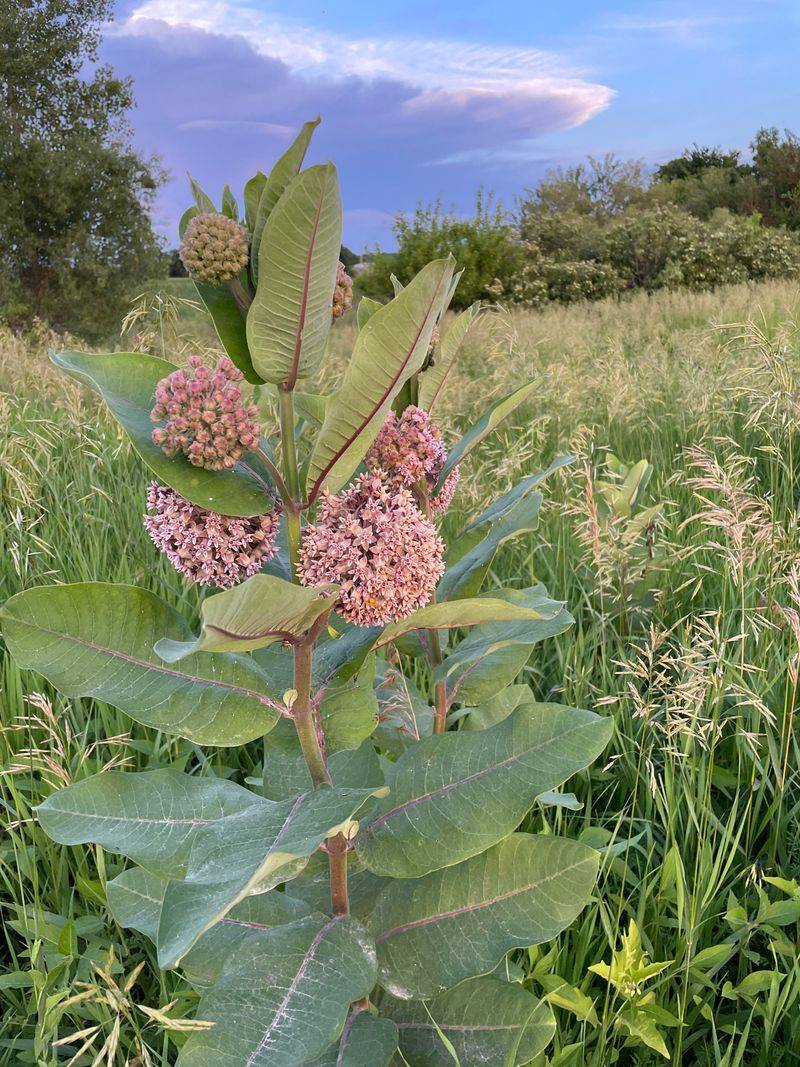
Tall and stately, Sullivant’s milkweed reaches impressive heights of four to six feet in Kansas gardens and natural areas.
This lesser-known native produces beautiful pink to purple flower clusters similar to common milkweed but prefers wetter conditions.
The smooth, oval leaves grow quite large, providing abundant food for hungry monarch caterpillars.
Kansas wetlands, stream banks, and moist prairies naturally support Sullivant’s milkweed populations.
The plant thrives where soil stays consistently moist but not waterlogged.
Kansas gardeners with rain gardens or naturally damp areas find this milkweed performs exceptionally well, often growing taller and more robust than in average conditions.
Monarch butterflies enthusiastically visit the fragrant flower clusters that bloom from June through August.
The sweet-smelling blooms produce copious nectar that helps fuel butterflies during their active summer months.
In Kansas, Sullivant’s milkweed flowers often remain attractive to monarchs even as other milkweed species finish blooming, extending the nectar availability into late summer.
Caterpillars thrive on the large, tender leaves that this milkweed produces.
The substantial foliage can support numerous caterpillars simultaneously without the plant looking depleted.
Kansas gardeners appreciate how quickly the leaves regrow after caterpillars finish feeding, ensuring continuous food availability throughout the monarch breeding season.
This milkweed spreads moderately through rhizomes, creating attractive colonies over several years.
The impressive height makes Sullivant’s milkweed perfect for the back of Kansas garden borders or naturalized areas.
The plant requires no special care beyond appropriate moisture levels, making it an excellent choice for Kansas residents wanting to create monarch habitat in wetter portions of their property.