8 Shower Plants That Thrive In North Carolina Bathrooms
Bathrooms in North Carolina offer a hidden sweet spot for certain houseplants.
Warm showers, steady humidity, and gentle light can turn an ordinary bathroom into a plant paradise.
While some plants struggle indoors, others take one look at these conditions and settle in like they were made for it.
Shower friendly plants thrive on moisture in the air and do not mind the ups and downs of daily routines.
Steam from a hot shower mimics the tropical environments many of these plants call home.
In North Carolina, where humidity already runs high, bathrooms provide an extra boost that helps plants stay lush and healthy with less effort.
Adding plants to a bathroom does more than fill empty corners.
They soften hard surfaces, improve air quality, and make the space feel calm and inviting.
Even small bathrooms benefit from a touch of green.
Like finding a shortcut through traffic, choosing the right plants saves time and frustration.
With smart picks, North Carolina bathrooms can support thriving greenery without special care or constant attention.
A little steam and the right plant choice can turn a daily routine into a refreshing experience.
1. Pothos
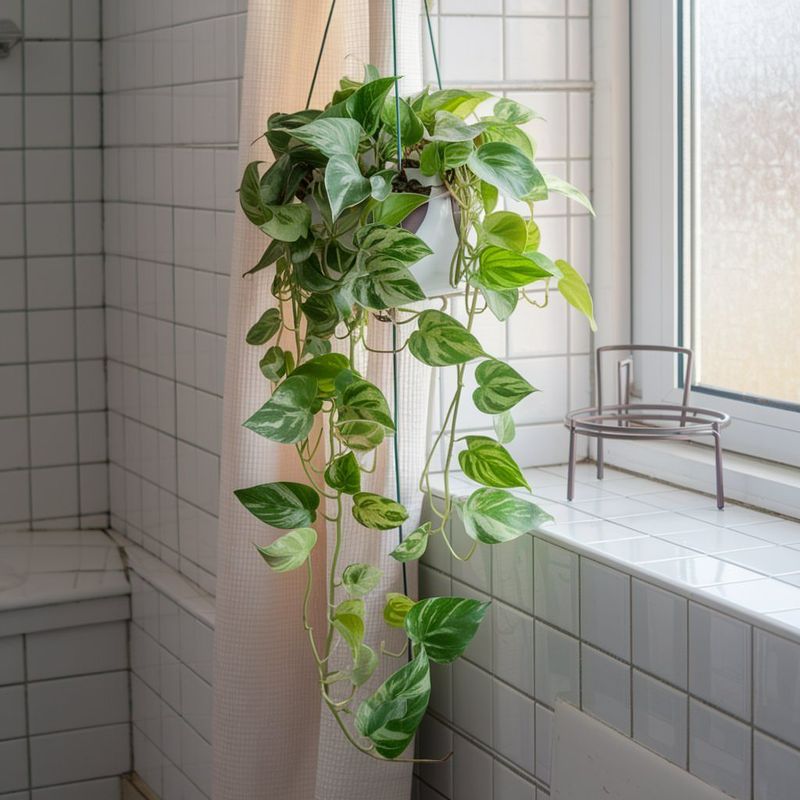
Few plants match the easygoing personality of pothos when it comes to bathroom environments.
This trailing vine features gorgeous heart-shaped leaves that come in various shades of green, often splashed with yellow or white variegation that brightens up any space.
Pothos has earned its reputation as nearly indestructible, making it perfect for beginners or anyone who wants beautiful greenery without fussy maintenance requirements.
Your North Carolina bathroom’s humidity levels will make pothos incredibly happy, as these plants originally come from tropical forests where moisture hangs heavy in the air.
The steam from your shower mimics their natural habitat perfectly.
Pothos can tolerate low light conditions better than most plants, though they’ll grow faster and maintain better variegation with moderate indirect light from a bathroom window.
What makes pothos especially appealing is how versatile it is in terms of display options.
You can place it on a high shelf and let those vines cascade down dramatically, creating a living curtain effect.
Alternatively, train the vines along a curtain rod or around your bathroom mirror for a unique, jungle-inspired look.
Watering pothos is straightforward since the plant tolerates occasional neglect better than overwatering.
Allow the top inch or two of soil to dry out between waterings, which might mean watering every week or two depending on your bathroom’s conditions.
The leaves will start to droop slightly when the plant needs water, giving you a clear signal.
Pothos also ranks among the best air-purifying plants, removing common household toxins like formaldehyde and benzene from the air.
Throughout North Carolina, from Charlotte to Raleigh, pothos thrives indoors year-round with minimal effort, making it an excellent choice for busy households.
2. Boston Fern
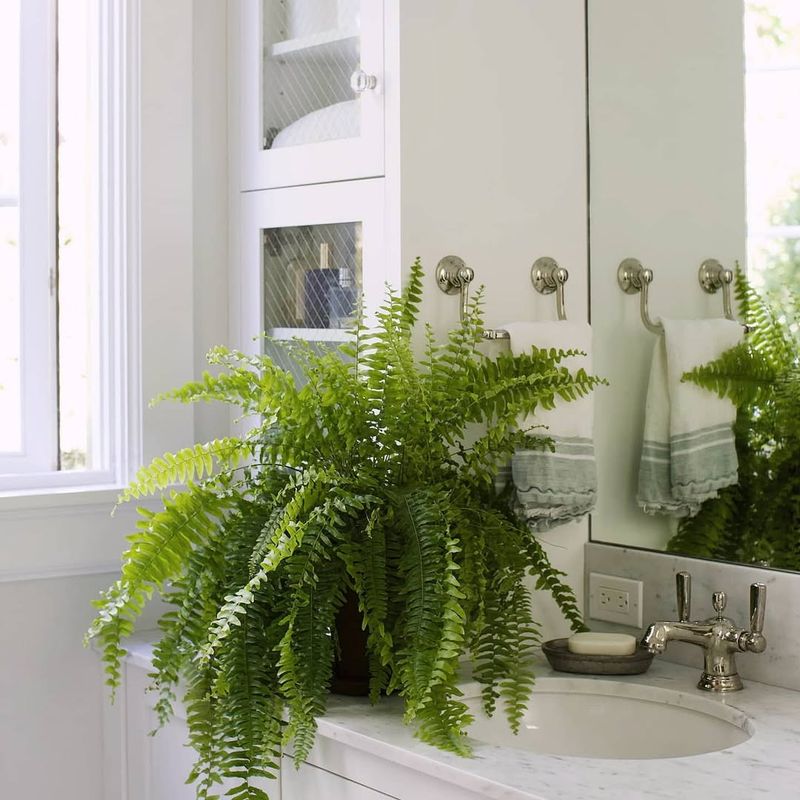
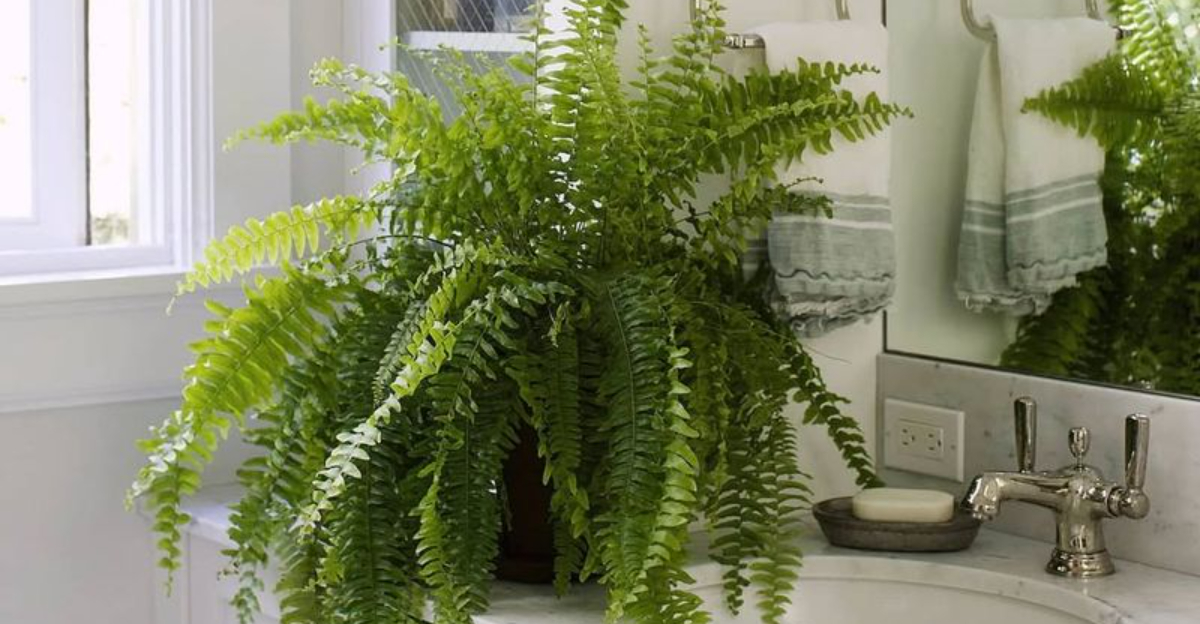
Boston ferns bring a classic, elegant look to any bathroom with their gracefully arching fronds that cascade beautifully from hanging baskets or high shelves.
These plants absolutely love humidity, making them perfect companions for your North Carolina shower where steam and moisture are plentiful.
Your North Carolina Garden Changes Every Week. Your Plan Should Too.
Gardening in North Carolina changes quickly throughout the season. Every Friday you’ll receive a simple weekly plan showing exactly what to plant, prune, fertilize, harvest, and protect so you never miss the right timing.
Their feathery, bright green leaves create a soft, natural curtain that adds instant charm and sophistication to your bathing space.
Native to tropical regions, Boston ferns have adapted perfectly to indoor environments where humidity stays high.
Your shower provides exactly what they crave without you having to mist them constantly like you would in other rooms.
In North Carolina bathrooms, especially during our humid summer months, these ferns practically take care of themselves.
Place your Boston fern where it can receive indirect light from a window, as direct sunlight can scorch those delicate fronds.
The plant prefers temperatures between 60-75 degrees Fahrenheit, which matches most comfortable bathroom settings.
Keep the soil consistently moist but never waterlogged, checking it every few days by touching the top inch.
One wonderful benefit of Boston ferns is their air-purifying quality, as they naturally filter toxins from the air while releasing oxygen.
They work especially well in bathrooms with windows that provide filtered light throughout the day.
If you notice browning tips on the fronds, your fern might need more humidity or less direct light.
These plants grow fairly quickly when happy, so you might need to trim them occasionally to maintain your desired shape.
Regular pruning also encourages fuller, healthier growth.
For North Carolina residents, Boston ferns remain green and lush year-round indoors, providing constant beauty regardless of the season outside.
3. Orchids
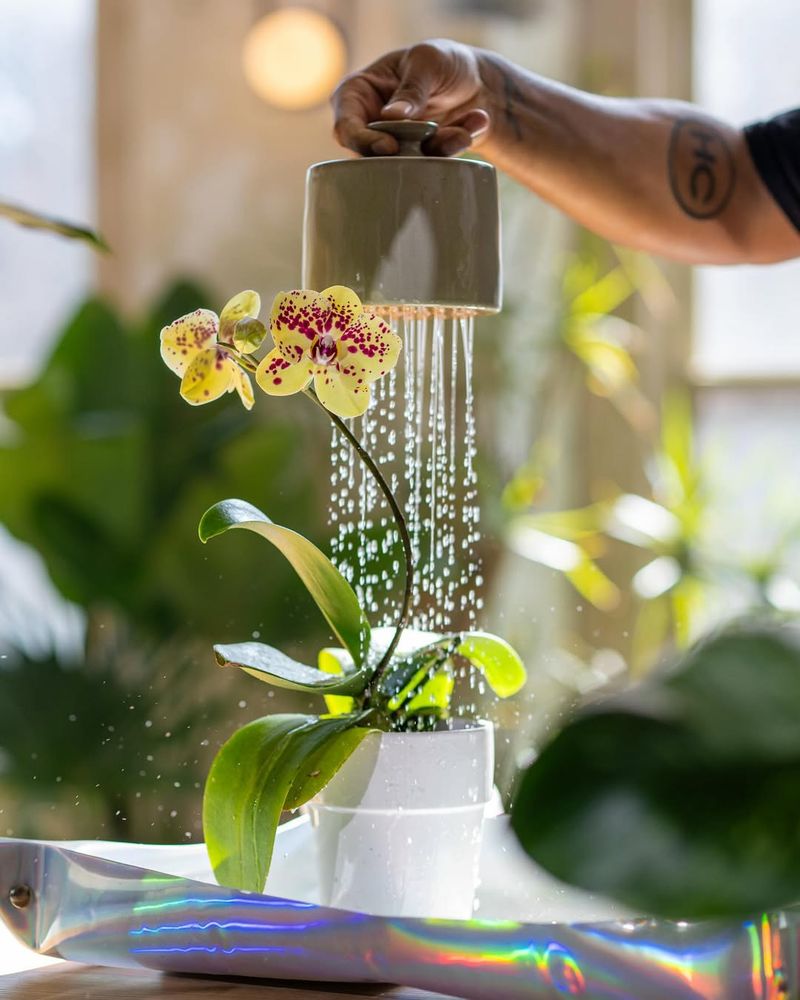
Orchids might seem intimidating at first, but they actually adore the conditions your bathroom naturally provides.
These stunning flowering plants bring elegance and sophistication to your shower space with blooms that can last for months at a time.
Phalaenopsis orchids, commonly called moth orchids, are the easiest variety for bathrooms and come in gorgeous colors ranging from pure white to deep purple and everything in between.
Many people don’t realize that orchids are epiphytes in nature, meaning they grow on tree branches in humid tropical forests rather than in soil.
Your steamy North Carolina bathroom recreates this environment beautifully.
The consistent humidity from your shower helps orchids thrive without requiring complicated care routines or special equipment.
Position your orchid where it receives bright, indirect light, such as near a frosted window or several feet from a clear window.
Direct sunlight can damage the leaves and flowers, so filtered light works best.
Orchids prefer temperatures between 65-80 degrees Fahrenheit during the day, which matches typical bathroom temperatures perfectly.
Watering orchids differs from other houseplants since they’re typically planted in bark or moss rather than regular potting soil.
Water them once weekly by running lukewarm water through the pot for about 30 seconds, then letting it drain completely.
Never let orchids sit in standing water, as this causes root rot.
After the flowers fade, don’t give up on your orchid because it will bloom again with proper care.
Cut the flower spike above a node, and new blooms will emerge in a few months.
North Carolina’s moderate climate means your bathroom stays comfortable for orchids year-round, unlike regions with extreme temperature fluctuations that stress these beautiful plants.
4. Spider Plant
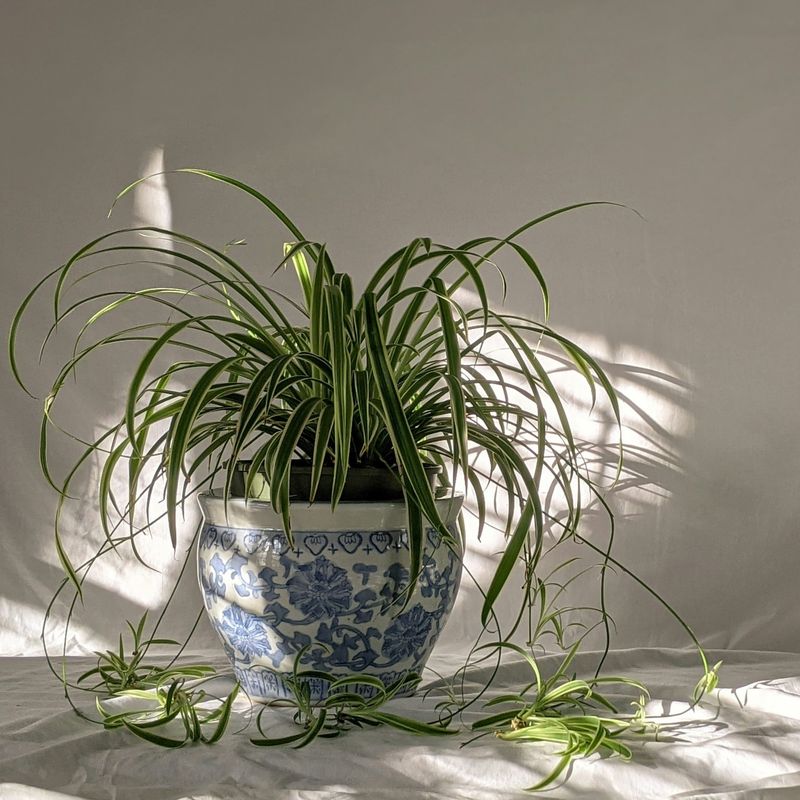
With a reputation for being practically foolproof, spider plants make fantastic additions to North Carolina bathrooms where their striped, arching leaves create instant visual interest.
These cheerful plants feature long, slender leaves that radiate from a central point, often variegated with white or cream stripes running lengthwise.
What makes them extra special is their tendency to produce baby plantlets, called spiderettes, that dangle on long stems like tiny green spiders.
Spider plants adapt remarkably well to various light conditions, from bright indirect light to moderate shade, making them perfect for bathrooms with different window situations.
They appreciate the humidity your shower provides, though they’re also forgiving if humidity levels fluctuate.
This adaptability means they’ll thrive whether you live in the humid Piedmont region or the slightly drier mountain areas of North Carolina.
Caring for spider plants is refreshingly simple, as they tolerate occasional neglect without complaint.
Water them when the top inch of soil feels dry to the touch, which typically means once or twice weekly depending on your bathroom’s temperature and humidity.
They prefer their soil to dry out slightly between waterings rather than staying constantly moist.
One delightful aspect of spider plants is how easily they propagate, allowing you to create new plants from those dangling babies.
Simply snip off a spiderette and place it in water until roots develop, then pot it up.
You’ll soon have spider plants to share with friends or spread throughout your home.
These plants also excel at filtering indoor air pollutants, making your bathroom air fresher and cleaner.
Spider plants grow quickly when happy, so you might need to repot them every couple of years as they become root-bound.
Their cascading growth habit looks especially beautiful in hanging baskets positioned near your shower.
5. Peace Lily
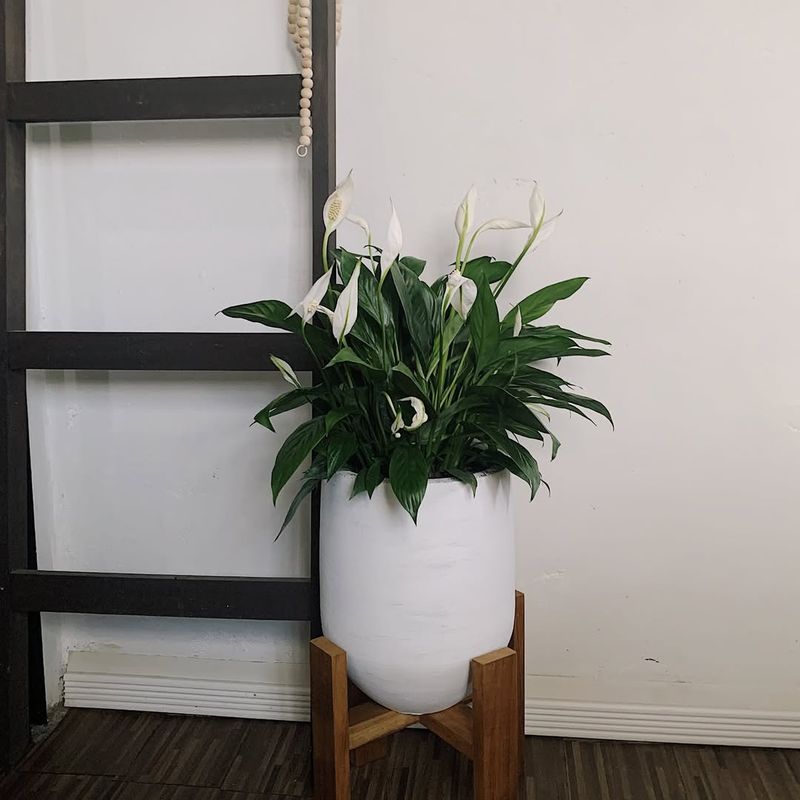
Peace lilies offer something special that many bathroom plants don’t provide elegant white flowers that bloom periodically throughout the year.
These graceful plants feature glossy, dark green leaves that arch beautifully, creating a lush tropical appearance that transforms ordinary bathrooms into spa-like retreats.
The distinctive white flowers, which are actually modified leaves called spathes, rise above the foliage on tall stems and can last for weeks.
Originally from tropical rainforests, peace lilies feel right at home in the humid environment your North Carolina shower creates.
They’re among the few flowering plants that actually prefer low to medium light conditions, making them ideal for bathrooms without large windows.
The steam and moisture from your daily showers provide exactly what peace lilies need to stay healthy and encourage blooming.
One helpful feature of peace lilies is how they communicate their watering needs by drooping dramatically when thirsty.
Don’t worry though this isn’t harmful, and they perk right back up within hours of watering.
Generally, watering once weekly works well, but let the plant guide you by checking if the leaves feel firm or are starting to soften and droop.
Peace lilies rank among the top air-purifying plants according to research, removing harmful chemicals like ammonia, benzene, and formaldehyde from indoor air.
This makes them especially valuable in bathrooms where cleaning products might leave chemical residues.
They work hard to keep your air fresh and clean while looking beautiful.
These plants grow moderately fast when conditions suit them, producing new leaves regularly and blooming several times per year.
Wipe the leaves occasionally with a damp cloth to remove dust and keep them glossy.
Throughout North Carolina, peace lilies remain happy indoors year-round, providing consistent beauty regardless of outdoor weather conditions.
6. Bamboo
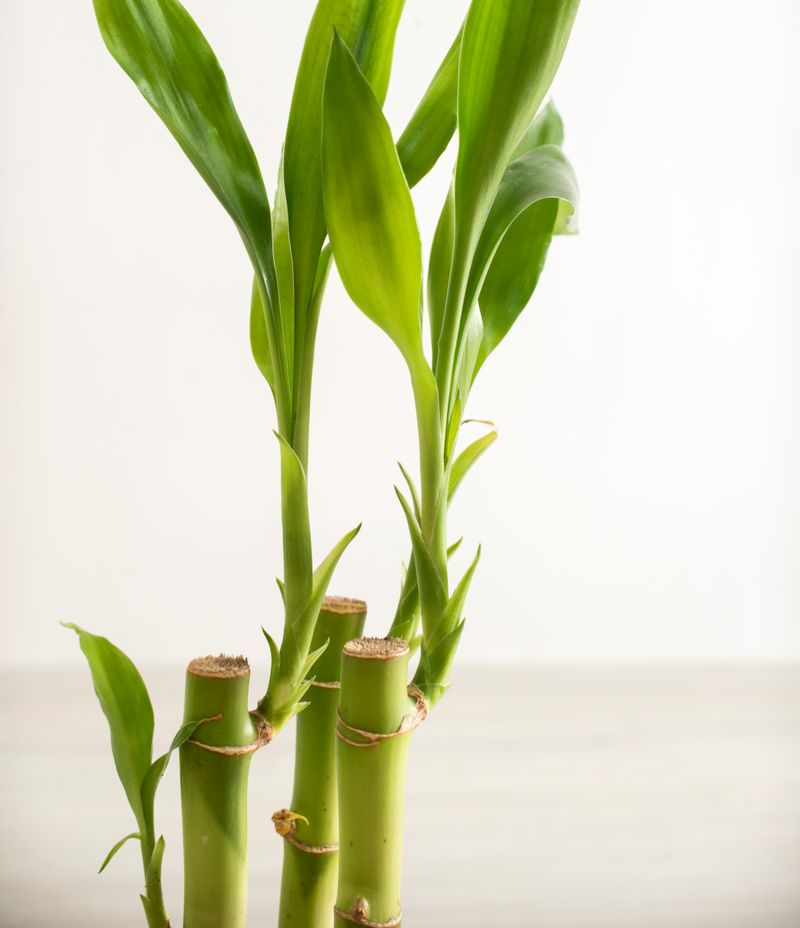
Bamboo, particularly the variety known as lucky bamboo, brings a zen-like quality to bathroom spaces with its distinctive straight stalks and small, pointed leaves.
Despite its name, lucky bamboo isn’t actually bamboo at all but rather a member of the Dracaena family that naturally grows in the understory of tropical rainforests.
Its upright growth habit and architectural appearance make it perfect for modern or minimalist North Carolina bathrooms where you want greenery without overwhelming the space.
What sets bamboo apart from other shower plants is its ability to grow in just water, eliminating soil mess entirely.
You can arrange stalks in a decorative vase or container filled with pebbles and water, creating an elegant display that requires minimal maintenance.
The humid atmosphere from your shower keeps the leaves healthy and prevents browning that might occur in drier rooms.
Lucky bamboo tolerates low light conditions exceptionally well, though it grows faster with moderate indirect light from a bathroom window.
Avoid direct sunlight, which can scorch the leaves and turn them yellow.
The plant prefers temperatures between 65-90 degrees Fahrenheit, making it comfortable in typical North Carolina bathroom environments throughout the year.
If growing bamboo in water, change the water every two weeks to prevent algae growth and keep it fresh.
Use filtered or distilled water if your tap water contains high levels of chlorine or fluoride, which can cause leaf tip browning.
You can also grow lucky bamboo in well-draining potting soil if you prefer, watering when the top inch becomes dry.
Bamboo stalks can be trained into interesting shapes like spirals or braids, adding artistic flair to your bathroom decor.
They grow slowly but steadily, eventually reaching several feet tall.
Many people believe lucky bamboo brings good fortune, making it a meaningful addition to your home beyond its aesthetic appeal.
7. Aloe Vera
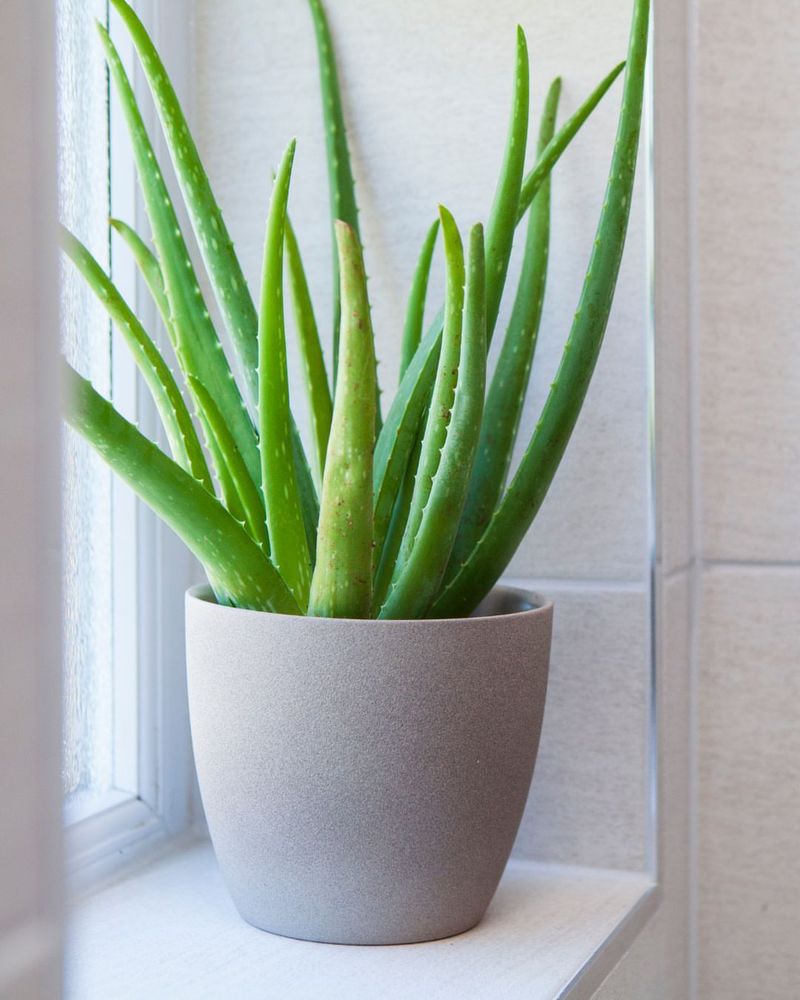
Aloe vera combines beauty with practicality in ways few other bathroom plants can match.
This succulent features thick, fleshy leaves filled with gel that’s famous for soothing burns, cuts, and skin irritations.
Having fresh aloe right in your bathroom means you can snap off a leaf and apply the cooling gel immediately after sunburns or minor kitchen accidents, making it both decorative and useful for North Carolina families.
While aloe vera is a succulent that stores water in its leaves, it actually adapts well to bathroom humidity as long as you’re careful not to overwater it.
The key is providing excellent drainage and allowing the soil to dry completely between waterings.
Your bathroom’s moisture helps keep the leaves plump and healthy without requiring frequent watering like other plants might.
Position your aloe where it receives bright, indirect light for several hours daily, such as on a windowsill or shelf near a window.
Aloe can tolerate some direct morning sun, but intense afternoon rays through south-facing windows might cause the leaves to turn brown or orange.
North Carolina’s sunny climate means most bathrooms with windows provide adequate light for aloe plants.
Water your aloe sparingly, perhaps every two to three weeks, checking that the soil has dried out completely before adding more water.
Overwatering is the most common mistake with aloe, leading to root rot and mushy leaves.
During winter months, you can water even less frequently as the plant enters a semi-dormant period.
Aloe plants produce offsets, or baby plants, around their base that you can separate and pot individually once they’re a few inches tall.
This gives you new plants to share or place in other rooms.
The architectural shape and blue-green color of aloe leaves create striking visual contrast against typical bathroom tiles and fixtures.
8. English Ivy
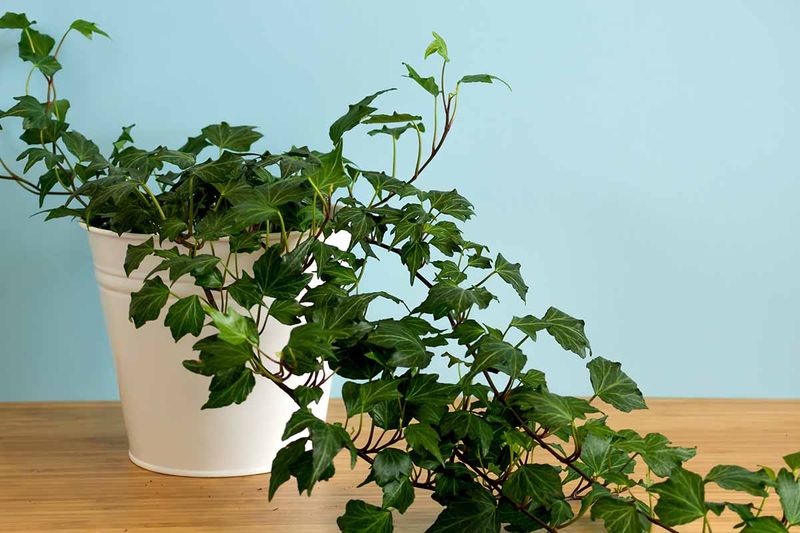
English ivy creates dramatic visual impact with its trailing vines covered in small, lobed leaves that cascade gracefully from hanging baskets or high shelves.
This classic plant has adorned homes for centuries, valued for its ability to soften hard edges and bring natural beauty to indoor spaces.
The vines can grow several feet long, creating a living curtain effect that adds privacy and greenery to your North Carolina bathroom.
Humidity is essential for keeping English ivy healthy indoors, as dry air causes the leaves to brown and become crispy.
Your shower’s steam provides the perfect moisture levels that keep ivy looking lush and vibrant.
This makes bathrooms one of the best locations for growing ivy indoors, far better than living rooms or bedrooms where humidity typically stays lower.
English ivy prefers bright, indirect light but tolerates moderate shade reasonably well, making it adaptable to various bathroom lighting situations.
Too much direct sun can bleach the leaves and cause scorching, while too little light results in leggy growth with sparse foliage.
A bathroom with a frosted or curtained window typically provides ideal conditions.
Water your ivy when the top inch of soil feels dry, which might mean watering twice weekly during warmer months and less frequently in winter.
The plant appreciates consistent moisture but won’t tolerate soggy soil that leads to root problems.
Well-draining potting mix is essential for preventing water-related issues.
One remarkable quality of English ivy is its air-purifying ability, particularly its effectiveness at removing airborne mold spores.
This makes it especially valuable in bathrooms where moisture can encourage mold growth.
Regular pruning keeps ivy full and bushy rather than sparse and stringy.
Throughout North Carolina, ivy remains attractive year-round indoors, providing constant greenery that brightens your daily routine.