The Mistake Wisconsin Gardeners Keep Making When Overwintering Plants (And How To Avoid It)
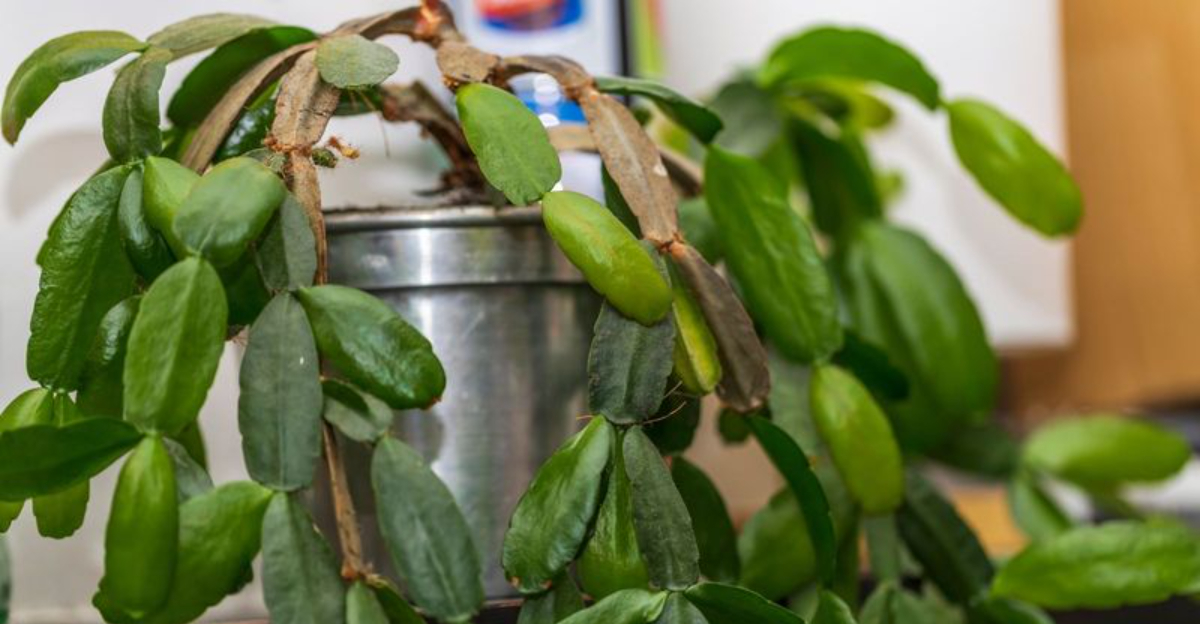
Cold hits Wisconsin fast, and many plants face a long sleep indoors.
Each fall, gardeners haul pots inside and expect success, yet trouble sneaks in.
Leaves fade, stems sag, and hope slips away.
One repeat error sits at the root of this loss.
Too much care at the wrong time turns help into harm.
Water pools, light falls short, and plants lose strength instead of rest.
Overwinter success calls for restraint, not fuss.
Plants need cool air, dry soil, and patience to ride out the dark stretch.
Miss that balance, and spring arrives with bare pots and regret.
A small shift flips the script and saves favorites year after year.
Spot the mistake early, act with purpose, and winter stops feel like a gamble.
With clear steps, Wisconsin gardeners keep plants sound, steady, and ready for a strong return once warmth finds the yard again each year.
Why Overwatering Is The Biggest Winter Killer Of Plants
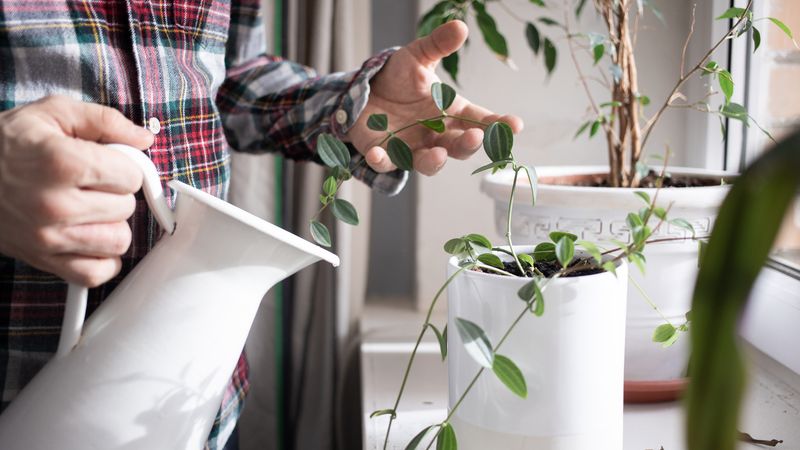
Roots need oxygen just as much as they need water to survive and thrive.
When soil stays too wet for too long, air pockets disappear and roots start to suffocate.
This problem gets worse in winter because plants grow much slower and use far less water than during active growing seasons.
Wisconsin gardeners often continue their summer watering schedule without realizing their plants have entered a rest phase.
Soggy soil creates the perfect environment for harmful fungi and bacteria that attack weakened roots.
Once root rot begins, it spreads quickly through the root system.
Plants cannot absorb nutrients or water properly when their roots are damaged.
Leaves may turn yellow, brown, or mushy even though the soil feels wet.
Many gardeners mistakenly add more water when they see drooping leaves, making the situation even worse.
Prevention works much better than trying to save a plant after root rot has taken hold.
Checking soil moisture before watering saves more overwintering plants than any other single action.
Your finger pushed two inches deep into the soil tells you everything you need to know about when to water next.
How Cold Temperatures Slow Plant Water Use
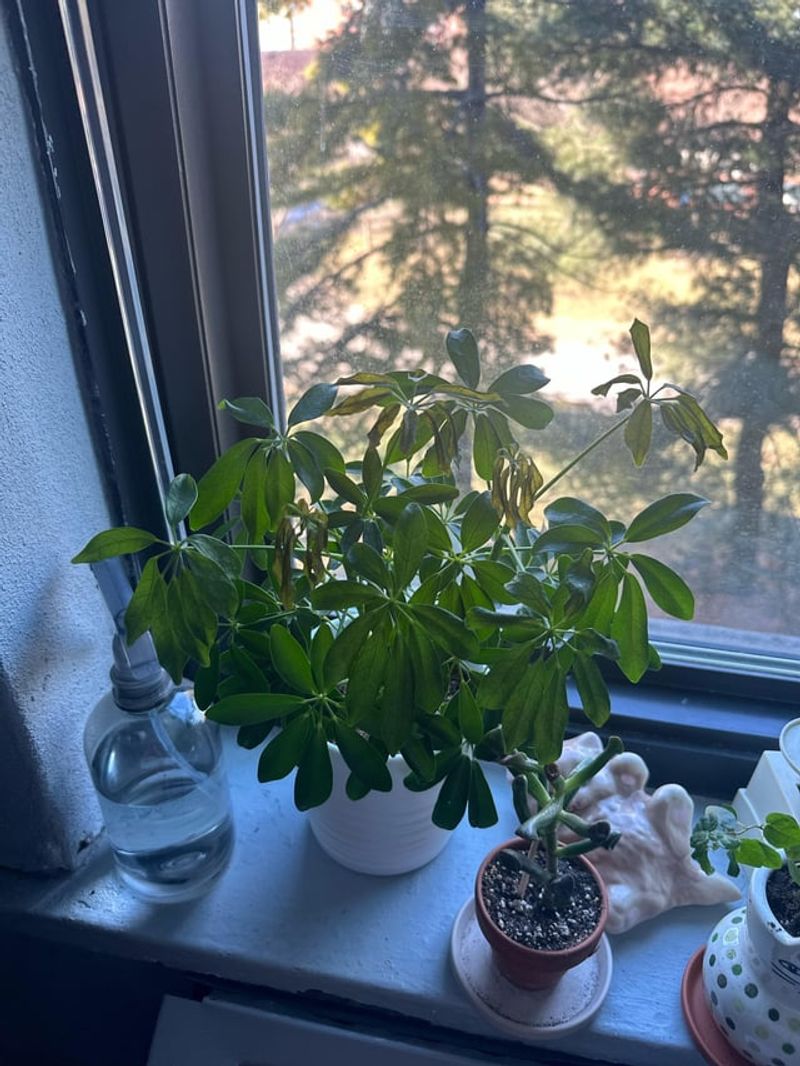
Plant metabolism drops dramatically when temperatures fall below what they experience during warm growing months.
Cooler air and shorter daylight hours signal plants to slow down their internal processes.
Photosynthesis happens at a much reduced rate, which means plants create less energy and grow minimally or not at all.
Water moves through plant tissues much more slowly when metabolic activity decreases.
A plant that needed water every few days in July might only need it once every two or three weeks in January.
Wisconsin homes often have lower humidity during winter, which can confuse gardeners into thinking plants need more frequent watering.
However, the rate at which soil dries out matters less than how quickly plants actually use that moisture.
Evaporation from the soil surface is not the same as water uptake by roots.
Temperature directly affects how fast roots can absorb water and transport it upward.
Cold roots work slowly and cannot handle large amounts of water.
Your Wisconsin Garden Changes Every Week. Your Plan Should Too.
Gardening in Wisconsin changes quickly throughout the season. Every Friday you’ll receive a simple weekly plan showing exactly what to plant, prune, fertilize, harvest, and protect so you never miss the right timing.
Matching your watering schedule to the actual temperature conditions helps plants stay healthy throughout the coldest months.
Signs Your Overwintering Plants Are Getting Too Much Water
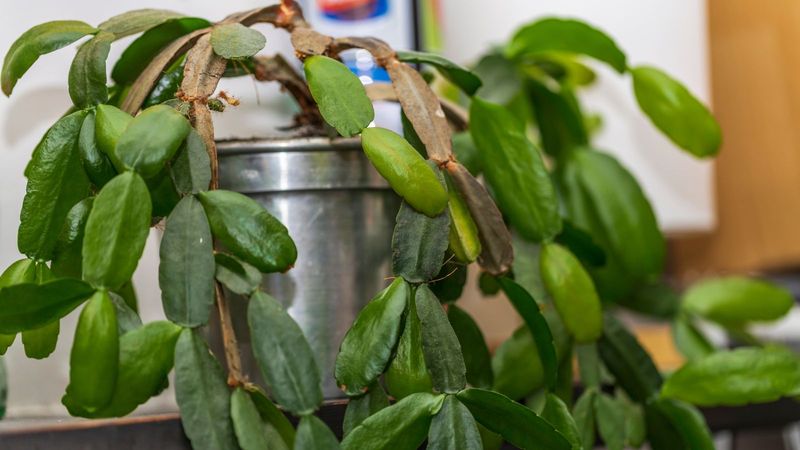
Recognizing overwatering symptoms early can save your plants from serious damage.
Yellowing leaves that feel soft or mushy often indicate too much moisture at the roots.
Brown leaf tips and edges can result from either too little or too much water, so check the soil carefully.
When overwatering causes problems, soil will feel constantly damp or even soggy several inches below the surface.
A sour or musty smell coming from the pot suggests that roots are starting to rot in waterlogged conditions.
Leaves may droop or wilt even though the soil feels wet to the touch.
New growth might look weak, pale, or stunted compared to healthy growth from previous seasons.
Mold or fungus growing on the soil surface shows that conditions are too wet for too long.
Some plants develop dark, water-soaked spots on their stems near the soil line.
Pots that feel unusually heavy for their size probably contain too much water.
Roots visible through drainage holes may appear brown, black, or slimy rather than white or tan.
Catching these warning signs quickly allows you to adjust your care routine before permanent damage occurs.
Why Dormant Plants Need Far Less Moisture

Dormancy is a natural survival strategy that many plants use to conserve energy during unfavorable conditions.
Growth stops almost completely, and plants focus only on maintaining basic life functions.
Tropical and subtropical plants often enter a rest period when brought indoors for Wisconsin winters.
During dormancy, plants shed some leaves or stop producing new growth entirely.
Water needs drop by half or even more compared to active growing periods.
Roots remain alive but function at minimal levels, taking up only tiny amounts of moisture.
Providing too much water to dormant plants forces them to sit in wet soil their roots cannot process.
This creates stress and opens the door to diseases that would not affect actively growing plants.
Some plants, like geraniums and fuchsias, prefer to go nearly dry during their winter rest.
Others, such as ferns and African violets, need slightly moist soil but never soggy conditions.
Research the specific dormancy requirements for each type of plant in your collection.
Respecting natural rest periods keeps plants strong and ready to grow vigorously when spring warmth returns.
The Right Way To Adjust Watering For Winter Conditions
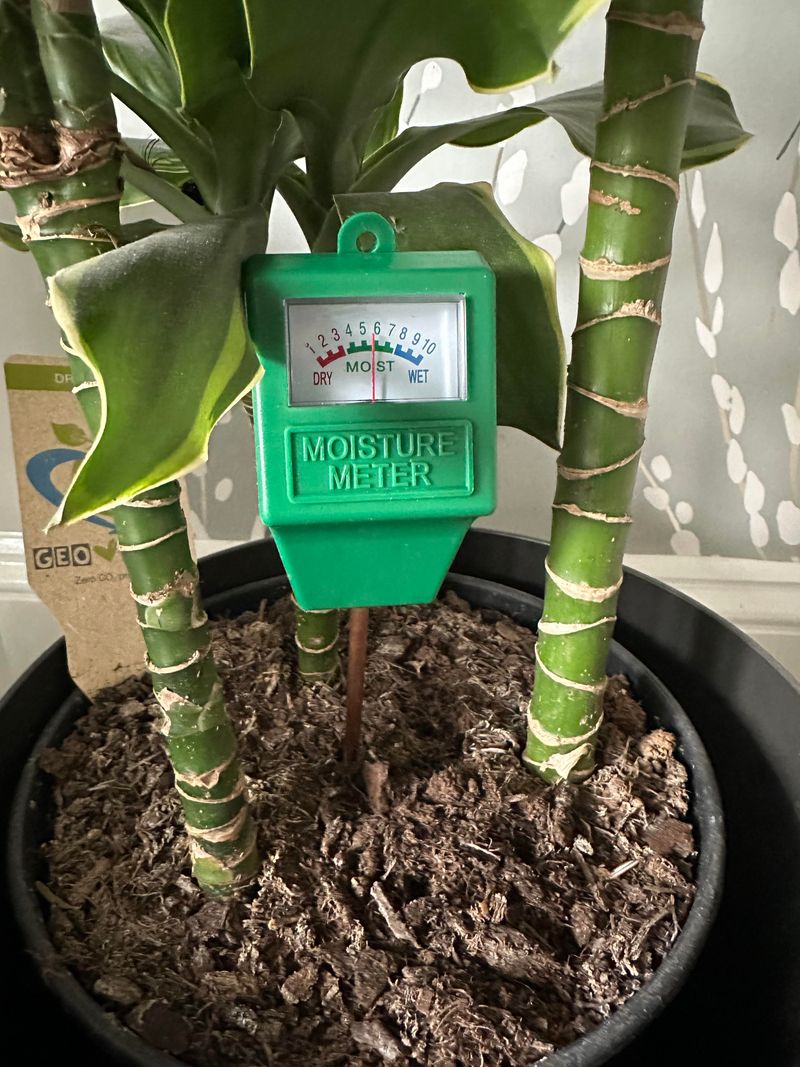
Successful winter plant care starts with abandoning fixed watering schedules.
Instead of watering every week on the same day, check each plant individually before adding any moisture.
Stick your finger about two inches into the soil to feel if it is dry, slightly damp, or wet.
Most plants should dry out in the top two inches before receiving more water during winter months.
Use room-temperature water rather than cold tap water straight from the faucet.
Cold water shocks roots and can cause additional stress to plants already coping with winter conditions.
Water thoroughly when you do water, allowing excess to drain completely from the bottom of the pot.
Never let plants sit in saucers filled with standing water.
Empty drainage trays fifteen minutes after watering to prevent roots from reabsorbing excess moisture.
Reduce watering frequency gradually as temperatures drop and daylight hours shorten in late fall.
Some plants may only need water once every two to three weeks during the coldest part of winter.
Keep notes about which plants need more or less water to improve your care routine each year.
How Pot Size And Drainage Affect Winter Survival
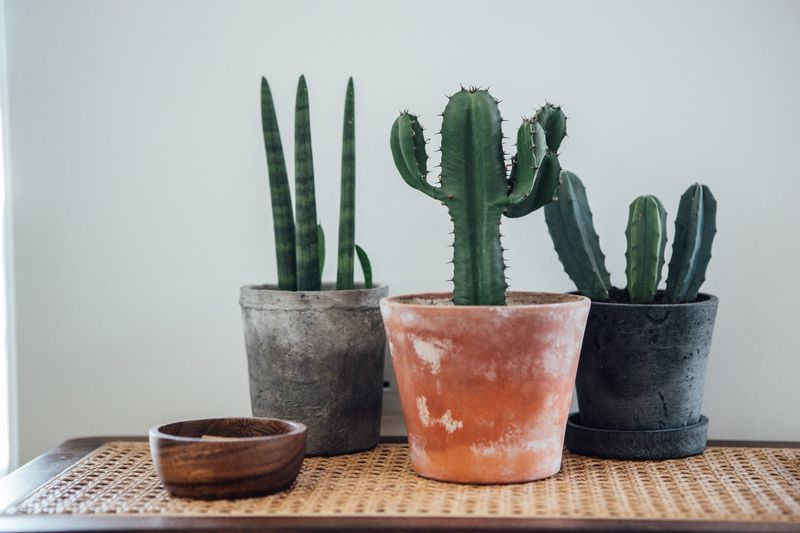
Container choice plays a huge role in preventing winter overwatering problems.
Pots that are too large for the plant hold excess soil that stays wet long after roots have taken what they need.
Right-sized containers allow soil to dry out at a rate that matches the plant’s water uptake.
Drainage holes are absolutely essential for overwintering success.
Pots without drainage holes trap water at the bottom, creating a swamp environment that roots cannot tolerate.
Clay and terracotta pots dry out faster than plastic or ceramic containers.
This can be helpful during winter when slower drying times increase overwatering risk.
However, some plants prefer the moisture retention that plastic pots provide.
Match container material to each plant’s specific needs and your watering habits.
Add a layer of pebbles or broken pottery pieces at the bottom of pots to improve drainage.
Use well-draining potting mix rather than dense garden soil that holds water too long.
Repot plants into appropriately sized containers before bringing them indoors for winter if needed.
Good drainage gives you a safety margin if you accidentally water a bit too much.
Simple Steps To Keep Roots Healthy Until Spring
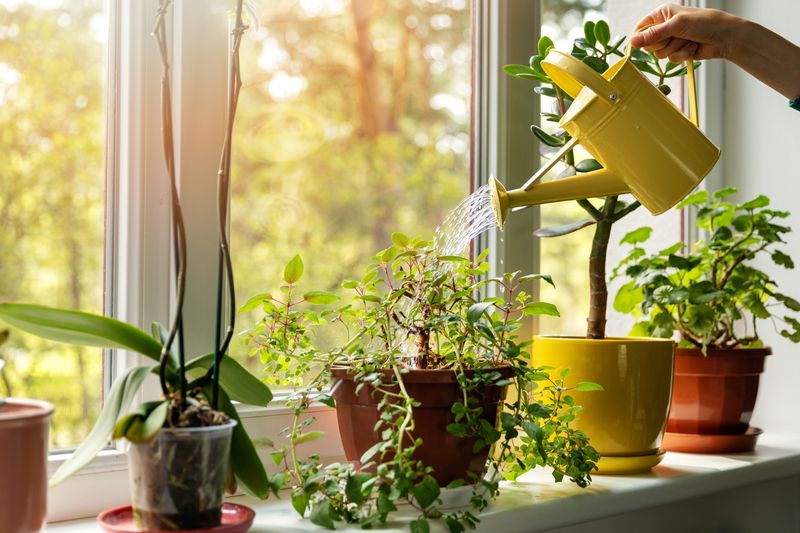
Root health determines whether plants survive winter and thrive when growing season returns.
Start by choosing the right location for overwintering plants in your Wisconsin home.
Bright indirect light near windows works well for most species, but avoid cold drafts from poorly sealed windows.
Maintain consistent temperatures between 60 and 70 degrees Fahrenheit for most tropical houseplants.
Group plants with similar water and light needs together to simplify care routines.
Monitor humidity levels, as Wisconsin winter air becomes very dry when heating systems run constantly.
Place plants on trays filled with pebbles and a small amount of water to increase local humidity without wetting roots.
Inspect plants regularly for early signs of stress or disease.
Remove any fallen leaves from pot surfaces to prevent mold growth.
Hold off on fertilizing during winter months, as dormant plants cannot use extra nutrients.
Rotate pots occasionally to ensure all sides receive equal light exposure.
Prune only damaged or diseased growth, saving major trimming for spring.
Patience and observation matter more than active intervention during the winter rest period.