15 Yard Features That Could Soon Be Banned Across Virginia Neighborhoods
Across Virginia, the rules of the yard are quietly changing—and some familiar features may soon be on borrowed time.
What was once considered personal property is increasingly becoming a neighborhood concern, as HOAs and local governments tighten regulations around safety, water use, and environmental impact.
From structures that pose liability risks to features blamed for drainage issues or wildlife conflicts, certain yard elements are drawing unwanted attention.
Many homeowners are caught off guard, assuming long-standing features are grandfathered in, only to learn that new ordinances don’t always play favorites.
Understanding which yard features are under scrutiny now gives Virginia residents a chance to stay ahead of the curve.
Because when regulations change, they rarely do so overnight—and waiting until enforcement begins can turn a simple yard choice into a costly mistake.
1. Gas-Powered Leaf Blowers

Noise complaints have turned gas-powered leaf blowers into public enemy number one in many Virginia communities.
These machines can reach decibel levels comparable to a chainsaw, disrupting peaceful mornings and quiet afternoons throughout residential areas.
Local governments are taking notice, with several municipalities already implementing time restrictions or outright bans on their use during certain hours.
Beyond the noise issue, emissions from gas-powered blowers contribute significantly to air pollution.
A single hour of operation can produce as much smog-forming pollution as driving a modern car for hundreds of miles.
This environmental impact has caught the attention of air-quality regulators across the state.
Battery-powered alternatives have improved dramatically in recent years, offering comparable performance without the noise and fumes.
Many landscaping companies are making the switch voluntarily, recognizing the benefits for both workers and clients.
Virginia homeowners should expect more neighborhoods to follow suit with restrictions.
Some communities have already established quiet zones where gas-powered equipment is prohibited entirely.
Others are considering permits that limit usage to specific days or times.
The trend suggests that the familiar roar of leaf blowers may soon become a thing of the past in Virginia suburbs.
2. High-Water-Use Turf Grass Lawns
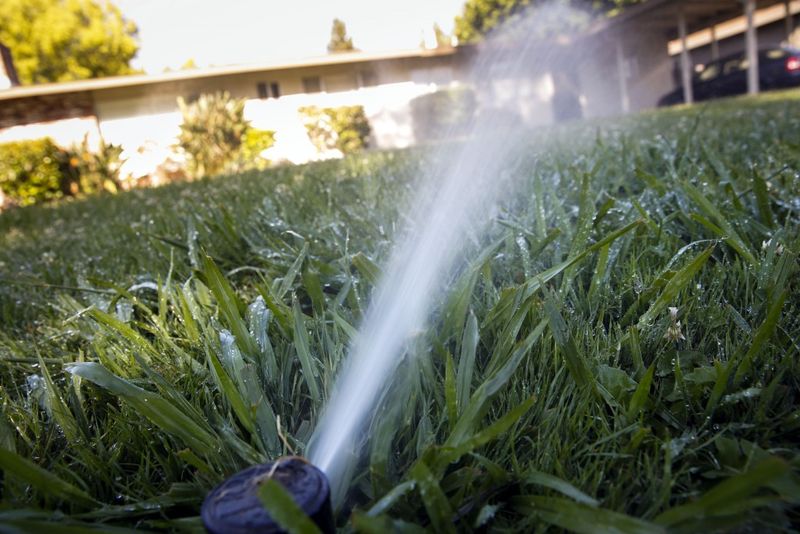
Traditional lawns might seem like an American staple, but their environmental cost is prompting Virginia officials to reconsider their place in modern landscaping.
A typical turf grass lawn requires thousands of gallons of water annually, straining municipal water supplies during dry seasons.
This consumption becomes especially problematic as climate patterns shift and droughts become more common across the region.
Fertilizer runoff from lawns presents another serious concern for Virginia’s waterways.
Chemicals wash into storm drains and eventually reach the Chesapeake Bay, contributing to algae blooms and harming aquatic ecosystems.
State environmental agencies have documented the connection between residential lawn care and water quality problems.
Several Virginia municipalities are exploring incentive programs to encourage homeowners to replace thirsty turf with native plants or drought-tolerant alternatives.
These replacement landscapes require less maintenance, support local wildlife, and dramatically reduce water consumption.
Some communities may eventually mandate water-wise landscaping for new construction or major renovations.
Clover lawns, native groundcovers, and meadow-style plantings offer attractive alternatives that align with sustainability goals.
Your Virginia Garden Changes Every Week. Your Plan Should Too.
Gardening in Virginia changes quickly throughout the season. Every Friday you’ll receive a simple weekly plan showing exactly what to plant, prune, fertilize, harvest, and protect so you never miss the right timing.
Homeowners who transition early may avoid future mandates while enjoying lower water bills.
The shift away from traditional lawns represents a fundamental change in how Virginians approach residential landscaping.
3. Invasive Plant Species
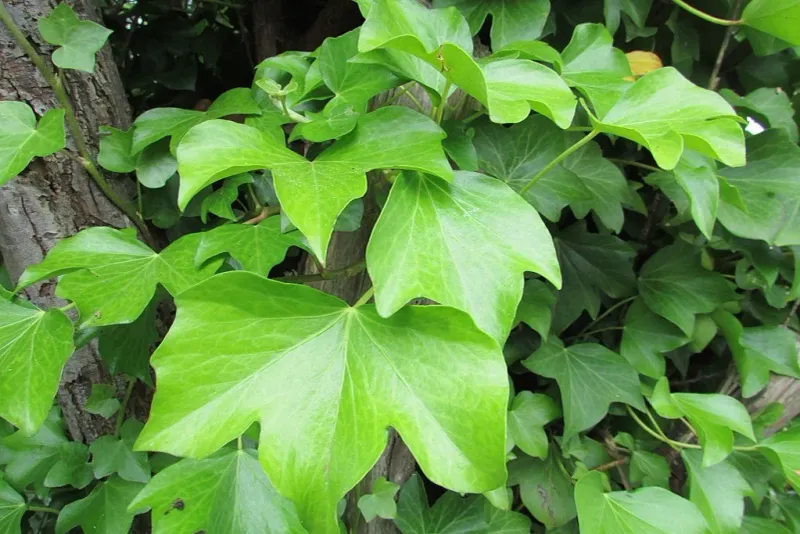
English ivy might look charming climbing up trees and fences, but this aggressive invader is wreaking havoc on Virginia’s native ecosystems.
The state has already issued warnings about several invasive species, including Japanese honeysuckle and Bradford pear trees, which outcompete native plants and disrupt wildlife habitats.
These plants spread rapidly, escaping yards and colonizing natural areas where they crowd out species that local birds and insects depend on for survival.
Bradford pear trees have become particularly controversial despite their popularity as ornamental plantings.
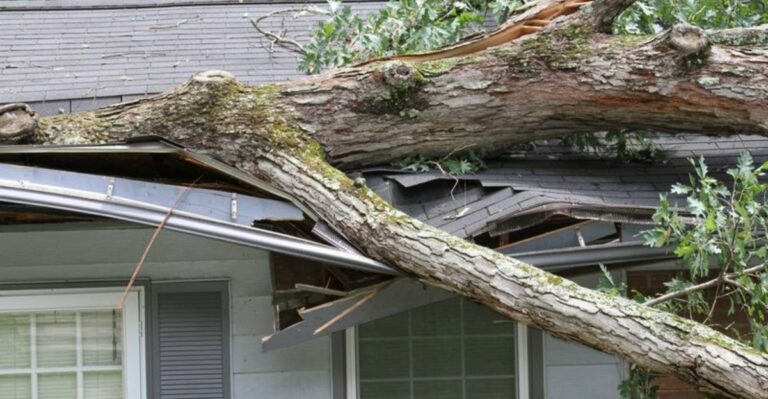
Their weak branch structure causes frequent storm damage, and their ability to spread into wild areas has earned them a place on Virginia’s invasive species list.
Some localities are already prohibiting their sale and planting.
Japanese honeysuckle creates dense thickets that smother native vegetation and reduce biodiversity.
English ivy damages tree bark and adds weight that increases storm vulnerability.
Both plants require significant effort to remove once established, making prevention through planting restrictions the most practical approach.
Virginia homeowners may soon face requirements to remove existing invasive plants and replace them with native alternatives.
State extension services offer extensive lists of recommended native plants that provide beauty without ecological harm.
Forward-thinking gardeners are already making the switch, creating landscapes that support rather than damage local ecosystems.
4. Unpermitted Fire Pits And Outdoor Burning Areas

Backyard fire pits have surged in popularity as outdoor living spaces become extensions of the home.
However, these cozy gathering spots can pose serious safety risks when installed without proper permits or clearances.
Virginia fire codes require specific distances between fire features and structures, along with safety measures that many homeowners overlook.
Smoke from backyard fires frequently triggers complaints from neighbors, especially in densely populated subdivisions.
What feels like a pleasant evening by the fire for one family can mean closed windows and irritated eyes for those next door.
Local fire departments receive numerous calls about recreational fires, straining resources needed for actual emergencies.
Drought conditions and increased wildfire risk have made fire safety a higher priority across Virginia.
Many jurisdictions now require permits even for temporary fire pits, and some ban outdoor burning entirely during dry periods.
Enforcement has become stricter as officials recognize the potential for recreational fires to escape control.
Homeowners planning fire features should check local regulations before installation and always maintain proper clearances from buildings, trees, and property lines.
Gas-powered fire tables offer a lower-risk alternative that typically faces fewer restrictions.
As neighborhoods become denser and fire risk awareness grows, expect regulations around outdoor burning to become more stringent.
Communities prioritize safety over ambiance when these concerns conflict.
5. Artificial Turf In Residential Yards
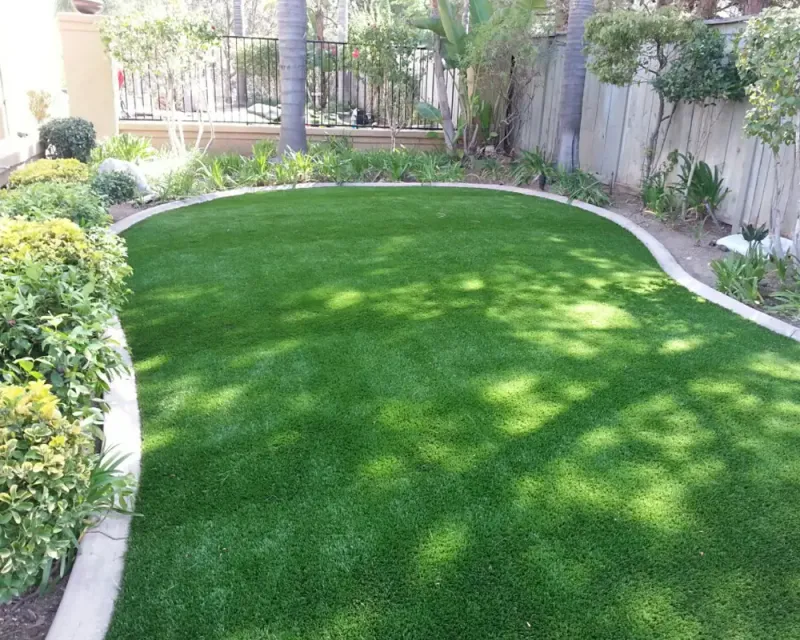
Artificial turf seems like a practical solution to lawn maintenance challenges, but environmental concerns are prompting second thoughts across Virginia.
These synthetic surfaces can reach scorching temperatures during summer months, creating heat islands that make yards uncomfortable and contribute to neighborhood warming.
Surface temperatures on artificial turf can exceed 150 degrees Fahrenheit on hot days, far higher than natural grass.
Microplastic pollution from artificial turf has emerged as a significant environmental issue.
The tiny rubber and plastic particles that give synthetic grass its cushioning break down over time and wash into storm drains.
These microplastics eventually reach waterways, where they harm aquatic life and persist in the environment indefinitely.
Stormwater management presents another challenge with artificial turf installations.
Unlike natural grass, synthetic surfaces don’t absorb rainwater, increasing runoff that can overwhelm drainage systems and contribute to flooding.
This concern has particular relevance in Virginia communities working to meet Chesapeake Bay protection requirements.
Some homeowners associations and municipalities are reconsidering artificial turf approvals based on these environmental impacts.
Native plant alternatives offer water savings without the heat, microplastic, and runoff problems associated with synthetic surfaces.
While artificial turf won’t disappear overnight, expect growing restrictions on its use.
Communities increasingly recognize that what appears low-maintenance may carry hidden costs for neighborhoods and the environment.
6. Large Decorative Gravel Or Rock Yards
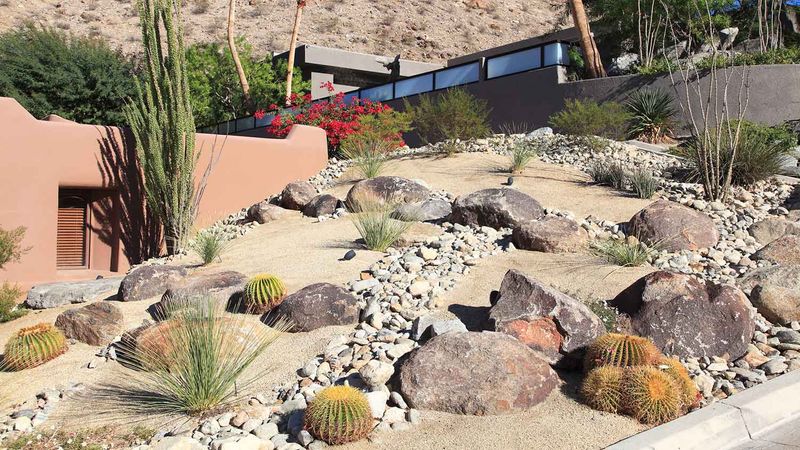
Gravel landscapes offer a low-maintenance alternative to traditional lawns, but their environmental drawbacks are catching up with them.
Extensive rock and gravel yards absorb and radiate heat, contributing to the urban heat island effect that makes neighborhoods uncomfortably warm.
During summer months, these surfaces can become hot enough to burn bare feet and significantly raise ambient temperatures around homes.
Stormwater runoff increases dramatically when yards are covered with impervious gravel rather than vegetation.
Rainwater that would normally be absorbed by plants and soil instead rushes across rock surfaces, picking up pollutants and overwhelming drainage systems.
This runoff contributes to erosion and water quality problems that affect entire communities.
Many homeowners associations initially welcomed gravel yards as tidy, water-saving alternatives to grass.
However, the aesthetic and environmental concerns have led to policy reversals in numerous Virginia communities.
Some neighborhoods now limit the percentage of yard area that can be covered with hardscape materials.
Native plant gardens with mulched pathways provide similar low-maintenance benefits without the heat and runoff issues.
These alternatives support pollinators, reduce neighborhood temperatures, and manage stormwater effectively.
Homeowners with existing gravel yards may face pressure to transition to more sustainable landscaping.
The trend suggests that extensive rock landscapes will become less acceptable in residential settings as communities prioritize environmental performance over convenience.
7. Freestanding Fences Exceeding Height Limits
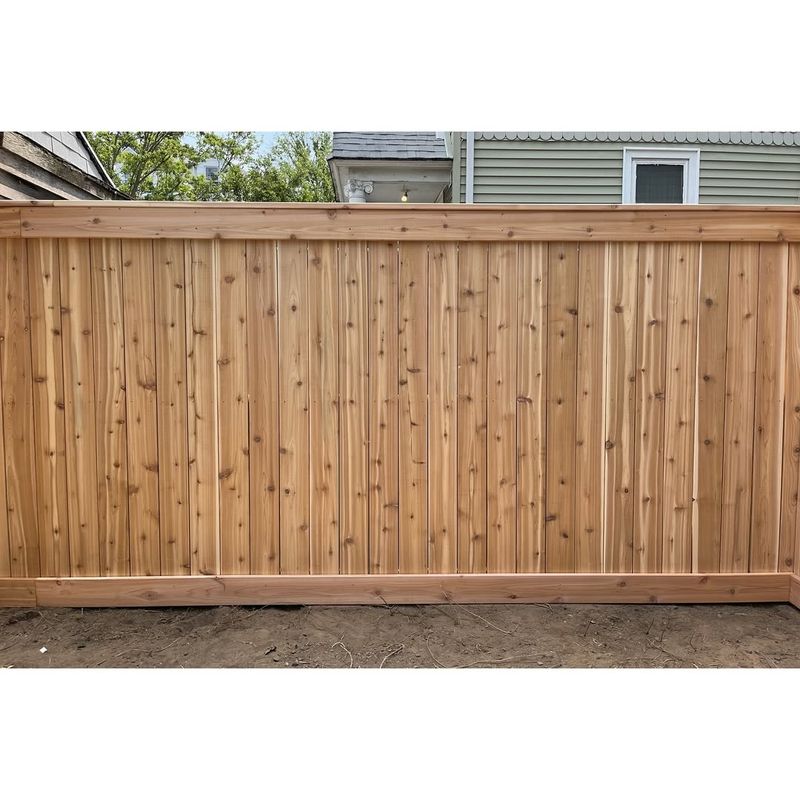
Privacy fences offer seclusion, but overly tall barriers are increasingly viewed as problematic in Virginia neighborhoods.
Zoning regulations traditionally limited fence heights to maintain sight lines at intersections and preserve community aesthetics.
However, enforcement has become stricter as officials recognize safety concerns associated with excessively tall or solid fencing.
Visibility at street corners and driveway exits becomes dangerously compromised when tall fences block sight lines.
Drivers pulling out of driveways or approaching intersections need clear views of approaching traffic and pedestrians.
Fences that exceed height limits create blind spots that increase accident risk, particularly in neighborhoods with children and pets.
Aesthetic considerations also drive fence regulations as communities work to maintain property values and neighborhood character.
Fortress-like barriers can make streets feel unwelcoming and may negatively impact adjacent properties.
Many homeowners associations have specific guidelines about fence materials, styles, and heights to ensure visual harmony.
Virginia municipalities are updating zoning codes to address fence issues more comprehensively.
Some communities now require permits for all fences, not just those exceeding certain heights.
Homeowners planning fence installations should verify local regulations before construction begins.
Existing fences that violate current codes may be grandfathered temporarily, but expect enforcement to increase.
Balancing privacy desires with community safety and aesthetics remains an ongoing challenge in evolving suburban neighborhoods.
8. Outdoor Lighting That Causes Light Pollution
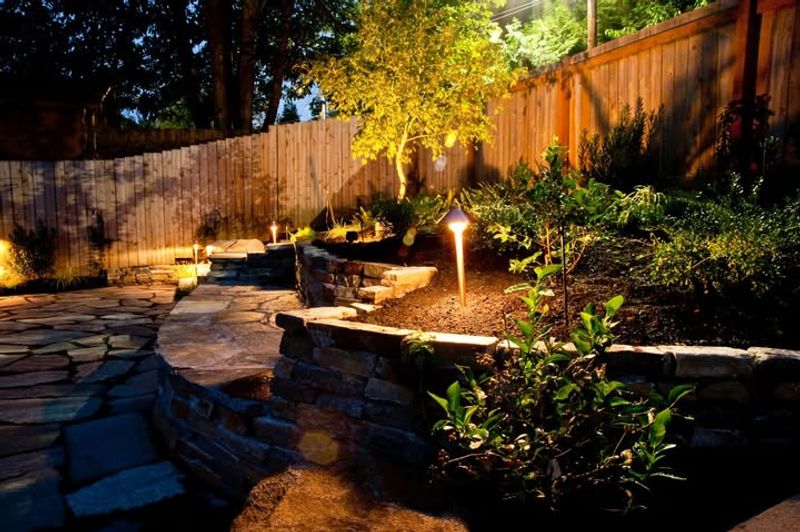
Bright security lights might make homeowners feel safer, but excessive outdoor lighting creates problems that extend far beyond individual properties.
Unshielded floodlights and overly bright fixtures disrupt wildlife patterns, particularly affecting birds and insects that rely on natural darkness for navigation and feeding.
Light pollution also interferes with astronomical observation and eliminates the ability to see stars from residential areas.
Neighbors bear the brunt of poorly designed outdoor lighting when bright fixtures shine directly into bedroom windows or illuminate adjacent yards.
Sleep disruption from light trespass has become a common complaint in Virginia neighborhoods.
What one homeowner considers essential security lighting may constitute a nuisance for everyone around them.
Dark-sky initiatives are gaining traction across Virginia as communities recognize the importance of preserving natural nighttime environments.
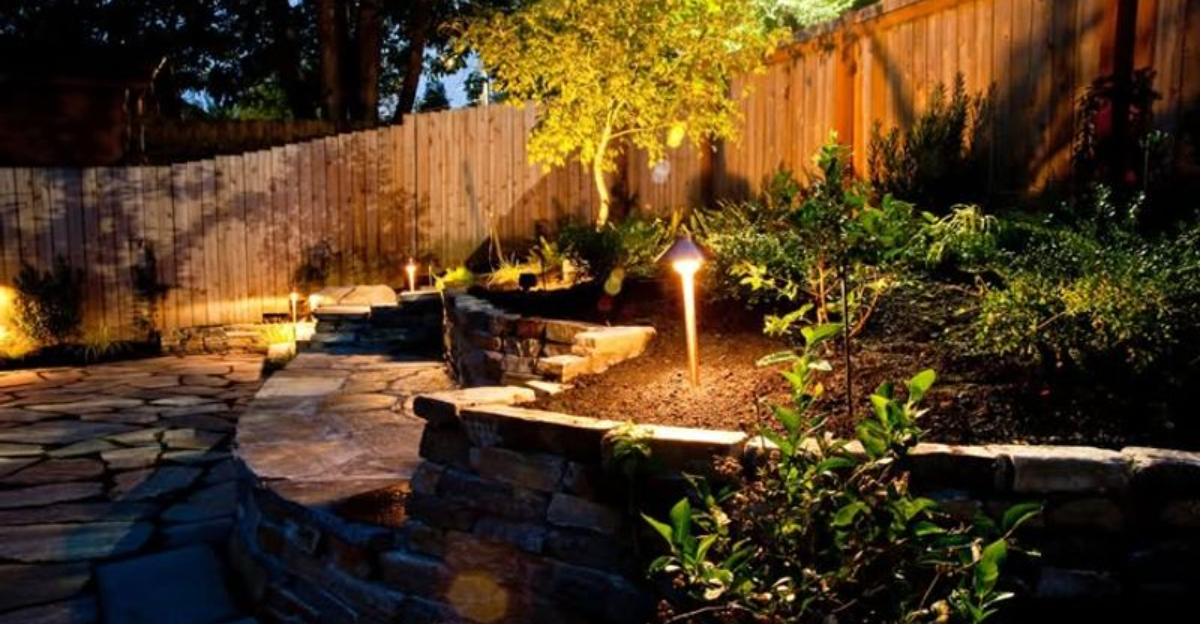
These programs encourage downward-facing, shielded fixtures that illuminate intended areas without spreading light pollution.
Motion-sensor lighting offers security benefits while minimizing unnecessary illumination.
Several Virginia localities are considering or have already adopted dark-sky-friendly lighting ordinances.
These regulations typically specify fixture types, brightness levels, and shielding requirements for new installations.
Existing problematic lighting may need to be modified to comply with updated standards.
Homeowners can stay ahead of regulations by choosing responsible lighting designs.
Effective security lighting doesn’t require flooding entire properties with harsh illumination that disturbs neighbors and wildlife.
9. Non-Native Shrubs Used As Privacy Screens
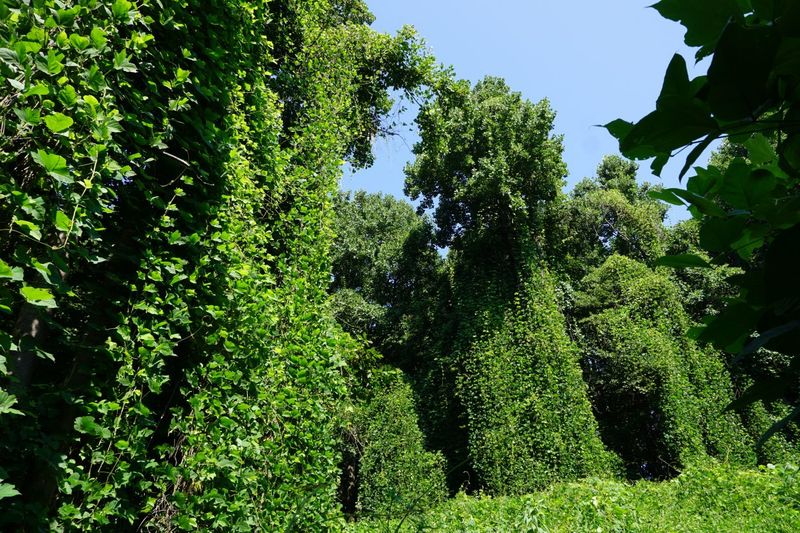
Fast-growing exotic shrubs have long been popular choices for quick privacy screens, but their ecological costs are prompting a shift toward native alternatives.
Species like Leyland cypress and burning bush provide rapid coverage but offer virtually nothing to local wildlife.
Birds and beneficial insects depend on native plants for food and habitat, making plant selection an important ecological decision.
Many non-native hedge plants become invasive over time, spreading beyond intended boundaries and displacing native vegetation.
Burning bush, for example, has escaped cultivation throughout Virginia and now threatens natural areas.
These plants require ongoing maintenance to control their spread and may eventually be prohibited entirely.
Native alternatives like American holly, Eastern red cedar, and inkberry provide excellent privacy screening while supporting local ecosystems.
These plants offer berries for birds, host insects that feed other wildlife, and require less maintenance once established.
They’re also better adapted to Virginia’s climate and soil conditions.
Virginia extension services and native plant societies offer extensive resources for homeowners seeking privacy screening options.
Some municipalities are beginning to incentivize or require native plant use in new landscaping.
Existing non-native hedges may not face immediate removal requirements, but replacement with natives makes ecological and regulatory sense.
The transition toward native privacy screens reflects growing awareness that landscaping choices have environmental consequences.
Beautiful boundaries can support rather than harm local wildlife.
10. Improperly Managed Compost Piles

Composting represents an excellent environmental practice, but poorly managed piles can create significant problems for neighborhoods.
Open compost heaps that aren’t properly maintained attract rats, raccoons, and other pests that become nuisances for entire blocks.
Food waste in particular draws unwanted visitors when not managed correctly through proper burial or containment.
Odor complaints frequently arise from compost piles that become anaerobic due to excessive moisture or insufficient turning.
The resulting smell can make adjacent yards unusable and strain neighbor relations.
What starts as an eco-friendly initiative can quickly become a code violation if not properly executed.
Virginia health departments have authority to address compost piles that violate sanitation codes.
Many localities require enclosed composting systems rather than open piles, especially in denser neighborhoods.
Proper composting techniques prevent both pest and odor problems while producing valuable soil amendments.
Enclosed tumbler systems or well-designed three-bin setups allow effective composting without creating nuisances.
These systems keep materials contained, facilitate proper aeration, and prevent pest access.
Many communities offer composting workshops to help residents compost successfully.
Homeowners committed to composting should invest in proper systems and learn correct techniques.
Regulations around residential composting are likely to become more specific as the practice grows in popularity.
Responsible composting benefits everyone, while poorly managed piles justify the restrictions some neighborhoods are considering.
11. Backyard Chickens Without Permits
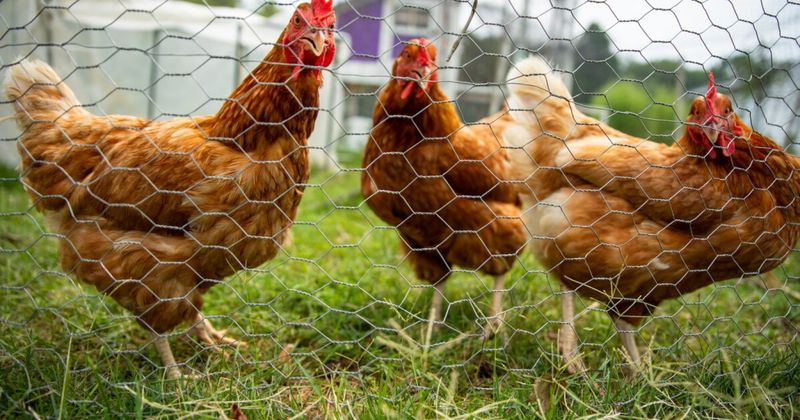
Urban chicken-keeping has exploded in popularity, but Virginia communities are establishing stricter regulations around backyard poultry.
Noise from roosters tops the complaint list, though even hens can create disturbances with their egg-laying announcements and early-morning activity.
What seems charming to chicken owners can become irritating for neighbors who didn’t sign up for farm sounds in suburban settings.
Sanitation concerns drive much of the regulatory attention on backyard chickens.
Improperly maintained coops attract rodents and flies while generating odors that drift across property lines.
Chicken waste requires careful management to prevent health hazards and neighbor conflicts.
Zoning regulations vary dramatically across Virginia jurisdictions, with some allowing chickens freely while others prohibit them entirely.
Many communities require permits, limit flock sizes, mandate minimum distances from neighboring homes, and prohibit roosters.
Enforcement has increased as backyard chicken-keeping has grown more common.
Homeowners interested in keeping chickens should research local regulations thoroughly before acquiring birds.
Proper coop design, regular cleaning, and considerate flock management help prevent problems that lead to complaints.
Some neighborhoods that initially welcomed chickens are reconsidering as problems emerge.
The trend suggests that permits and regulations will become more common and specific.
Responsible chicken-keeping requires commitment to sanitation and noise control.
Communities increasingly recognize that backyard poultry needs oversight to protect quality of life for all residents.
12. Large Water Features That Encourage Mosquitoes
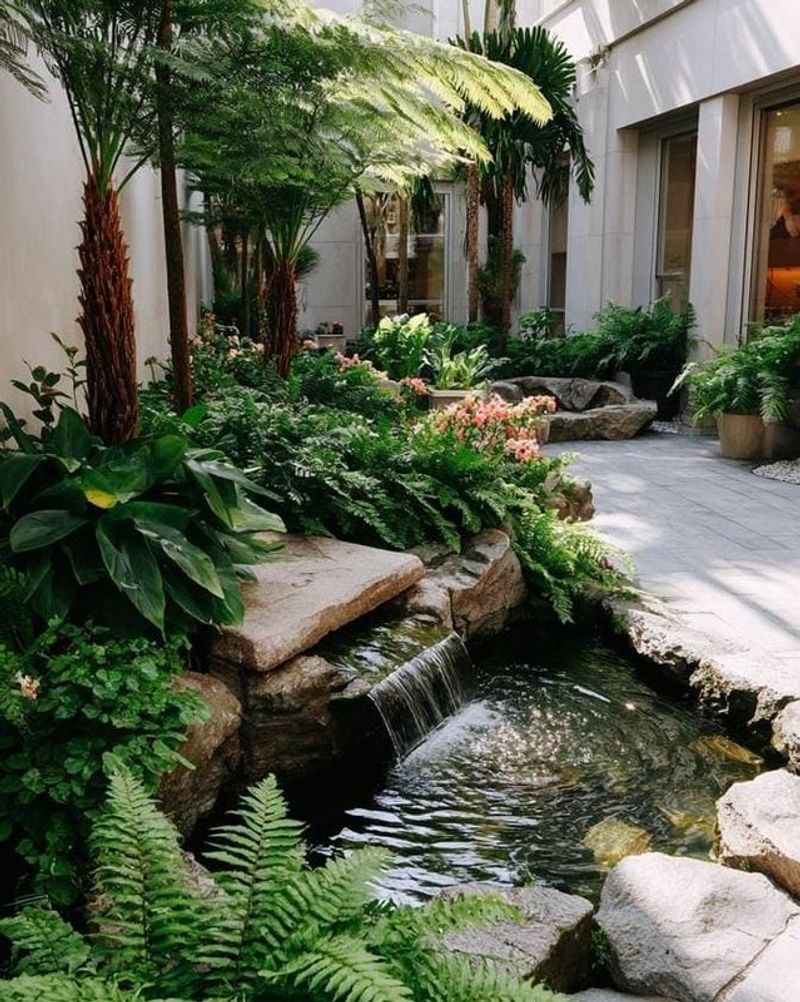
Decorative ponds and water features add beauty and tranquility to yards, but stagnant water creates ideal mosquito breeding habitat.
Female mosquitoes lay eggs in standing water, and without circulation or treatment, a single pond can produce thousands of biting insects weekly.
These mosquitoes don’t stay confined to the property where they breed, becoming a neighborhood-wide nuisance.
Public health concerns extend beyond itchy bites to disease transmission risks.
West Nile virus and other mosquito-borne illnesses occur in Virginia, making mosquito control a legitimate health priority.
Local health departments have authority to address properties that serve as mosquito breeding sites.
Water features with circulation systems, fountains, or regular water changes don’t typically create mosquito problems.
Fish like mosquito fish or goldfish consume mosquito larvae, providing natural control in ponds.
Regular maintenance prevents the stagnation that allows mosquito populations to explode.
Some Virginia communities are developing regulations specifically addressing ornamental water features.
These rules may require circulation systems, regular maintenance, or mosquito-control measures for ponds and fountains.
Homeowners with existing water features should ensure proper mosquito prevention.
Adding pumps, aerators, or appropriate fish populations addresses the problem while preserving the feature’s aesthetic value.
Beautiful water elements can coexist with mosquito control through thoughtful design and maintenance.
Expect regulations to become more specific as communities balance aesthetic desires with public health responsibilities.
13. Excessive Use Of Chemical Pesticides And Herbicides
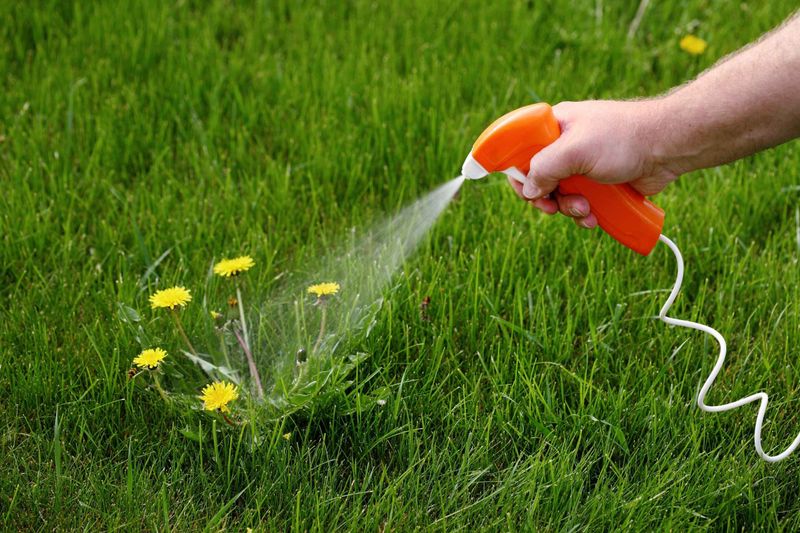
Chemical lawn treatments have been standard practice for decades, but growing concerns about pollinators, water quality, and human health are driving regulatory changes.
Pesticides and herbicides applied to residential lawns wash into storm drains during rain events, eventually reaching streams and the Chesapeake Bay.
These chemicals harm aquatic life and contribute to the water quality problems Virginia is working to address.
Pollinator decline has focused attention on residential pesticide use, particularly products containing neonicotinoids.
Bees, butterflies, and other beneficial insects suffer devastating effects from common lawn chemicals.
As awareness grows about pollinator importance, communities are reconsidering whether cosmetic lawn treatments justify their environmental cost.
Children and pets face direct exposure risks from treated lawns, raising health concerns that extend beyond environmental impacts.
Some studies link common lawn chemicals to health problems, though debates about risk levels continue.
Many homeowners are seeking organic alternatives that maintain attractive lawns without potential health hazards.
Several Virginia localities are exploring restrictions on residential pesticide use, particularly for purely cosmetic purposes.
Some communities already require notification signs when chemical treatments are applied.
The trend toward organic lawn care suggests that chemical restrictions will become more common.
Integrated pest management approaches offer effective alternatives that minimize chemical use.
Homeowners can transition to organic methods gradually, reducing dependence on synthetic products.
Expect regulations around residential chemical use to increase as environmental and health concerns drive policy changes.
14. Oversized Garden Structures Without Permits

Garden sheds, greenhouses, and pergolas enhance outdoor spaces, but oversized structures built without permits create multiple problems.
Zoning regulations exist for good reasons, including setback requirements that maintain fire safety distances and preserve neighbor sight lines.
Structures built too close to property lines can block light, create drainage issues, and impact adjacent properties negatively.
Unpermitted structures may violate building codes related to foundation, electrical, or structural safety.
What seems like a simple garden shed might actually require inspections to ensure it meets safety standards.
Homeowners who skip the permit process risk being required to remove structures or bring them into compliance at significant expense.
Property value and insurance issues arise from unpermitted structures.
Future home sales can be complicated when structures don’t appear on official records.
Insurance companies may refuse to cover damage to unpermitted buildings, leaving homeowners financially vulnerable.
Virginia municipalities are increasing enforcement around accessory structures as neighborhoods become denser.
What might have been overlooked in rural settings draws attention in suburban communities where structures affect multiple neighbors.
Size limits, setback requirements, and height restrictions typically apply to garden structures.
Homeowners planning sheds, greenhouses, or large pergolas should consult local zoning offices before construction.
The permit process protects both builders and neighbors by ensuring structures meet safety and placement standards.
Enforcement will likely continue increasing as communities prioritize orderly development and neighbor compatibility.
15. Yard Decorations That Obstruct Public Right-Of-Way
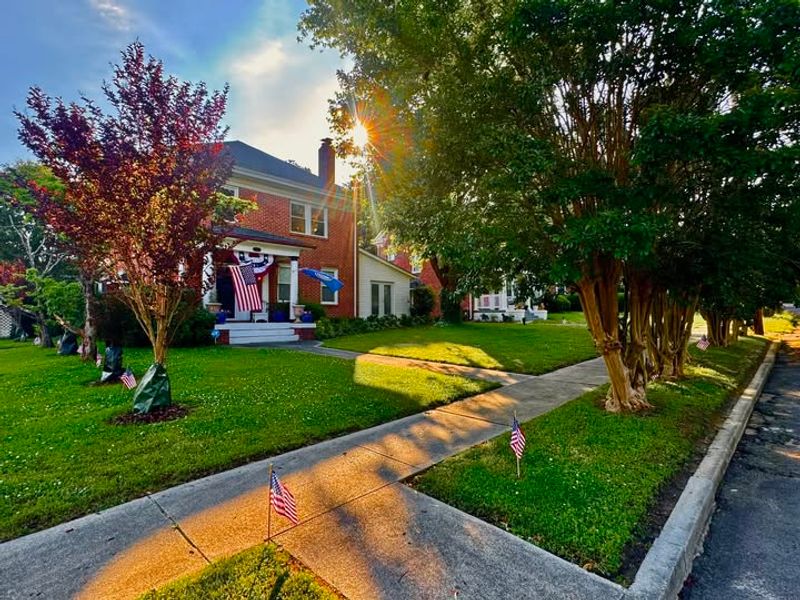
Enthusiastic gardeners sometimes extend plantings and decorations beyond property lines, creating accessibility and safety problems.
Sidewalks represent public right-of-way that must remain clear for pedestrian use, including those using wheelchairs, strollers, or mobility devices.
Planters, decorative features, or overgrown plants that narrow walkways violate accessibility requirements under federal and state law.
Visibility at intersections and driveways depends on keeping corners clear of obstructions.
Decorative elements placed in sight triangles create hazardous conditions for drivers and pedestrians.
Even attractive plantings become problems when they compromise safety by blocking views.
Many homeowners don’t realize they don’t own the strip between sidewalk and street, despite maintaining it.
This public right-of-way must remain accessible for utilities, pedestrians, and emergency access.
Permanent structures or plantings in these areas can be removed by municipalities without compensation.
Virginia communities are becoming more vigilant about right-of-way encroachments as accessibility awareness grows.
Americans with Disabilities Act compliance requires clear, unobstructed pedestrian paths.
Homeowners should ensure all decorations, plantings, and structures remain within private property boundaries.
Even temporary decorations like holiday displays must not obstruct sidewalks or sight lines.
Enforcement typically begins with warnings, but repeated violations can result in fines or municipal removal of obstructions.
Keeping decorations within property lines protects both homeowners and the public while maintaining neighborhood accessibility for everyone.