12 Watering Mistakes Ohio Gardeners Should Avoid When Caring For Mums This Fall
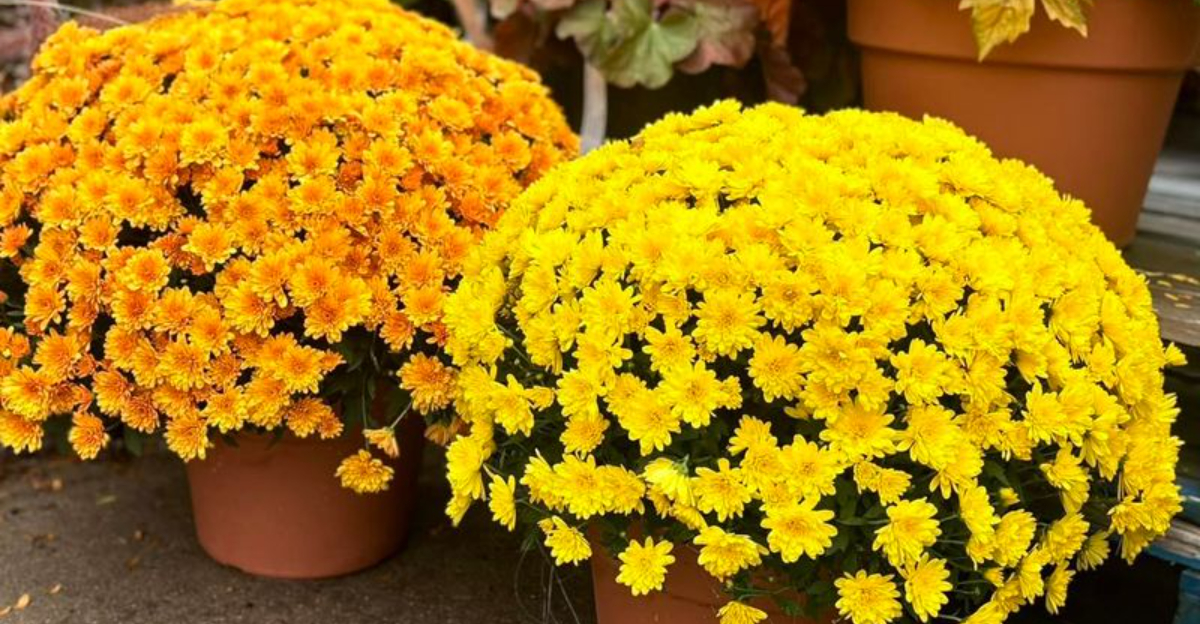
Fall mums are the crown jewels of Ohio autumn gardens—but improper watering can send them downhill fast.
Many gardeners assume cooler weather means less attention, only to watch healthy plants wilt, rot, or fail to return the following year.
Overwatering is just as dangerous as letting mums dry out, especially as temperatures fluctuate.
Poor drainage, inconsistent schedules, and watering at the wrong time of day can all weaken roots when plants should be storing energy for winter.
Ohio gardeners who understand fall watering habits give mums their best chance at survival and spring regrowth.
With a few simple adjustments, these seasonal showstoppers can stay vibrant longer—and sometimes come back stronger than expected.
1. Watering On A Fixed Schedule Instead Of Checking Soil
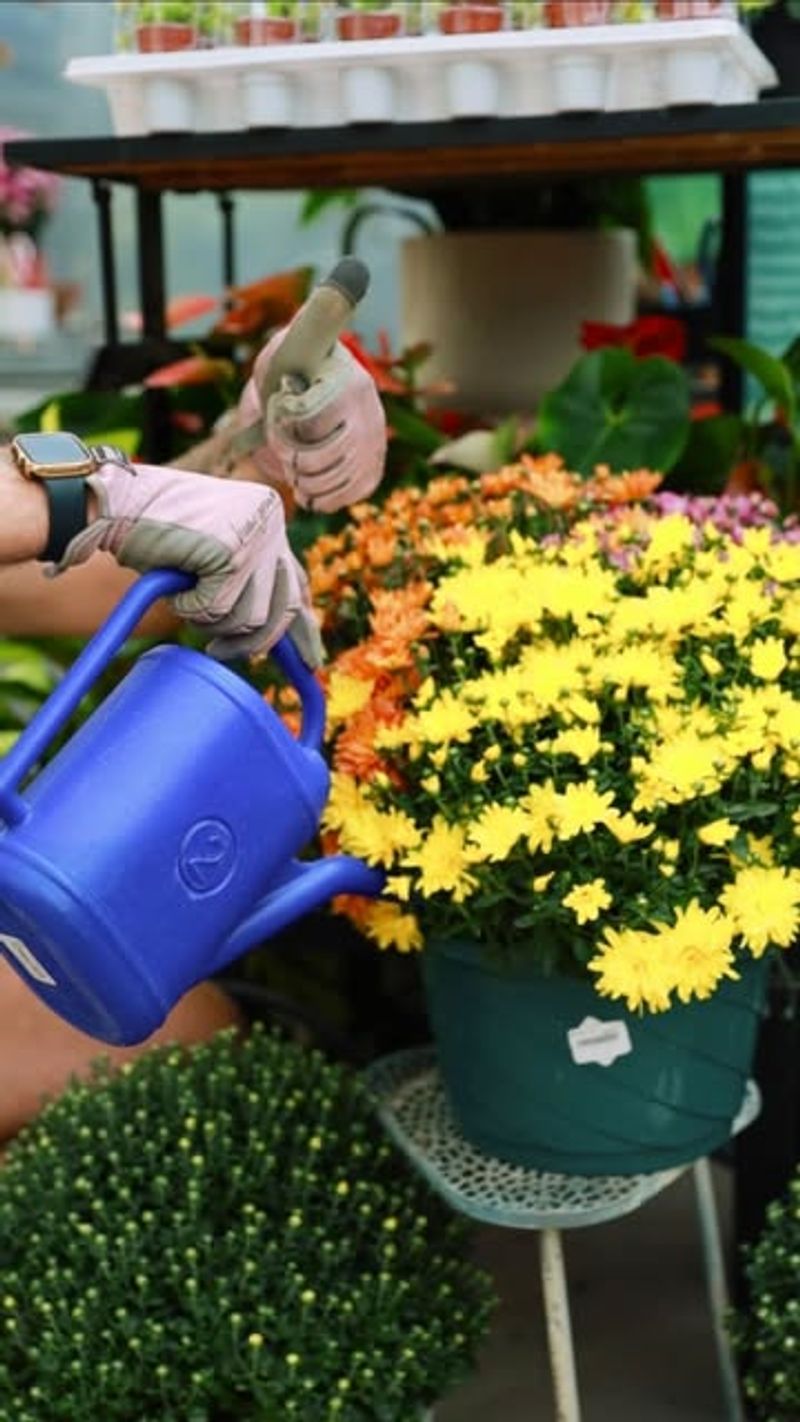
Ohio’s fall weather can be unpredictable, swinging from warm and sunny to cool and rainy within days.
When you water mums on a rigid schedule without checking soil conditions first, you risk either drowning the roots or leaving them parched.
Temperature shifts affect how quickly soil dries out, making a Monday-Wednesday-Friday routine completely unreliable.
The best approach involves sticking your finger about two inches into the soil near the plant base.
If it feels dry at that depth, your mums need water.
If it still feels moist or cool, wait another day and check again.
This simple test takes just seconds but prevents countless problems caused by guessing.
Overwatering leads to root rot, while underwatering stresses plants and shortens bloom time.
Fall winds can dry out containers faster than garden beds, so potted mums may need more frequent checks.
By responding to actual soil conditions rather than a calendar, you give your mums exactly what they need.
This flexible method works far better than any fixed schedule could, especially during Ohio’s changeable autumn climate.
Your plants will reward you with longer-lasting, more vibrant blooms when their water needs are met precisely.
2. Letting Mums Completely Dry Out

Mums develop shallow root systems that spread near the soil surface rather than diving deep.
This makes them especially vulnerable to drying out during Ohio’s breezy fall days.
When soil moisture disappears completely, those surface roots can’t access water, and the entire plant suffers quickly.
Wilting happens fast once the root zone dries out, and flowers lose their crisp appearance.
Petals may fade or drop earlier than they should, cutting short the beautiful display you worked to create.
Even if you water immediately after noticing wilting, the damage affects bloom longevity and overall plant vigor.
Wind is a sneaky moisture thief that pulls water from leaves and soil faster than you might expect.
Container-grown mums face even greater risk since pots dry out more rapidly than garden beds.
Checking soil every day or two during windy stretches helps you catch dryness before wilting starts.
Consistent moisture keeps roots healthy and blooms looking fresh throughout the season.
Your mums need enough water to maintain steady growth without the stress of repeated dry spells.
Prevention is much easier than recovery, so stay ahead of the watering game rather than playing catch-up after wilting begins.
Your Ohio Garden Changes Every Week. Your Plan Should Too.
Gardening in Ohio changes quickly throughout the season. Every Friday you’ll receive a simple weekly plan showing exactly what to plant, prune, fertilize, harvest, and protect so you never miss the right timing.
3. Overwatering During Cool, Cloudy Weather
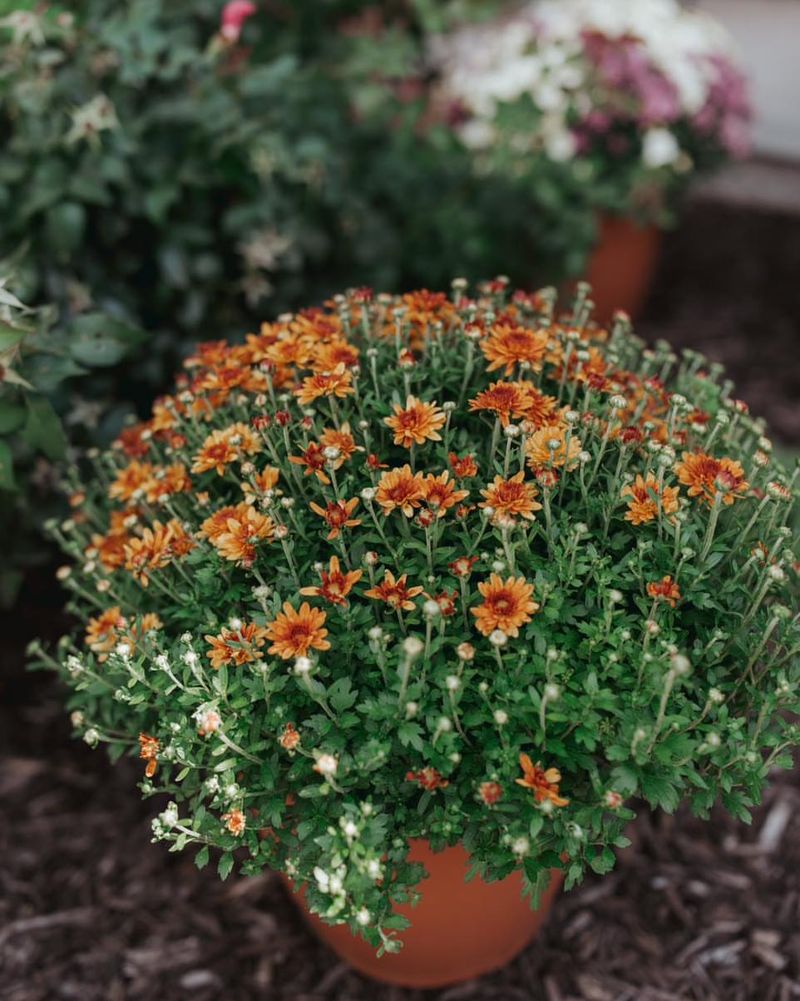
Cool temperatures and overcast skies slow down evaporation dramatically compared to warm, sunny days.
Many gardeners continue their usual watering routine without adjusting for these changes, leading to waterlogged soil.
When roots sit in soggy conditions for too long, they can’t get the oxygen they need to function properly.
Ohio’s fall weather often brings stretches of gray, cool days that reduce how much water plants actually use.
During these periods, mums need far less water than they did during warmer September afternoons.
Overwatering creates an environment where root problems develop quickly, weakening the entire plant.
Always check soil moisture before watering, especially when temperatures drop or clouds linger for days.
If the soil feels damp or cool to the touch, skip watering even if your usual schedule says it’s time.
Containers with poor drainage become especially problematic during cool, wet weather since excess water has nowhere to go.
Watch for signs like yellowing lower leaves or a musty smell around the base, which indicate too much moisture.
Adjusting your watering frequency based on weather conditions keeps roots healthy and functioning well.
Your mums will maintain their vibrant color and strong growth when soil moisture stays balanced rather than excessive.
4. Watering Late In The Evening

Evening watering might seem convenient after a long day, but it creates problems for mums during Ohio’s cool fall nights.
When foliage stays wet for hours in lower temperatures, it becomes a breeding ground for fungal diseases.
Moisture that would evaporate quickly in daytime heat lingers overnight, coating leaves and creating ideal conditions for infection.
Fungi thrive in cool, damp environments, and wet mum leaves overnight provide exactly that.
Diseases like powdery mildew and leaf spot spread rapidly under these conditions, damaging foliage and reducing plant vigor.
Once established, these problems are difficult to control and can spread to other plants nearby.
Morning watering gives foliage time to dry before temperatures drop at night.
Early watering also allows plants to absorb moisture during the day when they’re actively growing and using water.
If morning isn’t possible, aim for midday watering so leaves have several hours to dry before evening arrives.
Keep water directed at the soil rather than spraying over the top of plants to minimize wet foliage.
This simple timing adjustment dramatically reduces disease risk while still providing the moisture your mums need.
Healthy, dry foliage overnight means stronger plants and better blooms throughout the fall season.
5. Getting Water On The Leaves Instead Of The Roots
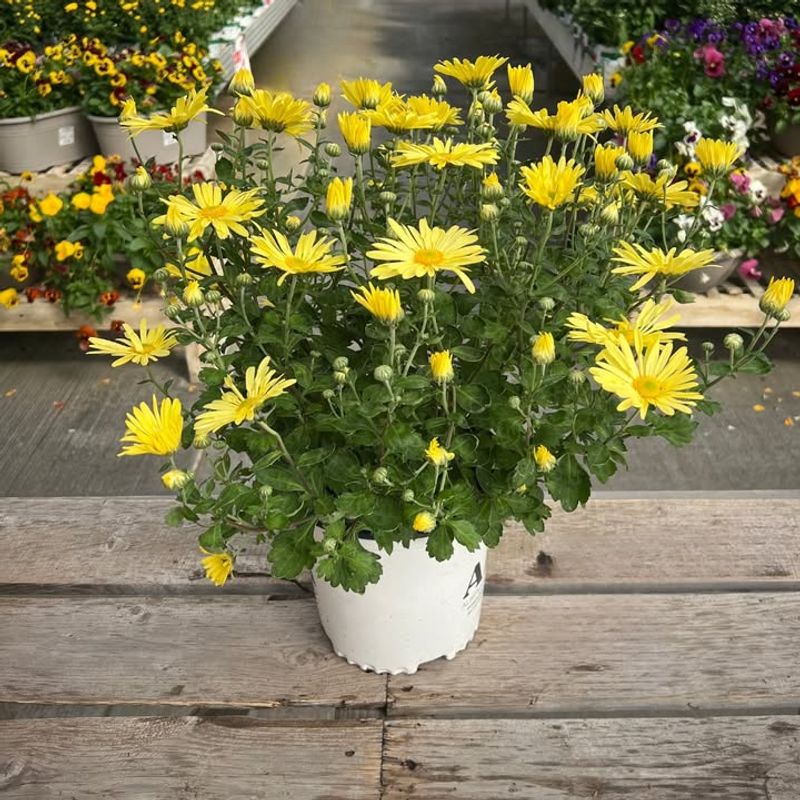
Overhead watering is quick and easy, but it’s not the best method for keeping mums healthy.
When water splashes onto leaves and flowers, it creates moisture that encourages fungal growth and disease.
The roots are what actually need the water, and foliage wetness serves no purpose except increasing health risks.
Fungal spores exist naturally in garden environments, waiting for the right conditions to grow.
Wet leaves provide the perfect opportunity for these spores to germinate and spread across your plants.
Diseases like rust, leaf spot, and powdery mildew all benefit from moisture sitting on foliage.
Direct your watering wand, hose, or watering can at the soil around the base of each plant instead.
This delivers moisture exactly where roots can absorb it while keeping leaves and flowers dry.
Drip irrigation or soaker hoses work wonderfully for mums since they water the soil without wetting the plant itself.
If you accidentally splash water on the foliage, don’t panic, just make it a habit to aim low next time.
Your mums will stay healthier, and you’ll spend less time dealing with disease problems.
Proper watering technique is one of the simplest ways to prevent issues before they start.
6. Ignoring Drainage In Containers

Container-grown mums need drainage holes to release excess water, yet many decorative pots lack this essential feature.
Without drainage, water accumulates at the bottom of the pot, creating a soggy zone where roots suffocate.
Ohio’s rainy fall weather makes this problem worse since natural rainfall adds to whatever you’re watering.
Even if you’re careful about watering amounts, a single heavy rainstorm can flood a pot without drainage.
Roots sitting in standing water quickly develop problems that weaken the entire plant.
Decorative cache pots look beautiful but should always have a functional pot with holes sitting inside them.
Check containers before planting mums and drill holes if needed, or choose pots that already have proper drainage.
Place a saucer underneath outdoor pots to protect surfaces, but empty it after watering so roots don’t sit in collected water.
Good drainage allows excess moisture to escape while keeping enough in the soil for roots to access.
If you’ve already planted mums in containers without holes, consider carefully transplanting them to better pots.
The effort is worth it to prevent root problems that can ruin your plants before the season ends.
Proper drainage is absolutely essential for container success, especially during unpredictable fall weather.
7. Watering Too Lightly Each Time
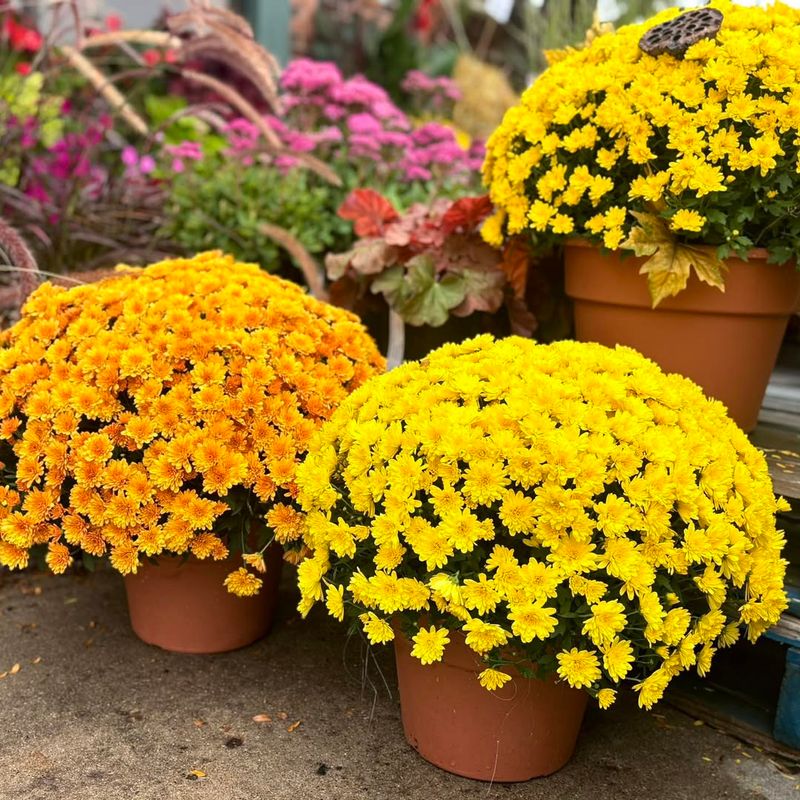
Quick, shallow watering might seem like you’re helping your mums, but it actually does more harm than good.
When you only wet the top inch of soil, roots never venture deeper to establish a strong foundation.
Surface roots are vulnerable to temperature swings and dry out much faster than deeper root systems.
Mums need deep watering that soaks down several inches to encourage roots to grow throughout the root zone.
This creates a more stable plant that can handle weather changes and access moisture stored deeper in the soil.
Shallow watering trains roots to stay near the surface where they’re most vulnerable.
Water slowly until you see moisture soaking in rather than running off the surface.
For garden beds, this might take several minutes per plant, while containers may need water until it drains from the bottom.
The goal is thorough saturation of the root zone, not just a quick sprinkle on top.
Deep watering less frequently works better than light watering every day.
This approach builds stronger plants that are better prepared for winter dormancy ahead.
Your mums will develop more robust root systems that support healthier growth and more abundant blooms when watered properly each time.
8. Not Adjusting Watering After Rainfall
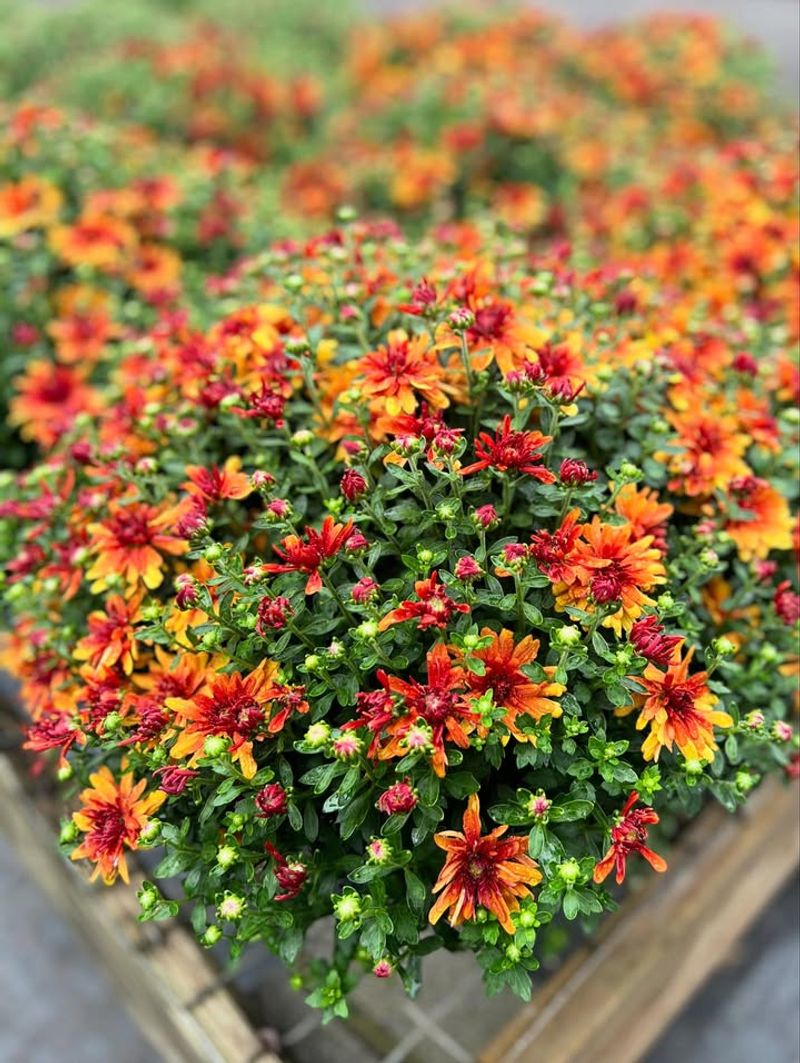
Ohio gardeners know fall can bring plenty of rain, yet many continue their regular watering schedule regardless of precipitation.
When you water after significant rainfall, you’re adding to already moist soil and creating overly wet conditions.
This double-watering effect floods the root zone and creates problems that could easily be avoided.
After rain, check soil moisture before deciding whether additional water is needed.
Often, a good rainfall provides all the moisture your mums need for several days, especially during cooler weather.
Automatic watering systems should be adjusted or temporarily shut off following substantial rain events.
Keep track of rainfall amounts using a simple rain gauge placed near your mums.
A quarter-inch of rain barely wets the surface, while an inch typically soaks in deeply enough to skip watering for days.
Container plants may need supplemental water sooner than garden beds since pots don’t capture as much rainfall.
Being flexible with your watering schedule based on natural precipitation prevents root problems and saves water.
Your mums don’t know or care whether moisture comes from rain or a hose, they just need the right amount total.
Smart watering means working with nature rather than against it, adjusting your routine as Ohio’s fall weather changes.
9. Assuming Established Mums Don’t Need Water
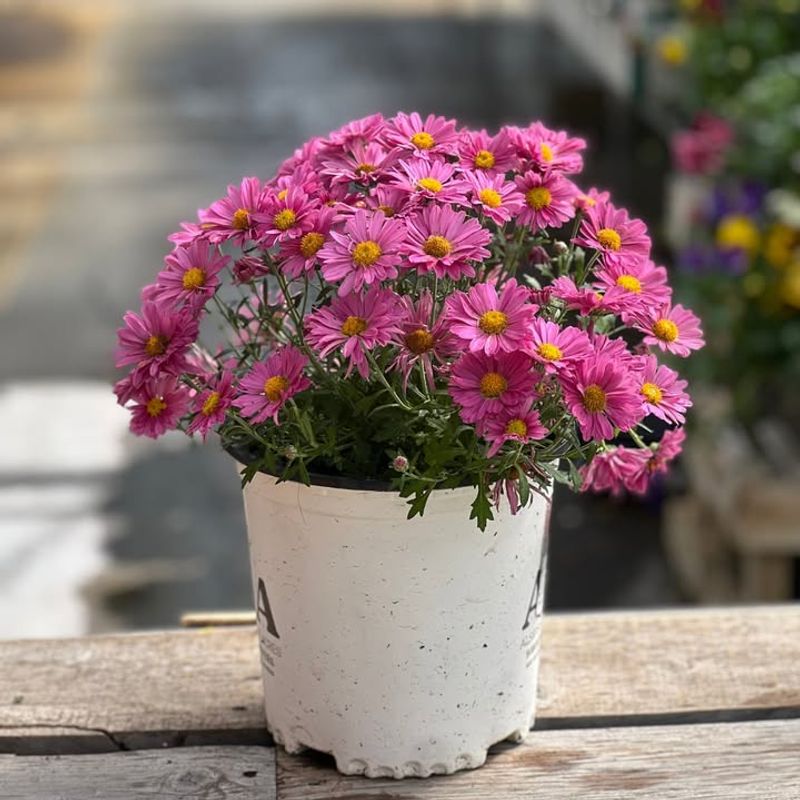
Gardeners sometimes think established mums can fend for themselves, but these plants need consistent moisture even after growing in place for years.
Fall is actually a critical time when mums are blooming heavily and preparing for winter dormancy ahead.
Both processes require adequate water, and neglecting established plants can reduce their vigor and winter survival.
Blooming takes tremendous energy, and flowers need consistent moisture to maintain their appearance and longevity.
At the same time, roots are storing resources for winter and next year’s growth, a process that requires water.
Established mums have larger root systems than new plants, but they still need regular moisture throughout fall.
Don’t assume that because a plant has been in the ground for a while, it can handle drought on its own.
Check soil moisture around established mums just as carefully as you would for newly planted ones.
Older plants may be more resilient, but they still perform best with proper care and consistent watering.
Give established mums the attention they deserve, especially during their peak bloom period and late into fall.
Proper watering now supports better winter survival and stronger growth when spring arrives.
Your mature plants will reward consistent care with years of reliable, beautiful autumn color.
10. Watering Frozen Or Near-Frozen Soil
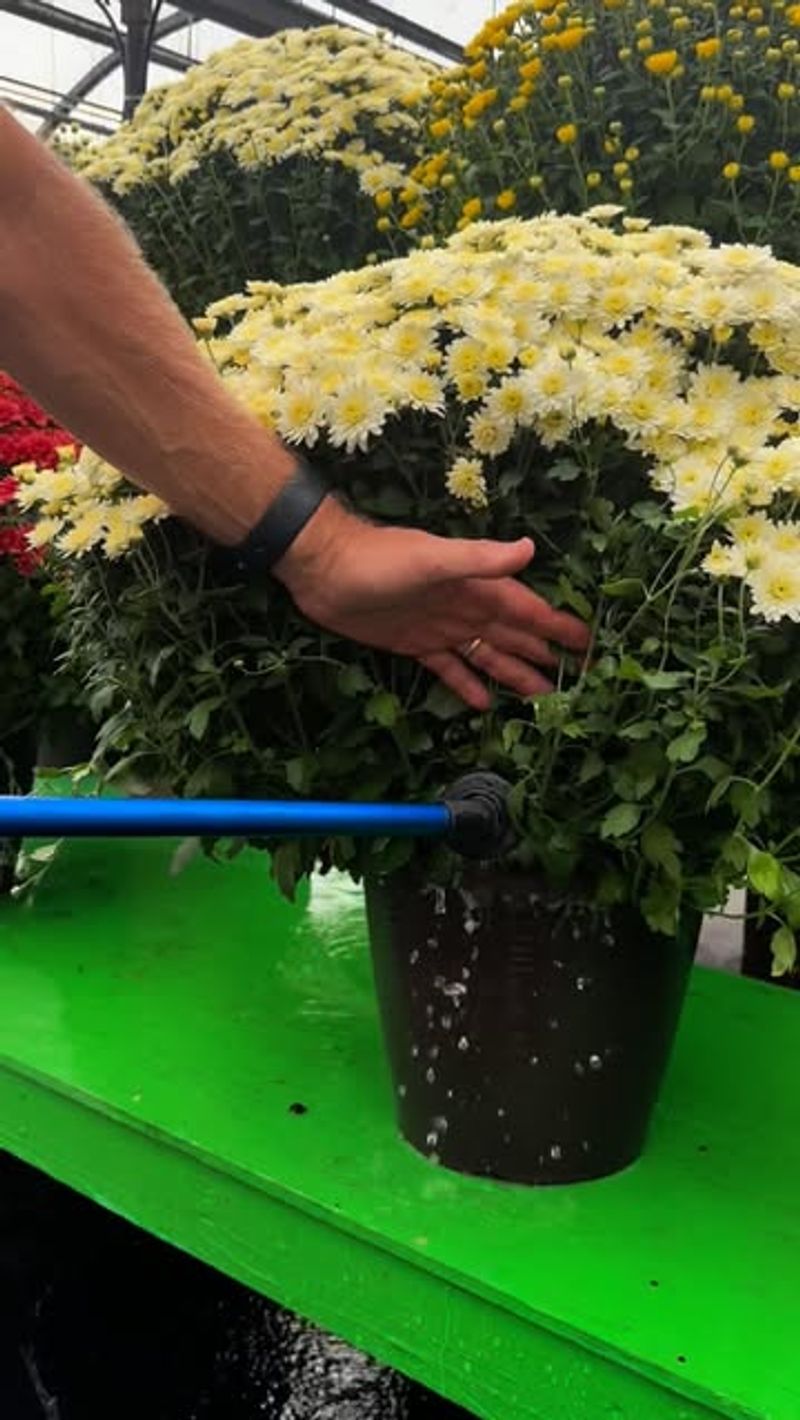
Once soil freezes or approaches freezing temperatures, watering becomes counterproductive and potentially harmful.
Frozen soil can’t absorb water, so anything you add simply runs off or sits on the surface forming ice.
Adding water to near-frozen ground can actually cause more freezing and create problems rather than helping your plants.
As Ohio moves into late fall, watch for overnight temperatures consistently dropping near or below freezing.
When this happens, it’s time to stop watering and let your mums enter natural winter dormancy.
Plants need moisture earlier in fall, but once the ground freezes, their water needs essentially stop until spring.
The last watering of the season should happen before the ground freezes hard, giving roots one final drink.
After that, natural snow and rain will provide any moisture needed during winter months.
Trying to water frozen soil accomplishes nothing except wasting water and potentially creating ice hazards.
Learn to recognize when the growing season has truly ended and watering should stop.
This usually happens in late November or early December in most of Ohio, though timing varies by location.
Respecting the seasonal cycle and stopping watering at the right time is just as important as proper watering during the growing season.
11. Using Cold Water Straight From The Hose Late In Fall

Water temperature might not seem important, but very cold water can shock plant roots during cool fall weather.
Hose water sitting outside overnight becomes extremely cold, especially as Ohio temperatures drop in late autumn.
Blasting roots with icy water when air and soil are already cool creates stress that plants could do without.
Root shock from temperature extremes can temporarily slow water uptake and stress plants unnecessarily.
While it won’t destroy your mums, it’s an easily avoided problem that makes their job harder.
Warmer water is absorbed more readily and causes less stress to root systems already dealing with cooling temperatures.
Water during the warmest part of the day when possible, allowing hose water to warm slightly in the sun.
Let water run for a few seconds before directing it at your plants to clear out the coldest water sitting in the hose.
Some gardeners fill watering cans in advance, allowing water to reach air temperature before using it on plants.
This small consideration makes watering gentler and more effective during late fall.
Your mums will appreciate the slightly warmer water, and you’ll avoid unnecessary temperature shock.
As the season winds down, every bit of care helps plants finish strong and prepare successfully for winter ahead.
12. Stopping Watering Too Early In The Season

Many gardeners stop watering mums once flowers fade or when October ends, but this timing is far too early.
Mums continue needing moisture well into November and even early December in Ohio, right up until the ground freezes solid.
Stopping watering prematurely leaves roots dry when they should be storing resources for winter survival and next year’s growth.
Even after blooms finish, roots remain active underground, preparing the plant for dormancy and cold weather ahead.
This preparation period requires consistent moisture to help plants build the reserves they need to survive winter.
Without adequate fall watering, mums enter winter stressed and less capable of handling harsh conditions.
Continue checking soil moisture and watering as needed until the ground freezes or very hard frosts become regular.
This extended care period dramatically improves winter survival rates and leads to stronger plants next spring.
Your mums aren’t truly finished with the growing season just because visible growth has stopped.
The final weeks of fall are crucial for building winter hardiness and setting up success for next year.
Don’t abandon your mums too soon when a few more weeks of proper watering could make all the difference.
Patience with fall care pays off with healthier, more vigorous plants that return reliably year after year.