10 Creatures Wisconsin Residents Are Legally Forbidden To Remove From Their Yards
Seeing wildlife in your Wisconsin yard can be charming—until it becomes inconvenient.
But before taking matters into your own hands, it’s important to know that some animals are strictly protected by law, even on private property.
From nesting birds to certain mammals and reptiles, these creatures cannot be trapped, relocated, or harmed without permits.
Well-meaning homeowners often break the law without realizing it, assuming nuisance behavior justifies removal.
Wisconsin’s wildlife laws prioritize conservation and humane treatment, placing clear limits on what residents can do.
Knowing which creatures are legally off-limits helps homeowners respond responsibly—and avoid fines, penalties, or worse.
1. Bats (All Native Bat Species)
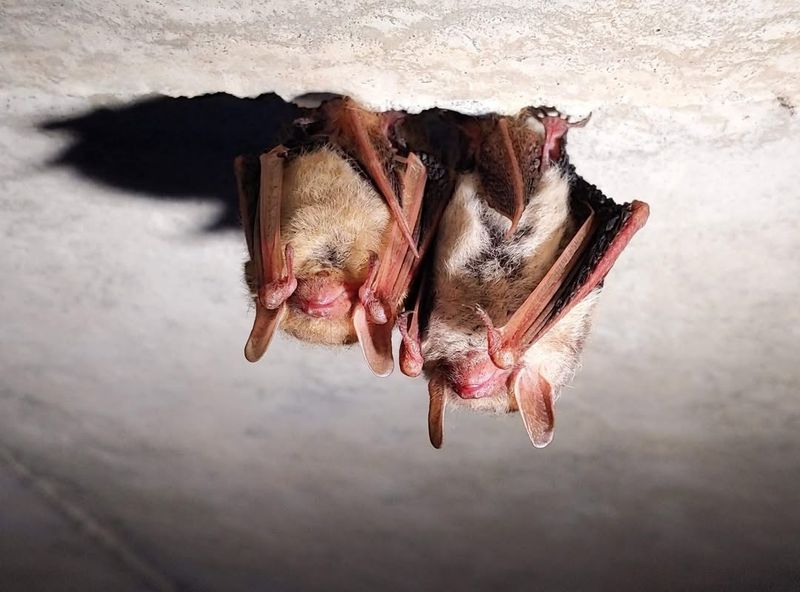
Wisconsin’s native bat species enjoy comprehensive legal protection under both federal and state wildlife laws, making it illegal for homeowners to trap, harm, or remove these flying mammals without proper authorization.
White-nose syndrome, a fungal disease that has devastated bat populations across North America, has elevated protection efforts to critical levels.
This condition affects bats during hibernation and has caused dramatic population declines, prompting stricter enforcement of existing wildlife regulations.
Federal laws including the Endangered Species Act protect several bat species found in Wisconsin, while state regulations add additional layers of protection for all native bats.
Property owners who discover bats roosting in attics, barns, or under eaves cannot simply remove them at will.
Timing matters significantly when dealing with bat colonies.
Exclusion work can only happen during specific windows outside of maternity season when flightless young would be trapped inside structures.
Licensed wildlife professionals must handle bat removal situations, using one-way exclusion devices that allow bats to leave but prevent re-entry.
Homeowners who violate bat protection laws face substantial fines and potential criminal charges.
These nocturnal insect-eaters provide tremendous ecological benefits, consuming thousands of mosquitoes and agricultural pests nightly, making their protection vital for Wisconsin’s environmental health and agricultural economy.
2. Chimney Swifts (Chaetura pelagica)
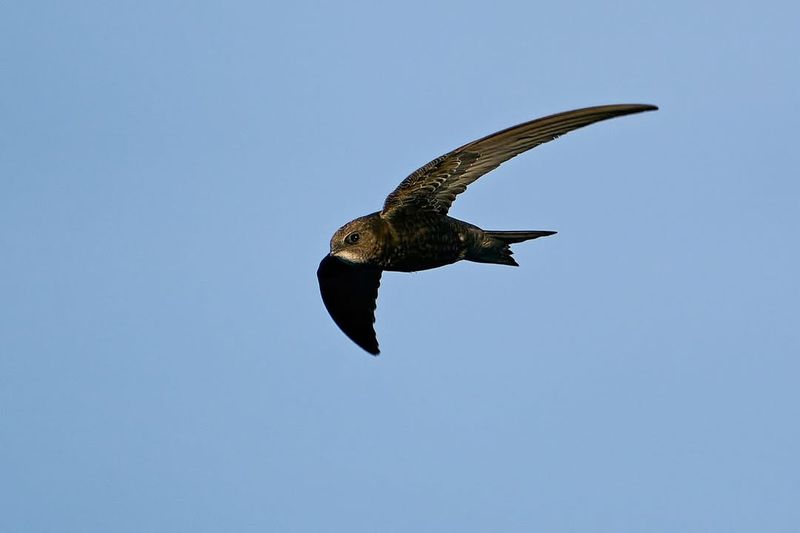
Chimney swifts hold protected status as migratory birds under federal law, which means Wisconsin homeowners cannot remove these aerial acrobats or disturb their active nests, even when they set up housekeeping inside private chimneys.
These small, cigar-shaped birds historically nested in hollow trees but adapted remarkably well to urban environments, now preferring the vertical interior walls of chimneys for raising their young.
Their twittering calls and distinctive flight patterns make them easy to identify during spring and summer months.
The Migratory Bird Treaty Act provides ironclad protection for chimney swifts throughout their nesting season.
Property owners who block chimneys, remove active nests, or attempt to exclude birds while young are still present face federal violations that carry serious penalties.
Nesting season typically runs from late April through August in Wisconsin.
During this period, homeowners must postpone chimney cleaning, cap installation, or any maintenance that would disturb the birds.
Once the young have fledged and migrated south in late summer or early fall, homeowners can install chimney caps to prevent future nesting.
However, many conservation-minded residents choose to welcome these beneficial insect-eaters year after year.
Your Wisconsin Garden Changes Every Week. Your Plan Should Too.
Gardening in Wisconsin changes quickly throughout the season. Every Friday you’ll receive a simple weekly plan showing exactly what to plant, prune, fertilize, harvest, and protect so you never miss the right timing.
Chimney swifts consume vast quantities of flying insects, providing natural pest control while entertaining observers with their spectacular twilight aerial displays around neighborhood chimneys.
3. All Native Songbirds And Their Active Nests
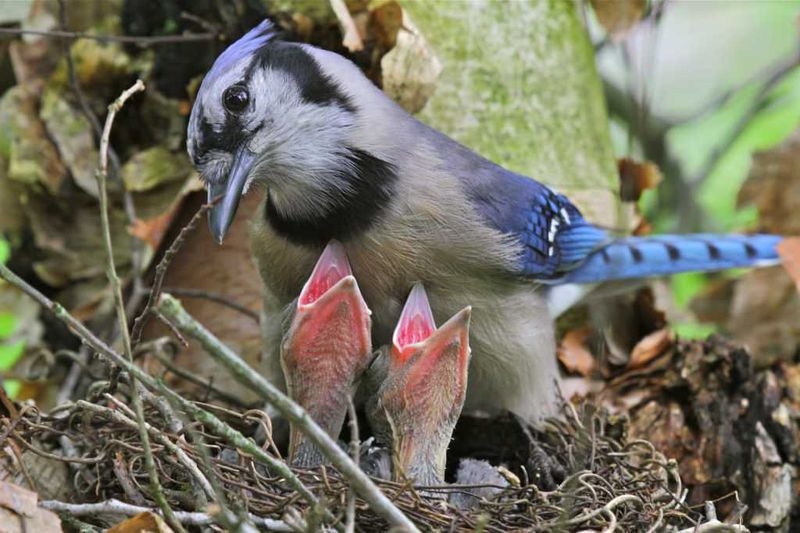
Nearly every native songbird species found in Wisconsin backyards receives federal protection under the Migratory Bird Treaty Act, creating strict prohibitions against removing birds, eggs, or active nests from residential properties.
Robins building nests on porch lights, sparrows tucking nests into hanging plants, and finches claiming spots in decorative wreaths all enjoy the same legal protections.
Homeowners who discover these nesting activities cannot legally interfere once eggs appear or construction begins.
The law covers an impressively broad range of species, from tiny hummingbirds to larger cardinals and blue jays.
Even common species that seem abundant receive full protection because their populations depend on successful breeding seasons across their ranges.
Active nests remain protected until young birds have completely fledged and abandoned the site.
This means homeowners might need to delay landscaping projects, exterior painting, or other activities that would disturb nesting birds during spring and summer.
Violations can result in significant fines per bird, egg, or nest affected.
Federal authorities take enforcement seriously because these protections have proven essential for maintaining healthy bird populations across North America.
Once nesting concludes and birds have departed, homeowners can remove old nests and take preventive measures for the following year.
Most songbirds construct fresh nests each season rather than reusing previous structures.
4. Bald Eagles (Haliaeetus leucocephalus)
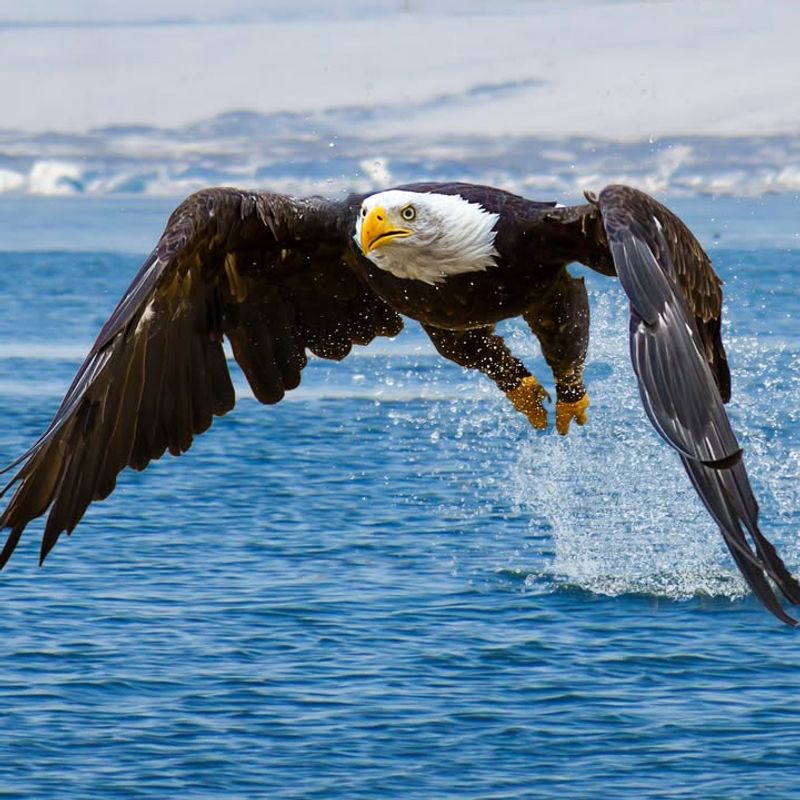
America’s national symbol maintains robust legal protections in Wisconsin, even though population numbers have rebounded dramatically from their endangered status of past decades.
Bald eagles that nest on or near private property bring specific legal requirements that restrict what landowners can do on their own land.
Federal and state laws establish buffer zones around active nests, prohibiting activities that might disturb breeding pairs or their offspring.
These buffer zones typically extend 330 feet from nest trees during nesting season, though restrictions can reach farther depending on specific circumstances.
Property owners cannot conduct logging, construction, or other disruptive activities within these protected areas without special permits.
Eagle nests, which can weigh thousands of pounds and measure several feet across, receive year-round protection even when birds are temporarily absent.
The massive stick structures represent years of construction effort, with pairs often returning to the same nest site for decades.
Wisconsin’s recovering eagle population means more homeowners, especially those near rivers and lakes, may discover these magnificent raptors claiming territory that includes private land.
While this represents a conservation success story, it also brings legal responsibilities for property owners.
Violations of eagle protection laws carry particularly severe penalties, including substantial fines and potential imprisonment.
Anyone with eagles nesting nearby should consult wildlife officials before undertaking property modifications or activities near nest sites.
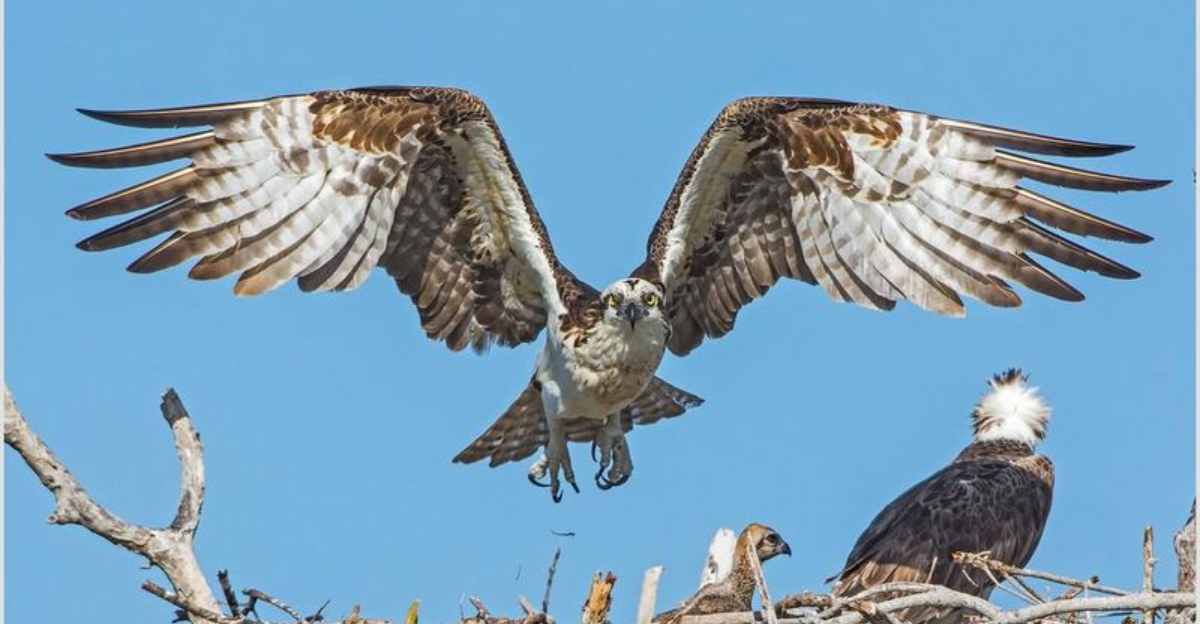
5. Osprey (Pandion haliaetus)
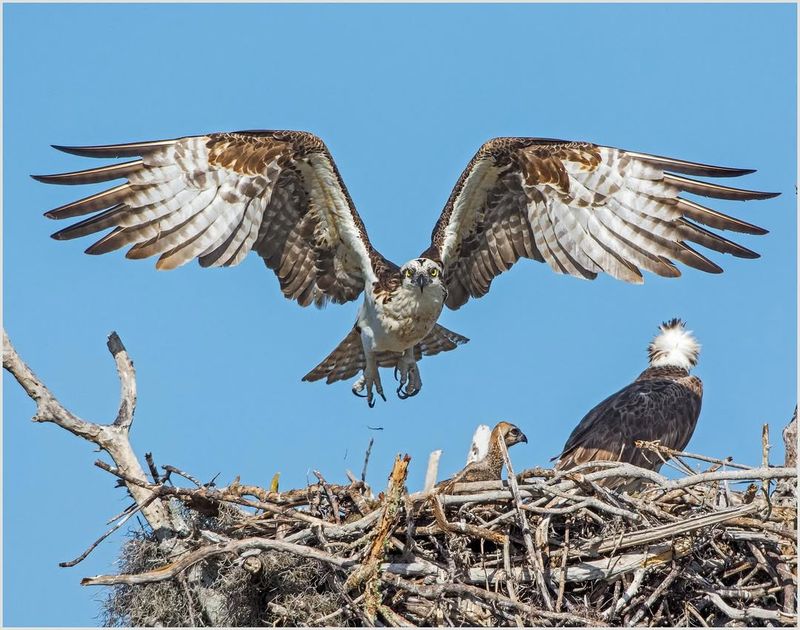
Osprey, sometimes called fish hawks, construct enormous stick nests on elevated structures near water, and both the birds and their architectural achievements receive protection under state and federal wildlife laws.
These fish-eating raptors have adapted to nesting on human-made structures including utility poles, cell towers, channel markers, and platforms specifically installed for their use.
When osprey choose locations on private property, homeowners cannot remove nests regardless of inconvenience or perceived safety concerns.
Protected status applies throughout the nesting season and extends to the nest structure itself even during winter months when birds have migrated to warmer climates.
Osprey pairs demonstrate strong site fidelity, returning to the same nest year after year and adding new material each breeding season.
Nests can grow to impressive sizes, sometimes creating legitimate concerns about structural integrity of supporting poles or platforms.
However, property owners must work with wildlife officials and obtain proper permits before addressing these situations.
The Migratory Bird Treaty Act provides federal protection while Wisconsin state regulations add additional safeguards.
Unauthorized nest removal can result in significant penalties even when property owners claim safety justifications.
Many communities have successfully partnered with conservation organizations to relocate problematic nests to nearby alternative platforms, satisfying both osprey habitat needs and human safety concerns.
This approach requires professional involvement and proper permitting but offers solutions that work for everyone.
6. Eastern Box Turtle (Terrapene carolina)
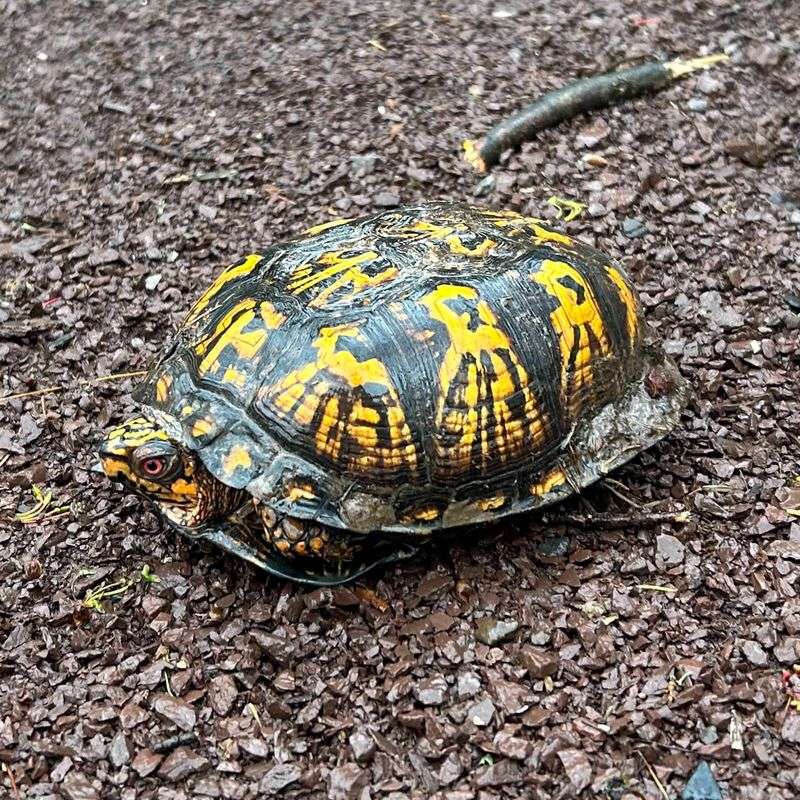
Finding an eastern box turtle wandering through your Wisconsin yard might seem like a lucky discovery, but state law prohibits collecting, relocating, or keeping these terrestrial reptiles, even when encountered on private property.
Box turtles demonstrate remarkable site fidelity, often spending their entire lives within just a few acres.
These slow-moving reptiles develop intricate knowledge of their home territories, including locations of food sources, shelter, and suitable habitat.
Removing a box turtle from its territory, even with good intentions, can prove disastrous for the animal.
Relocated turtles often spend the remainder of their lives attempting to return home, crossing dangerous roads and exposing themselves to predators while searching for familiar territory.
Wisconsin regulations classify eastern box turtles as a species of special concern, recognizing that populations face numerous threats including habitat loss, road mortality, and collection pressure.
Legal protections aim to stabilize remaining populations by preventing further declines.
Homeowners who discover box turtles in yards, gardens, or driveways should simply leave them alone or carefully move them a short distance in the direction they were traveling.
Taking turtles home as pets or relocating them to parks or nature areas violates state law.
These long-lived reptiles can survive for over a century when left undisturbed in suitable habitat.
Protecting them requires respecting their protected status and resisting the temptation to interfere with their natural movements and behaviors.
7. Blanding’s Turtle (Emydoidea blandingii)
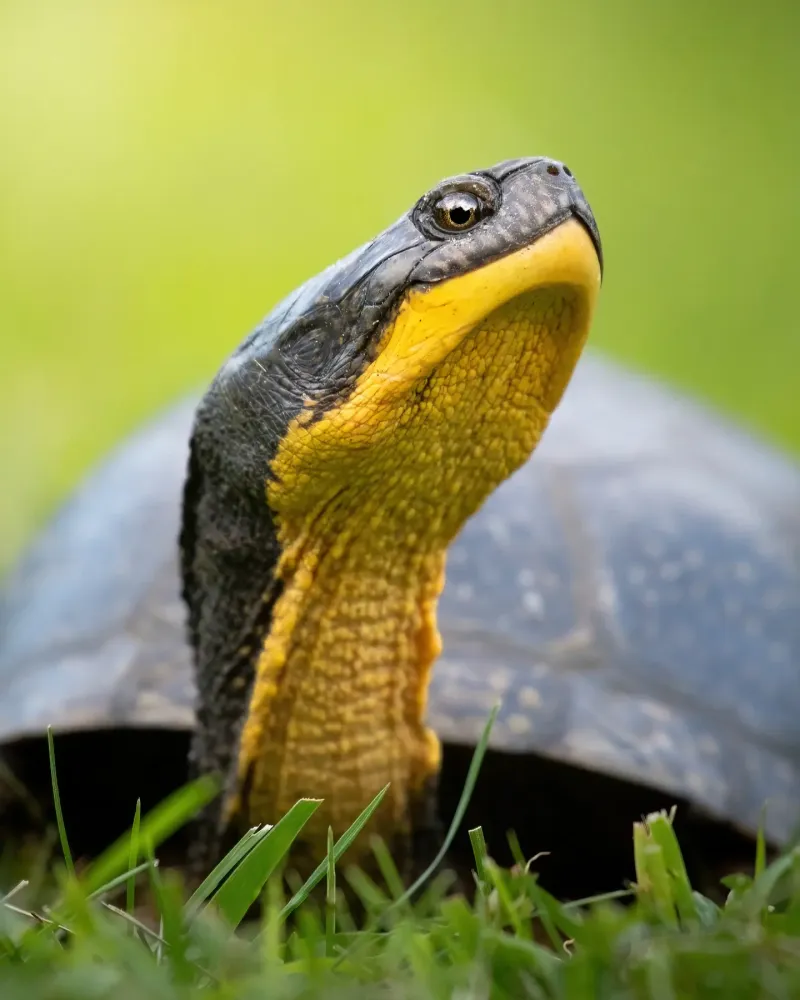
Blanding’s turtles, recognizable by their distinctive yellow throats and domed shells, hold threatened status in Wisconsin, making any handling, moving, or removing of these reptiles from yards or wetlands strictly illegal.
These semi-aquatic turtles inhabit wetlands, marshes, and shallow water bodies but frequently travel overland between habitat patches.
Female Blanding’s turtles may wander considerable distances from water to locate suitable nesting sites, sometimes appearing in residential yards that seem far from aquatic habitats.
Population declines have resulted from habitat fragmentation, road mortality, and nest predation by subsidized predators like raccoons and skunks.
Every surviving adult represents crucial reproductive potential for the species, making protection of individual turtles essential for population recovery.
Wisconsin law provides comprehensive protection for Blanding’s turtles under endangered species regulations.
Property owners cannot touch, relocate, or interfere with these turtles in any way without special permits issued only for scientific research or conservation purposes.
Even well-intentioned actions like moving turtles away from roads or relocating them to nearby wetlands can violate these protections.
The best response when encountering a Blanding’s turtle involves leaving it completely alone and reporting the sighting to Wisconsin DNR for their tracking records.
Violations of threatened species protections carry substantial penalties including significant fines.
Anyone with questions about Blanding’s turtles on their property should contact state wildlife officials for guidance rather than taking independent action.
8. Snapping Turtle Nests And Eggs (Outside Legal Harvest Seasons)
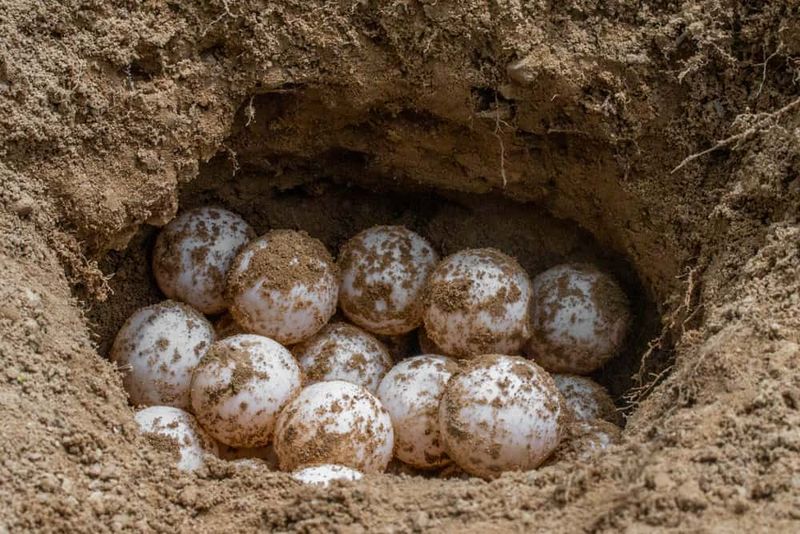
Common snapping turtles are harvested legally during specific seasons in Wisconsin, but their nests and eggs receive year-round protection that prohibits homeowners from destroying or relocating them, even when discovered in inconvenient locations like gardens or lawns.
Female snapping turtles emerge from ponds and wetlands in late spring to excavate nests in sunny, sandy, or loose soil.
Residential properties near water often provide ideal nesting conditions, bringing these ancient reptiles into close contact with surprised homeowners.
After laying eggs and carefully covering the nest chamber, female turtles return to water, leaving eggs to incubate through summer heat.
The buried eggs remain vulnerable to predators but protected by state regulations that prohibit human interference.
Wisconsin wildlife rules establish specific parameters around snapping turtle harvest, but these regulations explicitly protect nests and eggs from collection or destruction.
Property owners cannot dig up turtle eggs, destroy nests, or relocate eggs to different locations.
Nest protection serves important conservation purposes, ensuring adequate recruitment of young turtles to replace adults removed through legal harvest.
Without successful reproduction, snapping turtle populations would decline despite harvest regulations.
Homeowners who discover snapping turtle nests should mark the location to avoid accidental disturbance during lawn care, then leave the site completely alone.
Eggs typically hatch in late summer or early fall, with tiny turtles instinctively making their way to nearby water.
9. Honey Bees (Apis Mellifera)
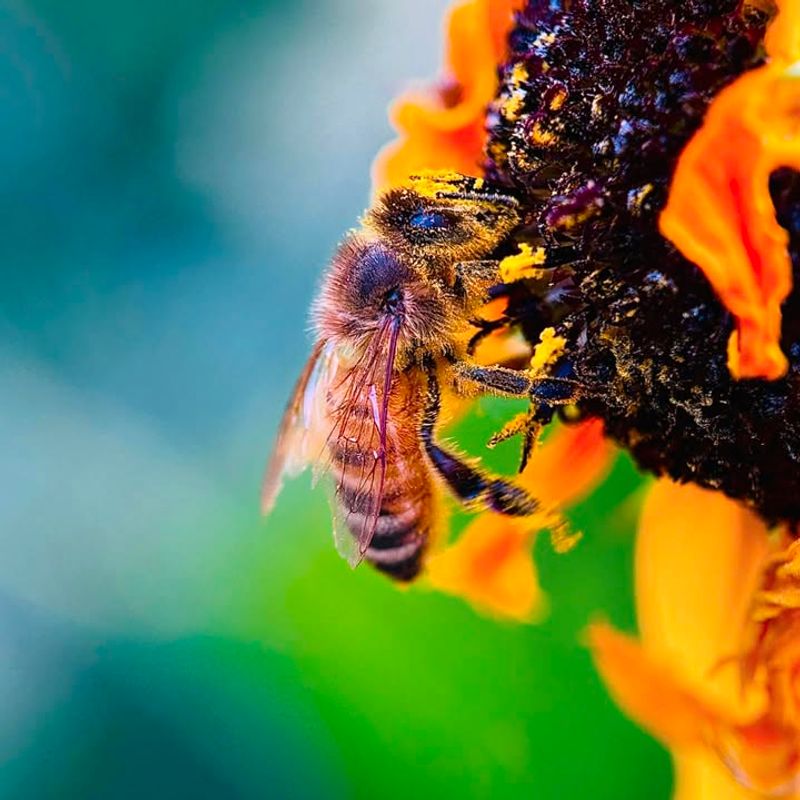
Honey bees receive special protected status in Wisconsin due to their critical role as pollinators, making it illegal to poison or destroy colonies without proper authorization and requiring professional relocation by licensed beekeepers.
Spring and early summer bring swarming season when established colonies split and thousands of bees cluster temporarily on tree branches, fences, or structures while scout bees search for permanent home sites.
These swarms, while dramatic in appearance, typically remain docile and represent valuable resources rather than threats.
Wisconsin regulations recognize honey bees as agricultural animals rather than simple wildlife, providing protections similar to livestock.
Property owners cannot use pesticides to eliminate bee colonies or destroy hives, even when bees establish themselves in walls, attics, or other problematic locations.
State law requires that bee colonies be removed by qualified beekeepers who can safely relocate the insects to managed hives.
Most beekeepers eagerly respond to swarm calls, viewing these situations as opportunities to expand their apiaries with free bees.
Violations of bee protection regulations can result in fines and liability for damage to these beneficial insects.
With pollinator populations facing numerous challenges, legal protections help preserve honey bee colonies that provide essential pollination services for agriculture and wild plants.
Local beekeeping associations maintain lists of members willing to collect swarms and remove established colonies.
Contacting these experts provides humane, legal solutions while supporting local food production and environmental health.
10. Native Frogs And Toads
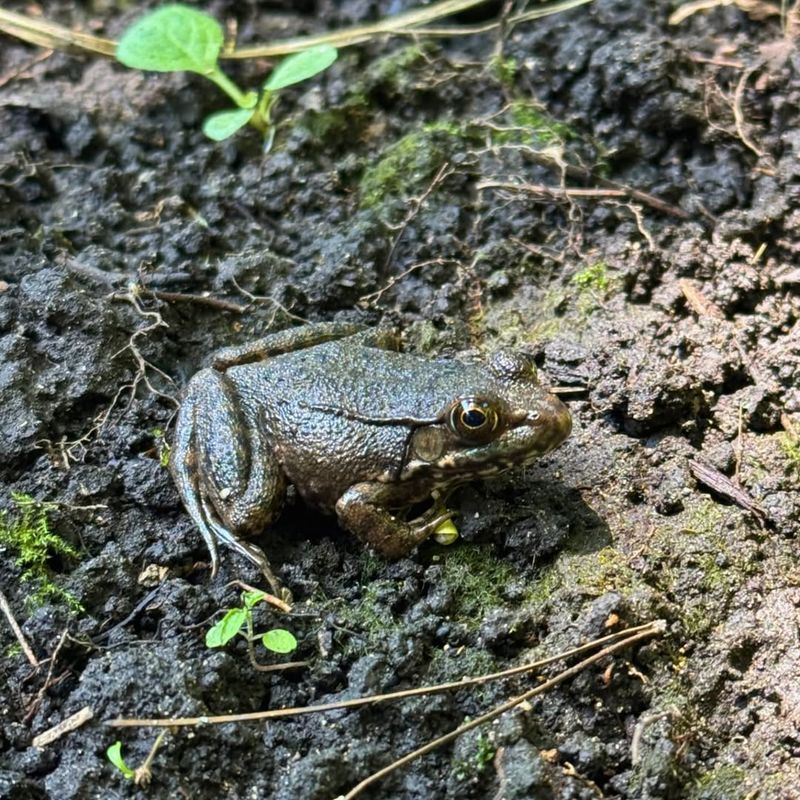
Wisconsin’s native amphibians, including various frog and toad species, receive protection from removal, collection, or harm under state wildlife regulations, with special restrictions applying to properties containing ponds, wetlands, or other amphibian habitats.
Yards with water features often attract multiple amphibian species seeking breeding habitat, shelter, and abundant insect prey.
Spring nights fill with choruses of calling males as frogs and toads emerge from winter dormancy to breed in seasonal pools, ponds, and wetland edges.
State regulations prohibit collecting native amphibians without proper scientific permits, even for seemingly harmless purposes like classroom observation or keeping as pets.
These protections recognize that amphibian populations face significant threats from habitat loss, disease, climate change, and pollution.
Property owners cannot remove tadpoles from backyard ponds, capture adult frogs from gardens, or eliminate amphibian habitat without potentially violating wildlife protection laws.
Wetlands on private property may receive additional regulatory protection under state and federal wetland conservation programs.
Some amphibian species found in Wisconsin yards hold special status as threatened or endangered, carrying even stronger legal protections.
Homeowners should assume all native frogs and toads receive protected status and avoid any actions that would harm these beneficial creatures.
Amphibians provide tremendous value as insect predators while serving as important indicators of environmental health.
Yards supporting healthy amphibian populations demonstrate quality habitat and balanced ecosystems worth protecting and celebrating rather than disturbing.