12 Yard Features That Might Not Be Allowed Much Longer In California Neighborhoods
California neighborhoods are evolving fast, and yard features once taken for granted are increasingly under review.
Concerns over water use, wildfire risk, and public safety are driving new restrictions that could reshape residential landscapes.
From decorative elements to functional structures, certain features are now viewed as liabilities rather than assets.
Homeowners are often surprised to learn that aesthetics don’t outweigh environmental or safety concerns in regulatory decisions.
Knowing which yard features may soon face limitations gives California residents time to adapt.
Because when regulations change, compliance is rarely optional—and proactive planning beats rushed removal every time.
1. Gas-Powered Leaf Blowers
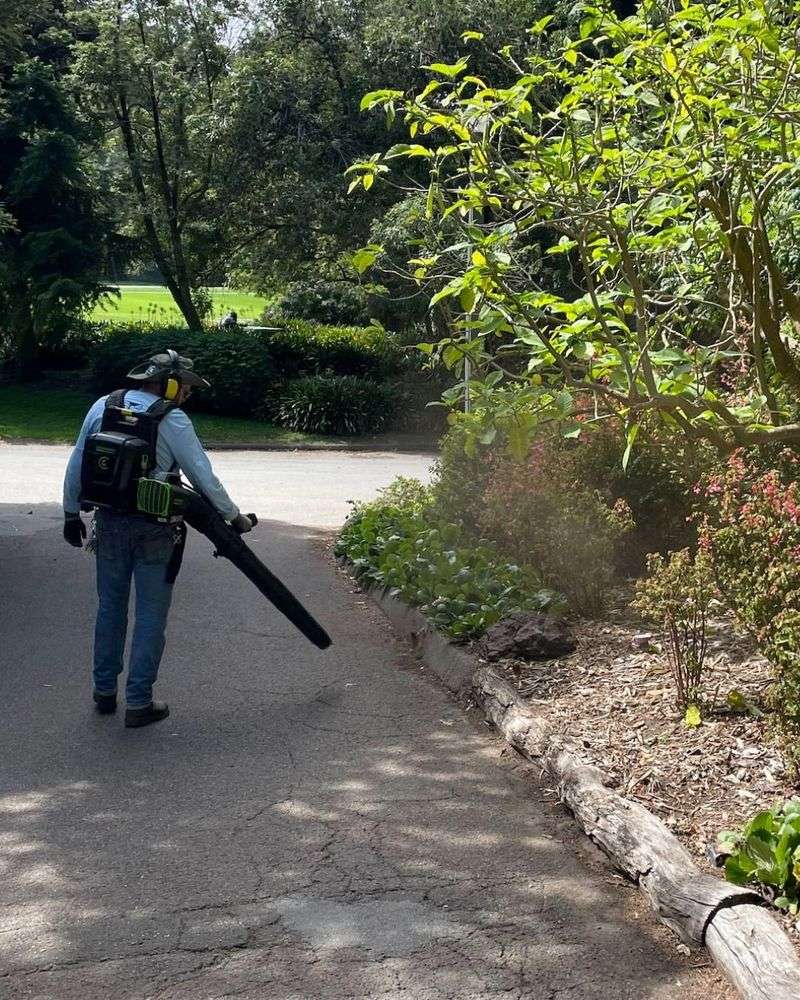
Noise complaints and air quality concerns have pushed California cities to reconsider gas-powered leaf blowers in residential areas.
These machines emit surprising amounts of pollution, with some studies showing a single hour of operation producing emissions comparable to driving a car hundreds of miles.
State regulations targeting small off-road engines are tightening, making electric alternatives increasingly attractive.
Many municipalities have already enacted restrictions or outright bans on gas blowers during certain hours or days.
Some neighborhoods prohibit them entirely, requiring landscapers and homeowners to switch to battery-powered models.
The transition reflects broader efforts to reduce greenhouse gas emissions and protect residents from excessive noise.
Electric leaf blowers have improved dramatically in recent years, offering comparable power without the fumes or roar.
Battery technology continues advancing, making cordless options more practical for everyday yard maintenance.
Homeowners who rely on landscaping services should expect professionals to adopt electric equipment as local ordinances expand.
Planning ahead by investing in electric tools now can save you from scrambling when your city implements stricter rules.
The shift toward cleaner, quieter equipment benefits everyone in the neighborhood while aligning with California’s environmental goals.
2. High-Water-Use Turf Grass Lawns
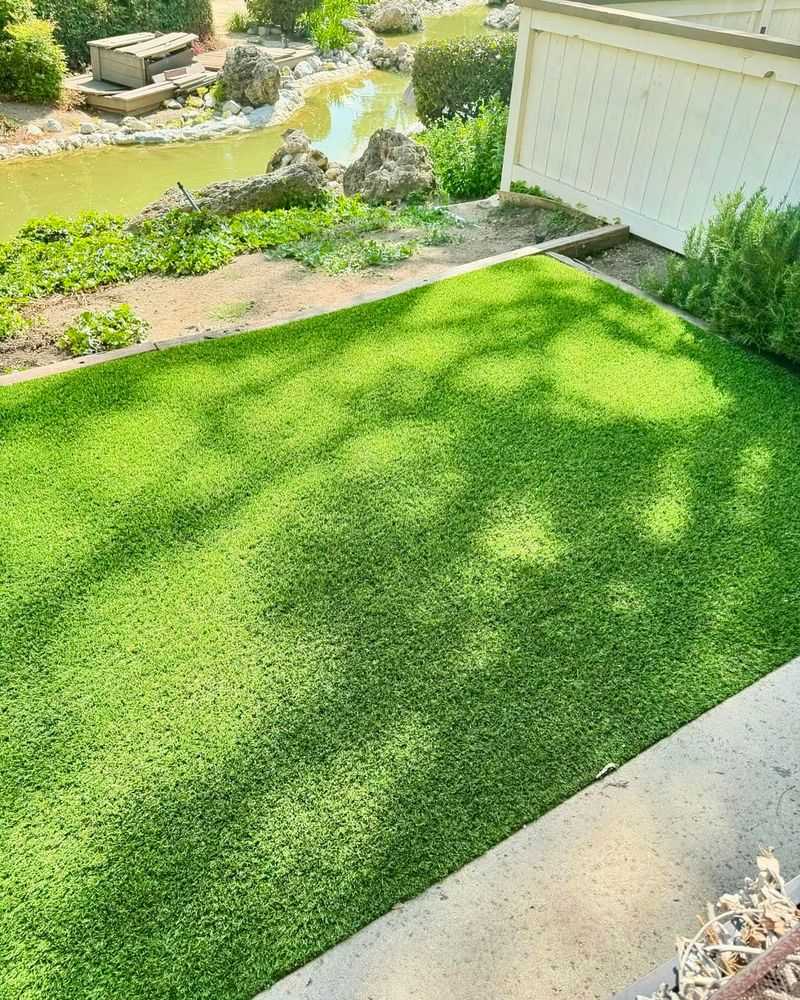
Traditional grass lawns have become symbols of water waste in drought-stricken California.
These thirsty expanses can consume thousands of gallons weekly, straining municipal water supplies during increasingly frequent dry periods.
State and local governments now offer rebates for removing turf and replacing it with drought-tolerant landscaping.
Water districts across California have implemented tiered pricing structures that penalize excessive outdoor water use.
Some communities have established limits on lawn size for new construction or major renovations.
The cultural shift away from pristine green carpets reflects growing awareness of water scarcity and climate change impacts.
Native plants, succulents, and decorative rocks provide attractive alternatives that require minimal irrigation.
Many homeowners discover these low-maintenance landscapes actually reduce yard work while supporting local pollinators and wildlife.
Transitioning away from turf can lower water bills significantly while contributing to regional conservation efforts.
Future regulations may impose stricter limits on lawn irrigation or require permits for maintaining large turf areas.
Getting ahead of these changes by redesigning your landscape now can qualify you for financial incentives and prepare your property for upcoming restrictions.
The move toward water-wise yards represents a necessary adaptation to California’s environmental reality.
3. Invasive Plant Species
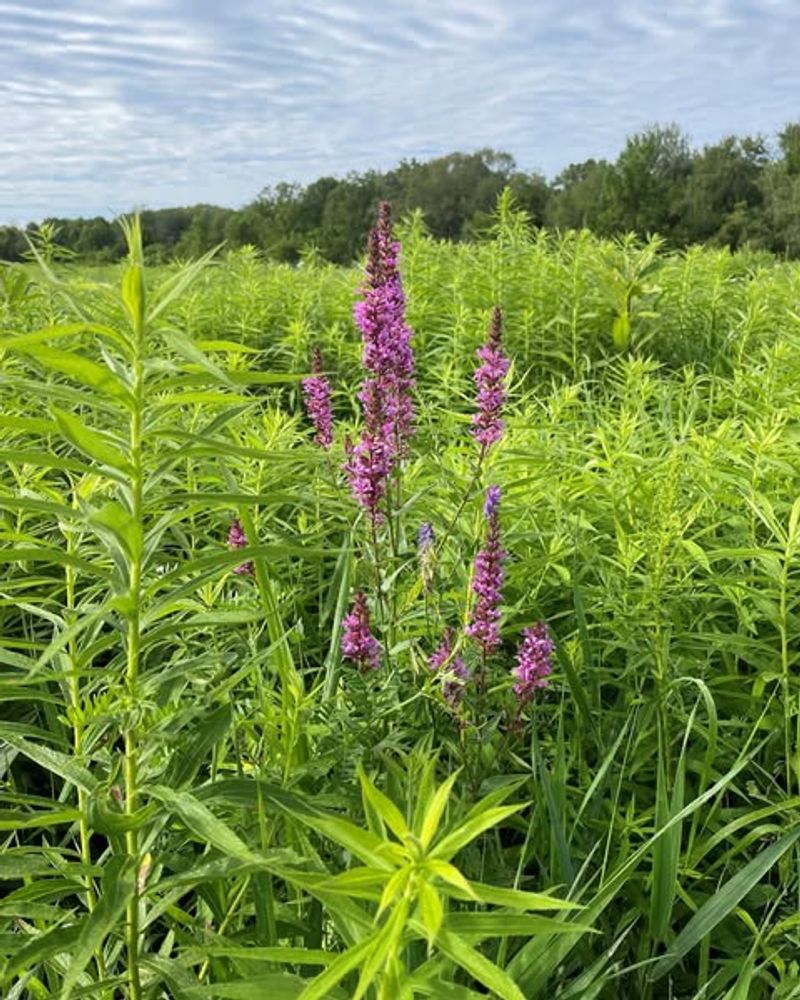
Pampas grass, fountain grass, and certain ivy varieties might look attractive, but they pose serious ecological and safety risks.
Your California Garden Changes Every Week. Your Plan Should Too.
Gardening in California changes quickly throughout the season. Every Friday you’ll receive a simple weekly plan showing exactly what to plant, prune, fertilize, harvest, and protect so you never miss the right timing.
These aggressive spreaders escape cultivation, crowding out native plants and creating dense fuel loads that intensify wildfires.
California agencies are increasingly restricting or banning specific invasive species to protect natural habitats and reduce fire danger.
Invasive plants often thrive in disturbed areas, spreading rapidly beyond property boundaries into wildlands and parks.
Their dense growth patterns provide perfect conditions for fires to spread quickly, threatening homes and natural ecosystems alike.
Removing established invasives can be labor-intensive and costly, making prevention through smart planting choices essential.
Local ordinances in fire-prone regions now prohibit planting certain species altogether, with fines for homeowners who fail to remove them.
Nurseries have stopped selling many problematic plants, though older specimens still exist in established landscapes.
Replacing invasives with native alternatives supports local wildlife while reducing maintenance and fire risk.
Checking your property for restricted species and removing them proactively can save you from future enforcement actions.
Many counties provide lists of prohibited plants and offer guidance on suitable replacements.
Making thoughtful planting decisions today protects your investment and contributes to broader environmental health across California.
4. Unpermitted Fire Pits And Outdoor Fire Features
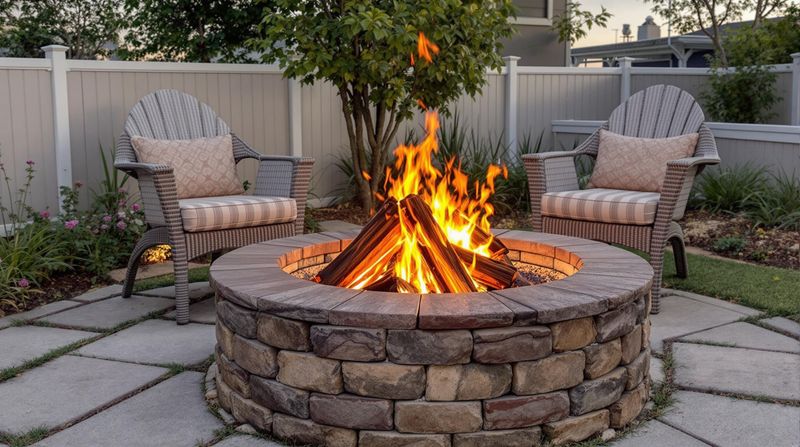
Backyard fire pits have become popular gathering spots, but California’s air quality standards and wildfire concerns are limiting where and when they can be used.
Wood-burning features produce particulate matter that contributes to smog and respiratory problems, especially during temperature inversions.
Many jurisdictions now require permits for permanent fire features and restrict portable units during high fire danger periods.
Air quality management districts can issue no-burn days when weather conditions trap pollutants near the ground.
Violating these restrictions can result in substantial fines, even for small recreational fires.
Urban areas with dense populations face stricter controls than rural properties, though wildfire risk affects regulations statewide.
Gas-fueled fire features generally face fewer restrictions than wood-burning options, offering a compliant alternative for outdoor ambiance.
Some cities require specific clearances from structures and vegetation, along with approved safety screens or enclosures.
Installing fire features without proper permits can complicate home sales and insurance coverage.
Before building or buying a fire pit, check with your local fire department and air quality district about current regulations.
Rules continue evolving as California balances recreational enjoyment with public health and safety concerns.
Staying informed about restrictions in your area helps you avoid violations while enjoying outdoor living spaces responsibly.
5. Artificial Turf In Residential Yards
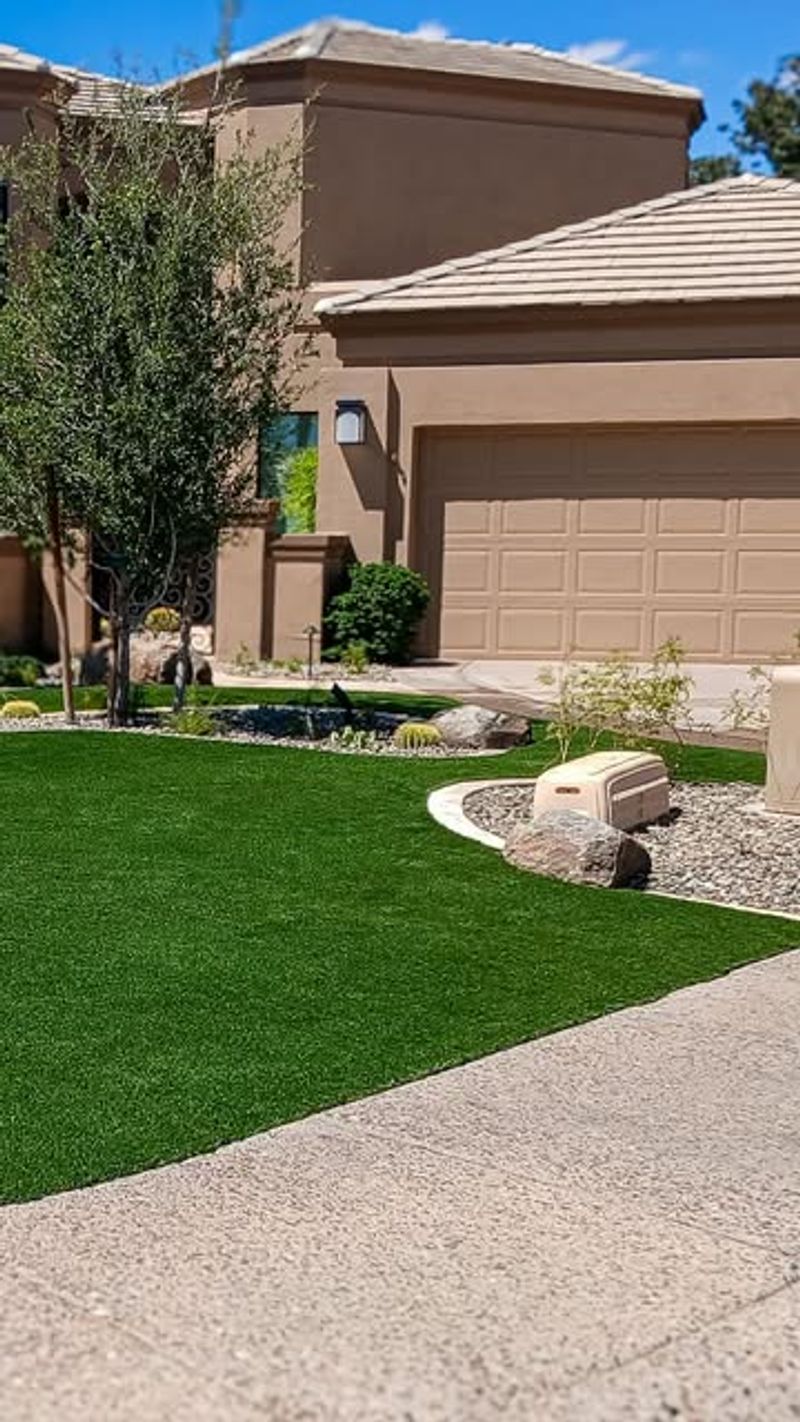
Synthetic lawns initially seemed like perfect water-saving solutions, but environmental concerns are prompting second thoughts across California.
Artificial turf absorbs and radiates heat, creating surface temperatures that can exceed 150 degrees on hot days.
This heat island effect makes yards unusable during summer and increases cooling costs for nearby homes.
Microplastic pollution from deteriorating turf has emerged as another significant issue.
Tiny plastic fragments wash into storm drains and eventually reach waterways, harming aquatic ecosystems.
Unlike natural grass, synthetic surfaces prevent rainwater from soaking into the ground, increasing runoff and reducing groundwater recharge.
Some California communities have begun restricting or banning artificial turf installations, especially in front yards visible from streets.
Concerns about toxic chemicals in older turf products and disposal challenges add to the regulatory scrutiny.
Natural alternatives like clover lawns, native groundcovers, or mulched play areas provide cooler, more environmentally friendly options.
Homeowners considering artificial turf should research local regulations before installation, as rules continue evolving.
Existing synthetic lawns may face removal requirements in some jurisdictions as environmental understanding advances.
Exploring truly sustainable landscaping approaches that work with California’s climate offers better long-term solutions than plastic grass substitutes that create new problems while solving old ones.
6. Excessive Gravel Or Rock-Only Landscapes
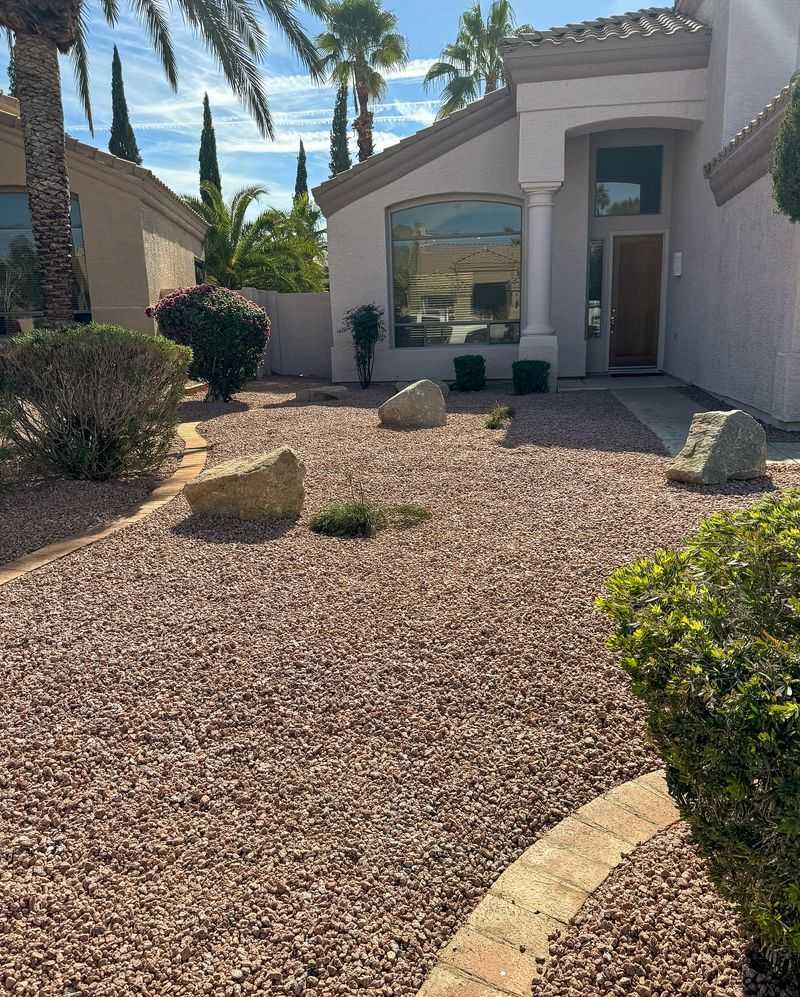
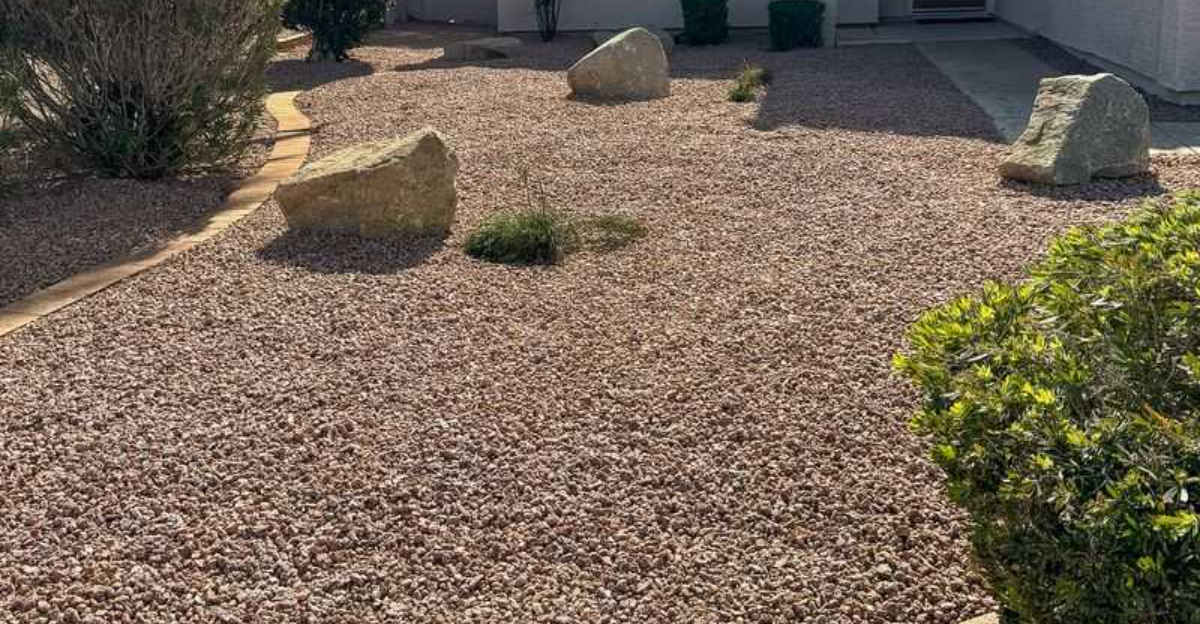
All-gravel yards became popular as low-maintenance alternatives to thirsty lawns, but they create unexpected problems.
Bare rock surfaces absorb and radiate intense heat, raising ambient temperatures and making outdoor spaces uncomfortable.
Without plants to absorb rainwater, these hardscapes increase stormwater runoff, overwhelming drainage systems and carrying pollutants into waterways.
Some California municipalities now require minimum percentages of living vegetation in residential landscapes.
These rules aim to combat heat islands, support pollinators, and manage stormwater naturally through plant root systems.
All-rock designs also fail to provide wildlife habitat or contribute to air quality improvement like planted areas do.
Effective drought-tolerant landscaping combines rocks with carefully selected native plants that require minimal water once established.
This mixed approach provides visual interest, moderates temperatures, and supports ecological health while still reducing maintenance.
Succulents, native shrubs, and ornamental grasses interspersed with decorative rock create attractive, functional landscapes.
Before covering your entire yard with gravel, check local landscaping requirements and consider long-term livability.
Balancing hardscape elements with appropriate plantings creates more valuable, comfortable outdoor spaces.
Thoughtful landscape design that includes vegetation serves your property and community better than expanses of bare rock that solve water concerns while creating new environmental challenges.
7. Bright, Unshielded Outdoor Lighting
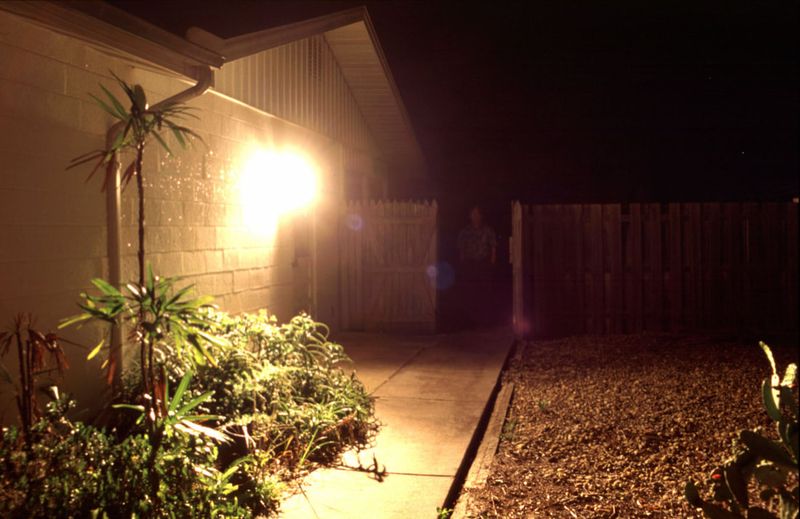
Powerful floodlights aimed skyward or into neighboring properties have sparked growing complaints and regulatory responses.
Light pollution disrupts wildlife behavior, wastes energy, and interferes with astronomical observation in areas near observatories.
Many California communities now enforce dark-sky ordinances requiring outdoor lights to be shielded and directed downward.
Excessive outdoor lighting affects nocturnal animals, disrupting feeding, migration, and reproduction patterns.
Glaring lights can also create safety hazards by temporarily blinding drivers or pedestrians.
Neighbors increasingly object to intrusive lighting that spills onto their properties, reducing sleep quality and privacy.
Modern lighting regulations typically specify maximum brightness levels, require full cutoff fixtures, and may restrict certain light colors.
Motion-activated lights provide security benefits without constant illumination, reducing both light pollution and energy costs.
Warm-colored LED fixtures offer efficient lighting while minimizing impacts on wildlife and human circadian rhythms.
Homeowners should review their outdoor lighting to ensure compliance with local ordinances before enforcement actions occur.
Replacing poorly aimed or overly bright fixtures with properly shielded alternatives maintains security while respecting neighbors and the environment.
Thoughtful lighting design illuminates your property effectively without creating nuisances or violating emerging regulations designed to protect night skies and community quality of life.
8. Non-Native Privacy Hedges
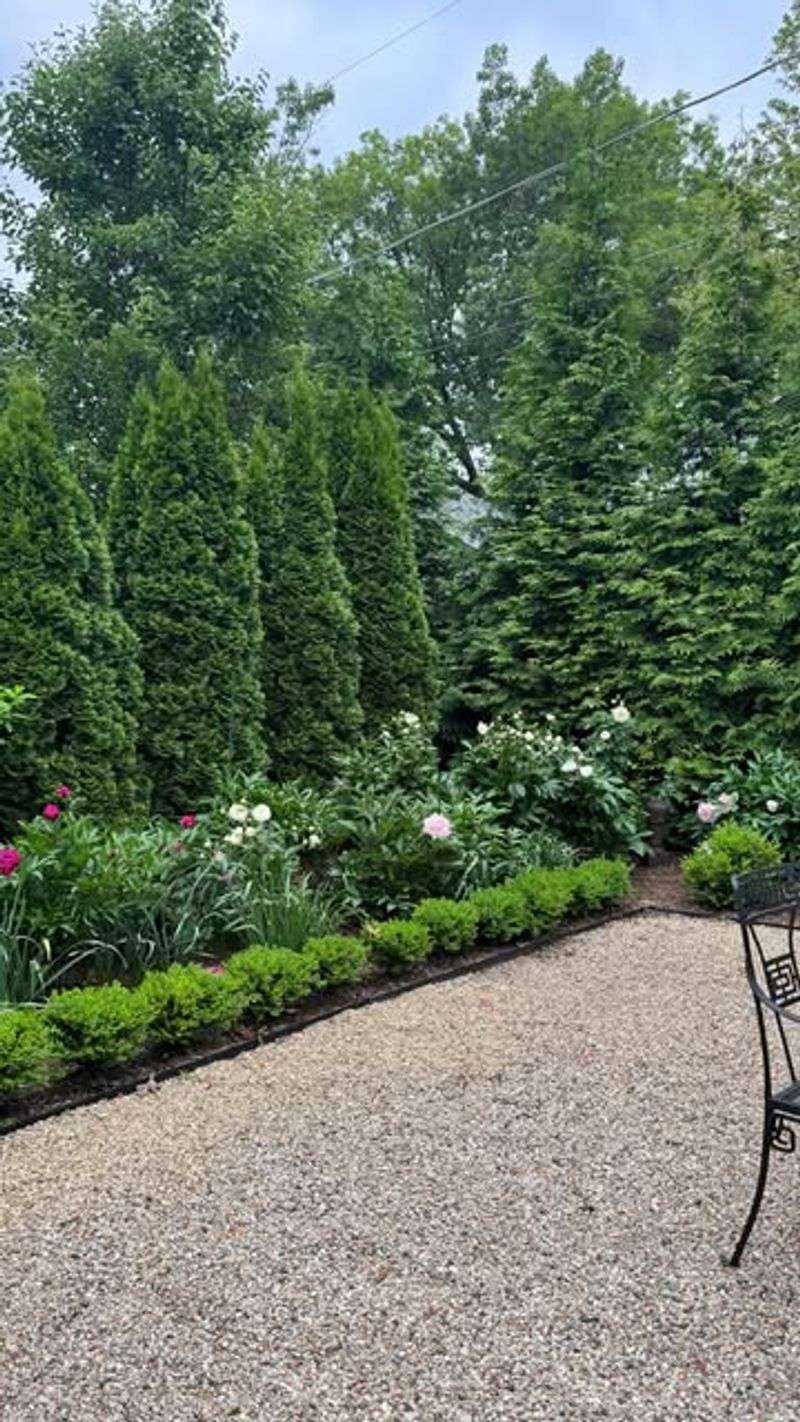
Fast-growing exotic hedges like Leyland cypress and Italian cypress have lined California properties for decades, but their fire risk is prompting regulatory changes.
These dense, resinous plants burn intensely and can act as highways for flames to spread between properties.
Wildfire-prone communities increasingly require fire-resistant landscaping, especially in defensible space zones near structures.
Non-native hedges often require significant water and maintenance to stay healthy in California’s climate.
When stressed by drought, they become even more flammable while providing little ecological value to native wildlife.
Many also grow too large for their intended spaces, creating maintenance headaches and blocking views or sunlight.
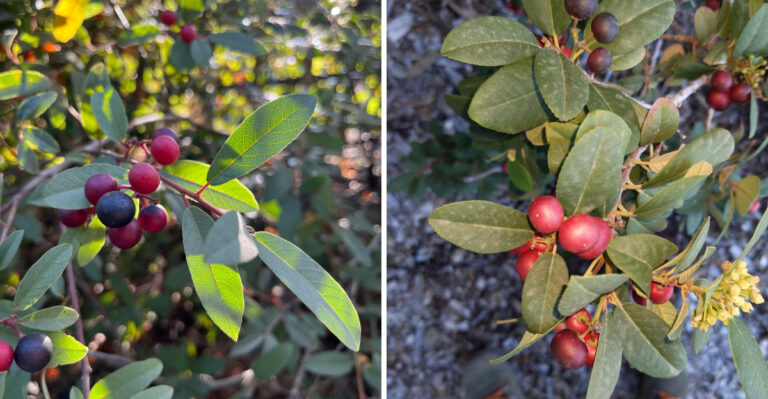
Native alternatives like toyon, coffeeberry, or lemonade berry provide effective screening while supporting local ecosystems.
These adapted plants require less water once established and generally pose lower fire risks than exotic species.
Some jurisdictions now prohibit planting high-fire-risk species in designated hazard zones, with requirements to remove existing problematic hedges.
Property owners in wildfire areas should consult local fire-safe landscaping guidelines before planting or maintaining privacy screens.
Replacing flammable hedges with appropriate natives protects your home while reducing water use and maintenance demands.
Choosing regionally appropriate plants for screening creates beautiful, functional boundaries that work with California’s environment rather than against it.
9. Improperly Managed Compost Piles
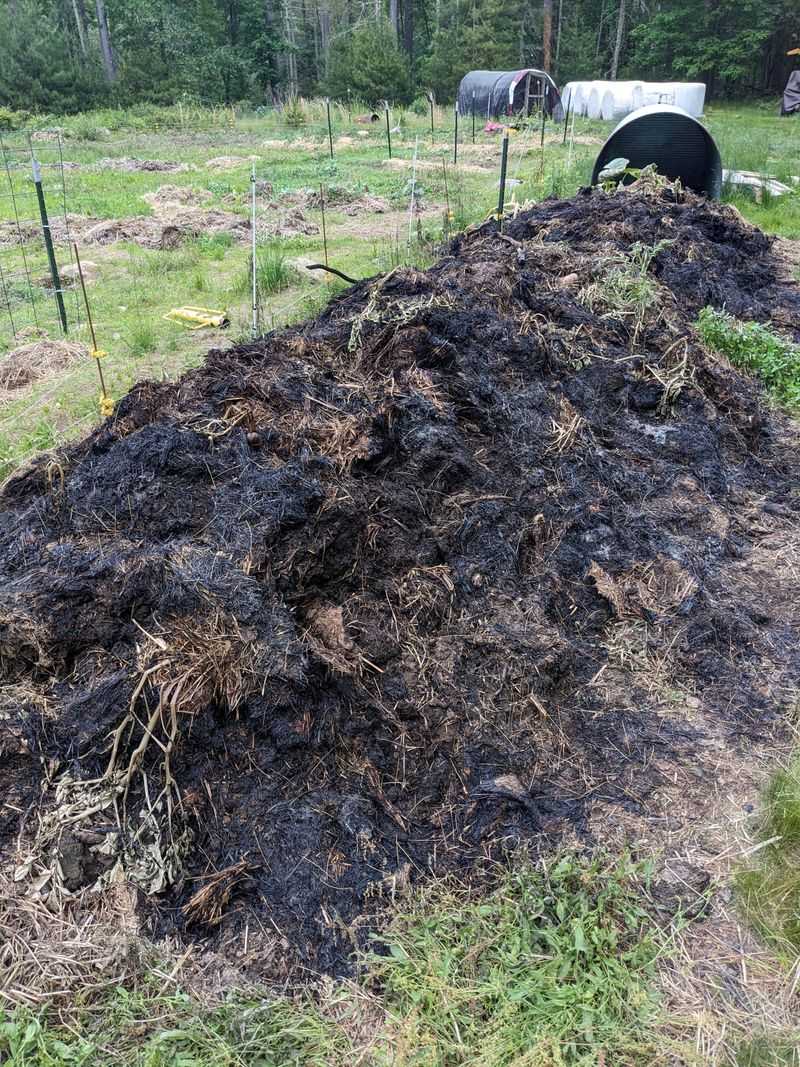
Composting offers environmental benefits, but poorly maintained piles can create neighborhood problems that trigger enforcement actions.
Open compost heaps close to property lines often attract rats, raccoons, and other pests seeking easy food sources.
Odors from anaerobic decomposition or inappropriate materials can generate complaints from nearby residents.
Many California municipalities have specific regulations governing compost location, construction, and maintenance.
These rules typically require enclosed bins rather than open piles, minimum distances from property lines, and proper management to prevent nuisances.
Violations can result in citations and mandatory removal, especially in densely populated neighborhoods.
Proper composting involves balancing green and brown materials, maintaining adequate moisture, and turning regularly to promote aerobic decomposition.
Enclosed bins or tumblers contain materials effectively while deterring pests and controlling odors.
Avoiding meat, dairy, and oily foods prevents many problems that lead to complaints and regulatory issues.
Before starting a compost system, research local requirements and best practices to avoid creating nuisances.
Well-managed composting enriches your garden while reducing landfill waste without bothering neighbors.
Following guidelines for location, containment, and maintenance keeps your composting efforts compliant and beneficial rather than becoming a source of conflict or code violations in your California neighborhood.
10. Backyard Chickens Without Proper Permits
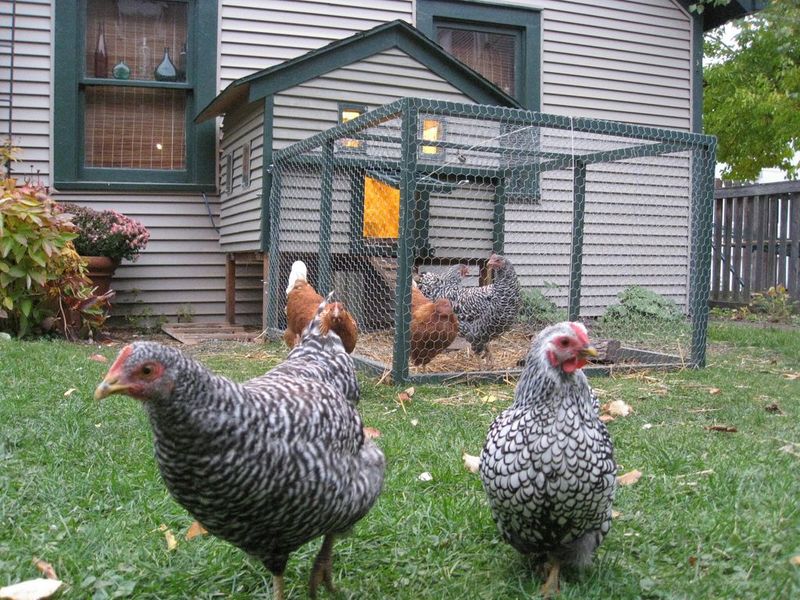
Urban chicken-keeping has surged in popularity, but local regulations often lag behind or tighten in response to problems.
Roosters crow at dawn, hens can be noisy, and improperly maintained coops attract rodents and produce odors.
Many California cities allow backyard poultry only with permits that specify flock size limits, coop standards, and setback requirements.
Zoning rules typically prohibit roosters entirely in residential areas due to noise concerns.
Coop placement, construction standards, and sanitation practices may be regulated to protect neighbors and public health.
Violating these ordinances can result in fines and orders to remove birds, sometimes with very short compliance deadlines.
Responsible chicken-keeping involves regular coop cleaning, secure enclosures to prevent escapes, and considerate management to minimize impacts on neighbors.
Proper permits demonstrate compliance and protect you if complaints arise about noise, odors, or pests.
Some communities are reconsidering or restricting backyard poultry as urban density increases and nuisance complaints multiply.
Before acquiring chickens, thoroughly research local regulations and obtain required permits.
Maintaining clean, properly located coops and limiting flock size to reasonable numbers keeps your hobby compliant and neighborly.
Understanding and following the rules protects your investment in birds and equipment while avoiding conflicts that could force you to give up your feathered friends.
11. Oversized Sheds And Garden Structures Without Approval
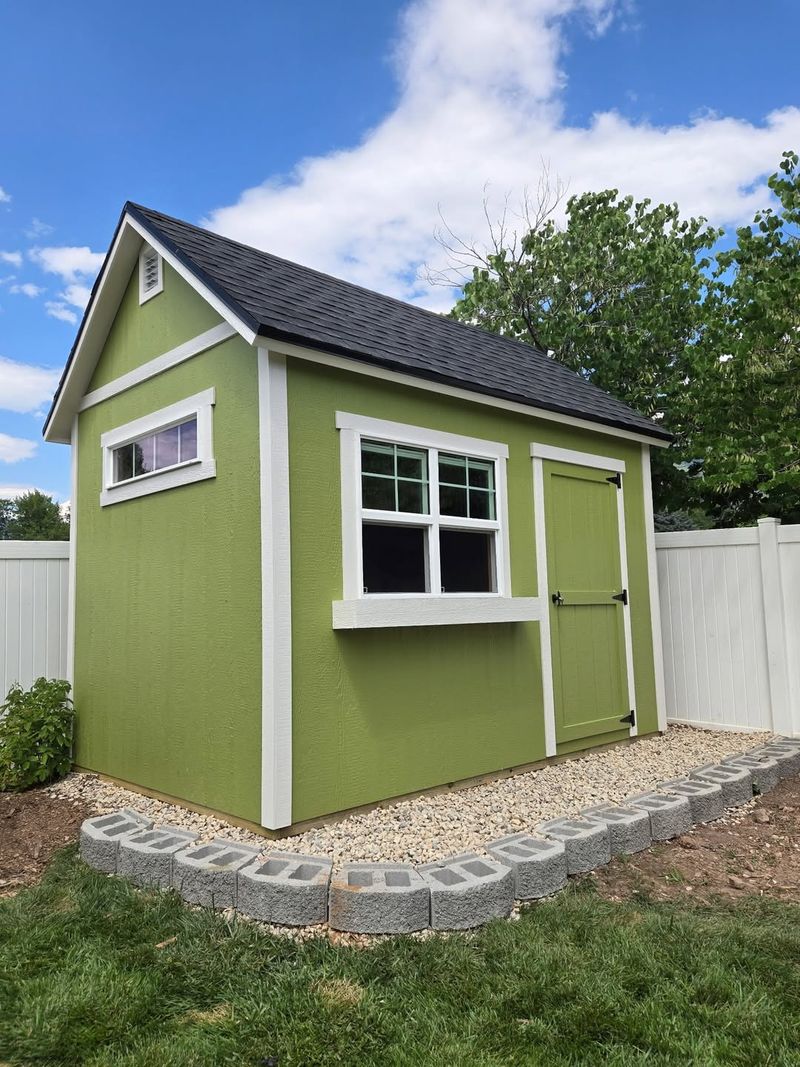
Garden sheds, pergolas, and greenhouses enhance property functionality, but building without permits invites trouble.
Municipal codes specify maximum sizes for unpermitted structures, typically around 120 square feet, and require setbacks from property lines.
Larger or improperly placed structures need building permits and must meet construction standards for foundations, roofing, and electrical work.
Unpermitted structures can complicate property sales, as title companies and buyers often require compliance verification.
Insurance companies may deny claims for damage involving unpermitted construction.
Neighbors can file complaints about structures that block views, violate setbacks, or appear unsightly, triggering enforcement actions.
Code enforcement increasingly uses aerial imagery and neighbor reports to identify unpermitted structures.
Violations typically require retroactive permits, which may be impossible if structures don’t meet current codes.
In worst cases, owners must remove non-compliant buildings entirely at significant expense.
Before building any structure, check local zoning requirements and obtain necessary permits.
Proper permitting ensures your project meets safety standards and protects your property value.
The time and cost of permits pale compared to potential fines, removal orders, or problems selling your home later.
Doing things right from the start keeps your improvements legal and valuable rather than becoming expensive liabilities.
12. Yard Features That Obstruct Public Easements Or Sidewalks
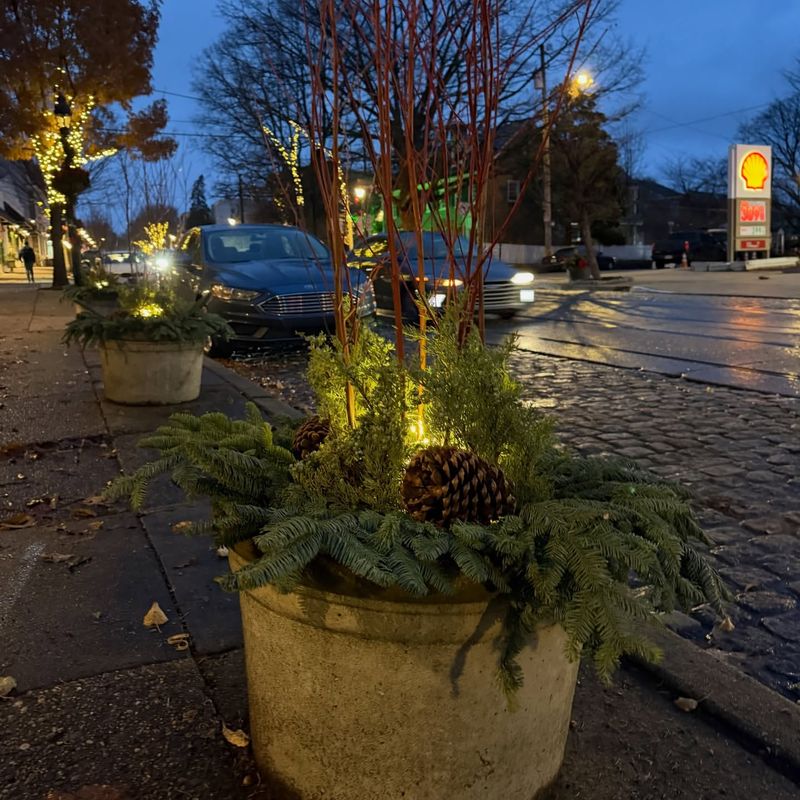
Planters, decorative fences, and yard art sometimes creep beyond property boundaries onto public sidewalks or utility easements.
These encroachments create accessibility barriers for wheelchair users, parents with strollers, and people with visual impairments.
Municipal codes require clear sidewalk widths and prohibit obstructions that force pedestrians into streets.
Utility easements must remain accessible for maintenance workers to reach water, gas, electric, and communication infrastructure.
Landscaping or structures placed in easements can be removed without notice when utilities need access.
Some homeowners mistakenly believe they own and can landscape easement areas that actually belong to municipalities or utility companies.
Americans with Disabilities Act compliance drives increasing enforcement of sidewalk clearance requirements.
Cities face liability for accessibility violations, motivating proactive removal of encroaching yard features.
Fines and removal costs fall on property owners whose landscaping or decorations extend beyond legal boundaries.
Verify your exact property lines before installing fences, planters, or other features near sidewalks and streets.
Respecting public right-of-way keeps your yard compliant while ensuring accessibility for all community members.
Understanding easement locations prevents you from investing in landscaping that utilities might remove during maintenance work.
Keeping yard features within your property boundaries avoids conflicts and contributes to safe, accessible neighborhoods for everyone.