What To Know Before Pruning A Neighbors Shrub Branches In Georgia
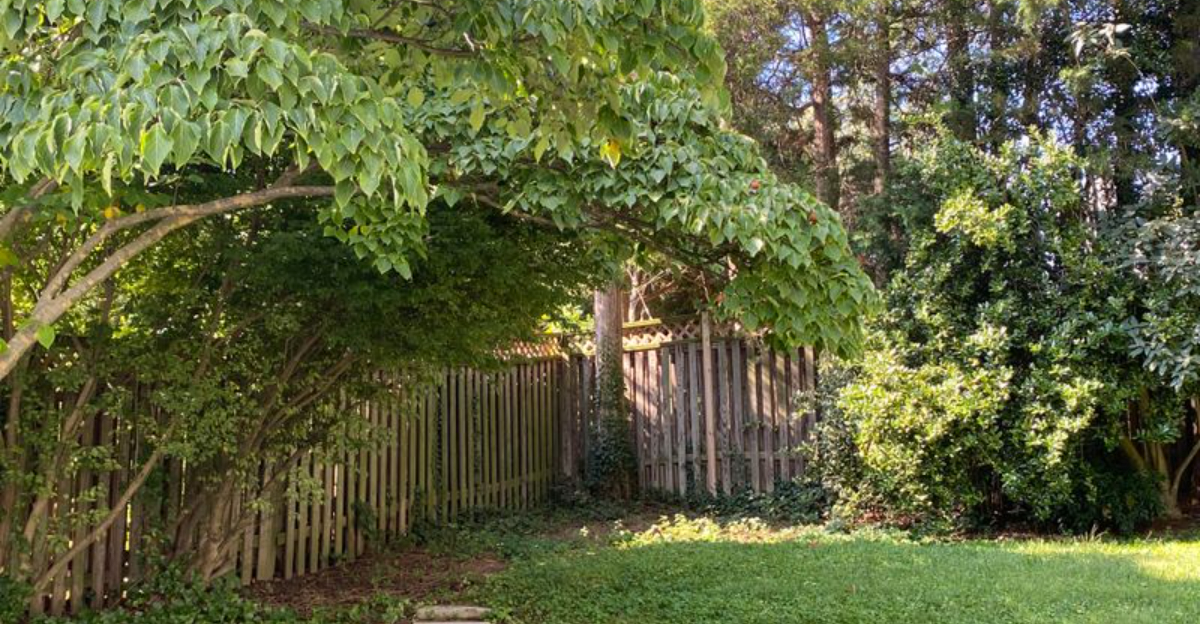
Georgia yards often share fences, shade, and extended branches that test patience.
One shrub creeps across a line, blocks light, or brushes a roof, and temptation strikes fast.
A quick snip may feel harmless, yet that move can open a legal hornet nest.
Property rights, state law, and neighbor trust all hang in the balance.
One wrong cut risks fines, feuds, or long bad blood.
Smart homeowners pause before they reach for shears.
Context matters, from where the trunk stands to how far limbs extend.
Timing, plant health, and clear notice also carry weight.
A calm talk can save trouble and keep peace intact.
This topic cuts closer than many expect, since Georgia law draws firm boundaries.
Know the rules first, then act with care.
An approach protects yards, wallets, and relationships alike, and keeps small disputes from disputes that become full blown conflicts beyond the season.
Georgia Property Law Protects Your Right To Trim

Georgia law actually gives property owners the right to trim branches that hang over their property line.
This means if your neighbor’s shrub extends into your yard, you can legally cut back those branches without asking permission first.
However, this right comes with important limitations that you must follow carefully.
You can only trim up to the property boundary, not beyond it.
Crossing onto your neighbor’s property to cut branches or roots counts as trespassing and could land you in legal trouble.
The law also requires you to trim in a way that doesn’t harm the overall health of the plant.
If your pruning causes serious damage or destroys the shrub entirely, your neighbor could sue you for the plant’s value.
Courts in Georgia have ruled in favor of homeowners whose trees or shrubs were damaged by overzealous neighbors.
Before you start cutting, measure twice and make sure you know exactly where your property line sits.
A small mistake in judgment could turn into a big legal headache.
Understanding these boundaries protects both you and your neighbor from unnecessary conflict.
Locate Your Exact Property Boundaries First
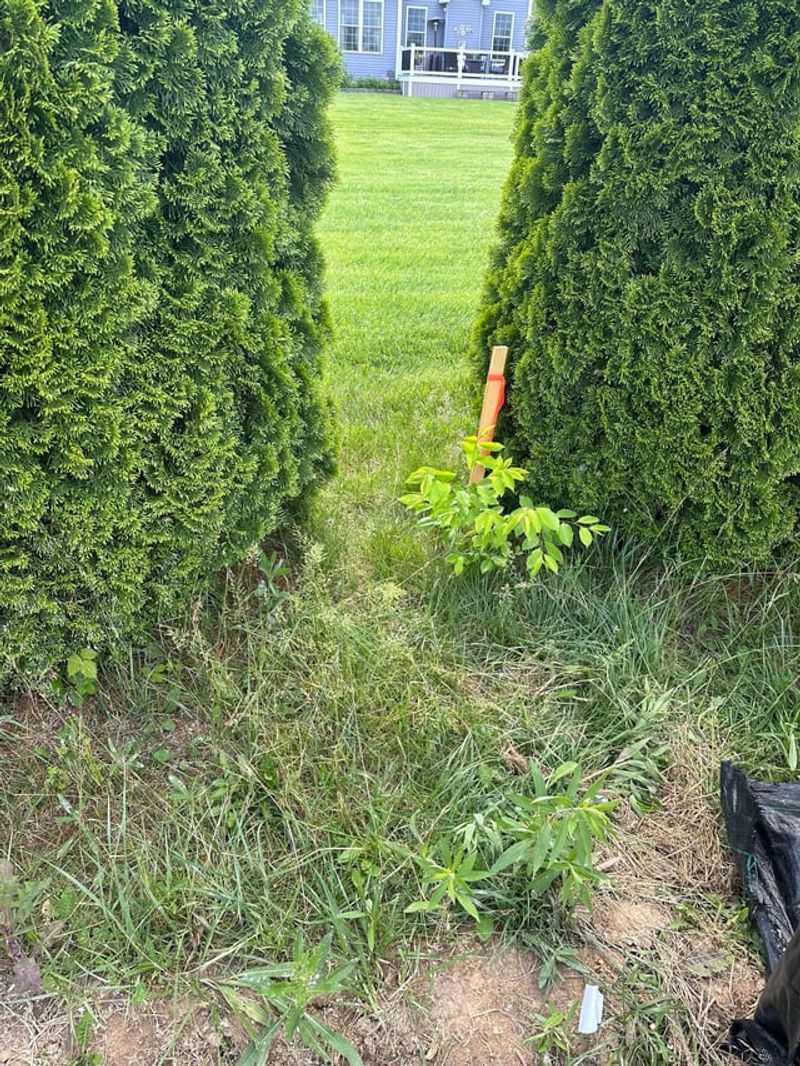
Many homeowners assume their fence marks the property line, but fences often sit several inches or even feet away from the actual boundary.
Before you touch any branches, you need to know precisely where your property ends and your neighbor’s begins.
The most reliable way to find this information involves checking your property survey, which you likely received when you bought your home.
If you can’t locate your survey documents, you can request a copy from your county’s land records office or the title company that handled your home purchase.
For older properties or unclear boundaries, hiring a professional surveyor might be necessary.
Surveyors use specialized equipment to determine exact property lines and can place physical markers in the ground.
This service typically costs between two hundred and six hundred dollars in Georgia, depending on your property’s size and complexity.
Some neighborhoods have HOA documents that include detailed property maps you can reference.
Your Georgia Garden Changes Every Week. Your Plan Should Too.
Gardening in Georgia changes quickly throughout the season. Every Friday you’ll receive a simple weekly plan showing exactly what to plant, prune, fertilize, harvest, and protect so you never miss the right timing.
Taking the time to verify boundaries prevents you from accidentally cutting branches on your neighbor’s side, which could lead to trespassing charges or damage claims.
Accurate measurements protect you legally and help maintain good relationships with the people living next door.
Talk To Your Neighbor Before You Start Cutting
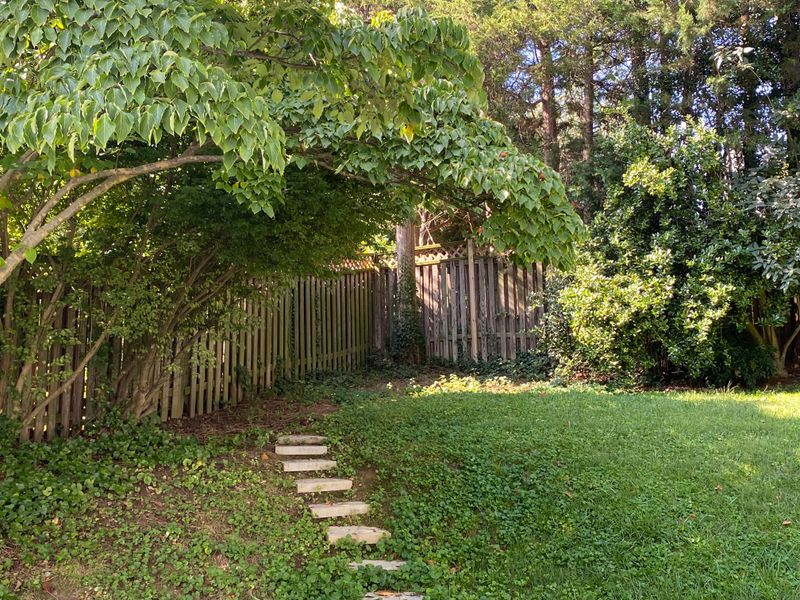
Even though Georgia law permits you to trim overhanging branches, starting a conversation with your neighbor first shows respect and can prevent misunderstandings.
Your neighbor might not even realize their shrub has grown into your space.
A friendly chat gives them the chance to trim the branches themselves, which they might prefer since they can control how their plant looks afterward.
Some neighbors appreciate the heads-up and might even offer to split the cost of hiring a professional tree service.
Approach the conversation calmly and avoid accusatory language.
Instead of saying their shrub is a nuisance, explain how the branches affect your property and suggest working together on a solution.
Most people respond positively when you treat them with courtesy and give them options.
Document this conversation with a follow-up text or email summarizing what you discussed.
This creates a paper trail that could prove useful if disagreements arise later.
If your neighbor refuses to cooperate or becomes hostile, you still have the legal right to trim up to your property line.
But attempting communication first demonstrates good faith and often leads to better outcomes for everyone involved.
Understand Potential Liability For Damage
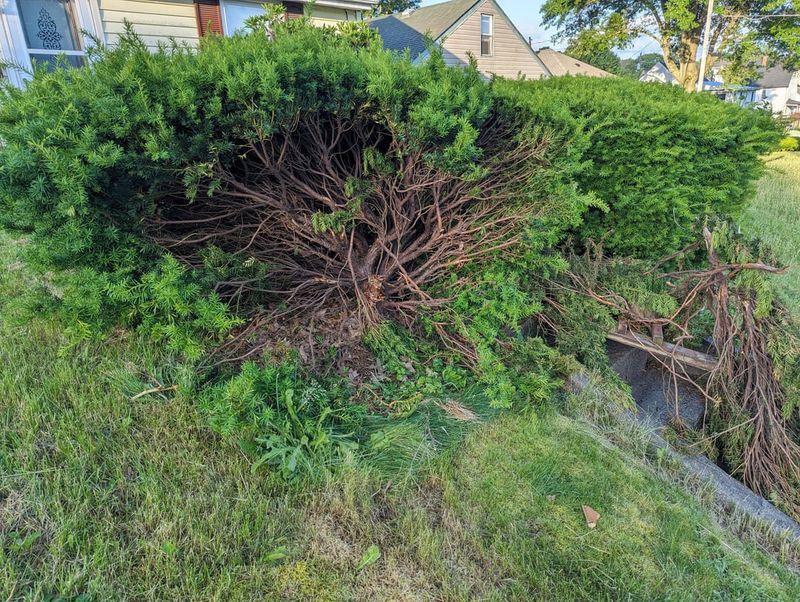
Cutting branches might seem straightforward, but improper pruning techniques can seriously harm or even destroy a shrub.
If your trimming causes significant damage, you could face financial liability for the plant’s replacement value.
In Georgia, courts have awarded thousands of dollars to homeowners whose trees and shrubs were ruined by neighbors who didn’t know proper pruning methods.
Shrubs need their branches cut at specific angles and locations to heal properly and continue growing.
Hacking away randomly or removing too much foliage at once can stress the plant beyond recovery.
Different species have different tolerances for pruning, and cutting at the wrong time of year can also cause lasting harm.
If you lack experience with plant care, hiring a certified arborist or landscaping professional makes sense.
These experts know how to trim branches safely while preserving the shrub’s health.
The cost of professional service usually runs much lower than potential lawsuit expenses.
Take photos of the shrub before you start any work to document its condition.
This evidence protects you if disputes arise about whether you caused damage or if the plant was already struggling.
Check Local Ordinances And HOA Rules

State law provides general guidelines, but your city, county, or homeowners association might have additional regulations about trimming plants near property lines.
Some Georgia municipalities require permits before you can prune trees or large shrubs, even on your own property.
These rules often exist to protect mature trees and maintain neighborhood aesthetics.
Homeowners associations frequently have strict landscaping standards that govern what you can and cannot do with plants visible from the street.
Your HOA covenant might require you to submit a request before trimming anything, even branches hanging over your property.
Violating these rules could result in fines or forced restoration of the plant at your expense.
Contact your city’s code enforcement office or planning department to ask about local tree ordinances.
They can tell you if permits are necessary and what restrictions apply.
If you live in a neighborhood with an HOA, review your covenant documents or contact the board directly.
Taking these extra steps might feel tedious, but ignoring local rules can create bigger problems than the overhanging branches themselves.
Compliance keeps you out of trouble with both your neighbor and local authorities.
Consider The Season And Plant Health
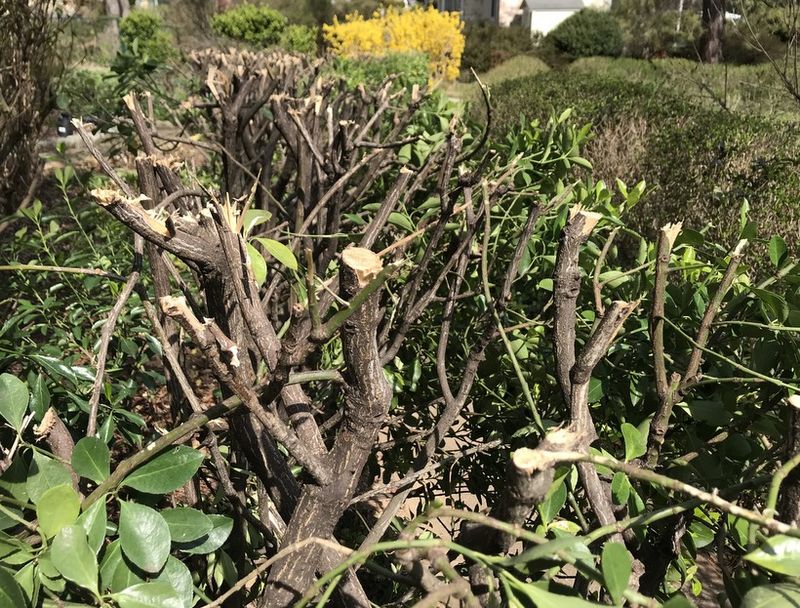
Timing matters tremendously when you trim shrubs, and cutting at the wrong season can stress plants or ruin their blooming cycle.
Most shrubs handle pruning best during their dormant period, which in Georgia typically falls between late winter and early spring before new growth starts.
Trimming during active growth periods forces the plant to redirect energy away from developing leaves and flowers.
Spring-blooming shrubs like azaleas should be pruned right after they finish flowering, not before, or you’ll cut off all the buds.
Summer-blooming varieties tolerate pruning in late winter or early spring without losing their flowers.
Evergreen shrubs can usually handle light trimming throughout the growing season, but heavy pruning should wait until dormancy.
Georgia’s hot summers add another consideration because fresh pruning cuts can leave plants vulnerable to heat stress and disease.
Before you start cutting, research the specific type of shrub your neighbor has planted.
A quick internet search or call to a local nursery can tell you the best pruning window for that species.
Respecting the plant’s natural cycle shows you’re acting responsibly and reduces the chance of causing unintentional harm that could lead to legal complications.
Document Everything With Photos And Records
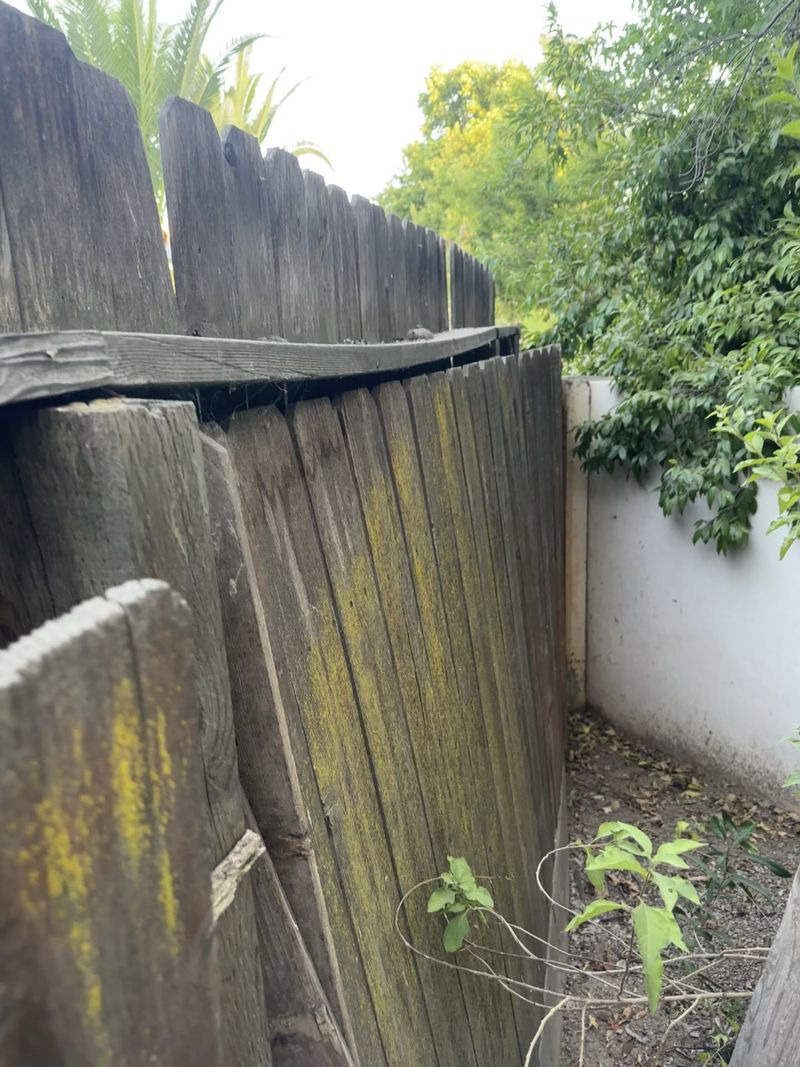
Creating a thorough record of the situation before you trim anything protects you if disagreements or legal issues develop later.
Take clear photographs of the overhanging branches from multiple angles, showing how they cross into your property.
Include shots that show the property line markers or fence if possible.
Photograph the overall condition of the shrub so you have evidence that it was healthy before you started trimming.
If the plant already showed signs of disease or poor health, those photos prove you didn’t cause pre-existing problems.
Date-stamp your photos or save them with metadata intact so you can verify when they were taken.
Keep copies of any written communication with your neighbor, including texts, emails, or letters discussing the overhanging branches.
If you spoke in person, send a follow-up message summarizing the conversation to create a written record.
After you complete the trimming, take another set of photos showing the work you did and the condition of the remaining plant.
Store all this documentation in a safe place where you can easily access it if needed.
This evidence can prove invaluable if your neighbor later claims you caused damage or trespassed onto their property.
Know When To Hire A Professional Instead
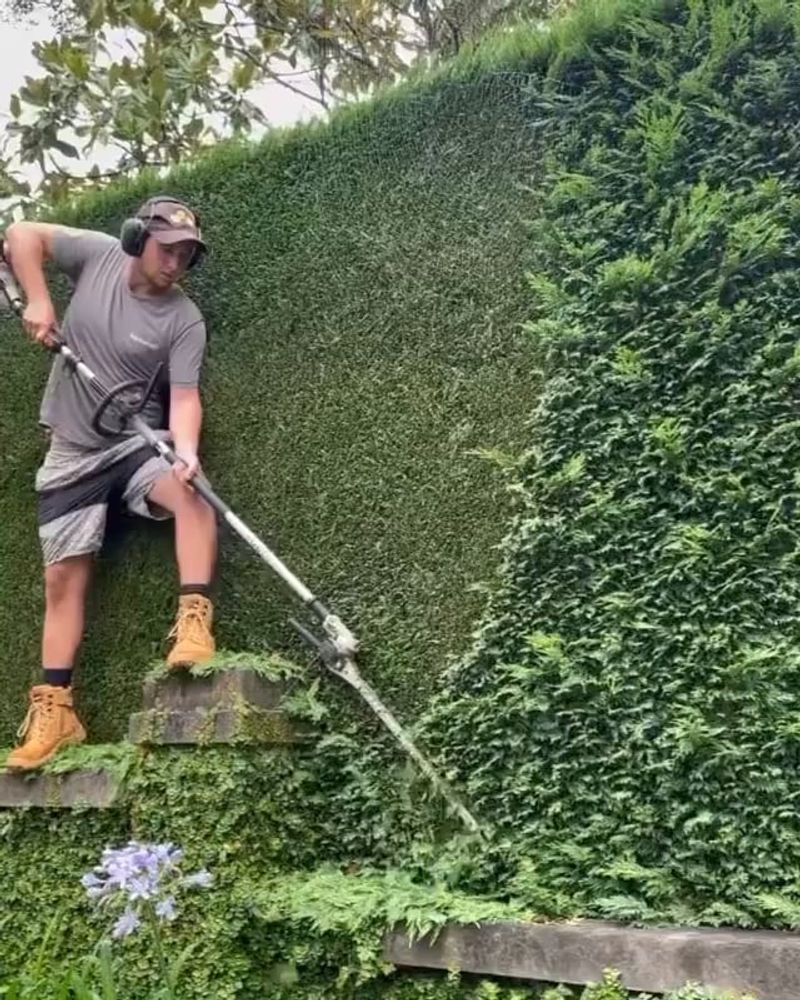
Some situations call for professional expertise rather than DIY pruning, especially when large branches or valuable plants are involved.
Certified arborists understand plant biology and proper cutting techniques that preserve shrub health while achieving your goals.
They carry liability insurance that protects both you and your neighbor if something goes wrong during the trimming process.
Professional services make particular sense when branches are high up, require ladders, or grow near power lines.
Safety risks increase dramatically when you work above ground level or near electrical hazards.
Tree service companies have specialized equipment and training to handle these dangerous situations.
If the shrub appears diseased or unhealthy, professionals can diagnose problems and recommend appropriate treatment rather than potentially making things worse.
The cost of hiring experts typically ranges from one hundred fifty to five hundred dollars depending on the job’s complexity.
This investment often proves cheaper than potential medical bills from accidents, legal fees from damage claims, or replacement costs for plants you inadvertently harm.
Professional trimming also provides a neutral third party who can testify about proper procedures if disputes arise later.
When in doubt, choosing professional help demonstrates responsible property ownership and protects everyone involved.