12 Fire-Hazard Trees Washington Homeowners May Be Required To Remove
Washington State faces serious wildfire risks each year, especially during hot and dry summer months when flames spread quickly through vulnerable landscapes.
Homeowners living near forests or wooded areas need to understand which trees pose the greatest danger to their property and families during fire season.
Local regulations may soon require residents to remove certain high-risk trees that act like fuel, helping fires jump from wildlands straight into neighborhoods.
Learning about these twelve problematic species can help you protect your home while staying compliant with new safety rules across the state.
1. Juniper
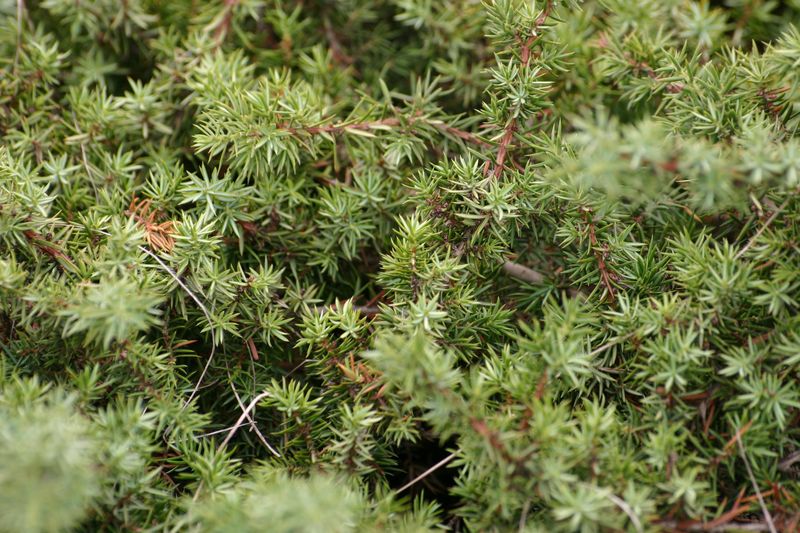
Junipers contain oils that make them incredibly flammable, turning these common landscape plants into serious fire hazards during Washington’s driest months each year.
Their dense, low-growing branches trap withered needles underneath, creating a perfect fuel bed that ignites easily and burns with intense heat and speed.
Many Washington communities now classify junipers as high-risk vegetation, especially when planted too close to homes, garages, or other structures on residential properties.
Removing junipers from your defensible space reduces the chance of embers igniting your property during wildfire events that sweep through nearby forests.
Homeowners should consider replacing these shrubs with fire-resistant plants like native grasses, succulents, or deciduous trees that hold less flammable material year-round.
Professional arborists recommend clearing junipers within thirty feet of any building to create a safer buffer zone that slows down advancing flames.
Washington regulations may mandate juniper removal in high-risk zones, so checking local fire codes now can save you from costly fines later on.
2. Arborvitae (Thuja)
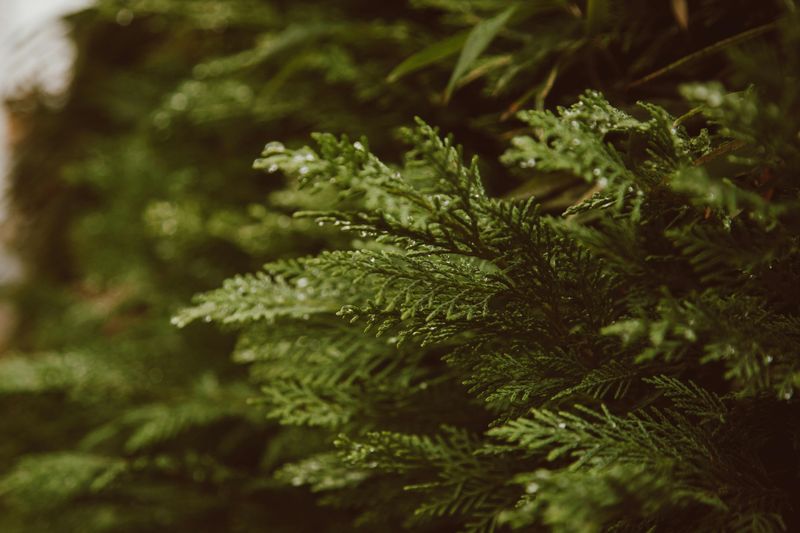
Arborvitae hedges are popular privacy screens across Washington neighborhoods, but their resinous foliage burns rapidly once exposed to sparks or open flames nearby.
These evergreens retain deceased branches deep within their canopy, which dry out over time and act as hidden kindling waiting for ignition opportunities.
Fire experts warn that arborvitae planted in continuous rows create fire ladders, allowing flames to climb vertically and spread horizontally across entire property lines.
Washington homeowners face increasing pressure to thin or remove arborvitae stands that sit too close to wooden fences, decks, or home siding materials.
Replacing arborvitae with hardwood trees or spacing them farther apart significantly reduces fire danger while still providing some level of visual screening outdoors.
Local fire marshals often cite arborvitae as problematic during property inspections, especially in areas designated as wildland-urban interface zones requiring stricter vegetation management.
Staying proactive about arborvitae removal helps protect not just your own home but also neighboring properties that could suffer from spreading fires during emergencies.
3. Western Redcedar

Western Redcedar is a beloved native species in Washington, yet its dry, shaggy bark and oily wood make it surprisingly vulnerable to wildfire damage.
During summer droughts, redcedar foliage dries out quickly, transforming these majestic trees into towering torches that can ignite from a single ember landing nearby.
Homeowners cherish redcedars for their beauty and historical significance, but fire safety experts increasingly recommend removing them from areas within fifty feet of structures.
Your Washington Garden Changes Every Week. Your Plan Should Too.
Gardening in Washington changes quickly throughout the season. Every Friday you’ll receive a simple weekly plan showing exactly what to plant, prune, fertilize, harvest, and protect so you never miss the right timing.
The tree’s thick bark peels easily, creating loose strips that catch fire and carry flames upward into the crown where intense heat develops rapidly.
Washington fire codes in some counties now require redcedar removal or significant pruning to reduce ladder fuels that connect ground vegetation to tree canopies.
Replacing redcedars with fire-resistant deciduous trees like maples or oaks provides shade and beauty without the same level of combustion risk during wildfire season.
Consulting with local forestry professionals can help you decide whether your redcedars should stay or go based on their location and surrounding landscape conditions.
4. Pine
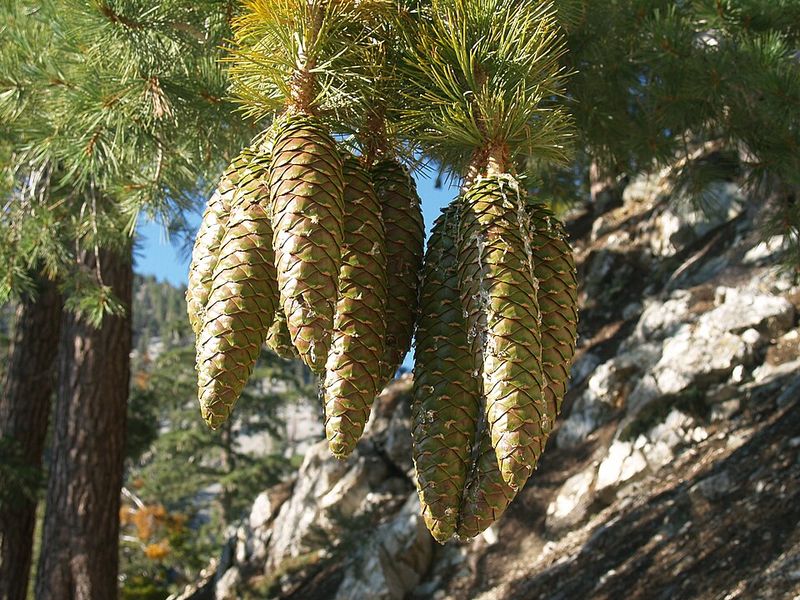
Pine trees drop needles constantly throughout the year, creating thick layers of highly flammable litter that accumulate around trunks and spread across surrounding ground.
Their resinous sap and needle structure allow pines to ignite quickly, producing intense flames that can leap from tree to tree in seconds flat.
Washington homeowners living in fire-prone areas often face requirements to remove pines within defensible space zones, typically extending at least thirty feet from any structure.
Pines also produce abundant pinecones and small branches that add to the fuel load, increasing fire intensity and making suppression efforts much more difficult.
Thinning pine stands and removing lower branches helps reduce fire ladder effects, but complete removal may be necessary in the highest-risk residential neighborhoods.
Fire officials note that pines are among the first trees to ignite during wildfire events, often acting as the bridge that carries flames into communities.
Homeowners should evaluate their pine trees annually, removing withered specimens immediately and considering alternatives like deciduous shade trees for future landscaping projects.
5. Douglas Fir
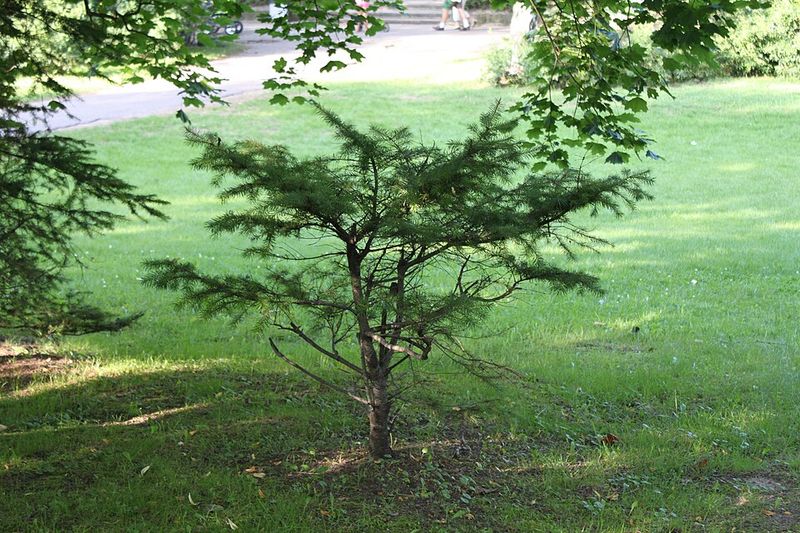
Douglas Fir dominates Washington forests and many residential landscapes, but its dense needles and thick branch structure make it a significant fire risk factor.
These towering evergreens accumulate withered lower branches over time, creating natural fire ladders that help flames climb from ground level into the canopy quickly.
Homeowners appreciate Douglas Fir for its stately appearance and shade, yet fire safety regulations increasingly target these trees for removal near homes and outbuildings.
During dry spells, Douglas Fir needles lose moisture rapidly, becoming highly combustible and capable of producing intense heat that spreads fire across large areas.
Washington counties with strict wildfire ordinances may require homeowners to thin Douglas Fir stands or remove specimens growing within prescribed distances from structures entirely.
Pruning lower branches and clearing needle debris can reduce fire danger somewhat, but removing Douglas Firs altogether offers the best protection in high-risk zones.
Consulting arborists and fire officials helps homeowners make informed decisions about which Douglas Firs should be removed and which might stay with proper maintenance.
6. Spruce
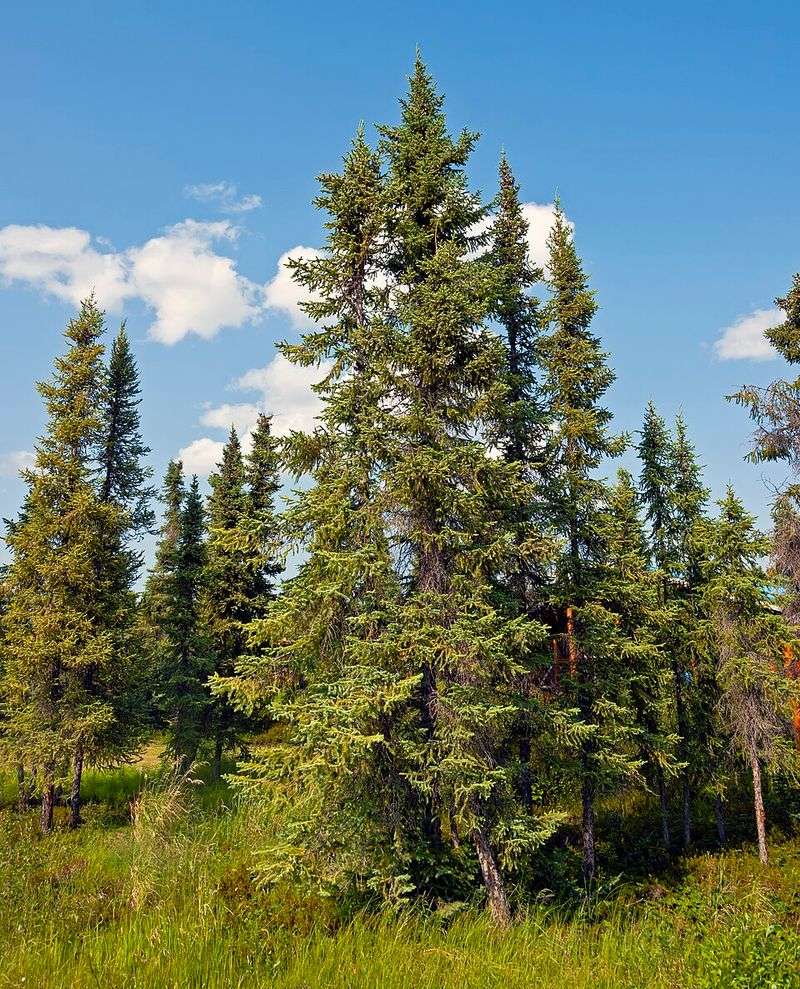
Spruce trees feature dense, resinous needles that retain oils throughout the year, making them extremely flammable even during relatively mild weather conditions in Washington.
Their branches grow low to the ground naturally, creating continuous fuel pathways that allow fires to climb rapidly from grass level into the treetops.
Washington fire marshals often cite spruce trees during property inspections, especially when they grow in tight clusters or near wooden structures like sheds and garages.
Spruce needles decompose slowly, building up thick mats of dry material underneath the tree that ignite easily from sparks, embers, or careless activities.
Removing spruce trees from defensible space zones significantly reduces the chance of structure ignition during wildfire events that threaten Washington communities each summer season.
Homeowners can replace spruce with fire-resistant landscaping options like native shrubs, rock gardens, or deciduous trees that drop moisture-rich leaves instead of oily needles.
Staying ahead of new regulations by removing problematic spruce trees now prevents potential fines and protects your property investment for years to come ahead.
7. Hemlock
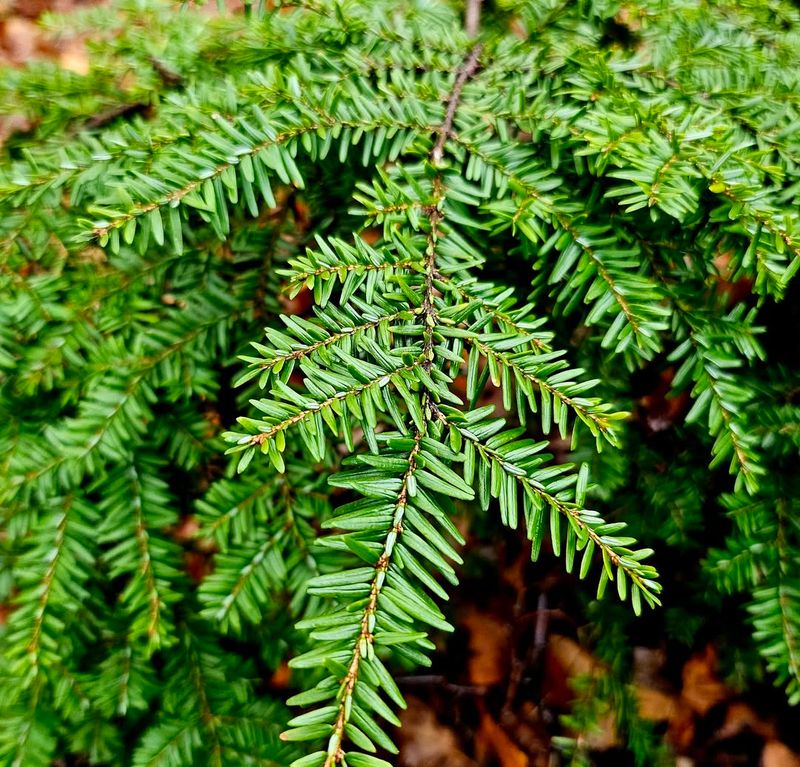
Hemlock trees thrive in Washington’s moist climate, but their fine needles and shallow root systems make them surprisingly vulnerable to fire damage during drought periods.
These evergreens shed needles continuously, creating deep layers of dry, flammable material that can smolder for hours before bursting into active flames around structures.
Washington homeowners may face removal requirements for hemlocks planted too close to homes, especially in areas where wildfire risk assessments indicate high danger levels.
Hemlock branches grow densely and retain moisture poorly during summer months, allowing fire to spread quickly through the canopy once ignition occurs below.
Fire officials recommend removing hemlocks from within fifty feet of any building, replacing them with hardwoods or fire-resistant native plants that offer better protection.
Thinning hemlock stands and clearing accumulated needles can help reduce fire risk temporarily, but complete removal provides the most reliable long-term safety solution.
Consulting local fire departments about hemlock removal requirements ensures you stay compliant with evolving regulations designed to protect Washington communities from increasing wildfire threats.
8. Leyland Cypress

Leyland Cypress grows rapidly into dense privacy screens, but its high oil content and thick foliage make it one of the most flammable trees available.
These hybrids ignite with shocking speed, producing intense flames that can engulf entire hedge rows in minutes and spread fire directly to nearby homes.
Washington fire officials strongly discourage planting Leyland Cypress near structures, and many jurisdictions now require existing specimens to be removed from defensible space zones.
The tree’s dense interior traps withered branches and needles, creating a hidden fuel cache that burns with extreme heat once exposed to sparks or embers.
Homeowners who planted Leyland Cypress years ago for privacy now face difficult decisions about removal costs versus potential fire damage to their properties and belongings.
Replacing Leyland Cypress with deciduous hedges or fire-resistant shrubs provides privacy without the extreme combustion risk that comes with these problematic evergreen hybrids.
Fire safety experts rank Leyland Cypress among the top trees to remove immediately, especially in Washington communities where wildfire danger continues increasing each season.
9. Italian Cypress
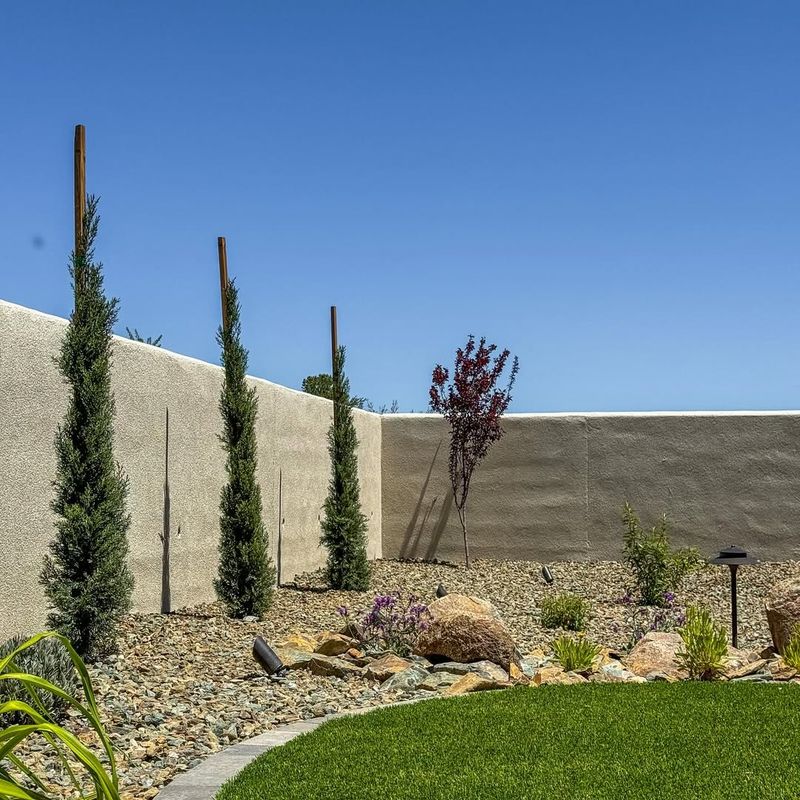
Italian Cypress trees add Mediterranean elegance to Washington landscapes, but their narrow, dense form and resinous foliage create serious fire hazards during dry months.
These columnar evergreens burn like candles once ignited, with flames racing up their entire height in seconds and showering nearby structures with burning embers.
Washington homeowners in fire-prone areas increasingly face pressure to remove Italian Cypress specimens planted too close to homes, fences, or other combustible structures nearby.
The tree’s tight growth habit prevents air circulation, allowing heat to build rapidly inside the canopy and creating explosive fire conditions during wildfire events.
Fire officials warn that Italian Cypress can act as torches, carrying flames high into the air where wind spreads embers across neighborhoods and ignites roofs.
Removing these decorative trees from defensible space zones is often mandatory under new Washington fire codes designed to protect communities from escalating wildfire risks.
Homeowners seeking vertical accent plants should consider fire-resistant alternatives like deciduous ornamental trees that provide visual interest without the extreme combustion danger Italian Cypress presents.
10. Monterey Cypress

Monterey Cypress brings coastal charm to Washington properties, but its oily foliage and dense branching structure make it highly combustible during extended dry periods.
These trees accumulate deceased material within their canopies, creating internal fuel loads that burn with intense heat and spread fire rapidly to surrounding vegetation.
Washington fire regulations increasingly target Monterey Cypress for removal, particularly in wildland-urban interface zones where homes meet natural forests and grasslands each year.
The tree’s tendency to grow large and wide creates massive fuel sources that can overwhelm firefighting efforts and endanger entire neighborhoods during major events.
Homeowners who cherish their Monterey Cypress specimens must weigh aesthetic value against the very real danger these trees pose to family safety and property protection.
Removing Monterey Cypress from areas near structures and replacing them with fire-resistant landscaping significantly improves defensible space and reduces overall combustion risk factors.
Consulting with certified arborists helps homeowners understand removal options and costs while ensuring compliance with local fire safety ordinances that continue evolving across Washington State.
11. Yew
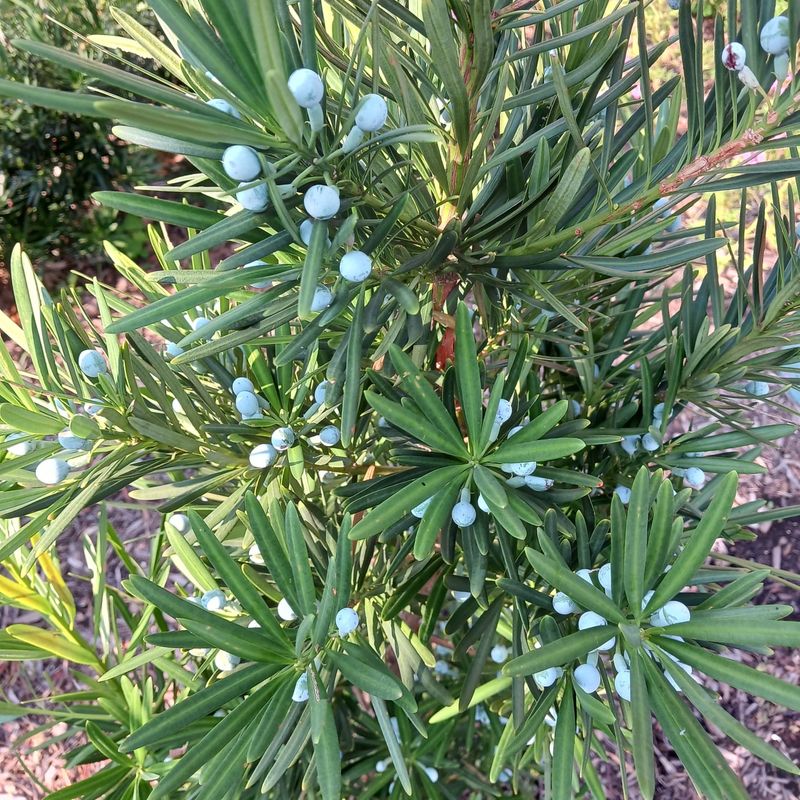
Yew shrubs and trees are popular foundation plantings across Washington, but their dense, resinous foliage burns intensely once exposed to flames or sparks nearby.
These evergreens grow slowly and compactly, creating thick masses of flammable material that sit directly against home siding, windows, and other vulnerable building components.
Washington fire codes increasingly require homeowners to remove yews planted within five feet of structures, recognizing the extreme danger they pose during wildfire season.
Yew foliage retains oils that ignite easily and burn with high temperatures, potentially melting vinyl siding or breaking windows through radiant heat alone.
Removing yews from immediate proximity to homes and replacing them with fire-resistant ground covers or hardscape features dramatically improves property safety during fire events.
Fire officials note that foundation plantings like yews often serve as the ignition point where wildfires transition from approaching landscapes into actual structure fires.
Homeowners should prioritize yew removal as part of comprehensive defensible space strategies that protect families and investments from Washington’s growing wildfire threat each summer.
12. Eucalyptus
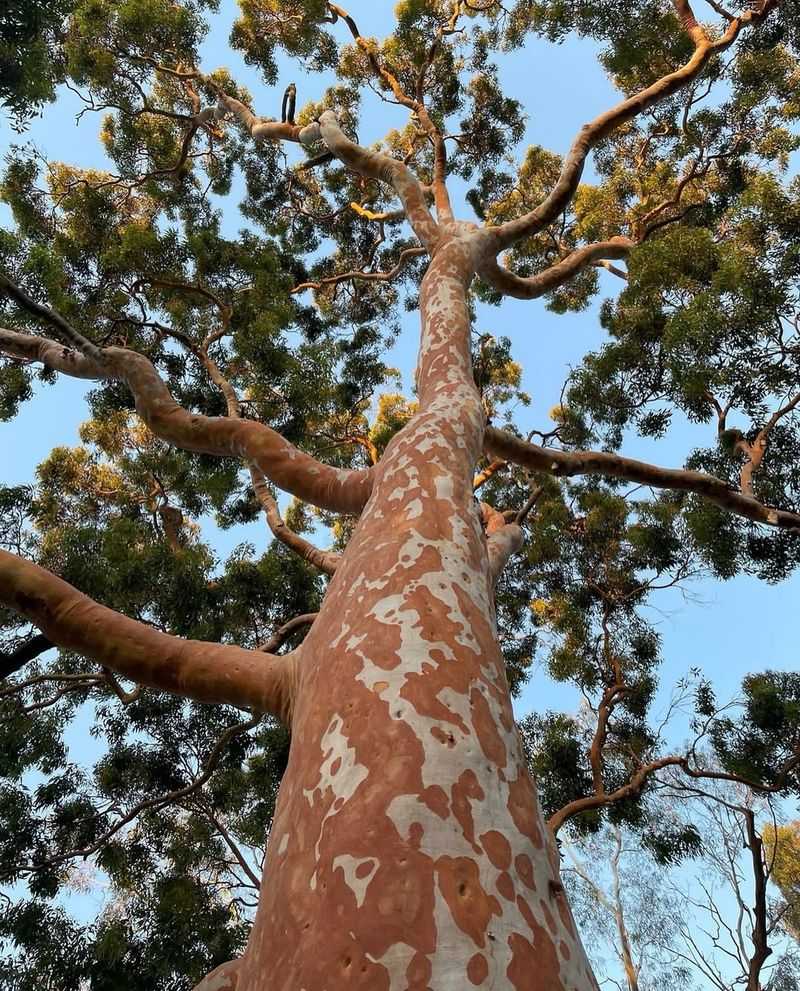
Eucalyptus trees contain volatile oils in their leaves and bark, making them extremely dangerous fire hazards that burn explosively during Washington’s dry summer months.
These Australian natives shed long strips of oily bark that accumulate around their bases, creating perfect kindling that ignites instantly from the smallest spark.
Washington fire officials consider eucalyptus among the most hazardous trees homeowners can plant, often requiring immediate removal under updated wildfire prevention ordinances statewide.
The tree’s oil-rich leaves produce flammable vapors in hot weather, allowing fires to spread through eucalyptus groves without even touching the trees themselves initially.
Eucalyptus bark and leaves can carry embers long distances, igniting new fires far from the original blaze and overwhelming firefighting resources across multiple fronts.
Removing eucalyptus trees from residential properties should be a top priority for Washington homeowners serious about protecting their families and neighbors from catastrophic fire damage.
Consulting professional tree removal services ensures eucalyptus specimens are safely eliminated and replaced with fire-resistant native species that enhance rather than endanger your landscape.