9 Fire-Risk Trees Colorado Homeowners Are Required To Remove

Colorado’s stunning mountain landscapes come with a serious wildfire threat that grows stronger each year.
Dry conditions, high winds, and dense forests create the perfect storm for devastating blazes that can spread quickly through neighborhoods.
State and local authorities now require homeowners to remove certain tree species that act like fuel for wildfires, especially in high-risk zones.
Some trees contain highly flammable resins and oils that ignite easily and burn intensely.
Others have bark that peels away and becomes airborne embers, spreading fires across long distances.
Damaged specimens of any species also create hazardous conditions that violate local fire codes.
Colorado’s wildfire mitigation laws give homeowners clear responsibilities about managing vegetation around their homes.
Property owners who ignore these requirements face fines and increased liability if their trees contribute to fire spread.
The good news is that removing high-risk trees and replacing them with fire-resistant alternatives can dramatically reduce your wildfire vulnerability.
Many communities offer resources and sometimes financial assistance to help residents comply with vegetation management rules.
Taking action now protects your investment and gives firefighters a better chance to defend your home when wildfires threaten.
1. Ponderosa Pine
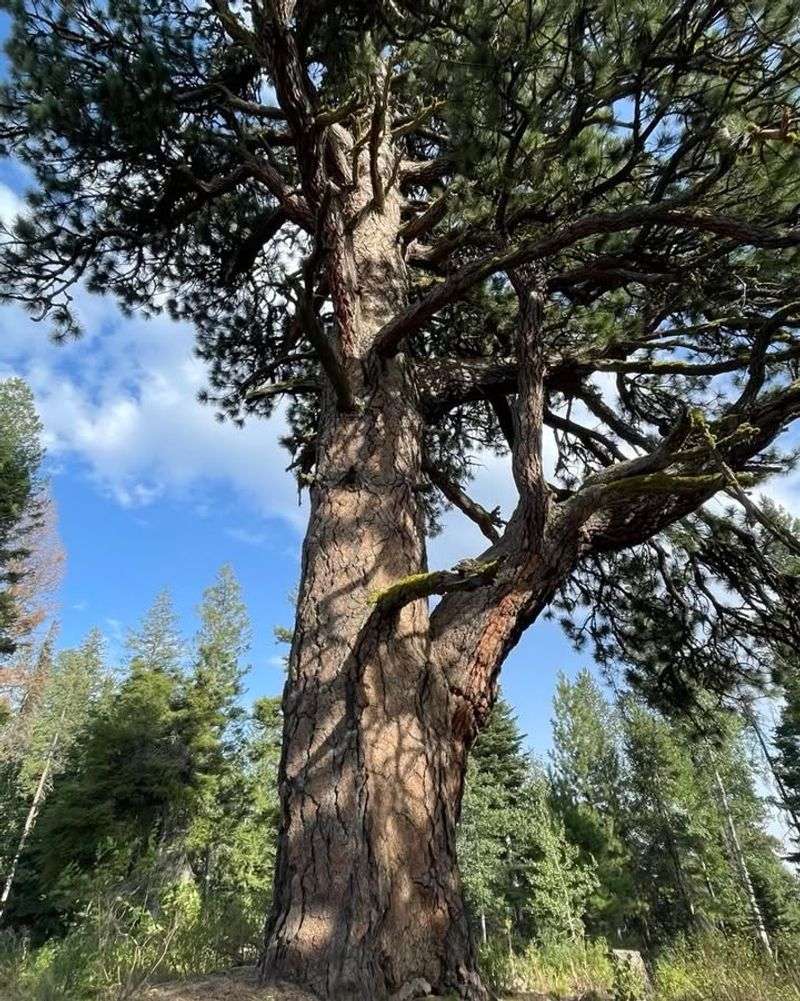
Ponderosa pines tower across Colorado’s foothills and lower mountain zones, but their beauty masks a serious fire hazard.
These giants drop massive amounts of dry needles that carpet the ground and create a thick fuel bed.
When flames reach this tinder-dry layer, fires can spread rapidly and climb into the tree canopy.
The thick, platy bark of mature ponderosa pines actually helps individual trees survive low-intensity fires.
However, dense stands with overlapping branches create “ladder fuels” that allow ground fires to reach the crown.
Once fire gets into the needles and branches, it becomes nearly impossible to control.
Colorado fire codes often require homeowners to thin ponderosa pines within defensible space zones around structures.
You might need to remove trees that are too close together or positioned near your home.
Keeping the lowest branches pruned and clearing fallen needles reduces ignition risk for remaining trees.
Many property owners choose to remove smaller ponderosas while keeping a few well-spaced mature specimens.
Professional arborists can help identify which trees to remove based on their position, health, and proximity to buildings.
Replacing removed ponderosas with fire-resistant deciduous trees creates a safer landscape without sacrificing natural beauty.
2. Lodgepole Pine
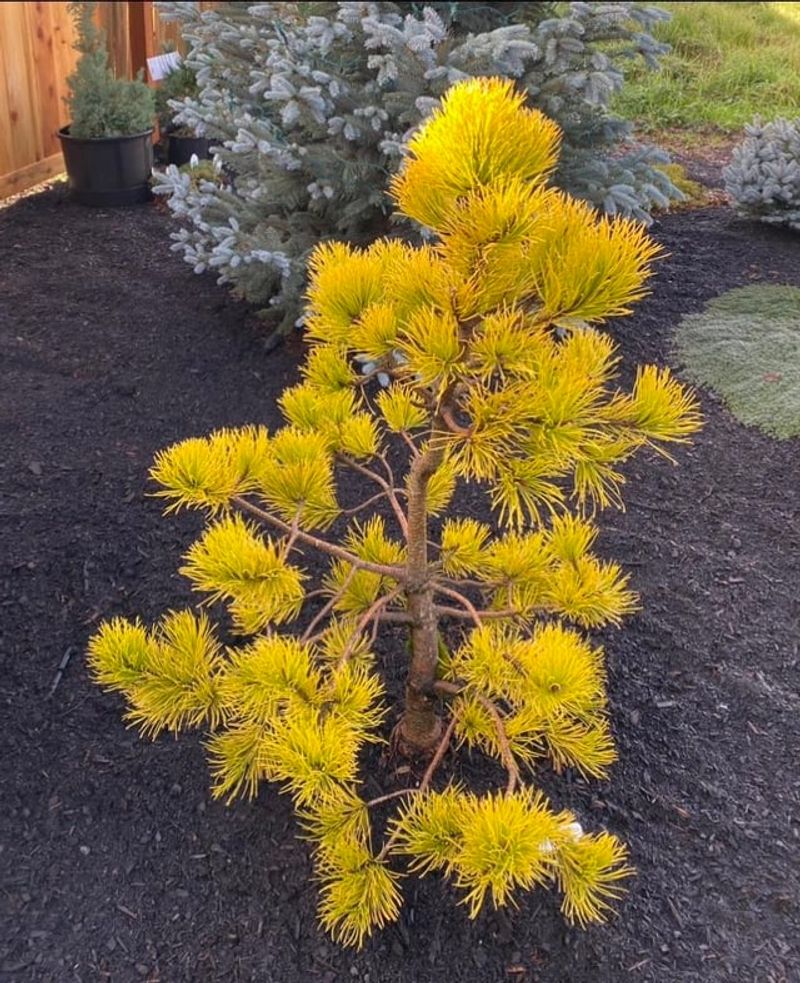
Walk through a lodgepole pine forest and you’ll notice how closely these trees grow together, often creating an almost impenetrable wall of trunks.
This natural growth pattern spells disaster during wildfire season.
Lodgepoles evolved to burn intensely, releasing seeds from their cones only after fire sweeps through.
The resinous wood and thin bark make these trees extremely flammable once flames arrive.
Their tendency to grow in dense thickets means fire can jump easily from tree to tree.
Homeowners in lodgepole-dominated areas face particularly strict removal requirements because these forests burn so completely.
Fire mitigation experts recommend aggressive thinning of lodgepole stands near homes and outbuildings.
You might need to remove 60-70% of trees in some areas to create adequate spacing.
Your Colorado Garden Changes Every Week. Your Plan Should Too.
Gardening in Colorado changes quickly throughout the season. Every Friday you’ll receive a simple weekly plan showing exactly what to plant, prune, fertilize, harvest, and protect so you never miss the right timing.
The goal is preventing continuous canopy that allows fire to race through treetops.
Lodgepole pines also tend to accumulate large amounts of fallen branches and needles beneath them.
Regular cleanup of this ground fuel is just as important as tree removal.
Some mountain communities have banned new lodgepole plantings in residential areas because of their extreme fire behavior.
Consider replacing them with aspen or other deciduous species that provide natural firebreaks.
3. Douglas Fir

Douglas firs are beloved for their symmetrical shape and soft needles, but firefighters know them as serious wildfire accelerants.
These evergreens retain their lower branches well into maturity, creating perfect ladder fuels.
Flames easily climb from ground level straight into the dense crown where fire spreads explosively.
The high resin content in Douglas fir wood and needles means they ignite quickly and burn with intense heat.
Even green, healthy Douglas firs can torch during extreme fire conditions.
Their thick foliage holds heat close to the trunk, making them more likely to sustain crown fires than many other species.
Colorado wildfire ordinances frequently target Douglas firs for removal in the home ignition zone.
Trees within 30 feet of structures typically must be removed entirely.
Those farther away might be allowed if properly limbed up and adequately spaced from other trees.
Property owners often struggle with Douglas fir removal because these trees provide excellent privacy screening and wildlife habitat.
However, their fire behavior makes them unsuitable for areas near homes.
Oak, maple, or other hardwoods offer similar screening with far less fire risk.
Professional removal is essential since large Douglas firs can cause significant damage if felled incorrectly.
4. Rocky Mountain Juniper
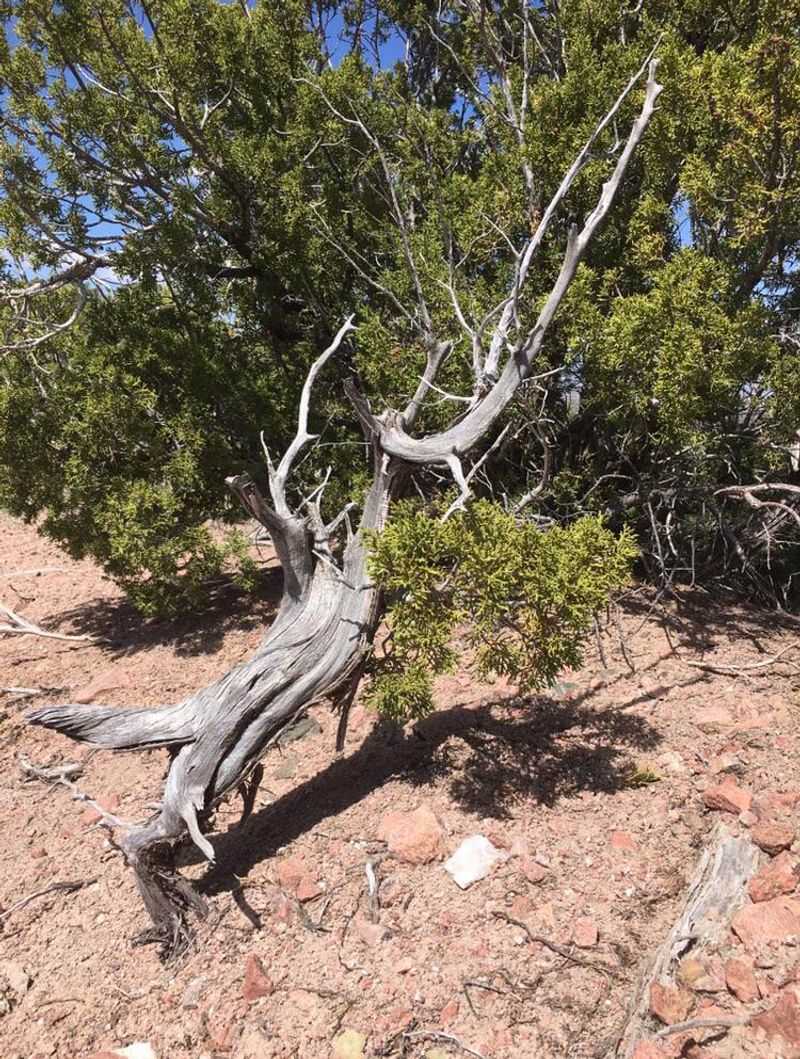
Rocky Mountain junipers might look harmless with their twisted trunks and aromatic foliage, but they’re actually wildfire magnets.
The volatile oils in their needles and wood ignite almost explosively when exposed to flames or embers.
Firefighters report that junipers often torch completely in seconds, sending showers of sparks across neighborhoods.
These drought-adapted trees thrive in Colorado’s driest locations, exactly where wildfire risk peaks during summer months.
Their shaggy, shredding bark catches embers easily and holds them against the trunk.
Many junipers grow as multi-stemmed shrubs that create dense, highly flammable thickets near ground level.
Fire codes across Colorado specifically call out junipers for removal within defensible space zones.
Their extreme flammability makes them unacceptable near any structure or in areas where fire crews need to operate.
Even small junipers pose outsized risks compared to their size.
Removal can be challenging because junipers often have extensive root systems and grow in rocky soil.
Some homeowners try to keep junipers by heavily pruning them, but this rarely reduces fire risk adequately.
Complete removal and replacement with fire-resistant shrubs like rabbitbrush or currant is the safer choice.
The pleasant smell of juniper wood makes it popular for firewood after removal.
5. Pinyon Pine

Pinyon pines produce delicious edible nuts that wildlife and humans both treasure, but their resinous wood burns like a torch soaked in gasoline.
These small to medium-sized trees dominate Colorado’s lower elevation zones where homes increasingly push into wildland areas.
Their compact growth habit and tendency to grow in dense stands create continuous fuel beds.
The sticky pitch in pinyon wood contains extremely flammable compounds that ignite easily from embers or radiant heat.
Once burning, pinyons generate intense flames and copious amounts of thick black smoke.
Their relatively low height means flames can easily reach from these trees to roof eaves and wooden decks.
Colorado fire authorities require aggressive pinyon removal in areas designated as wildland-urban interface zones.
Homeowners must often clear all pinyons within 30-50 feet of structures depending on local ordinances.
Properties on slopes face even stricter requirements since fire travels uphill rapidly through pinyon-juniper woodlands.
Many residents resist removing pinyons because they provide shade and attract birds and small mammals.
However, their fire behavior makes them incompatible with safe home sites.
Native shrubs and grasses can replace removed pinyons while still supporting wildlife.
Professional removal services often chip the wood for mulch or firewood, helping offset removal costs somewhat.
6. Blue Spruce

Colorado’s state tree seems like an unlikely fire hazard, yet blue spruces have earned a dangerous reputation during recent wildfire seasons.
Their dense branching pattern and tendency to retain lower limbs create perfect conditions for crown fires.
The stiff, sharp needles hold substantial amounts of flammable resins that burn intensely once ignited.
Blue spruces often suffer from various diseases and pest problems that leave many trees stressed or damaged.
Weakened trees drop excessive amounts of dry needles and branches that accumulate underneath.
This creates dangerous fuel loads right at ground level where embers commonly land during wildfires.
Fire mitigation professionals now recommend removing blue spruces planted too close to homes, even though they’re popular ornamental trees.
Their symmetrical beauty makes them favorite landscape specimens, but that same dense foliage becomes a liability during fire season.
Trees within the home ignition zone should be removed regardless of their size or health.
Homeowners associations and local fire districts increasingly restrict new blue spruce plantings in high-risk areas.
Existing trees require regular maintenance including limbing up, thinning branches, and clearing fallen debris.
Many Colorado residents now choose fire-resistant alternatives like aspen or oak for landscaping.
Professional arborists can assess whether your blue spruces pose unacceptable risks based on their location and condition.
7. Gambel Oak (When Dense Or Damaged)

Gambel oak typically earns praise as a fire-resistant deciduous species, but dense thickets and damaged stands tell a different story.
When these oaks grow in impenetrable shrub fields, they create continuous fuel that carries fire efficiently across landscapes.
Damaged or stressed Gambel oak often produces excessive amounts of dry, brittle branches that ignite readily.
Healthy, well-spaced Gambel oak provides excellent firebreaks because of its high moisture content and low flammability.
However, overgrown thickets with interlocking branches eliminate the natural fire resistance.
Many Colorado properties feature Gambel oak so dense that people cannot walk through it, creating hazardous fuel conditions.
Fire codes require thinning or removal of Gambel oak thickets within defensible space zones around structures.
Property owners must create adequate spacing between individual stems and remove clumps entirely in critical areas.
Damaged oaks with broken branches, disease, or insect problems must be removed regardless of density.
Proper Gambel oak management involves selective thinning rather than complete removal in most cases.
You might remove 50-70% of stems while leaving healthy, well-spaced specimens.
Regular maintenance prevents regrowth from forming new thickets.
Some homeowners struggle with this work because Gambel oak sprouts vigorously from roots after cutting.
Professional land management services can help establish a sustainable maintenance plan that keeps your oak in fire-safe condition.
8. Limber Pine
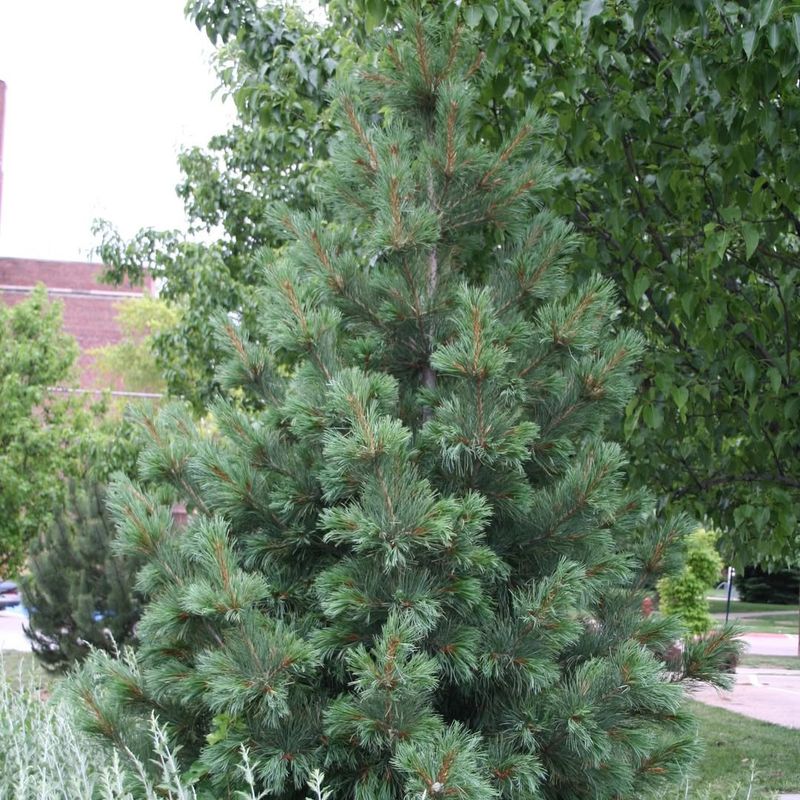
Limber pines earned their name from remarkably flexible branches that can bend without breaking, but this adaptation offers no protection against wildfire.
These high-elevation trees contain flammable resins throughout their wood and foliage.
Their tendency to grow in exposed, windy locations means they often become torches that spread embers across long distances.
The relatively thin bark of limber pines provides little insulation against heat, making them vulnerable even to moderate-intensity fires.
They frequently grow in mixed stands with other conifers, creating continuous canopy that allows fire to spread rapidly.
Limber pines also accumulate thick layers of needles and cones beneath their canopies.
Mountain homeowners in limber pine zones face strict removal requirements from local fire authorities.
These trees must be cleared from areas immediately around structures and thinned aggressively in surrounding zones.
Their high-elevation habitat often means limited replacement options, so careful planning is essential.
Limber pines grow slowly, which makes some homeowners reluctant to remove mature specimens.
However, their fire behavior and typical growing conditions create unacceptable risks near homes.
Professional removal in steep, rocky terrain requires specialized equipment and expertise.
Some communities allow homeowners to leave a few well-spaced limber pines if they’re limbed up properly and located far from structures.
Consult with local fire departments about specific requirements for your property.
9. Any Species (When Damaged, Diseased, Or Stressed)
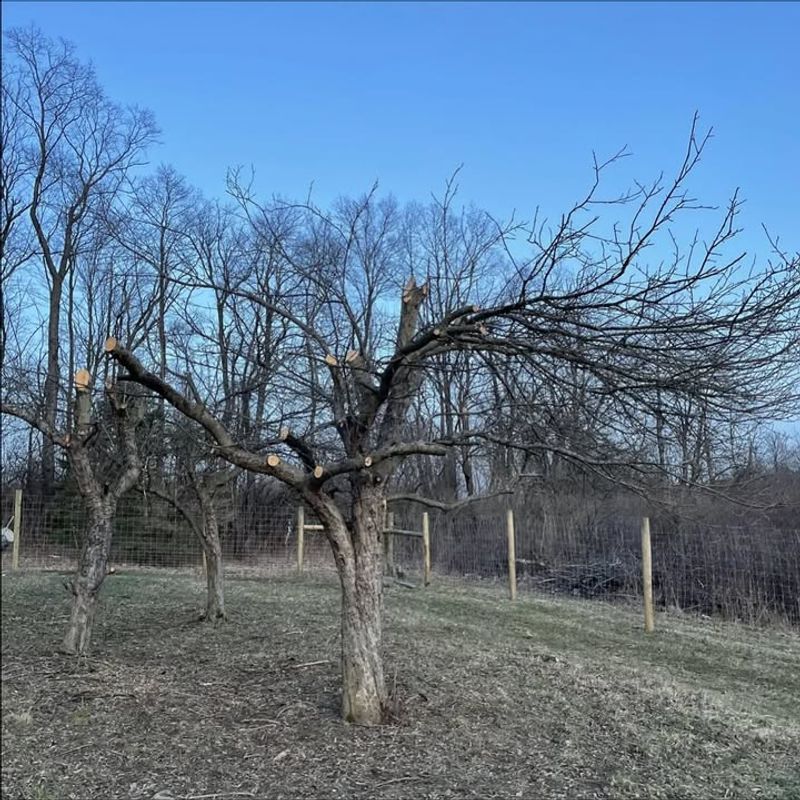
Colorado fire codes universally require removal of damaged, diseased, or stressed trees regardless of species.
Even naturally fire-resistant trees become serious hazards when compromised by insects, disease, or storm damage.
These weakened specimens lose their moisture content and develop excessive amounts of highly flammable material.
Bark beetle infestations have affected millions of Colorado trees, turning once-healthy forests into tinderboxes.
Affected trees drop their needles and branches, creating fuel loads on the ground while standing trunks become dry, brittle fire hazards.
Lightning strikes, wind damage, and drought stress similarly compromise tree health and increase flammability.
Property owners must inspect trees regularly for signs of decline including brown needles, peeling bark, woodpecker damage, or excessive sap flow.
Any tree showing these symptoms within defensible space zones should be removed promptly.
Local fire marshals can issue citations requiring immediate removal of hazardous trees.
Professional arborists can assess tree health and identify specimens that need removal before they become obvious hazards.
Some homeowners try to save stressed trees through watering and fertilization, but fire safety must take priority.
The cost of removing a few damaged trees is minuscule compared to losing your home in a wildfire.
Many Colorado counties maintain lists of certified tree removal contractors familiar with local fire codes and proper disposal methods for hazardous vegetation.