The Native Groundcover Taking Over Oregon Yards And Why Experts Approve
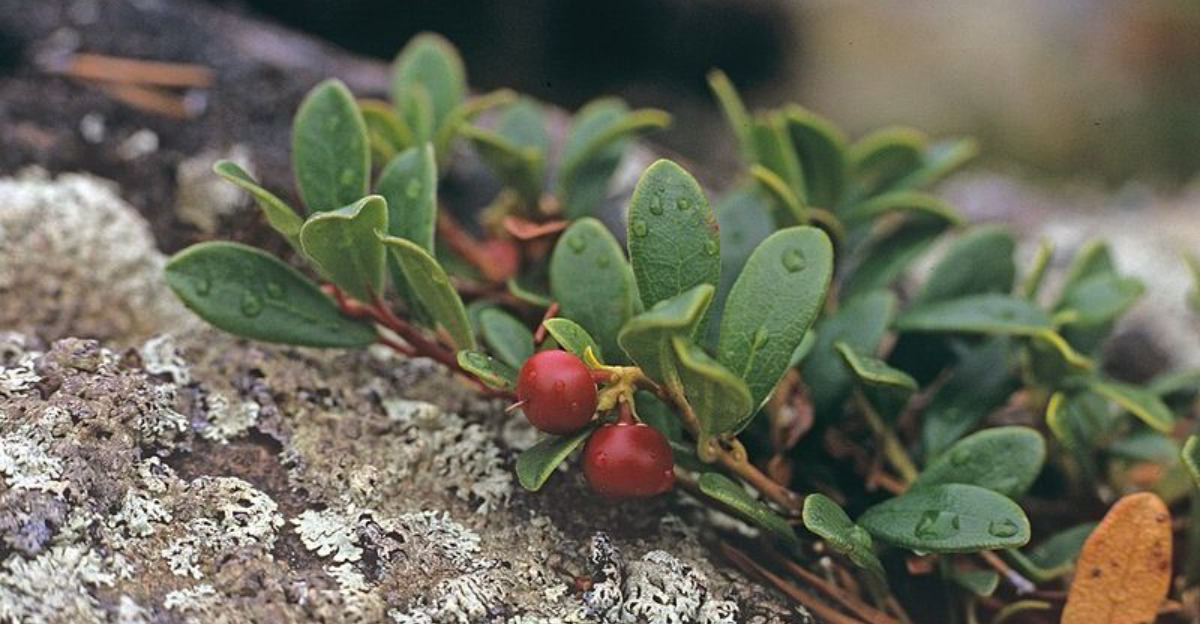
Oregon homeowners are discovering a low-maintenance groundcover that thrives in challenging conditions while supporting local wildlife and reducing water bills significantly each season.
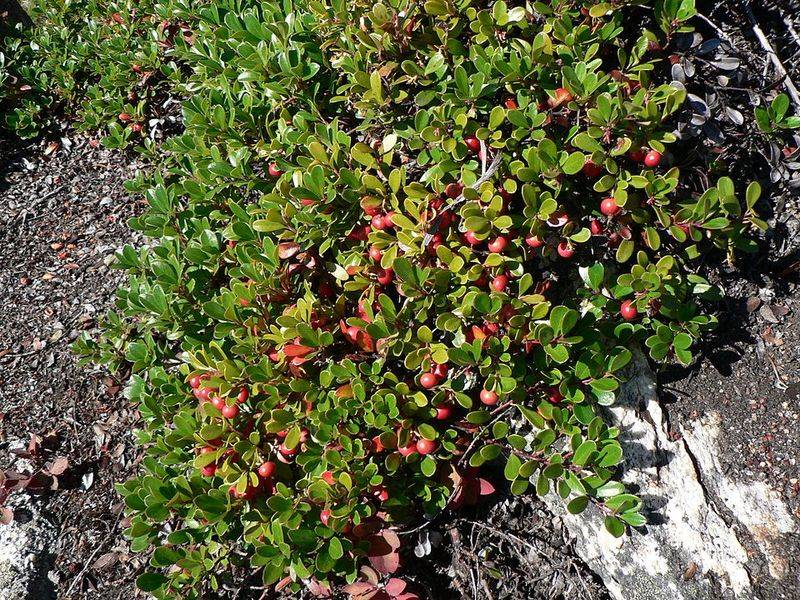
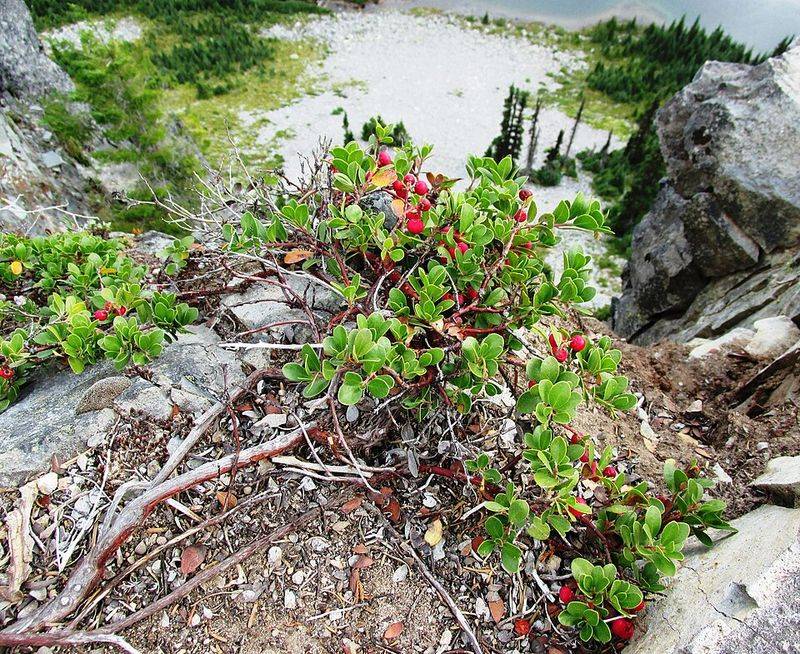
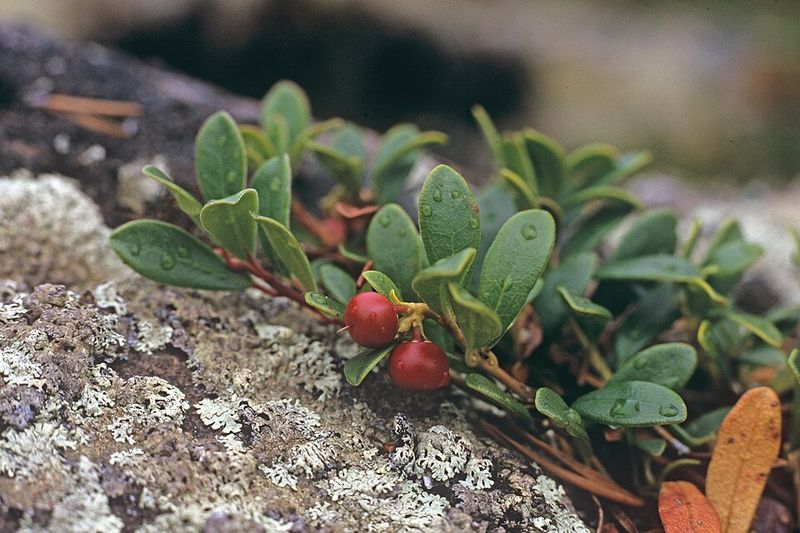
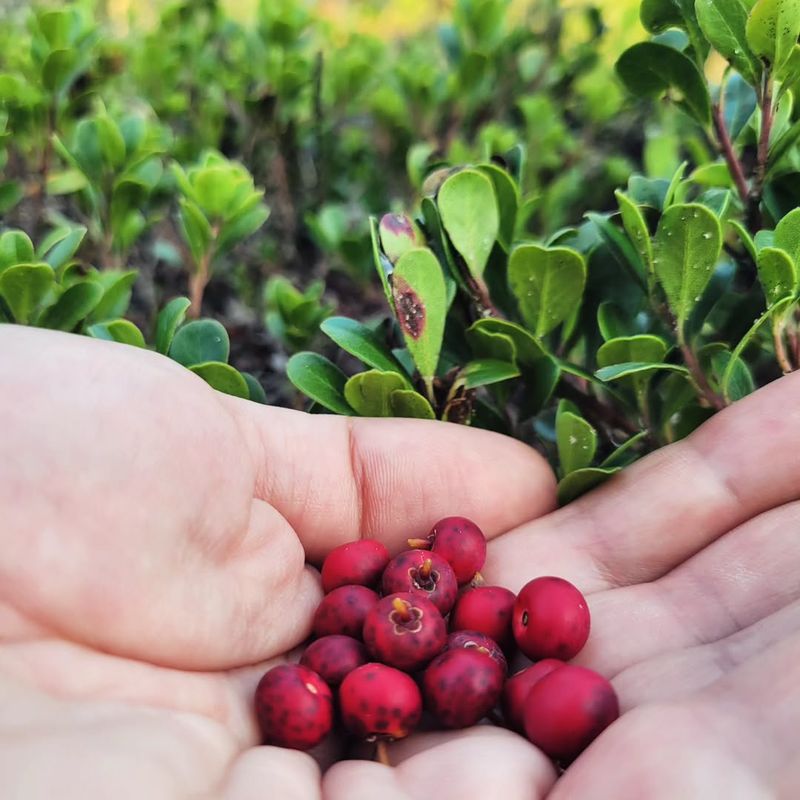
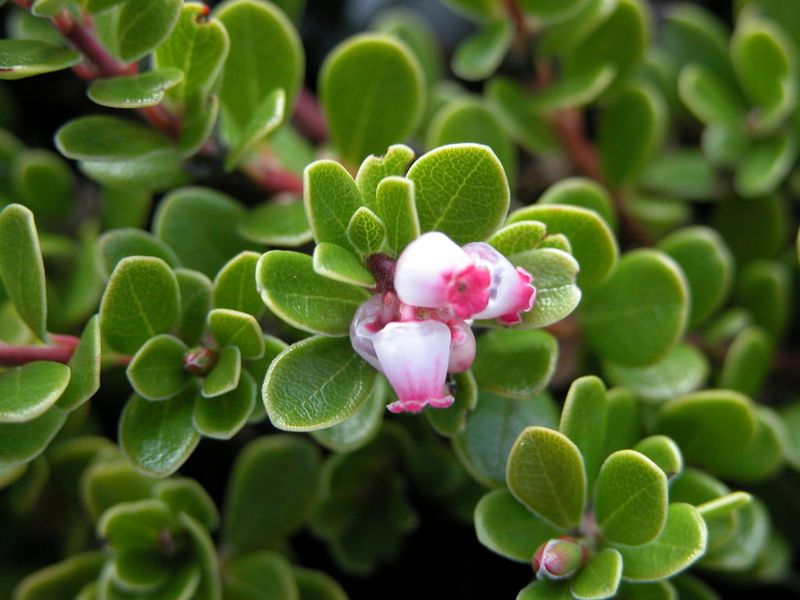
Kinnikinnick, also called bearberry, spreads naturally across yards with glossy evergreen leaves and produces charming pink flowers followed by bright red berries.
Landscaping experts recommend this native plant because it requires minimal care once established and helps prevent soil erosion on slopes and hillsides.
Learning about kinnikinnick’s unique qualities can help you decide if this hardy groundcover deserves a spot in your own outdoor space.
Kinnikinnick Is A Tough Native Plant That Thrives In Oregon’s Climate
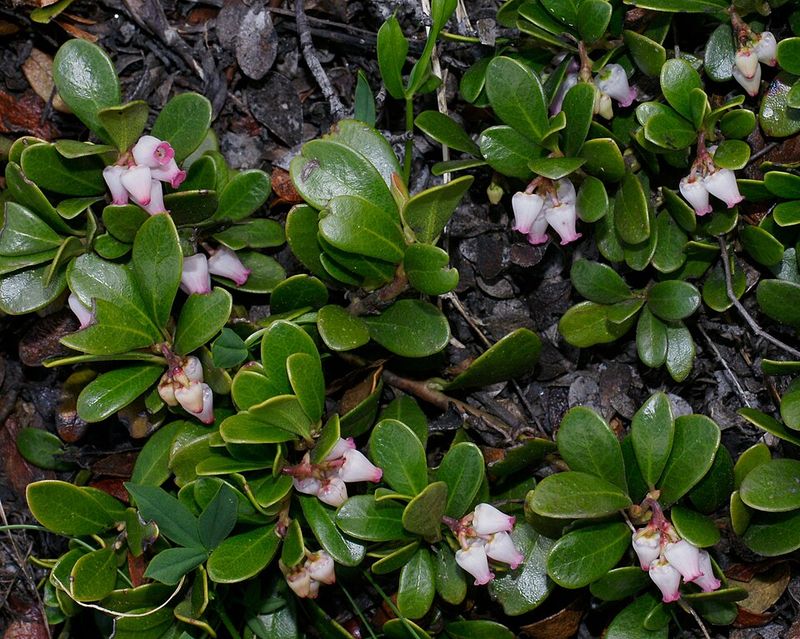
Arctostaphylos uva-ursi has been growing wild across Oregon’s forests and coastal regions for thousands of years before modern landscaping trends emerged.
This evergreen shrub naturally tolerates poor soil conditions that would stress out most other ornamental plants commonly sold at garden centers today.
Kinnikinnick adapts remarkably well to rocky terrain, sandy patches, and even areas with limited nutrients where grass simply refuses to grow successfully.
Once the root system establishes itself over the first growing season, this groundcover becomes incredibly drought-resistant and requires very little supplemental watering.
Oregon’s wet winters and dry summers match perfectly with kinnikinnick’s natural growth cycle, making it an ideal choice for regional landscapes everywhere.
Homeowners appreciate that this native plant doesn’t demand constant fertilization, pruning, or pest control treatments that consume time and money throughout the year.
Choosing kinnikinnick means working with nature rather than against it, creating a landscape that feels effortless and looks beautiful in every season.
Experts praise this plant’s ability to flourish in challenging spots where other groundcovers struggle or fail to survive long-term without intensive care.
The Stunning Seasonal Changes Make Kinnikinnick A Year-Round Visual Delight
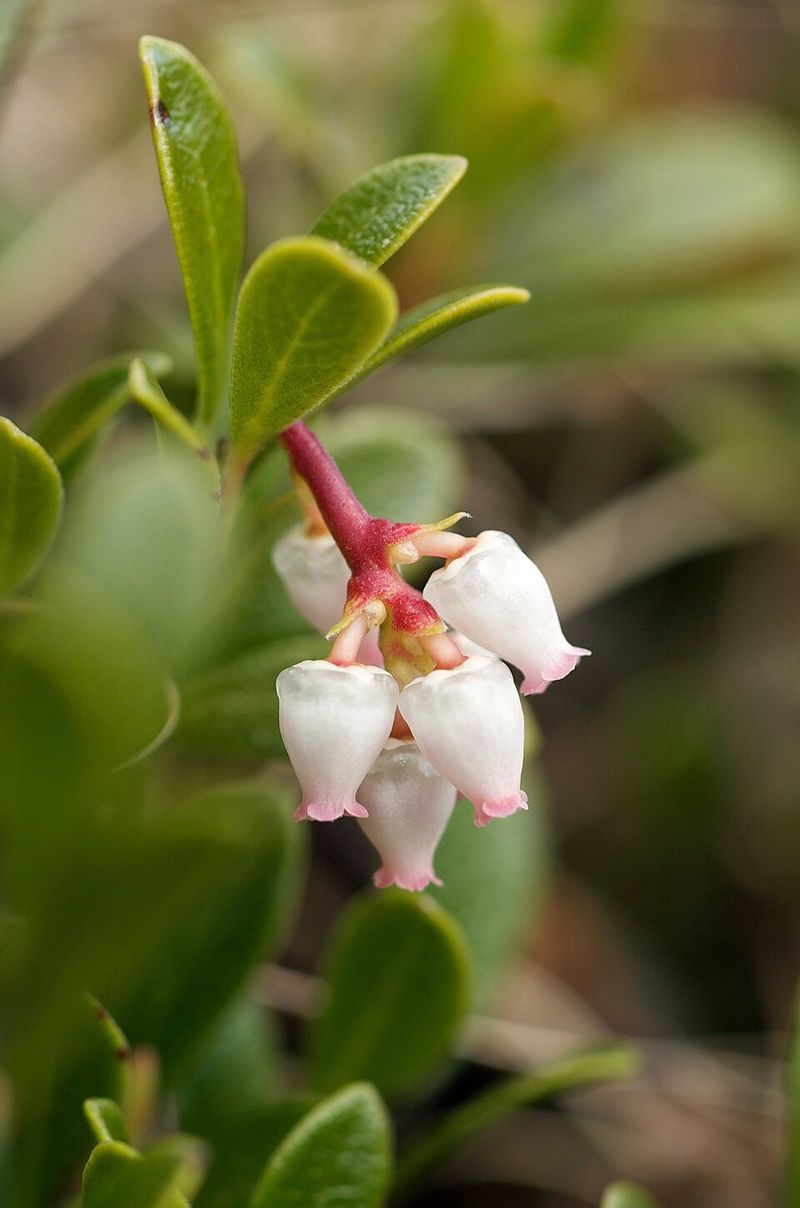
Spring arrives with clusters of delicate pink bell-shaped flowers that dangle gracefully from the branches, attracting early-season pollinators like native bees.
These charming blooms transform into bright red berries by late summer, creating a striking contrast against the glossy dark green foliage below.
Birds such as robins and waxwings feast on these nutritious berries throughout autumn, bringing lively movement and cheerful sounds to your yard.
Even during winter months, kinnikinnick maintains its rich evergreen color, providing visual interest when most other plants look bare and lifeless.
Some varieties develop a bronze or reddish tint to their leaves in colder weather, adding unexpected warmth to the landscape during gray days.
Watching kinnikinnick change through the seasons offers a satisfying reminder of nature’s rhythms and the beauty found in Oregon’s native plant communities.
Homeowners often mention how this groundcover provides constant visual appeal without requiring the seasonal replanting that annuals demand every single year.
Landscape designers love incorporating kinnikinnick into plans because it delivers multiple seasons of interest with minimal effort from property owners or maintenance crews.
Wildlife Benefits From Kinnikinnick Make It An Ecological Powerhouse For Yards
Native pollinators depend on kinnikinnick’s early spring flowers for essential nectar and pollen when few other food sources are available yet.
Your Oregon Garden Changes Every Week. Your Plan Should Too.
Gardening in Oregon changes quickly throughout the season. Every Friday you’ll receive a simple weekly plan showing exactly what to plant, prune, fertilize, harvest, and protect so you never miss the right timing.
Butterflies, hummingbirds, and various bee species visit these blooms regularly, supporting biodiversity and creating a healthier ecosystem right in your own backyard.
The bright red berries provide critical nutrition for songbirds during fall migration and help sustain local bird populations through harsh winter months.
Small mammals like chipmunks occasionally nibble on the berries too, though the plant’s dense growth pattern also offers protective shelter for ground-nesting creatures.
Planting kinnikinnick contributes to habitat restoration efforts across Oregon, helping reverse the loss of native plant communities caused by urban development patterns.
Experts emphasize that choosing native plants like kinnikinnick creates corridors that connect fragmented wildlife habitats, allowing species to move safely through residential areas.
Homeowners who value environmental stewardship find kinnikinnick especially appealing because it supports local ecology while reducing the need for chemical pesticides and fertilizers.
Creating a wildlife-friendly yard becomes effortless when you incorporate plants that naturally attract and nourish the creatures already living in your region.
Water Conservation Becomes Easy When Kinnikinnick Replaces Thirsty Grass Lawns
Traditional grass lawns consume enormous amounts of water during Oregon’s dry summer months, driving up utility bills and straining municipal water supplies unnecessarily.
Kinnikinnick requires only occasional deep watering once established, using a fraction of the moisture that conventional turf grass demands for healthy growth.
Many homeowners report cutting their outdoor water usage by half or more after replacing lawn sections with this drought-tolerant native groundcover option.
During periods of water restrictions or drought conditions, kinnikinnick continues thriving while neighboring lawns turn brown and require expensive restoration efforts later on.
The plant’s extensive root system reaches deep into the soil to access moisture that shallow-rooted grass cannot tap, making it remarkably self-sufficient.
Environmental experts recommend kinnikinnick as part of xeriscaping strategies designed to create beautiful landscapes that conserve precious water resources for future generations.
Switching to native groundcovers like kinnikinnick aligns with Oregon’s growing emphasis on sustainable landscaping practices that protect rivers, streams, and groundwater supplies.
Homeowners appreciate the financial savings and environmental benefits that come from reducing irrigation needs without sacrificing the beauty of their outdoor spaces.
Kinnikinnick’s Low-Growing Habit Solves Erosion Problems On Slopes And Banks
Steep slopes and hillsides pose serious challenges for homeowners because rain washes away topsoil, creating unsightly gullies and destabilizing the landscape over time.
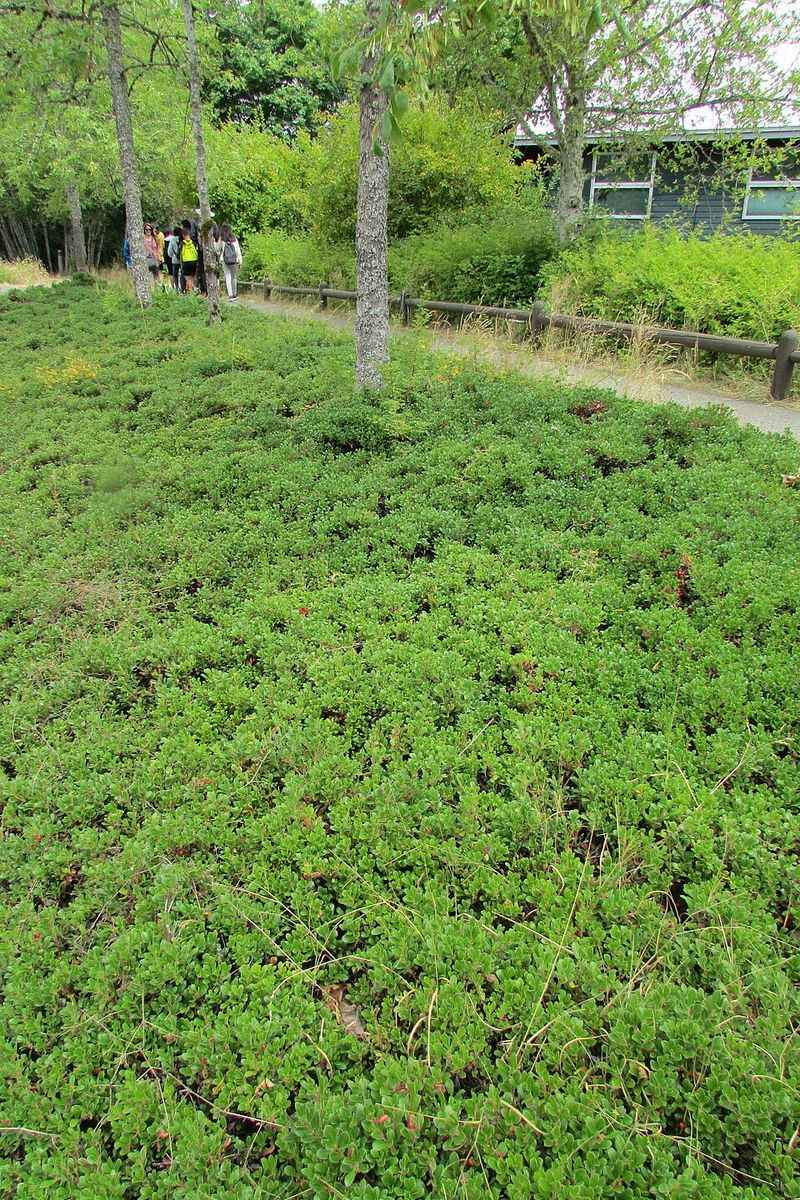
Kinnikinnick’s spreading growth pattern forms a dense mat of interlocking stems and roots that hold soil firmly in place during heavy rainfall events.
This groundcover naturally spreads outward rather than upward, typically staying under six inches tall while extending several feet across in all directions available.
The thick network of roots penetrates deeply into the soil, anchoring the plant securely and preventing erosion even on challenging inclines and embankments.
Landscape professionals frequently specify kinnikinnick for slope stabilization projects because it establishes quickly and requires no mowing or trimming to maintain effectiveness.
Property owners with sloped yards often struggle to maintain grass or other groundcovers, but kinnikinnick thrives in these difficult spots without complaint.
Preventing erosion protects property values, reduces sediment runoff into waterways, and eliminates the need for expensive retaining walls or other structural solutions.
Experts agree that using native plants for erosion control creates long-lasting solutions that work with natural processes rather than fighting against them constantly.
Minimal Maintenance Requirements Make Kinnikinnick Perfect For Busy Homeowners
Busy families and working professionals often lack time for weekend yard work, making low-maintenance landscaping options increasingly popular across Oregon communities today.
Kinnikinnick eliminates the need for regular mowing, edging, and fertilizing that traditional lawns demand every single week throughout the growing season.
After the initial establishment period of one to two years, this groundcover essentially takes care of itself with only occasional weeding required.
The plant naturally suppresses weed growth once it forms a thick mat, reducing the time spent pulling unwanted plants from garden beds significantly.
Unlike many ornamental groundcovers, kinnikinnick rarely suffers from serious pest or disease problems that require chemical treatments or professional intervention to resolve.
Homeowners appreciate that kinnikinnick doesn’t require annual mulching, deadheading, or division like many perennial plants commonly used in landscape designs across the region.
Pruning becomes necessary only if you want to control the spread or shape the planting, not because the plant requires trimming for health.
Landscape experts recommend kinnikinnick to clients who want beautiful yards without the constant upkeep that exhausts time, energy, and financial resources unnecessarily.
Kinnikinnick Has Deep Cultural Significance For Indigenous Communities In Oregon
Indigenous peoples throughout the Pacific Northwest have used kinnikinnick for centuries, incorporating it into traditional medicine, ceremonies, and daily life practices.
The name kinnikinnick comes from an Algonquian word meaning smoking mixture, referring to the dried leaves traditionally used in ceremonial and medicinal preparations.
Various tribes valued the plant’s astringent leaves for treating urinary tract issues and digestive problems, demonstrating sophisticated botanical knowledge passed through generations.
The berries, while somewhat mealy and bland, provided emergency food during lean times and were sometimes mixed with other ingredients for better flavor.
Growing kinnikinnick in modern landscapes honors this cultural heritage and helps preserve native plant species that hold deep significance for Oregon’s Indigenous communities.
Experts encourage homeowners to learn about the traditional uses and cultural importance of native plants, fostering respect for the knowledge of original land stewards.
Choosing kinnikinnick connects contemporary gardens to thousands of years of human history and relationship with the land, creating meaningful spaces beyond mere aesthetics.
Understanding the cultural context of native plants enriches our appreciation and reminds us that landscaping choices can reflect values of respect and acknowledgment.
Expert Approval Comes From Kinnikinnick’s Proven Success In Sustainable Landscape Design
Horticulturists and landscape architects across Oregon increasingly recommend kinnikinnick as a cornerstone plant for environmentally responsible yard designs that benefit local ecosystems.
Professional organizations like the Oregon State University Extension Service regularly feature kinnikinnick in their native plant guides and sustainable landscaping educational materials.
Nursery professionals report growing demand for kinnikinnick as homeowners become more aware of water conservation needs and the ecological value of native species.
Landscape designers appreciate how kinnikinnick integrates beautifully with other native plants, creating cohesive designs that reflect Oregon’s natural beauty and regional character authentically.
The plant’s versatility allows it to function as a lawn alternative, slope stabilizer, border edging, or filler between stepping stones and pathways.
Environmental experts point to kinnikinnick’s success as evidence that sustainable landscaping doesn’t require sacrificing beauty or functionality for ecological responsibility and conservation goals.
Awards and recognition from green building programs often include points for using native plants like kinnikinnick, acknowledging their role in sustainable site development.
Professionals agree that kinnikinnick represents the future of landscaping, where beauty, practicality, and environmental stewardship combine to create yards that truly benefit everyone.