13 Invasive Plants North Carolina Homeowners Regret Planting In Their Gardens

They start out innocent enough—lush, fast-growing, even beautiful.
A vine that promises quick privacy.
A flowering shrub that butterflies seem to love.
But in North Carolina, some of the most popular garden plants come with a hidden cost that homeowners often discover too late.
These aggressive invaders don’t just grow well—they take over, choking out native plants, damaging ecosystems, and turning peaceful gardens into constant battles for control.
What looks like a landscaping win in year one can become an expensive, exhausting regret by year three.
If you garden in North Carolina—or are planning to—this list could save you time, money, and countless weekends of frustration.
Here are 13 invasive plants NC homeowners wish they’d never planted.
1. Bradford Pear
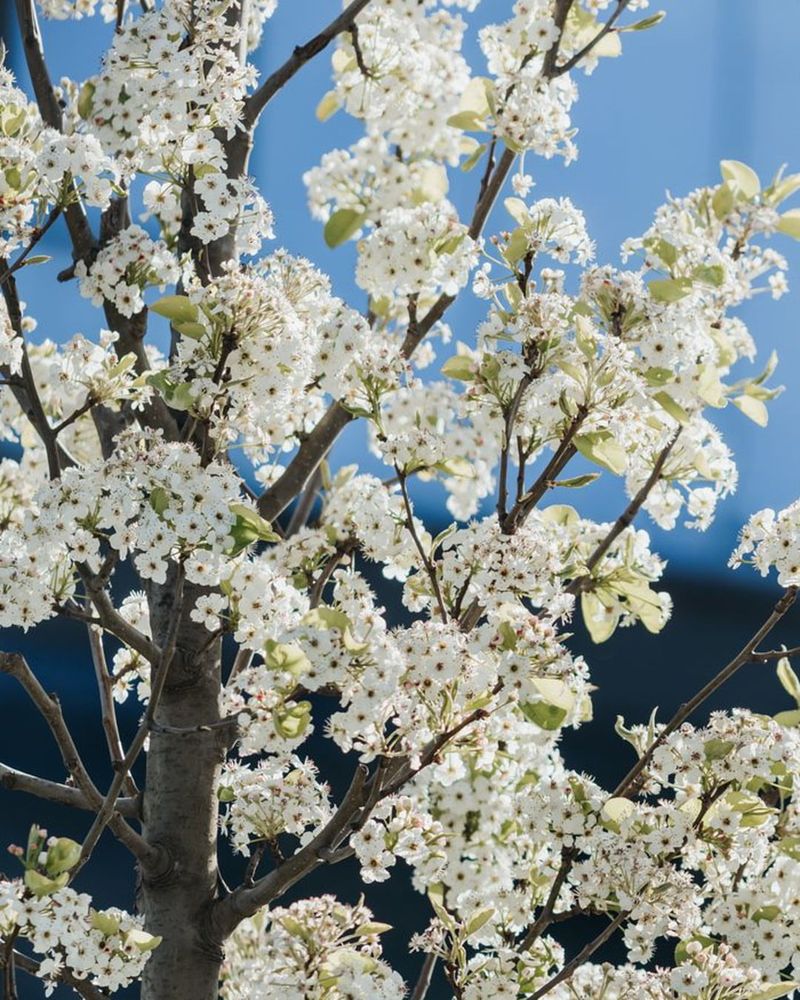
Homeowners across North Carolina once loved this tree for its gorgeous white spring blooms and fast growth that provided quick shade everywhere.
Bradford Pear trees seemed like the perfect landscaping choice for new subdivisions because they grew tall and filled in bare yards rapidly.
Unfortunately, these trees have extremely weak branch structures that split apart during storms, causing property damage and creating dangerous falling limbs.
The flowers smell absolutely terrible, resembling rotting fish, which makes springtime around these trees quite unpleasant for everyone living nearby.
Birds eat the small fruits and spread seeds everywhere, allowing Bradford Pears to invade natural forests and crowd out native species.
Removing these trees becomes necessary after just fifteen or twenty years because they break apart and become hazardous to homes and people.
Many North Carolina communities now discourage planting Bradford Pears and encourage homeowners to choose better native alternatives instead for their landscapes.
The initial appeal of quick growth and pretty flowers rarely outweighs the long-term problems this invasive tree creates for properties.
2. Japanese Honeysuckle

Sweet-smelling flowers and fast-growing vines made Japanese Honeysuckle seem like an ideal choice for covering fences and creating natural privacy screens.
Gardeners appreciated how quickly this vine could transform bare spaces into lush green walls that attracted hummingbirds and released wonderful fragrance.
What starts as a manageable vine quickly becomes an aggressive monster that climbs trees, smothers shrubs, and takes over entire garden areas.
Japanese Honeysuckle grows so densely that it blocks sunlight from reaching plants underneath, causing native vegetation to weaken and eventually disappear.
The vine produces thousands of seeds that birds distribute widely, allowing it to spread into forests and natural areas far beyond yards.
Controlling this plant requires constant vigilance because even small root pieces left behind can regrow into new aggressive vines within weeks.
Many North Carolina homeowners spend years battling Japanese Honeysuckle after initially planting just one or two vines for decorative purposes only.
Native alternatives like Coral Honeysuckle offer similar beauty without the aggressive spreading behavior that makes this species such a persistent garden nightmare.
3. English Ivy
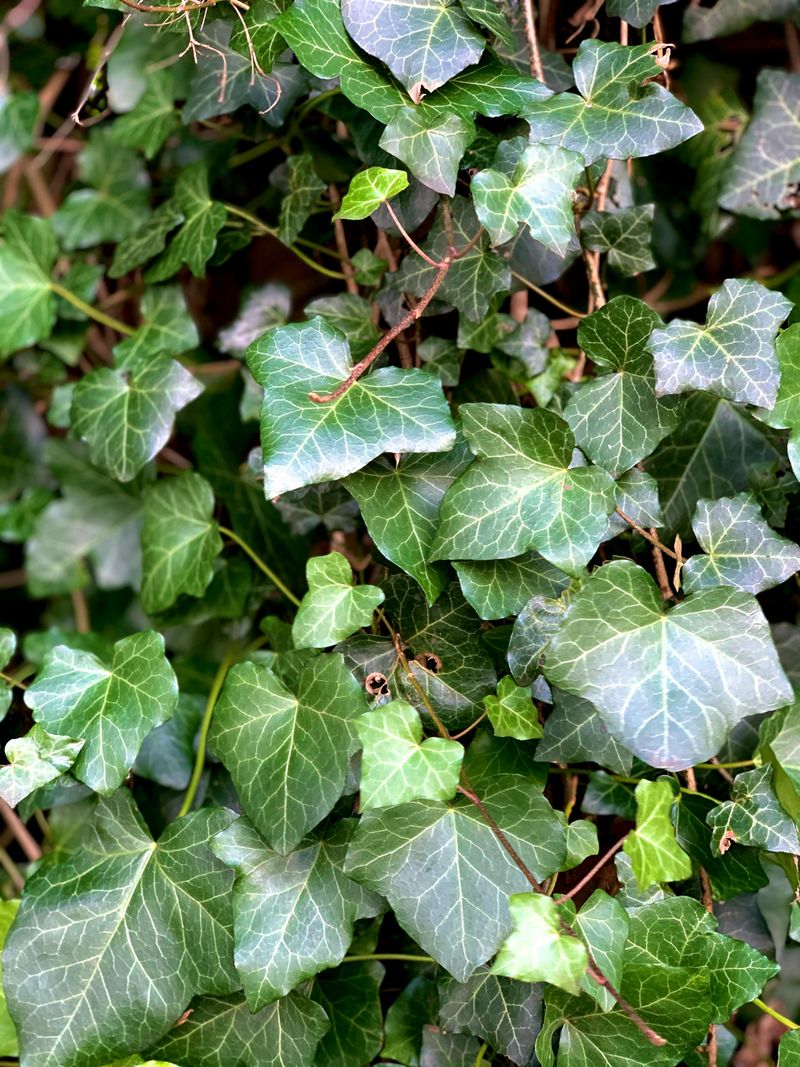
Elegant evergreen foliage and the ability to cover bare ground quickly made English Ivy a popular choice for landscaping throughout the state.
This ground cover appeared perfect for shady areas where grass struggled to grow, creating attractive green carpets that required minimal maintenance initially.
Your North Carolina Garden Changes Every Week. Your Plan Should Too.
Gardening in North Carolina changes quickly throughout the season. Every Friday you’ll receive a simple weekly plan showing exactly what to plant, prune, fertilize, harvest, and protect so you never miss the right timing.
English Ivy doesn’t stay on the ground though, and soon begins climbing trees, fences, and even house walls with remarkable speed.
When ivy climbs trees, it adds weight to branches and creates wind resistance that can cause trees to topple during storms.
The dense growth traps moisture against building walls, leading to wood rot, paint damage, and potential structural problems for homes over time.
Removing established English Ivy proves incredibly difficult because the vines cling tightly and leave behind stubborn rootlets that damage surfaces when pulled.
Wildlife concerns arise because ivy provides habitat for rodents and insects that homeowners typically prefer to keep away from their houses.
North Carolina forests suffer when English Ivy escapes yards and blankets forest floors, preventing native wildflowers and tree seedlings from establishing successfully.
4. Kudzu
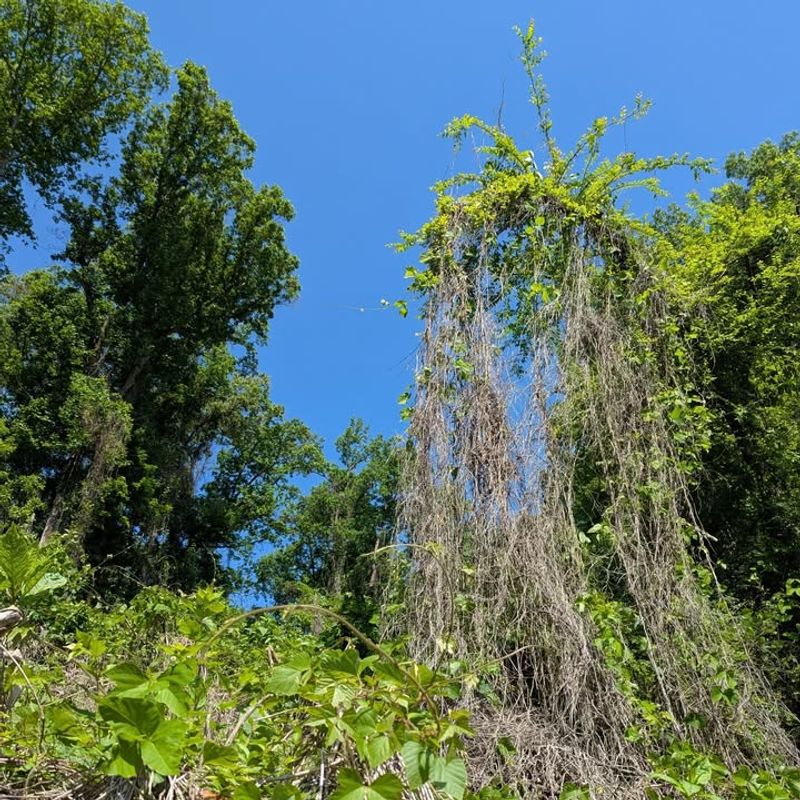
Known throughout the South as the vine that ate Dixie, Kudzu grows up to a foot per day during peak summer months.
Originally introduced for erosion control and livestock feed, some homeowners planted Kudzu hoping to stabilize slopes or create quick green coverage.
This decision always backfires spectacularly because Kudzu smothers everything in its path, including trees, buildings, power lines, and any other vegetation.
The massive vines grow from equally massive root systems that can weigh hundreds of pounds and extend deep underground, making removal extremely challenging.
Kudzu blocks sunlight completely, causing trees and shrubs underneath to weaken and collapse under the weight of the aggressive vine growth.
Properties overtaken by Kudzu lose significant value because the plant creates an appearance of neglect and abandonment that scares away potential buyers.
Controlling Kudzu requires years of persistent effort, including repeated cutting, herbicide applications, and constant monitoring for new growth emerging from roots.
North Carolina regulations now classify Kudzu as a noxious weed, and planting it intentionally is strongly discouraged throughout the entire state.
5. Chinese Privet
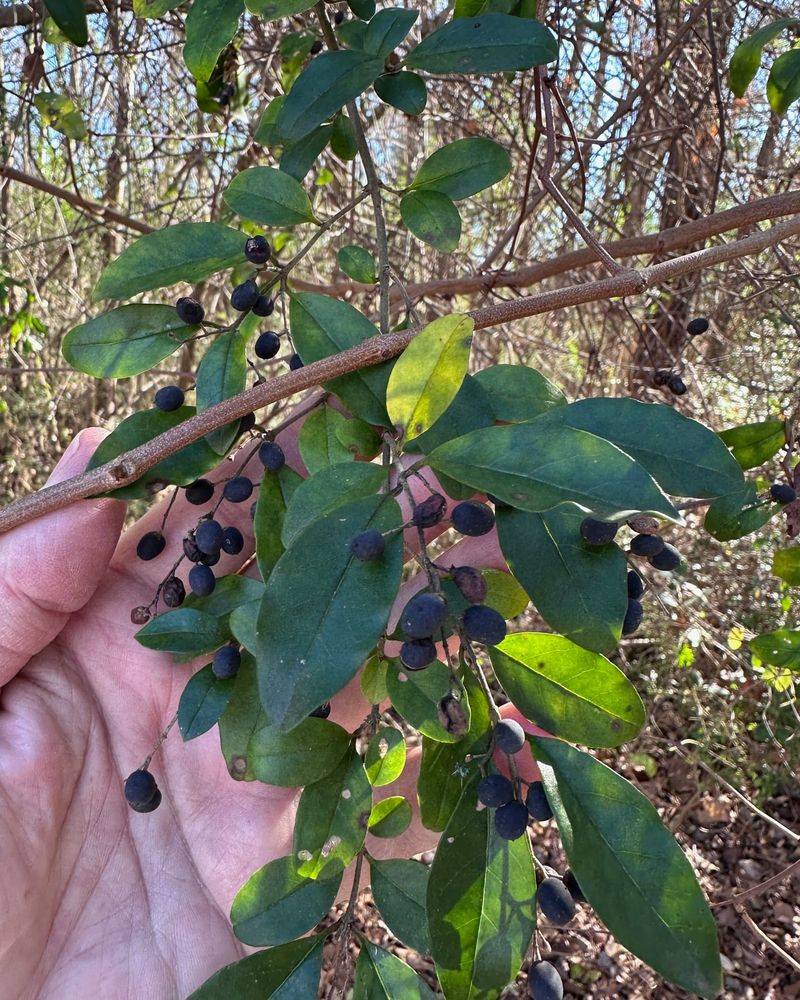
Dense foliage and rapid growth made Chinese Privet seem like an excellent choice for creating privacy hedges and property line borders quickly.
Landscapers frequently recommended this shrub because it tolerated various soil conditions and required little care once established in the ground initially.
Chinese Privet produces thousands of small berries that birds eagerly consume and then spread seeds everywhere, including forests and natural areas.
The shrub forms dense thickets that prevent native plants from growing and disrupt the natural understory of North Carolina woodlands significantly.
Allergies become a major problem when Chinese Privet blooms because the flowers produce copious amounts of pollen that triggers reactions in people.
Removing established Privet requires cutting the shrubs and treating stumps with herbicide because the roots resprout vigorously from any pieces remaining.
Property values can decrease when Chinese Privet takes over because the tangled thickets look messy and create maintenance nightmares for homeowners.
Native alternatives like American Holly or Wax Myrtle provide similar screening benefits without the aggressive spreading and ecological damage this species causes.
6. Running Bamboo
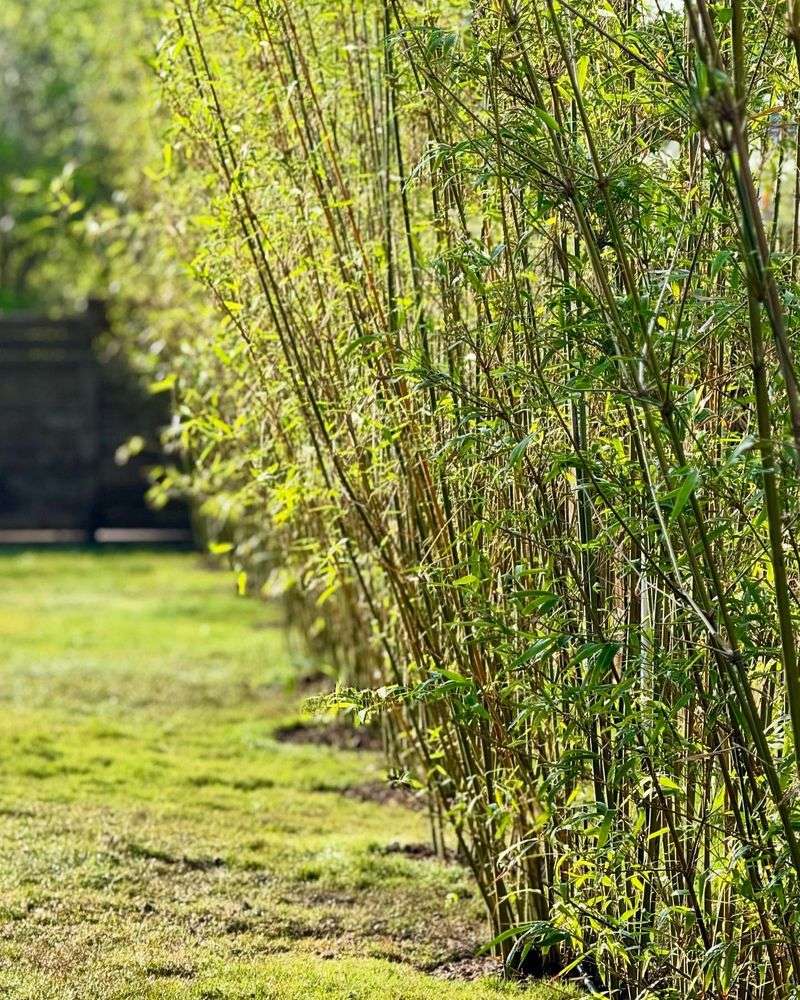
Exotic appearance and fast growth tempted many North Carolina homeowners to plant Running Bamboo for privacy screens and Asian-inspired garden designs.
The tall stalks and rustling leaves created beautiful effects that seemed perfect for adding tropical flair to ordinary suburban landscapes quickly.
Running Bamboo spreads through underground rhizomes that travel surprising distances, popping up in unexpected places like neighbor’s yards and driveways constantly.
These rhizomes are incredibly strong and can crack concrete, damage underground pipes, and push through asphalt with persistent and destructive force.
Once established, Running Bamboo becomes nearly impossible to eliminate because any rhizome fragments left behind will regenerate into new aggressive growth.
Neighborhoods have experienced conflicts when bamboo spreads across property lines, creating legal disputes and damaged relationships between formerly friendly neighbors nearby.
Containment barriers must extend at least three feet deep and require regular monitoring because bamboo rhizomes will find any weakness or gap.
Clumping bamboo varieties offer similar aesthetics without the aggressive spreading behavior, making them much safer choices for North Carolina residential landscapes overall.
7. Chinese Wisteria
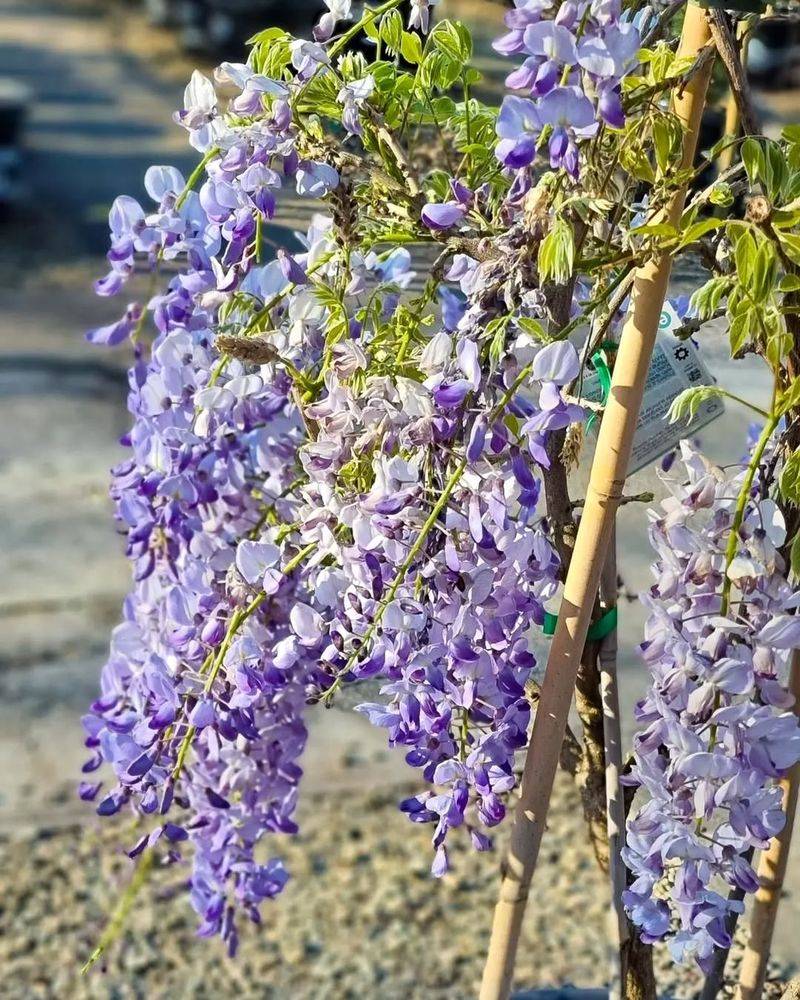
Stunning purple flower cascades and romantic appeal made Chinese Wisteria a dream plant for gardeners wanting dramatic springtime displays on structures.
Garden magazines and television shows featured wisteria-covered pergolas and arbors, inspiring homeowners to add this vine to their own outdoor spaces.
Chinese Wisteria vines grow incredibly thick and heavy, often collapsing structures that weren’t built to support their substantial weight over time.
The twining growth habit can actually strangle trees by wrapping tightly around trunks and branches, cutting off nutrient flow completely.
Seedpods explode and scatter seeds widely, while underground runners spread rapidly, allowing wisteria to escape yards and invade natural forest edges.
Flowers often take years to appear despite vigorous vine growth, leaving homeowners with rampant green growth but no blooms whatsoever frustratingly.
Controlling Chinese Wisteria requires aggressive pruning multiple times yearly, and even then, the plant often outpaces efforts to keep it manageable.
Native American Wisteria offers similar beauty with less aggressive growth habits, blooming more reliably and causing fewer problems for North Carolina gardens.
8. Autumn Olive
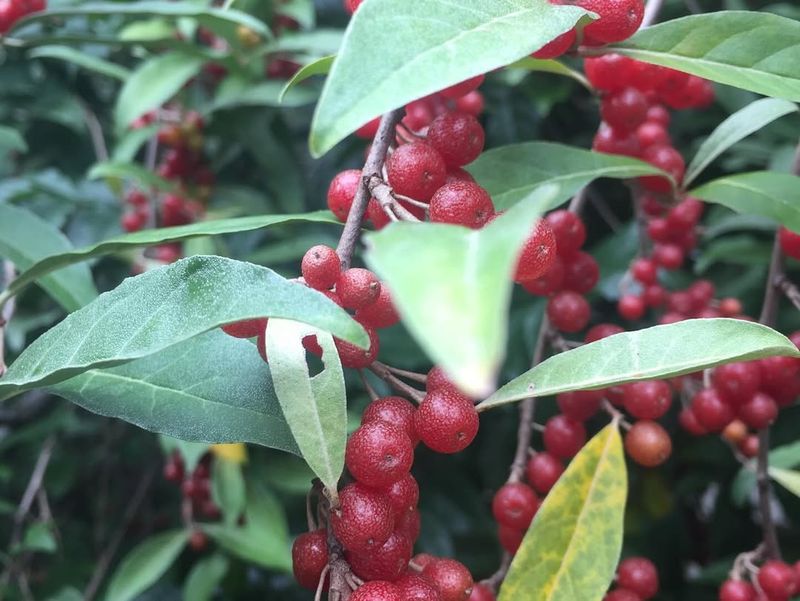
Wildlife advocates once promoted Autumn Olive for its abundant berries that provided food for birds during fall and winter months reliably.
Conservation groups even encouraged planting this shrub for erosion control and habitat creation, making it seem like an environmentally responsible landscaping choice.
Autumn Olive spreads aggressively through bird-dispersed seeds, quickly forming dense thickets that crowd out native berry-producing plants that wildlife actually needs.
The shrub fixes nitrogen in soil, which sounds beneficial but actually alters soil chemistry in ways that favor invasive species over natives.
Fields and forest edges throughout North Carolina now struggle with Autumn Olive infestations that reduce biodiversity and degrade natural habitat quality significantly.
The silvery foliage looks attractive initially, but the plant’s rapid spread and thorny branches create impenetrable barriers that reduce property usability.
Removing Autumn Olive requires cutting shrubs and treating stumps because the root systems resprout vigorously from any portions left in ground.
Native alternatives like Elderberry or Serviceberry provide wildlife food without the aggressive spreading behavior that makes Autumn Olive so problematic for ecosystems.
9. Multiflora Rose

Farmers originally planted Multiflora Rose as living fences to contain livestock, and the fragrant white flowers seemed like a lovely bonus feature.
Highway departments used this rose for erosion control along roadsides, spreading it throughout North Carolina before anyone realized the problems it caused.
Dense, thorny thickets form quickly as the rose spreads through seeds dispersed by birds who eat the small red fruit prolifically.
Pastures become unusable when Multiflora Rose invades because the thorny canes injure livestock and the thickets prevent animals from accessing grazing areas.
Each plant produces hundreds of thousands of seeds that remain viable in soil for many years, ensuring continued problems even after removal.
The arching canes root wherever they touch ground, creating new plants and expanding thickets outward in all directions relentlessly and persistently.
Removing Multiflora Rose safely requires heavy gloves and protective clothing because the thorns cause painful injuries that can become infected easily.
Native roses like Carolina Rose offer similar flowers without the aggressive spreading and dangerous thorns that make Multiflora Rose such a regrettable choice.
10. Tree Of Heaven
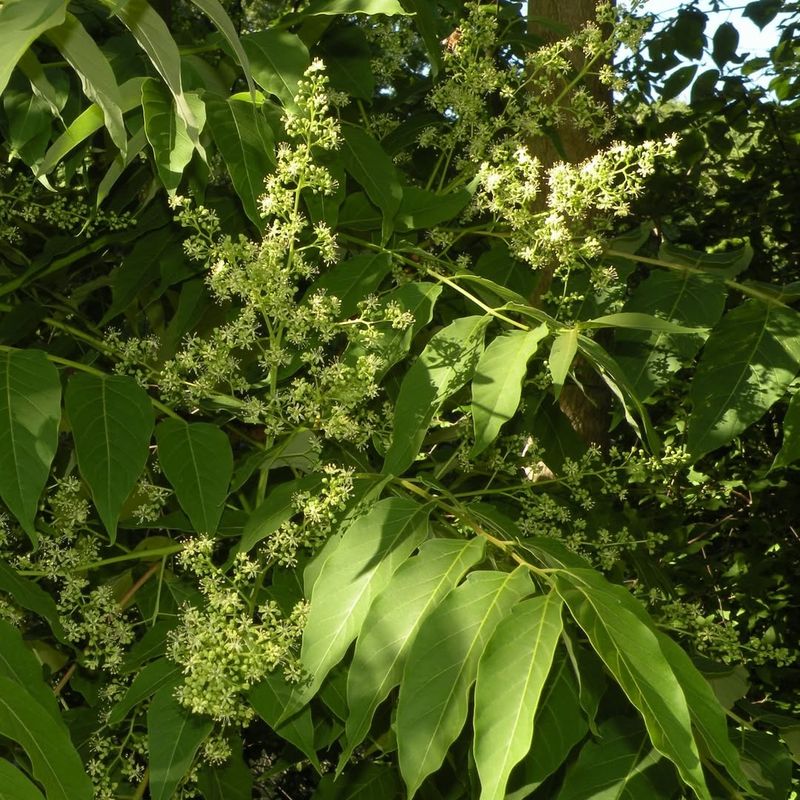
Rapid growth and tropical-looking foliage initially attracted homeowners who wanted fast shade and an exotic appearance in their North Carolina landscapes.
Tree Of Heaven can grow several feet in a single season, quickly filling in bare areas and providing screening from neighbors seemingly overnight.
The tree produces chemicals that inhibit other plants from growing nearby, creating barren zones around its base where nothing else survives.
Crushed leaves and male flowers emit an extremely unpleasant odor that many people compare to rotten peanut butter or stale urine consistently.
Root systems send up suckers everywhere, creating groves of new trees that spread across properties and into areas far from original plantings.
Tree Of Heaven hosts Spotted Lanternfly, an invasive insect pest that damages crops and ornamental plants throughout the region increasingly each year.
Cutting the tree without herbicide treatment causes the roots to send up dozens of new shoots, actually making the problem worse.
Native trees like Tulip Poplar or Sweetgum provide similar fast growth and shade without the ecological problems this invasive species creates everywhere.
11. Nandina

Colorful foliage that changes with seasons and bright red berries made Nandina a foundation planting staple around North Carolina homes for decades.
Landscapers loved recommending this shrub because it seemed low-maintenance, tolerant of various conditions, and provided year-round interest in garden designs.
Nandina berries contain cyanide compounds that prove toxic to birds, particularly Cedar Waxwings, which gorge on the fruit during winter months tragically.
Birds that survive eating the berries spread seeds widely, allowing Nandina to escape yards and establish in natural areas where it displaces native plants.
The shrub provides little ecological value because native wildlife cannot use it for food or shelter the way they utilize indigenous species.
Some newer Nandina varieties produce fewer berries, but they still spread through root suckers and create dense stands that exclude native vegetation.
Removing Nandina requires digging out root systems completely because the plant resprouts readily from any fragments left behind in soil.
Native alternatives like Winterberry Holly provide similar colorful berries that actually benefit birds without the toxicity concerns associated with Nandina fruits consistently.
12. Chinese Silvergrass
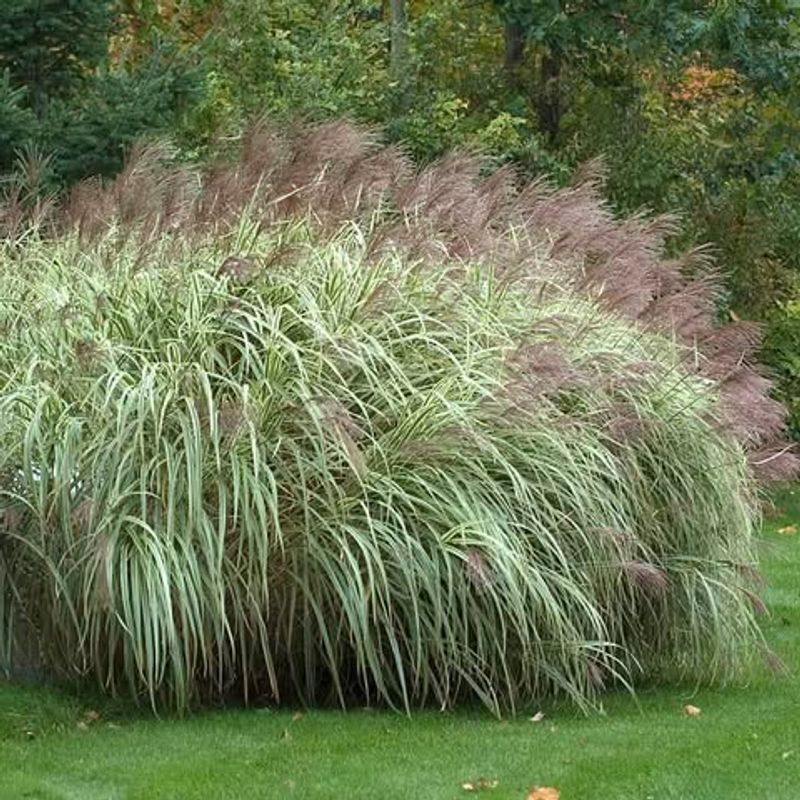
Dramatic height and feathery plumes made Chinese Silvergrass a popular ornamental choice for adding movement and texture to North Carolina landscape designs.
Garden designers featured this grass prominently because it created impressive focal points and provided winter interest when most other plants looked dormant.
Chinese Silvergrass spreads through both seeds and expanding root systems, allowing it to escape gardens and invade natural areas surprisingly quickly.
The grass forms dense stands that crowd out native plants and reduce habitat quality for wildlife that depends on indigenous vegetation communities.
Fire risk increases in areas where Chinese Silvergrass grows because the dry foliage remains standing and burns intensely during wildfire season dangerously.
Each plant produces thousands of seeds that wind carries long distances, establishing new populations far from original plantings throughout the region.
Removing established clumps requires significant effort because the root systems grow large and tough, resisting attempts to dig them out completely.
Sterile cultivars reduce but don’t eliminate spreading problems because the plants still expand through roots and occasional fertile seeds appear unexpectedly.
13. Periwinkle
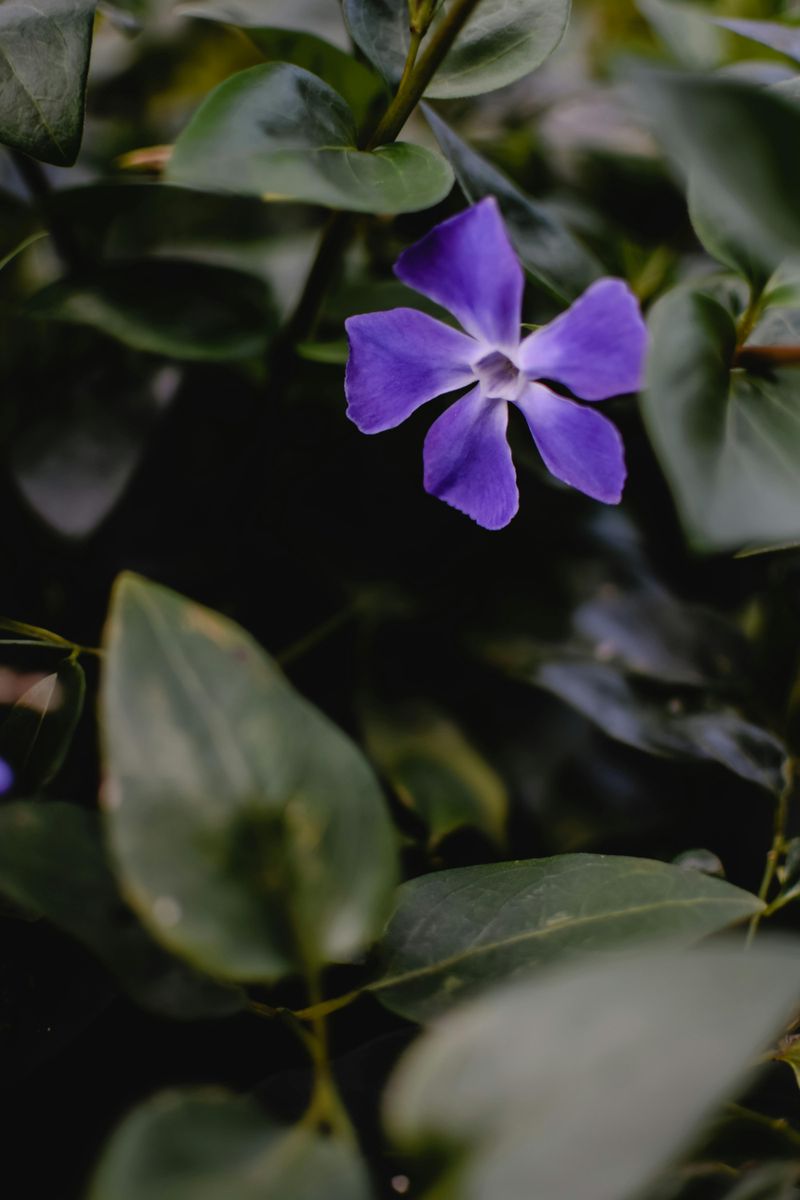
Charming purple flowers and glossy evergreen leaves made Periwinkle seem like an ideal solution for covering bare ground in shady garden areas.
Homeowners appreciated how this ground cover stayed green year-round and required minimal maintenance once established under trees and in borders reliably.
Periwinkle spreads aggressively through trailing stems that root at every node, creating dense mats that smother native wildflowers and tree seedlings.
The thick growth prevents water and nutrients from reaching soil beneath, creating conditions where only Periwinkle survives while everything else struggles.
Natural areas suffer when Periwinkle escapes yards because it carpets forest floors and eliminates the diverse native plant communities that wildlife requires.
Removing Periwinkle proves tedious because every small stem fragment left behind can regenerate into new plants within just a few weeks.
The plant contains compounds toxic to pets and livestock, creating safety concerns when animals graze or play in areas where it grows.
Native alternatives like Wild Ginger or Green-and-Gold provide attractive ground cover without the aggressive spreading that makes Periwinkle such a persistent problem.