9 Bedroom Plants That Improve Air Quality In Georgia Homes
Bedrooms should feel like a breath of fresh air, especially in Georgia homes where heat and humidity can linger long after sunset.
The right plants can quietly pull their weight, working around the clock to freshen indoor air while you rest.
They do not make a fuss or ask for much, yet they can make a noticeable difference in how a room feels by morning.
Many houseplants naturally filter common indoor pollutants and release oxygen as part of their daily routine.
In a bedroom, that steady cleanup helps create a calmer, cleaner space that supports better sleep.
Plants also add moisture to dry indoor air, which can ease stuffy noses and scratchy throats.
It is a small change that can pay off in big ways.
In Georgia, where air conditioners often run nonstop, bedroom plants help balance things out.
They soften harsh corners, add a sense of calm, and bring a touch of nature indoors.
Like setting the mood before turning in for the night, these plants help the room work in your favor.
With the right choices, your bedroom becomes more than a place to sleep.
It turns into a space that feels lighter, fresher, and easier to unwind in every night.
1. Snake Plant

Snake plants are nearly impossible to mess up, which makes them perfect for anyone new to indoor gardening.
Their tall, sword-like leaves add a modern touch to any bedroom corner, and they can handle Georgia’s varying indoor temperatures with ease.
What sets this plant apart is its ability to produce oxygen at night, unlike most other plants that only do so during the day.
This makes it an ideal bedside companion for better sleep quality.
You only need to water it every few weeks, and it tolerates low light conditions beautifully.
Georgia homeowners love snake plants because they filter out toxins like formaldehyde and benzene, which can come from furniture, carpets, and cleaning products.
The plant’s upright growth means it does not take up much floor space, so even small bedrooms in Atlanta apartments can accommodate one.
Its hardy nature means you can go on vacation without worrying about it wilting.
Plus, snake plants are known to remove airborne allergens, which is a bonus during Georgia’s intense pollen seasons.
If you want a plant that works while you rest, this is your top pick.
2. Spider Plant
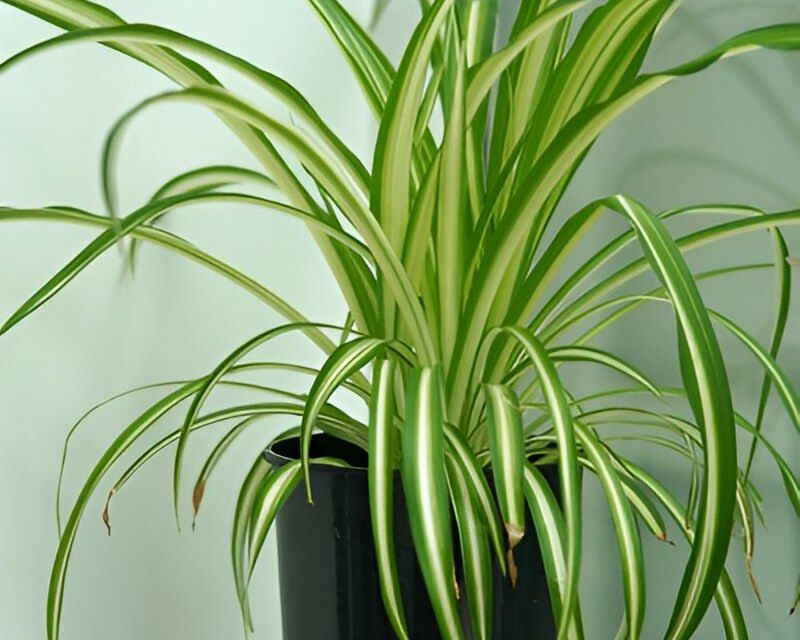
Spider plants bring a cheerful, cascading look to any bedroom shelf or hanging planter.
Their striped leaves arch gracefully, creating a lively visual that brightens up your space.
One of the coolest things about spider plants is how quickly they grow and produce baby offshoots, which you can easily replant or share with friends.
They thrive in Georgia’s humidity and do well in indirect sunlight, making them perfect for rooms that do not get harsh afternoon rays.
Spider plants are excellent at removing carbon monoxide and xylene from the air, pollutants that can sneak into homes from gas appliances and vehicle exhaust.
This makes them especially useful if you live near busy roads in cities like Savannah or Macon.
Your Georgia Garden Changes Every Week. Your Plan Should Too.
Gardening in Georgia changes quickly throughout the season. Every Friday you’ll receive a simple weekly plan showing exactly what to plant, prune, fertilize, harvest, and protect so you never miss the right timing.
Watering them once or twice a week keeps them happy, and they bounce back quickly if you forget a watering session.
Their non-toxic nature also makes them safe around curious pets.
Many Georgia residents appreciate how forgiving spider plants are, even in less-than-perfect conditions.
They adapt to different light levels and temperatures, so you do not have to stress about placement.
3. Peace Lily
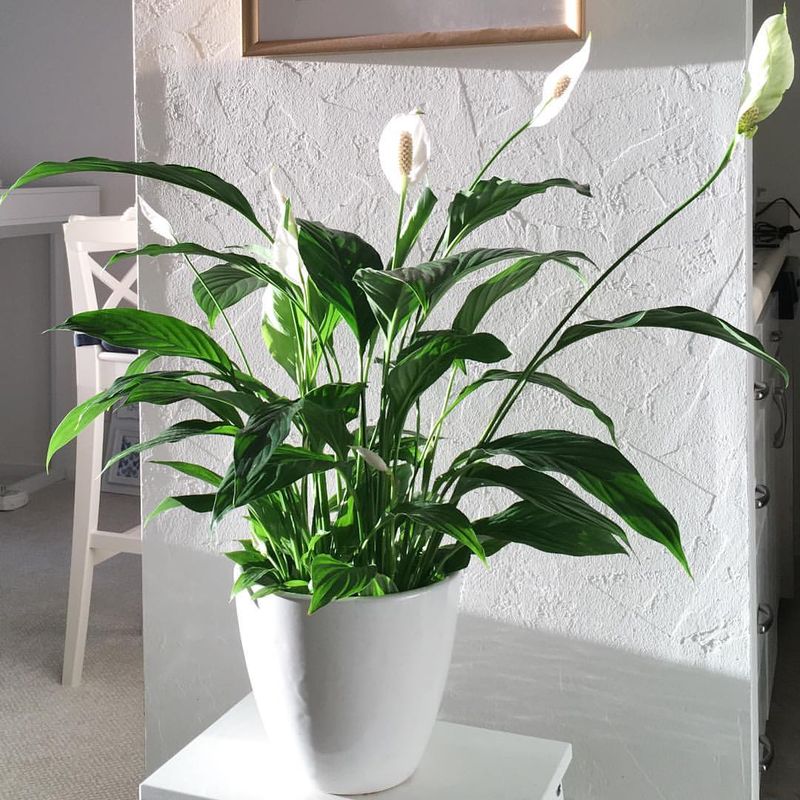
Peace lilies are known for their elegant white blooms that stand out against deep green foliage.
They add a touch of sophistication to any bedroom and are surprisingly easy to care for.
These plants excel at filtering out ammonia, benzene, and formaldehyde, chemicals commonly found in household cleaners and building materials.
Georgia’s humid climate is actually beneficial for peace lilies since they love moisture in the air.
You will know when they need water because their leaves will droop slightly, then perk right back up after a drink.
Peace lilies prefer low to medium light, so they work well in bedrooms without direct sun exposure.
Their ability to thrive in shade makes them a go-to choice for rooms facing north or east in Georgia homes.
The white flowers can bloom several times a year, adding a fresh, calming presence to your sleep space.
Many people find that having a peace lily nearby helps reduce stress and promotes relaxation.
Just keep in mind that the plant is toxic if ingested, so place it out of reach if you have pets or young children.
4. Aloe Vera
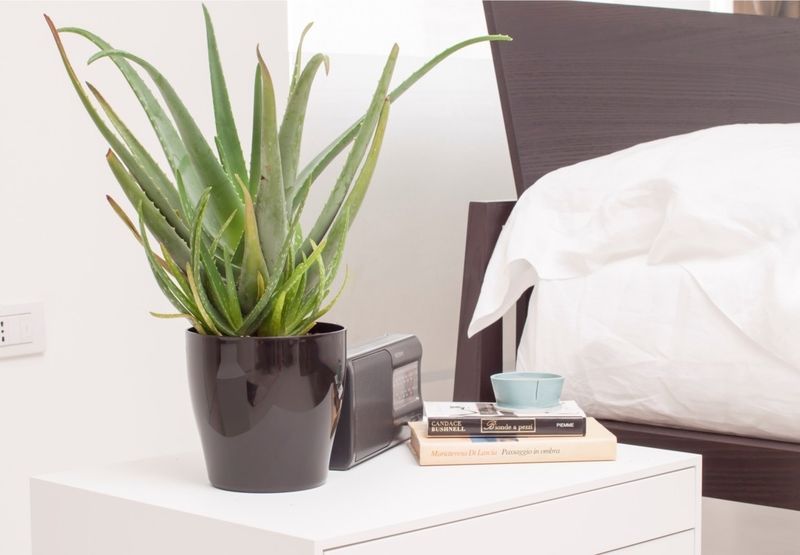
Aloe vera is much more than a sunburn remedy sitting on your windowsill.
This succulent works overtime to clear the air of formaldehyde and benzene, two pollutants often released by paints and varnishes.
Its thick, fleshy leaves store water, so you only need to water it every couple of weeks, making it perfect for busy lifestyles.
Aloe vera loves bright, indirect light, which is easy to find in many Georgia bedrooms with south-facing windows.
The plant’s compact size makes it ideal for nightstands or small shelves.
Beyond air purification, having fresh aloe gel on hand is incredibly handy for minor burns, cuts, or skin irritations.
Georgia’s warm climate means aloe vera can even be moved outdoors during the spring and summer months if you want to give it a boost.
Its low-maintenance nature appeals to anyone who wants cleaner air without the fuss of constant care.
Aloe vera also releases oxygen at night, similar to the snake plant, which can contribute to a better night’s rest.
Just be sure to let the soil dry out completely between waterings to avoid root rot.
5. English Ivy
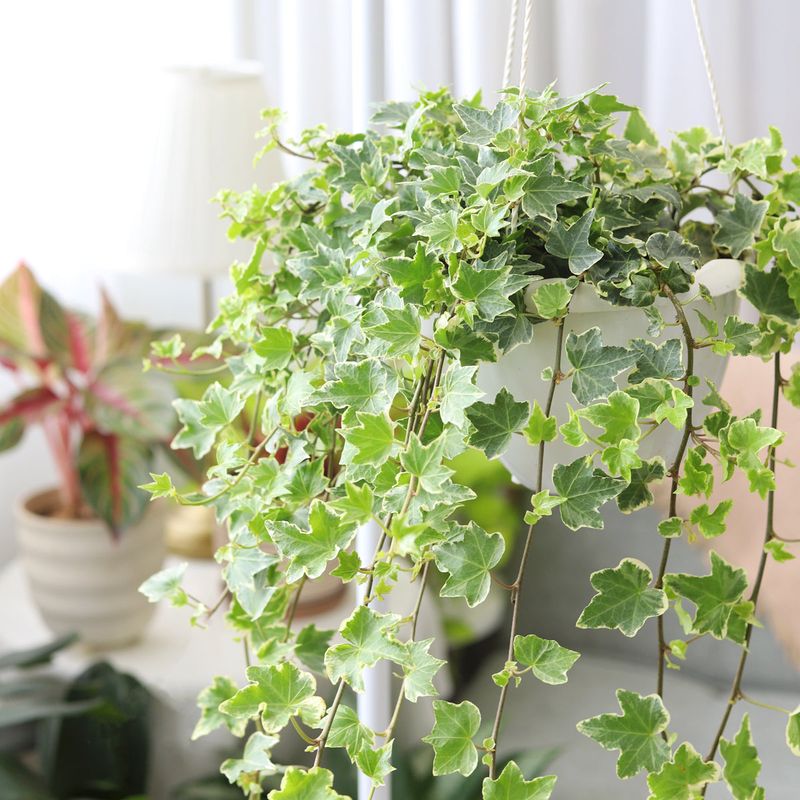
English ivy brings a classic, timeless look to any bedroom with its trailing vines and lush green leaves.
This plant is a powerhouse when it comes to filtering airborne mold spores, which can be a real issue in Georgia’s humid climate.
Studies have shown that English ivy can reduce mold particles in the air by a significant percentage within just a few hours.
This makes it especially valuable for bedrooms in older homes or areas with poor ventilation.
The plant prefers moderate light and consistent moisture, so placing it near a window with filtered sunlight works well.
English ivy also helps remove benzene and formaldehyde, adding to its air-cleaning credentials.
Its cascading growth habit makes it perfect for hanging planters or high shelves, where it can drape down gracefully.
Georgia homeowners often use English ivy to add a touch of greenery without taking up valuable floor space.
Keep in mind that this plant is toxic to pets, so it is best kept out of reach if you have cats or dogs.
With regular pruning, you can control its growth and keep it looking tidy and full.
6. Boston Fern
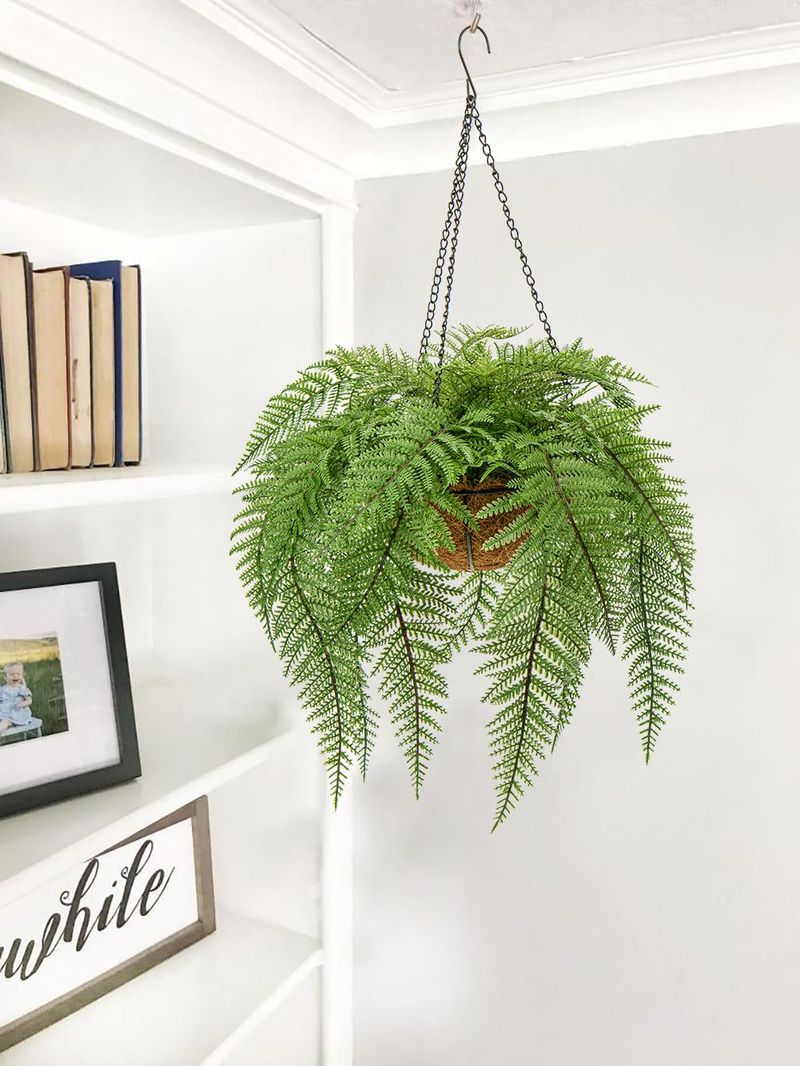
Boston ferns are all about lush, feathery fronds that create a soft, natural vibe in your bedroom.
They are among the best plants for adding moisture to the air, which is helpful if you use air conditioning frequently in Georgia’s hot summers.
This plant is also fantastic at removing formaldehyde and xylene, making your indoor air healthier and fresher.
Boston ferns thrive in high humidity and indirect light, conditions that many Georgia homes naturally provide.
Misting the leaves regularly or placing the plant in a bathroom with a window can keep it looking vibrant.
Their full, bushy appearance makes them a popular choice for hanging baskets or plant stands.
If your bedroom feels dry or stuffy, a Boston fern can help balance the atmosphere.
They do require a bit more attention than some other plants, needing consistent watering to keep the soil moist but not soggy.
Many people in Georgia find that Boston ferns do best in rooms with good air circulation.
The payoff is a stunning, green focal point that also works hard to clean your air while you sleep.
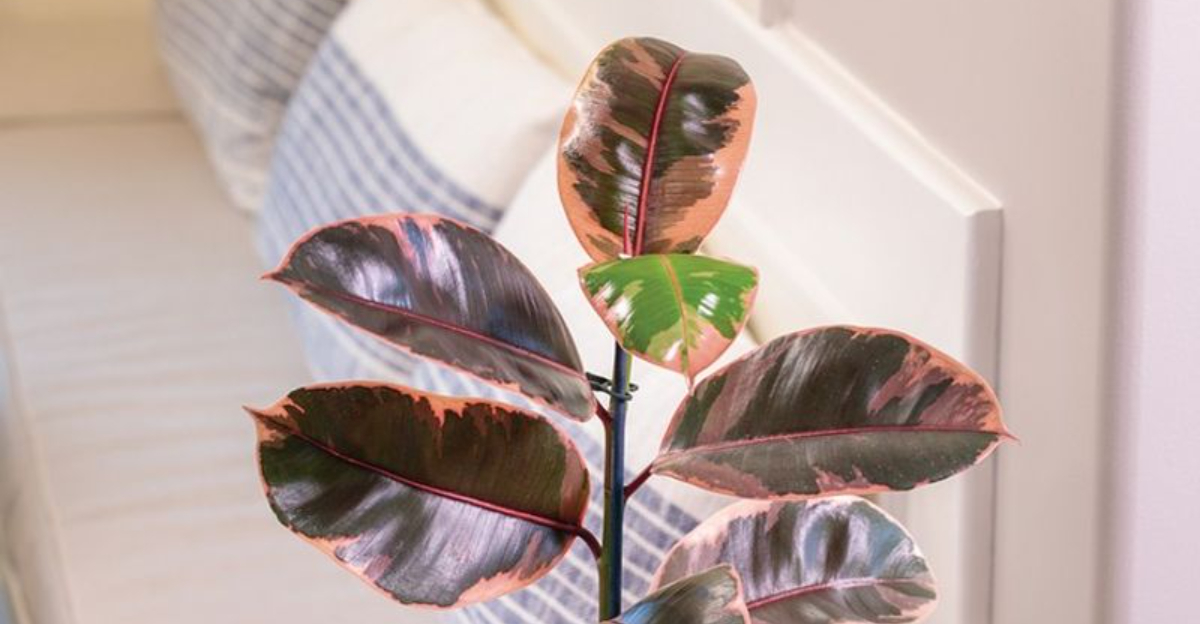
7. Rubber Plant
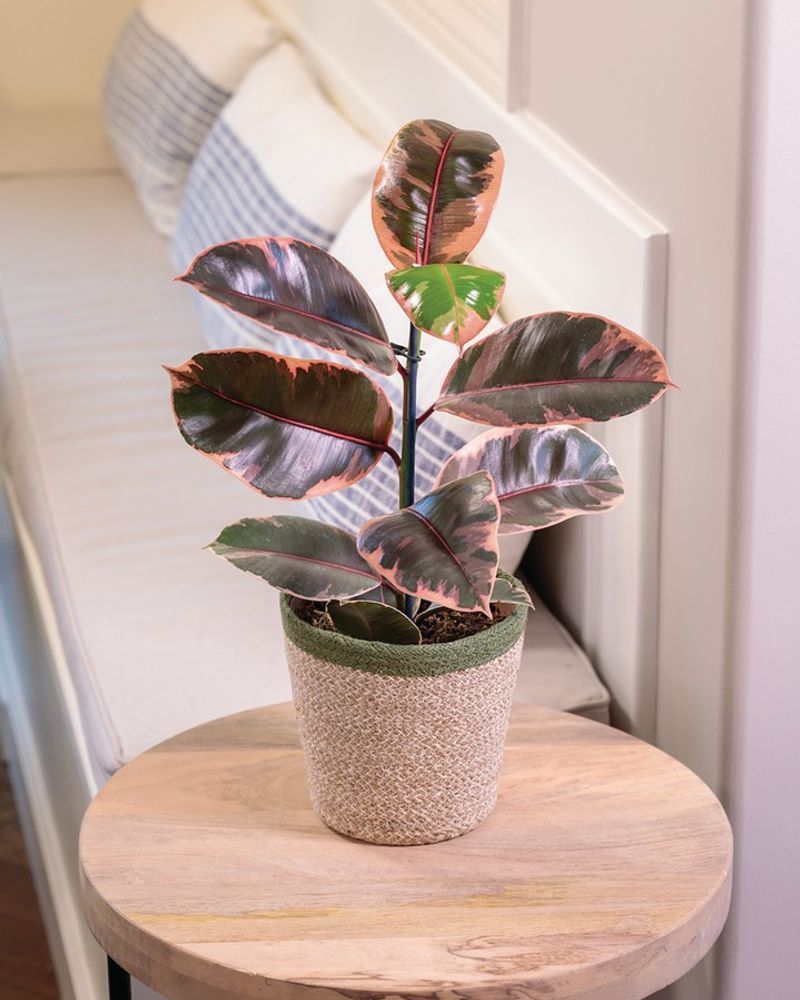
Rubber plants are bold, statement-making beauties with large, glossy leaves that can grow quite tall over time.
They are excellent at filtering formaldehyde and other toxins, making them a smart choice for cleaner bedroom air.
Their sturdy, upright growth habit means they work well in corners or beside dressers where you want to add height and drama.
Rubber plants are surprisingly low-maintenance, needing only moderate light and watering once the top inch of soil dries out.
Georgia’s indoor conditions suit them well, as they tolerate a range of temperatures and humidity levels.
The thick, waxy leaves are easy to wipe clean, which helps the plant photosynthesize more efficiently and keep doing its air-purifying job.
Many homeowners in Atlanta and other Georgia cities love how rubber plants add a tropical touch without requiring tropical-level care.
They grow slowly but steadily, so you can enjoy watching them develop over the years.
If you want a plant that makes a visual impact while improving air quality, the rubber plant delivers on both fronts.
Just be aware that the sap can be irritating to skin, so handle it with care during repotting.
8. Pothos
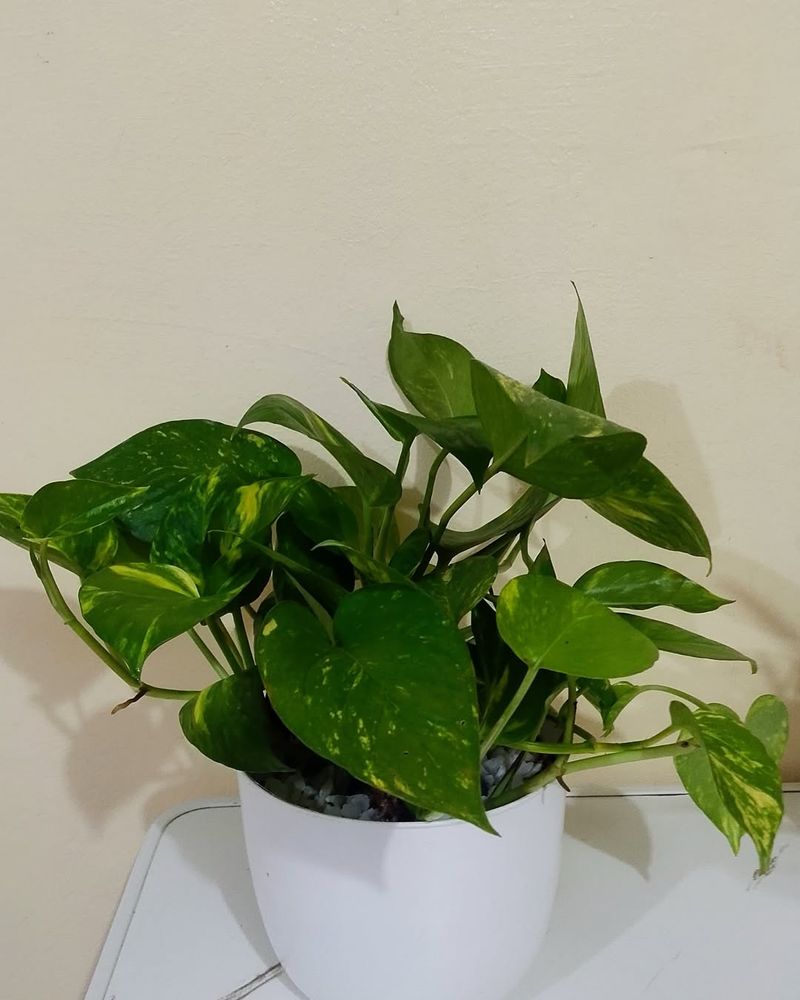
Pothos is often called the ultimate beginner plant because it thrives on neglect and adapts to almost any environment.
Its heart-shaped leaves come in various shades of green, yellow, and white, adding a splash of color to your bedroom.
This plant is highly effective at removing indoor pollutants like formaldehyde, benzene, and carbon monoxide.
Pothos can grow in low light or bright, indirect light, making it versatile for any room in your Georgia home.
You can let the vines trail down from a high shelf or train them to climb a small trellis for a different look.
Watering once a week is usually enough, and the plant will let you know if it needs a drink by slightly drooping its leaves.
Georgia’s indoor climate is perfect for pothos, as it tolerates both dry and humid conditions.
Many people appreciate how quickly pothos grows, filling out spaces and creating a lush, green backdrop.
It is also easy to propagate, so you can create new plants from cuttings and spread them throughout your home.
Just remember that pothos is toxic to pets, so keep it in a spot where curious animals cannot reach it.
9. Areca Palm
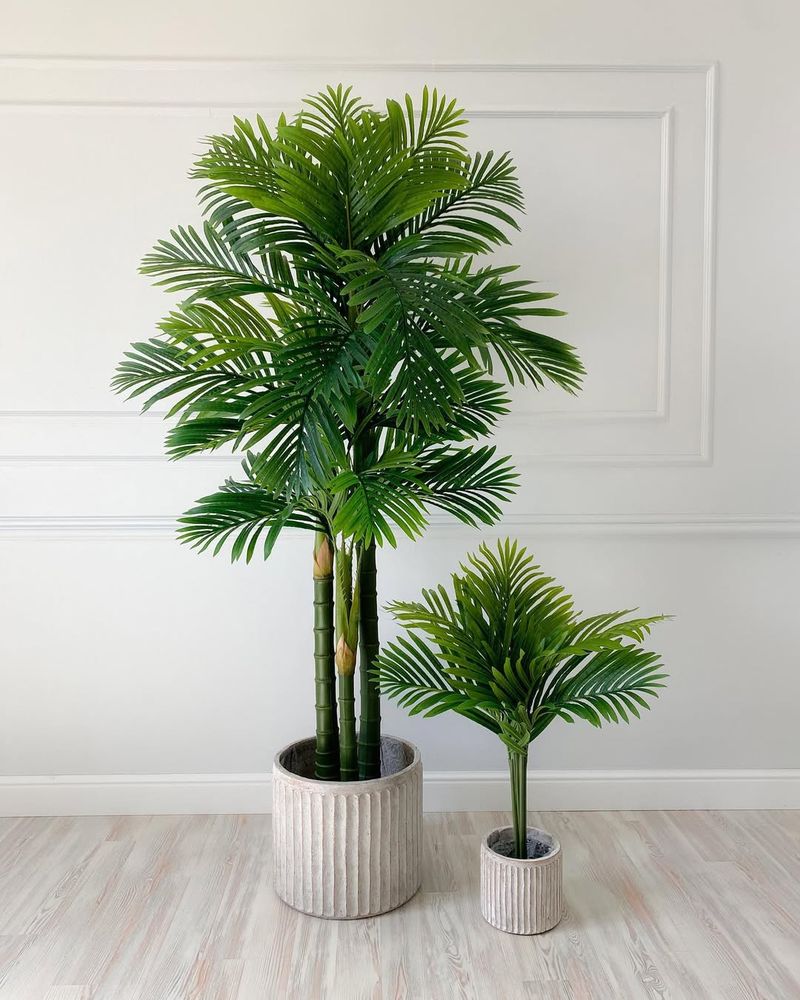
Areca palms bring a tropical resort feel right into your Georgia bedroom with their tall, feathery fronds.
They are fantastic at removing toxins like formaldehyde, xylene, and toluene from the air, making your space healthier and more inviting.
This palm also acts as a natural humidifier, releasing moisture into the air, which can be especially helpful during Georgia’s dry winter months indoors.
Areca palms prefer bright, indirect light and consistent watering, so placing them near a window with filtered sunlight works best.
Their size makes them ideal for larger bedrooms or master suites where you have floor space to spare.
Many Georgia homeowners love how areca palms create a calming, vacation-like atmosphere that promotes relaxation and better sleep.
The plant’s graceful appearance adds elegance without overwhelming the room’s decor.
Regular misting helps keep the fronds looking fresh and vibrant, especially if you run the air conditioning frequently.
Areca palms grow slowly, so they will not quickly outgrow their space, but they can reach several feet tall over time.
If you want a plant that makes a big impact on both air quality and aesthetics, the areca palm is a top contender.