Why Ghost Pipe Is Showing Up Across Pennsylvania Forests
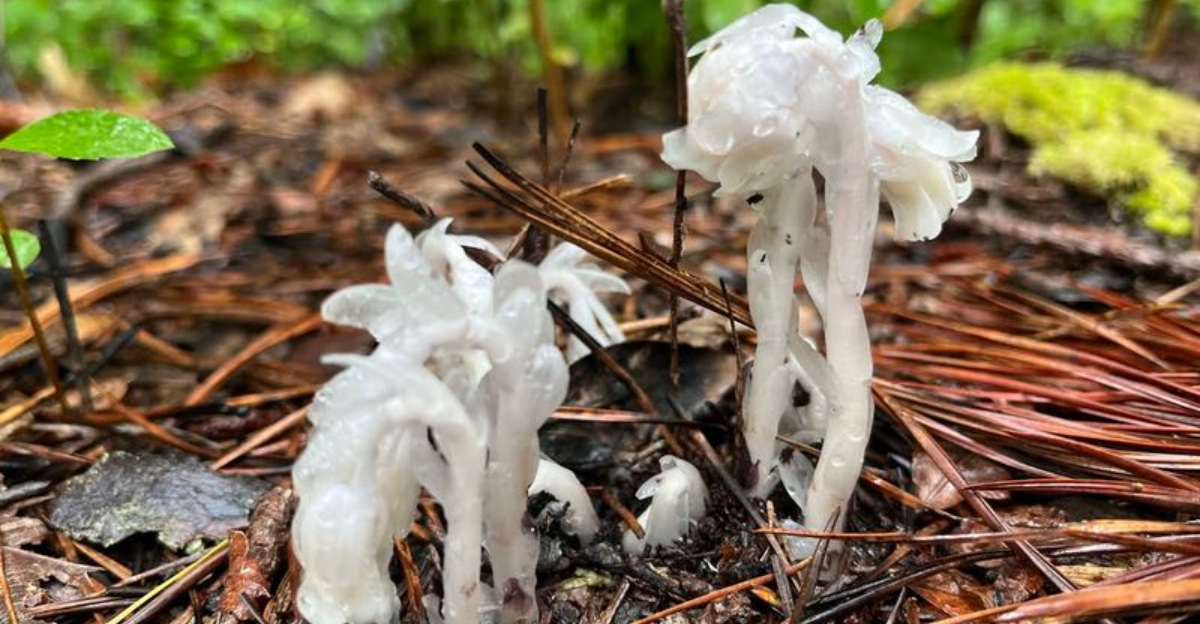
Pennsylvania forests are full of surprises, and ghost pipe is one that stops people in their tracks.
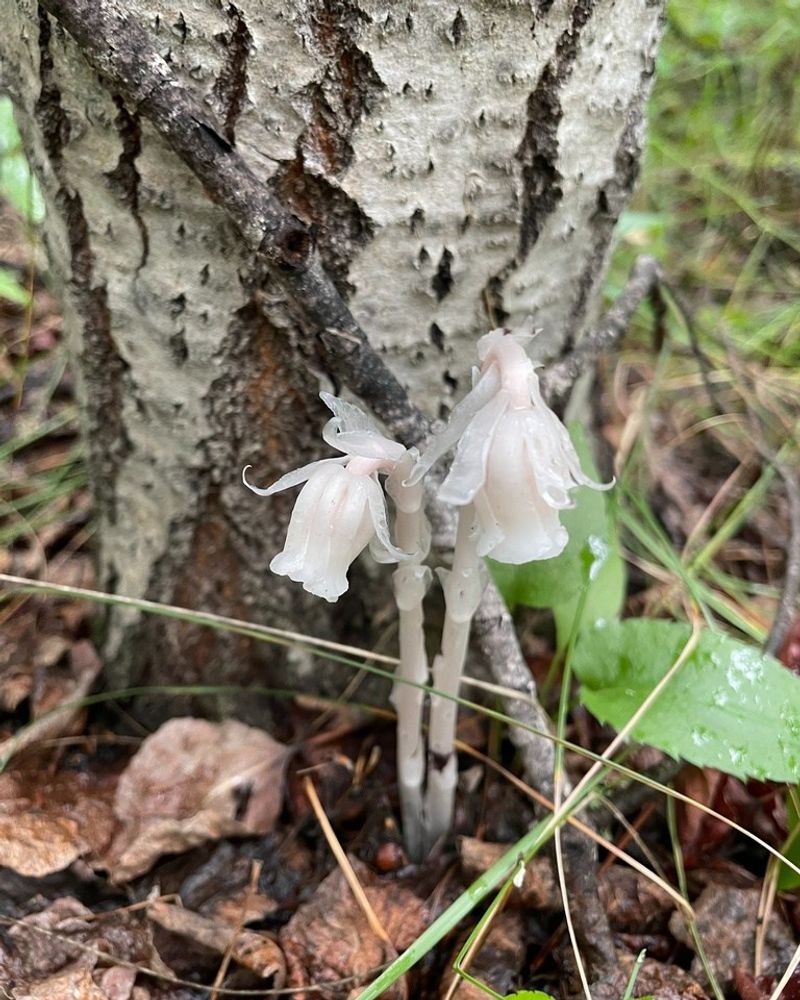
With its pale, almost glowing appearance, this unusual plant looks like it belongs in another world.
When it pops up along forest floors, it feels sudden and mysterious, catching hikers and nature lovers off guard.
Ghost pipe thrives under very specific conditions.
It prefers shady woods, rich soil, and the quiet support of underground networks that most people never see.
Instead of relying on sunlight, it taps into fungi connected to tree roots, making it unlike typical plants.
When moisture levels and temperatures line up just right, ghost pipe seizes the moment and emerges.
Seasonal weather patterns play a big role.
Periods of steady rain followed by warm days create the perfect window for ghost pipe to appear.
Because it does not stick around long, sightings can feel fleeting.
One week it is everywhere, and the next it is gone without a trace.
Like a short lived encore, its presence reminds us how closely nature runs on timing.
In Pennsylvania forests, ghost pipe’s arrival signals that conditions have aligned behind the scenes, revealing something rare hiding in plain sight.
1. Increased Awareness Through Social Media Has Made Them More Visible
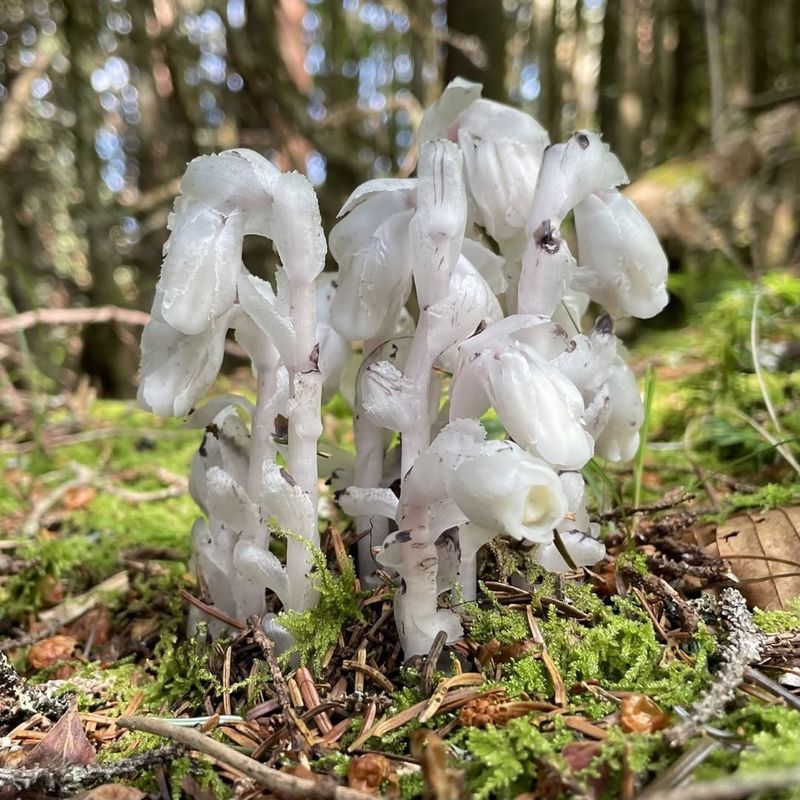
Social media platforms have transformed how people share their outdoor discoveries, and ghost pipe has become something of a woodland celebrity.
Hikers who stumble upon these bizarre white plants often snap photos and post them online, asking friends and followers to help identify what they’ve found.
This digital sharing creates a ripple effect, making more people aware that these unusual organisms exist in Pennsylvania forests.
Before smartphones and Instagram, someone might see ghost pipe on a trail and simply walk past without giving it much thought.
Now, nature enthusiasts actively search for interesting plants to photograph and share with online communities.
Pennsylvania hiking groups on Facebook and nature photography accounts have featured ghost pipe countless times, turning it into a sought-after find rather than an overlooked curiosity.
This increased visibility doesn’t mean ghost pipe populations have actually grown everywhere, but rather that more eyes are looking for them.
When one person posts a photo from a trail in Pennsylvania’s Michaux State Forest or Ricketts Glen, others become inspired to look more carefully during their own woodland adventures.
Nature apps that help identify plants have also contributed to this awareness, allowing people to quickly learn what they’re seeing and share that knowledge.
Educational nature centers and environmental organizations across Pennsylvania have noticed this trend and now include ghost pipe in their programming.
Guided nature walks specifically mention these plants as potential sightings, priming participants to spot them.
The combination of digital connectivity and growing interest in local ecosystems means that Pennsylvania’s ghost pipe populations are receiving more attention than ever before, even if their actual numbers have remained relatively stable in many locations.
2. Perfect Moisture Conditions Have Created Ideal Growing Environments
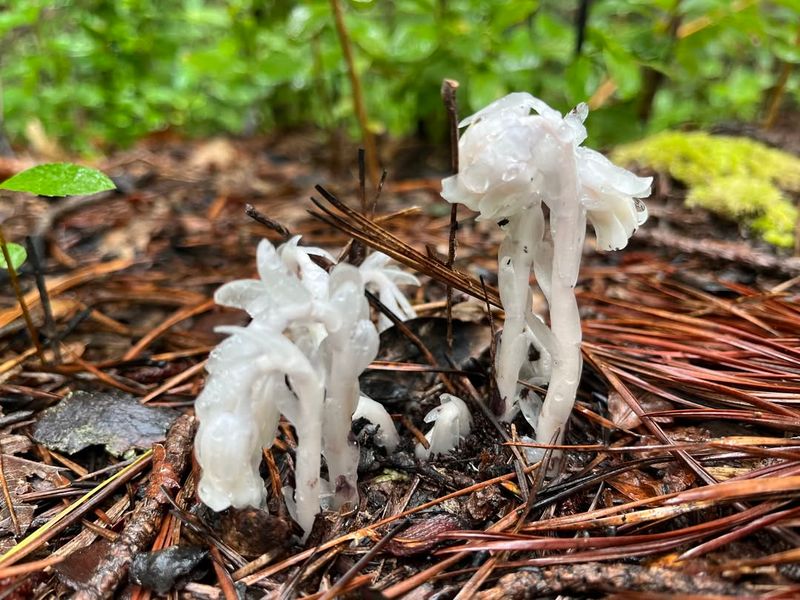
Pennsylvania forests have experienced rainfall patterns that create just the right amount of moisture for ghost pipe to flourish.
Your Pennsylvania Garden Changes Every Week. Your Plan Should Too.
Gardening in Pennsylvania changes quickly throughout the season. Every Friday you’ll receive a simple weekly plan showing exactly what to plant, prune, fertilize, harvest, and protect so you never miss the right timing.
These unusual plants need consistently damp soil without being waterlogged, and recent weather conditions have provided exactly that balance.
When summer rains arrive regularly but don’t flood the forest floor, ghost pipe finds its sweet spot for growth.
The plant doesn’t have chlorophyll like green plants, so it can’t make its own food through sunlight.
Instead, it gets nutrients through a complex relationship with fungi in the soil, and these fungi thrive when moisture levels stay steady.
Pennsylvania’s climate, especially in regions like the Allegheny National Forest and state game lands, has been particularly favorable for maintaining this delicate moisture balance.
Forest floors covered with thick leaf litter act like natural sponges, holding moisture close to the surface where ghost pipe roots connect with fungal networks.
This layer of decomposing leaves doesn’t just retain water but also creates the slightly acidic conditions that both the fungi and ghost pipe prefer.
Areas with mature tree canopies provide shade that keeps the ground from drying out too quickly between rainstorms.
When drought conditions occur, ghost pipe populations can shrink dramatically because their fungal partners struggle without adequate moisture.
However, when conditions improve, the plants can rebound quickly from their underground networks.
Pennsylvania’s forests have seen fewer extended dry spells in recent years, allowing ghost pipe populations to expand into areas where they might have previously struggled.
Hikers exploring Pennsylvania woodlands during late summer have the best chance of spotting these moisture-loving plants when conditions align perfectly.
3. Mature Forest Ecosystems Are Expanding Throughout The State
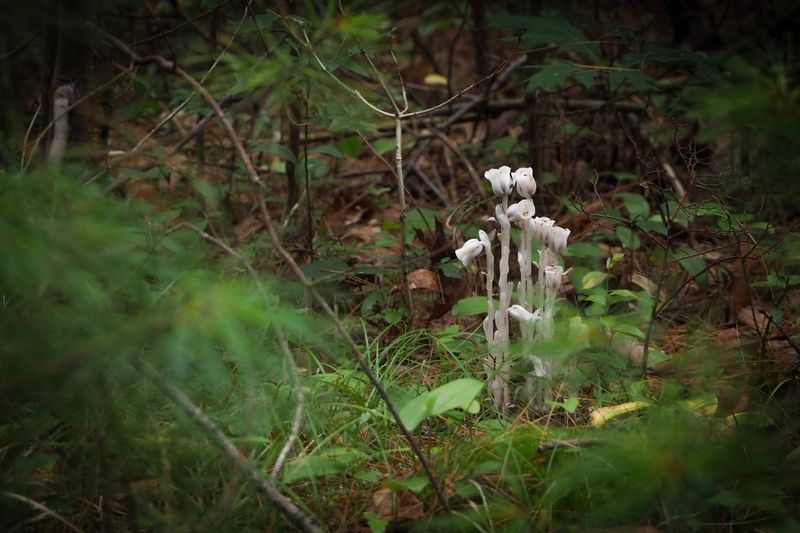
Ghost pipe thrives in well-established forests where trees have grown tall and created dense canopies overhead.
Pennsylvania has seen significant forest recovery over the past century as former farmland has returned to woodland.
These maturing forests now provide the exact conditions that ghost pipe needs to establish itself and spread.
Young forests with thin canopies and sparse undergrowth don’t support the complex fungal networks that ghost pipe depends on for survival.
As Pennsylvania’s forests age, the soil becomes richer with organic matter and hosts more diverse fungal communities.
Areas that were clear-cut or farmed decades ago have now developed into the kind of mature woodland where ghost pipe can flourish alongside other forest-floor plants.
Conservation efforts throughout Pennsylvania have protected large tracts of forestland from development, allowing these ecosystems to mature naturally.
State forests, game lands, and private conservation areas now contain thousands of acres of old-growth and mature second-growth forest.
These protected spaces provide stable environments where ghost pipe populations can establish themselves without disturbance from logging or land clearing.
The specific trees that dominate Pennsylvania forests, including oaks, maples, and beech, form partnerships with mycorrhizal fungi that ghost pipe taps into.
As these tree species mature and their root systems expand, the underground fungal networks grow more extensive and complex.
Ghost pipe essentially hitchhikes on these networks, drawing nutrients that the fungi obtain from tree roots.
Pennsylvania’s commitment to forest stewardship has created thousands of acres where this three-way relationship between trees, fungi, and ghost pipe can develop over many decades, resulting in more frequent sightings across the state.
4. Climate Patterns Have Extended The Growing Season For Forest Plants
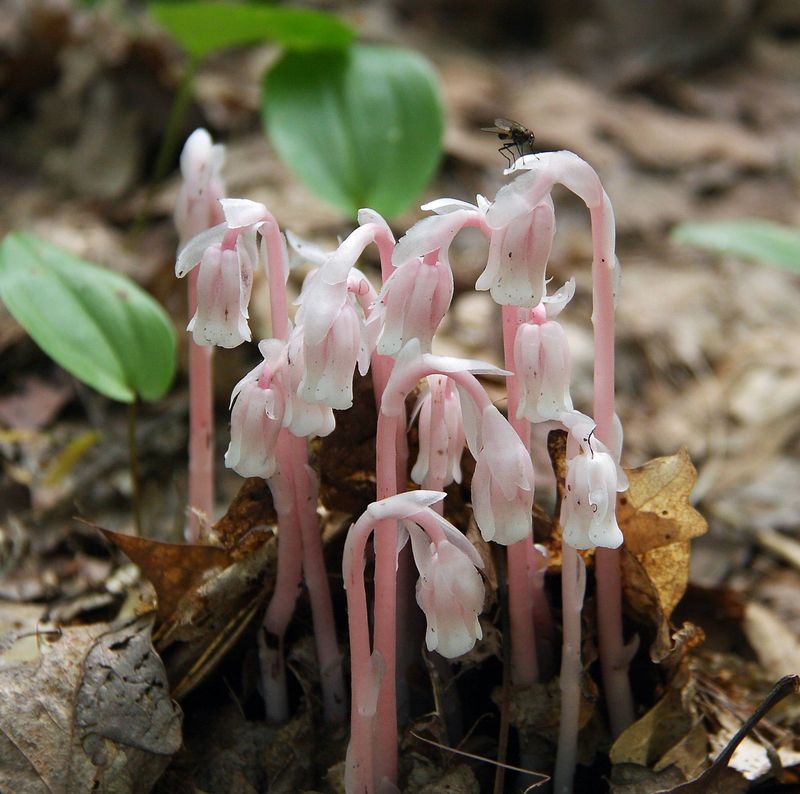
Warmer temperatures and shifting seasonal patterns have changed when and how long forest plants can grow in Pennsylvania.
Ghost pipe typically appears in mid to late summer, but extended warm periods have given these plants a longer window for emergence.
When fall arrives later and spring warmth comes earlier, the entire growing season stretches out, benefiting many woodland species including ghost pipe.
Temperature changes affect not just the plants themselves but also the fungal partners they rely on.
Fungi become more active in warm, moist conditions, and milder winters mean they don’t experience the same dormancy periods they once did.
Pennsylvania forests have seen average temperatures gradually increase, creating conditions where fungal networks remain active for longer periods throughout the year.
Extended growing seasons also mean that hikers and nature observers spend more time on trails during periods when ghost pipe is visible.
Instead of a narrow two or three-week window when these plants emerge, they might now be spotted over a month-long period across different regions of Pennsylvania.
This expanded timeframe increases the likelihood that someone will encounter ghost pipe during a woodland walk.
Different elevation zones across Pennsylvania experience these climate shifts in varying ways.
Higher elevation forests in the Pocono Mountains or along the Allegheny Plateau might see ghost pipe appearing at times when they previously wouldn’t have emerged.
Lower elevation forests near Philadelphia or Pittsburgh may experience even longer periods of suitable growing conditions.
These climate-driven changes don’t necessarily mean ghost pipe is more abundant, but they do create more opportunities for the plants to complete their unusual life cycle and be noticed by people exploring Pennsylvania’s diverse forest landscapes.
5. Forest Management Practices Have Improved Soil Health And Biodiversity
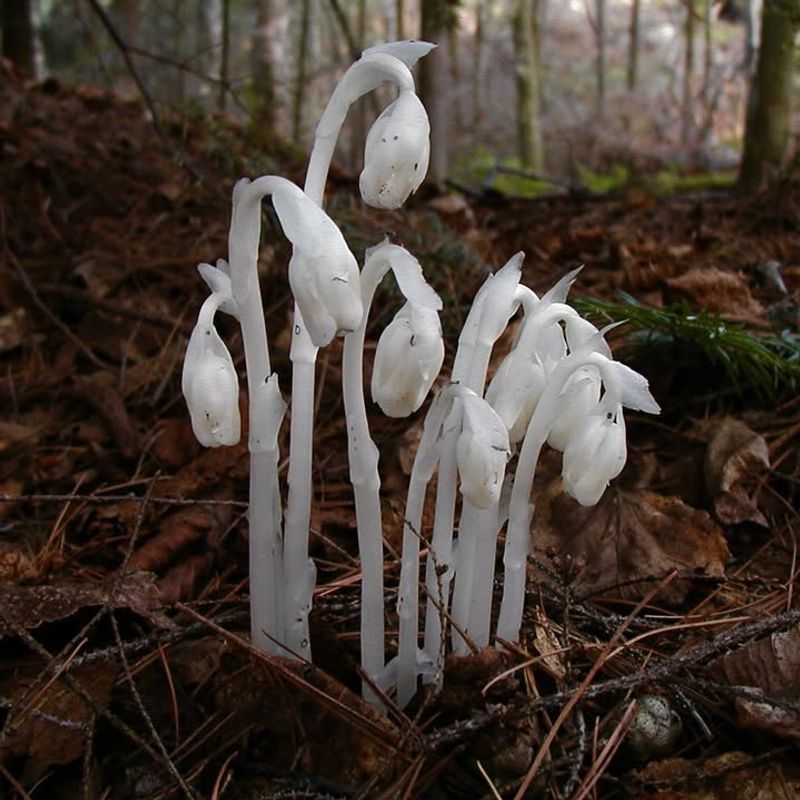
Modern forestry approaches in Pennsylvania focus on maintaining healthy ecosystems rather than simply harvesting timber.
These practices have improved soil quality throughout state forests, creating better conditions for unusual plants like ghost pipe.
When forest managers leave dry wood to decompose naturally and minimize soil disturbance, they’re actually helping the fungal networks that ghost pipe needs.
Pennsylvania’s Bureau of Forestry has adopted sustainable management techniques that protect forest floor integrity.
Selective harvesting instead of clear-cutting preserves the canopy cover and underground ecosystems where ghost pipe thrives.
These methods ensure that fungal communities remain intact even when some trees are removed, allowing ghost pipe populations to persist and even expand.
Soil compaction from heavy equipment used to damage forest floors, disrupting the delicate fungal networks beneath the surface.
Today’s forest management includes measures to minimize this impact, such as using designated trails for equipment and timing operations when soil is less vulnerable.
Pennsylvania’s state forests benefit from these protective measures, which help maintain the complex underground relationships that support ghost pipe.
Increased biodiversity in well-managed forests creates more stable ecosystems where specialized plants can find their niche.
Ghost pipe isn’t competing for sunlight like green plants, but it does need healthy tree populations and robust fungal communities.
Pennsylvania’s emphasis on maintaining diverse tree species and age classes supports the mycorrhizal fungi that connect trees and ghost pipe.
Educational programs have also helped private landowners understand how their management decisions affect forest health.
As more Pennsylvania woodland owners adopt practices that protect soil and fungi, ghost pipe finds more suitable habitat across both public and private forestlands throughout the state.
6. Reduced Deer Populations Have Allowed More Forest Floor Plants To Survive
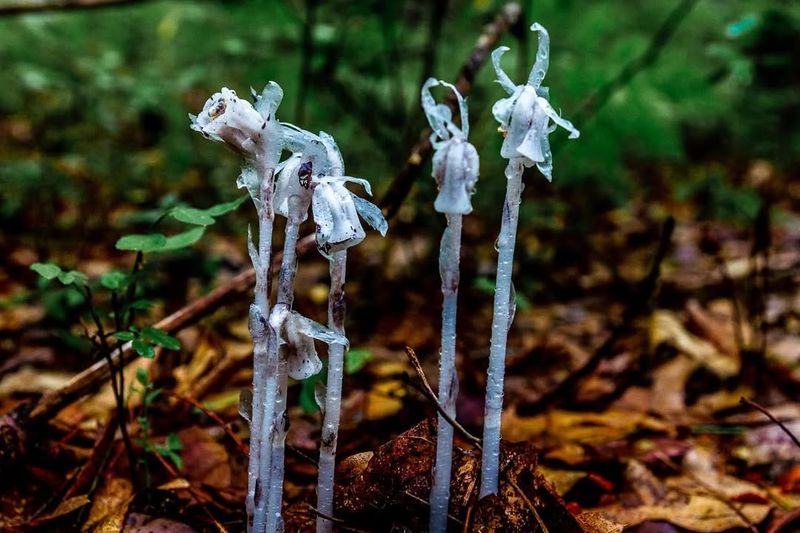
White-tailed deer populations in Pennsylvania once reached levels that severely impacted forest understory vegetation.
When too many deer browse through forests, they consume or trample many plants before they can mature and reproduce.
Ghost pipe, with its fleshy stems and lack of protective toxins, can be vulnerable to browsing pressure in areas with extremely high deer densities.
Pennsylvania wildlife managers have worked to balance deer populations with forest health over recent decades.
Adjusted hunting regulations and habitat management have helped bring deer numbers down in many regions.
As deer pressure decreases, forest floor plants including ghost pipe have more opportunity to emerge, flower, and complete their life cycles without being consumed.
Lower deer populations also benefit the overall forest ecosystem in ways that indirectly help ghost pipe.
When deer aren’t overbrowsing, leaf litter accumulates more naturally, creating better conditions for fungi.
The same fungal networks that ghost pipe depends on also thrive when forests maintain healthy layers of decomposing organic matter rather than having it constantly disturbed by large numbers of browsing animals.
Regional differences exist across Pennsylvania, with some areas still experiencing higher deer densities than others.
Forests in regions where deer management has been most successful often show greater diversity of understory plants.
Ghost pipe benefits from this improved balance, as do many other native Pennsylvania forest species.
Hunters who participate in Pennsylvania’s deer management programs contribute to this ecological balance.
Their efforts help maintain deer populations at levels where forests can regenerate naturally and support diverse plant communities, creating the conditions where unusual species like ghost pipe can thrive and become more noticeable to people exploring Pennsylvania woodlands.
7. Growing Interest In Foraging And Botany Has Trained More Eyes To Spot Them
Foraging for wild mushrooms and edible plants has exploded in popularity across Pennsylvania in recent years.
This growing interest brings more people into forests with a keener eye for unusual organisms.
While ghost pipe itself isn’t a foraging target, people searching for mushrooms often encounter it and recognize its significance because they’ve trained themselves to notice forest details.
Botanical education has also expanded through community programs, nature centers, and online learning platforms.
Pennsylvania residents now have more access to plant identification resources than ever before.
Workshops on native plants, medicinal herbs, and forest ecology teach participants to observe their surroundings more carefully, making them more likely to spot and identify ghost pipe when they encounter it.
Field guides specific to Pennsylvania flora have improved in quality and availability, many now featuring detailed photos and descriptions of unusual species.
Ghost pipe appears in these guides as a notable example of a mycoheterotrophic plant, one that lives off fungi rather than photosynthesis.
As more people carry these guides or use plant identification apps, recognition of ghost pipe has increased across the state.
Nature clubs and hiking groups throughout Pennsylvania often include members with botanical knowledge who point out interesting plants to others.
This peer-to-peer education creates a multiplier effect, where one knowledgeable person can teach dozens of others what to look for.
Ghost pipe, with its striking appearance and unusual biology, makes a memorable teaching subject that people remember and share.
The combination of foraging culture, botanical education, and community learning has created a generation of Pennsylvania outdoor enthusiasts who notice forest details that previous generations might have overlooked, resulting in more frequent reports and sightings of ghost pipe throughout the state’s diverse woodland regions.