10 Invasive Plants Georgia Homeowners Regret Planting In Their Yards
Georgia yards promise shade, blooms, and quick results.
Some plants deliver fast beauty, then turn into bullies.
Roots run wild, vines smother trees, and seeds spread like gossip on a hot porch.
What starts as curb appeal can end with endless cuts, higher costs, and native loss.
Neighbors complain, wildlife retreats, and property lines blur.
The regret feels familiar across the state, from red clay suburbs to coastal sand.
Each offender boasts charm up front, trouble later, and a habit that defies boundaries.
Learn how these plants take hold, why removal turns tough, and which signs signal early escape.
A little foresight saves sweat and sanity.
Read on before a small plant choice snowballs into a yard-wide headache, and before one season of growth writes years of work into your weekends and your wallet soon.
1. English Ivy
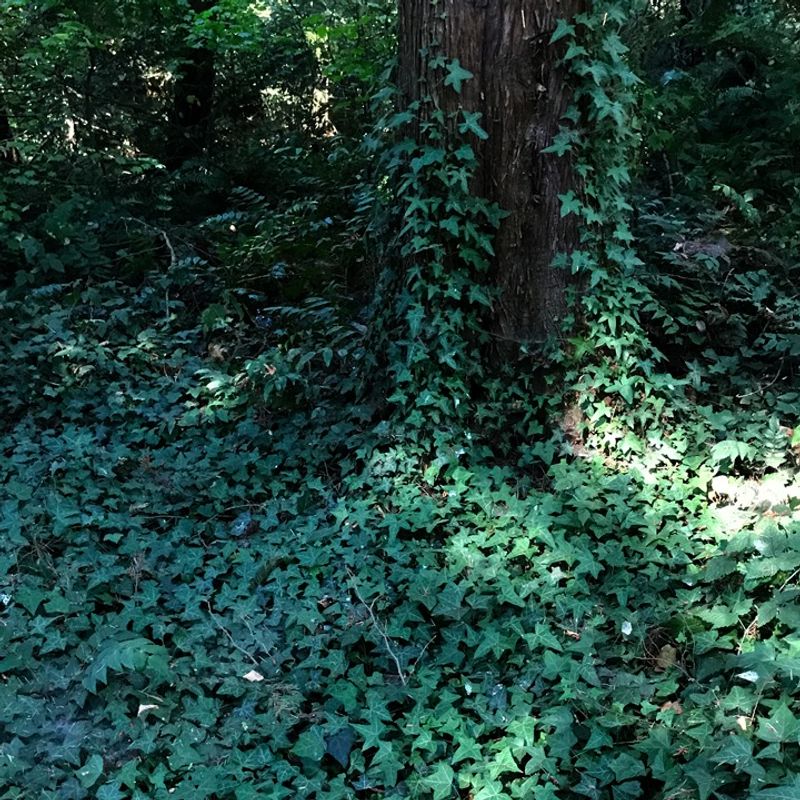
Most gardeners plant English ivy because it creates a classic, elegant look with its glossy evergreen leaves.
This vine seems perfect for covering bare ground or adding charm to walls and fences.
But once established, English ivy transforms into an unstoppable force that climbs trees, smothers native plants, and damages structures.
The vine attaches itself with tiny rootlets that burrow into bark and mortar, causing serious harm to anything it touches.
Trees covered in heavy ivy growth struggle to get adequate sunlight and become vulnerable to pests and diseases.
The weight of mature ivy vines can even topple trees during storms.
Ground-level ivy creates dense mats that prevent other plants from growing and provide hiding spots for rodents and snakes.
Removal requires tremendous effort because every tiny piece of root left behind can regenerate into a new plant.
Many Georgia homeowners spend years battling ivy that escapes into natural areas and neighboring properties.
Native alternatives like Carolina jessamine or crossvine offer similar beauty without the aggressive behavior.
Once you introduce English ivy to your yard, you may never completely remove it.
The short-term appeal simply does not justify the long-term consequences.
2. Chinese Wisteria
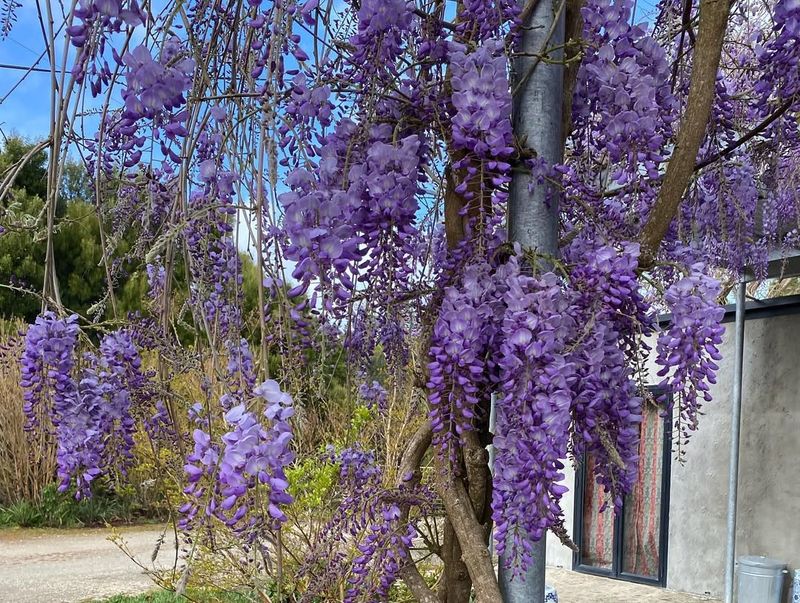
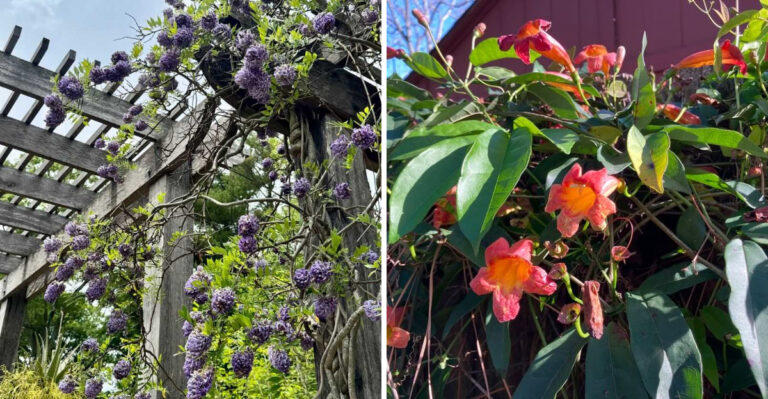
Those stunning purple flower clusters hanging from wisteria vines look absolutely magical in spring.
Chinese wisteria tempts many gardeners with its dramatic blooms and sweet fragrance that fills the air.
Unfortunately, this beautiful vine hides a destructive personality that emerges soon after planting.
Chinese wisteria grows with incredible speed, sending out thick, woody stems that twist around anything nearby.
The vines strangle trees by constricting their trunks and blocking sunlight with dense foliage.
Mature wisteria can topple fences, pull down gutters, and even damage roofs with its aggressive growth.
The plant spreads through both seeds and underground runners, popping up in unexpected places throughout your yard.
Homeowners often discover wisteria invading flower beds, vegetable gardens, and foundation plantings years after the initial planting.
Controlling Chinese wisteria requires constant vigilance and heavy pruning that never seems to slow it down.
American wisteria offers a much better choice for Georgia gardens, with similar flowers but far less aggressive tendencies.
Many people spend decades fighting Chinese wisteria that escapes cultivation and invades natural forests.
Your Georgia Garden Changes Every Week. Your Plan Should Too.
Gardening in Georgia changes quickly throughout the season. Every Friday you’ll receive a simple weekly plan showing exactly what to plant, prune, fertilize, harvest, and protect so you never miss the right timing.
The brief flowering period cannot compensate for the permanent battle this plant creates.
3. Bradford Pear
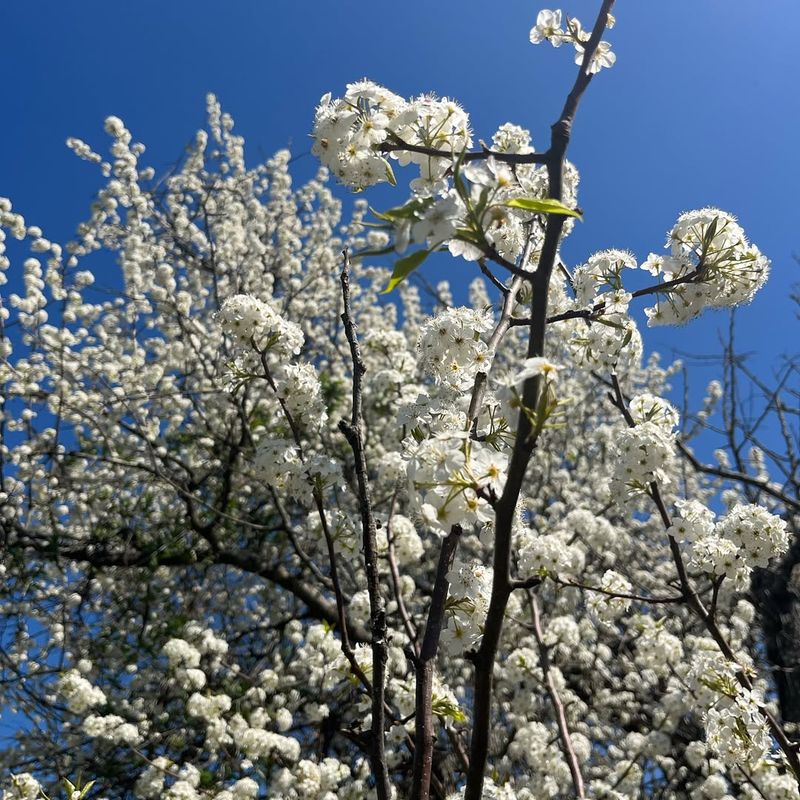
Bradford pears became incredibly popular across Georgia suburbs because they grow fast and produce masses of white spring flowers.
Developers and homeowners planted thousands of these trees for quick shade and instant curb appeal.
However, Bradford pears have earned their place as one of the most regretted landscaping decisions in the state.
The trees have extremely weak branch structures that split apart during storms, often damaging homes, cars, and power lines.
Their shallow root systems make them prone to toppling over completely in high winds.
Beyond structural problems, Bradford pears spread aggressively through seeds that birds distribute everywhere.
Thorny wild pear trees now infest pastures, roadsides, and forests throughout Georgia, crowding out valuable native species.
The spring flowers that initially attracted people actually smell terrible, similar to rotting fish.
Bradford pears also suffer from numerous disease and pest problems that leave them looking shabby within a few years.
Georgia has actually banned the sale of Bradford pears because they cause so many problems.
Native trees like serviceberry or fringe tree provide beautiful spring blooms without the headaches.
Property owners now pay for expensive removal of Bradford pears they once proudly planted.
4. Japanese Honeysuckle
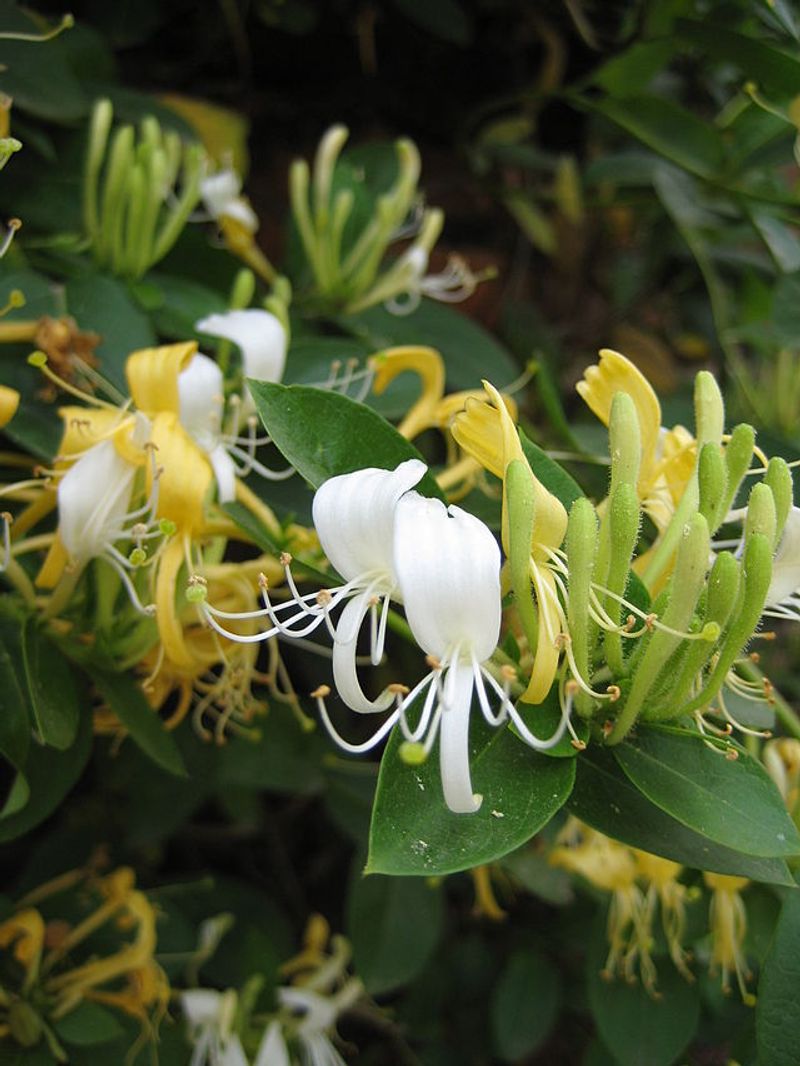
Sweet-smelling honeysuckle flowers remind many people of childhood summers and carefree days outdoors.
Japanese honeysuckle produces those fragrant tubular blooms that attract hummingbirds and butterflies to the garden.
Kids love pulling the flowers apart to taste the tiny drop of nectar inside.
But this nostalgic vine creates massive problems for Georgia homeowners who plant it intentionally or inherit it from previous owners.
Japanese honeysuckle grows with alarming speed, covering everything in its path with tangled masses of stems.
The vine smothers shrubs, climbs trees, and blankets ground areas so completely that nothing else survives underneath.
It spreads through both seeds and stems that root wherever they touch the ground.
Removing Japanese honeysuckle requires cutting vines, pulling roots, and constant monitoring for regrowth.
Many Georgia forests and natural areas now struggle with honeysuckle infestations that originated from nearby yards.
The vine forms such dense growth that it prevents tree seedlings from establishing and reduces habitat quality for wildlife.
Native coral honeysuckle offers similar flowers and wildlife benefits without the aggressive spreading behavior.
Once Japanese honeysuckle establishes itself, you face years of difficult removal work.
5. Bamboo
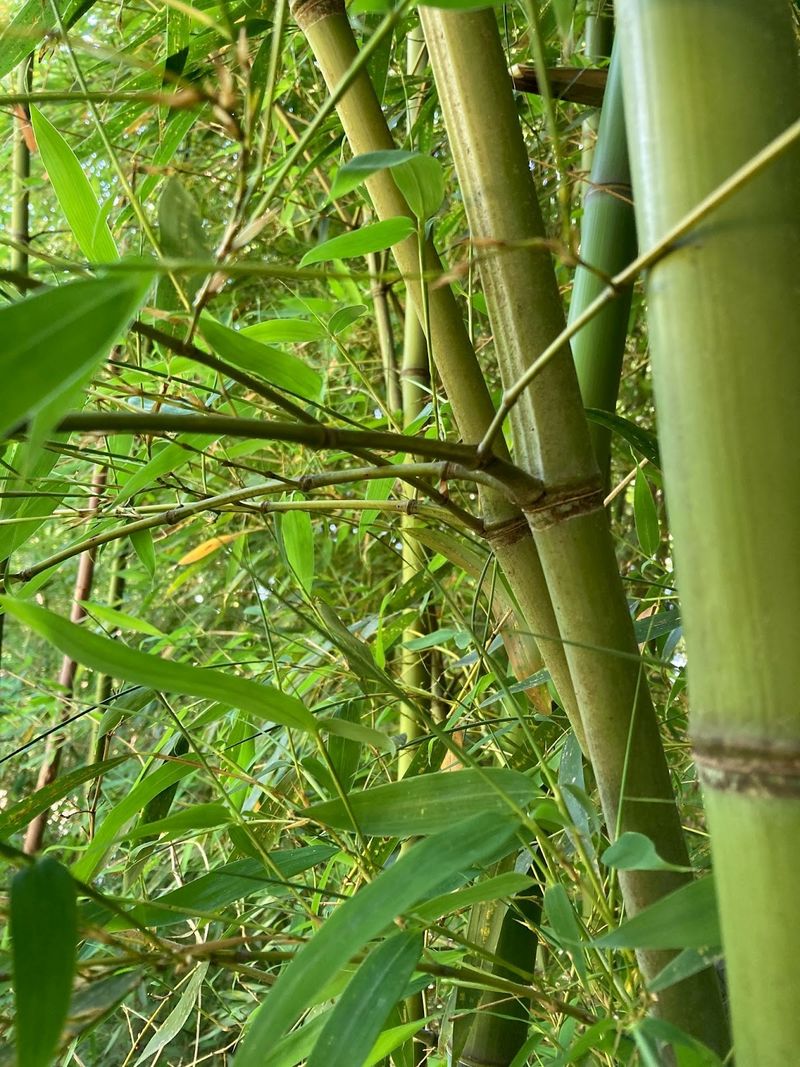
Bamboo creates an exotic, tropical atmosphere that makes yards feel like peaceful retreats.
The tall, graceful stalks sway in the breeze and provide excellent privacy screening between properties.
Many homeowners plant bamboo hoping to establish a fast-growing natural fence or Asian-inspired garden feature.
Running bamboo species, however, become absolute monsters that invade every corner of your property and beyond.
Underground rhizomes spread with remarkable speed, sending up new shoots dozens of feet from the original planting.
Bamboo pushes up through concrete, damages underground utilities, and invades neighboring yards despite barriers.
The plants grow so densely that they prevent other vegetation from surviving and create maintenance nightmares.
Removing bamboo ranks among the most difficult landscaping tasks because any rhizome fragment left behind regenerates.
Many Georgia homeowners face lawsuits from neighbors whose properties become overrun with bamboo from adjacent yards.
Even clumping bamboo varieties require careful management to prevent unwanted spreading.
Native river cane offers similar aesthetics with much better behavior for Georgia landscapes.
The temporary enjoyment of bamboo cannot justify the permanent regret most people experience.
Professional removal often costs thousands of dollars and requires years of follow-up treatments.
6. Kudzu
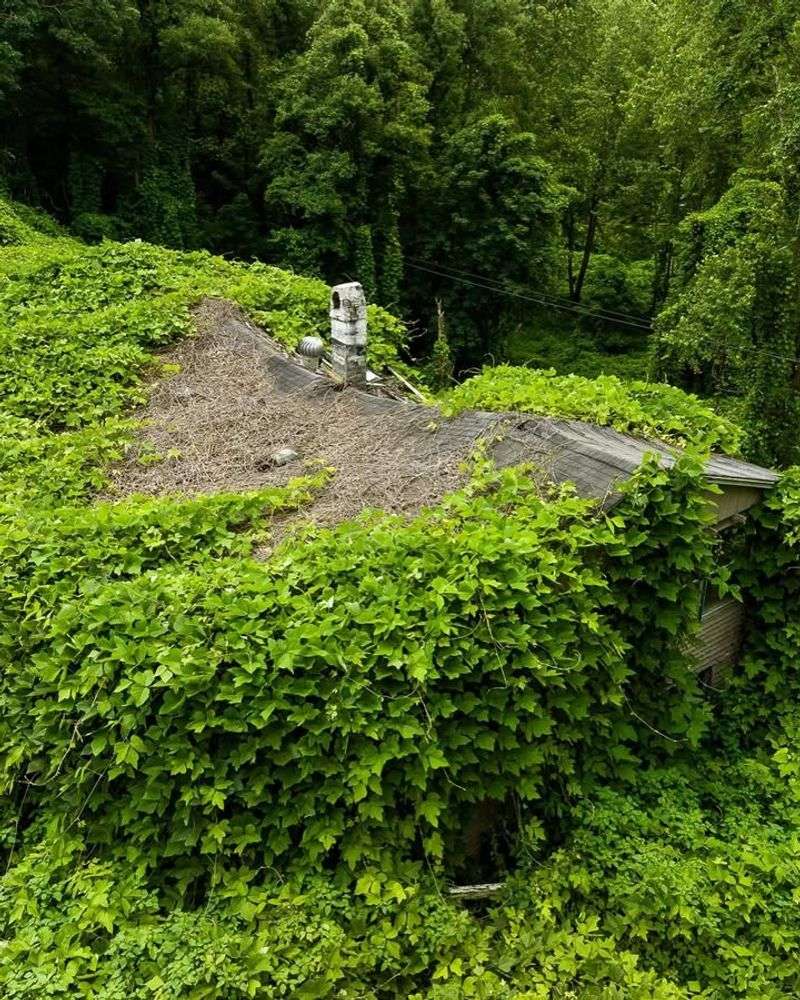
Kudzu has become so infamous in the South that people call it the vine that ate the South.
Believe it or not, people actually planted kudzu intentionally for erosion control and livestock forage decades ago.
Government programs even encouraged farmers to establish kudzu on their properties.
That decision created one of the worst ecological disasters in American history.
Kudzu grows up to a foot per day during summer, blanketing everything under massive leafy mats.
The vine covers trees, buildings, power lines, and entire landscapes with suffocating growth.
Trees covered in kudzu cannot photosynthesize properly and eventually succumb to the overwhelming burden.
The vine spreads through seeds, root crowns, and stem fragments that root easily.
Georgia has millions of acres covered in kudzu that originated from intentional plantings.
Modern homeowners rarely plant kudzu deliberately, but they often inherit infestations on rural properties.
Controlling kudzu requires years of persistent cutting, herbicide applications, and constant monitoring.
The plant has virtually no redeeming qualities that justify its presence in residential landscapes.
Anyone considering kudzu for any reason should learn from history and choose literally any other option.
7. Nandina
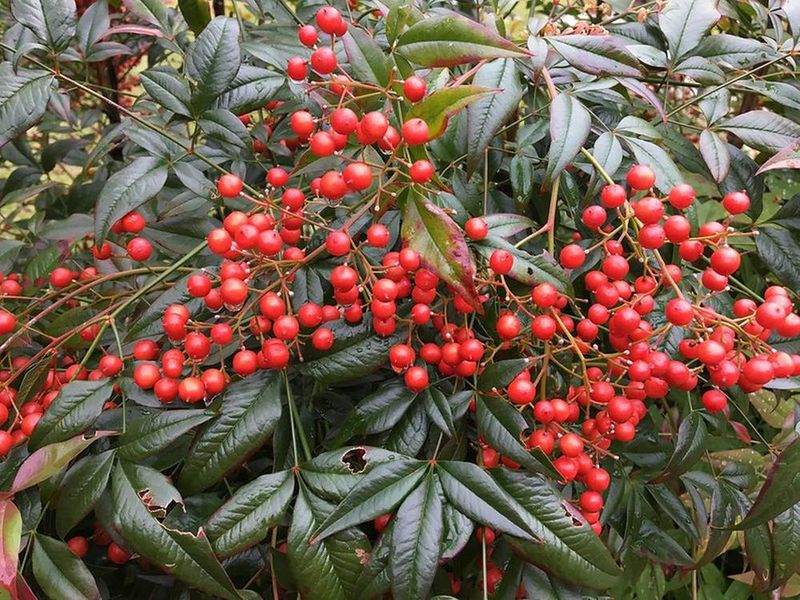
Garden centers throughout Georgia sell nandina as a low-maintenance foundation plant with year-round interest.
The shrubs produce attractive foliage that turns red in winter and bright red berries that last for months.
Landscape designers frequently include nandina in their plans because it tolerates shade and requires minimal care.
However, nandina has become a significant problem plant that escapes cultivation and invades natural areas.
Birds eat the berries and spread seeds into forests, where nandina forms dense thickets that exclude native plants.
The berries contain toxic compounds that can harm wildlife, particularly birds that consume large quantities.
Nandina spreads readily through both seeds and root suckers that pop up around the parent plant.
Many homeowners discover nandina appearing in unexpected locations throughout their properties.
The plant has become so problematic that conservation groups actively work to remove it from natural areas.
Native shrubs like winterberry holly or beautyberry offer similar winter interest with better ecological value.
While nandina seems harmless compared to aggressive vines, its widespread use has created cumulative environmental damage.
Removing established nandina requires digging out root systems and monitoring for regrowth over several seasons.
8. Privet
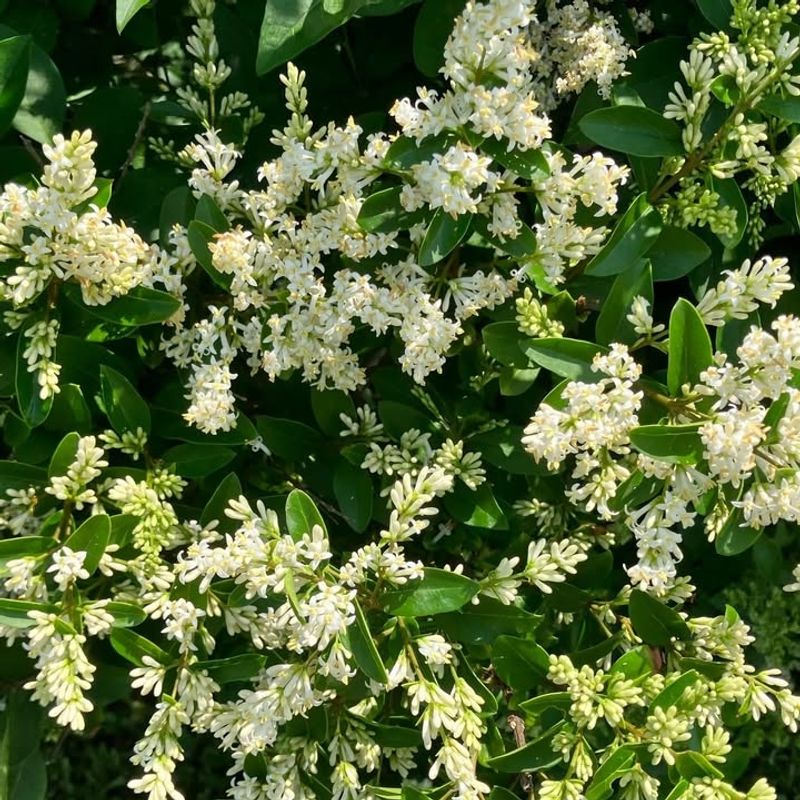
Privet hedges have lined property boundaries and driveways throughout the South for generations.
The shrubs grow quickly, tolerate heavy pruning, and create dense screens for privacy.
Many older Georgia homes feature mature privet hedges that seem like permanent landscape features.
Chinese privet and other non-native species, however, have become serious invasive threats across the state.
Birds consume privet berries and deposit seeds throughout forests, where the shrubs form impenetrable thickets.
Privet spreads so aggressively that it now dominates understory areas in many Georgia woodlands.
The dense shade from privet thickets prevents native wildflowers and tree seedlings from establishing.
Homeowners who plant privet hedges often discover seedlings popping up throughout their yards and natural areas.
The shrubs require constant pruning to maintain desired shapes and sizes.
Privet also produces flowers with a strong, unpleasant odor that many people find offensive.
Removing privet requires cutting stems and treating stumps to prevent regrowth from vigorous root systems.
Native alternatives like yaupon holly or wax myrtle make excellent hedge plants without invasive tendencies.
The convenience of fast-growing privet cannot justify the ecological damage it causes beyond your property lines.
9. Japanese Barberry
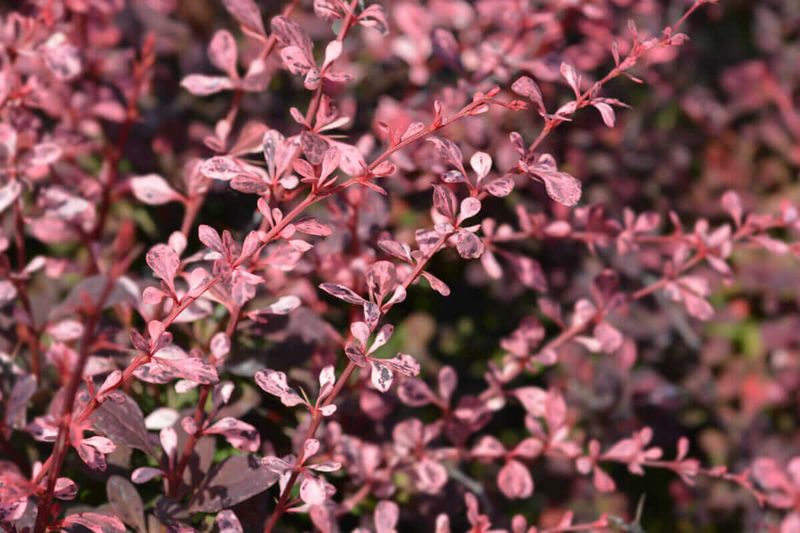
Colorful Japanese barberry shrubs add vibrant burgundy and red tones to landscape designs.
The compact plants seem perfect for foundation plantings, borders, and mass plantings in commercial landscapes.
Garden centers promote barberry as deer-resistant and low-maintenance, making it popular with frustrated homeowners.
But Japanese barberry has become a serious problem plant that escapes gardens and invades natural areas.
The shrubs produce abundant seeds that germinate readily in forests and along roadsides.
Barberry forms dense thickets that alter soil chemistry and create favorable conditions for tick populations.
Research shows that areas infested with Japanese barberry have significantly higher numbers of deer ticks carrying Lyme disease.
The thorny stems make removal unpleasant and difficult without heavy gloves and protective clothing.
Birds spread barberry seeds widely, leading to infestations far from the original plantings.
Many Georgia forests now struggle with barberry invasions that reduce native plant diversity.
Native shrubs like Virginia sweetspire or strawberry bush provide similar landscape functions without negative impacts.
Some states have banned Japanese barberry sales because it creates such serious problems.
The attractive foliage cannot compensate for the environmental and health issues this plant creates.
10. Mimosa Tree
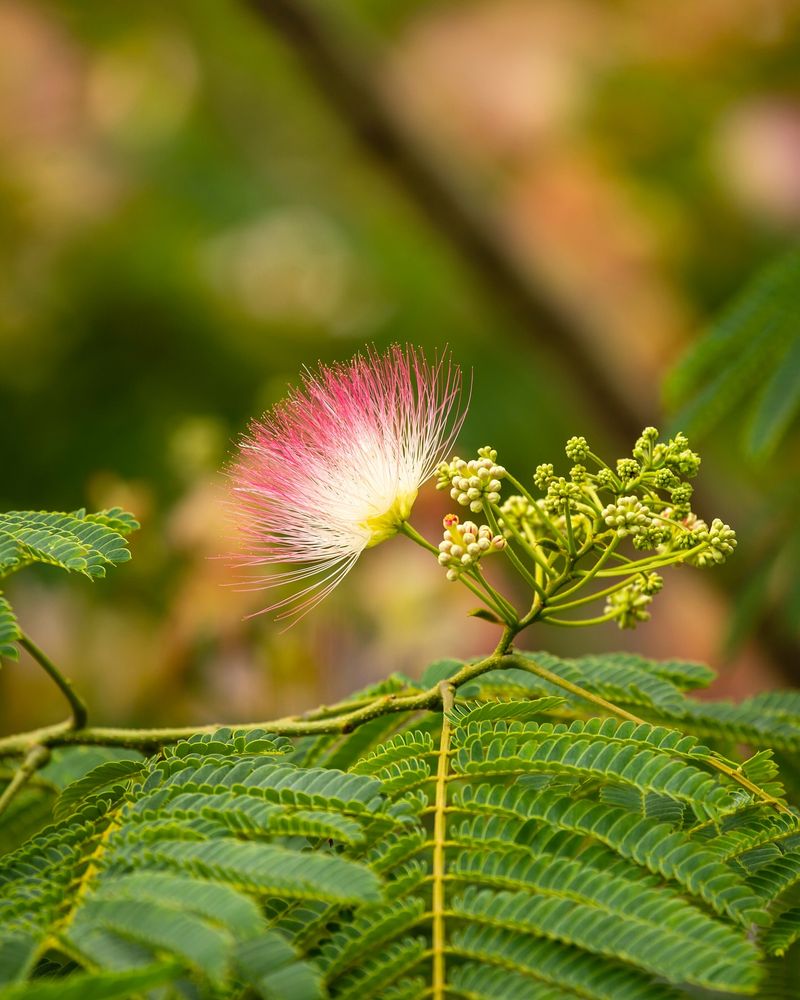
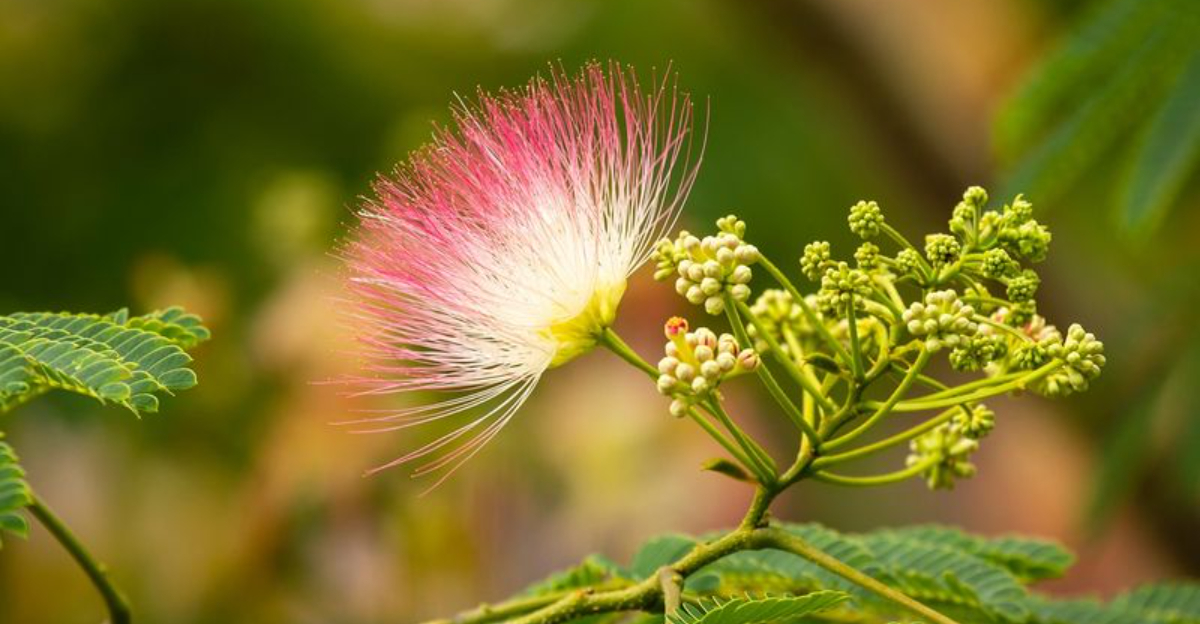
Mimosa trees capture attention with their exotic pink puffball flowers and delicate, fern-like foliage.
The fast-growing trees provide quick shade and create a tropical appearance that appeals to many homeowners.
Children love playing with the sensitive leaves that fold up when touched.
However, mimosa trees have become invasive pests that spread aggressively throughout Georgia.
The trees produce thousands of seeds in long brown pods that remain on branches through winter.
Seeds germinate readily anywhere they land, creating forests of mimosa seedlings in yards, gardens, and natural areas.
Mimosa trees have weak wood that breaks easily during storms, creating hazards and cleanup headaches.
The trees also suffer from a fatal disease called mimosa wilt that causes them to decline rapidly.
Despite short lifespans, mimosas spread so prolifically that new trees constantly replace those that perish.
Removing mimosa requires cutting trees and treating stumps because they resprout vigorously from roots.
Native alternatives like fringe tree or redbud offer similar delicate beauty without invasive behavior.
Many Georgia homeowners spend years removing mimosa seedlings that appear throughout their properties.
The brief flowering period and quick growth cannot justify the permanent maintenance burden mimosas create.