Why Chickadees Are Flocking to Wisconsin Backyard Feeders This Winter
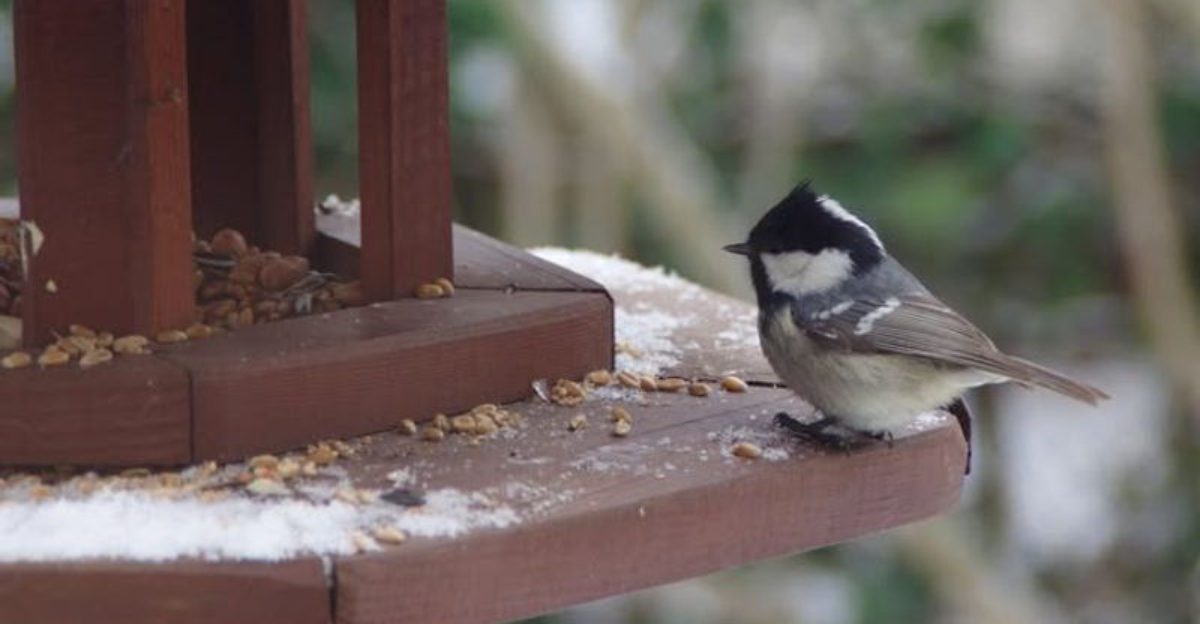
Winter in Wisconsin has a way of turning backyards into busy pit stops, and chickadees are leading the charge.
These small birds may look delicate, but they are tough as nails when cold weather rolls in.
As snow piles up and temperatures dip, chickadees waste no time finding dependable food, and backyard feeders fit the bill perfectly.
Chickadees live life in the fast lane during winter.
Their high energy bodies burn fuel quickly, so steady meals matter more than ever.
Natural food sources like insects and seeds become harder to come by, pushing them toward feeders stocked with familiar favorites.
Once one chickadee finds a good setup, the word spreads fast.
Before long, a quiet yard turns into a nonstop traffic pattern of wings and cheerful calls.
Shelter also seals the deal.
Wisconsin yards with trees, shrubs, and nearby cover offer protection from wind and predators.
Short winter days mean less time to forage, so reliable feeding spots become part of a daily routine.
Like clockwork, chickadees return again and again.
Their winter presence is not random. It is a sign that your backyard has become a trusted stop in their cold weather survival plan.
1. Extreme Cold Increases Their Caloric Needs
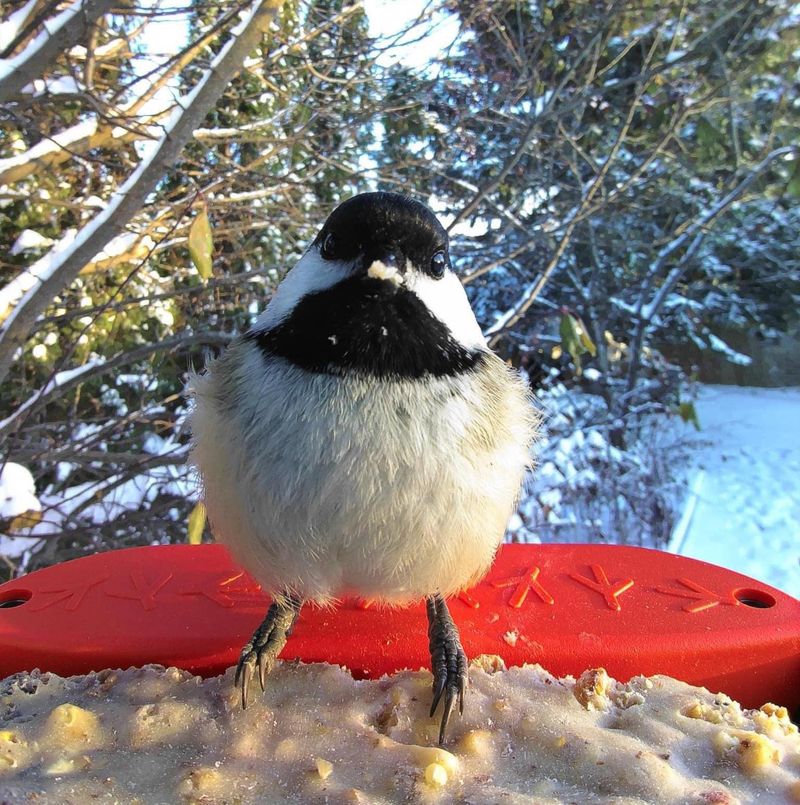
Chickadees face an incredible metabolic challenge every winter day in Wisconsin, needing to consume roughly 35 percent of their body weight in food just to survive the night.
Their tiny bodies lose heat rapidly in freezing temperatures, requiring constant refueling to maintain their internal furnace.
Each seed, each morsel of suet, becomes critical fuel for their survival.
When temperatures drop below zero, which happens frequently during Wisconsin winters, chickadees enter a state of controlled hypothermia at night to conserve energy.
They can lower their body temperature by up to 12 degrees Fahrenheit, but this survival strategy still requires substantial fat reserves built up during the day.
Without adequate nutrition, they simply cannot make it through those long, brutal winter nights.
A single chickadee might visit a feeder dozens of times throughout the day, grabbing one seed at a time and flying off to eat it or cache it for later.
This constant back-and-forth behavior reflects their urgent need to pack in as many calories as possible during limited daylight hours.
Wisconsin winters offer only about nine hours of daylight in December and January, creating intense feeding pressure.
Sunflower seeds and suet provide the high-fat, high-protein nutrition that chickadees need to fuel their metabolism during Wisconsin’s coldest months.
A single sunflower seed might seem insignificant, but it contains precious calories that could mean the difference between survival and succumbing to the cold.
Backyard feeders allow chickadees to spend less energy searching for food and more energy staying warm, making them essential resources throughout the winter season.
2. Natural Food Sources Have Become Scarce
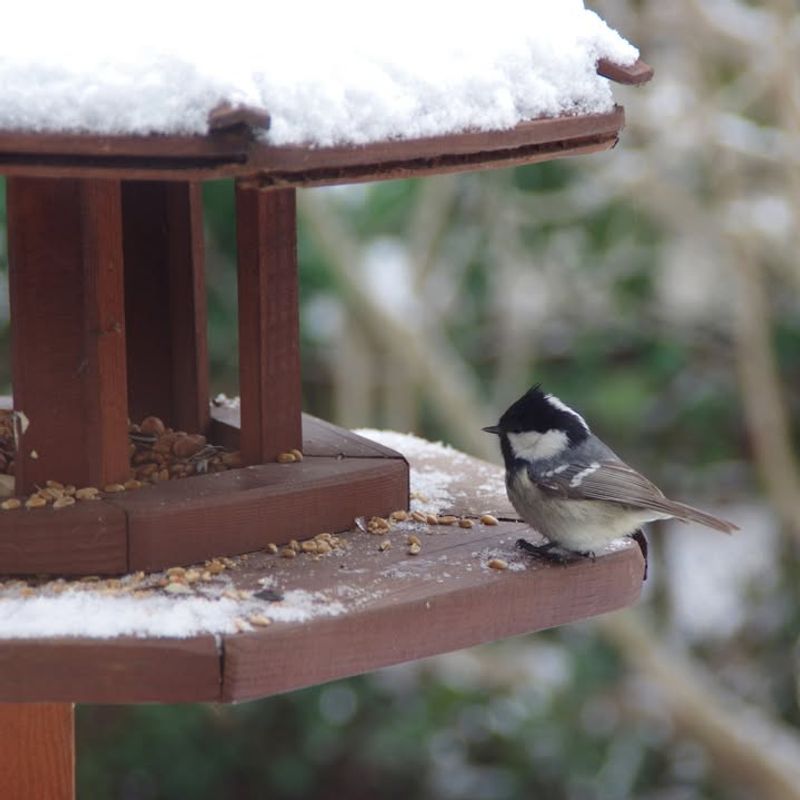
Winter transforms Wisconsin forests into challenging environments where insects, seeds, and berries become incredibly hard to find.
Trees stand bare, their branches stripped of leaves and fruit, while snow blankets the ground and conceals whatever food might be hiding beneath.
Your Wisconsin Garden Changes Every Week. Your Plan Should Too.
Gardening in Wisconsin changes quickly throughout the season. Every Friday you’ll receive a simple weekly plan showing exactly what to plant, prune, fertilize, harvest, and protect so you never miss the right timing.
Chickadees normally feast on caterpillars, spiders, and other small insects during warmer months, but these protein-rich treats virtually disappear when temperatures plummet.
Natural seed sources like goldenrod, coneflowers, and native grasses get buried under heavy Wisconsin snowfall, making foraging nearly impossible.
Many wild berry bushes have already been picked clean by migrating birds in the fall, leaving little behind for winter residents.
Chickadees must work harder and longer to find enough calories to survive each frigid day.
Backyard feeders offer a reliable alternative when natural food becomes scarce across Wisconsin landscapes.
A well-stocked feeder provides consistent nutrition without the exhausting search through frozen forests.
Chickadees quickly learn which yards offer dependable food sources and return repeatedly throughout the season.
These clever birds can remember thousands of hiding spots where they’ve cached food, but even their impressive memory can’t create food where none exists.
Wisconsin’s particularly cold winters this year have made natural foraging even more difficult than usual.
Feeders become lifelines, offering sunflower seeds, suet, and peanuts that provide the high-energy nutrition chickadees desperately need to maintain their body temperature and survive until spring returns to Wisconsin.
3. Competition From Migrating Birds Has Decreased
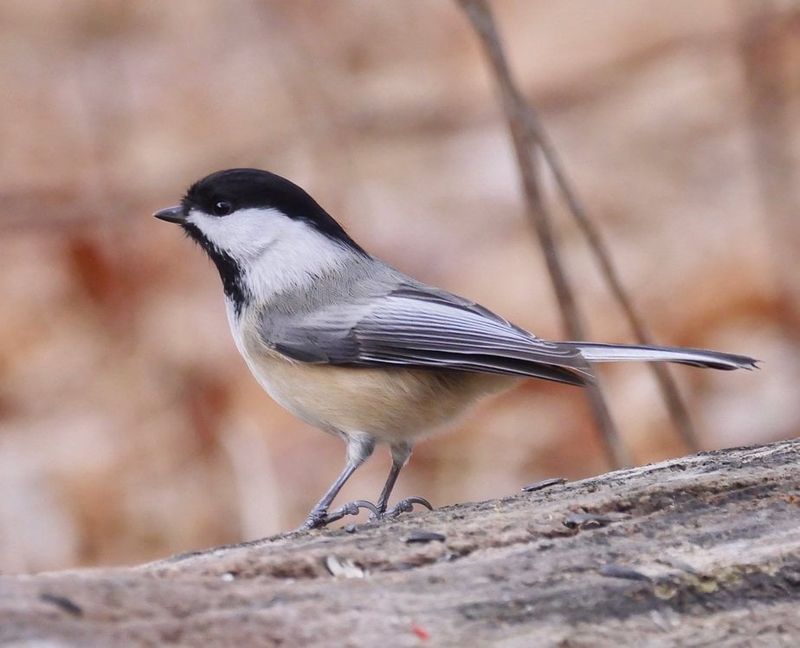
Something magical happens at Wisconsin feeders once autumn migration ends and the crowds thin out.
Warblers, orioles, hummingbirds, and dozens of other species have headed south, leaving backyard buffets significantly less crowded.
Chickadees, being year-round Wisconsin residents, suddenly have much easier access to feeders without battling for position.
During spring and summer, feeders buzz with activity as numerous species compete for prime feeding spots and choice seeds.
Larger birds like blue jays and grackles often dominate feeders, forcing smaller chickadees to wait their turn or snatch food quickly between visits from bigger, bossier birds.
Winter changes this dynamic completely, creating a quieter, more manageable feeding environment.
The birds that remain in Wisconsin during winter, like chickadees, nuthatches, woodpeckers, and cardinals, tend to be less aggressive and more willing to share resources.
Chickadees can approach feeders with less stress and spend more time selecting the best seeds.
This reduced competition makes backyard feeders even more attractive to these permanent residents.
Wisconsin chickadees also benefit from the absence of summer’s fledglings, which created additional mouths to feed and increased pressure on food resources.
Winter flocks tend to be smaller and more established, with clear social hierarchies that reduce conflict.
Feeders become peaceful gathering spots where chickadees can efficiently gather the nutrition they need without constant interruption.
This calmer atmosphere, combined with reduced competition, makes Wisconsin backyard feeders irresistible to chickadees seeking reliable food sources throughout the winter months.
4. Social Flocking Behavior Draws Them Together
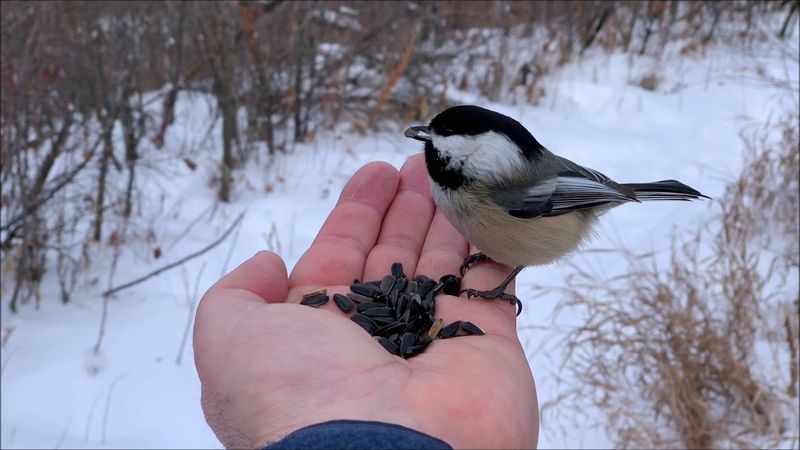
Chickadees are remarkably social creatures that form tight-knit winter flocks, and once one bird discovers a good Wisconsin feeder, word spreads quickly through the flock.
These groups typically consist of six to twelve birds that establish territories and feeding routes together.
Watching them arrive in waves, calling back and forth, reveals their sophisticated communication system.
Each flock operates with a clear pecking order, with dominant birds feeding first while subordinate members wait nearby.
Despite this hierarchy, chickadees remain relatively peaceful compared to many other bird species.
They take turns at feeders, grab seeds quickly, and move aside for the next bird, creating an efficient feeding system that benefits the entire group.
Flocking provides crucial survival advantages during Wisconsin winters beyond just sharing information about food sources.
More eyes mean better detection of predators like hawks and shrikes that hunt small birds.
Chickadees give distinctive alarm calls that warn the entire flock of danger, and they’ll mob potential threats together to drive them away from feeding areas.
Young chickadees learn from experienced flock members about the best feeding locations, safest routes, and most reliable food sources across Wisconsin neighborhoods.
This social learning means that once your feeder becomes known to one flock, it may remain popular for years as knowledge passes between generations.
The chickadee-dee-dee call you hear isn’t just random chatter but complex communication that coordinates flock movements and shares vital information.
Wisconsin backyard feeders become important social hubs where these flocks gather, feed, and maintain the bonds that help them survive harsh winter conditions together.
5. They Cache Food For Later Survival
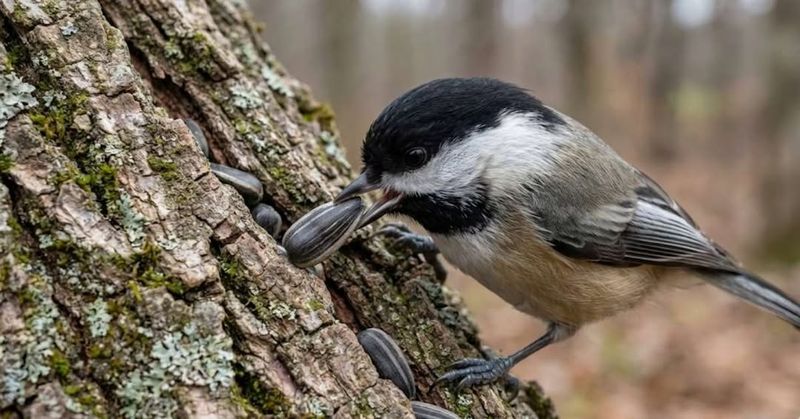
One fascinating reason chickadees visit Wisconsin feeders so frequently is their remarkable food-caching behavior, which helps them survive unpredictable winter conditions.
A single chickadee might hide hundreds of seeds throughout the day, tucking them into bark crevices, under lichen, behind leaves, and in countless other secret spots.
This strategy creates emergency food supplies scattered across their territory.
What makes this behavior truly incredible is their memory.
Chickadees can remember thousands of cache locations for up to several weeks, and their hippocampus actually grows larger in autumn to accommodate this increased memory demand.
They return to these hidden stashes when weather turns particularly nasty or when other food sources become unavailable across Wisconsin landscapes.
Backyard feeders provide ideal caching opportunities because they offer consistent, high-quality seeds perfect for storage.
Sunflower seeds and peanuts have excellent shelf life and won’t spoil quickly in cold Wisconsin temperatures.
Chickadees prefer these calorie-dense foods for caching because they provide maximum nutrition when retrieved later.
You might notice chickadees grabbing seeds and immediately flying away rather than eating at your feeder.
They’re likely stashing those seeds within their territory, which might extend several acres around your Wisconsin yard.
This grab-and-go behavior explains why chickadees make so many trips to feeders throughout the day.
Each visit represents both immediate eating and future insurance against starvation.
The reliability of backyard feeders makes them perfect banking locations where chickadees can quickly stock their natural pantries, creating safety nets that increase their chances of surviving Wisconsin’s harshest winter days and nights.
6. Habitat Loss Has Reduced Wild Feeding Areas
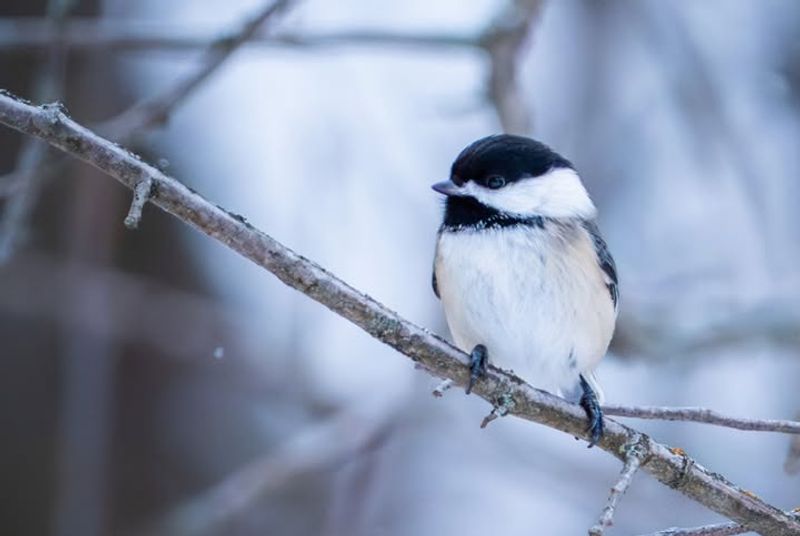
Wisconsin has experienced significant habitat changes over recent decades as forests give way to developments, agricultural expansion, and urban sprawl.
Natural woodlands where chickadees historically found abundant food have shrunk, forcing these adaptable birds to seek alternative resources.
Suburban yards with feeders have become substitute habitats that partially replace lost wild spaces.
Old-growth forests with dry standing trees, diverse understory plants, and natural seed producers have become increasingly rare across Wisconsin landscapes.
These mature ecosystems provided chickadees with year-round food sources, nesting cavities, and protection from predators.
As these habitats disappear, chickadees must adapt by utilizing human-modified environments, including residential neighborhoods with bird feeders.
Many Wisconsin farms have also shifted toward monoculture practices that reduce the wild edges, hedgerows, and diverse plantings that once supported chickadee populations.
Fields that previously offered weed seeds and insect habitats now provide little value to winter birds.
This agricultural intensification pushes chickadees toward remaining habitat patches and supplemental feeding stations.
Climate change compounds these habitat challenges by altering the timing of insect emergences, plant flowering, and seed production across Wisconsin.
Chickadees evolved to synchronize their breeding and feeding behaviors with natural cycles, but these patterns are shifting.
Backyard feeders provide stability in an increasingly unpredictable environment.
By maintaining feeders throughout winter, Wisconsin residents create reliable food sources that help offset habitat losses.
Your feeder might represent one of the few consistent resources available within a chickadee’s territory, making it an essential survival tool rather than just a supplemental food source in today’s changing Wisconsin landscape.
7. Wisconsin Winters Have Become More Unpredictable
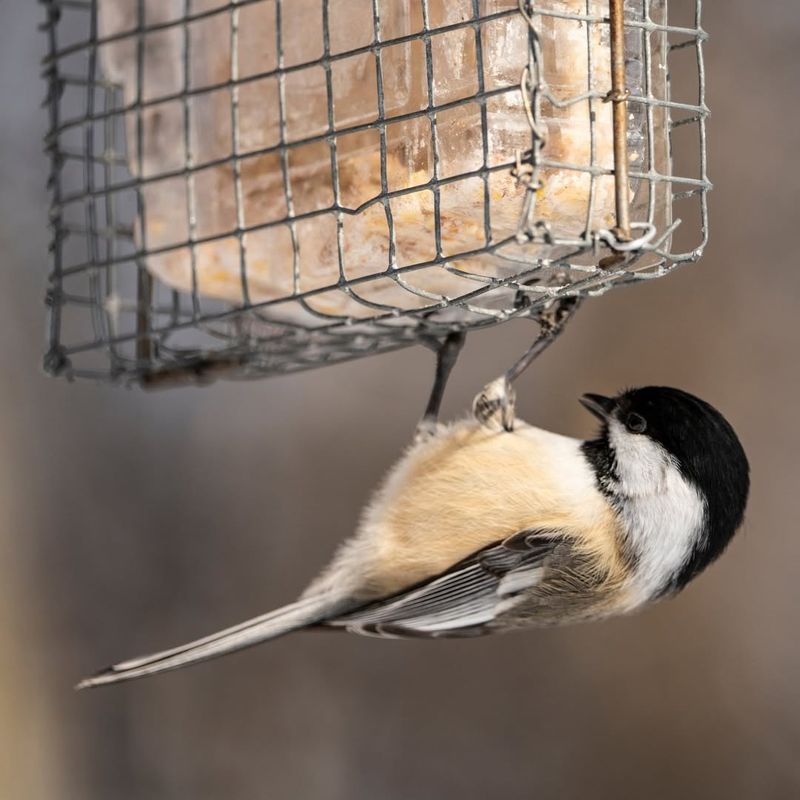
Recent Wisconsin winters have shown increasing variability, with temperature swings, ice storms, and unpredictable snow patterns creating challenging conditions for wildlife.
Chickadees that evolved to handle consistent cold weather now face erratic conditions that make natural foraging extremely difficult.
One day might bring mild temperatures that melt snow and expose seeds, while the next brings freezing rain that encases everything in ice.
These weather fluctuations are particularly hard on chickadees because they disrupt normal feeding patterns and access to cached food.
Ice storms coat tree bark and seal away insects that chickadees would normally extract from crevices.
Freeze-thaw cycles can spoil cached seeds or make them impossible to retrieve from frozen hiding spots across Wisconsin woodlands.
Heavy, wet snow followed by bitter cold creates concrete-like conditions that bury ground-level food sources more effectively than light, fluffy snow.
Chickadees cannot dig through these hardened layers to reach fallen seeds and nuts.
Backyard feeders remain accessible regardless of weather conditions, providing consistent food when natural sources become unreachable.
Wisconsin has also experienced more frequent late-winter thaws followed by sudden cold snaps that catch birds off guard.
Chickadees might begin increasing their activity and metabolism during warm spells, only to face renewed energy demands when temperatures plummet again.
Feeders help buffer these unpredictable swings by offering reliable nutrition regardless of weather patterns.
As climate patterns continue shifting across Wisconsin, backyard feeders become increasingly important for helping chickadees navigate uncertain conditions.
Your consistent feeder maintenance might be helping these remarkable birds adapt to a changing world, one sunflower seed at a time.