Why Bark Cracks Are Showing Up On Young Trees In Michigan This Week (And How To Avoid Them)
Young trees across Michigan are suddenly showing thin bark cracks this week, and it can be unsettling to notice damage that seemed to appear overnight.
I have seen how fast winter weather swings can stress tender bark, especially on younger trees that have not built up much protection yet.
The good news is that once you understand what is causing these cracks, it becomes much easier to prevent them from happening again.
1. What Michigan Gardeners Are Suddenly Seeing On Young Trees

Homeowners throughout Michigan are discovering alarming vertical splits running down the trunks of their recently planted trees in neighborhoods from Detroit to Traverse City.
These cracks often appear on the south or southwest side of young trunks, creating openings that expose lighter wood beneath darker bark layers.
Some splits measure just a few inches while others extend several feet along the trunk, causing genuine concern among property owners statewide.
The damage typically shows up without warning, sometimes developing overnight when conditions align perfectly for this type of injury to occur naturally.
Many gardeners initially worry their trees are suffering from disease or pest infestations, but the pattern of damage tells a different story altogether.
The cracks frequently have clean edges that suggest sudden splitting rather than gradual deterioration from insects or fungal infections attacking the wood structure.
Michigan residents who inspect their yards carefully may notice these splits accompanied by loose bark that peels away from the trunk in sections.
Understanding what you’re actually seeing helps determine the right response and whether professional arborist consultation becomes necessary for your particular situation today.
2. Why This Week’s Weather Is Triggering Bark Damage
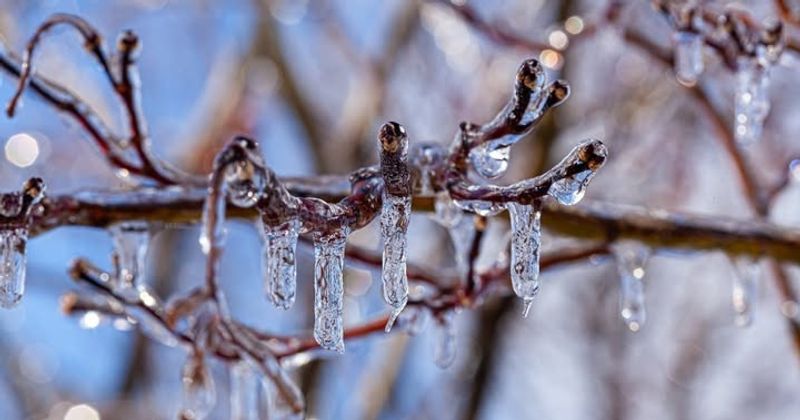
Recent temperature swings across Michigan have created perfect conditions for bark splitting, with nighttime lows plunging well below freezing before daytime highs climb surprisingly warm.
This week’s weather pattern features dramatic shifts that stress tree tissues beyond their capacity to adjust smoothly to rapid environmental changes happening hour by hour.
When frozen bark suddenly warms under bright afternoon sunshine, the outer layers expand faster than the frozen wood underneath can accommodate properly.
Michigan’s current weather cycle repeats this freeze-thaw pattern multiple times within short periods, multiplying the stress on vulnerable young tree trunks significantly.
Meteorologists note that this particular week brought unusually intense temperature variations compared to more gradual seasonal transitions trees typically experience in normal winters.
The combination of clear skies, bright sun, and cold air creates maximum temperature differential between the sunny and shaded sides of tree trunks.
Trees across Michigan essentially experience thermal shock as their tissues expand and contract repeatedly without time to adapt gradually to changing conditions around them.
This week’s specific weather pattern proves especially damaging because young trees lack the thick, insulating bark that protects mature specimens from similar temperature extremes.
3. The Young Tree Types Most At Risk Right Now
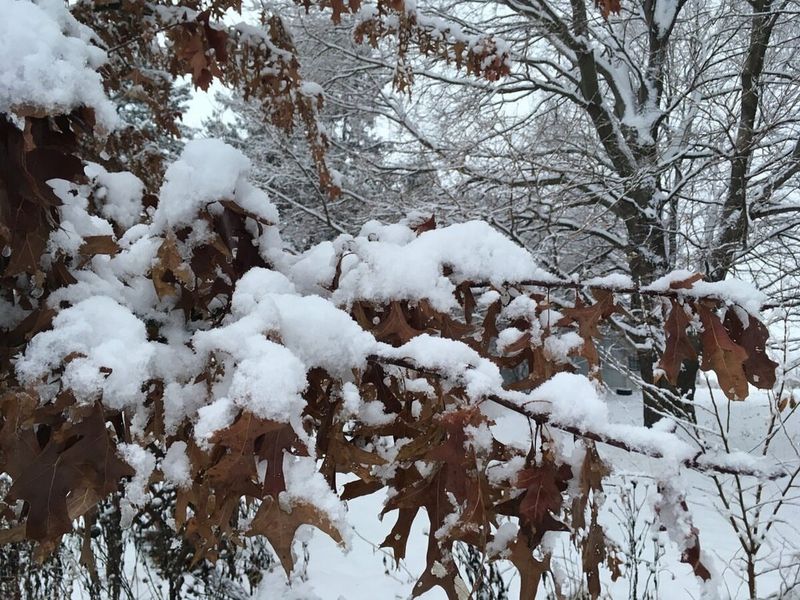
Certain species popular throughout Michigan landscapes prove far more susceptible to bark splitting than others, particularly those with smooth, thin bark during juvenile stages.
Your Michigan Garden Changes Every Week. Your Plan Should Too.
Gardening in Michigan changes quickly throughout the season. Every Friday you’ll receive a simple weekly plan showing exactly what to plant, prune, fertilize, harvest, and protect so you never miss the right timing.
Maples, including popular varieties like red maple and silver maple, frequently develop cracks because their bark remains thin and sensitive for several years.
Fruit trees such as apple, cherry, and plum also rank among the most vulnerable specimens in Michigan yards, often showing damage before hardier species.
Ornamental trees like flowering dogwood and magnolia struggle with bark protection during their early years, making them prime candidates for winter injury problems.
Young oaks and lindens planted recently in Michigan communities also experience cracking, though slightly less frequently than the thin-barked species mentioned earlier.
Even hardy trees like ash can develop splits when planted as small saplings without proper protection from environmental stresses during establishment periods.
Trees with naturally dark bark face additional risk because darker surfaces absorb more solar radiation, creating greater temperature differences between sun and shade.
Michigan gardeners who planted any of these species within the past three years should inspect their trees carefully and consider protective measures immediately.
4. How Rapid Temperature Swings Affect Tree Bark

Tree bark functions as protective armor, but young bark lacks the thickness and flexibility to handle sudden temperature changes that Michigan winters frequently deliver.
When morning temperatures hover around fifteen degrees but afternoon sun pushes bark surface temperatures above fifty degrees, the outer layers expand while inner wood stays frozen.
This differential expansion creates tremendous internal pressure that eventually exceeds the bark’s ability to stretch, resulting in sudden splitting that sounds like gunshots.
Michigan trees essentially experience the same physics that causes sidewalks to crack when concrete expands and contracts with temperature variations throughout seasonal cycles.
The living tissue just beneath the bark, called cambium, becomes particularly vulnerable during these rapid swings because it contains moisture that freezes solid.
When this frozen layer suddenly warms on sunny afternoons, the expanding ice crystals can rupture cell walls and damage the growth tissue permanently.
Repeated freeze-thaw cycles throughout Michigan winters compound the damage, with each cycle weakening the bark structure a little more until splitting finally occurs.
Young trees haven’t developed the corky, insulating outer bark that older trees use to buffer these temperature extremes and protect their sensitive inner layers.
5. Early Signs That Damage Is Getting Worse
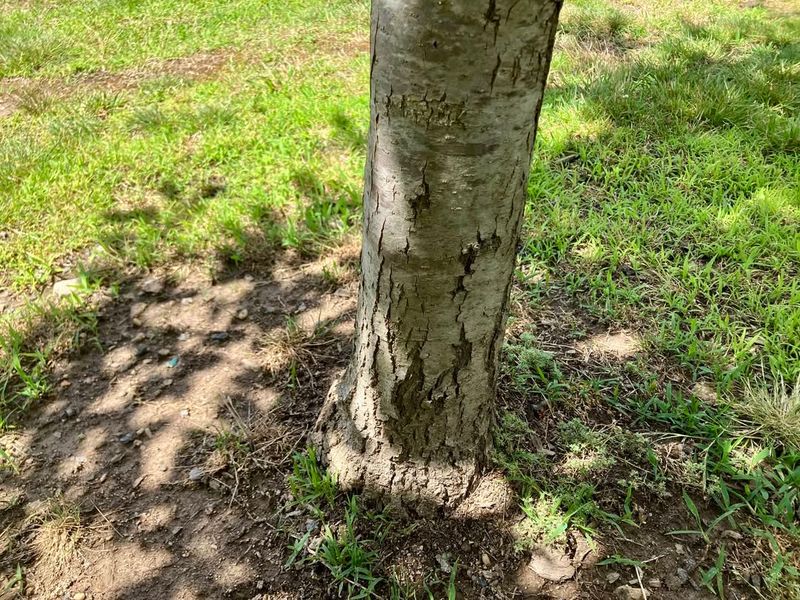
Small cracks that initially seem minor can quickly progress into serious problems if Michigan gardeners don’t monitor them closely and take appropriate action promptly.
Watch for bark that begins peeling away from the trunk in larger sections, which indicates the split is extending deeper into the wood layers.
Discoloration around crack edges, particularly darkening or water-soaked appearance, suggests moisture is penetrating the wound and potentially allowing fungal infections to establish themselves.
Michigan’s wet spring conditions can turn simple cracks into entry points for organisms that cause decay and structural problems in tree trunks.
Cracks that continue expanding upward or downward along the trunk signal ongoing stress that hasn’t been resolved through protective measures or environmental changes.
Multiple cracks developing on the same tree indicate severe stress that requires immediate intervention to prevent long-term damage to the specimen’s health.
Sap bleeding from crack sites or sawdust accumulating near splits might indicate insects have discovered the wound and begun colonizing the exposed wood underneath.
Michigan homeowners should document crack size with photographs and measurements to track whether damage stabilizes or continues progressing through the remaining winter months ahead.
6. How Cold Nights And Winter Sun Play A Role
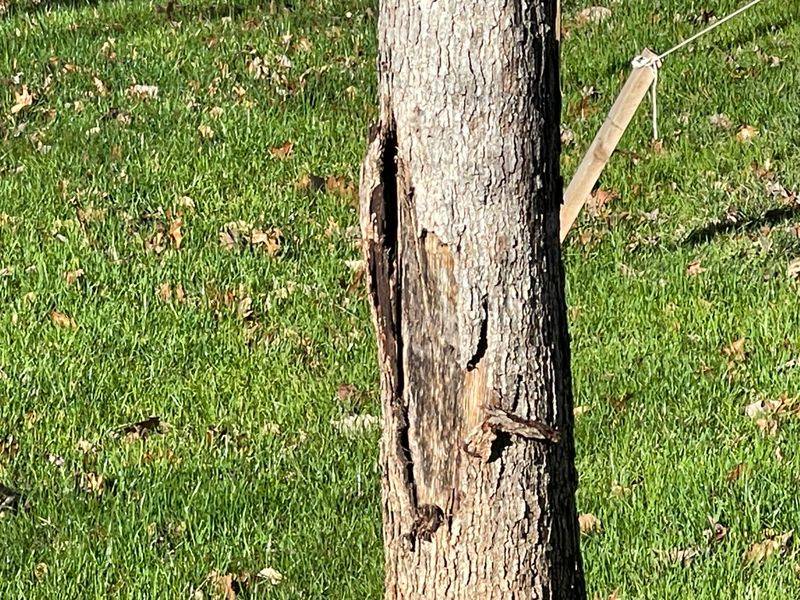
The combination of frigid overnight temperatures and intense winter sunshine creates a perfect storm for bark damage across Michigan’s diverse landscapes and microclimates.
During clear winter nights, tree trunks radiate heat into the atmosphere, causing bark temperatures to plummet even lower than surrounding air temperatures.
When morning sun strikes the south-facing side of trunks, that surface can warm forty or fifty degrees within just a couple hours of exposure.
Michigan’s winter sun, though weak compared to summer, reflects off snow and concentrates on dark bark surfaces, amplifying the heating effect significantly.
The shaded side of the same trunk remains frozen while the sunny side expands, creating internal stresses that pull the bark apart.
This phenomenon, called sunscald, affects young trees throughout Michigan more severely than in regions with cloudier winters or less dramatic temperature variations between day and night.
Trees positioned in open areas without protection from buildings or other vegetation experience the most extreme temperature swings and consequently the worst damage.
Michigan gardeners can actually feel this temperature difference by touching the sunny versus shady sides of young tree trunks on bright winter afternoons.
7. Simple Ways Gardeners Are Preventing New Cracks
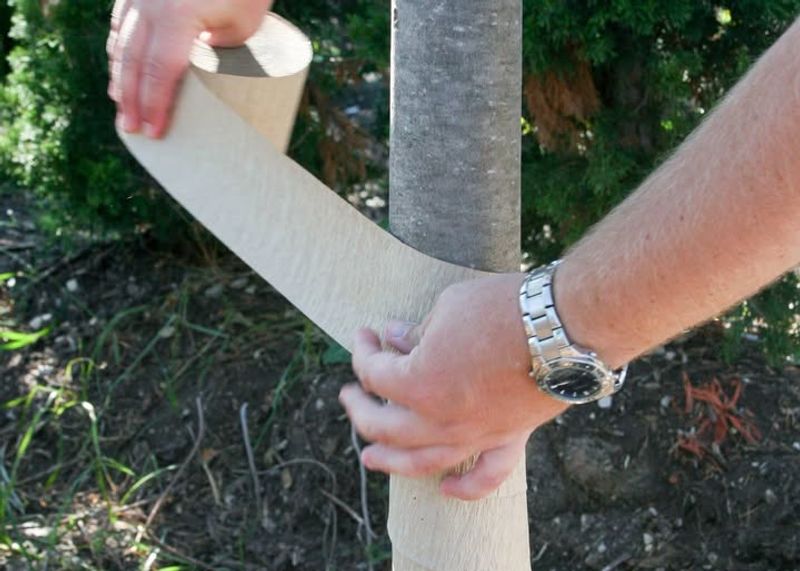
Proactive Michigan gardeners have discovered several straightforward techniques that effectively prevent bark cracking on vulnerable young trees throughout their properties and neighborhoods.
Wrapping trunks with white tree wrap or commercial tree guards reflects sunlight and moderates temperature fluctuations on bark surfaces during critical winter months.
This protective covering should extend from ground level up to the lowest branches, completely covering the trunk area most susceptible to sun exposure.
Michigan homeowners report success by installing these wraps in late autumn before temperature swings begin and removing them each spring after frost danger passes.
Some gardeners create temporary shade structures using burlap screens or snow fencing positioned on the south and southwest sides of young tree trunks.
Painting trunks with white latex paint diluted with water also reflects sunlight effectively, though this method looks less natural than commercial wrap products.
Maintaining adequate soil moisture through fall helps trees enter winter with well-hydrated tissues that handle temperature stress better than dehydrated specimens can manage.
Michigan residents who combine multiple protection strategies report dramatically fewer cracking incidents compared to neighbors who leave young trees completely exposed to harsh conditions.
8. The Science Behind Frost Cracks And Sunscald
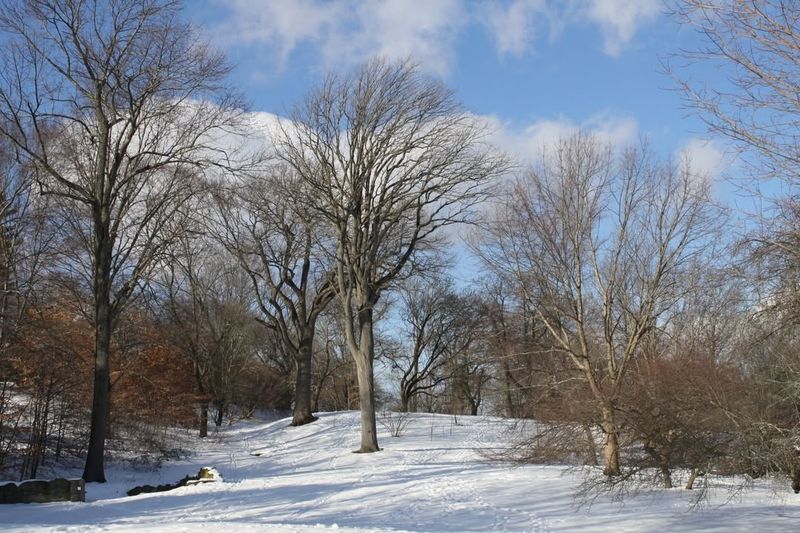
Arborists and plant scientists have studied bark cracking extensively, identifying the precise mechanisms that cause this common problem in Michigan and similar northern climates.
Frost cracks occur when water within bark tissues freezes and expands, creating internal pressure that literally tears the bark apart along its weakest planes.
Sunscald damage happens when cambium tissue beneath the bark warms enough to break dormancy, then gets damaged when temperatures plunge again overnight suddenly.
Michigan trees that experience sunscald often show sunken, darkened bark areas that may not crack immediately but weaken the trunk structure over time.
Research shows that bark temperature can exceed air temperature by twenty to thirty degrees when direct sunlight strikes dark trunk surfaces on clear days.
The cellular damage from repeated freeze-thaw cycles accumulates throughout winter, with visible cracking sometimes appearing weeks after the actual injury occurred to tissues.
Scientists note that young bark lacks the corky outer layers that provide insulation on mature trees, making saplings particularly vulnerable to temperature-related injuries.
Michigan State University extension specialists recommend protective measures based on this scientific understanding of how environmental factors interact with tree physiology during vulnerable growth stages.
9. Prevention Strategies For Next Winter Season
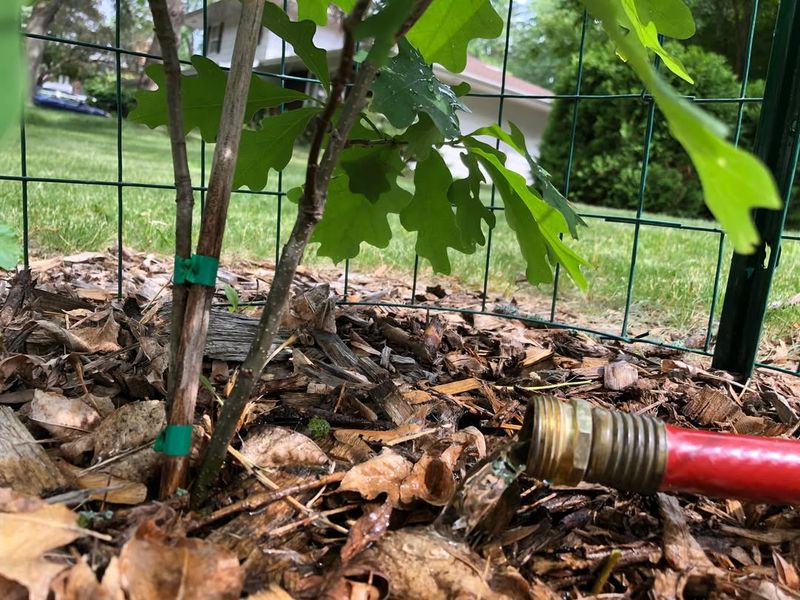
Learning from this season’s damage helps Michigan gardeners implement better prevention strategies before next winter’s temperature swings arrive with similar challenging conditions.
Start planning protection measures in early autumn, well before freezing temperatures begin, to ensure young trees enter winter with adequate defenses already established.
Create a checklist of vulnerable trees on your property, noting which species need wrapping and which locations receive the most intense sun exposure.
Michigan residents should purchase tree wrap and other supplies during late summer when garden centers stock these items rather than waiting until supplies dwindle.
Consider planting future trees in locations that offer some natural protection from intense afternoon sun, such as east sides of buildings or near existing vegetation.
Proper tree selection matters too, with some species naturally resisting bark damage better than others commonly planted throughout Michigan’s varied landscape zones and hardiness areas.
Establish a fall watering routine that ensures trees enter dormancy with adequate moisture reserves to help tissues resist temperature stress throughout coming months.
Michigan gardeners who develop comprehensive winter protection plans report healthier trees and far fewer problems compared to reactive approaches that address damage only after it occurs.