Why Pothos Decline Is Becoming Common In California Homes And How To Fix It
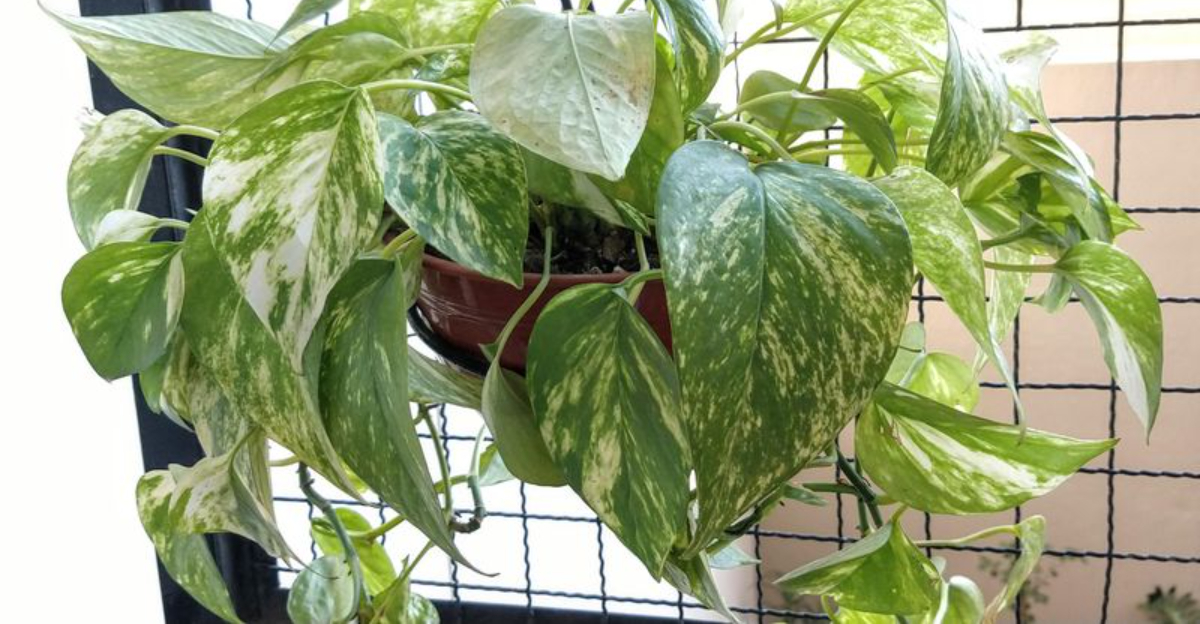
Pothos plants across California homes are suddenly losing color, dropping leaves, and looking nothing like the easy plants people remember.
I keep seeing this happen after small changes indoors, when light, watering, or air quietly shift and the plant takes the hit.
Once you spot what is throwing it off, fixing the problem feels surprisingly straightforward and the plant usually responds fast.
1. Yellow Leaves Spreading Across Your Plant
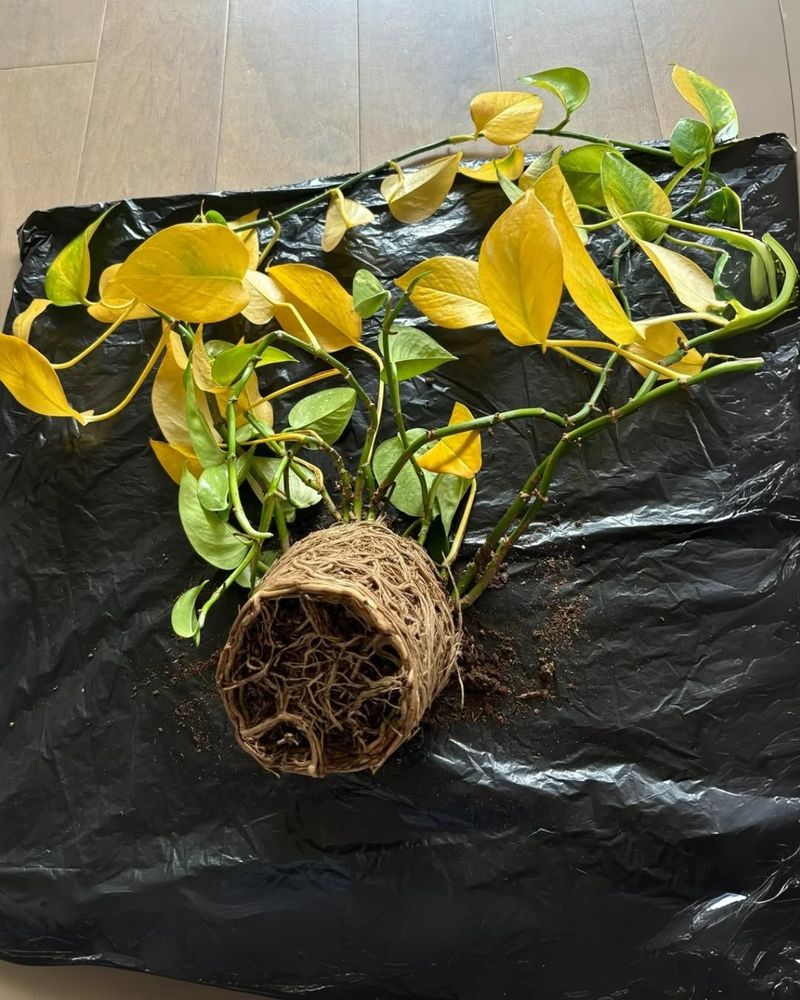
Noticing yellow leaves on your pothos can feel worrying, especially when you have cared for it lovingly every single day in your home.
Overwatering is usually the main reason why pothos leaves turn yellow, and this happens often in California homes with less sunlight indoors.
When roots sit in soggy soil too long, they cannot breathe properly, which causes the leaves to lose their green color gradually.
Another cause of yellowing is poor drainage, so always check if your pot has holes at the bottom for water to escape.
If you live in California and notice yellowing, reduce how often you water and let the top two inches of soil dry out completely.
You can also improve drainage by adding perlite or small pebbles to your potting mix to help water flow through the soil faster.
Remove any yellow leaves gently because they will not turn green again, and they take energy away from healthier parts of the plant.
Check your watering schedule and adjust it based on the season, since California winters may require less frequent watering than hot summer months.
Yellowing leaves are a clear signal that something is wrong, but catching it early means you can fix it before more damage happens.
Keep an eye on your plant daily and make small changes to watering habits to help your pothos recover and thrive beautifully again.
2. Brown Crispy Tips On The Leaf Edges
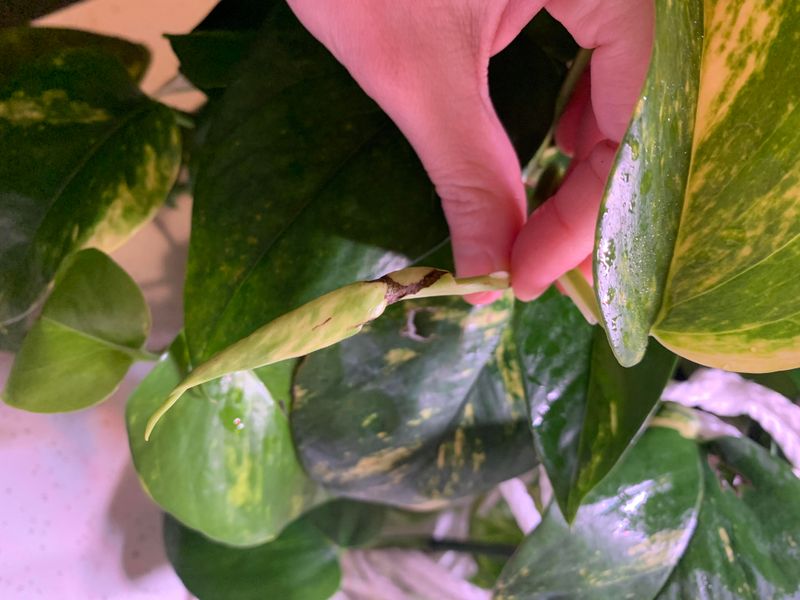
Brown, crispy tips on pothos leaves often mean the air around your plant is too dry or it is not getting enough humidity.
California homes, especially in drier regions like Southern California, can have very low indoor humidity levels that stress tropical plants like pothos.
Low humidity causes moisture to evaporate quickly from the leaf edges, leaving them dry, brittle, and brown over time without proper care.
Another reason for brown tips is the buildup of salts and chemicals from tap water, which can burn the delicate leaf edges slowly.
To fix this problem, try misting your pothos a few times a week or place a small humidifier near your plant regularly.
You can also group your pothos with other plants to create a mini humid environment that benefits all of them at once.
If you suspect tap water is the issue, switch to filtered or distilled water to prevent further damage from harsh chemicals and minerals.
Trim off the brown tips with clean scissors to keep your plant looking neat and to encourage new, healthy growth in those areas.
Many California plant owners find that bathrooms or kitchens provide better humidity levels naturally, so consider moving your pothos to those rooms.
Your California Garden Changes Every Week. Your Plan Should Too.
Gardening in California changes quickly throughout the season. Every Friday you’ll receive a simple weekly plan showing exactly what to plant, prune, fertilize, harvest, and protect so you never miss the right timing.
Consistent care and attention to humidity can prevent brown tips from returning and keep your pothos looking lush and vibrant all year long.
3. Wilting Leaves That Look Droopy And Sad
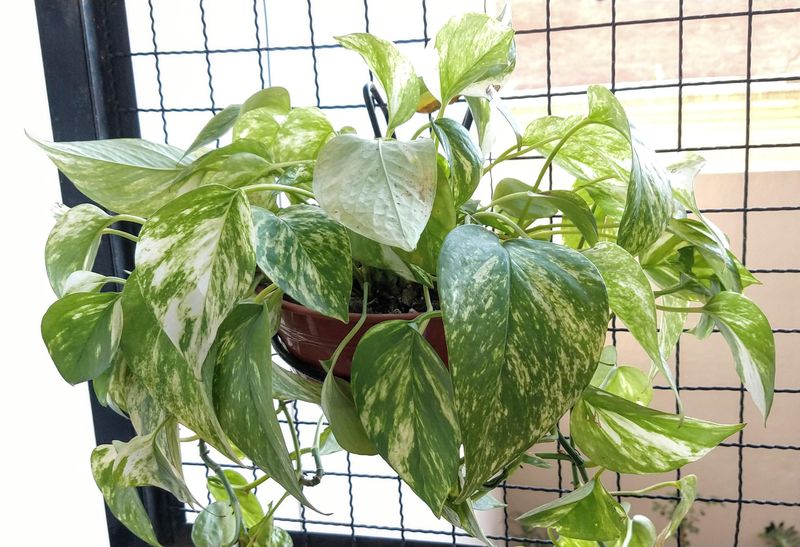
Wilting leaves on your pothos can make the plant look tired and unhappy, and this is usually a sign of watering issues.
Both underwatering and overwatering can cause wilting, so you need to check the soil carefully to figure out which problem you have.
If the soil feels bone dry and pulls away from the sides of the pot, your pothos is thirsty and needs water immediately.
On the other hand, if the soil is soaking wet and smells bad, overwatering is the culprit and you need to let it dry.
California homes with lots of sunlight can dry out soil quickly, so pothos in bright spots may need more frequent watering than usual.
When you water, make sure to soak the soil thoroughly until water drains out of the bottom holes, then let it dry again.
Avoid letting your pothos sit in standing water because this can lead to root rot, which makes wilting even worse over time.
If overwatering is the issue, consider repotting your plant in fresh, well-draining soil to give the roots a healthier environment to recover.
Wilting can also happen if your pothos is rootbound, meaning the roots have filled the entire pot and have no room left.
Check the roots by gently lifting the plant out of its pot, and if they are tightly packed, move it to a larger container.
4. Slow Or Stunted Growth Over Several Months
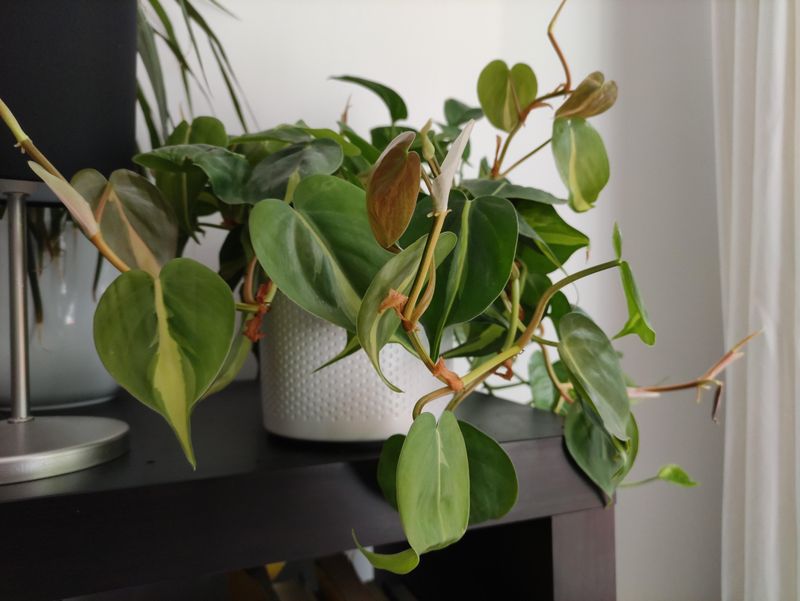
If your pothos has not grown much or at all in several months, it might be lacking the nutrients it needs.
Pothos plants are naturally fast growers, so slow growth is a clear sign that something is not right with their environment or care.
One common reason for stunted growth is that the plant has used up all the nutrients in the soil over time without replacement.
Fertilizing your pothos once a month during spring and summer with a balanced liquid fertilizer can help it grow faster and stronger.
Another reason for slow growth in California homes is not enough light, since pothos need bright, indirect light to thrive and produce leaves.
If your plant is in a dark corner or far from windows, try moving it to a brighter spot where it gets more natural light.
Rootbound plants also grow slowly because their roots have no space to expand and absorb nutrients properly from the soil around them.
Repotting your pothos into a slightly larger pot with fresh soil can give it the boost it needs to start growing again quickly.
Temperature can also affect growth, and California homes that get too cold in winter or too hot in summer can stress the plant.
Keep your pothos in a room with stable temperatures between 65 and 85 degrees Fahrenheit for the best results and healthy growth patterns.
5. Black Or Mushy Stems Near The Soil Line
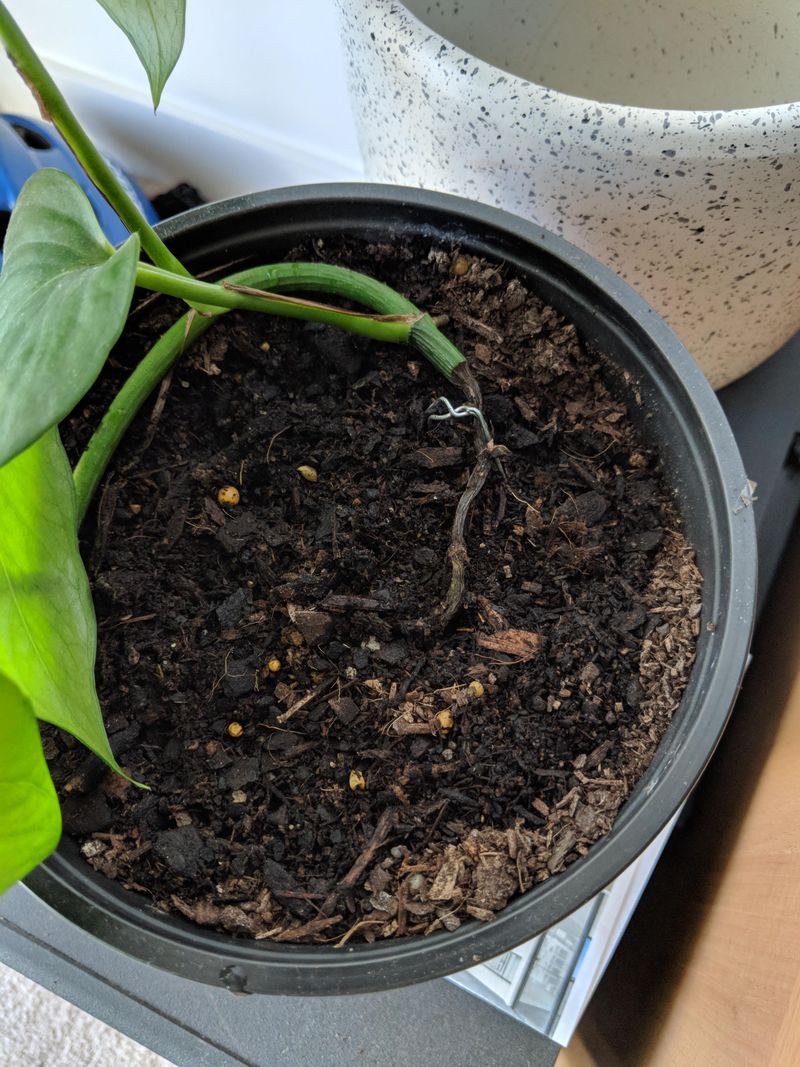
Black or mushy stems at the base of your pothos are a serious warning sign that root rot has started to spread.
Root rot happens when the roots stay wet for too long and begin to decay, which then spreads up into the stems.
This problem is common in California homes where plants are overwatered or pots do not have proper drainage holes at the bottom.
If you notice mushy stems, you need to act quickly because root rot can spread fast and damage the entire plant badly.
Carefully remove your pothos from its pot and inspect the roots to see if they are brown, slimy, or smell rotten and unpleasant.
Healthy roots should be white or light tan and firm to the touch, so any soft or dark roots need to be trimmed away.
Use clean, sharp scissors or pruning shears to cut off all the damaged roots and stems, leaving only the healthy parts behind.
Repot your pothos in fresh, dry soil and a clean pot with drainage holes to prevent the problem from happening again soon.
After repotting, water sparingly and only when the top two inches of soil feel completely dry to the touch in your California home.
Avoid overwatering in the future by checking the soil regularly and adjusting your watering schedule based on the season and indoor humidity levels.
6. Pale Or Faded Leaves Losing Their Color
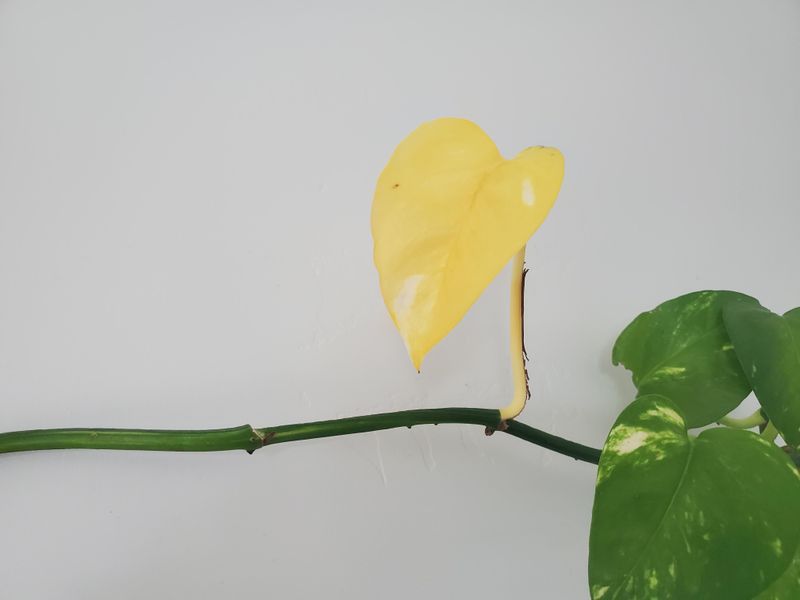
When pothos leaves start to look pale, washed out, or faded, it usually means they are not getting enough light to stay vibrant.
Pothos plants need bright, indirect light to maintain their deep green color and beautiful variegation patterns on the leaves that make them special.
In California homes with limited natural light or rooms facing away from the sun, pothos can lose their color and look dull.
Moving your plant closer to a window where it can receive more indirect sunlight will help restore its rich, healthy color quickly.
Be careful not to place your pothos in direct sunlight, though, because harsh rays can scorch the leaves and cause brown spots.
If you cannot provide enough natural light, consider using a grow light to supplement and give your plant the energy it needs.
Another reason for pale leaves is nutrient deficiency, especially if your pothos has been in the same soil for a long time.
Fertilizing your plant every few weeks during the growing season can help bring back the vibrant green color you love so much.
Pale leaves can also be a sign of overwatering, which washes away nutrients from the soil and weakens the plant over time.
Check your watering habits and make sure the soil dries out between waterings to keep your pothos healthy and colorful in California homes.
7. Pests Like Spider Mites Or Mealybugs Appearing
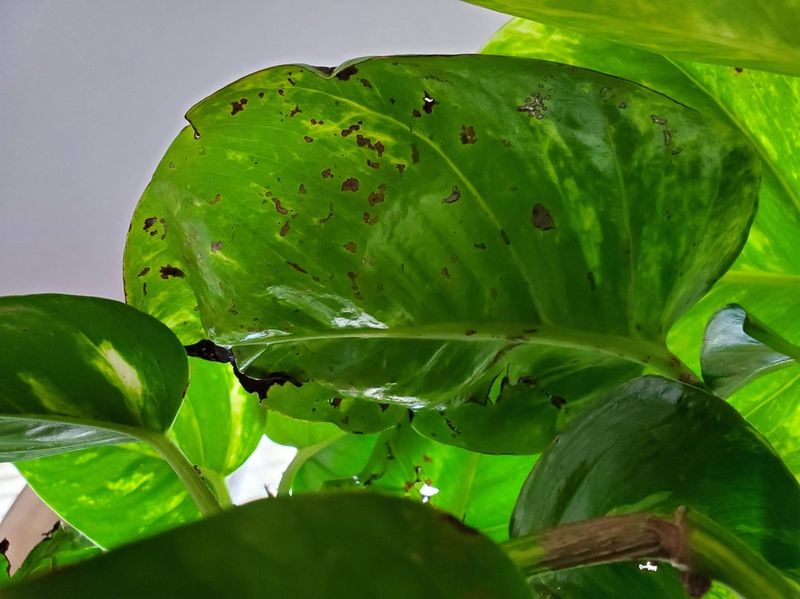
Spotting pests like spider mites or mealybugs on your pothos is frustrating, but it is a common problem that can be fixed quickly.
Spider mites are tiny bugs that leave fine webbing on leaves and cause yellow speckles, while mealybugs look like white cottony clusters.
Pests thrive in dry conditions, which is why they often appear in California homes with low humidity and warm indoor temperatures year-round.
To get rid of spider mites, spray your pothos with a mixture of water and a few drops of dish soap weekly.
For mealybugs, use a cotton swab dipped in rubbing alcohol to wipe them off the leaves and stems carefully and thoroughly.
Increasing humidity around your plant by misting or using a humidifier can help prevent pests from coming back and infesting your pothos again.
Inspect your pothos regularly, especially the undersides of leaves where pests like to hide and lay eggs without being noticed easily.
Isolate any infested plants from your other houseplants to stop pests from spreading and causing more damage to your indoor garden collection.
Neem oil is another natural remedy that works well for treating and preventing pest infestations on pothos and other houseplants at home.
Keeping your pothos healthy with proper watering, light, and humidity will make it stronger and less attractive to pests in California homes overall.