Free Garden Ideas Pennsylvania Residents Are Using To Improve Their Yards
Across Pennsylvania, gardeners are finding ways to make their yards look better without spending money, and the results are surprisingly noticeable.
I keep seeing simple ideas reused in smart ways, using plants, cuttings, and materials people already have access to.
These free changes may seem small at first, but together they can completely shift how a yard looks and feels.
1. Start a Compost Pile Using Kitchen Scraps
Creating nutrient-rich compost from kitchen waste is one of the smartest moves any Pennsylvania gardener can make for healthier soil.
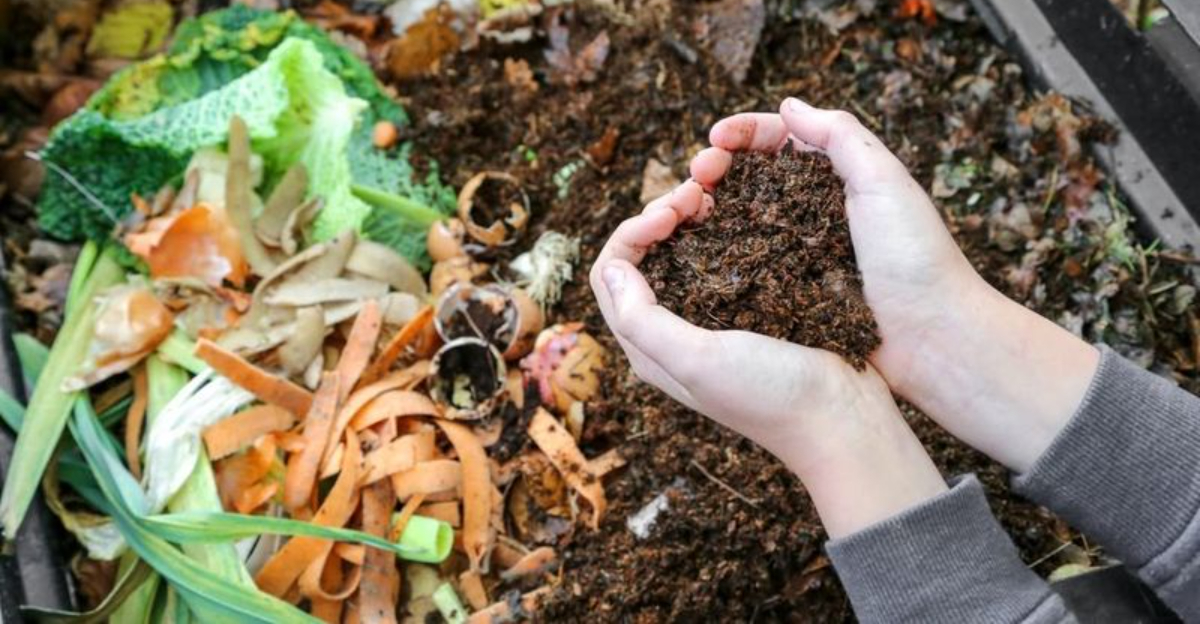
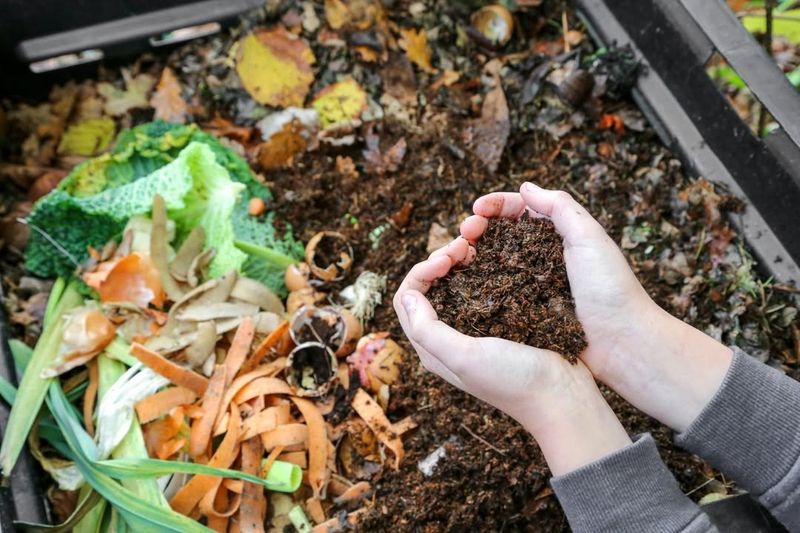
Vegetable peels, coffee grounds, eggshells, and fruit scraps break down naturally into dark, crumbly gold that plants absolutely love.
You can build a simple pile in a corner of your yard or use an old wooden pallet to contain the materials neatly.
Turn the pile every few weeks with a pitchfork or shovel to speed up the decomposition process and prevent unpleasant odors from developing.
Avoid adding meat, dairy, or oily foods, as these attract pests and slow down the composting process significantly.
Pennsylvania gardeners find that compost improves clay-heavy soil and helps retain moisture during dry summer months without spending a single dollar.
Your plants will grow stronger, produce more blooms, and resist diseases better when fed with homemade compost regularly throughout the growing season.
Composting also reduces household waste sent to landfills, making it an environmentally friendly choice for conscious gardeners statewide.
2. Collect Rainwater in Repurposed Containers
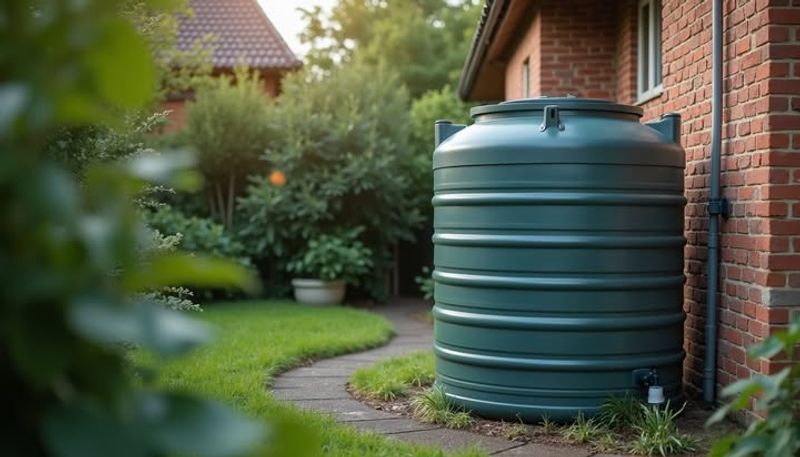
Capturing rainwater from your roof provides a free, sustainable source for watering plants during Pennsylvania’s unpredictable weather patterns throughout the year.
Old trash cans, large buckets, or even clean storage bins placed under downspouts can collect gallons of water during a single storm.
Make sure containers have tight-fitting lids to keep out mosquitoes, debris, and curious animals that might contaminate the water supply.
Rainwater is naturally soft and free of chemicals like chlorine, which makes it gentler on delicate plants and seedlings compared to tap water.
Homeowners across Pennsylvania save money on water bills while keeping their gardens hydrated during dry spells without relying on municipal water sources.
You can even connect multiple containers using simple hoses to increase your storage capacity and ensure you never run out during droughts.
Position containers on level ground or sturdy platforms to prevent tipping, and check them regularly for leaks or cracks that might waste water.
This simple setup requires no special tools or expertise, just a bit of creativity and some containers you already own.
3. Propagate Plants from Cuttings and Divisions
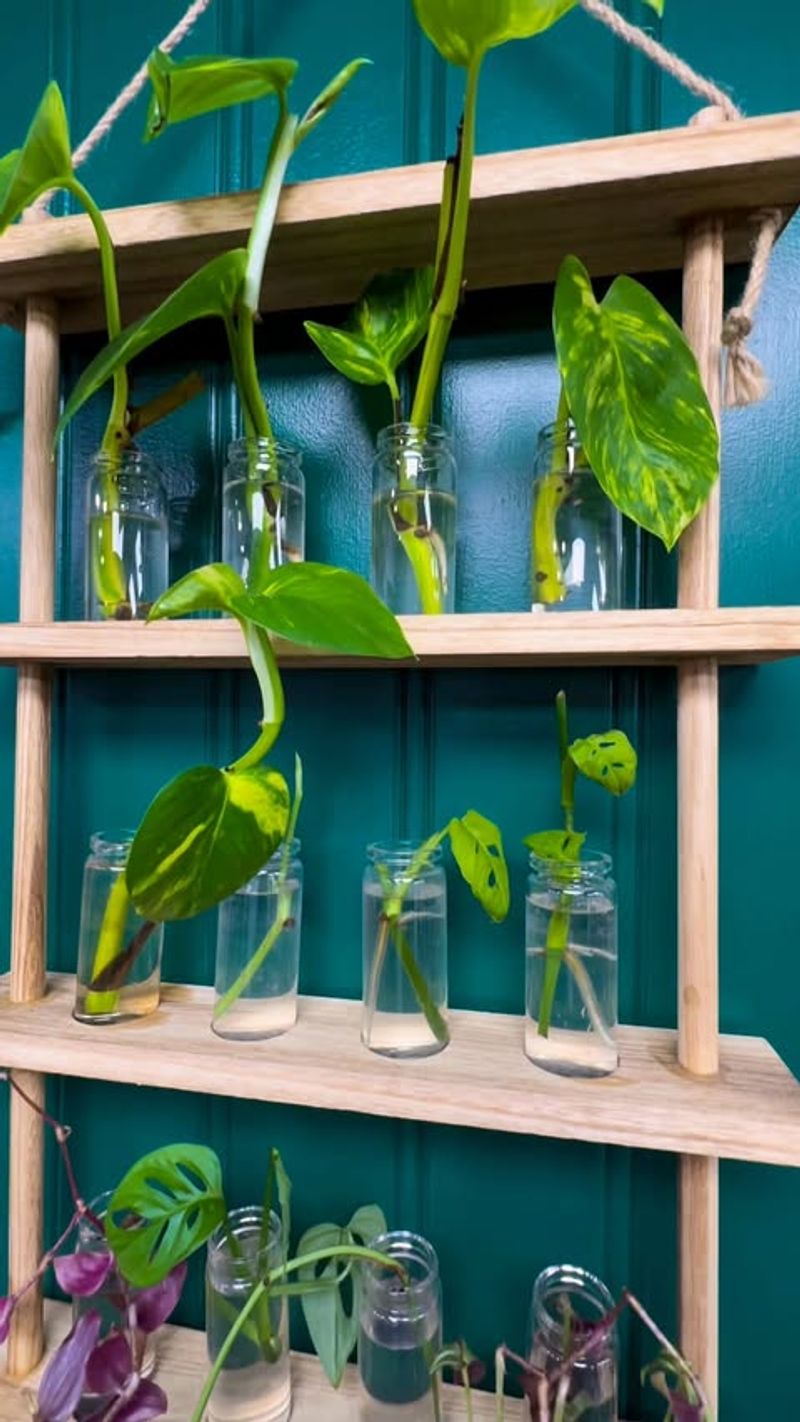
Multiplying your favorite plants without buying new ones is easier than most Pennsylvania gardeners realize and costs absolutely nothing but time.
Many perennials, herbs, and shrubs can be propagated by snipping healthy stems and placing them in water until roots develop naturally.
Basil, mint, lavender, and coleus root especially quickly and can be transplanted into soil once their root systems are established.
Dividing overgrown perennials like hostas, daylilies, and irises in early spring or fall gives you multiple plants from one original specimen.
Your Pennsylvania Garden Changes Every Week. Your Plan Should Too.
Gardening in Pennsylvania changes quickly throughout the season. Every Friday you’ll receive a simple weekly plan showing exactly what to plant, prune, fertilize, harvest, and protect so you never miss the right timing.
Simply dig up the plant, gently separate the root clumps with your hands or a clean knife, and replant the divisions immediately.
Pennsylvania’s climate supports a wide variety of plants that respond well to these propagation methods, allowing gardeners to fill empty spaces quickly.
Share extra divisions with neighbors, friends, or family members to spread the gardening joy while keeping your own yard lush and full.
This technique not only saves money but also helps rejuvenate older plants that may have become crowded or less productive over time.
4. Use Fallen Leaves as Free Mulch
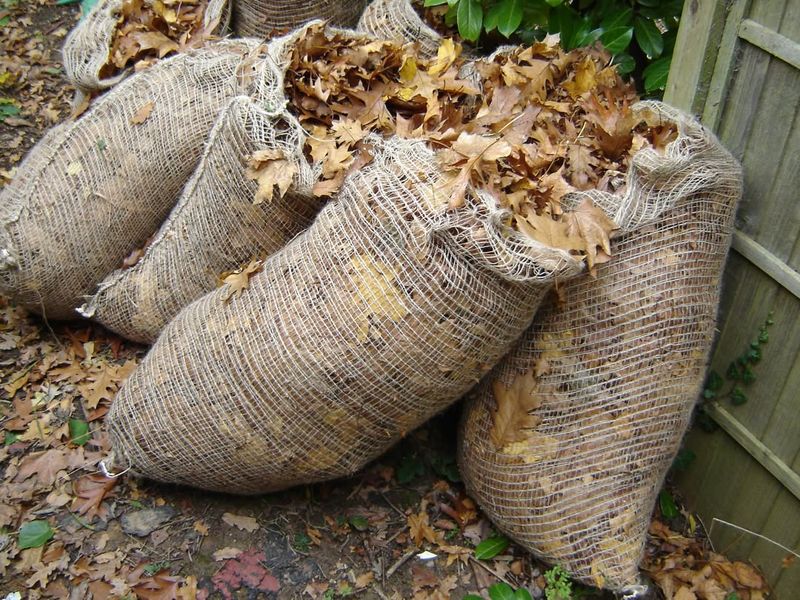
Autumn leaves that blanket Pennsylvania yards every fall are a valuable gardening resource that most people overlook or bag up for disposal.
Instead of sending them to the curb, shred leaves with a lawnmower and spread them around flower beds, vegetable gardens, and shrubs.
This natural mulch suppresses weeds, retains soil moisture, and gradually breaks down to enrich the soil with organic matter and essential nutrients.
Leaf mulch also insulates plant roots during Pennsylvania’s cold winters, protecting them from freeze-thaw cycles that can damage delicate root systems.
Oak, maple, and birch leaves work particularly well, though any deciduous tree leaves will do the job effectively when properly shredded.
Avoid using walnut leaves, as they contain a chemical that can inhibit the growth of certain plants and vegetables in your garden.
By spring, the leaves will have decomposed significantly, improving soil structure and reducing the need for expensive fertilizers or soil amendments.
This simple practice transforms a yard chore into a gardening advantage while keeping organic waste out of landfills statewide.
5. Build Garden Borders with Found Stones and Rocks
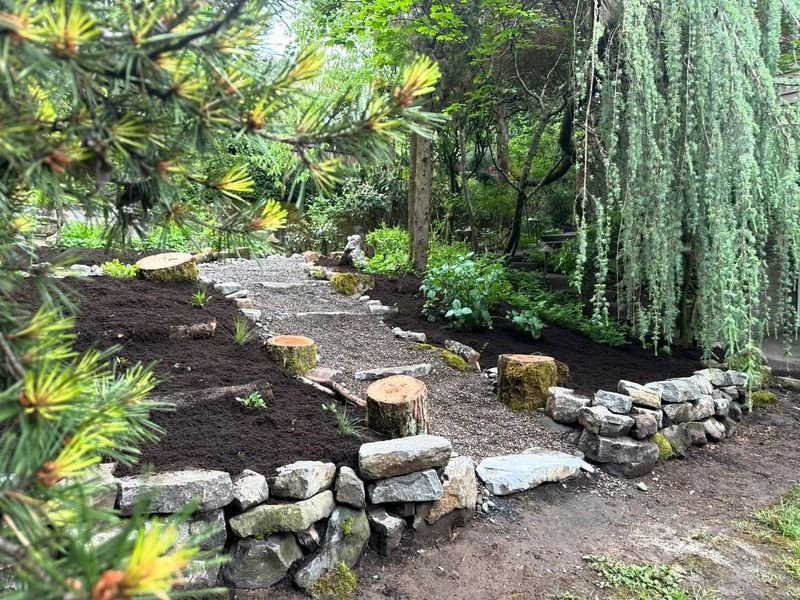
Pennsylvania’s landscape is naturally rich with stones and rocks that can be gathered freely from fields, woods, or even your own property.
Arranging these stones along garden bed edges creates attractive, durable borders that define planting areas and prevent grass from creeping into flowerbeds.
Flat stones work best for stacking, while rounded river rocks create a more casual, naturalistic look that blends beautifully with native plantings.
You can also use stones to build small retaining walls on sloped areas, helping to prevent soil erosion during heavy rainstorms.
Collect stones during walks, hikes, or when clearing land, and gradually accumulate enough to complete your border projects over time without rushing.
Pennsylvania gardeners appreciate that stone borders require no maintenance, never rot, and actually improve with age as they settle into the landscape.
Moss and lichens often colonize the stones naturally, adding character and a timeless quality to your garden’s appearance without any effort.
This approach works equally well in formal and cottage-style gardens, adapting to any aesthetic you prefer for your outdoor space.
6. Create Pathways with Wood Chips and Mulch
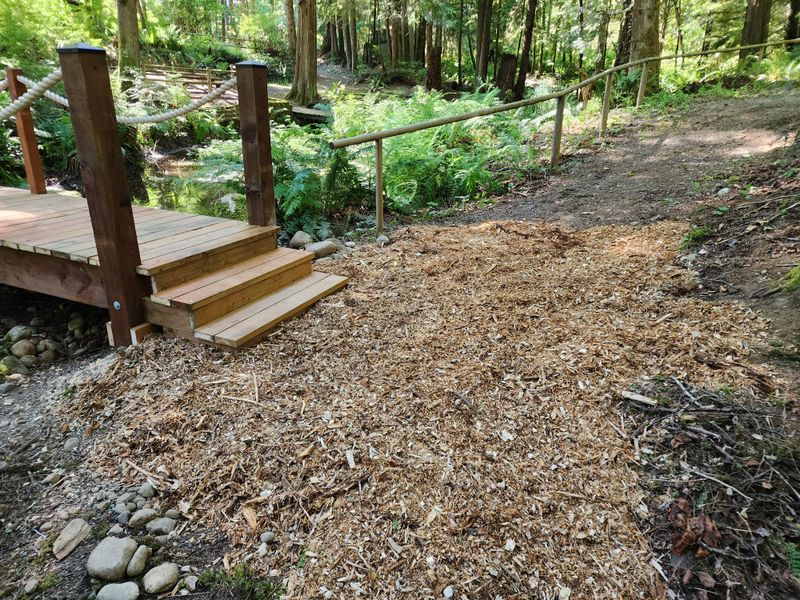
Many tree service companies in Pennsylvania will deliver wood chips to your home completely free if you ask, as they need places to dispose of them after trimming jobs.
These chips make excellent pathway material, creating soft, natural-looking walkways that keep your feet clean and reduce mud during rainy periods.
Spread chips several inches thick between garden beds, around sheds, or through wooded areas to establish clear, comfortable routes through your yard.
Wood chips suppress weeds along pathways, slowly decompose to improve soil quality, and provide a pleasant, cushioned surface for walking and working.
Pennsylvania’s humid climate helps the chips break down gradually, so you may need to refresh pathways every few years with new material.
Contact local arborists or tree services and ask to be added to their chip drop list for convenient, free delivery directly to your driveway.
Some companies even let you specify the type of wood chips you prefer, though most gardeners find that mixed hardwood chips work perfectly well.
This simple solution transforms muddy, undefined areas into neat, functional spaces without spending money on expensive paving materials or gravel.
7. Save and Trade Seeds with Neighbors
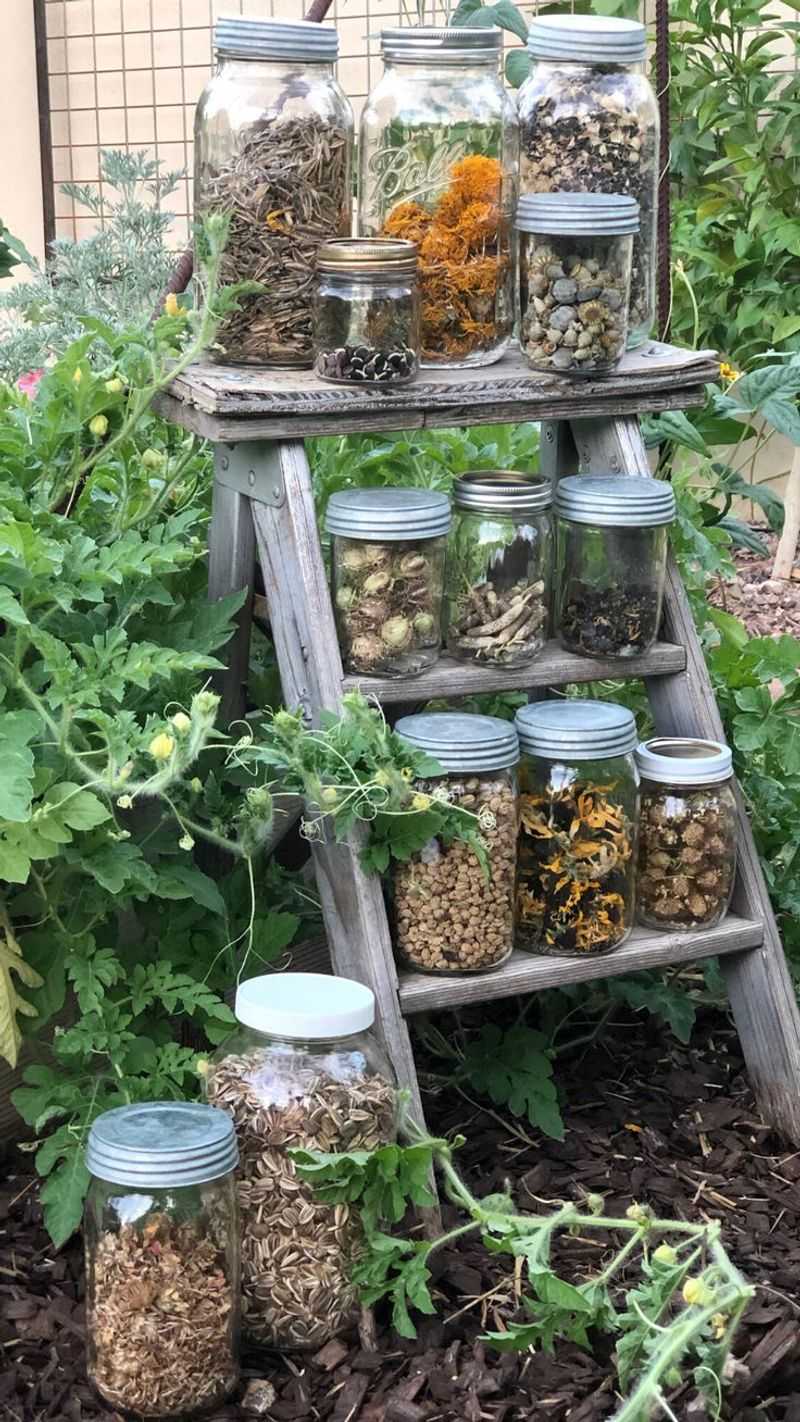
Collecting seeds from your garden at the end of each growing season provides free plants for next year while preserving varieties you love.
Tomatoes, beans, lettuce, marigolds, zinnias, and sunflowers are especially easy to save, requiring only that you let some plants mature fully.
Allow seed pods to dry completely on the plant, then collect and store them in labeled paper envelopes in a cool, dark place.
Pennsylvania gardeners often organize seed swaps with neighbors, friends, or local gardening groups, exchanging varieties to increase diversity without purchasing expensive packets.
These informal exchanges build community connections while introducing you to heirloom and unusual varieties that may not be available in stores anymore.
Make sure to save seeds only from open-pollinated or heirloom plants, as hybrid varieties often produce disappointing results in subsequent generations.
Properly stored seeds remain viable for several years, allowing you to build a personal seed library that saves money season after season.
This practice also preserves regional plant varieties that have adapted well to Pennsylvania’s specific climate and growing conditions over many years.
8. Attract Beneficial Insects with Native Plants
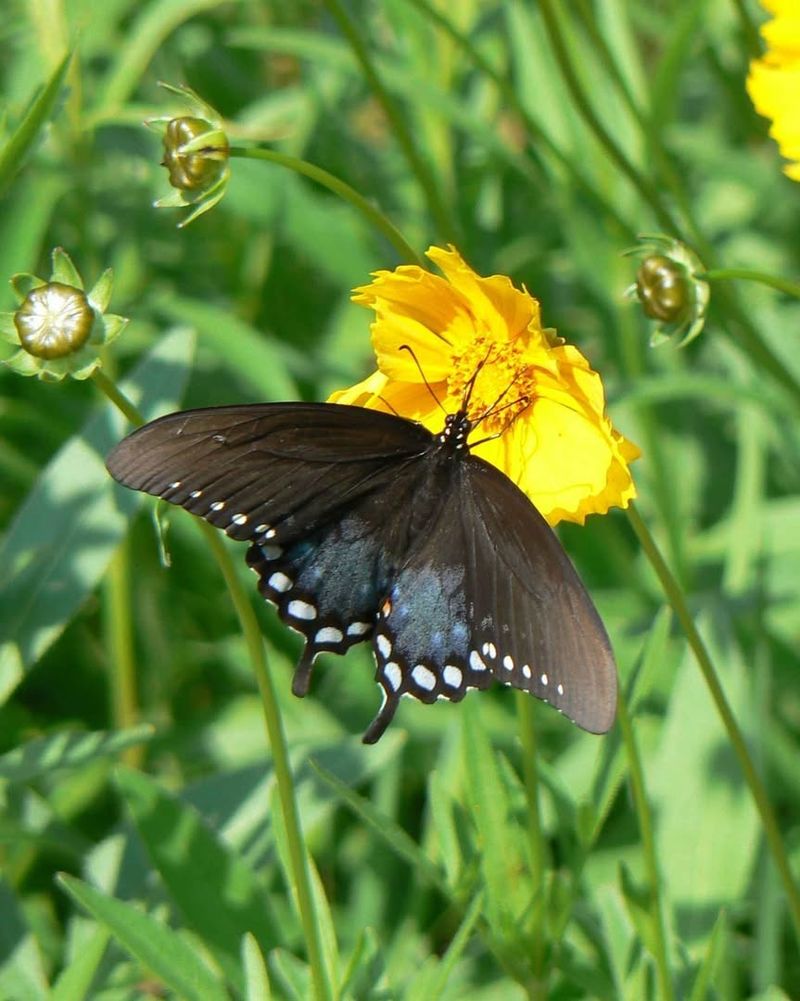
Pennsylvania’s native wildflowers and plants attract helpful insects that pollinate crops and control pests naturally without chemicals or expensive interventions from gardeners.
Species like black-eyed Susan, milkweed, goldenrod, and coneflower thrive in local conditions and support butterflies, bees, and predatory insects year after year.
You can often find native plants growing wild in fields, roadsides, or woodland edges, and carefully transplant them to your garden in spring or fall.
Many Pennsylvania conservation districts and native plant societies host free plant exchanges where members share seeds, cuttings, and divisions of native species.
These plants require less water, fertilizer, and maintenance than exotic ornamentals because they evolved specifically for the state’s climate and soil conditions.
Beneficial insects like ladybugs and lacewings feast on aphids and other garden pests, reducing the need for sprays or other control methods.
Creating diverse plantings with staggered bloom times ensures that helpful insects have nectar and pollen sources throughout the entire growing season consistently.
This approach supports local ecosystems while making your garden healthier, more productive, and more resilient against common pest problems.
9. Repurpose Household Items as Planters and Garden Art
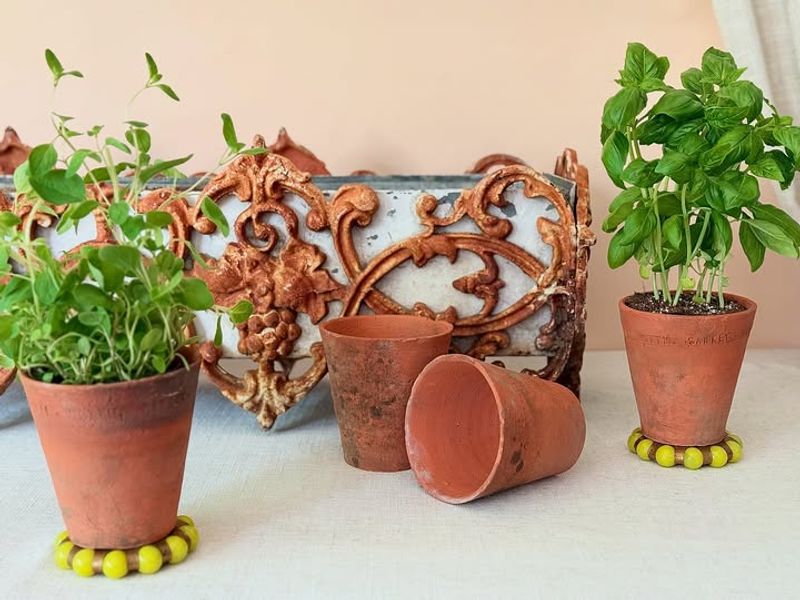
Old boots, cracked bowls, worn-out wheelbarrows, and chipped teapots can all find new life as charming planters throughout your Pennsylvania garden landscape.
These repurposed items add personality and whimsy while saving perfectly functional containers from ending up in landfills or donation centers unnecessarily.
Drill drainage holes in the bottom of non-porous items to prevent waterlogging, then fill them with potting soil and your favorite plants.
Pennsylvania gardeners enjoy arranging these eclectic planters on porches, patios, or tucked among flowerbeds to create unexpected visual interest and conversation starters.
Old metal tools, vintage signs, and weathered wood can also become garden art that reflects your personal style without costing a penny.
Look through your basement, garage, or attic for forgotten treasures that could be transformed into unique garden features with a little imagination.
Thrift stores and yard sales often have inexpensive or free items that work beautifully once repurposed for outdoor use in creative ways.
This approach reduces waste, celebrates individuality, and makes your garden truly one-of-a-kind compared to cookie-cutter landscapes filled with store-bought decorations.