Why Clusters Of Tiny Red Bugs Are Appearing In Arizona Yards According To Experts
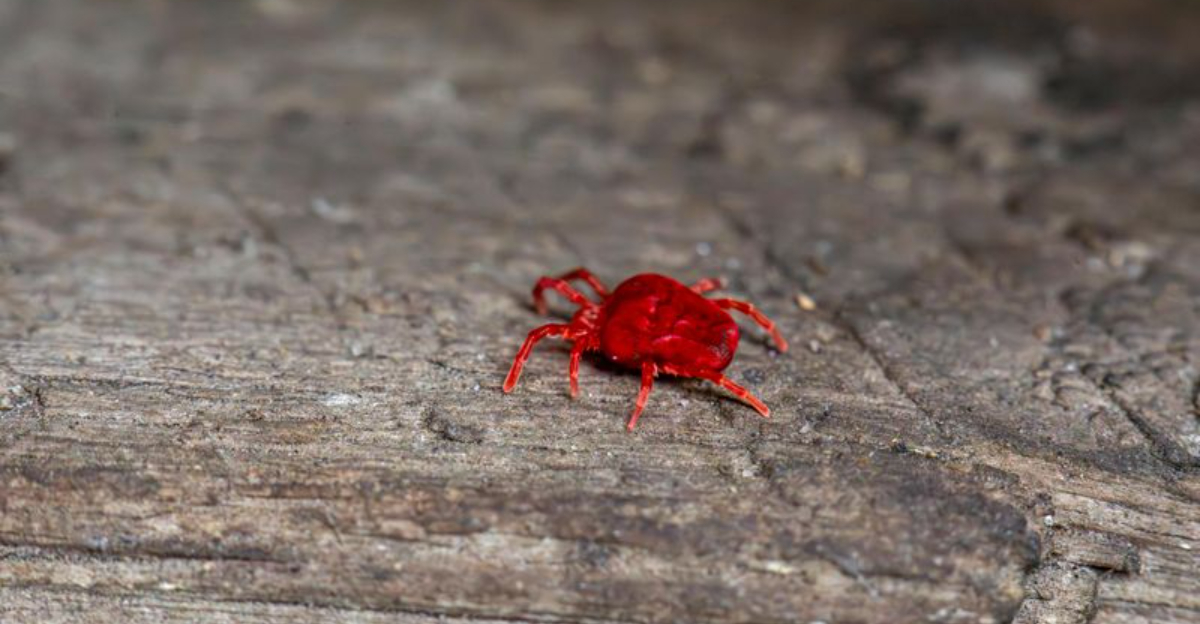
Clusters of tiny red bugs are suddenly catching attention in Arizona yards, especially along walls, walkways, and sunny edges.
Many homeowners are surprised by how fast they show up and how concentrated they can be in certain spots.
I have seen how these sightings spark concern at first, mostly because they appear all at once and seem out of nowhere.
Experts point to very specific conditions that explain why these bugs are showing up now and why some yards see far more than others.
1. Why They Suddenly Cover Walls And Walkways
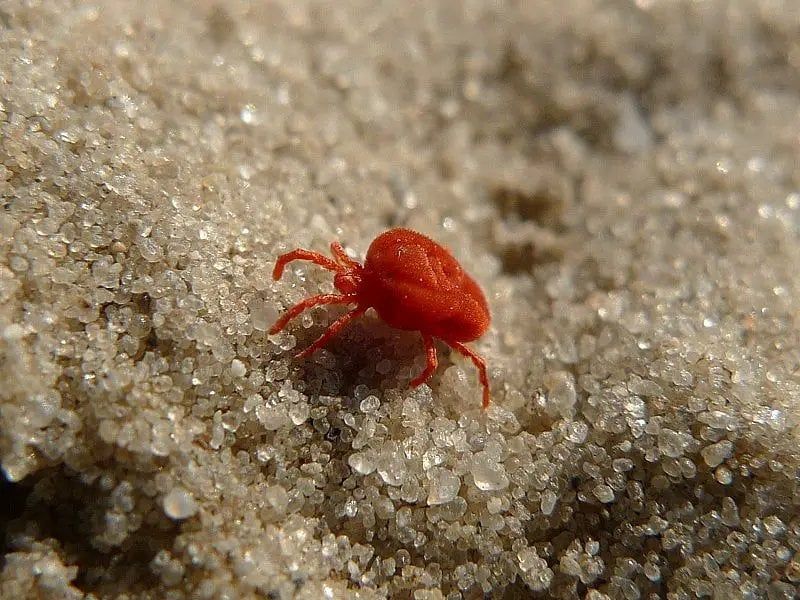
Clover mites move in massive groups when outdoor temperatures shift quickly, creating the illusion they appeared from absolutely nowhere in Arizona neighborhoods.
Warm spring days followed by cooler evenings trigger these bugs to migrate toward sunlit surfaces like walls, sidewalks, and building foundations.
They seek warmth and shelter, which explains why Arizona residents often find them gathered on south-facing walls soaking up morning sunshine.
Mites travel together because they hatch in large numbers at once, and their tiny size makes individual bugs nearly invisible initially.
Once thousands gather in one spot, homeowners suddenly notice the reddish-brown clusters that seem to have materialized overnight on pathways.
Arizona’s dry climate and temperature swings create ideal conditions for clover mites to emerge from grass and soil all at once.
Concrete and stucco surfaces retain heat well, making them attractive resting spots for these sun-loving creatures during their seasonal movements.
Experts say the bugs are simply following environmental cues, not invading homes, though their sheer numbers can feel overwhelming to residents.
Understanding their migration patterns helps Arizona homeowners realize these gatherings are temporary and tied directly to weather changes in the region.
2. The Yard Conditions That Trigger These Swarms
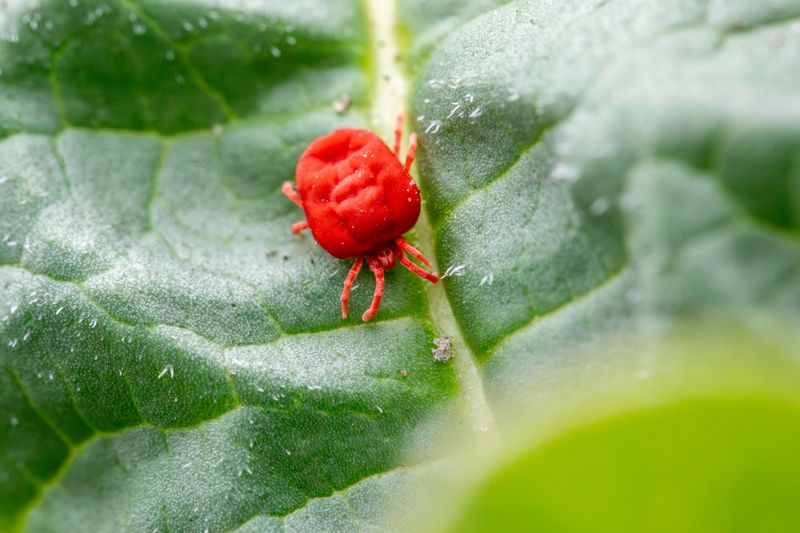
Healthy, well-watered lawns with thick grass provide perfect breeding grounds for clover mites, which feed on plant juices and thrive in Arizona.
Fertilized turf and dense vegetation create abundant food sources, encouraging large populations to develop quickly during spring and fall growing seasons.
Overwatering lawns can make soil conditions even more favorable, allowing mites to multiply rapidly in moist areas near foundation plantings and gardens.
Arizona yards with decorative ground covers, clover patches, or ivy often harbor higher numbers because these plants offer ideal feeding and shelter spots.
Mulch beds placed close to home foundations can trap moisture and create microclimates where clover mites flourish before migrating toward sunny walls.
Experts note that properties with southern or western exposures tend to see more activity since mites prefer warm, bright areas for gathering.
Yards lacking proper drainage may develop damp zones where mites congregate before moving upward onto driveways, patios, and exterior home surfaces.
Reducing excess watering and trimming vegetation away from building perimeters can help Arizona homeowners minimize conditions that attract these seasonal visitors.
Maintaining balanced lawn care without creating overly lush environments reduces the likelihood of massive clover mite swarms appearing suddenly each year.
3. Why Arizona Homes See Them More Than Other States
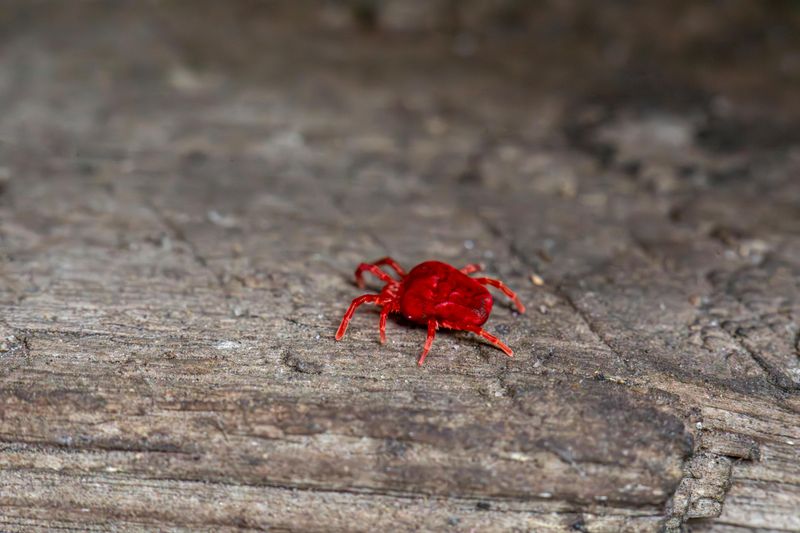
Arizona’s unique climate combines warm temperatures, low humidity, and distinct seasonal shifts that create perfect conditions for clover mite population explosions statewide.
Your Arizona Garden Changes Every Week. Your Plan Should Too.
Gardening in Arizona changes quickly throughout the season. Every Friday you’ll receive a simple weekly plan showing exactly what to plant, prune, fertilize, harvest, and protect so you never miss the right timing.
Desert landscaping mixed with irrigated lawns produces sharp contrasts between dry and moist areas, encouraging mites to concentrate near watered zones.
Stucco and concrete construction common throughout Arizona retains heat exceptionally well, attracting sun-seeking mites to building exteriors in large visible clusters.
Mild winters allow clover mite eggs to survive easily, leading to larger spring hatches compared to colder states where populations decline significantly.
Urban areas across Arizona often feature ornamental grasses and ground covers that provide year-round food sources, supporting continuous mite breeding cycles.
Experts point out that Arizona’s extended growing seasons mean plants stay green longer, giving mites more time to reproduce and build numbers.
Homes built on former agricultural land or near desert vegetation often experience higher clover mite activity because natural habitats remain close by.
The state’s population growth has increased residential watering and landscaping, unintentionally creating more habitats for these tiny red bugs to thrive.
Arizona’s combination of climate, architecture, and landscaping practices makes it a hotspot for seasonal clover mite appearances that seem more intense here.
4. What Makes Them Show Up All At Once
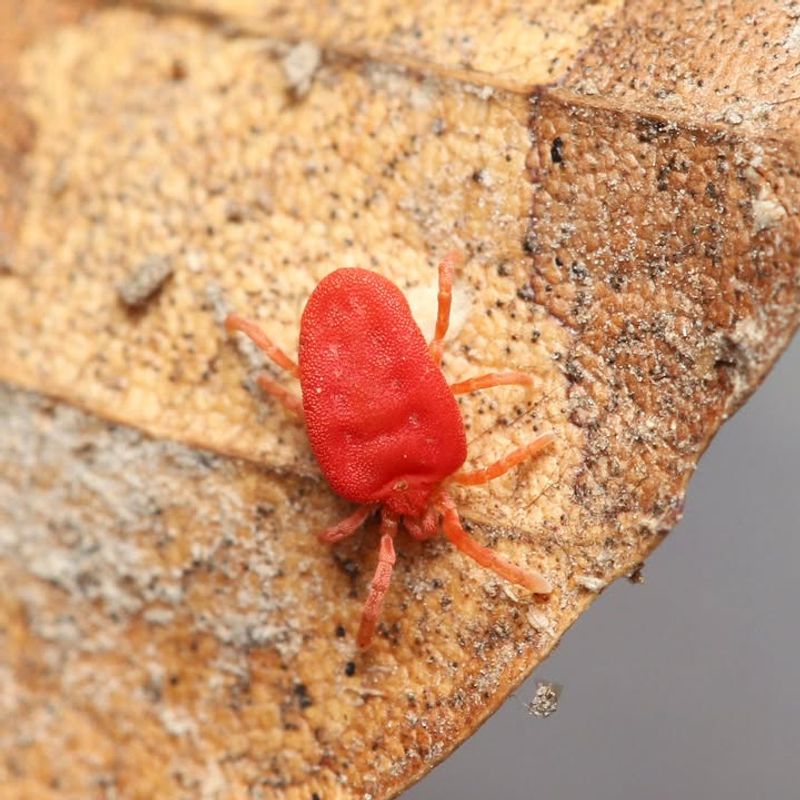
Clover mites hatch from eggs laid months earlier, and environmental triggers cause entire generations to emerge simultaneously across Arizona neighborhoods each season.
Temperature thresholds around sixty to seventy degrees signal dormant eggs to hatch, releasing thousands of mites within days of each other.
Rainfall followed by warm sunshine accelerates plant growth, which in turn stimulates mite activity and reproduction, creating sudden population surges statewide.
Arizona’s predictable seasonal patterns mean conditions align perfectly for mass emergences, making it seem like bugs appear from nowhere overnight in yards.
Mites mature quickly, reaching adulthood in just weeks, so multiple generations can overlap and amplify visible numbers during peak spring and fall.
Experts explain that clover mites synchronize their life cycles with plant growth, ensuring food availability when they emerge in large coordinated groups.
Once one generation hatches and begins feeding, their movement triggers others nearby to become active, creating cascading waves of visible bug clusters.
Arizona’s extended warm periods allow multiple breeding cycles annually, meaning residents may experience several sudden appearances throughout the year rather than one.
Understanding these biological rhythms helps homeowners anticipate when clover mites will likely show up, reducing surprise and frustration during peak seasons.
5. Why They Stick Around Even After Cleanup

Clover mites reproduce rapidly, so even after removing visible clusters, new generations continue emerging from eggs already present in Arizona yard soil.
Simply washing or sweeping bugs away addresses symptoms but not the source, since breeding populations remain active in grass and vegetation nearby.
Mites can lay dozens of eggs that survive in protected soil areas, ensuring continuous waves of new bugs appear for weeks following initial cleanups.
Arizona’s warm climate extends breeding seasons, meaning populations remain active longer than in cooler regions, leading to persistent reappearances throughout spring months.
Experts note that clover mites are incredibly small and mobile, so they quickly recolonize cleaned areas by migrating from untreated lawn sections.
Outdoor treatments often miss hidden mite populations living deep in mulch, under rocks, or within dense ground cover near home foundations.
Moisture from irrigation systems keeps soil hospitable for eggs and young mites, allowing populations to rebuild rapidly even after thorough yard cleaning efforts.
Without addressing underlying attractants like overwatered grass or thick vegetation, Arizona homeowners will likely see bugs return within days of removal attempts.
Persistent appearances signal ongoing breeding activity rather than reinfestation, so long-term management requires habitat modification and consistent monitoring throughout the season.
6. Where They Hide Before You Notice Them
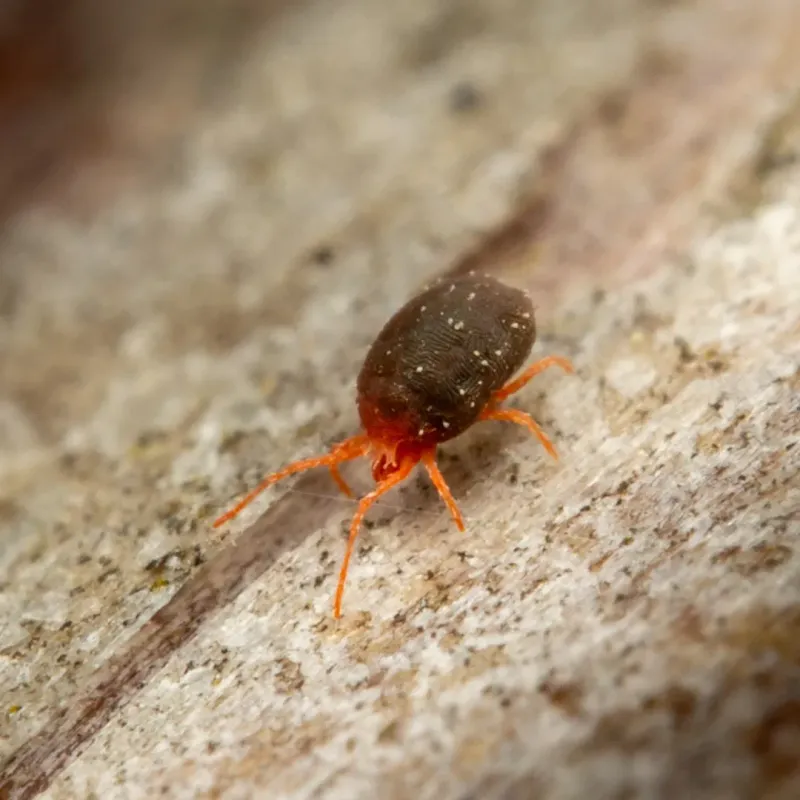
Clover mites spend most of their lives hidden in grass thatch, soil crevices, and under mulch where they feed unnoticed until populations explode.
Arizona lawns with thick turf layers provide perfect concealment, allowing mites to multiply undisturbed before migrating upward onto visible surfaces like sidewalks.
Mulch beds around foundations create dark, moist hiding spots where mites shelter from midday heat while remaining close to food sources and homes.
Cracks in soil, spaces under decorative rocks, and gaps beneath landscape timbers offer protected microhabitats where mites develop away from predators and weather.
Experts say clover mites prefer staying low in vegetation until environmental conditions prompt them to move, which is when Arizona residents finally spot them.
Dense ground covers like ivy or creeping thyme harbor large populations invisibly, with mites only becoming apparent when they migrate en masse.
Irrigation systems create consistently moist zones under plants and along fence lines, making these areas prime hiding spots for developing mite colonies.
Before emerging visibly, mites feed on grass roots and lower plant stems, remaining too small and scattered for homeowners to detect easily.
Understanding these hidden habitats helps Arizona residents target prevention efforts at source areas rather than just reacting to visible bug clusters later.
7. Whether They Are A Real Problem Or Just A Nuisance
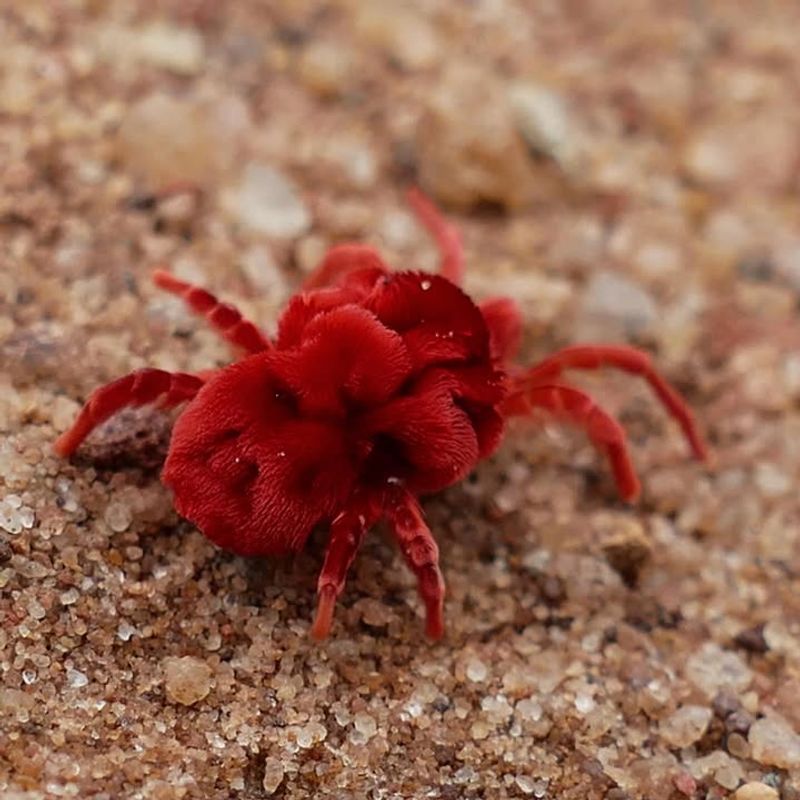
Clover mites pose no health risks to humans or pets, as they do not bite, sting, or transmit diseases despite their alarming appearance.
Arizona homeowners often worry unnecessarily because the sheer numbers create visual disturbances, but experts confirm these bugs are completely harmless to people.
Mites feed exclusively on plant juices and grasses, meaning they have no interest in entering homes or interacting with humans beyond accidental encounters.
Crushing clover mites can leave reddish stains on surfaces due to their body pigments, which is the main cosmetic concern for Arizona residents.
Experts classify them as nuisance pests rather than true threats, since they cause no structural damage, contamination, or direct harm to property.
Large populations may stress lawns slightly by feeding on grass, but damage is usually minimal and temporary, recovering quickly once mites move on.
Arizona homes occasionally see mites indoors if they wander through tiny cracks, but they cannot survive long inside without moisture and food.
Managing clover mites is mostly about reducing annoyance and preventing stains rather than addressing any serious infestation or health emergency for families.
Understanding their harmless nature helps Arizona residents respond proportionally, using simple preventive measures instead of aggressive chemical treatments that may be unnecessary.