The Plant Georgia Homeowners Should Start In Late Winter To Boost Soil By Spring
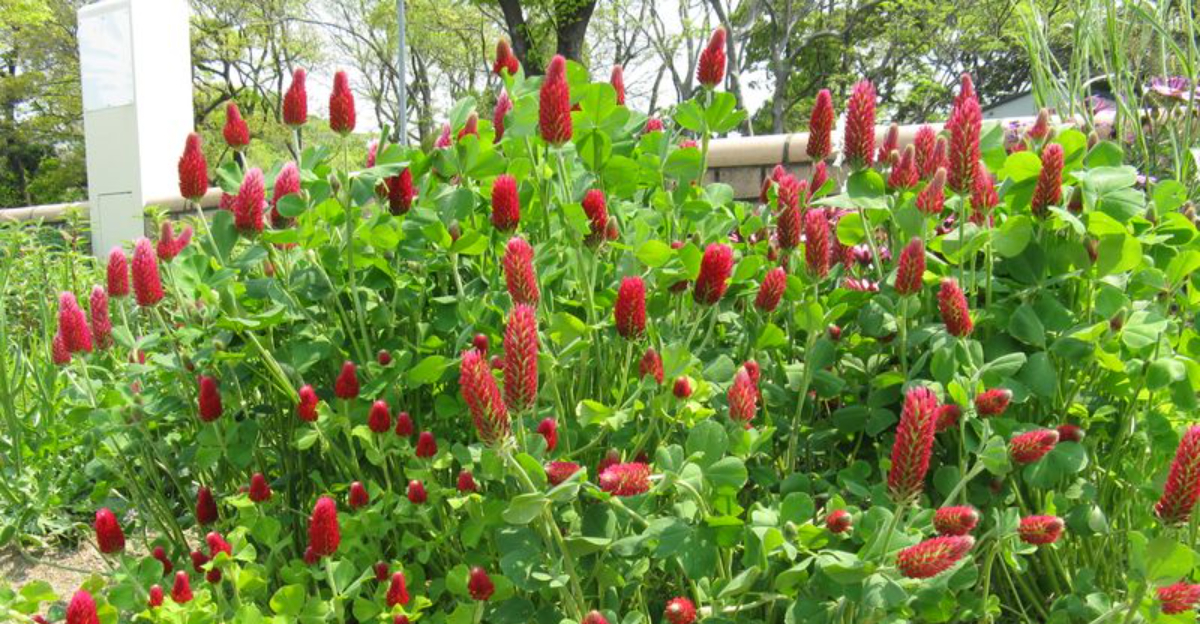
Georgia homeowners are starting one specific plant in late winter because it quietly improves soil conditions before spring planting begins, even while gardens still look dormant and inactive.
That plant is crimson clover, which builds nutrients, improves soil structure, and helps prepare garden beds naturally without requiring extra work or complicated changes.
By spring, the soil feels healthier, easier to work with, and ready for planting, giving homeowners a noticeable head start compared to waiting until warmer weather arrives.
1. Nitrogen Fixation Powers Up Garden Beds
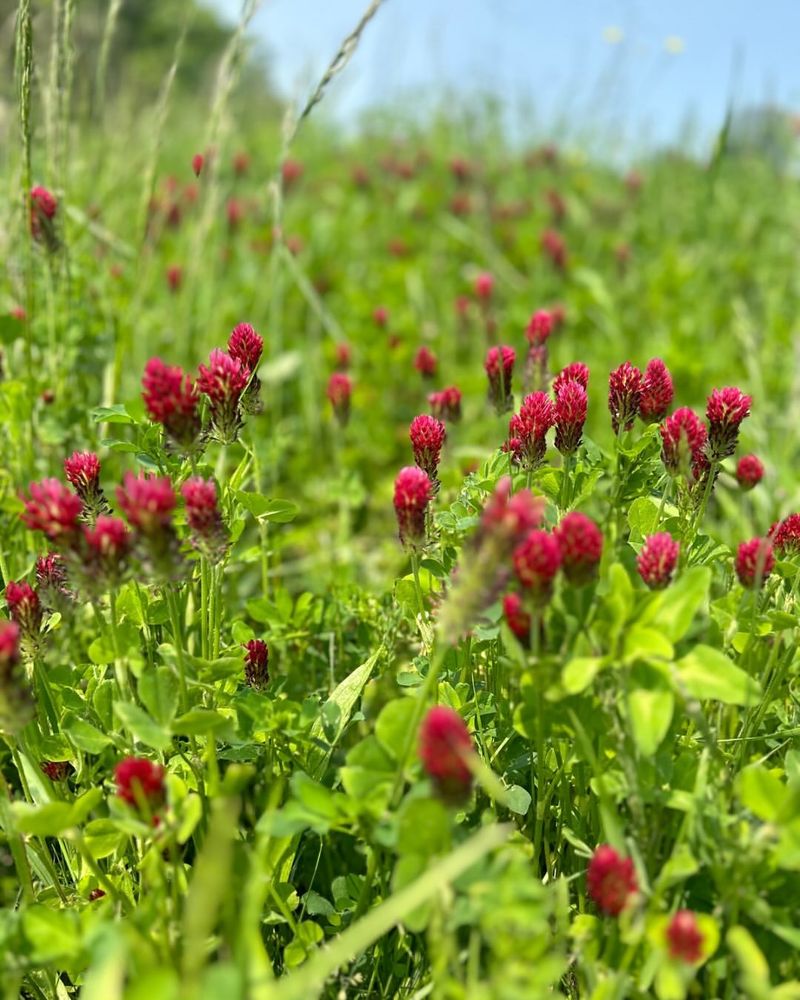
Crimson clover works like a natural fertilizer factory right in your garden beds, pulling nitrogen from the air and storing it underground.
Tiny nodules form on the roots where beneficial bacteria convert atmospheric nitrogen into a form plants can actually use for growth.
Georgia gardeners appreciate this free fertilizer because it reduces the need for expensive chemical products that can harm beneficial insects over time.
When you till the clover into the soil in spring, all that stored nitrogen becomes available to your vegetables and flowers immediately.
Tomatoes, peppers, and squash especially love the nitrogen boost that crimson clover provides after it breaks down in the ground.
Homeowners across the state report healthier plants and bigger harvests after using this cover crop for just one season in rotation.
The process happens naturally without any extra work on your part once you plant the seeds in late winter months.
Root nodules continue forming as long as the clover grows, building up more nitrogen reserves for your future crops to enjoy.
This biological magic turns your garden into a self-sustaining system that feeds itself year after year with minimal outside inputs needed.
2. Erosion Control Protects Valuable Topsoil
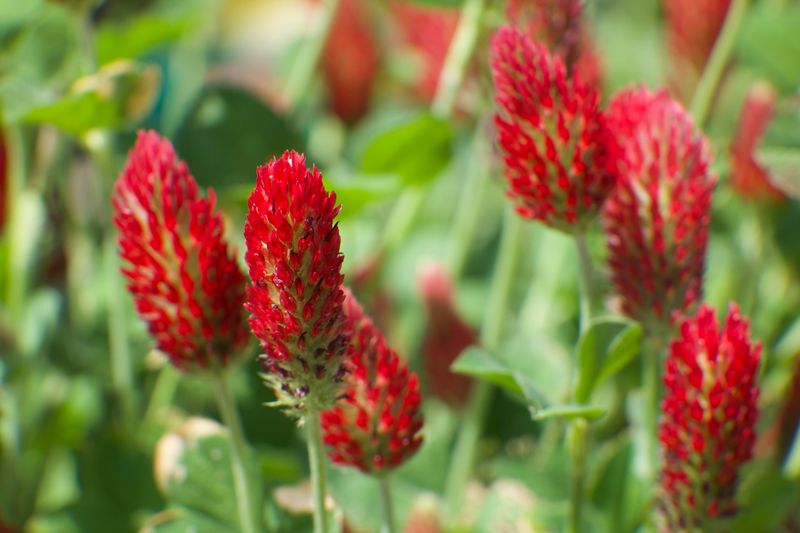
Heavy winter rains can wash away precious topsoil from garden beds and slopes, leaving behind hard red clay that Georgia residents know all too well.
Crimson clover roots form a dense network that holds soil particles in place even during the strongest downpours that hit the region.
The leafy canopy above ground also breaks the impact of raindrops before they can dislodge soil and create muddy runoff problems.
Bare soil left exposed during winter months becomes vulnerable to wind and water damage that removes nutrients and organic matter gradually.
Planting cover crops like crimson clover acts like a protective blanket that keeps everything intact until spring planting time finally arrives.
Gardeners in hilly areas find this benefit especially valuable because slopes lose soil much faster than flat ground during storm events.
Roots can reach several feet deep into the ground, anchoring soil layers that might otherwise slide away during freeze-thaw cycles common here.
The clover stays green and growing through most of the winter, providing continuous protection when your garden needs it most desperately.
After tilling it in, the decomposing plant material continues improving soil structure so future erosion becomes less of a concern overall.
3. Weed Suppression Reduces Spring Workload
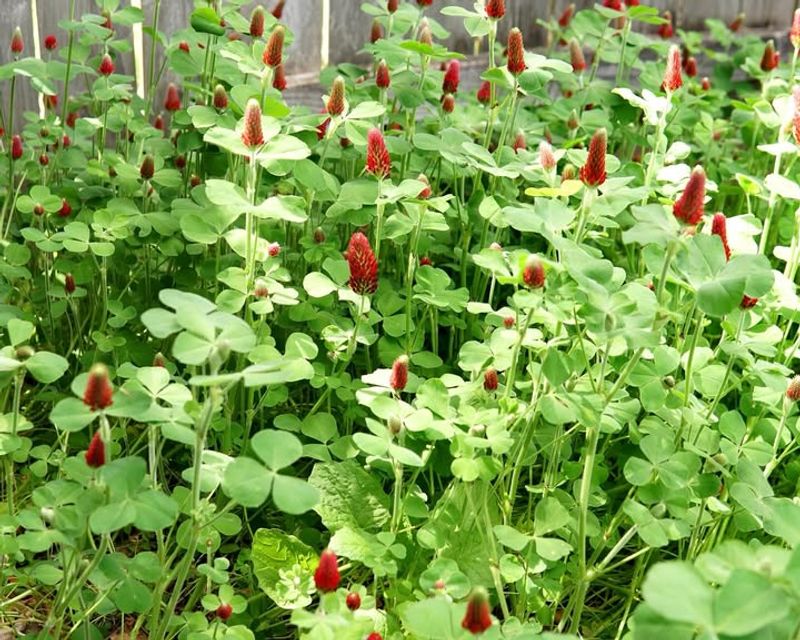
Winter weeds like henbit and chickweed can take over empty garden spaces quickly, creating extra work when spring planting season rolls around.
Your Georgia Garden Changes Every Week. Your Plan Should Too.
Gardening in Georgia changes quickly throughout the season. Every Friday you’ll receive a simple weekly plan showing exactly what to plant, prune, fertilize, harvest, and protect so you never miss the right timing.
Crimson clover grows thick and fast enough to crowd out these unwanted plants before they establish strong root systems in your beds.
Georgia homeowners save hours of weeding time by letting the clover do the hard work of occupying space that weeds would otherwise claim.
The dense foliage blocks sunlight from reaching the soil surface where weed seeds need light to germinate and start growing successfully.
This natural shading effect works better than mulch in many cases because the clover also adds nutrients while it suppresses competition.
Gardeners report cleaner beds in spring when they use crimson clover compared to leaving soil bare through the cold months.
Even aggressive weeds struggle to compete with an established cover crop that has already filled in every available gap between plants.
The clover keeps growing vigorously until warmer temperatures arrive, maintaining its weed-blocking advantage throughout the entire late winter and early spring period.
Once you terminate the clover and prepare beds for planting, far fewer weed seeds remain viable in the soil to cause problems.
4. Organic Matter Builds Better Soil Structure
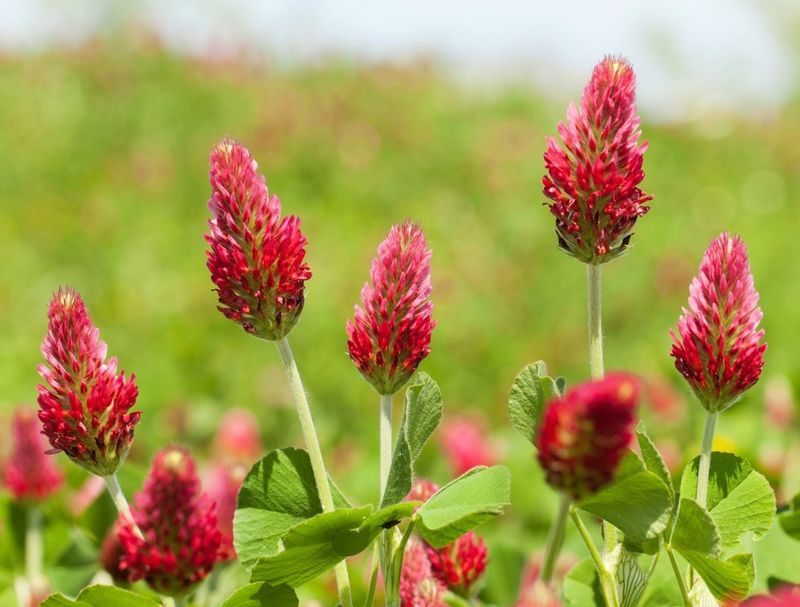
Georgia clay soil can become rock-hard and difficult to work with, frustrating gardeners who want to grow healthy vegetables and beautiful flowers.
Crimson clover adds tons of organic matter when you chop it down and incorporate it into the ground before planting season.
The green plant material breaks down quickly in warm spring temperatures, creating humus that improves soil texture and makes it easier to dig.
Better soil structure means improved water infiltration and drainage, solving problems with both soggy spots and areas that dry out too fast.
Roots can penetrate deeper into loose, crumbly soil enriched with organic matter from decomposed cover crops like crimson clover does naturally.
Earthworms and beneficial microbes multiply rapidly when you feed them fresh plant material, creating a thriving underground ecosystem in your beds.
The transformation happens within weeks as billions of tiny organisms consume the clover and turn it into nutrient-rich compost right where it sits.
Homeowners notice their soil becoming darker and more pleasant to work with after just one season of using this green manure technique.
Repeated use over several years can completely change difficult clay into productive garden soil that grows anything you plant with minimal effort required.
5. Pollinator Support Starts The Season Early
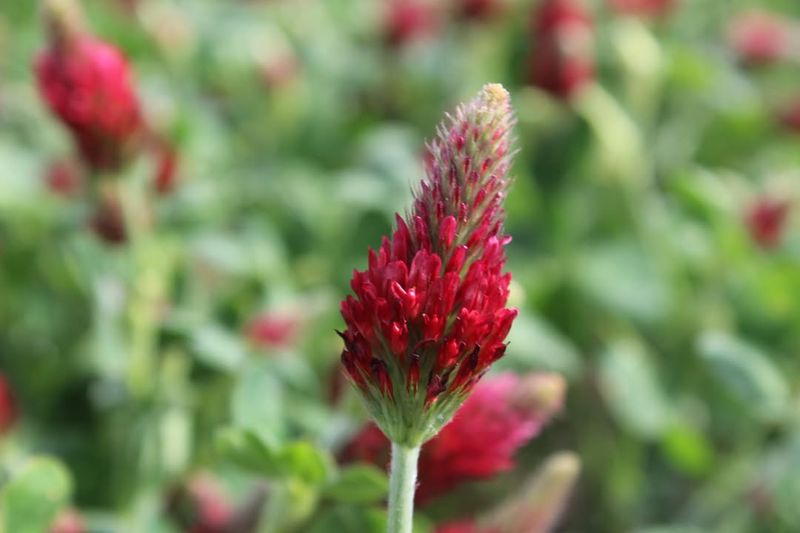
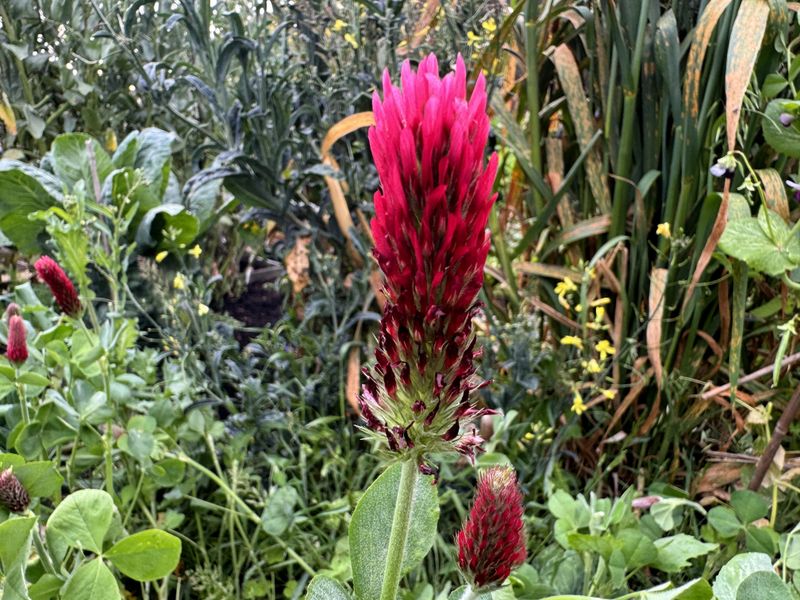
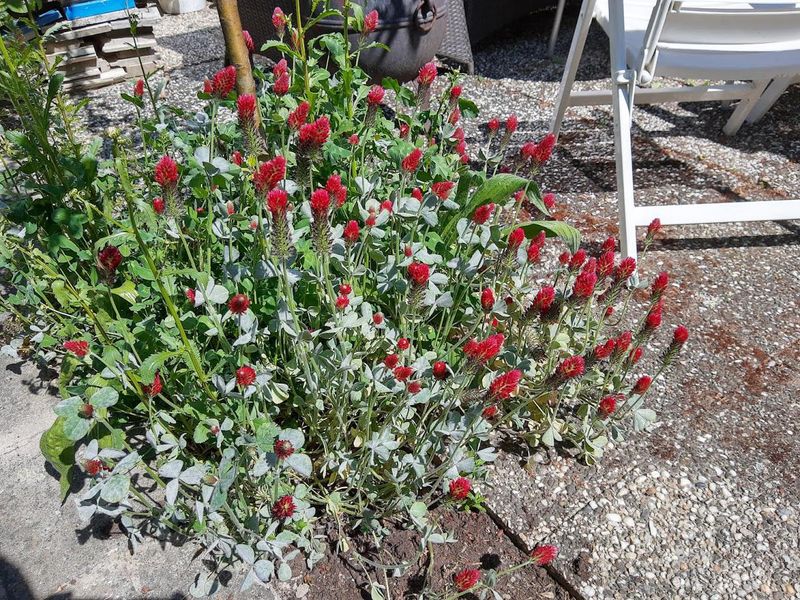
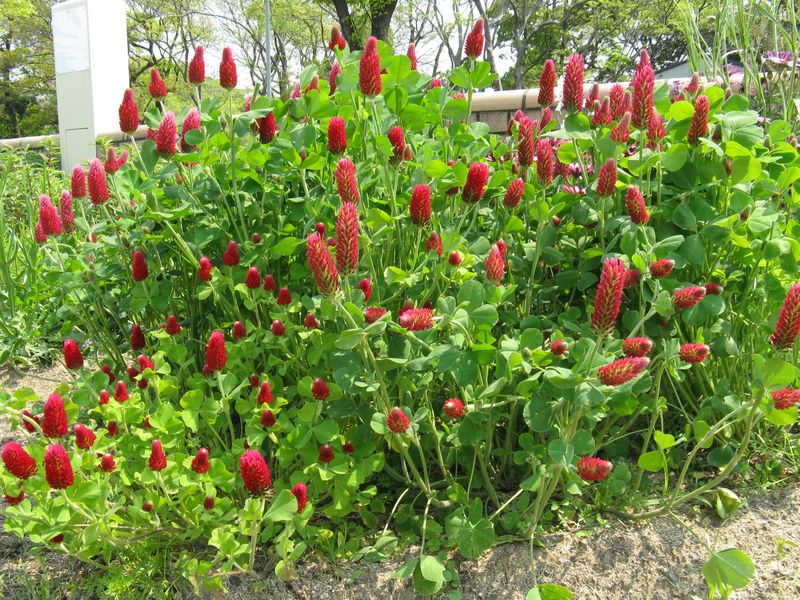
Crimson clover bursts into spectacular bloom with vibrant red flowers that attract bees, butterflies, and other beneficial insects to your property.
These early blooms provide critical food sources when few other flowers are available yet in late winter and very early spring months.
Georgia gardeners who care about pollinator health appreciate giving these important insects a nutritious meal before garden vegetables start flowering and needing pollination.
Honeybees and native bumblebees visit clover flowers constantly, collecting pollen and nectar that help colonies grow strong for the busy season ahead.
The more pollinators you attract to your yard early on, the better pollination rates you will see later on your fruiting crops.
Beneficial predatory insects also arrive with the pollinators, setting up housekeeping and beginning to control pest populations before problems develop significantly.
The cheerful red blooms create a beautiful landscape feature that neighbors admire while delivering practical benefits to your entire garden ecosystem simultaneously.
Letting the clover flower for a few weeks before terminating it maximizes these pollinator benefits without delaying your planting schedule too much.
Homeowners across the state enjoy watching their yards come alive with buzzing activity as the clover reaches peak bloom each spring.
6. Soil Compaction Relief Opens Root Pathways
Foot traffic and heavy equipment can compress garden soil into dense layers that prevent water and air from reaching plant roots effectively.
Crimson clover sends down strong taproots that punch through compacted zones, creating channels that remain even after the plants decompose completely.
Georgia homeowners dealing with hard-packed clay find this mechanical action incredibly valuable for restoring soil health without expensive tilling equipment or amendments.
As roots grow and eventually decay, they leave behind tiny tunnels that improve soil porosity and allow future plant roots to follow.
Water drains better through these natural pathways instead of pooling on the surface or running off before it can soak in.
Oxygen also moves more freely through loosened soil, supporting beneficial aerobic bacteria that help break down organic matter and cycle nutrients efficiently.
The improvement continues building with each cover crop cycle as more roots create additional channels throughout the entire root zone depth.
Vegetables planted after crimson clover establish faster and grow more vigorously because their roots encounter less resistance when pushing through the ground.
Gardeners notice their soil becoming easier to work and more responsive to watering after addressing compaction problems naturally with this cover crop approach.
7. Disease Cycle Interruption Protects Future Crops
Many plant diseases and pests build up in soil when the same crops grow in the same location year after year.
Crimson clover breaks these harmful cycles by providing a completely different plant family that does not host the same problems your vegetables face.
Georgia gardeners use this cover crop strategically to clean up beds between growing seasons and reduce disease pressure on their main food crops.
Tomato diseases like early blight and fusarium wilt cannot survive on clover, so populations decline naturally when their preferred hosts are absent.
Beneficial microbes that thrive around clover roots can actually suppress some soil-borne pathogens through competition and antibiotic production in the root zone.
The practice gives your garden beds a much-needed rest from intensive vegetable production while still keeping the soil active and healthy.
Rotating cover crops with food crops creates a more balanced soil ecosystem where no single disease organism can dominate and cause widespread problems.
Homeowners report fewer disease issues and reduced need for fungicides after implementing regular cover cropping into their garden management routine statewide.
The strategy works especially well for organic gardeners who prefer preventing problems naturally rather than treating them with chemicals after they appear.
8. Cost Savings Add Up Over Multiple Seasons
Commercial fertilizers and soil amendments can drain your gardening budget quickly, especially if you maintain large vegetable beds or multiple garden areas.
Crimson clover seeds cost very little compared to the value of nitrogen and organic matter they provide to your soil naturally.
Georgia homeowners who switch to cover cropping often cut their fertilizer expenses in half while actually improving their soil quality more than chemicals alone.
A small investment in seeds each fall or late winter pays dividends for years as your soil becomes more fertile and self-sustaining.
The money saved on fertilizers and soil conditioners can go toward seeds for interesting vegetable varieties or new perennials for your landscape instead.
Many gardeners find the financial benefits just as compelling as the environmental advantages of reducing chemical inputs in their yards and neighborhoods.
Better soil health also means fewer pest and disease problems, which translates to additional savings on pesticides and fungicides over time significantly.
Plants growing in rich, balanced soil naturally resist stress and fight off problems better than those struggling in poor, depleted ground conditions.
The initial small cost of establishing crimson clover becomes one of the smartest investments you can make in your garden’s long-term productivity.